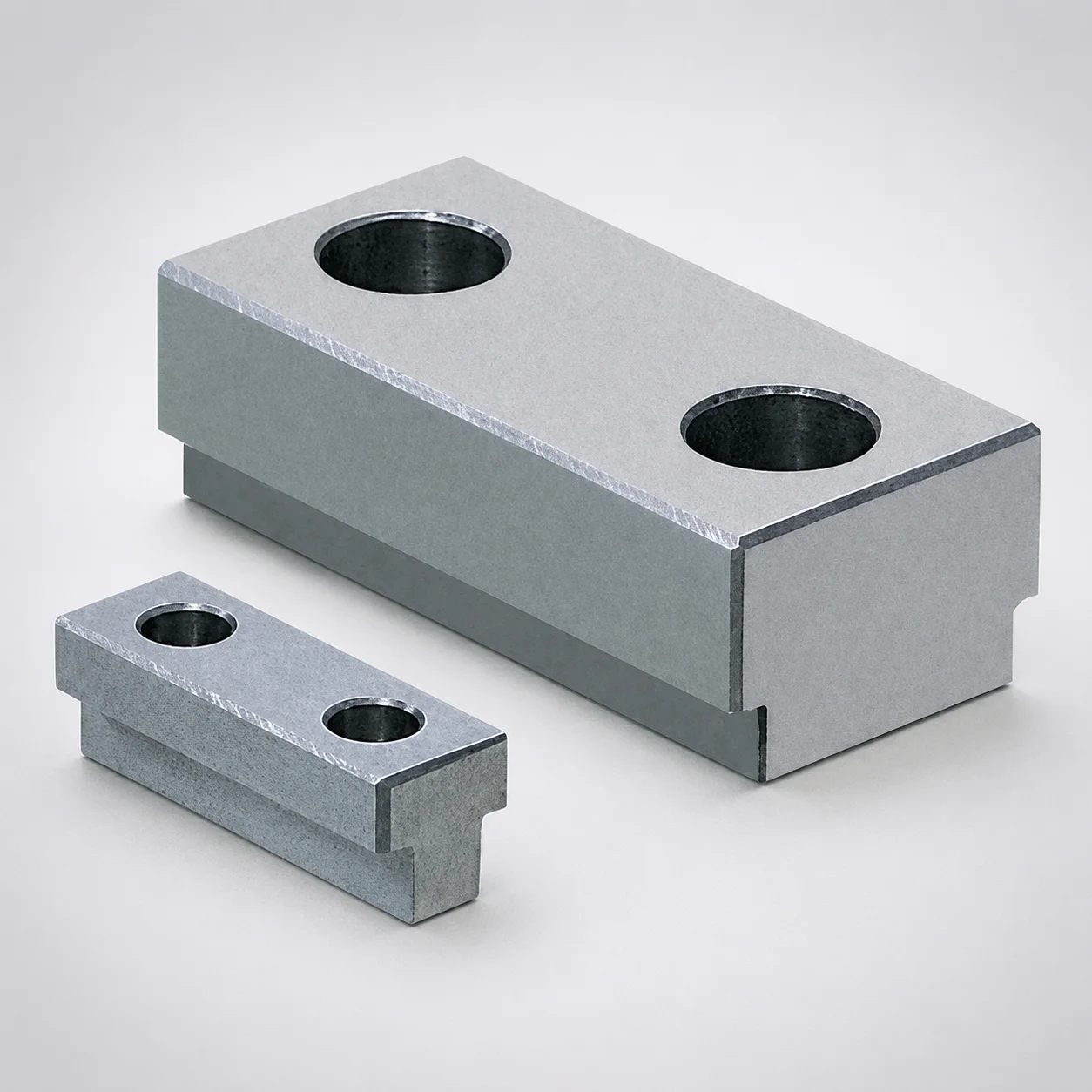
Double Heel Guide Rails - No Groove
Double Heel Guide Rails - No Groove deliver stable linear guidance with a heel design that omits the groove area for simplified lubrication management and consistent assembly fit across configurable rail sizes.
- Double-heel construction with no groove reduces complexity while maintaining alignment control.
- Available in SKS3 or HPM2T tool steel for dependable wear behavior in guided motion.
- Supports configurable dimensions to match mounting requirements and reduce rework during installation.
- Suitable for gib and guide rail assemblies in machine tools and industrial linear motion applications.
Specifications
36 configurations available
| Material | Rail Thickness T (mm) | Rail Width W (mm) | Rail Length L (mm) | Heel height (mm) | Heel width (mm) | No. of mounting holes (pieces) | A (Bolt hole pitch) (mm) | B (Bolt hole pitch) (mm) | C (Bolt hole pitch) (mm) | D (Bolt hole pitch) (mm) | type |
|---|---|---|---|---|---|---|---|---|---|---|---|
| HPM2T | 15 ~ 20 | 15 | 40 ~ 100 | 1 ~ 18 | 0.5 ~ 7 | 2 | 6 ~ 94 | 16 ~ 94 | - | - | - |
| HPM2T | 15 ~ 30 | 18 | 40 ~ 100 | 1 ~ 28 | 0.5 ~ 8.5 | 2 | 7 ~ 93 | 18.5 ~ 93 | - | - | - |
| HPM2T | 20 ~ 40 | 22 | 40 ~ 150 | 1 ~ 38 | 0.5 ~ 10.5 | 2 | 7.5 ~ 142.5 | 20.5 ~ 142.5 | - | - | - |
| HPM2T | 20 ~ 40 | 26 | 40 ~ 150 | 1 ~ 38 | 0.5 ~ 12.5 | 2 | 7.5 ~ 142.5 | 20.5 ~ 142.5 | - | - | - |
| HPM2T | 25 ~ 50 | 32 | 50 ~ 200 | 1 ~ 48 | 0.5 ~ 15.5 | 2 | 10.5 ~ 189.5 | 29.5 ~ 189.5 | - | - | - |
| HPM2T | 25 ~ 50 | 38 | 50 ~ 200 | 1 ~ 48 | 0.5 ~ 18.5 | 2 | 10.5 ~ 189.5 | 29.5 ~ 189.5 | - | - | - |
| HPM2T | 15 ~ 20 | 15 | 40 ~ 100 | 1 ~ 18 | 0.5 ~ 7 | 3 | 6 ~ 94 | 16 ~ 94 | 26 ~ 94 | - | - |
| HPM2T | 15 ~ 30 | 18 | 40 ~ 100 | 1 ~ 28 | 0.5 ~ 8.5 | 3 | 7 ~ 93 | 18.5 ~ 93 | 30 ~ 93 | - | - |
| HPM2T | 20 ~ 40 | 22 | 40 ~ 150 | 1 ~ 38 | 0.5 ~ 10.5 | 3 | 7.5 ~ 142.5 | 20.5 ~ 142.5 | 33.5 ~ 142.5 | - | - |
| HPM2T | 20 ~ 40 | 26 | 40 ~ 150 | 1 ~ 38 | 0.5 ~ 12.5 | 3 | 7.5 ~ 142.5 | 20.5 ~ 142.5 | 33.5 ~ 142.5 | - | - |
| HPM2T | 25 ~ 50 | 32 | 50 ~ 200 | 1 ~ 48 | 0.5 ~ 15.5 | 3 | 10.5 ~ 189.5 | 29.5 ~ 189.5 | 48.5 ~ 189.5 | - | - |
| HPM2T | 25 ~ 50 | 38 | 50 ~ 200 | 1 ~ 48 | 0.5 ~ 18.5 | 3 | 10.5 ~ 189.5 | 29.5 ~ 189.5 | 48.5 ~ 189.5 | - | - |
| HPM2T | 15 ~ 20 | 15 | 40 ~ 100 | 1 ~ 18 | 0.5 ~ 7 | 4 | 6 ~ 94 | 16 ~ 94 | 26 ~ 94 | 36 ~ 94 | - |
| HPM2T | 15 ~ 30 | 18 | 40 ~ 100 | 1 ~ 28 | 0.5 ~ 8.5 | 4 | 7 ~ 93 | 18.5 ~ 93 | 30 ~ 93 | 41.5 ~ 93 | - |
| HPM2T | 20 ~ 40 | 22 | 40 ~ 150 | 1 ~ 38 | 0.5 ~ 10.5 | 4 | 7.5 ~ 142.5 | 20.5 ~ 142.5 | 33.5 ~ 142.5 | 46.5 ~ 142.5 | - |
| HPM2T | 20 ~ 40 | 26 | 40 ~ 150 | 1 ~ 38 | 0.5 ~ 12.5 | 4 | 7.5 ~ 142.5 | 20.5 ~ 142.5 | 33.5 ~ 142.5 | 46.5 ~ 142.5 | - |
| HPM2T | 25 ~ 50 | 32 | 50 ~ 200 | 1 ~ 48 | 0.5 ~ 15.5 | 4 | 10.5 ~ 189.5 | 29.5 ~ 189.5 | 48.5 ~ 189.5 | 67.5 ~ 189.5 | - |
| HPM2T | 25 ~ 50 | 38 | 50 ~ 200 | 1 ~ 48 | 0.5 ~ 18.5 | 4 | 10.5 ~ 189.5 | 29.5 ~ 189.5 | 48.5 ~ 189.5 | 67.5 ~ 189.5 | - |
| SKS3 | 15 ~ 20 | 15 | 40 ~ 100 | 1 ~ 18 | 0.5 ~ 7 | 2 | 6 ~ 94 | 16 ~ 94 | - | - | - |
| SKS3 | 15 ~ 30 | 18 | 40 ~ 100 | 1 ~ 28 | 0.5 ~ 8.5 | 2 | 7 ~ 93 | 18.5 ~ 93 | - | - | - |
| SKS3 | 20 ~ 40 | 22 | 40 ~ 150 | 1 ~ 38 | 0.5 ~ 10.5 | 2 | 7.5 ~ 142.5 | 20.5 ~ 142.5 | - | - | - |
| SKS3 | 20 ~ 40 | 26 | 40 ~ 150 | 1 ~ 38 | 0.5 ~ 12.5 | 2 | 7.5 ~ 142.5 | 20.5 ~ 142.5 | - | - | - |
| SKS3 | 25 ~ 50 | 32 | 50 ~ 200 | 1 ~ 48 | 0.5 ~ 15.5 | 2 | 10.5 ~ 189.5 | 29.5 ~ 189.5 | - | - | - |
| SKS3 | 25 ~ 50 | 38 | 50 ~ 200 | 1 ~ 48 | 0.5 ~ 18.5 | 2 | 10.5 ~ 189.5 | 29.5 ~ 189.5 | - | - | - |
| SKS3 | 15 ~ 20 | 15 | 40 ~ 100 | 1 ~ 18 | 0.5 ~ 7 | 3 | 6 ~ 94 | 16 ~ 94 | 26 ~ 94 | - | - |
| SKS3 | 15 ~ 30 | 18 | 40 ~ 100 | 1 ~ 28 | 0.5 ~ 8.5 | 3 | 7 ~ 93 | 18.5 ~ 93 | 30 ~ 93 | - | - |
| SKS3 | 20 ~ 40 | 22 | 40 ~ 150 | 1 ~ 38 | 0.5 ~ 10.5 | 3 | 7.5 ~ 142.5 | 20.5 ~ 142.5 | 33.5 ~ 142.5 | - | - |
| SKS3 | 20 ~ 40 | 26 | 40 ~ 150 | 1 ~ 38 | 0.5 ~ 12.5 | 3 | 7.5 ~ 142.5 | 20.5 ~ 142.5 | 33.5 ~ 142.5 | - | - |
| SKS3 | 25 ~ 50 | 32 | 50 ~ 200 | 1 ~ 48 | 0.5 ~ 15.5 | 3 | 10.5 ~ 189.5 | 29.5 ~ 189.5 | 48.5 ~ 189.5 | - | - |
| SKS3 | 25 ~ 50 | 38 | 50 ~ 200 | 1 ~ 48 | 0.5 ~ 18.5 | 3 | 10.5 ~ 189.5 | 29.5 ~ 189.5 | 48.5 ~ 189.5 | - | - |
| SKS3 | 15 ~ 20 | 15 | 40 ~ 100 | 1 ~ 18 | 0.5 ~ 7 | 4 | 6 ~ 94 | 16 ~ 94 | 26 ~ 94 | 36 ~ 94 | - |
| SKS3 | 15 ~ 30 | 18 | 40 ~ 100 | 1 ~ 28 | 0.5 ~ 8.5 | 4 | 7 ~ 93 | 18.5 ~ 93 | 30 ~ 93 | 41.5 ~ 93 | - |
| SKS3 | 20 ~ 40 | 22 | 40 ~ 150 | 1 ~ 38 | 0.5 ~ 10.5 | 4 | 7.5 ~ 142.5 | 20.5 ~ 142.5 | 33.5 ~ 142.5 | 46.5 ~ 142.5 | - |
| SKS3 | 20 ~ 40 | 26 | 40 ~ 150 | 1 ~ 38 | 0.5 ~ 12.5 | 4 | 7.5 ~ 142.5 | 20.5 ~ 142.5 | 33.5 ~ 142.5 | 46.5 ~ 142.5 | - |
| SKS3 | 25 ~ 50 | 32 | 50 ~ 200 | 1 ~ 48 | 0.5 ~ 15.5 | 4 | 10.5 ~ 189.5 | 29.5 ~ 189.5 | 48.5 ~ 189.5 | 67.5 ~ 189.5 | - |
| SKS3 | 25 ~ 50 | 38 | 50 ~ 200 | 1 ~ 48 | 0.5 ~ 18.5 | 4 | 10.5 ~ 189.5 | 29.5 ~ 189.5 | 48.5 ~ 189.5 | 67.5 ~ 189.5 | - |
Product Guide
Application Scenarios+
Double-heel guide rails with no groove are used to maintain stable linear motion and alignment in precision tooling where rail lubrication and assembly consistency are critical. The no-groove heel design helps simplify lubrication routing and reduces variability during installation, making it practical for recurring machine build or maintenance cycles.
Common scenarios include machine tool gib and guide rail assemblies, where predictable contact geometry supports smooth slide motion under load. In these setups, the specified rail thickness and width options (T: 15–50 mm, W: 15–38 mm) allow engineers to match stiffness requirements for the moving guide path.
They are also suitable for industrial linear motion systems that benefit from repeatable mounting pitch layouts. With configurable bolt hole counts (2–4) and pitch ranges for A/B/C/D, the rails can be matched to existing base plate or slider mounting patterns to reduce rework.
Material & Process Details+
This guide rail is offered in HPM2T or SKS3, enabling engineers to balance wear resistance and toughness for guided motion. HPM2T is a tool steel grade selected for reliable sliding wear behavior; it is typically supplied as a hardened product depending on supplier condition, then used without aggressive post-processing when design tolerances and surface finish are critical.
SKS3 is commonly chosen for applications requiring stable performance with good wear resistance while maintaining workable toughness. Compared with many higher-alloy grades, SKS3 can offer a different toughness–wear trade-off that may be favorable when loads and shock levels vary in service.
- Material choice affects wear resistance vs. toughness in long stroke linear guidance.
- Heat treatment state is typically pre-hardened/hardened for tooling-grade consistency, with final hardness driven by the supplied condition and intended bearing/contact surface finish.
For exact hardness (HRC) and heat treatment recipe for your specific SKU, confirm with the lot documentation or request a datasheet.
Sizing & Selection Guide+
Select the rail dimensions by first matching rail thickness (T) and rail width (W) to the stiffness and bearing area requirements of the guide assembly. Available ranges include T: 15–20, 15–30, 20–40, and 25–50 mm; W: 15, 18, 22, 26, 32, 38 mm.
Then choose the required rail length (L) to cover the full travel and mounting footprint: L: 40–100, 40–150, 50–200 mm. The heel height (1–18, 1–28, 1–38, 1–48 mm) and heel width (0.5–7 up to 0.5–18.5 mm depending on the size set) must match the counterpart contact geometry so the guide can seat without rocking.
- Verify mounting layout using the available no. of mounting holes (2–4).
- Match bolt pitch to the designed base plate: A, B, C, D ranges are provided per configuration (e.g., A: 6–94 mm; D: 36–94 mm and larger sets up to ~189.5 mm).
- Use the same pitch set across all rails in the assembly to maintain alignment; confirm fit and clearance based on your machining tolerances.
Frequently Asked Questions
Which material option (HPM2T vs SKS3) is better for rail wear in machine tool linear guidance?+
Both options are intended for guided motion wear performance, with the product offering HPM2T and SKS3 as selectable steels. In practice, engineers typically select HPM2T when prioritized sliding wear behavior is required, while SKS3 is often selected when a different toughness–wear balance fits the operating conditions.
Because the input data does not list HRC or heat treatment recipes, request the lot hardness/condition if your design requires a specific hardness target.
How do I choose the correct heel height and heel width for the “no groove” double-heel guide rail?+
Use the provided ranges to match the counterpart seating/contact geometry: heel height options run from 1–18 up to 1–48 mm, depending on the configuration, and heel width runs from 0.5–7 up to 0.5–18.5 mm.
Confirm that the heel dimensions allow full seating without side rocking, since the no-groove design changes lubrication placement compared with grooved variants.
What rail thickness and width combinations are available to meet rigidity requirements?+
Rail thickness T is offered in multiple ranges: 15–20, 15–30, 20–40, and 25–50 mm
Rail width W is available as discrete sizes: 15, 18, 22, 26, 32, 38 mm. Select T for structural stiffness and W for the required bearing/contact area under the slide load.
How do I match mounting hole pitch (A/B/C/D) to my guide plate layout?+
The rail provides configurable mounting pitch options using A, B, C, and D with ranges tied to the selected configuration. For example, A spans from 6–94 mm in one set and extends up to about 142.5 mm and beyond in larger pitch sets, while D spans from 36–94 mm up to around 189.5 mm.
Choose the configuration where your existing base plate hole spacing matches the same pitch letter set across the rail length; then verify the number of mounting holes (2, 3, or 4).
What length should I select to cover the full slide travel without compromising alignment?+
Use the available rail length L options that correspond to your travel and mounting footprint: 40–100, 40–150, and 50–200 mm. Ensure the selected length covers the full effective sliding zone so the heel contact remains supported throughout.
After selecting L, confirm heel geometry (height/width) and the mounting pitch configuration so the installed rail stays aligned under assembly tolerances.
Related Products
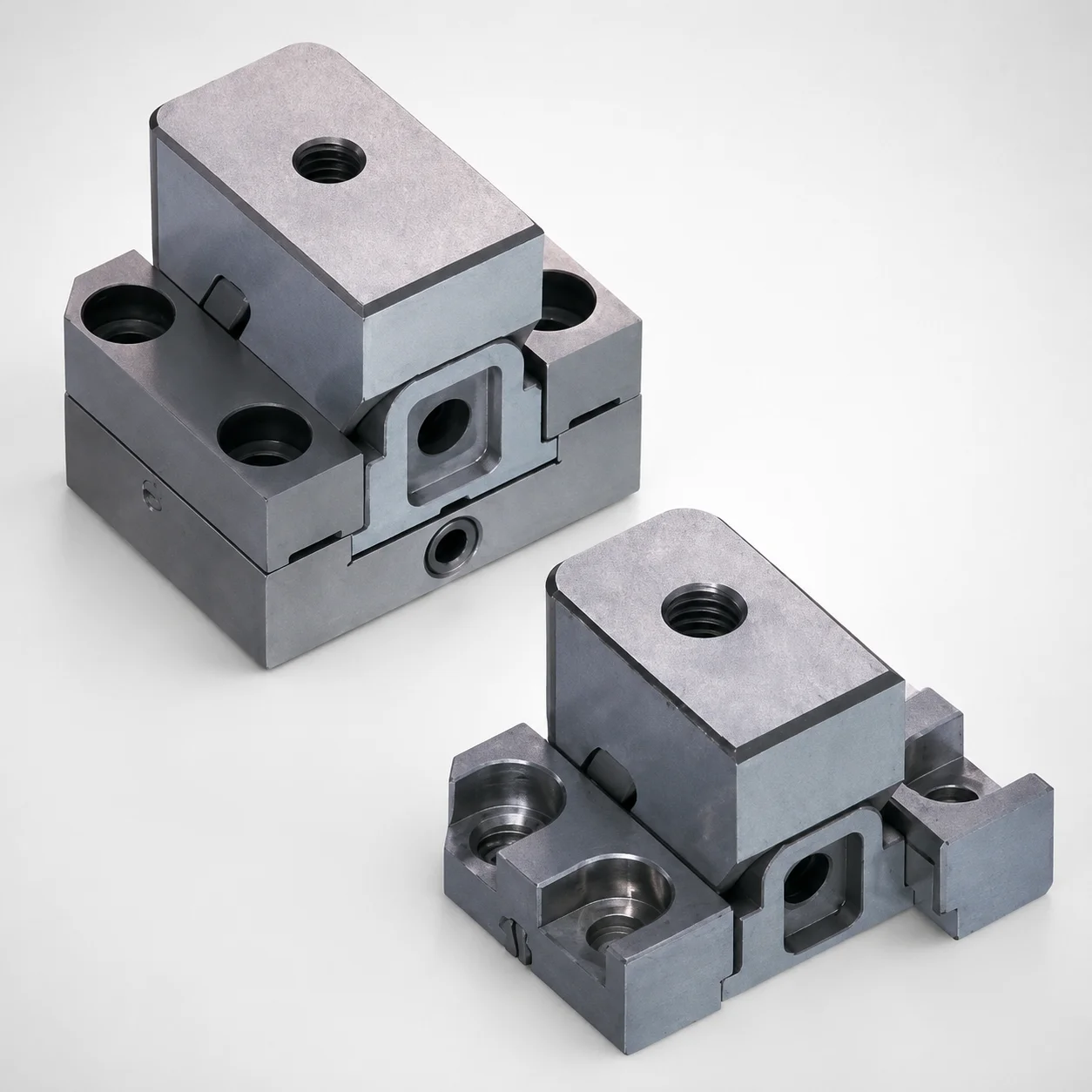
Standard Type Mini Slide Core Units
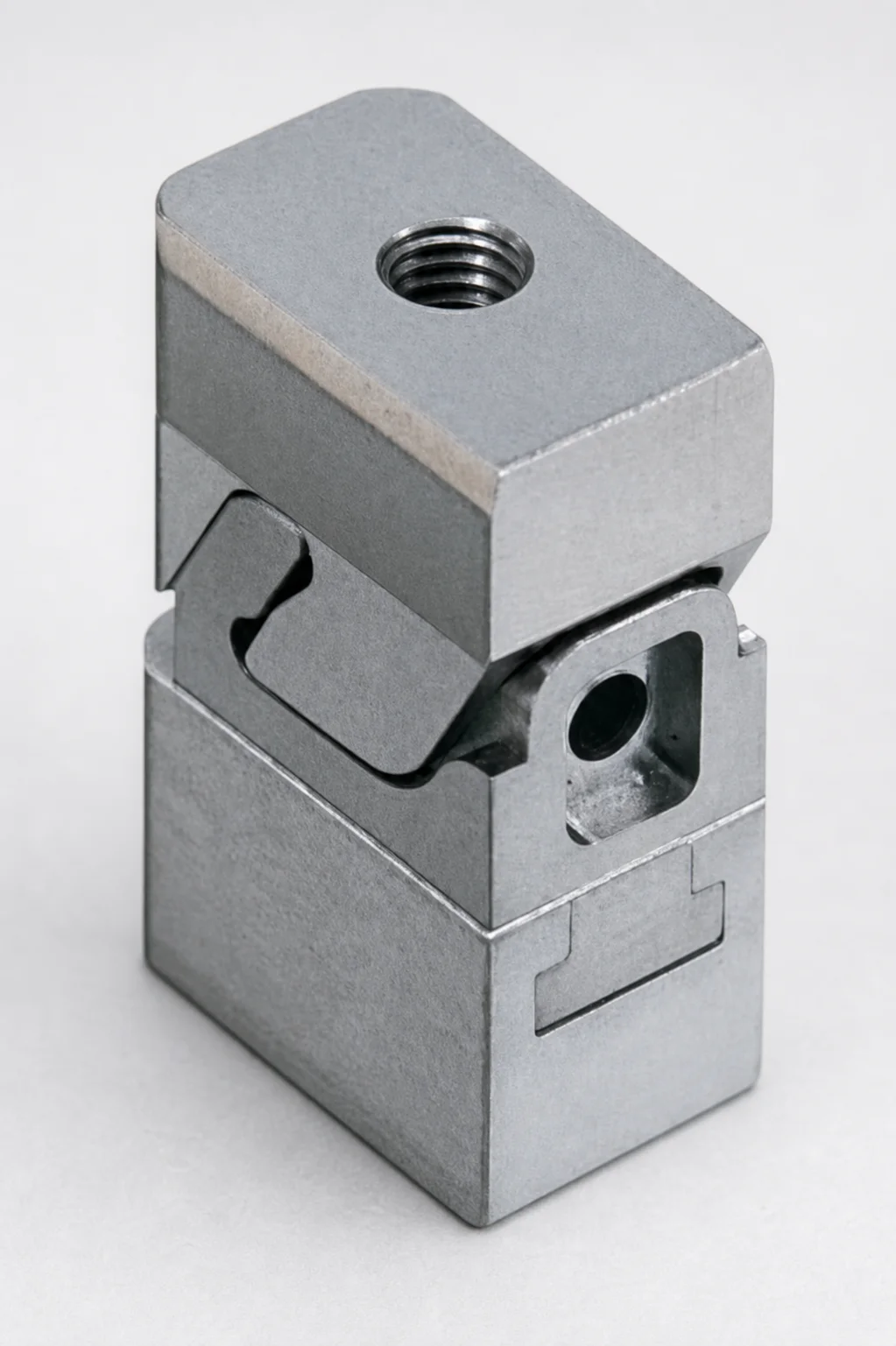
Mini Slide Core Units Slim Type (3 mm Stroke) for Inlay Tapped MSCS-Type
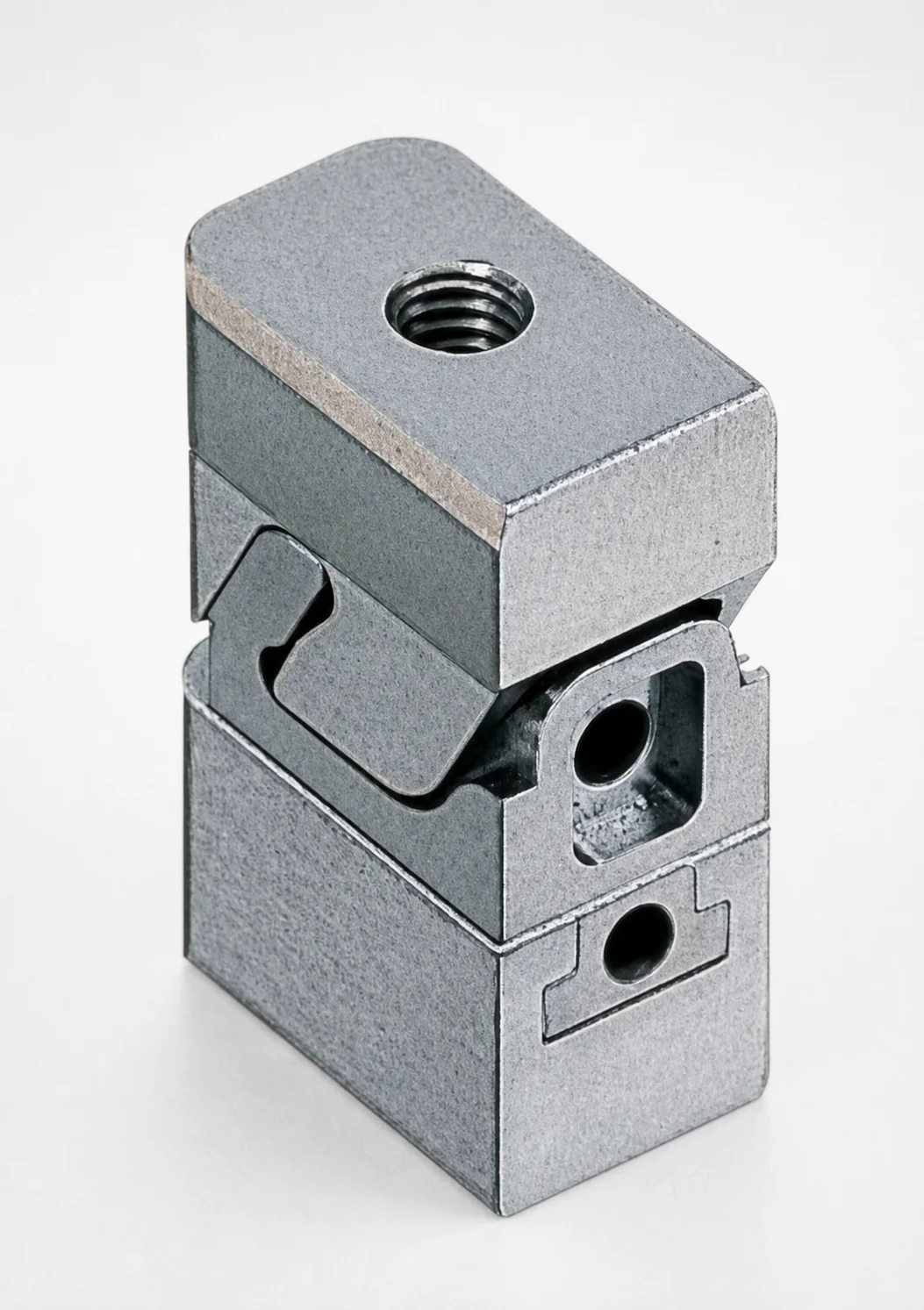
Mini Slide Core Units Slim Slide Stroke 3 mm Retractor Mechanism
Mini Slide Core Units Slim Slide Stroke 10 mm Retracting Mechanism
Mini Slide Core Units Slim Slide Core Retractor 6 mm Stroke
SCTM Two-Color Slide Core Units
Need Custom Specifications?
Our engineering team can help with custom configurations, material selection, and volume pricing.