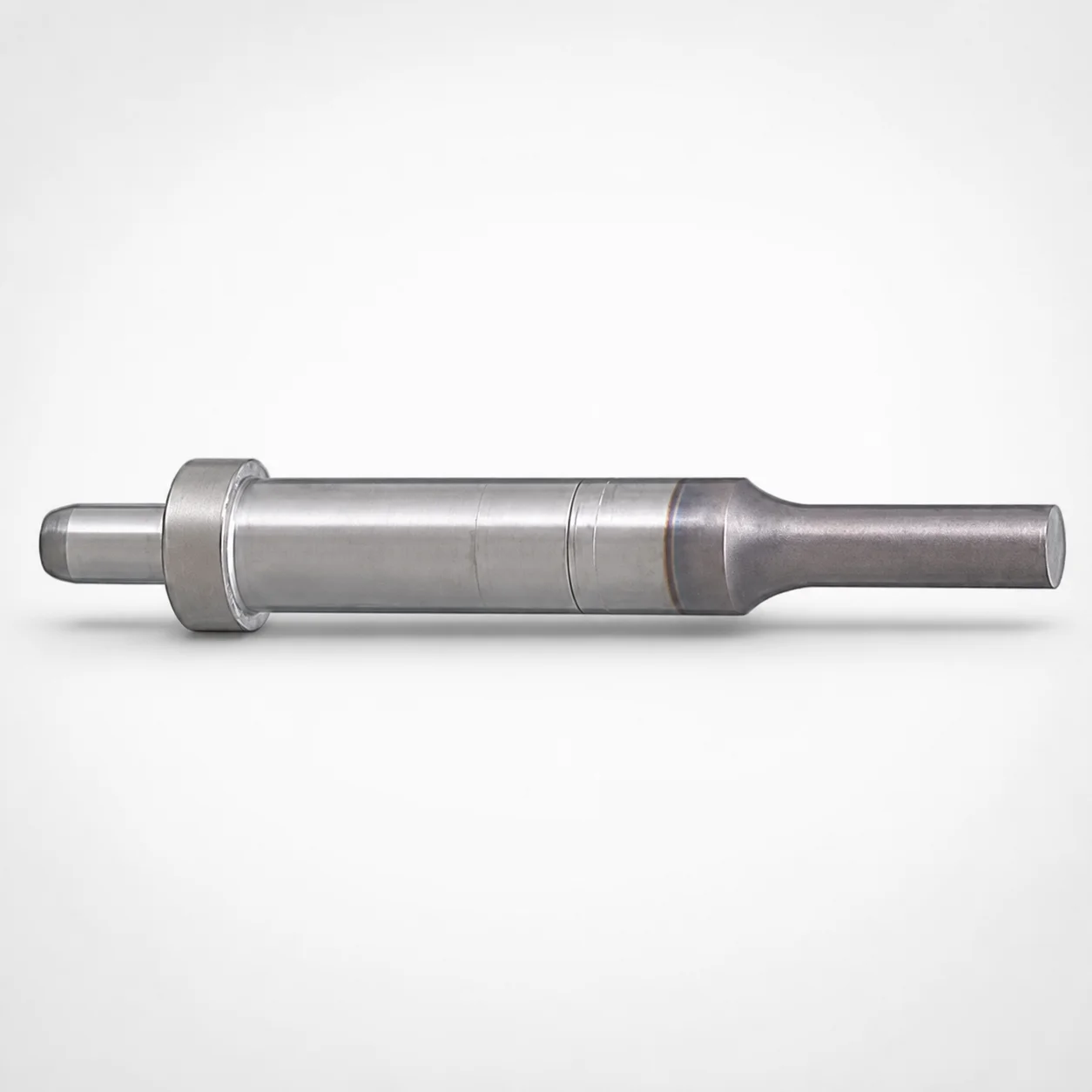
D2 / SKD11 Steel Single-Stepped Center Dowel Ejector Punches With Locating Dowel Hole
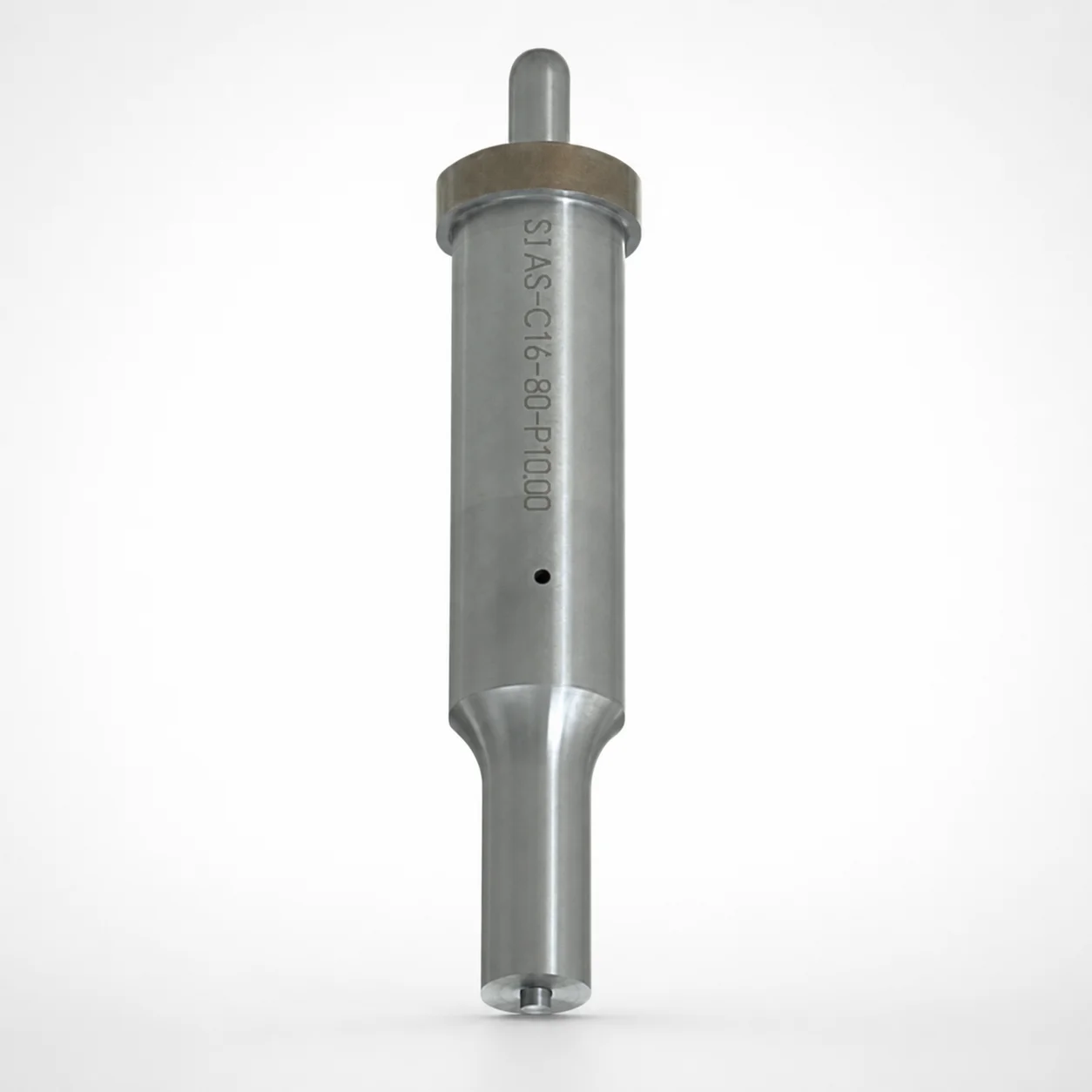
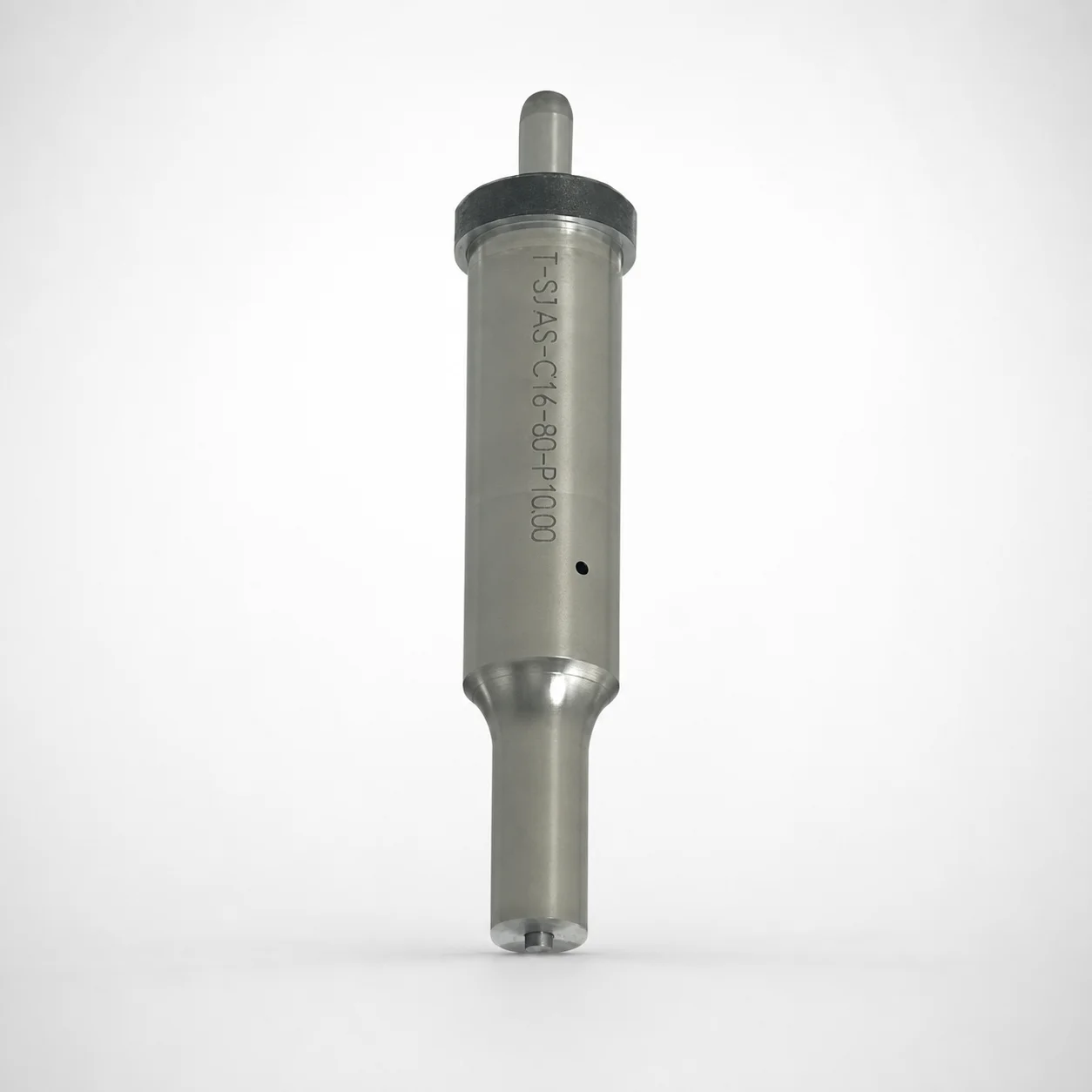
Single-stepped center dowel ejector punches (D2 / SKD11 steel) with a locating dowel hole use HW coating to improve wear life and maintain stable positioning in die assemblies.
- Single-stepped shank layout supports repeatable locating dowel hole alignment
- HW coating on D2 / SKD11 equivalent helps resist abrasion during stamping cycles
- Built to m5 shank diameter tolerance reference for consistent fit in tooling
- Used for ejector and locating stations in progressive dies and precision punching
Specifications
624 configurations available
| Tip shape | B (Tip length) | D (Shank diameter) (mm) | P (Tip dimension) (mm) | L (L dimension) (mm) | LC (Full length alteration) (mm) | PC (Tip dimension alteration) (mm) | R (Tip corner R) (mm) | W (Tip dimension) (mm) | WC (Tip dimension alteration) (mm) | type |
|---|---|---|---|---|---|---|---|---|---|---|
| Round | L | 10 | 3 ~ 9.99 | 50 ~ 150 | - | - | - | - | - | - |
| Round | L | 10 | - | 50 ~ 150 | - | 1.5 ~ 2.99 | - | - | - | - |
| Round | L | 10 | 3 ~ 9.99 | - | 25 ~ 149.9 | - | - | - | - | - |
| Round | L | 10 | - | - | 25 ~ 149.9 | 1.5 ~ 2.99 | - | - | - | - |
| Round | L | 13 | 6 ~ 12.99 | 50 ~ 150 | - | - | - | - | - | - |
| Round | L | 13 | - | 50 ~ 150 | - | 3 ~ 5.99 | - | - | - | - |
| Round | L | 13 | 6 ~ 12.99 | - | 25 ~ 149.9 | - | - | - | - | - |
| Round | L | 13 | - | - | 25 ~ 149.9 | 3 ~ 5.99 | - | - | - | - |
| Round | L | 16 | 10 ~ 15.99 | 60 ~ 150 | - | - | - | - | - | - |
| Round | L | 16 | - | 60 ~ 150 | - | 5 ~ 9.99 | - | - | - | - |
| Round | L | 16 | 10 ~ 15.99 | - | 25 ~ 149.9 | - | - | - | - | - |
| Round | L | 16 | - | - | 25 ~ 149.9 | 5 ~ 9.99 | - | - | - | - |
| Round | L | 20 | 13 ~ 19.99 | 60 ~ 150 | - | - | - | - | - | - |
| Round | L | 20 | - | 60 ~ 150 | - | 6.5 ~ 12.99 | - | - | - | - |
| Round | L | 20 | 13 ~ 19.99 | - | 25 ~ 149.9 | - | - | - | - | - |
| Round | L | 20 | - | - | 25 ~ 149.9 | 6.5 ~ 12.99 | - | - | - | - |
| Round | L | 25 | 18 ~ 24.99 | 60 ~ 150 | - | - | - | - | - | - |
| Round | L | 25 | - | 60 ~ 150 | - | 9 ~ 17.99 | - | - | - | - |
| Round | L | 25 | 18 ~ 24.99 | - | 25 ~ 149.9 | - | - | - | - | - |
| Round | L | 25 | - | - | 25 ~ 149.9 | 9 ~ 17.99 | - | - | - | - |
| Round | L | 32 | 20 ~ 31.99 | 60 ~ 150 | - | - | - | - | - | - |
| Round | L | 32 | - | 60 ~ 150 | - | 10 ~ 19.99 | - | - | - | - |
| Round | L | 32 | 20 ~ 31.99 | - | 27 ~ 149.9 | - | - | - | - | - |
| Round | L | 32 | - | - | 27 ~ 149.9 | 10 ~ 19.99 | - | - | - | - |
| Round | L | 38 | 28 ~ 37.99 | 60 ~ 150 | - | - | - | - | - | - |
| Round | L | 38 | - | 60 ~ 150 | - | 14 ~ 27.99 | - | - | - | - |
| Round | L | 38 | 28 ~ 37.99 | - | 27 ~ 149.9 | - | - | - | - | - |
| Round | L | 38 | - | - | 27 ~ 149.9 | 14 ~ 27.99 | - | - | - | - |
| Round | L | 45 | 35 ~ 44.99 | 60 ~ 150 | - | - | - | - | - | - |
| Round | L | 45 | - | 60 ~ 150 | - | 17.5 ~ 34.99 | - | - | - | - |
| Round | L | 45 | 35 ~ 44.99 | - | 27 ~ 149.9 | - | - | - | - | - |
| Round | L | 45 | - | - | 27 ~ 149.9 | 17.5 ~ 34.99 | - | - | - | - |
| Round | S | 10 | 3 ~ 9.99 | 40 ~ 150 | - | - | - | - | - | - |
| Round | S | 10 | - | 40 ~ 150 | - | 1.5 ~ 2.99 | - | - | - | - |
| Round | S | 10 | 3 ~ 9.99 | - | 25 ~ 149.9 | - | - | - | - | - |
| Round | S | 10 | - | - | 25 ~ 149.9 | 1.5 ~ 2.99 | - | - | - | - |
| Round | S | 13 | 6 ~ 12.99 | 40 ~ 150 | - | - | - | - | - | - |
| Round | S | 13 | - | 40 ~ 150 | - | 3 ~ 5.99 | - | - | - | - |
| Round | S | 13 | 6 ~ 12.99 | - | 25 ~ 149.9 | - | - | - | - | - |
| Round | S | 13 | - | - | 25 ~ 149.9 | 3 ~ 5.99 | - | - | - | - |
| Round | S | 16 | 10 ~ 15.99 | 40 ~ 150 | - | - | - | - | - | - |
| Round | S | 16 | - | 40 ~ 150 | - | 5 ~ 9.99 | - | - | - | - |
| Round | S | 16 | 10 ~ 15.99 | - | 25 ~ 149.9 | - | - | - | - | - |
| Round | S | 16 | - | - | 25 ~ 149.9 | 5 ~ 9.99 | - | - | - | - |
| Round | S | 20 | 13 ~ 19.99 | 40 ~ 150 | - | - | - | - | - | - |
| Round | S | 20 | - | 40 ~ 150 | - | 6.5 ~ 12.99 | - | - | - | - |
| Round | S | 20 | 13 ~ 19.99 | - | 25 ~ 149.9 | - | - | - | - | - |
| Round | S | 20 | - | - | 25 ~ 149.9 | 6.5 ~ 12.99 | - | - | - | - |
| Round | S | 25 | 18 ~ 24.99 | 40 ~ 150 | - | - | - | - | - | - |
| Round | S | 25 | - | 40 ~ 150 | - | 9 ~ 17.99 | - | - | - | - |
Product Guide
Application Scenarios+
This single-stepped center dowel ejector punch is used in precision injection molding and tooling stations where repeatable alignment is critical. The locating dowel hole feature helps synchronize the punch with the die block and guide system, reducing positional drift over long production runs.
- Automotive connector housings and inserts: In progressive or multi-station tooling, the stable locating interface supports smooth ejection while the single-stepped shank layout maintains consistent seating at the locating dowel hole.
- Medical device housings with tight dimensional control: The punch’s alignment-oriented design is suited for fine-tolerance ejector and lifter operations where consistent contact geometry helps limit variation between cavities.
- High-cycle stamping/insertion processes: HW coating on D2/SKD11 equivalent steel improves resistance to abrasion from sliding and repetitive ejector strokes, supporting wear-stable performance.
Choose this variant when your design relies on the locating dowel hole for accurate positioning and you need improved wear durability under repeated cycles.
Material & Process Details+
The punch is manufactured from D2 / SKD11 steel (D2 is commonly used as an equivalent to SKD11). D2/SKD11 is an air-hardening tool steel known for high wear resistance and good dimensional stability under service.
- Heat treatment: Typically quenched and tempered to balance hardness and toughness for punch/ejector duty; the final temper supports stable performance during repeated cycles.
- Hardness: D2/SKD11 tooling steels are commonly specified in the ~58–62 HRC range after hardening/tempering, with hardness tailored to match abrasion vs. shock resistance requirements.
- Trade-off: Higher hardness improves wear life but can reduce impact toughness if the temper is too aggressive.
The HW coating further enhances surface wear resistance, which is especially beneficial where sliding abrasion occurs at the shank/dowel-guided interface. Compared with uncoated D2/SKD11, coating typically improves wear behavior under high rubbing frequency, while base toughness remains governed by the temper condition.
Sizing & Selection Guide+
Select dimensions by matching the punch tip and shank geometry to the die cavity/core requirements and the locating system. This product supports shank diameter D = 10 ~ 45 mm and tip dimension P = 2.5 ~ 35 mm, with tip shape selectable as round, rectangle, oblong, double flatted round, or radius rectangle.
- Choose tip shape and size: Confirm the required tip length B (L, S, X) and the corresponding tip corner R (given as 0.15). Use the appropriate W range (2.5 ~ 9 mm) and its alteration values (WC 1.25 ~ 4.5 mm), where your design specifies dimensional offsets.
- Match overall length: Total L is available in ranges including 50 ~ 150 and several variants such as 60 ~ 150, 40 ~ 150, 70 ~ 150, 80 ~ 150. Use the LC full-length alteration range (e.g., 25 ~ 149.9 mm and corresponding variants) to set the final insertion length.
- Fit and tolerance: The shank uses an m5 tolerance reference for consistent fit in tooling; ensure your die bore/guide seat is designed to accommodate the m5 fit requirement to prevent binding or excessive clearance.
Once D and the tip geometry are confirmed, set the final working length using L and the appropriate LC/PC alteration values so the ejector action reaches the required stroke depth without over-travel.
Frequently Asked Questions
Which shank diameter range (D) is available for these D2/SKD11 center dowel ejector punches?+
How do I choose the correct tip length (B) and overall length (L/LC) to achieve the required ejection stroke?+
What tip geometries are supported, and how does the tip corner radius (R) affect compatibility with the die feature?+
What is the role of the locating dowel hole in this punch, and when does it matter most?+
How does HW coating on D2/SKD11 influence wear life for ejector and alignment surfaces?+
Related Products
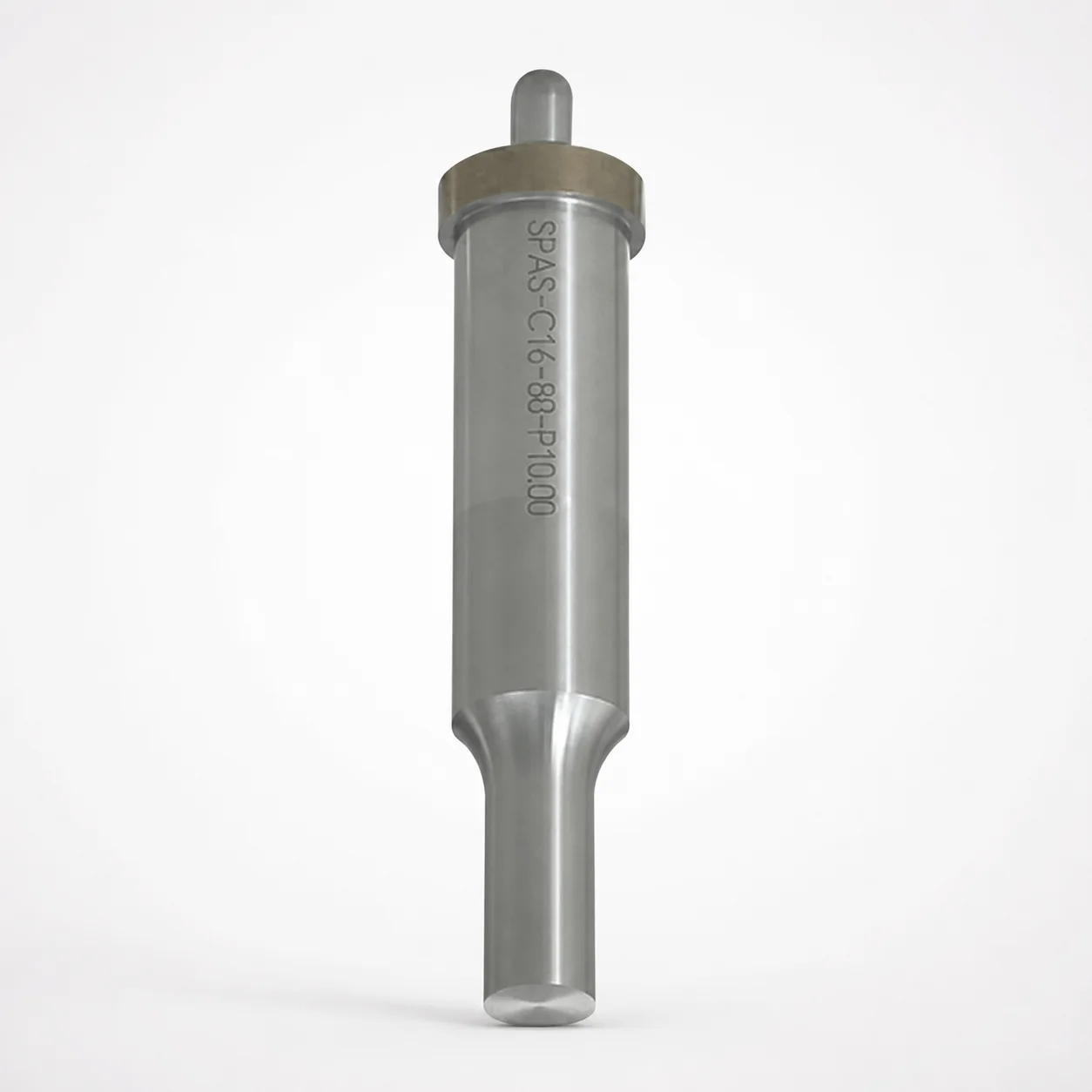
Metric Center Dowel Ejector Punches (SKD11 Equivalent)
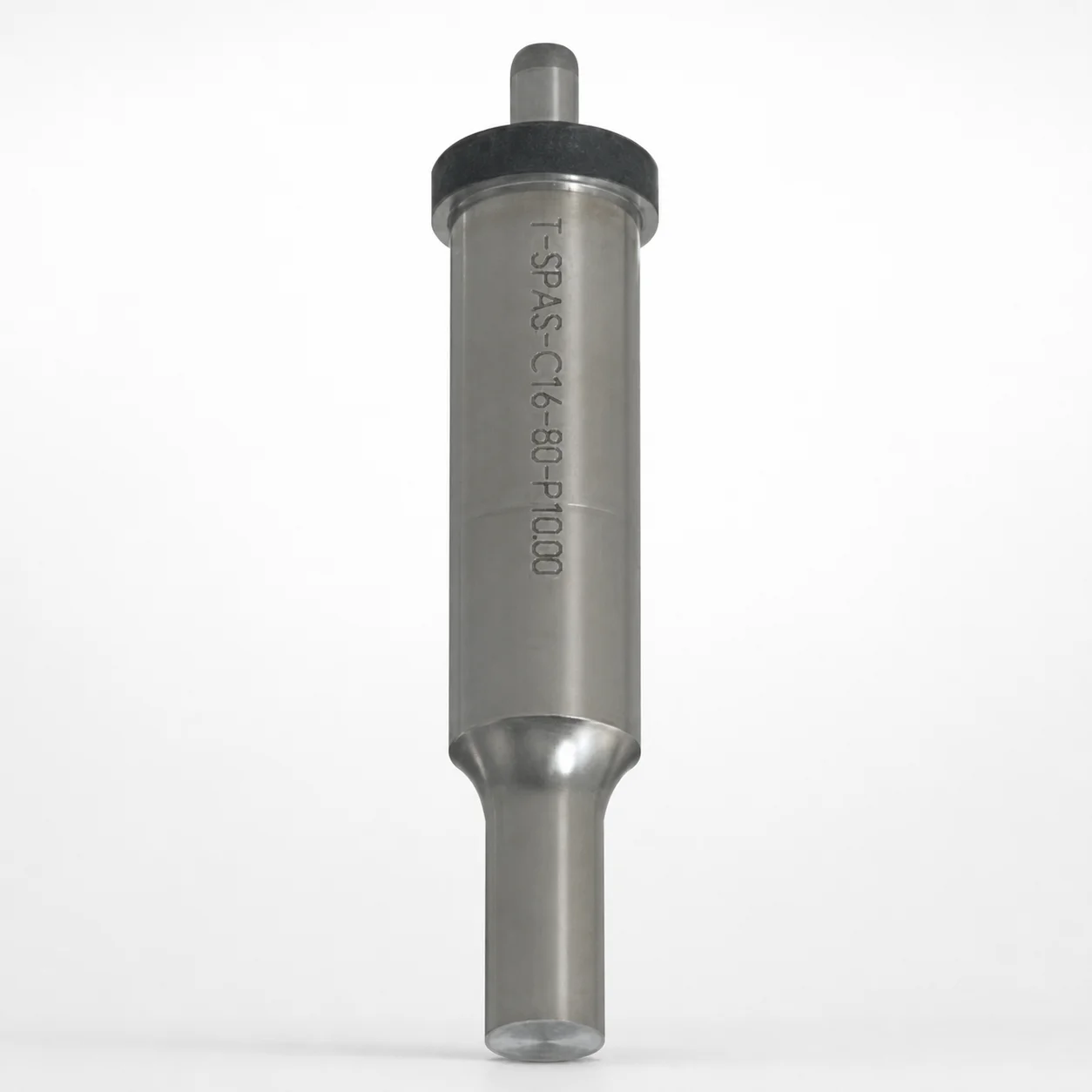
Dicoat Treatment SKD11 Steel Center Dowel Ejector Punches - Metric
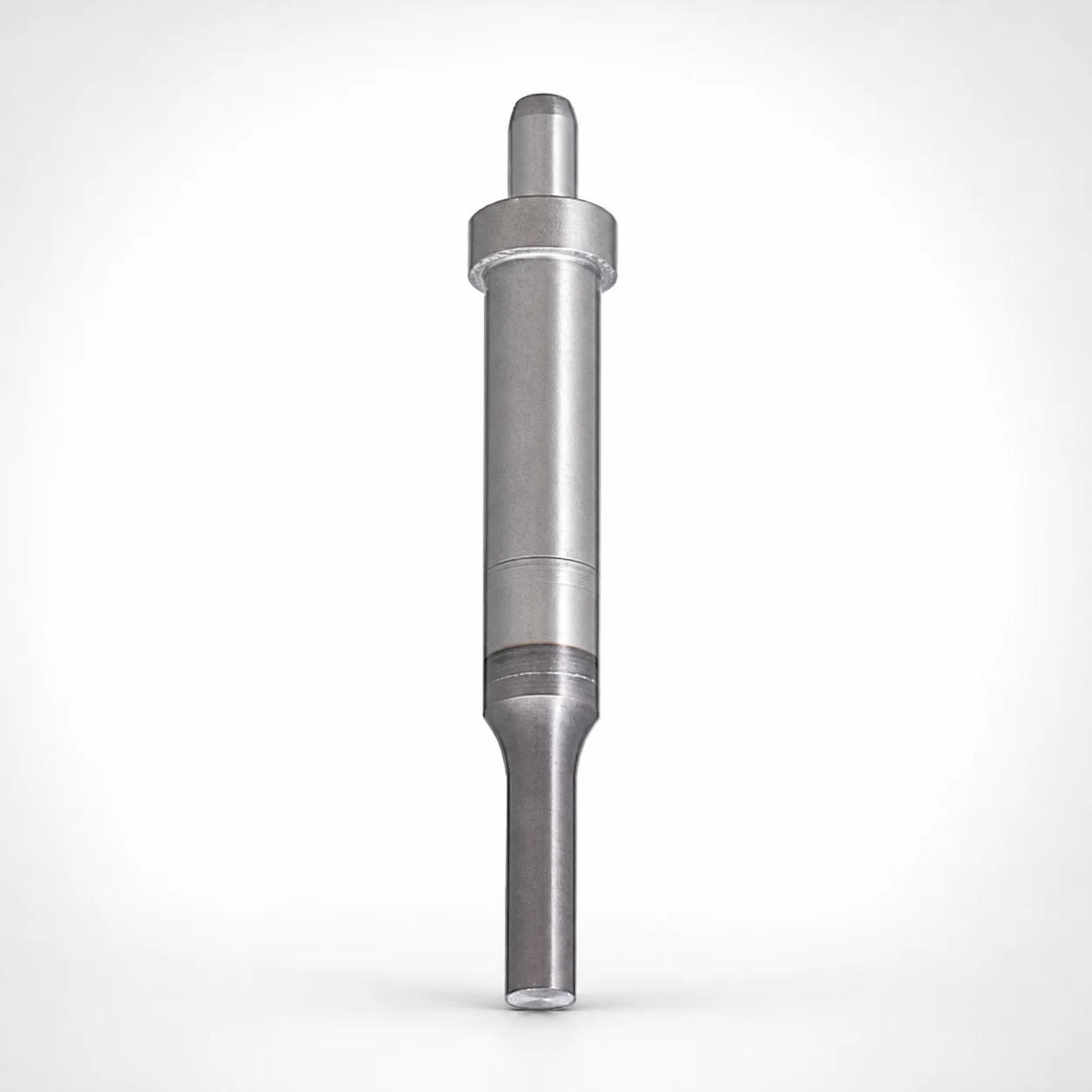
Center Dowel Ejector Punches - Metric, XCN TiCN Coating
DIN Standard SKD11 Steel Gas Release Single-Stepped Ejector Punches
Center Dowel Ejector Punches with Locating Dowel Hole
DIN Standard TiCN Center Dowel Ejector Punches
Need Custom Specifications?
Our engineering team can help with custom configurations, material selection, and volume pricing.