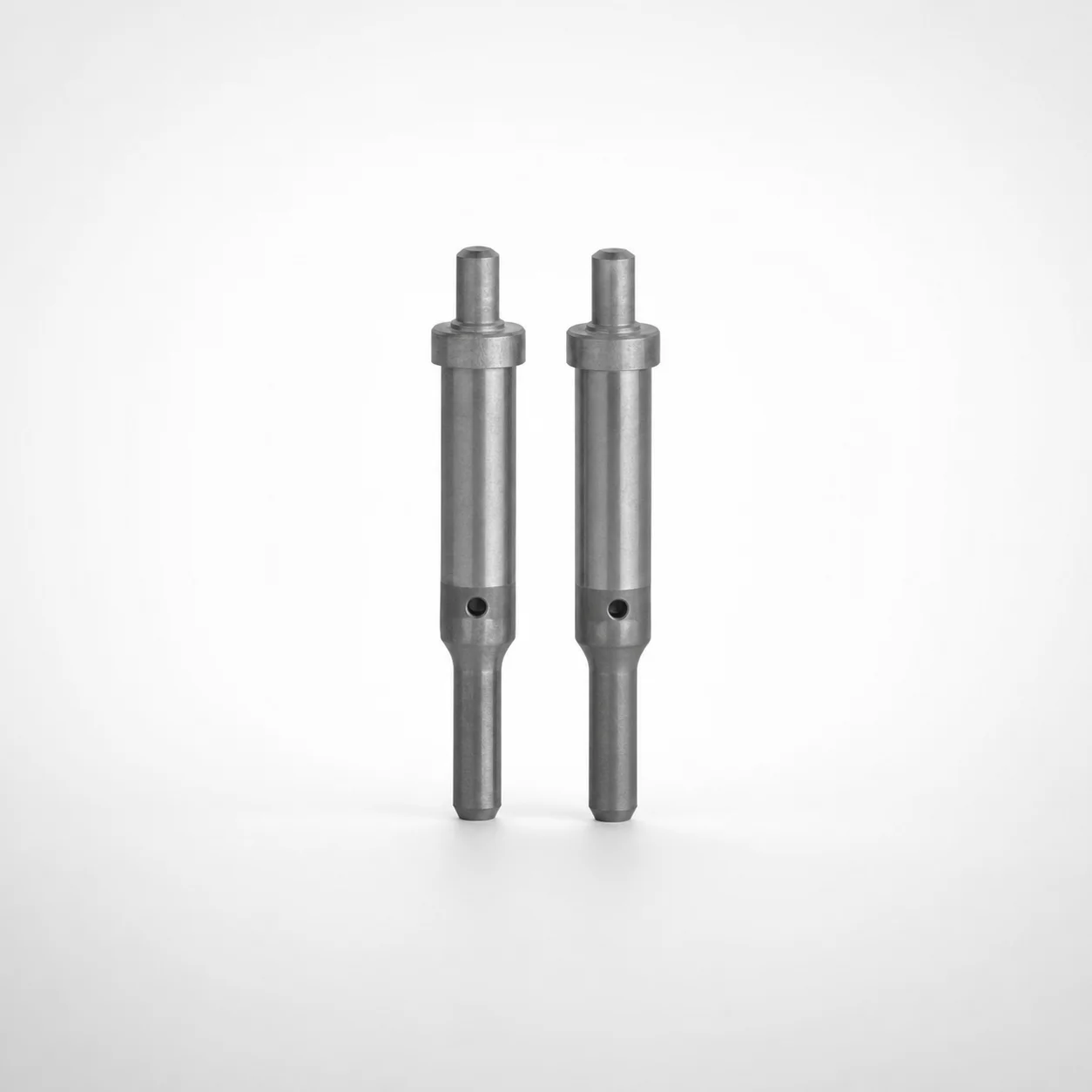
DIN Standard TiCN Center Dowel Ejector Punches
Center Dowel Ejector Punches (SKD11 equivalent, TiCN coated) are designed for ejector systems that require positive part alignment through a locating dowel hole. The single-stepped shank and engineered mounting geometry help maintain stable punch positioning during press operation.
- Locating dowel hole mounting supports consistent alignment and guided ejection
- TiCN (XCN) coating improves wear resistance for long production runs
- M5 shank diameter fit reference supports reliable assembly in metric tooling
- Single-stepped shank and hardened tool steel construction suit standard and spring reinforced ejector setups
Specifications
1308 configurations available
| Jector | Tip shape | B (Tip length) | D (Shank diameter) (mm) | P (Tip dimension) (mm) | L (L dimension) (mm) | LC (Full length alteration) (mm) | PC (Tip dimension alteration) (mm) | R (Tip corner R) (mm) | W (Tip dimension) (mm) | WC (Tip dimension alteration) (mm) | type |
|---|---|---|---|---|---|---|---|---|---|---|---|
| Standard type | Round | L | 10 | 3 ~ 9.99 | 70 ~ 120 | - | - | - | - | - | - |
| Standard type | Round | L | 10 | - | 70 ~ 120 | - | 2.8 ~ 3 | - | - | - | - |
| Standard type | Round | L | 10 | 3 ~ 9.99 | - | 34 ~ 119.9 | - | - | - | - | - |
| Standard type | Round | L | 10 | - | - | 34 ~ 119.9 | 2.8 ~ 3 | - | - | - | - |
| Standard type | Round | L | 13 | 6 ~ 12.99 | 70 ~ 120 | - | - | - | - | - | - |
| Standard type | Round | L | 13 | - | 70 ~ 120 | - | 5 ~ 6 | - | - | - | - |
| Standard type | Round | L | 13 | 6 ~ 12.99 | - | 34 ~ 119.9 | - | - | - | - | - |
| Standard type | Round | L | 13 | - | - | 34 ~ 119.9 | 5 ~ 6 | - | - | - | - |
| Standard type | Round | L | 16 | 10 ~ 15.99 | 70 ~ 120 | - | - | - | - | - | - |
| Standard type | Round | L | 16 | - | 70 ~ 120 | - | 8 ~ 10 | - | - | - | - |
| Standard type | Round | L | 16 | 10 ~ 15.99 | - | 34 ~ 119.9 | - | - | - | - | - |
| Standard type | Round | L | 16 | - | - | 34 ~ 119.9 | 8 ~ 10 | - | - | - | - |
| Standard type | Round | L | 20 | 13 ~ 19.99 | 70 ~ 120 | - | - | - | - | - | - |
| Standard type | Round | L | 20 | - | 70 ~ 120 | - | 9 ~ 13 | - | - | - | - |
| Standard type | Round | L | 20 | 13 ~ 19.99 | - | 34 ~ 119.9 | - | - | - | - | - |
| Standard type | Round | L | 20 | - | - | 34 ~ 119.9 | 9 ~ 13 | - | - | - | - |
| Standard type | Round | L | 25 | 18 ~ 24.99 | 70 ~ 120 | - | - | - | - | - | - |
| Standard type | Round | L | 25 | - | 70 ~ 120 | - | 9 ~ 18 | - | - | - | - |
| Standard type | Round | L | 25 | 18 ~ 24.99 | - | 34 ~ 119.9 | - | - | - | - | - |
| Standard type | Round | L | 25 | - | - | 34 ~ 119.9 | 9 ~ 18 | - | - | - | - |
| Standard type | Round | L | 32 | 20 ~ 31.99 | 70 ~ 120 | - | - | - | - | - | - |
| Standard type | Round | L | 32 | - | 70 ~ 120 | - | 15 ~ 19.99 | - | - | - | - |
| Standard type | Round | L | 32 | 20 ~ 31.99 | - | 47 ~ 119.9 | - | - | - | - | - |
| Standard type | Round | L | 32 | - | - | 47 ~ 119.9 | 15 ~ 19.99 | - | - | - | - |
| Standard type | Round | L | 38 | 28 ~ 37.99 | 70 ~ 120 | - | - | - | - | - | - |
| Standard type | Round | L | 38 | - | 70 ~ 120 | - | 23 ~ 27.99 | - | - | - | - |
| Standard type | Round | L | 38 | 28 ~ 37.99 | - | 47 ~ 119.9 | - | - | - | - | - |
| Standard type | Round | L | 38 | - | - | 47 ~ 119.9 | 23 ~ 27.99 | - | - | - | - |
| Standard type | Round | L | 45 | 35 ~ 44.99 | 70 ~ 120 | - | - | - | - | - | - |
| Standard type | Round | L | 45 | - | 70 ~ 120 | - | 30 ~ 34.99 | - | - | - | - |
| Standard type | Round | L | 45 | 35 ~ 44.99 | - | 47 ~ 119.9 | - | - | - | - | - |
| Standard type | Round | L | 45 | - | - | 47 ~ 119.9 | 30 ~ 34.99 | - | - | - | - |
| Standard type | Round | S | 10 | 3 ~ 9.99 | 60 ~ 120 | - | - | - | - | - | - |
| Standard type | Round | S | 10 | - | 60 ~ 120 | - | 2.8 ~ 2.99 | - | - | - | - |
| Standard type | Round | S | 10 | 3 ~ 9.99 | - | 34 ~ 119.9 | - | - | - | - | - |
| Standard type | Round | S | 10 | - | - | 34 ~ 119.9 | 2.8 ~ 2.99 | - | - | - | - |
| Standard type | Round | S | 13 | 6 ~ 12.99 | 60 ~ 120 | - | - | - | - | - | - |
| Standard type | Round | S | 13 | - | 60 ~ 120 | - | 5 ~ 6 | - | - | - | - |
| Standard type | Round | S | 13 | 6 ~ 12.99 | - | 34 ~ 119.9 | - | - | - | - | - |
| Standard type | Round | S | 13 | - | - | 34 ~ 119.9 | 5 ~ 6 | - | - | - | - |
| Standard type | Round | S | 16 | 10 ~ 15.99 | 60 ~ 120 | - | - | - | - | - | - |
| Standard type | Round | S | 16 | - | 60 ~ 120 | - | 8 ~ 10 | - | - | - | - |
| Standard type | Round | S | 16 | 10 ~ 15.99 | - | 34 ~ 119.9 | - | - | - | - | - |
| Standard type | Round | S | 16 | - | - | 34 ~ 119.9 | 8 ~ 10 | - | - | - | - |
| Standard type | Round | S | 20 | 13 ~ 19.99 | 60 ~ 120 | - | - | - | - | - | - |
| Standard type | Round | S | 20 | - | 60 ~ 120 | - | 9 ~ 13 | - | - | - | - |
| Standard type | Round | S | 20 | 13 ~ 19.99 | - | 34 ~ 119.9 | - | - | - | - | - |
| Standard type | Round | S | 20 | - | - | 34 ~ 119.9 | 9 ~ 13 | - | - | - | - |
| Standard type | Round | S | 25 | 18 ~ 24.99 | 60 ~ 120 | - | - | - | - | - | - |
| Standard type | Round | S | 25 | - | 60 ~ 120 | - | 9 ~ 18 | - | - | - | - |
Product Guide
Application Scenarios+
Center dowel ejector punches are used in injection mold tooling where repeatable alignment between the ejector system and the moving part is critical. This DIN-style variant with a locating dowel hole is commonly specified for automotive connector and terminal molds, helping the punch guide the part during ejection to reduce tilt and scrape marks.
- Automotive connector molds: the locating dowel hole supports stable center alignment under cyclic ejector load.
- Medical device housings: TiCN-coated contact surfaces improve wear resistance for consistent ejection in production runs.
- General consumer electronics: the metric shank interface supports reliable assembly across standard tool layouts.
Designed for both standard and spring reinforced ejector setups, the hardened tool steel body maintains punch positioning during press operation while the stepped shank geometry assists stable mounting.
Material & Process Details+
This series uses tool steel equivalent to SKD11 (D2 equivalent), selected for a balance of hardness and toughness suitable for ejector punches. The working surfaces are TiCN (XCN) coated, which increases wear resistance where sliding and repeated contact occur during ejection.
- Heat treatment: hardened tool steel construction (per series specification approach for SKD11/D2-equivalent tools), typically used in quenched & tempered condition for dimensional stability and durability.
- Hardness & wear/toughness trade-off: higher hardness improves abrasion resistance from mold steel/part contact, while maintaining enough toughness for cyclic press loading in both standard and spring reinforced ejector systems.
- Coating role: TiCN helps reduce surface wear and micro-abrasion, extending service life compared with uncoated tool steel in long-run production.
Sizing & Selection Guide+
Select dimensions by matching the punch shank, tip geometry, and overall length to the mold’s cavity/core and ejector plate layout. The shank diameter D is available from 10 ~ 45 mm, and should be chosen to fit the corresponding guide/bushing and mounting bore without excessive clearance. The tip dimension P ranges from 3 ~ 35 mm, and must correspond to the part-supporting interface area in the tool.
- Length: L = 60 ~ 100 mm and LC = 34 ~ 72 mm govern stroke penetration and retention; pick values so the punch reliably reaches the ejecting surface without bottoming.
- Tip size revisions: PC = 2.8 ~ 30 mm, and corner radius R = 0.15 mm are critical for avoiding stress concentration at the ejector contact.
- Step/flat geometry: tip shape options include round, rectangle, oblong, double flatted round, and radius rectangle; ensure W/WC match the part clearance envelope (W = 3 ~ 9 mm, WC = 2.8 ~ 8 mm).
While these sizes are configurable within the stated ranges, always verify fit with your specific ejector guide and dowel alignment features; keep clearances consistent with your tool’s tolerancing strategy.
Frequently Asked Questions
Which ejector type (standard or spring reinforced) is this center dowel ejector punch intended for?+
This series is specified as Standard type and Spring reinforced type (Jector parameter). Choose the spring reinforced version when your ejector plate design requires additional compliance to maintain contact during high-cycling ejection.
The locating dowel hole supports stable center alignment in both configurations.
How do I choose the correct shank diameter (D) and tip dimension (P) for the mold cavity/core interface?+
Select D (shank diameter) from 10 ~ 45 mm to match your guide/bushing and mounting bore. Then select P (tip dimension) from 3 ~ 35 mm based on the part contact/support area in the cavity/core to ensure consistent ejection.
Confirm that the chosen dimensions provide the required clearance and do not interfere with adjacent surfaces.
What tip geometries are available and when should I use each?+
Tip shape options include Round, Rectangle, Oblong, Double flatted round, and Radius rectangle. Use radius rectangle when you need improved edge tolerance behavior at the contact zone, and use double flatted round to suit specific contact or clearance constraints.
Match W (3 ~ 9 mm) and WC (2.8 ~ 8 mm) with your mold’s available space.
How do I select the length (L) and full-length alteration (LC) so the punch does not bottom out?+
Choose L = 60 ~ 100 mm for the overall punch reach and LC = 34 ~ 72 mm for the full-length alteration related to mounting/positioning. The goal is to ensure the tip contacts the ejection surface with sufficient travel while preventing bottoming during closing/opening cycles.
Validate against your ejector stroke and mold shut height design.
What material and coating should I expect, and how does TiCN impact wear?+
The punch is built from SKD11 equivalent (D2 equivalent) tool steel with a TiCN (XCN) coating. TiCN improves surface wear resistance in contact areas, which is beneficial for long production runs and repeated ejection cycles.
Compared to uncoated tool steel, the coating helps reduce abrasive and micro-wear on the ejector tip and shank contact zones.
Related Products
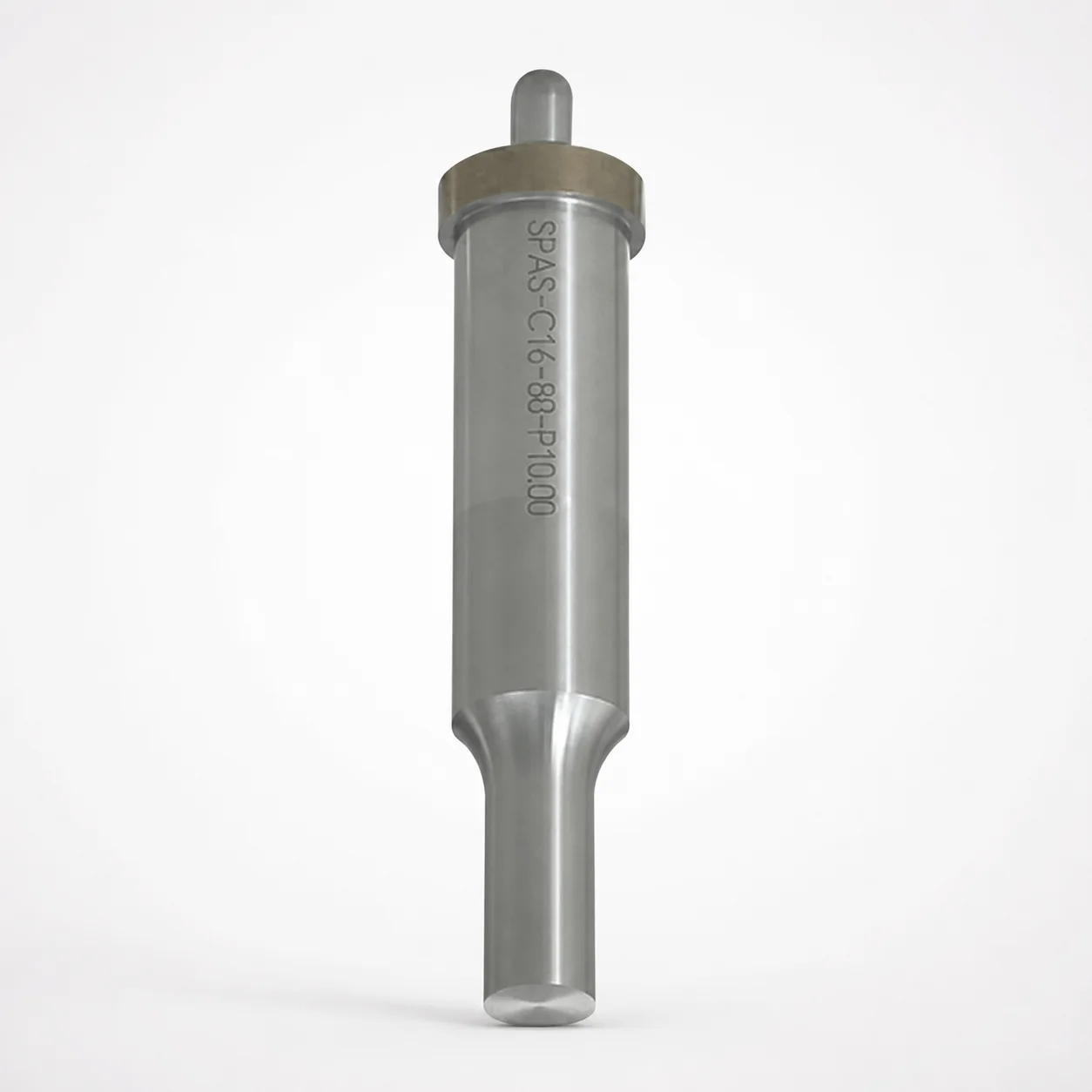
Metric Center Dowel Ejector Punches (SKD11 Equivalent)
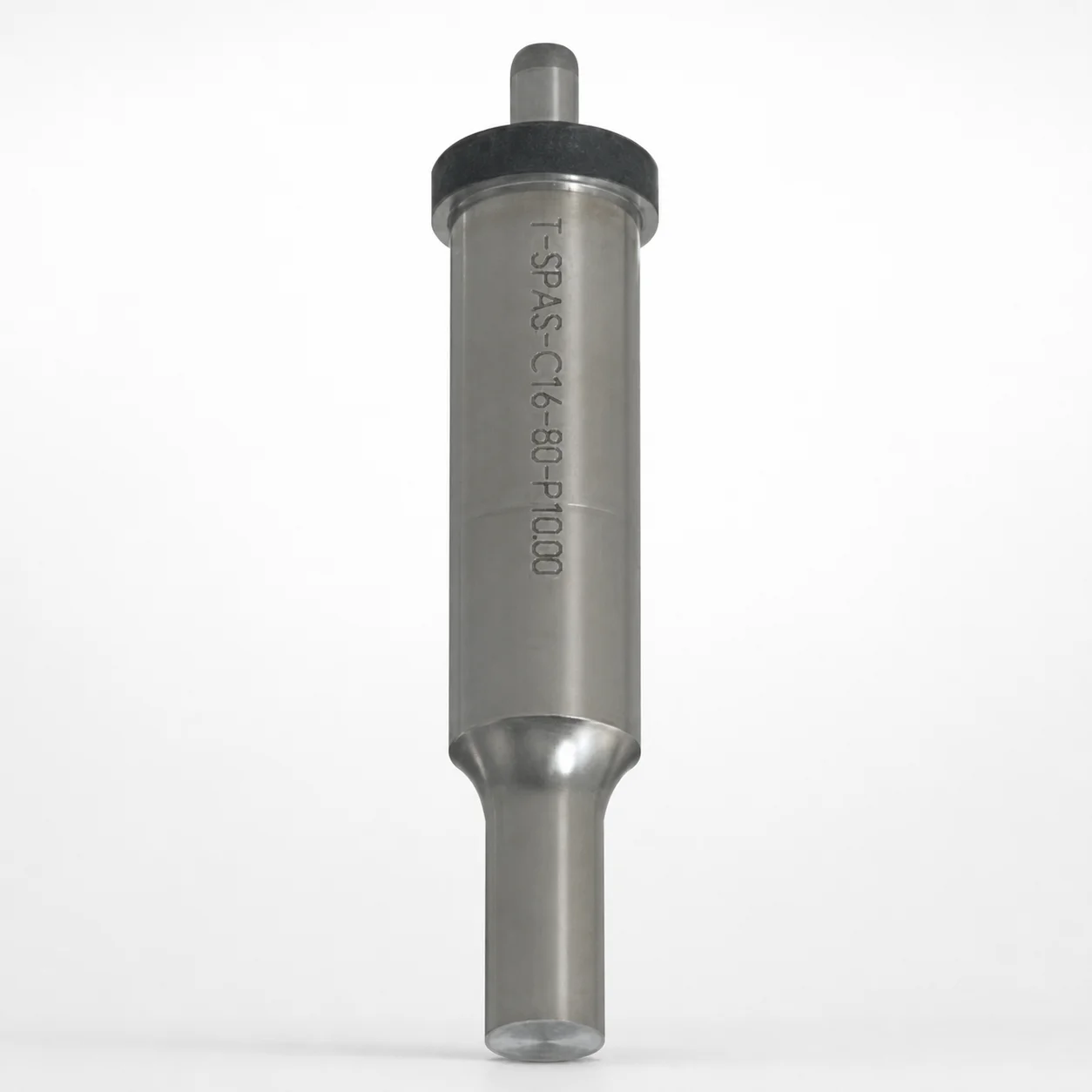
Dicoat Treatment SKD11 Steel Center Dowel Ejector Punches - Metric
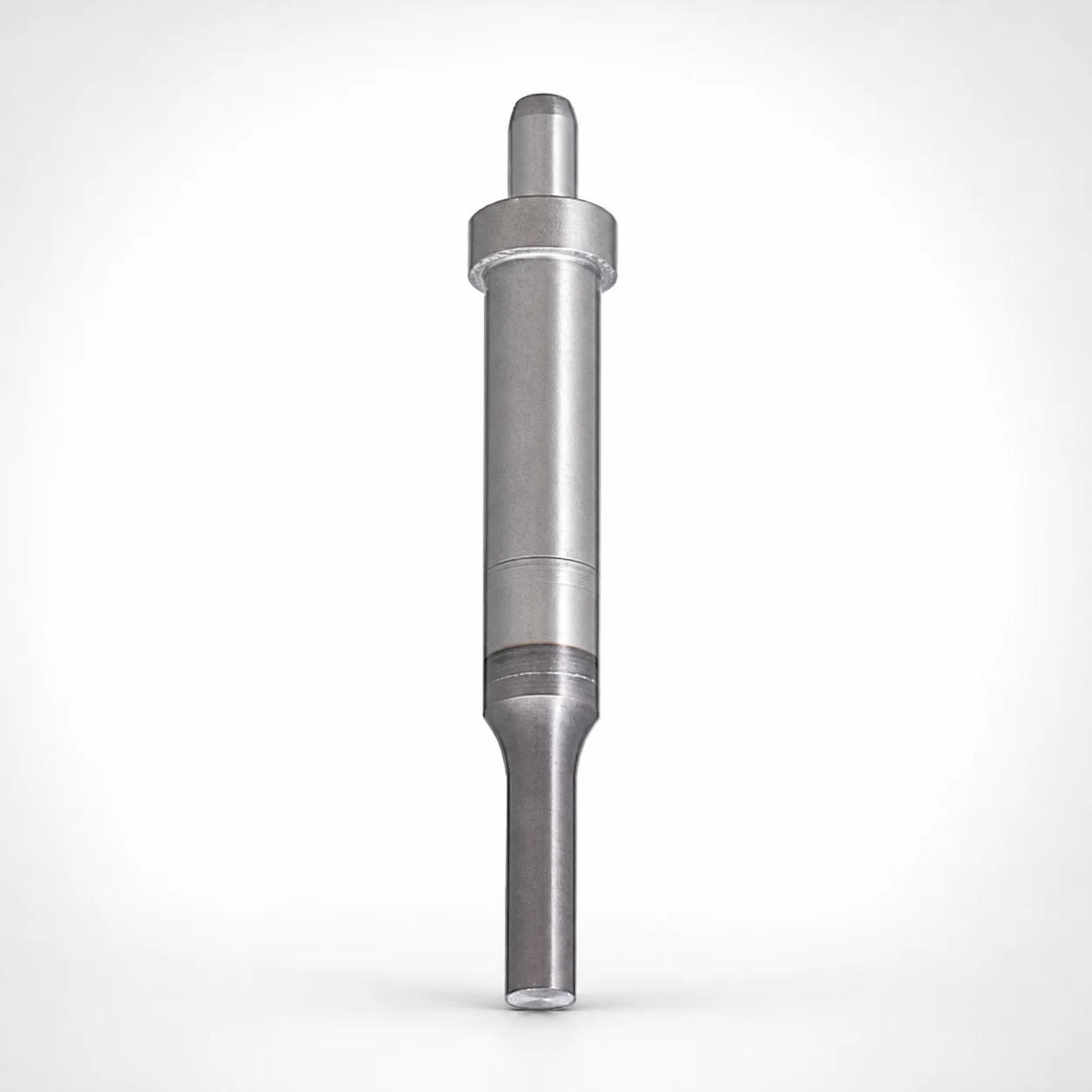
Center Dowel Ejector Punches - Metric, XCN TiCN Coating
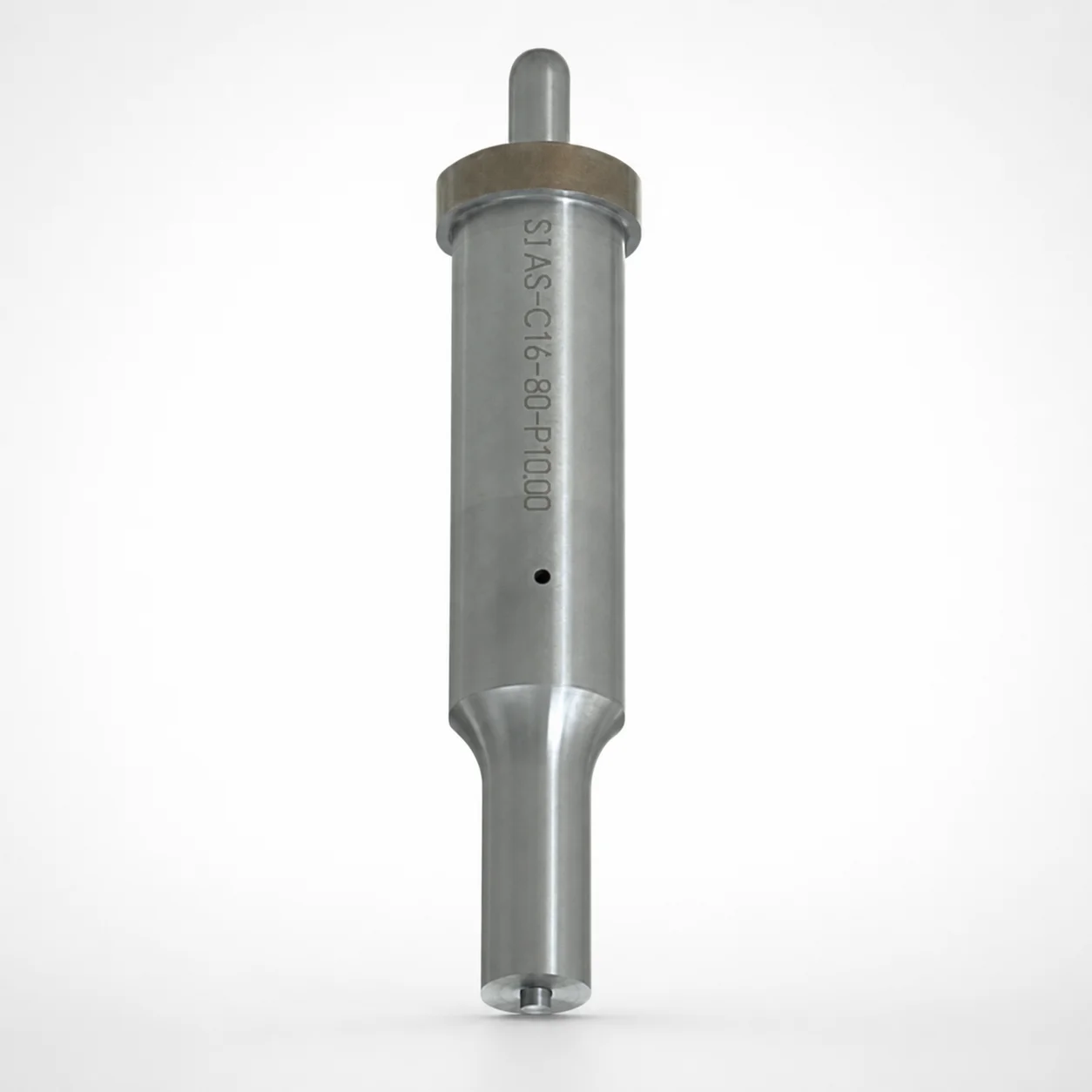
DIN Standard SKD11 Steel Gas Release Single-Stepped Ejector Punches
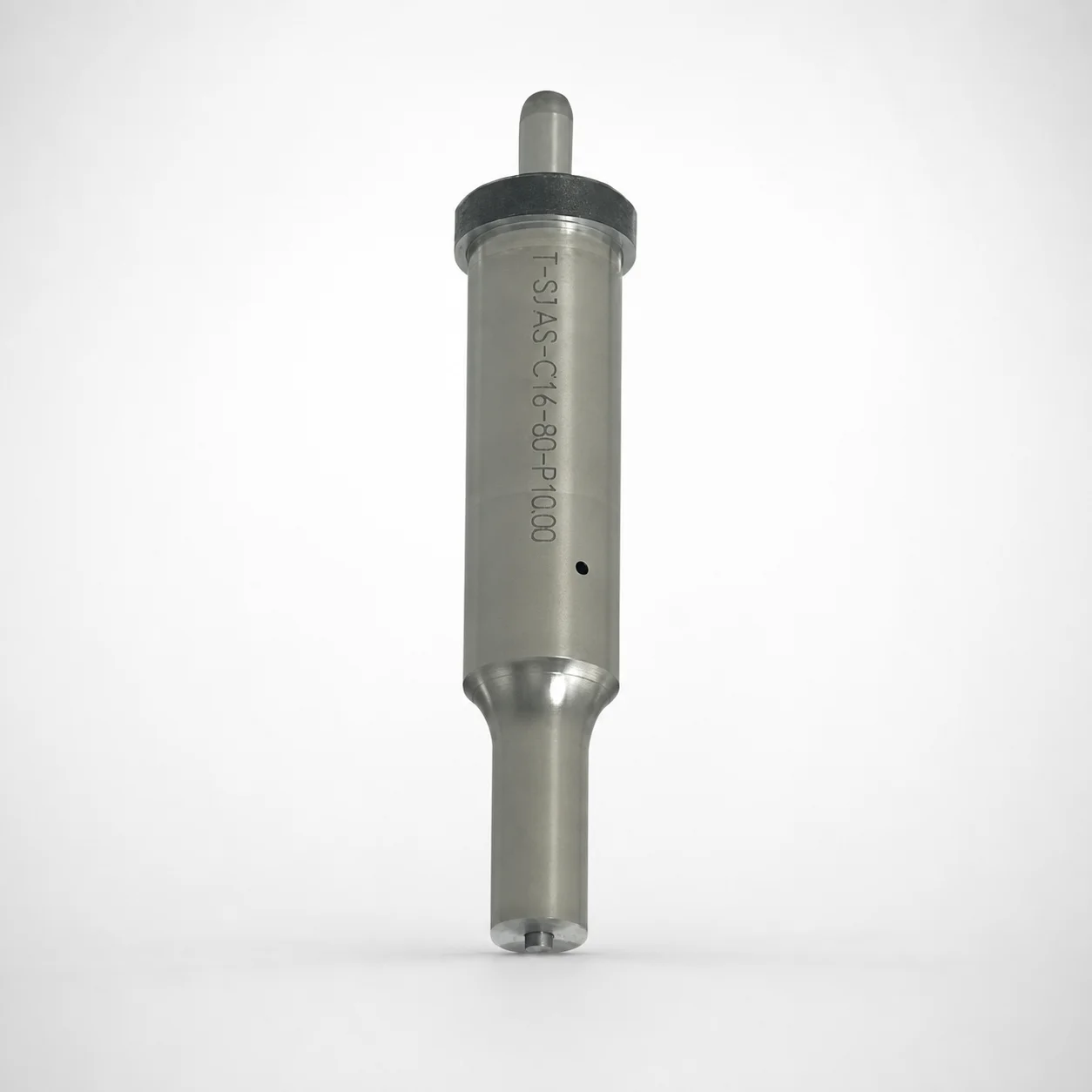
Center Dowel Ejector Punches with Locating Dowel Hole
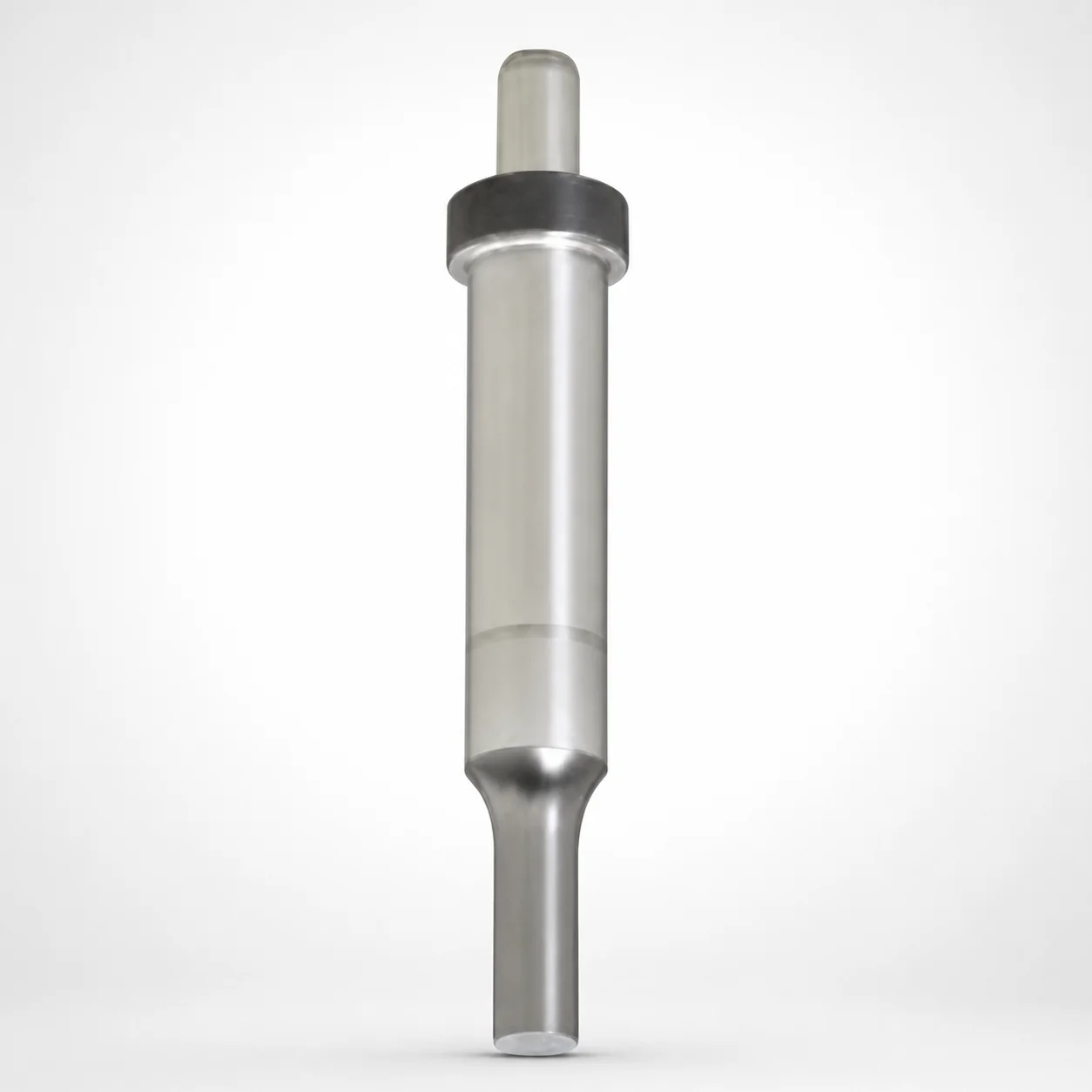
RW Coat SKD11 Equivalent (D2) Center Dowel Ejector Punches
Need Custom Specifications?
Our engineering team can help with custom configurations, material selection, and volume pricing.