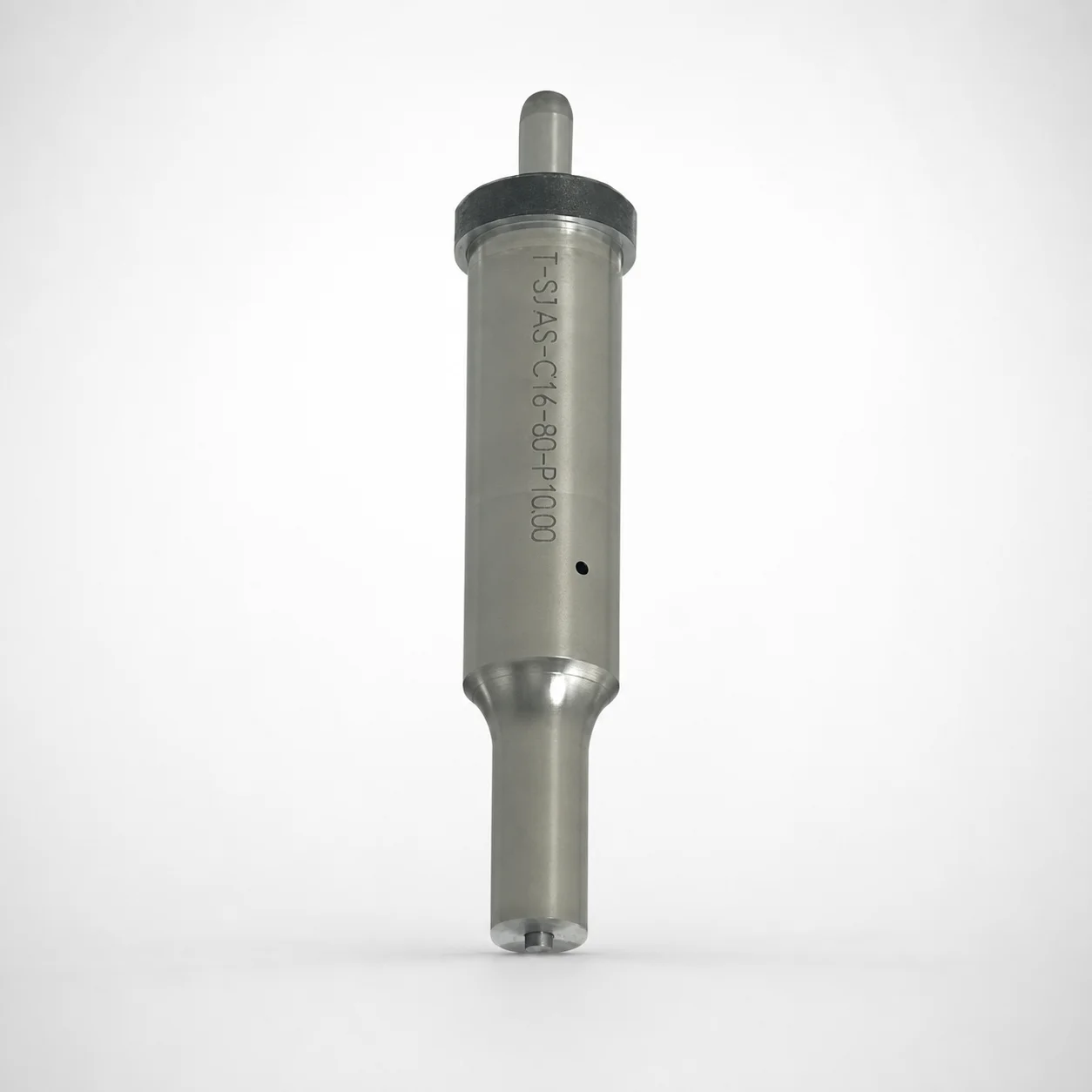
Center Dowel Ejector Punches with Locating Dowel Hole
Center Dowel ejector punches with locating dowel hole (D2 SKD11 equivalent) use a dicoat surface treatment to improve tool wear resistance and stability during repeated ejection. The locating dowel hole style supports accurate punch-to-mold positioning for consistent performance.
- Single-stepped shank for controlled fit and efficient force transfer in the ejector system
- Built-in locating dowel hole design enhances alignment with the mold for repeatable ejection accuracy
- Dicoat surface treatment helps reduce wear in production cycles and improves service life
- Metric m5 shank diameter tolerance supports tight assembly and reliable dimensional control
Specifications
3214 configurations available
| Jector | Tip shape | B (Tip length) | D (Shank diameter) (mm) | P (Tip dimension) (mm) | L (L dimension) (mm) | LC (Full length alteration) (mm) | R (Tip corner R) (mm) | W (Tip dimension) (mm) | type |
|---|---|---|---|---|---|---|---|---|---|
| Standard type | Round | L | 10 | 3 ~ 9.99 | 70 ~ 100 | - | - | - | - |
| Standard type | Round | L | 10 | 3 ~ 9.99 | - | 53 ~ 69.9 | - | - | - |
| Standard type | Round | L | 10 | 3 ~ 9.99 | - | 70 ~ 90 | - | - | - |
| Standard type | Round | L | 10 | 3 ~ 9.99 | - | 70.1 ~ 79.9 | - | - | - |
| Standard type | Round | L | 10 | 3 ~ 9.99 | - | 80.1 ~ 89.9 | - | - | - |
| Standard type | Round | L | 10 | 3 ~ 9.99 | - | 90.1 ~ 99.9 | - | - | - |
| Standard type | Round | L | 13 | 6 ~ 12.99 | 70 ~ 100 | - | - | - | - |
| Standard type | Round | L | 13 | - | 70 ~ 100 | - | - | - | - |
| Standard type | Round | L | 13 | 6 ~ 12.99 | - | 53 ~ 69.9 | - | - | - |
| Standard type | Round | L | 13 | - | - | 53 ~ 69.9 | - | - | - |
| Standard type | Round | L | 13 | 6 ~ 12.99 | - | 70 ~ 90 | - | - | - |
| Standard type | Round | L | 13 | - | - | 70 ~ 90 | - | - | - |
| Standard type | Round | L | 13 | 6 ~ 12.99 | - | 70.1 ~ 79.9 | - | - | - |
| Standard type | Round | L | 13 | - | - | 70.1 ~ 79.9 | - | - | - |
| Standard type | Round | L | 13 | 6 ~ 12.99 | - | 80.1 ~ 89.9 | - | - | - |
| Standard type | Round | L | 13 | - | - | 80.1 ~ 89.9 | - | - | - |
| Standard type | Round | L | 13 | 6 ~ 12.99 | - | 90.1 ~ 99.9 | - | - | - |
| Standard type | Round | L | 13 | - | - | 90.1 ~ 99.9 | - | - | - |
| Standard type | Round | L | 16 | 10 ~ 15.99 | 70 ~ 100 | - | - | - | - |
| Standard type | Round | L | 16 | - | 70 ~ 100 | - | - | - | - |
| Standard type | Round | L | 16 | 10 ~ 15.99 | - | 47 ~ 69.9 | - | - | - |
| Standard type | Round | L | 16 | - | - | 47 ~ 69.9 | - | - | - |
| Standard type | Round | L | 16 | 10 ~ 15.99 | - | 70 ~ 90 | - | - | - |
| Standard type | Round | L | 16 | - | - | 70 ~ 90 | - | - | - |
| Standard type | Round | L | 16 | 10 ~ 15.99 | - | 70.1 ~ 79.9 | - | - | - |
| Standard type | Round | L | 16 | - | - | 70.1 ~ 79.9 | - | - | - |
| Standard type | Round | L | 16 | 10 ~ 15.99 | - | 80.1 ~ 89.9 | - | - | - |
| Standard type | Round | L | 16 | - | - | 80.1 ~ 89.9 | - | - | - |
| Standard type | Round | L | 16 | 10 ~ 15.99 | - | 90.1 ~ 99.9 | - | - | - |
| Standard type | Round | L | 16 | - | - | 90.1 ~ 99.9 | - | - | - |
| Standard type | Round | L | 20 | 13 ~ 19.99 | 70 ~ 100 | - | - | - | - |
| Standard type | Round | L | 20 | - | 70 ~ 100 | - | - | - | - |
| Standard type | Round | L | 20 | 13 ~ 19.99 | - | 47 ~ 69.9 | - | - | - |
| Standard type | Round | L | 20 | - | - | 47 ~ 69.9 | - | - | - |
| Standard type | Round | L | 20 | 13 ~ 19.99 | - | 70 ~ 90 | - | - | - |
| Standard type | Round | L | 20 | - | - | 70 ~ 90 | - | - | - |
| Standard type | Round | L | 20 | 13 ~ 19.99 | - | 70.1 ~ 79.9 | - | - | - |
| Standard type | Round | L | 20 | - | - | 70.1 ~ 79.9 | - | - | - |
| Standard type | Round | L | 20 | 13 ~ 19.99 | - | 80.1 ~ 89.9 | - | - | - |
| Standard type | Round | L | 20 | - | - | 80.1 ~ 89.9 | - | - | - |
| Standard type | Round | L | 20 | 13 ~ 19.99 | - | 90.1 ~ 99.9 | - | - | - |
| Standard type | Round | L | 20 | - | - | 90.1 ~ 99.9 | - | - | - |
| Standard type | Round | L | 25 | 18 ~ 24.99 | 70 ~ 100 | - | - | - | - |
| Standard type | Round | L | 25 | - | 70 ~ 100 | - | - | - | - |
| Standard type | Round | L | 25 | 18 ~ 24.99 | - | 47 ~ 69.9 | - | - | - |
| Standard type | Round | L | 25 | - | - | 47 ~ 69.9 | - | - | - |
| Standard type | Round | L | 25 | 18 ~ 24.99 | - | 70 ~ 90 | - | - | - |
| Standard type | Round | L | 25 | - | - | 70 ~ 90 | - | - | - |
| Standard type | Round | L | 25 | 18 ~ 24.99 | - | 70.1 ~ 79.9 | - | - | - |
| Standard type | Round | L | 25 | - | - | 70.1 ~ 79.9 | - | - | - |
Product Guide
Application Scenarios+
This center dowel ejector punch is used in injection mold tooling where repeatable alignment between the ejector system and the moving mold components is critical. The locating dowel hole style supports stable punch-to-mold positioning, helping maintain consistent ejection force delivery over long production runs.
- Automotive connector and housing molds: In precision parts with tight dimensional requirements, the single-stepped shank and locating hole design improve alignment stability during repeated ejection cycles.
- Electronics enclosures and housings: For thin-wall or multi-step ejector layouts, controlled fit via the shank geometry supports predictable motion and reduces risk of punch shift that can affect part surface finish.
- Appliance and industrial component molds: The dicoat surface treatment is suited to durable wear resistance where the ejector punch sees frequent actuation and abrasive contact.
D2 SKD11-equivalent construction combined with the locating dowel hole helps the punch remain stable, aligned, and resistant to wear during frequent ejection.
Material & Process Details+
This series is specified as D2 SKD11 equivalent steel, selected for a balance of wear resistance and sufficient toughness for ejector punch service. D2 is commonly classified as an air-hardening tool steel equivalent to SKD11 (often treated as an H11/D2 family in tooling applications), providing good resistance to abrasive wear at the punch tip during repeated cycling.
The surface is provided with a dicoat treatment, which improves durability by reducing wear at the working surfaces and supporting longer service life under high cycle conditions.
- Heat treatment state: Tool steel is typically quenched and tempered to achieve the target hardness for punch service; confirm final hardness with the supplied lot data if required.
- Hardness & trade-offs: Higher hardness improves wear resistance but can reduce toughness if pushed beyond the optimal temper range; dicoat helps offset tip wear while maintaining acceptable toughness.
Sizing & Selection Guide+
Select dimensions by matching the ejector punch’s shank fit and the locating dowel hole function to the mold’s cavity/core layout. The shank diameter D is available from 10 ~ 45 mm, so choose the diameter that fits the ejector bore and maintains proper clearance for assembly and motion.
- Tip geometry: Choose the tip shape (Round, Rectangle, Oblong, Double flatted round, Radius rectangle) and confirm P (3 ~ 35 mm) plus W (3 ~ 9 mm) / R (0.15 mm) to match the part ejector interface.
- Length matching: Select the L dimension from the offered ranges (70–100, 70–120, 60–100, 60–120 mm) and verify the LC (47 ~ 110.1 mm) full-length alteration value aligns with the stack-up and daylight requirements.
- Tolerance/fit considerations: The series notes a metric m5 shank diameter tolerance, so ensure the mating mold bore is designed for an m5-compatible fit to maintain alignment and prevent binding.
Use the locating dowel hole configuration to ensure the punch-to-mold position remains repeatable under ejector stroke cycles.
Frequently Asked Questions
Which steel condition should I expect for D2 SKD11-equivalent center dowel ejector punches before installation?+
How do I choose between the standard type and spring reinforced type (Jector) for my ejector system?+
What tip dimension set (P, W, tip shape) is compatible with my part ejector interface?+
How should I select D and L to achieve the correct fit and stroke alignment in the mold?+
Why does the locating dowel hole design matter for ejection accuracy over production cycles?+
Related Products
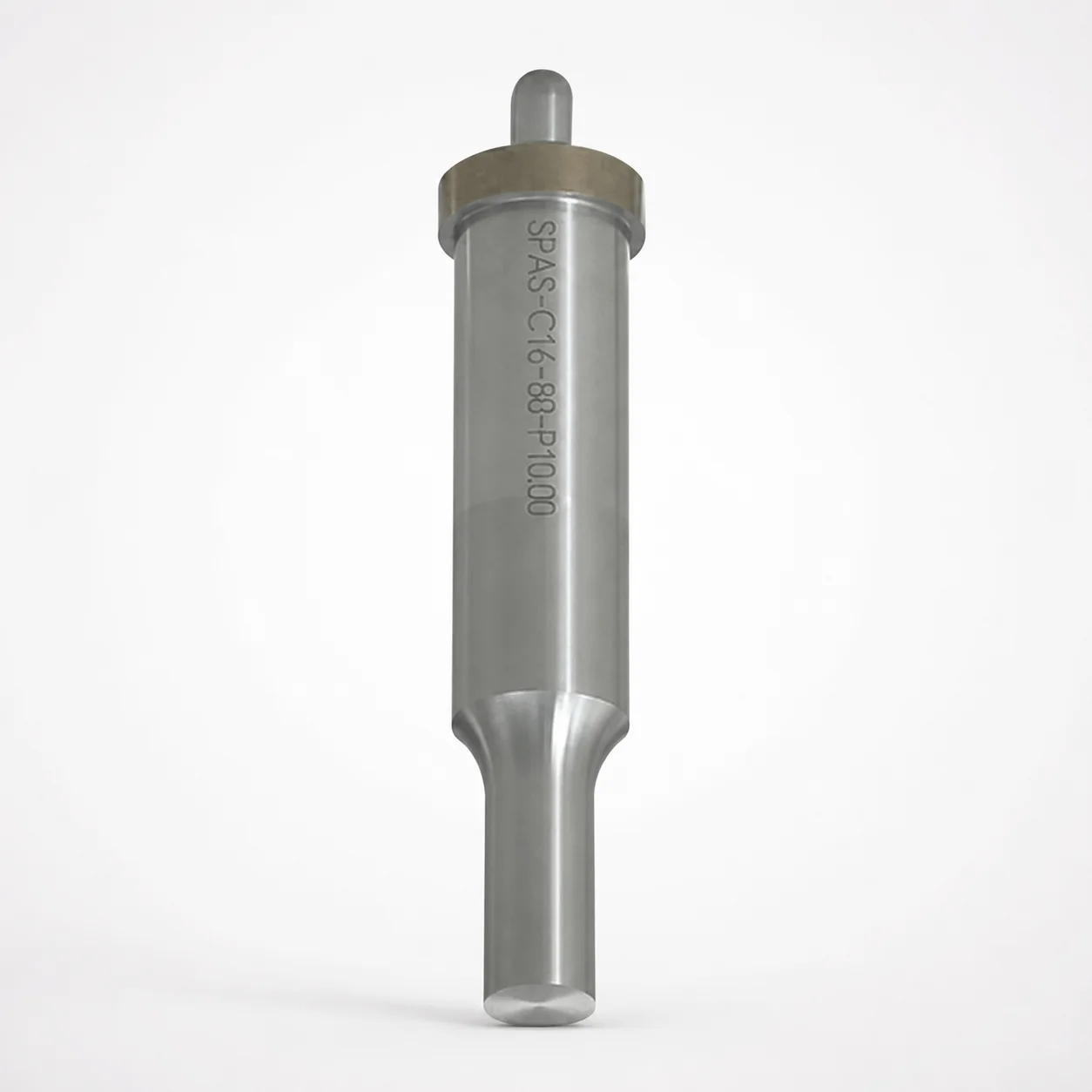
Metric Center Dowel Ejector Punches (SKD11 Equivalent)
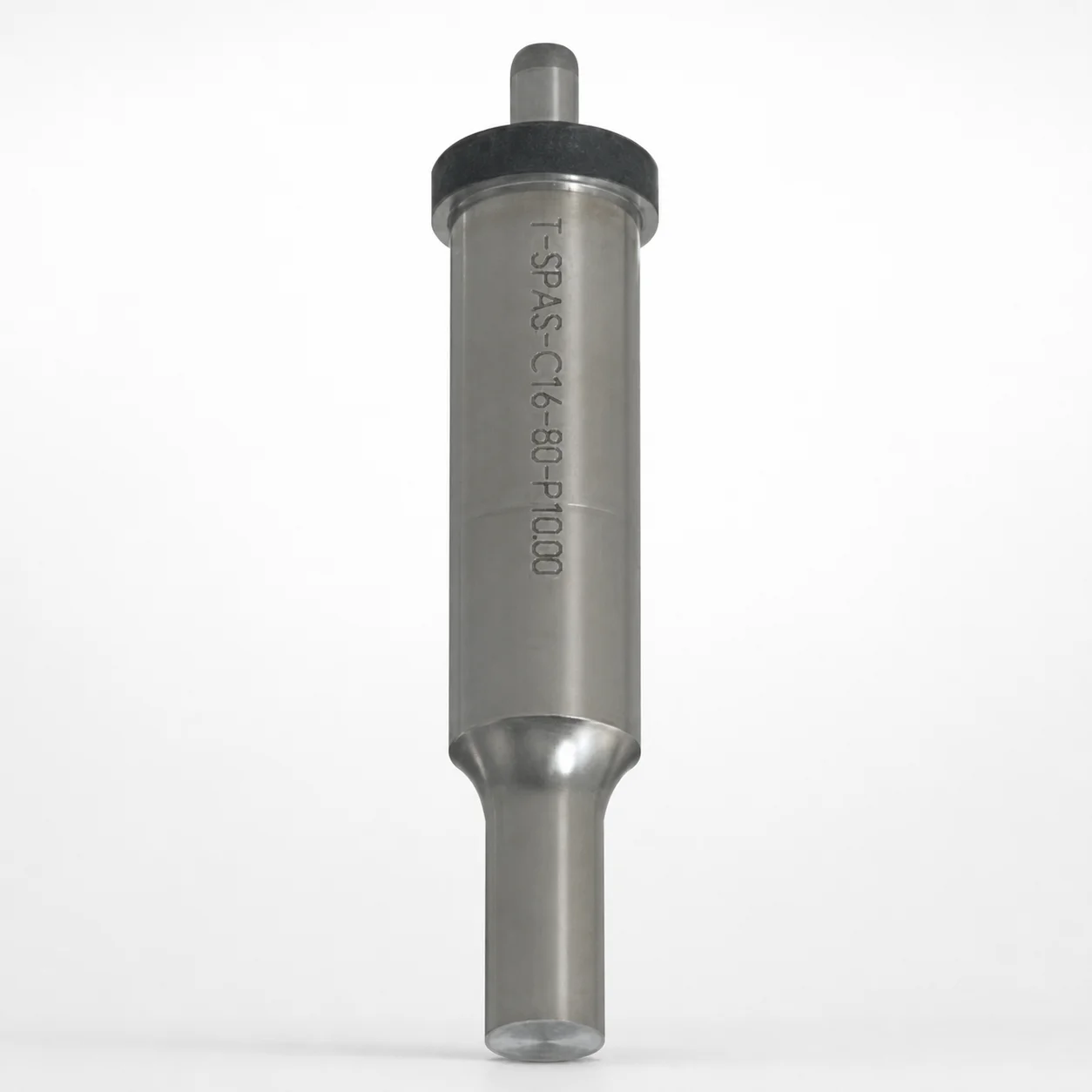
Dicoat Treatment SKD11 Steel Center Dowel Ejector Punches - Metric
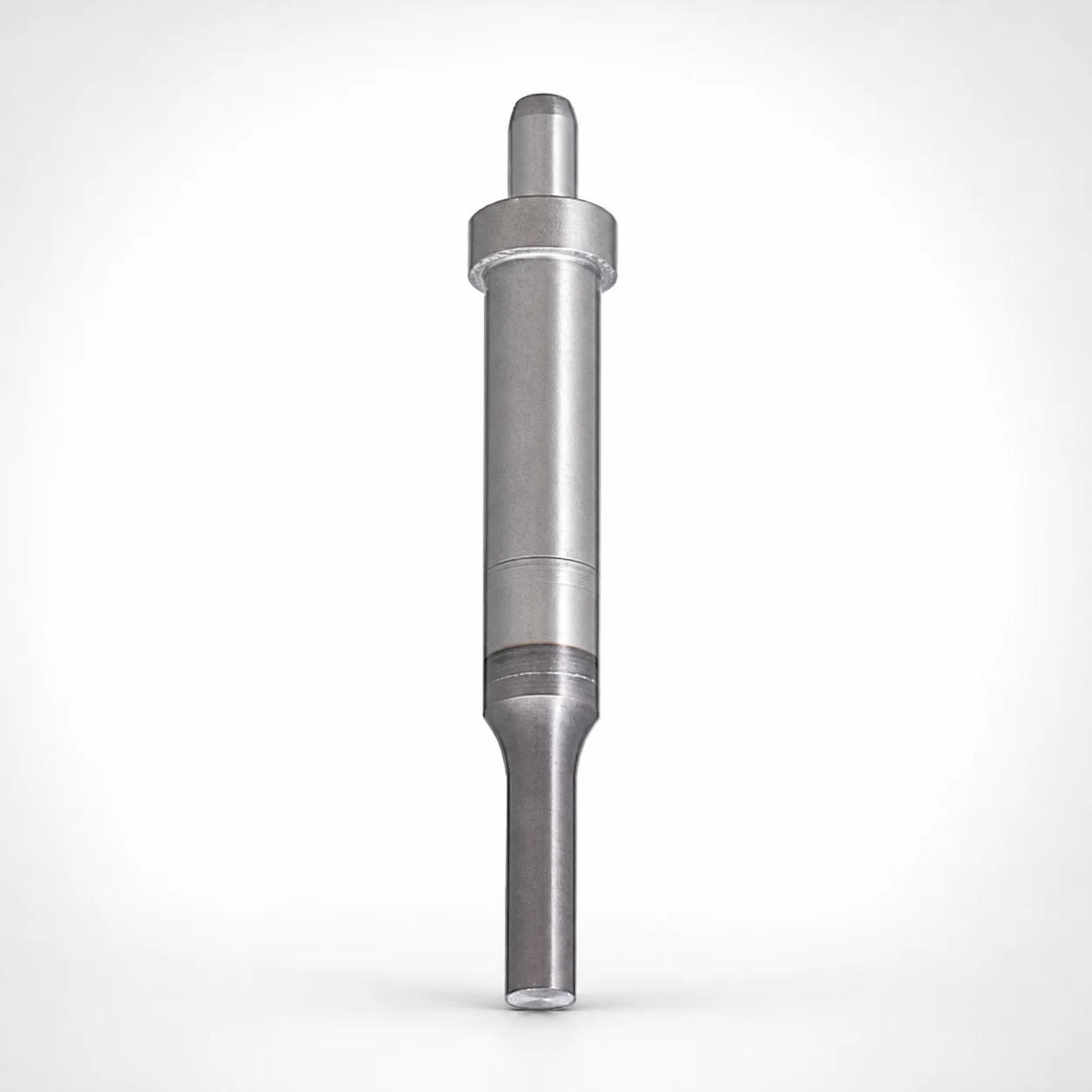
Center Dowel Ejector Punches - Metric, XCN TiCN Coating
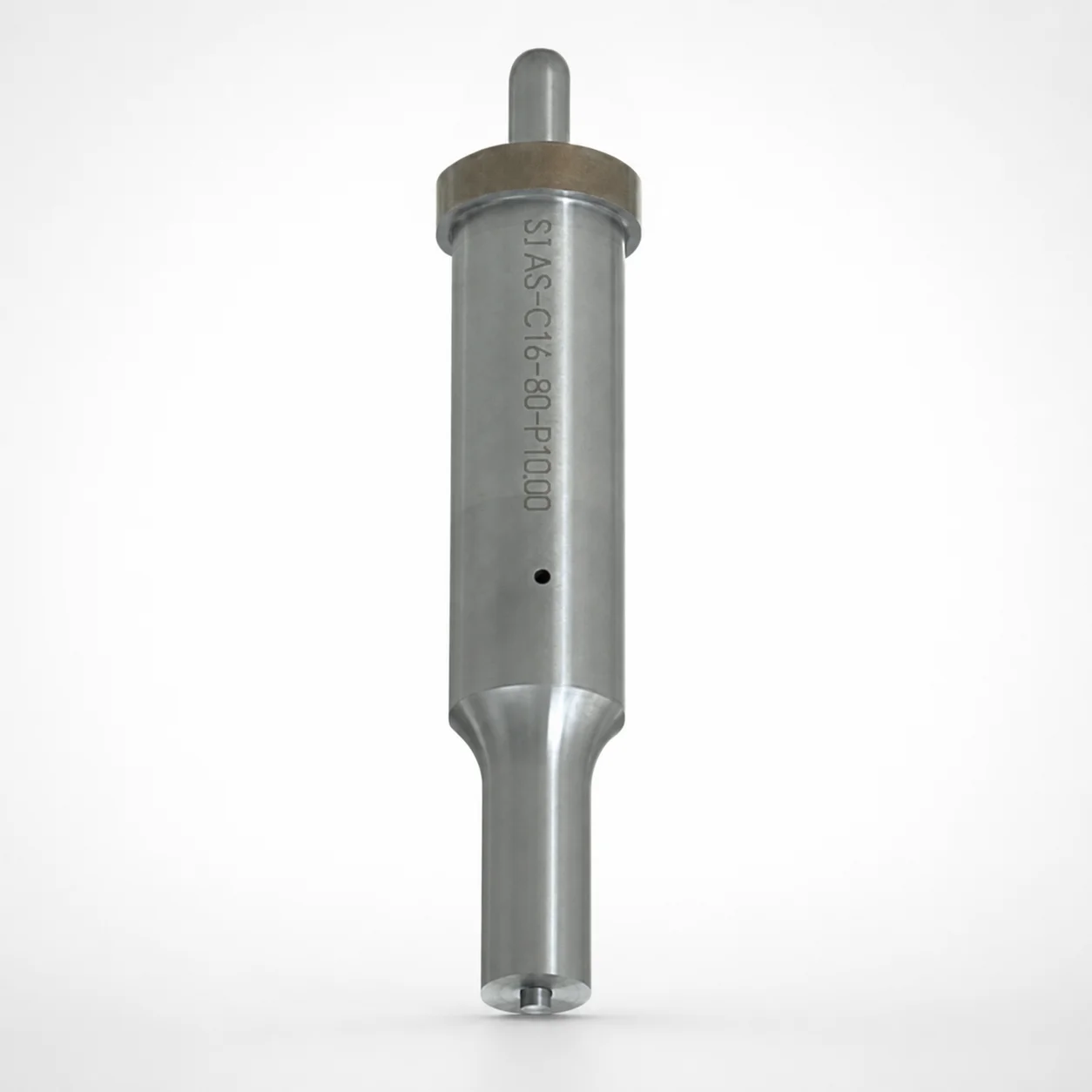
DIN Standard SKD11 Steel Gas Release Single-Stepped Ejector Punches
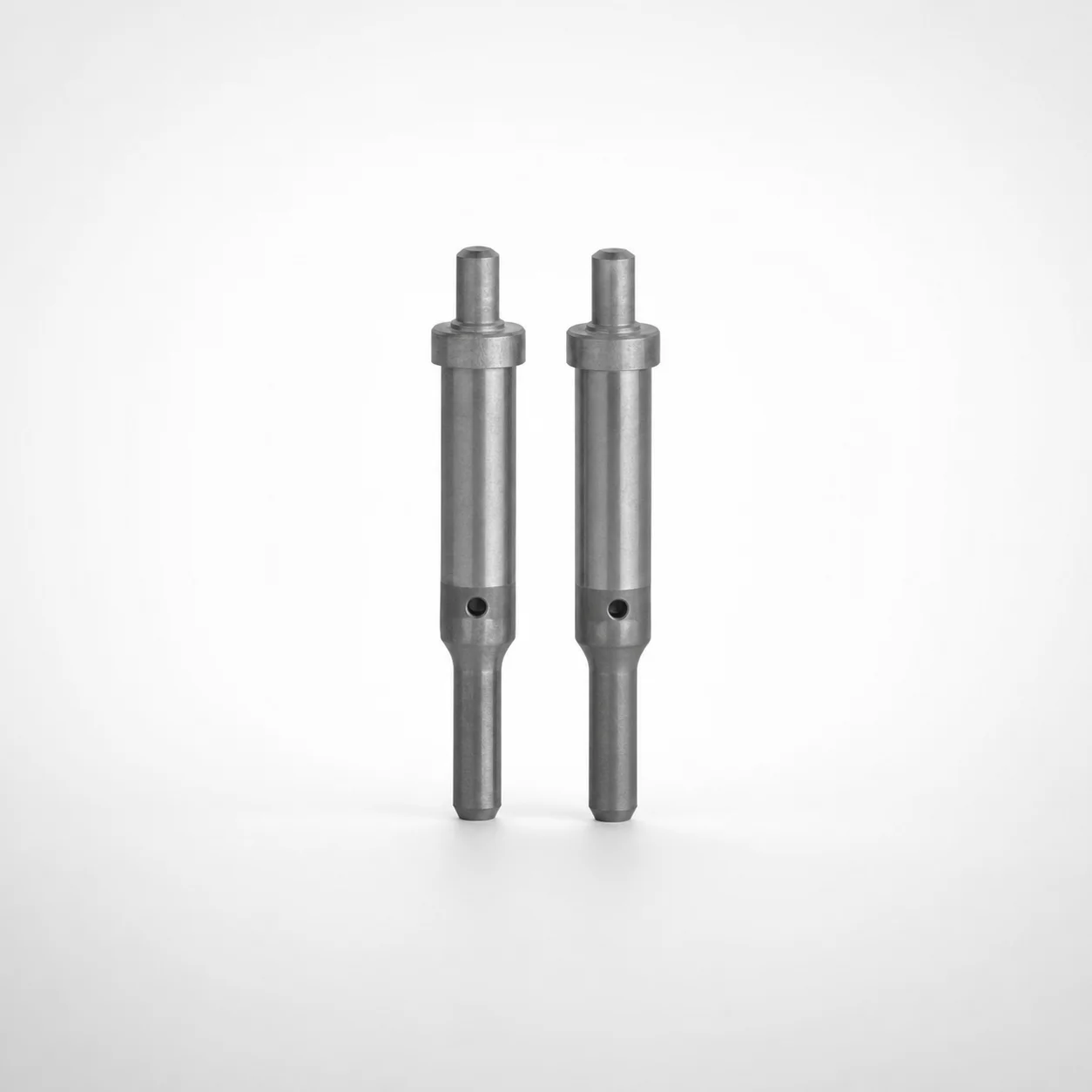
DIN Standard TiCN Center Dowel Ejector Punches
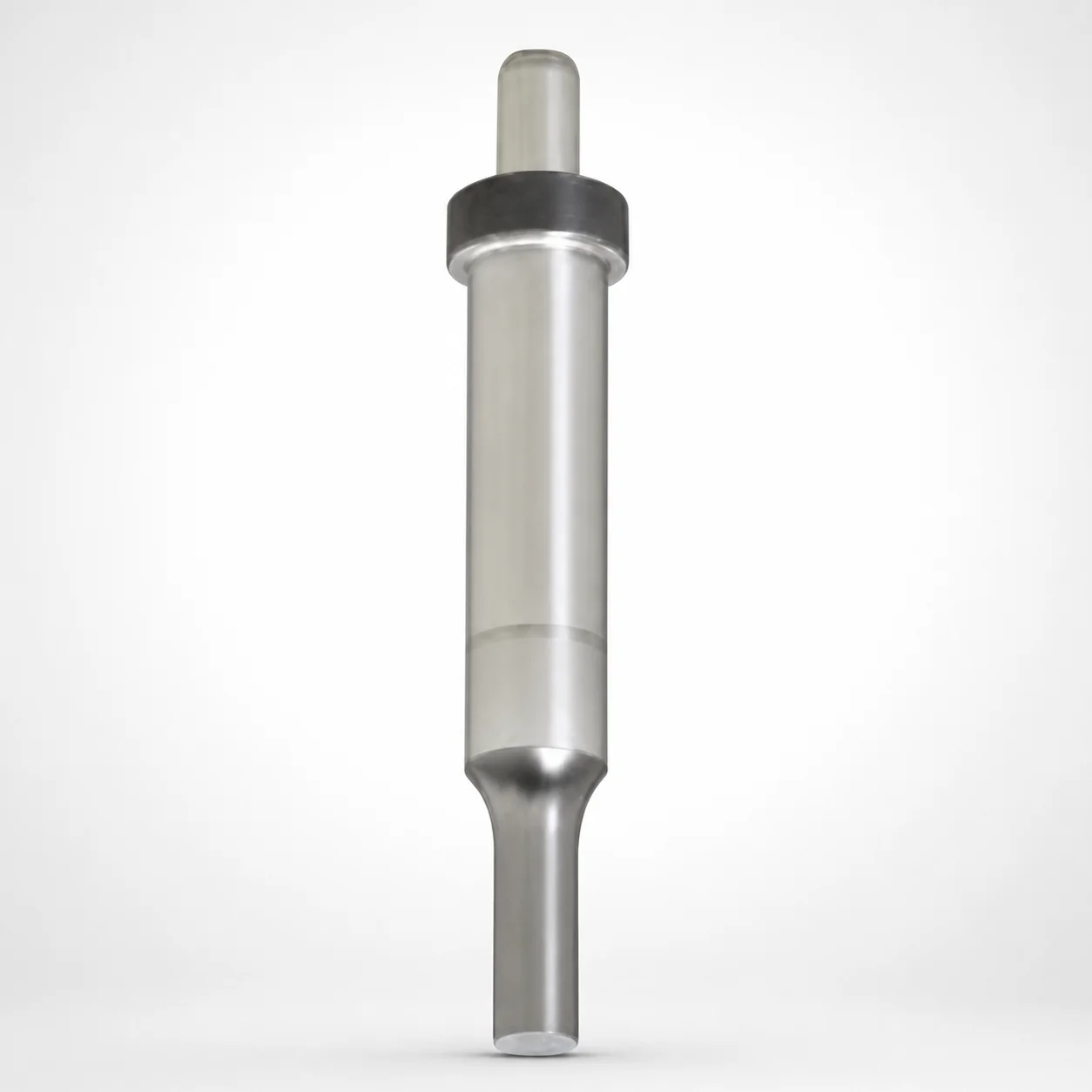
RW Coat SKD11 Equivalent (D2) Center Dowel Ejector Punches
Need Custom Specifications?
Our engineering team can help with custom configurations, material selection, and volume pricing.