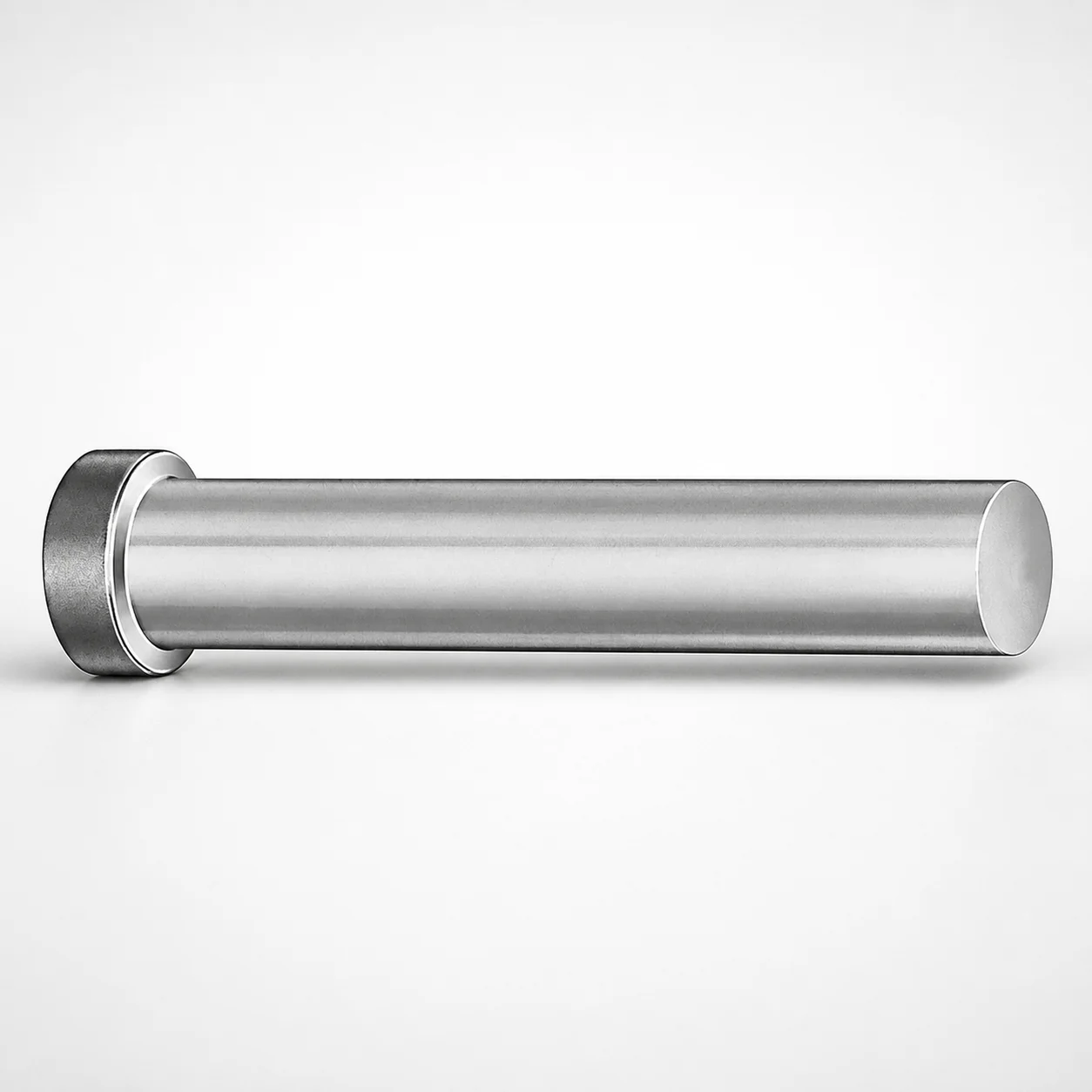
Inch Regular Punch Blanks
Inch regular punch blanks by DAYTON are designed for punch press tooling, giving machinists a consistent starting section for building ejector and punch components. Available in M2 or A2 steel options to match workload and durability needs.
- Blank format for efficient machining into custom punch tooling
- Tool steel options including M2 or A2 grades
- Inch shank diameter range supports flexible press and die designs
- Built for typical blanking applications in industrial stamping lines
Specifications
406 configurations available
| Material | D (Shank dia.) (in) | L (Overall length) (in) |
|---|---|---|
| A2 | 12 (0.1250") | 150 (1.50") |
| A2 | 12 (0.1250") | 175 (1.75") |
| A2 | 12 (0.1250") | 200 (2.00") |
| A2 | 12 (0.1250") | 225 (2.25") |
| A2 | 12 (0.1250") | 250 (2.50") |
| A2 | 12 (0.1250") | 275 (2.75") |
| A2 | 12 (0.1250") | 300 (3.00") |
| A2 | 12 (0.1250") | 325 (3.25") |
| A2 | 12 (0.1250") | 350 (3.50") |
| A2 | 12 (0.1250") | 375 (3.75") |
| A2 | 12 (0.1250") | 400 (4.00") |
| A2 | 18 (0.1875") | 150 (1.50") |
| A2 | 18 (0.1875") | 175 (1.75") |
| A2 | 18 (0.1875") | 200 (2.00") |
| A2 | 18 (0.1875") | 225 (2.25") |
| A2 | 18 (0.1875") | 250 (2.50") |
| A2 | 18 (0.1875") | 275 (2.75") |
| A2 | 18 (0.1875") | 300 (3.00") |
| A2 | 18 (0.1875") | 325 (3.25") |
| A2 | 18 (0.1875") | 350 (3.50") |
| A2 | 18 (0.1875") | 375 (3.75") |
| A2 | 18 (0.1875") | 400 (4.00") |
| A2 | 18 (0.1875") | 425 (4.25") |
| A2 | 18 (0.1875") | 450 (4.5") |
| A2 | 18 (0.1875") | 475 (4.75") |
| A2 | 18 (0.1875") | 500 (5.00") |
| A2 | 25 (0.2500") | 150 (1.50") |
| A2 | 25 (0.2500") | 175 (1.75") |
| A2 | 25 (0.2500") | 200 (2.00") |
| A2 | 25 (0.2500") | 225 (2.25") |
| A2 | 25 (0.2500") | 250 (2.50") |
| A2 | 25 (0.2500") | 275 (2.75") |
| A2 | 25 (0.2500") | 300 (3.00") |
| A2 | 25 (0.2500") | 325 (3.25") |
| A2 | 25 (0.2500") | 350 (3.50") |
| A2 | 25 (0.2500") | 375 (3.75") |
| A2 | 25 (0.2500") | 400 (4.00") |
| A2 | 25 (0.2500") | 425 (4.25") |
| A2 | 25 (0.2500") | 450 (4.5") |
| A2 | 25 (0.2500") | 475 (4.75") |
| A2 | 25 (0.2500") | 500 (5.00") |
| A2 | 25 (0.2500") | 525 (5.25") |
| A2 | 25 (0.2500") | 550 (5.50") |
| A2 | 25 (0.2500") | 575 (5.75") |
| A2 | 25 (0.2500") | 600 (6.00") |
| A2 | 31 (0.3125") | 150 (1.50") |
| A2 | 31 (0.3125") | 175 (1.75") |
| A2 | 31 (0.3125") | 200 (2.00") |
| A2 | 31 (0.3125") | 225 (2.25") |
| A2 | 31 (0.3125") | 250 (2.50") |
Product Guide
Application Scenarios+
This inch regular punch blank is used in punch press tooling where a machinist starts from a standardized blank and builds custom punch components for production stamping lines.
- Industrial stamping of sheet-metal parts: The blank format enables efficient turning/milling into the required punch profile, helping maintain consistent tool geometry across runs.
- Automotive and appliance connector housings (tab/slot blanking): Selecting the appropriate steel option (M2 for tougher cutting performance or A2 for balanced wear resistance) supports long cycle life in intermittent blanking operations.
- General fabrication dies and intermediate tooling: The inch shank diameter range (12–100 in) and long availability (L: 150–700 in) allow fitment with varying press heights and guides.
Because the blank is offered in A2 or M2, it’s suited to applications that need reliable blanking performance while still allowing cost-effective machining into custom punch shapes.
Material & Process Details+
These punch blanks are available in A2 or M2 tooling steel, both commonly selected for punch press and blanking use due to their ability to hold cutting edges under repeated impact and abrasive contact.
- A2 tooling steel: Typically used when a balanced combination of wear resistance and toughness is desired. Compared with higher alloy grades, it generally offers good toughness for interrupted cutting.
- M2 tooling steel: Often selected for higher red-hardness and wear resistance, supporting longer service life in more demanding blanking conditions.
Heat treatment is usually performed to achieve a quenched and tempered punch-to-service condition (tooling steels are commonly hardened and tempered rather than left pre-hardened). Exact target hardness (HRC) depends on the selected grade and your performance requirements, and should be confirmed with your shop’s heat treat spec.
Sizing & Selection Guide+
Correct sizing ensures the punch blank can be machined into your final punch without violating press alignment, guide fit, or stripping clearances. Start by matching the shank diameter D (12–100 in) to your punch holder, guide bushing, or die set requirements.
- Choose D: Select a blank where the shank diameter falls within 12–100 in for secure engagement and consistent alignment.
- Choose L: Ensure overall length L (150–700 in) provides enough stick-out after machining for tool retention, clearance, and any intended shoulders.
- Allowance for finishing: Plan for machining stock on diameter and length so the final ground/finished dimensions meet cavity/core interface requirements and press fit targets.
These dimensions are provided as variable ranges, so D and L are configurable within the stated bounds. Final tolerances should be set to your toolholder and guide fit standards (tight fits for alignment, looser fits where thermal growth or debris clearance is needed).
Frequently Asked Questions
Which steel grade should I choose for blanking—A2 or M2—for punch press tooling?+
These inch regular punch blanks are available in A2 or M2. A2 is commonly selected for a balanced wear/toughness profile, while M2 is typically chosen when you expect higher wear demand and want stronger cutting-edge performance.
Your decision should be based on material-to-cut, load level, and how often your line runs through interrupted or abrasive conditions.
How do I select the shank diameter (D) when building a custom punch from the blank?+
Use the provided shank diameter range D = 12–100 in as your selection criterion. Match the blank’s shank diameter to the punch holder/guide or any intermediate adapters so the tool can seat correctly and maintain alignment.
After selecting D, reserve machining allowance for finishing so the final diameter meets your press fit and guide clearance needs.
What overall length (L) should I target so the punch clears the die set and retention hardware after machining?+
Pick a blank within L = 150–700 in and confirm that the final machined tool length still supports retention engagement and required clearance. If you plan to add shoulders or modify stick-out, ensure the starting length gives enough material for machining.
Consider any stack-up changes from grinding and the required distance to avoid interference with stripper or die components.
Are there common machining considerations when converting an inch regular punch blank into a working punch?+
The blank format is designed to be efficiently machined into custom punch tooling. Plan stock removal on both diameter and length because the blank is supplied as a starting section, not the final ground size.
Keep an eye on maintaining straightness and concentricity through machining so the shank-to-cutting profile is aligned with your guide system.
What tolerance guidance should I follow for fit between the punch shank and tooling guides?+
The product provides dimension ranges for D (12–100 in) and L (150–700 in), but final tolerance requirements depend on your guide bushing and punch holder design. Generally, alignment-critical interfaces require tighter tolerances, while other regions can allow clearance for debris and thermal expansion.
Set tolerances so the installed punch maintains concentricity without binding during press cycling.
Related Products
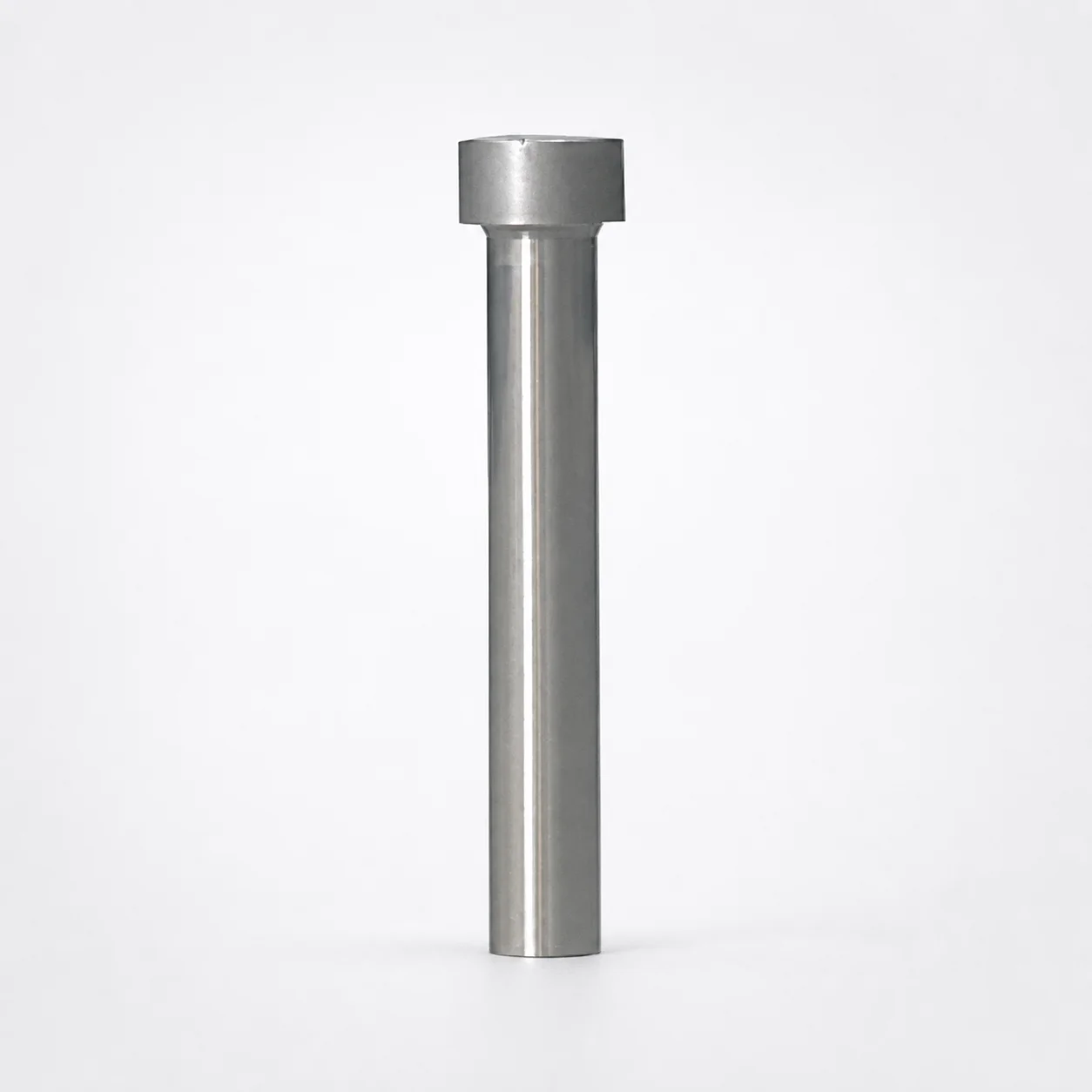
Ejector Punch Blanks (Blank, Standard)
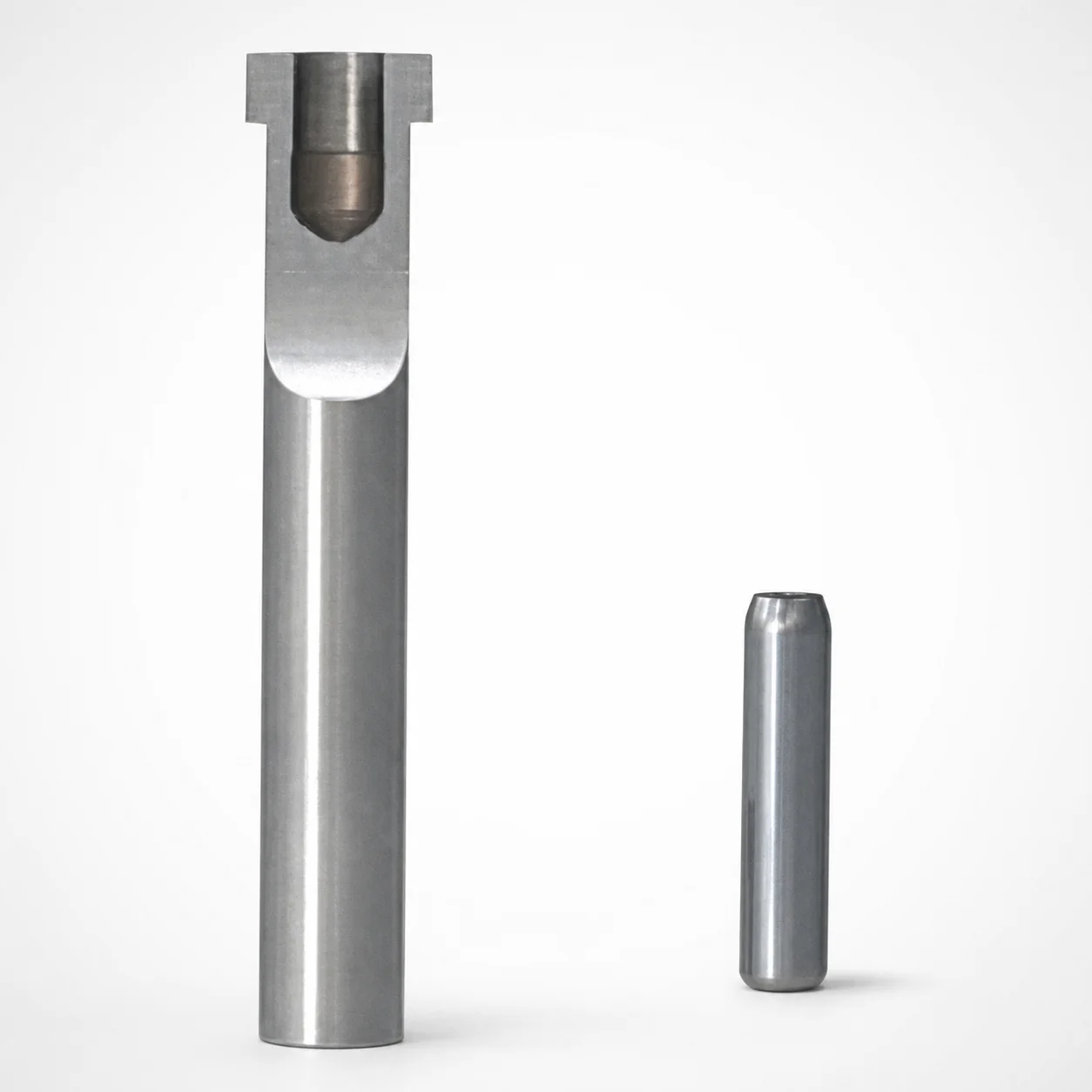
SKD11 Equivalent Steel Ejector Punch Blanks with Locating Dowel Hole
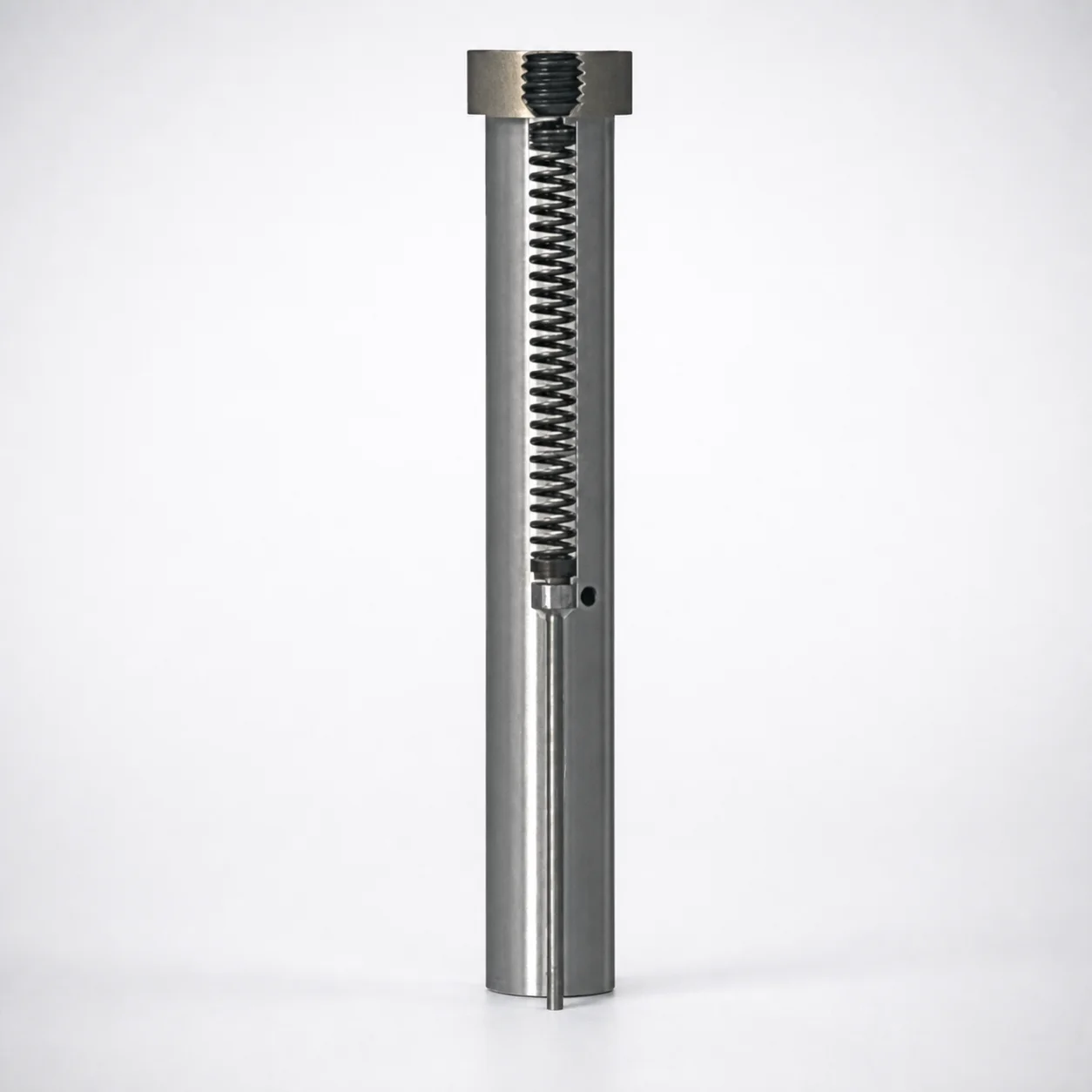
Large-Diameter Pin Type Ejector Punch Blanks
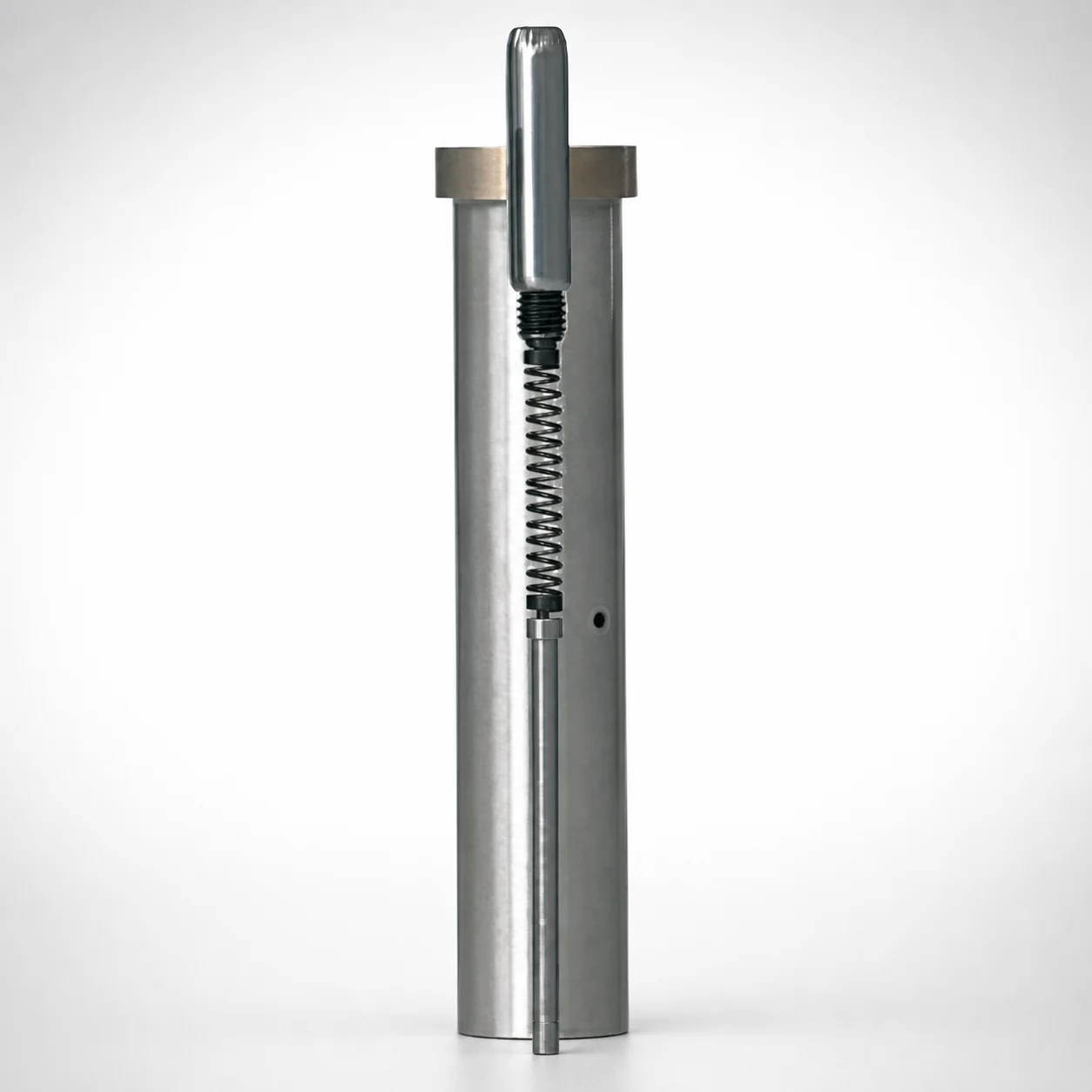
SKD11 Steel Ejector Punch Blank with Locating Dowel Hole (D2 Equivalent)
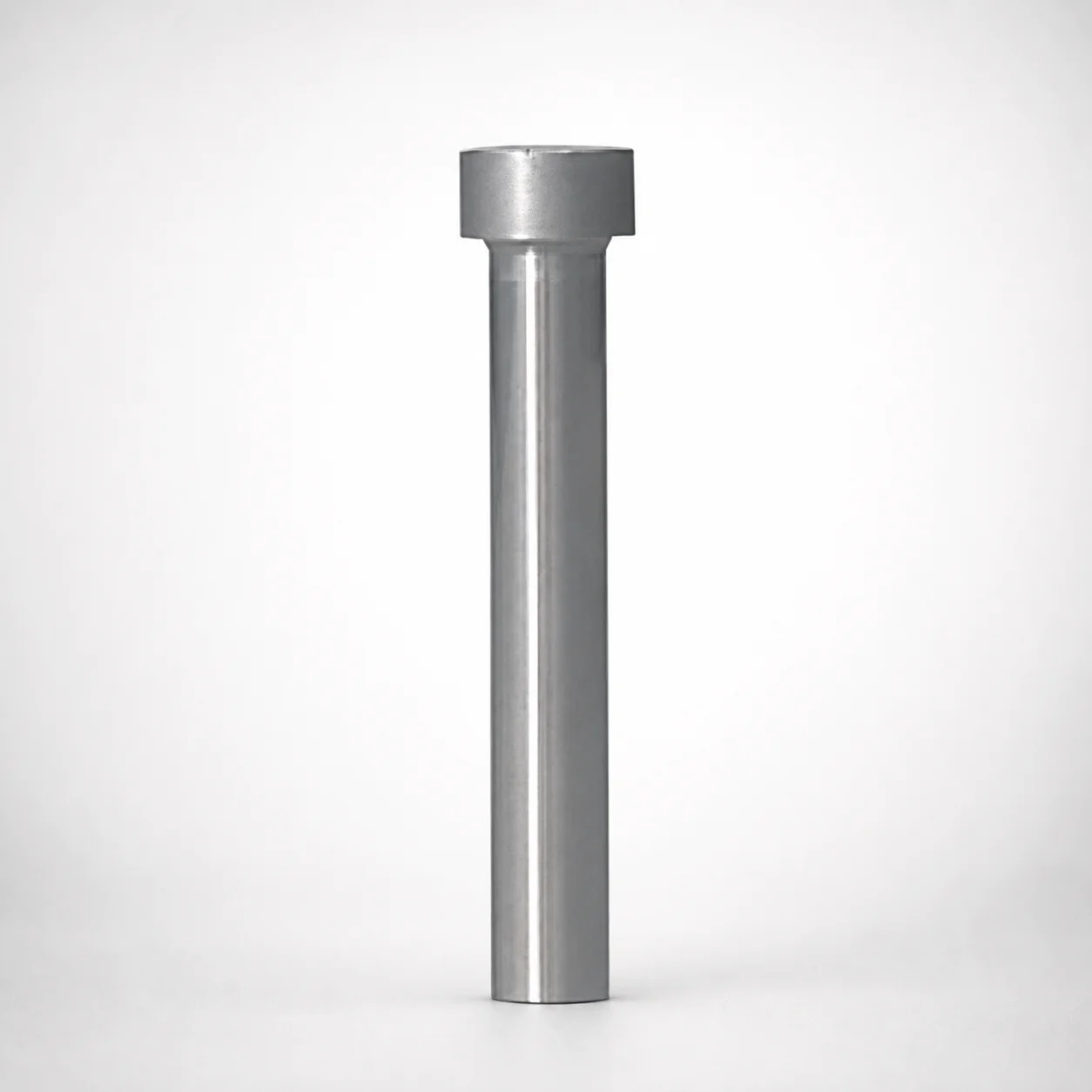
Heavy Load Punch Blanks - Metric (Diameters 10-25 mm)
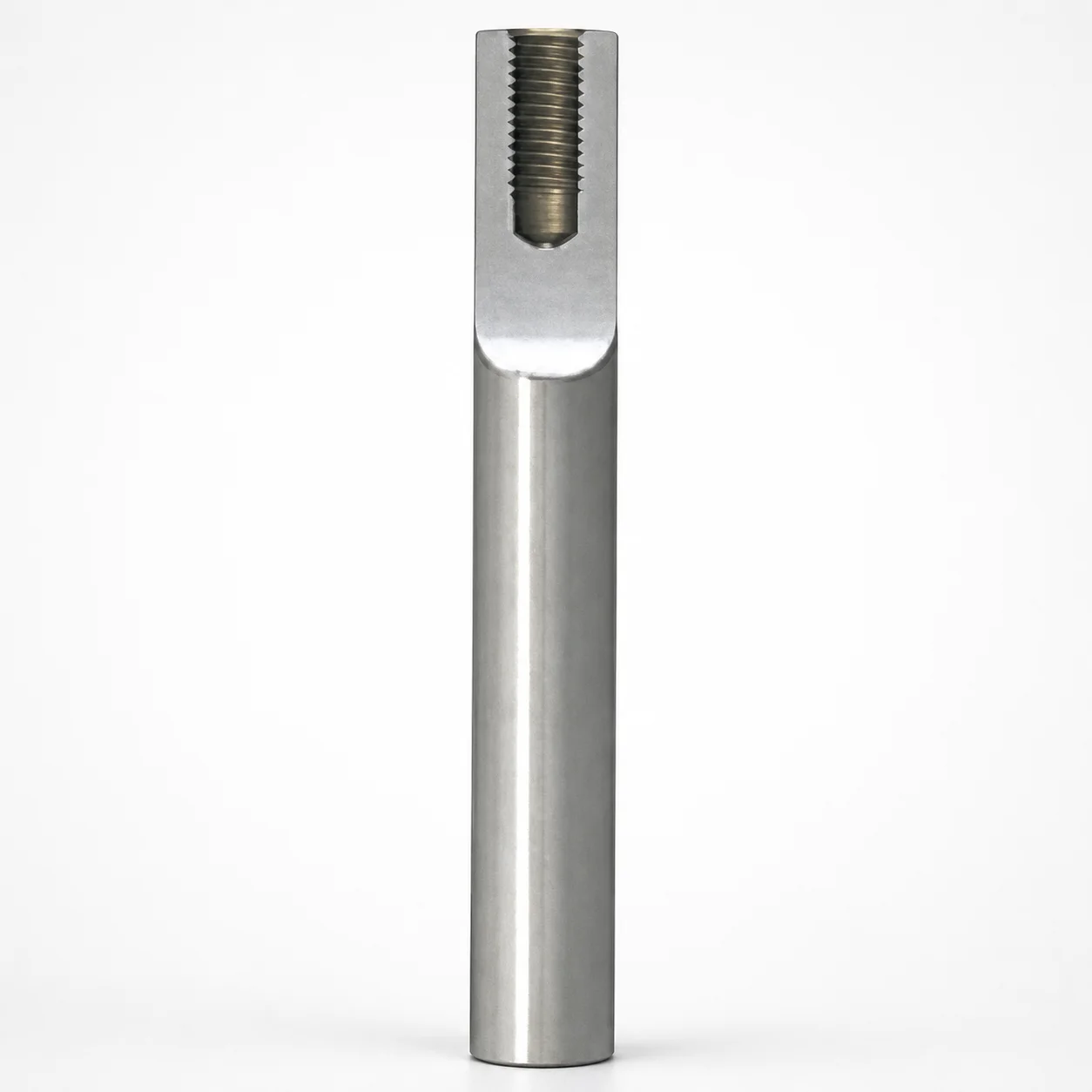
Metric Tapped Punch Blanks for Bolt-Fixed Punches
Need Custom Specifications?
Our engineering team can help with custom configurations, material selection, and volume pricing.