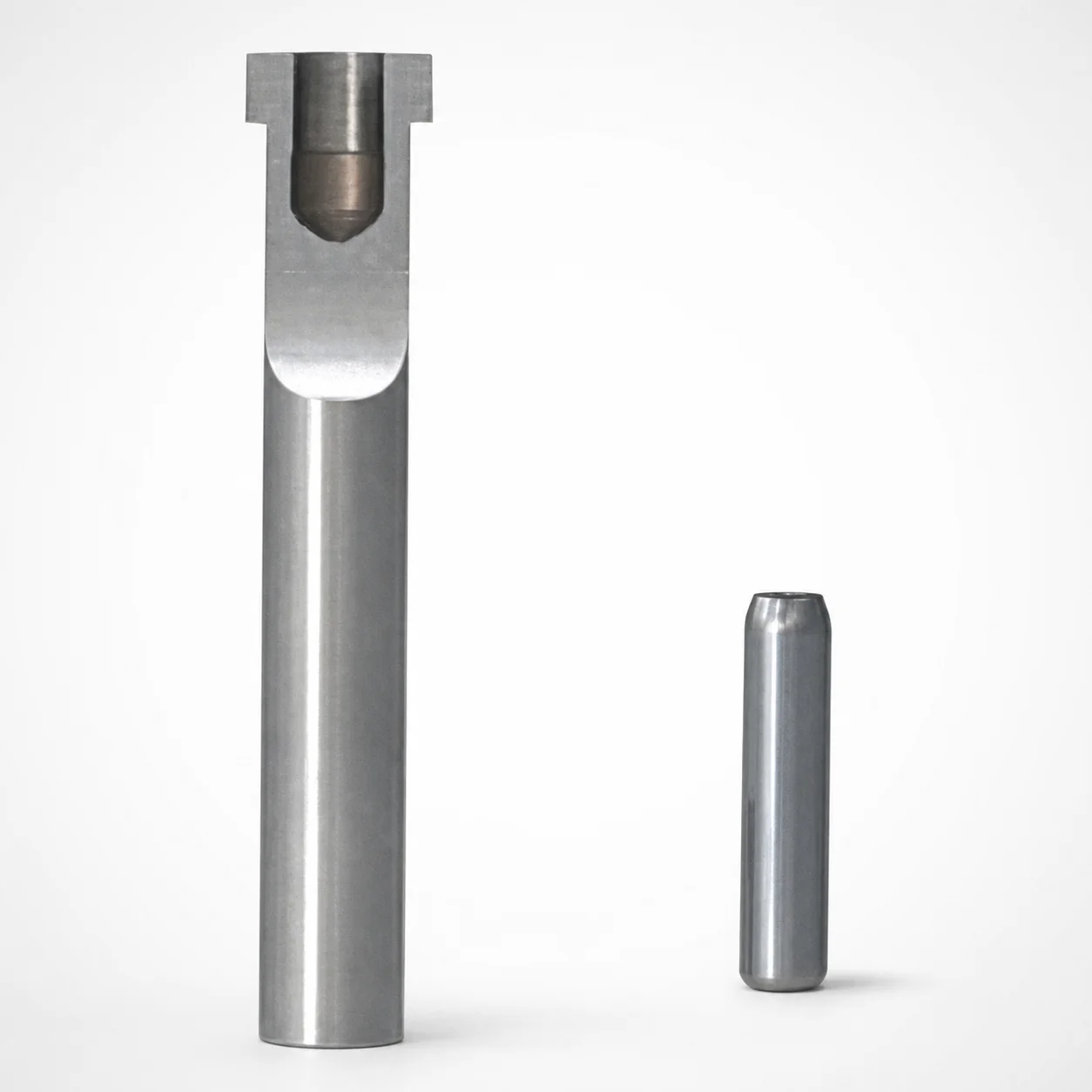
SKD11 Equivalent Steel Ejector Punch Blanks with Locating Dowel Hole
Ejector punch blanks with locating dowel hole (SKD11 equivalent steel) are designed for repeatable center positioning in punching and blanking dies. The dowel-hole mounting supports stable part location during high-cycle production.
- With locating dowel hole geometry enables accurate alignment in ejector systems
- SKD11 equivalent (D2) steel construction provides strong wear resistance for punch blank use
- m5 shank diameter tolerance supports consistent fit and reliable die assembly
- SPB-C type punch blank style for metric die-building applications
Specifications
16 configurations available
| D (Shank diameter) (mm) | L (L dimension) (mm) | LC (Full length alteration) (mm) | type |
|---|---|---|---|
| 10 | 40 ~ 150 | - | - |
| 10 | - | 20 ~ 149.9 | - |
| 13 | 40 ~ 150 | - | - |
| 13 | - | 20 ~ 149.9 | - |
| 16 | 40 ~ 150 | - | - |
| 16 | - | 20 ~ 149.9 | - |
| 20 | 40 ~ 150 | - | - |
| 20 | - | 20 ~ 149.9 | - |
| 25 | 40 ~ 150 | - | - |
| 25 | - | 20 ~ 149.9 | - |
| 32 | 40 ~ 150 | - | - |
| 32 | - | 20 ~ 149.9 | - |
| 38 | 40 ~ 150 | - | - |
| 38 | - | 20 ~ 149.9 | - |
| 45 | 40 ~ 150 | - | - |
| 45 | - | 20 ~ 149.9 | - |
Product Guide
Application Scenarios+
These ejector punch blanks with a locating dowel hole are used in progressive and transfer tooling where repeatable center positioning is critical for ejector actuation. The integrated dowel-hole layout helps maintain stable alignment within the ejector system, reducing drift during high-cycle punching and blanking.
Common scenarios include automotive and appliance sheet-metal blanking, where frequent strip feed and fast press cycles demand punches that stay concentric for consistent part edges. The SKD11-equivalent steel construction is suited to this because it offers strong wear resistance under abrasive metal contact.
They are also appropriate for metric die-building using SPB-C-style punch blank geometry, particularly when building dies that require standardized interfaces for easier maintenance and repeatable assembly. With the stated m5 tolerance for shank diameter, these blanks support dependable fit between punch components and their guiding parts.
- Use the dowel hole for locating and concentricity in ejector systems
- Match shank diameter tolerance for reliable die assembly
- Employ in high-cycle punching/blanking dies using metric standards
Material & Process Details+
This part is made from SKD11-equivalent (D2) tool steel, a common choice for punch and die wear applications due to its balance of hardness and abrasion resistance. While exact hardness isn’t specified in the data provided, D2-class steels are typically selected and heat treated to achieve high surface hardness for punching/blanking contact.
Material behavior and trade-offs for die steel like SKD11 include:
- Wear resistance: generally strong due to high carbide content, supporting longer service intervals in abrasive sheet-metal punching
- Toughness: usually lower than lower-alloy steels; designs often rely on proper support and alignment to limit chipping
- Heat treatment: commonly quenched and tempered to reach working hardness, with optional surface treatments (e.g., nitriding) sometimes used in tooling practice depending on wear mode
If compared to softer steels, SKD11/D2 typically provides superior wear performance, but requires attention to alignment and load to manage toughness sensitivity.
Sizing & Selection Guide+
Select dimensions by matching the punch blank interface to the die’s guided/ejector components while respecting the specified ranges. The key variable is D (shank diameter), available from 10 to 45 mm, which must be chosen to fit the corresponding guide/bushing or holder geometry in your die set.
The length is defined as L = 40 to 150 mm. Choose L to ensure adequate working projection and full engagement through the ejector stack, while keeping sufficient clearance from surrounding die members during press strokes.
Also verify the LC (full length alteration), fixed at 20 to 149.9 mm in the product line, to align with your design’s required overall dimensional adjustment. The stated m5 shank diameter tolerance indicates a controlled fit; plan mating parts with appropriate clearance/press-fit strategy based on your die build practice.
- Step 1: pick D within 10–45 mm for guide interface compatibility
- Step 2: choose L within 40–150 mm for required engagement/projection
- Step 3: confirm LC within 20–149.9 mm for your stack-up/alteration needs
Frequently Asked Questions
Which shank diameter range (D) is available for this SKD11-equivalent ejector punch blank, and why does it matter for fit?+
The shank diameter D is offered in a range of 10 ~ 45 mm. Because the product specifies an m5 tolerance for the shank diameter, selecting the correct D ensures consistent fit and reliable assembly with your die’s ejector guiding or holder components.
How should I choose the length (L) for ejector operation in a punching/blanking die?+
Use L = 40 ~ 150 mm to match your required engagement depth and working projection through the ejector stack. Proper selection helps prevent under-support (risking misalignment) and excessive interference during press strokes.
What role does the locating dowel hole play in die assembly for ejector punch blanks?+
The locating dowel hole is included to enable repeatable center positioning in the ejector system. This helps maintain stable alignment during high-cycle punching/blanking operations, improving concentricity and assembly repeatability.
Is LC a fixed constraint, or can it be used to match my die stack-up?+
LC is described as a fixed parameter in the listing, with available values from 20 ~ 149.9 mm. In practice, you select the available LC value that aligns with your die’s required full-length alteration or dimensional adjustment.
Why is SKD11-equivalent (D2) commonly selected for ejector punch blanks in sheet-metal applications?+
SKD11-equivalent (D2) tool steel is chosen for strong wear resistance in punch blank service where metal contact is frequent. Compared with lower-wear steels, D2-class grades generally offer longer tool life, but they require good alignment and support to manage toughness sensitivity under load.
Related Products
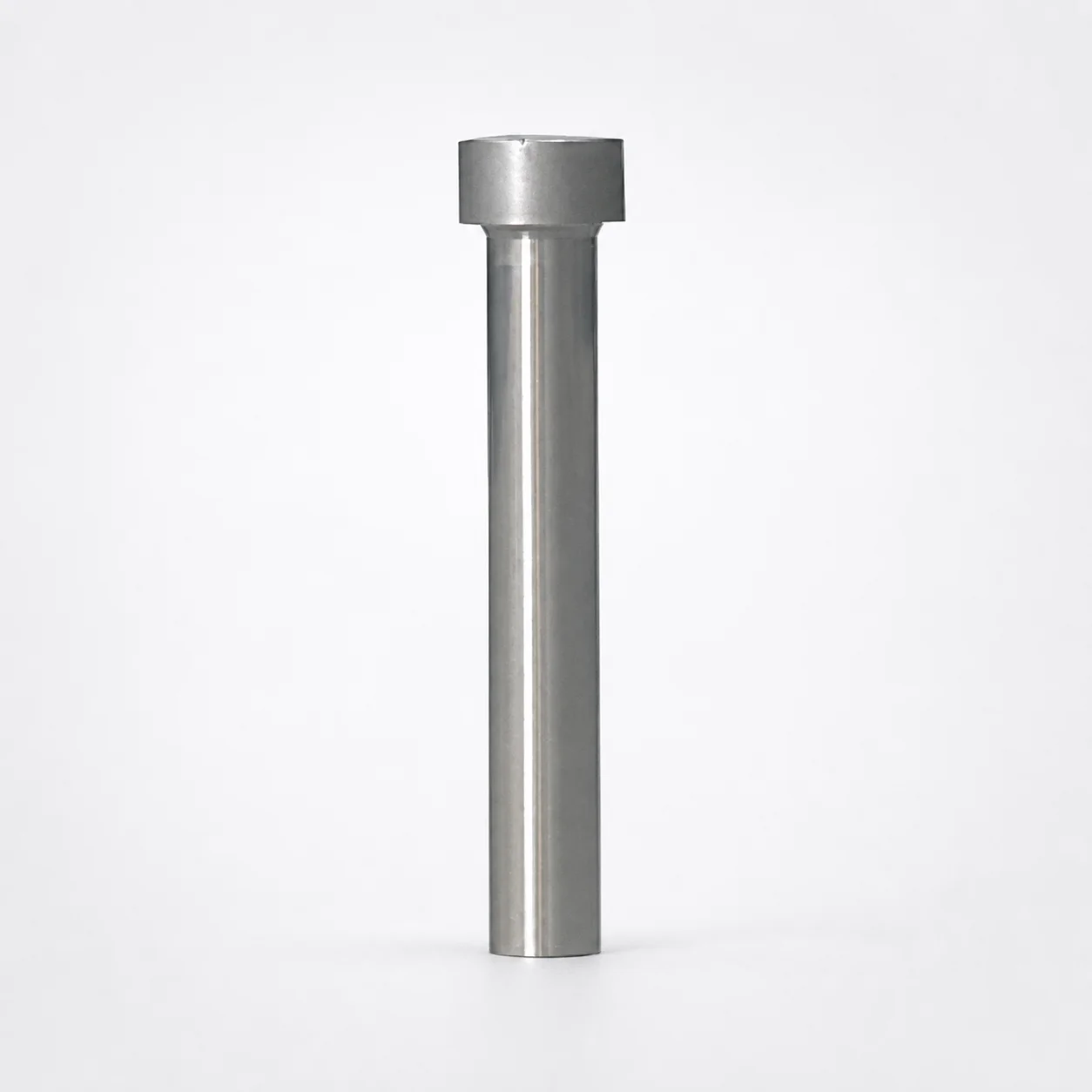
Ejector Punch Blanks (Blank, Standard)
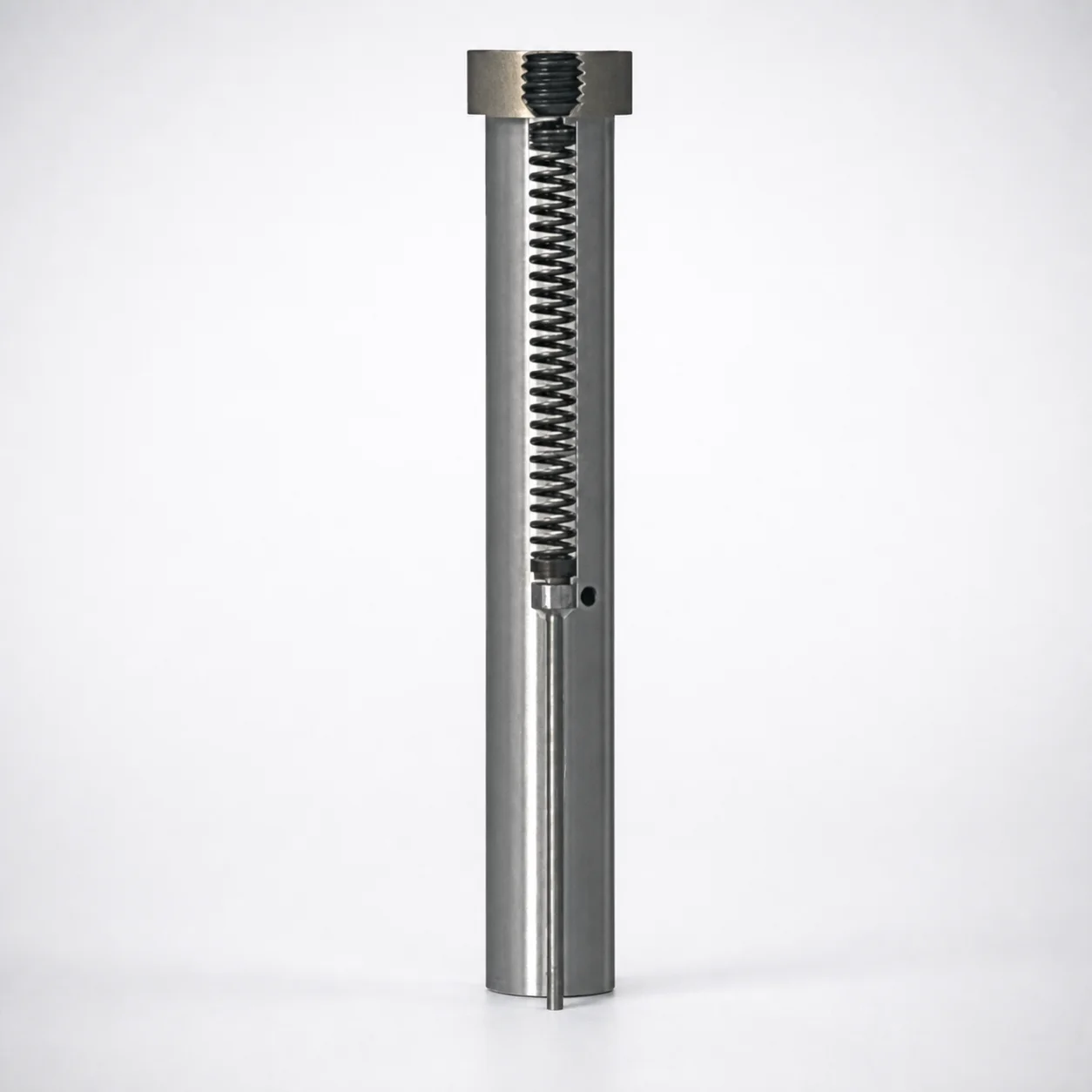
Large-Diameter Pin Type Ejector Punch Blanks
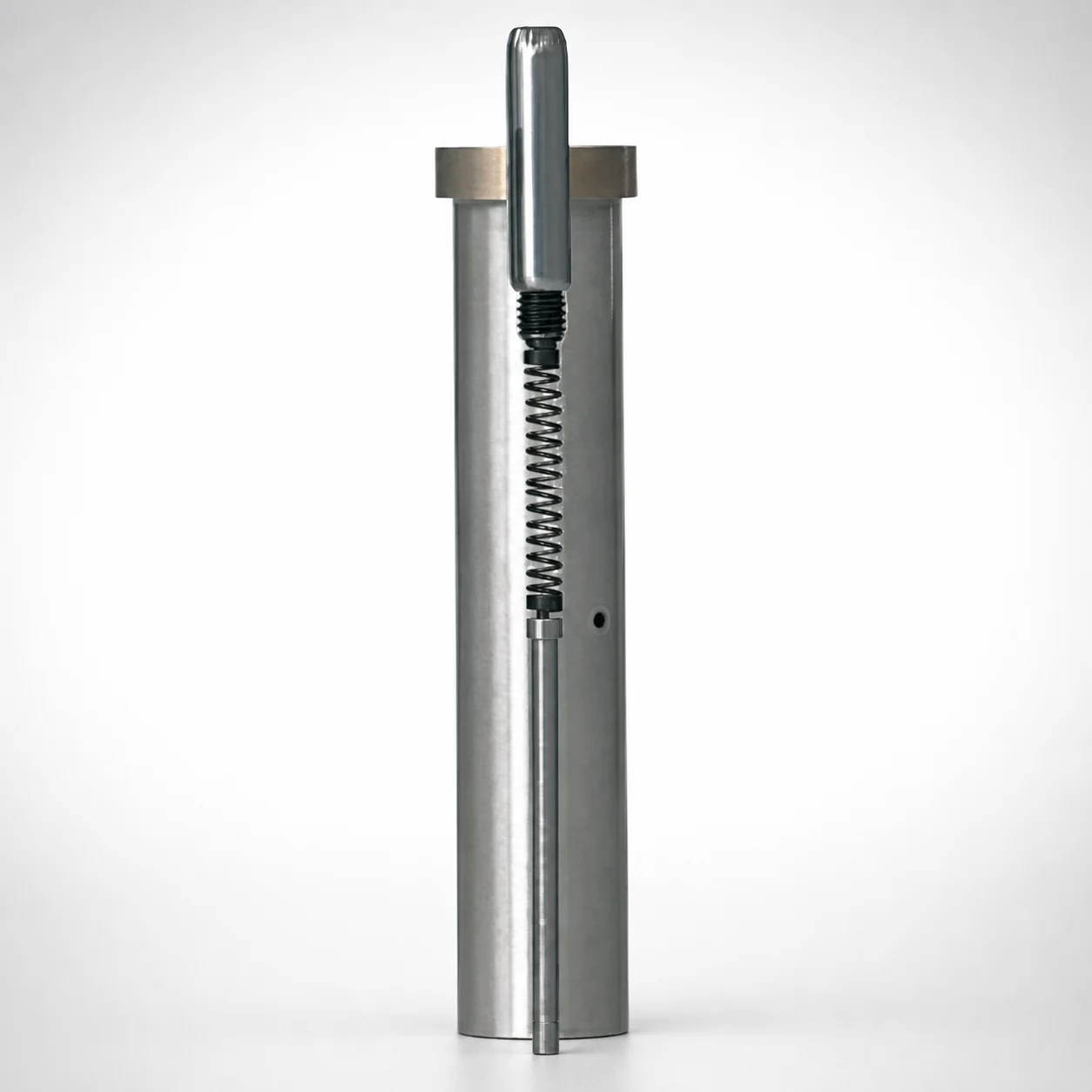
SKD11 Steel Ejector Punch Blank with Locating Dowel Hole (D2 Equivalent)
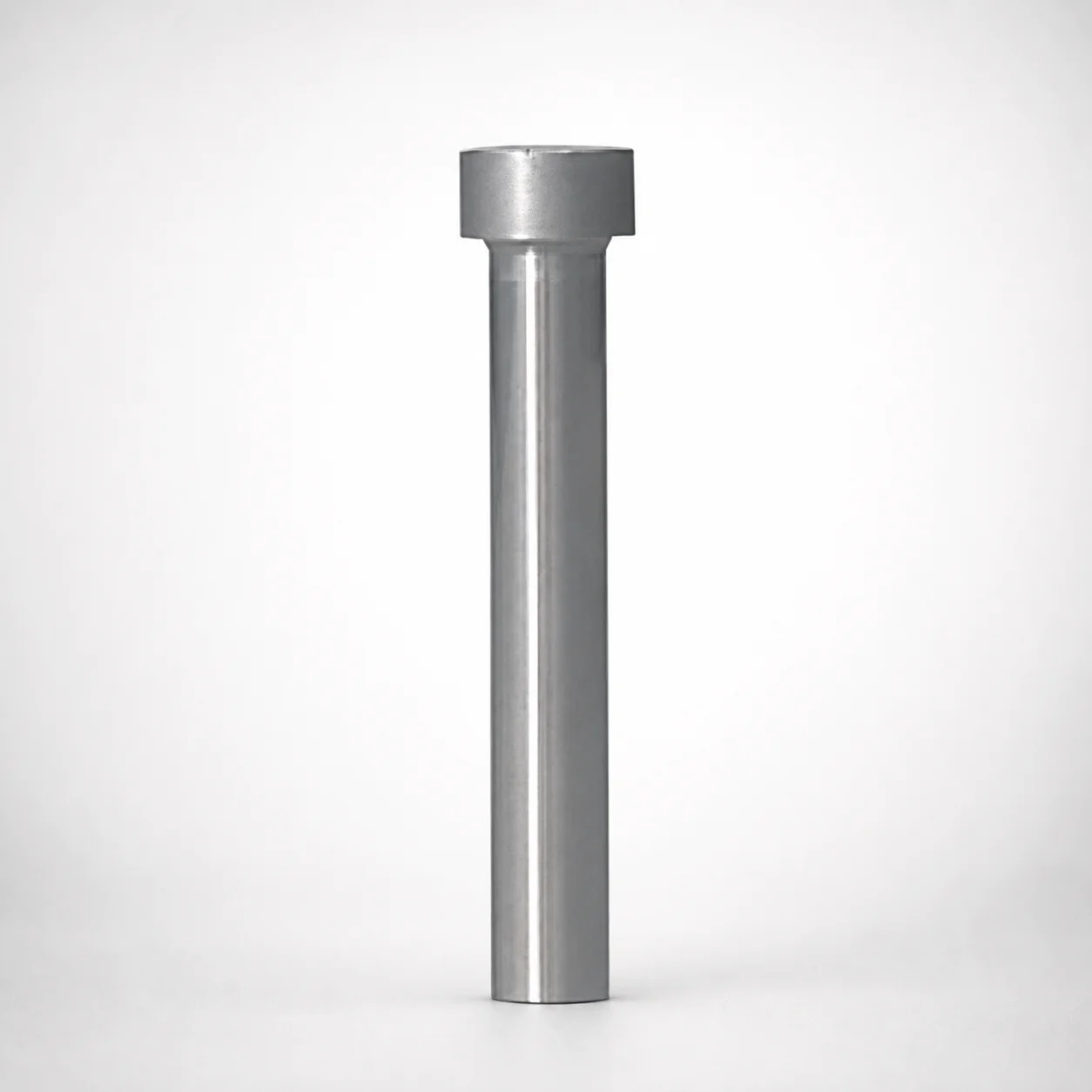
Heavy Load Punch Blanks - Metric (Diameters 10-25 mm)
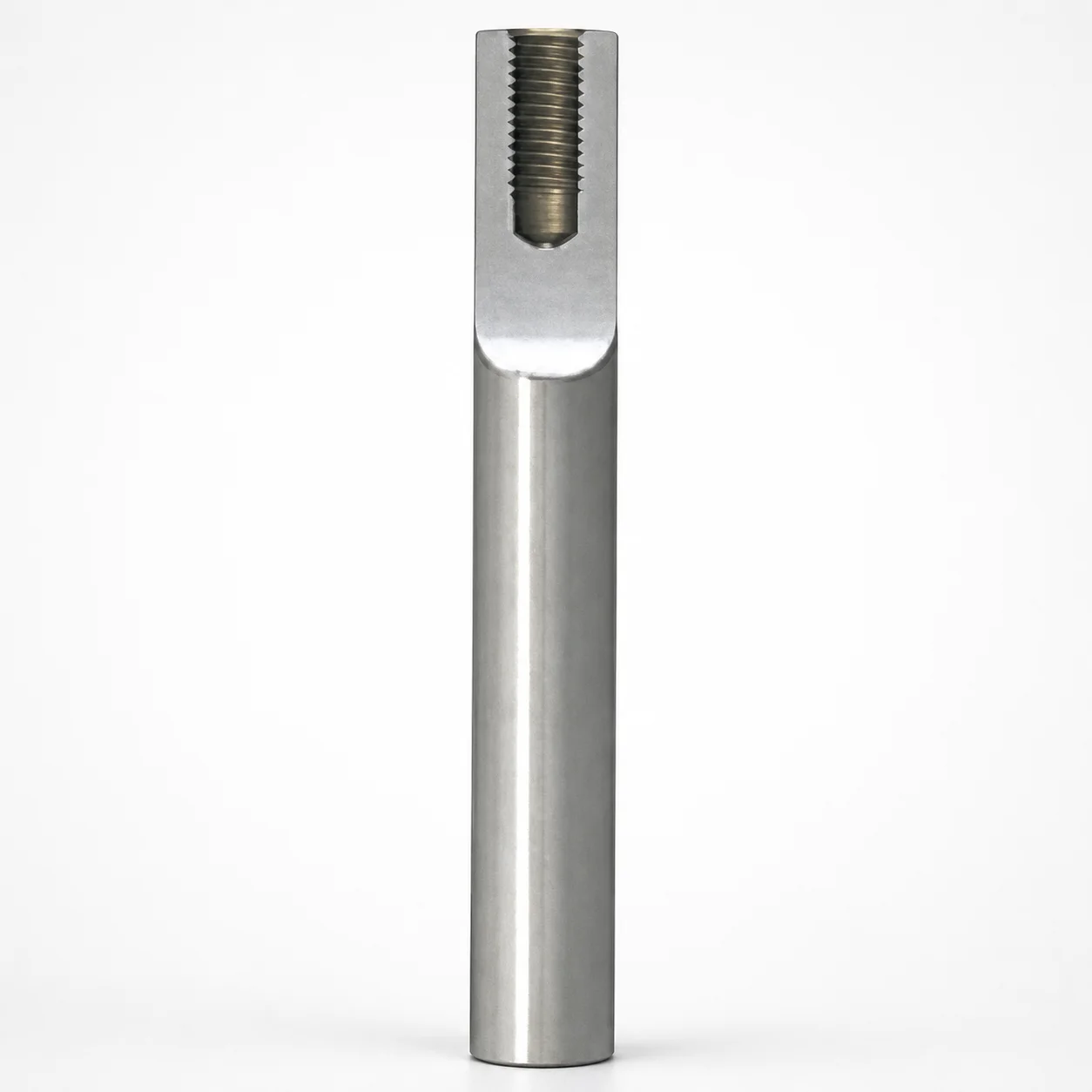
Metric Tapped Punch Blanks for Bolt-Fixed Punches
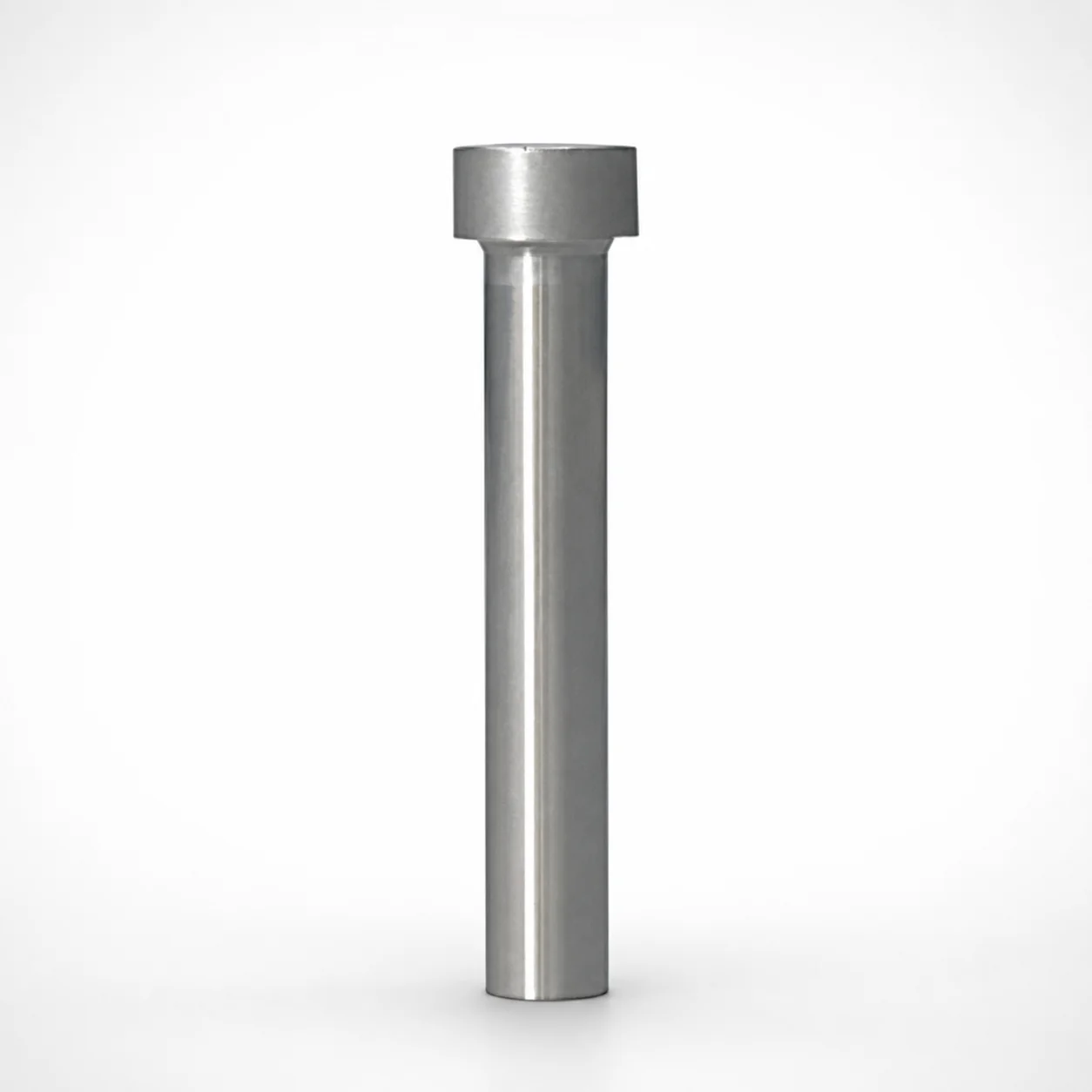
Heavy Load Ejector Punch Blank with Center Dowel Hole
Need Custom Specifications?
Our engineering team can help with custom configurations, material selection, and volume pricing.