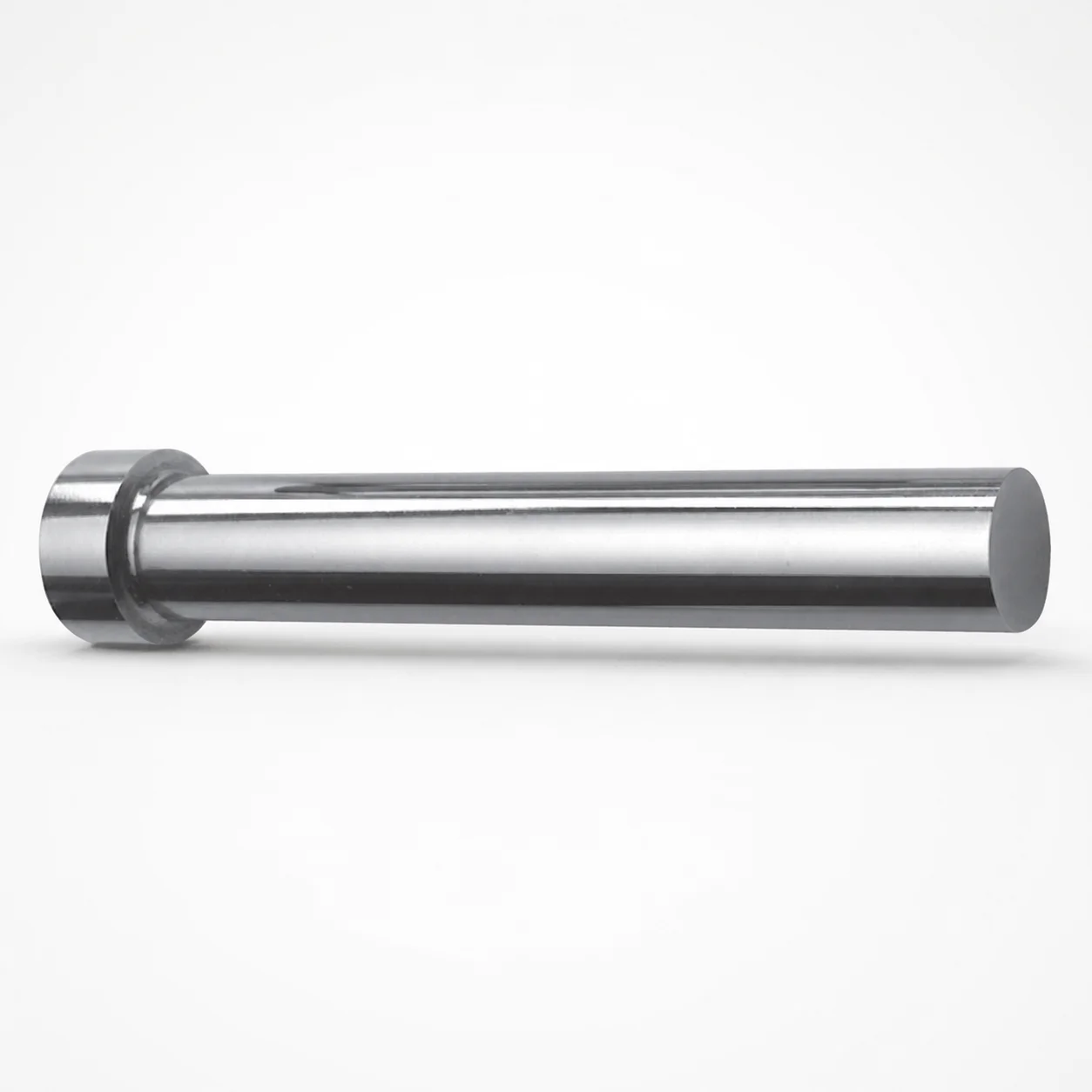
Regular Punch Blanks for Heavy Load - Metric
Regular Punch Blanks for Heavy Load - Metric are heavy-duty tooling blanks designed to support punch production in demanding forming and stamping applications. They match Dayton/Lamina part numbering format for faster procurement.
- Heavy-load construction for stable performance in punching workflows
- Metric shank diameters from 8 to 25 mm for selection flexibility
- Available lengths from 50 to 100 mm to suit different tool builds
- Standardized Dayton/Lamina part number format simplifies ordering and cross-referencing
Specifications
6 configurations available
| D (Shank dia.) (mm) | L (Length) (mm) |
|---|---|
| 08 | 50 ~ 100 |
| 10 | 50 ~ 100 |
| 13 | 50 ~ 100 |
| 16 | 50 ~ 100 |
| 20 | 60 ~ 100 |
| 25 | 60 ~ 100 |
Product Guide
Application Scenarios+
These heavy-load punch blanks are used as intermediate tooling components when building progressive and single-station punching setups for sheet metal forming. Their metric shank range of 8–25 mm and selectable lengths (50–100 mm, or 60–100 mm depending on the option) help you match the required stick-out and press alignment for stable punching.
Automotive and industrial brackets: In high-cycle operations, the blank format supports rigid punch holders and consistent energy transfer, reducing setup variability across runs.
Appliance and enclosure stampings: For forming steps that require repeatable penetration and tool longevity, choose the variant with the shank diameter that fits your existing punch retainer or guide system in the Dayton/Lamina numbering ecosystem.
Manufacturing cells with standardized part numbering: Because this blank is offered for the Dayton and Lamina part-number format, procurement and cross-referencing are faster when maintaining legacy tooling or building new tools to existing standards.
- Metric diameters ensure compatibility with metric tooling stack-ups
- Length options support varying tool heights and press clearances
Material & Process Details+
The provided product data specifies tooling geometry (shank diameter D: 08–25 mm, length L: 50–100 mm / 60–100 mm) but does not include a steel grade, heat treatment condition, or hardness target. Therefore, material properties such as HRC, wear resistance, and toughness trade-offs cannot be stated from the supplied information.
In punch blank applications, engineers typically select a steel grade and heat treatment based on expected tonnage, abrasive wear, and impact/loading during punching. Common approaches in heavy-load punch tooling include hardened and tempered tool steels or surface-strengthened options (e.g., nitriding) to improve wear while managing toughness.
- Verify steel grade and heat treatment documentation for hardness (HRC) before final tool design
- If multiple material grades are offered for the same geometry, compare wear resistance vs. toughness for your press cycle profile
Sizing & Selection Guide+
Start by matching the blank’s shank diameter D to your existing punch holder/retainer and guide system. Select from the available metric options: D = 08, 10, 13, 16, 20, or 25 mm.
Next, choose the correct length L to achieve the required stick-out and maintain alignment through the press. The available ranges are L = 50–100 mm or L = 60–100 mm (depending on the specific variant/order configuration).
- Match D to the cavity/core-side guidance requirements of your punching station (avoid forcing fit)
- Set L to ensure the punch seats properly without bottoming out in the holder
- Maintain press alignment to prevent bending under heavy-load punching
Tolerance and fit: no tolerance values are provided in the input data, so rely on your punch holder bore/guide tolerance and perform a dimensional check on receipt. For best compatibility with standardized stacks, keep the selected geometry consistent with the Dayton/Lamina part numbering you are cross-referencing.
Frequently Asked Questions
Which shank diameters (D) are available for this heavy-load metric punch blank series?+
This series lists metric shank diameter options of D = 08, 10, 13, 16, 20, and 25 mm. Select the diameter that matches your punch holder bore and guide system to maintain alignment during punching.
What length (L) ranges can I choose, and how do I pick the right one for my tool build height?+
Available lengths are specified as L = 50–100 mm and also L = 60–100 mm for the configured variants. Choose L to achieve proper seating in the holder while meeting your required stick-out and press clearance, ensuring the punch does not bottom out.
How does the Dayton/Lamina part-number format help when replacing punch tooling?+
The blank is designed for the Dayton and Lamina part numbering format, enabling faster procurement and cross-referencing. When maintaining legacy tools, you can map the existing punch blank to the corresponding series code so the geometry (D and L) aligns with the original tool build.
Is the correct fit determined only by D and L, or are there other dimensions I must verify?+
The provided specifications only include D (shank diameter) and L (length). Before assembly, confirm any additional interface dimensions required by your holder/guide system (e.g., seating features) using the drawing or incoming inspection data for that exact SKU.
Can I confirm hardness (HRC) or steel grade for wear performance from the given specs?+
No. The supplied product data does not list a steel grade, heat treatment condition, or hardness (HRC). For wear and toughness decisions in heavy-load punching, request the material certificate for the exact series_code/SKU you plan to use.
Related Products
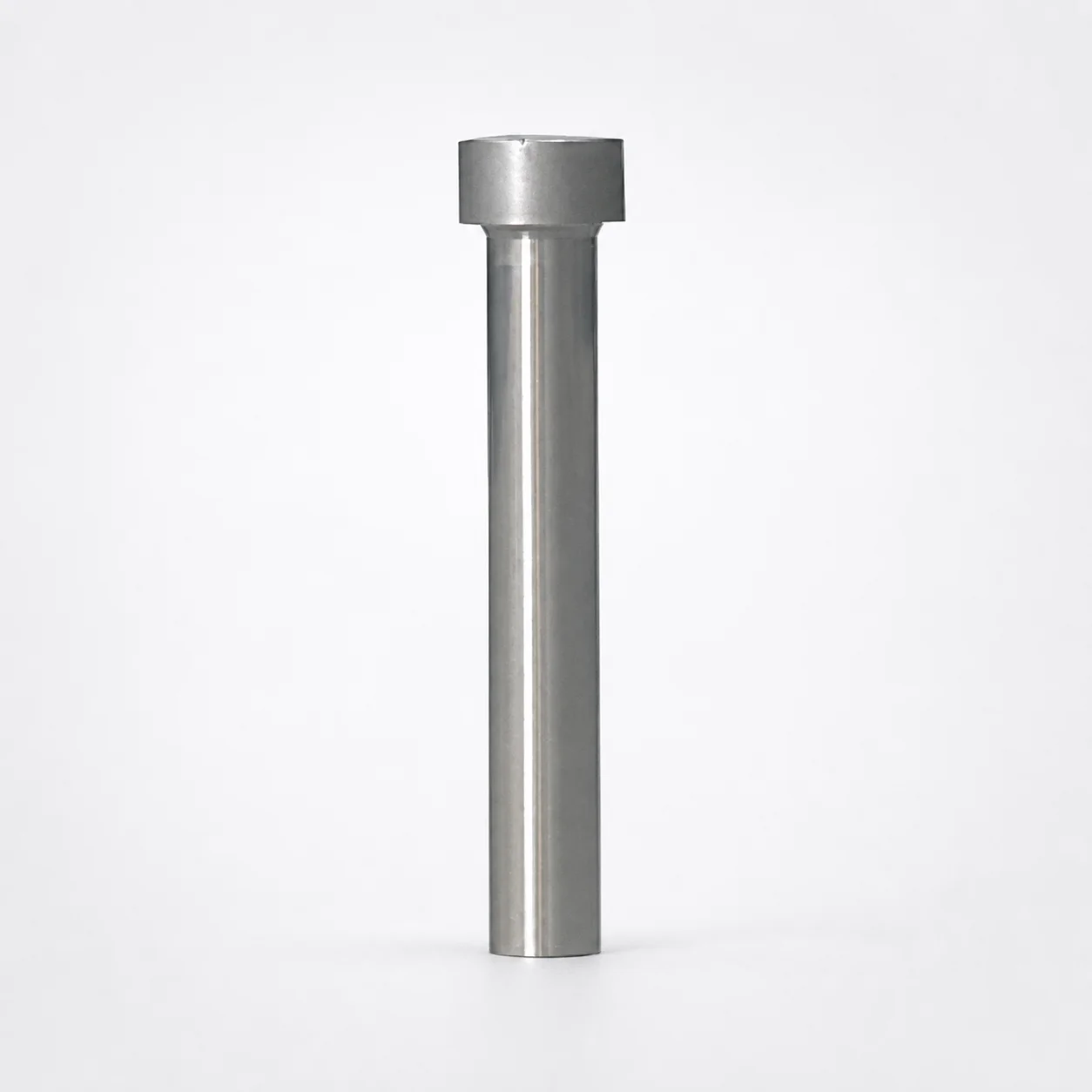
Ejector Punch Blanks (Blank, Standard)
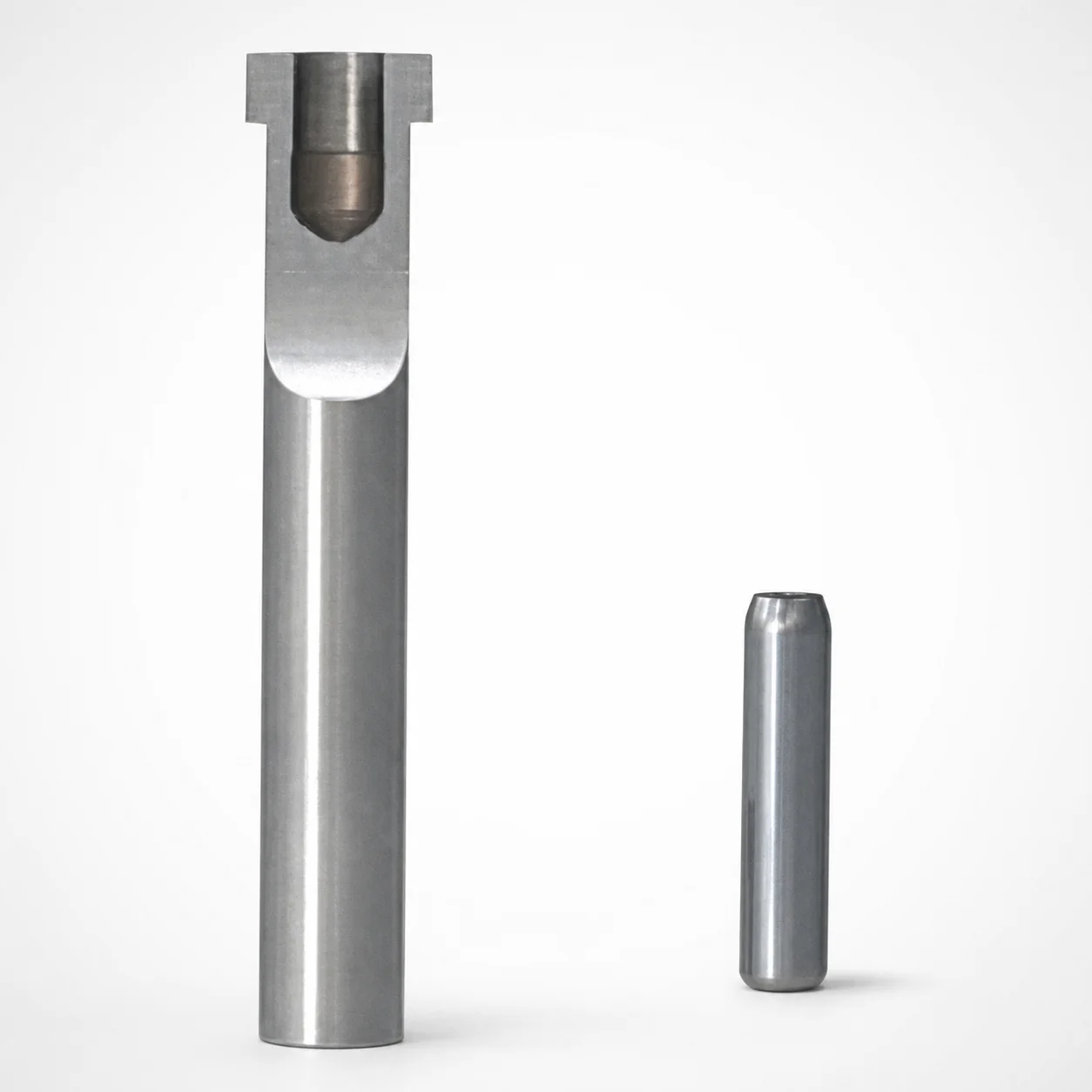
SKD11 Equivalent Steel Ejector Punch Blanks with Locating Dowel Hole
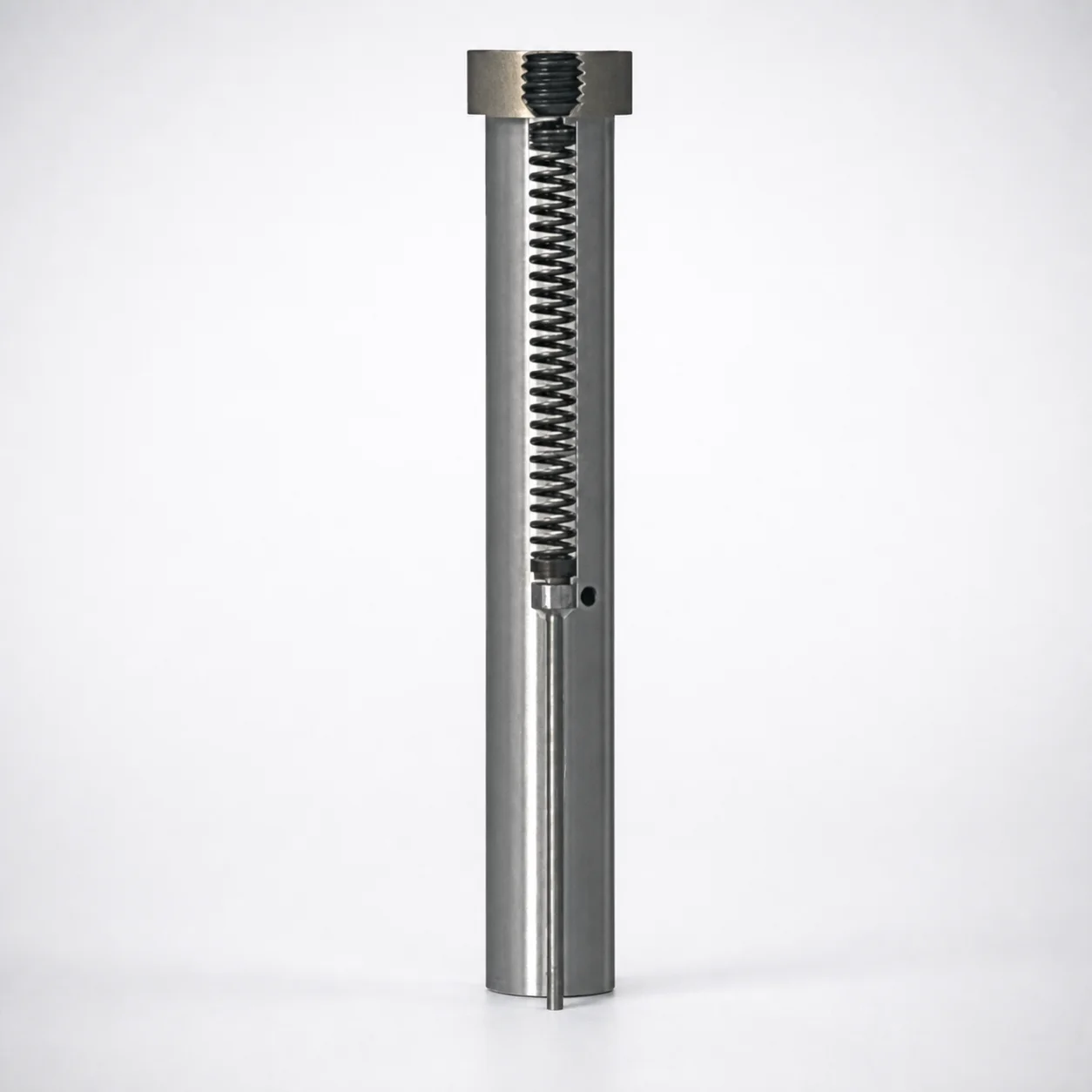
Large-Diameter Pin Type Ejector Punch Blanks
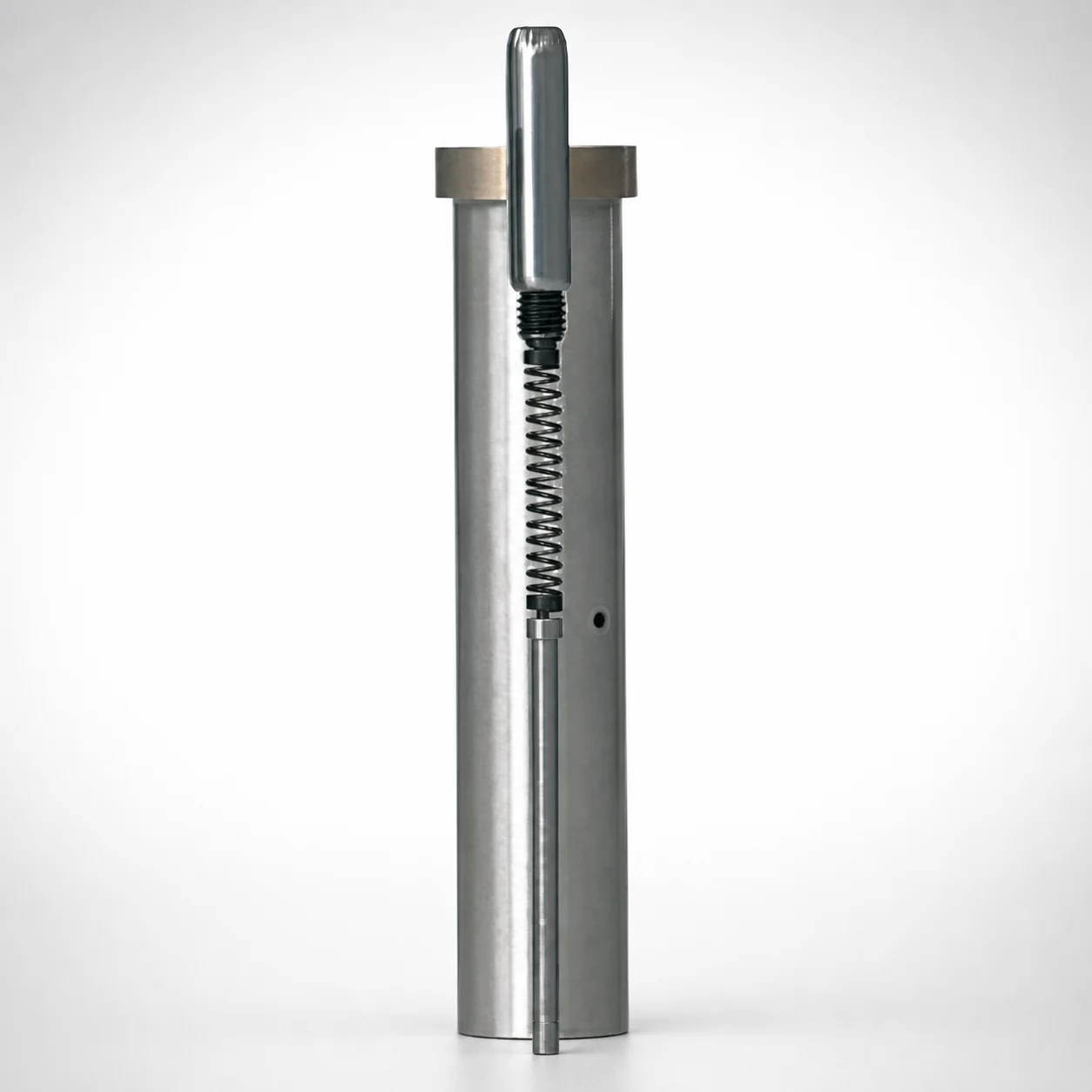
SKD11 Steel Ejector Punch Blank with Locating Dowel Hole (D2 Equivalent)
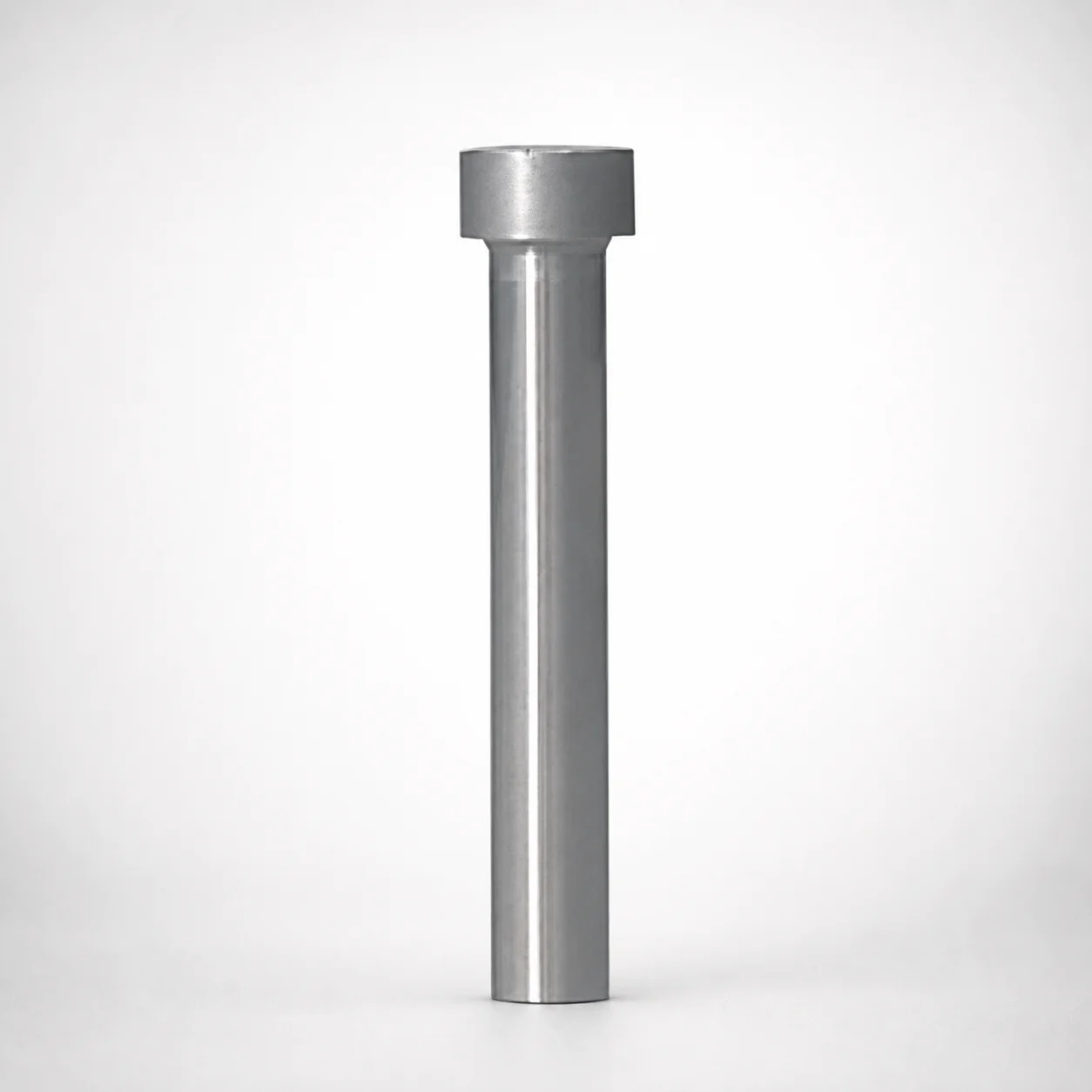
Heavy Load Punch Blanks - Metric (Diameters 10-25 mm)
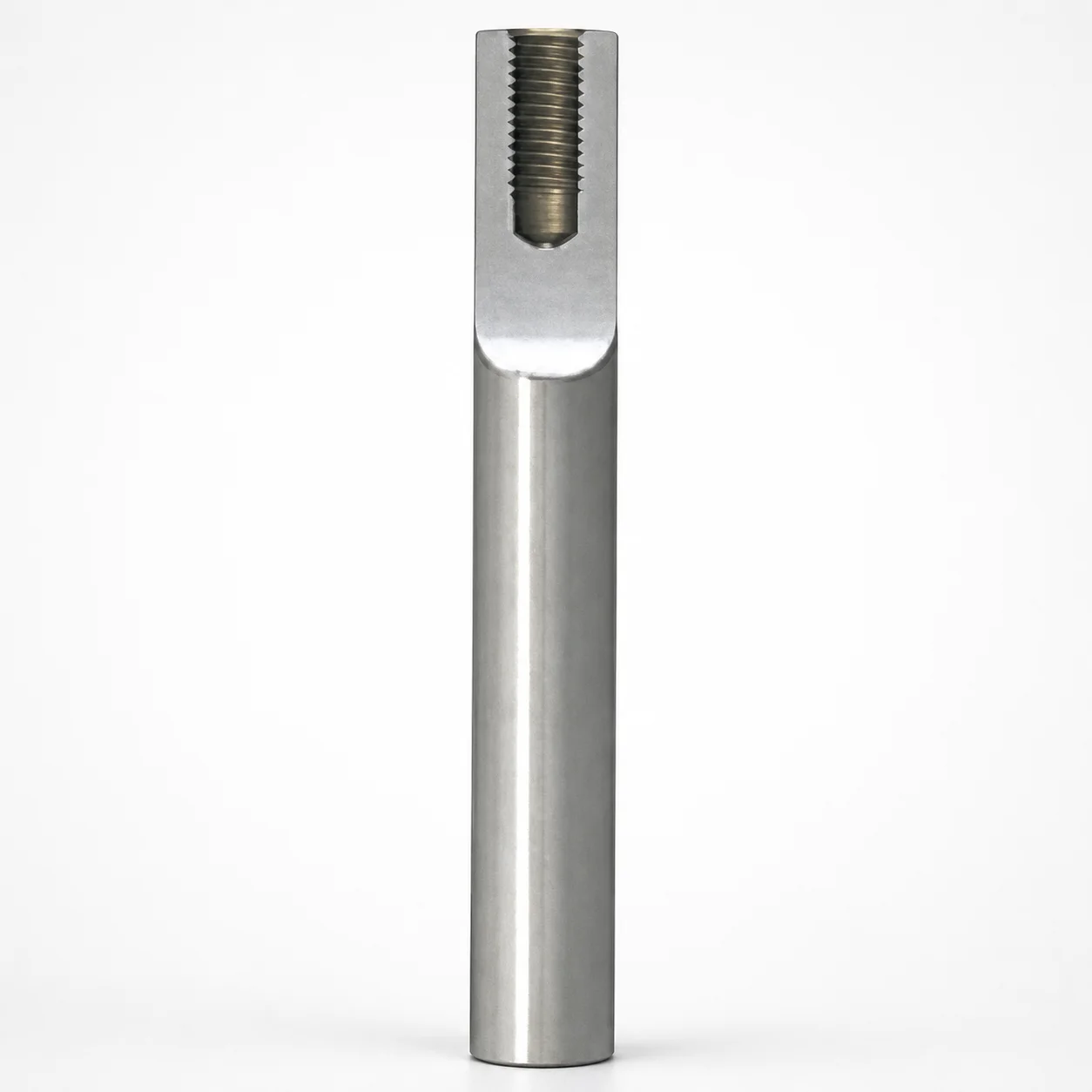
Metric Tapped Punch Blanks for Bolt-Fixed Punches
Need Custom Specifications?
Our engineering team can help with custom configurations, material selection, and volume pricing.