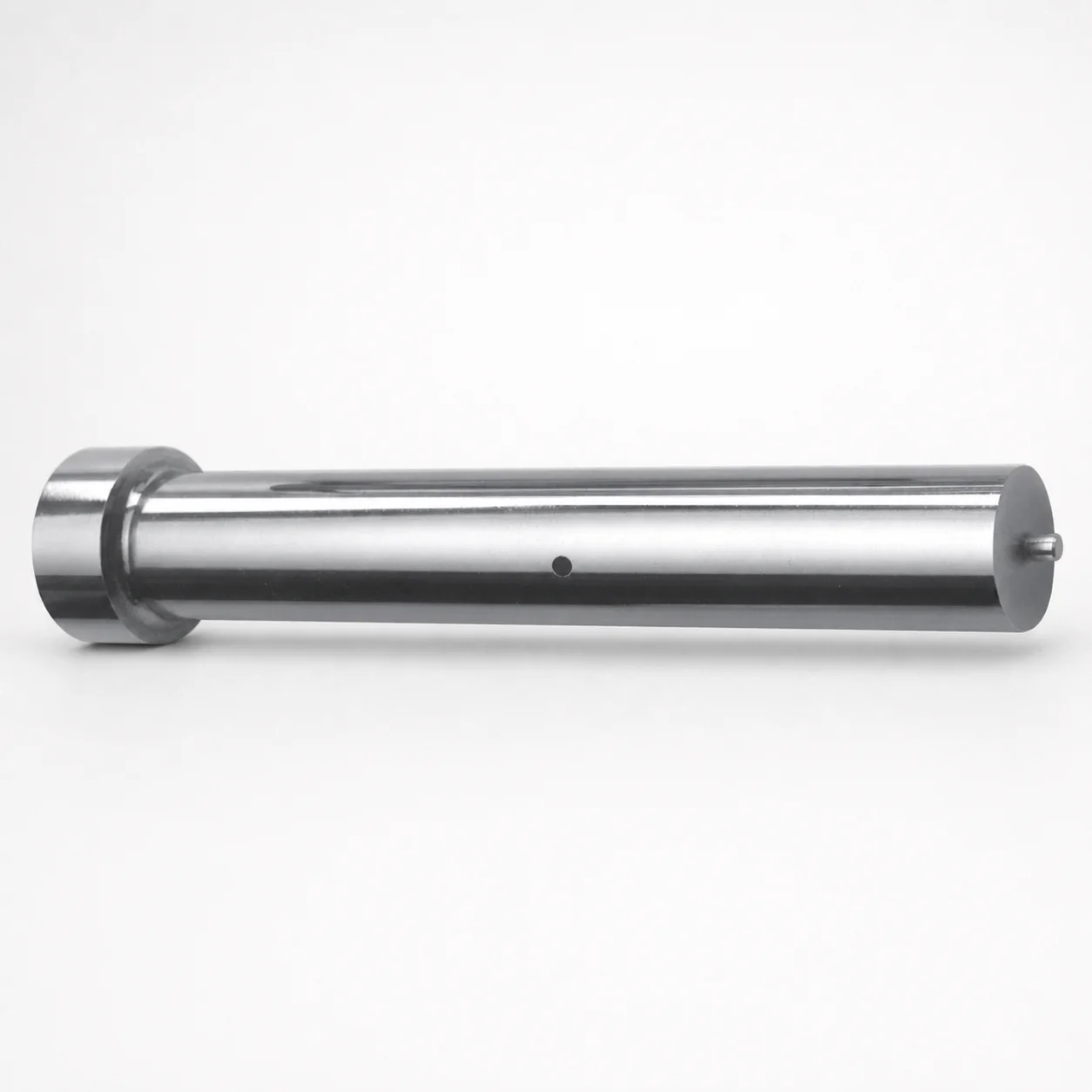
Metric Heavy Load Ejector Punch Blanks
Metric heavy load ejector punch blanks (DAYTON) are designed for die components that require stable support and dependable punch performance under higher loads. They provide a solid starting blank for machining into ejector punches.
- Heavy-load ejector punch blank format for die and mold assembly
- Metric shank diameter options support flexible machine and fixture setup
- Blank length range helps accommodate varying punch designs
- Built for consistent fabrication of heavy-duty ejector punches
Specifications
6 configurations available
| D (Shank dia.) (mm) | L (Length) (mm) |
|---|---|
| 08 | 50 ~ 100 |
| 10 | 50 ~ 100 |
| 13 | 50 ~ 100 |
| 16 | 50 ~ 100 |
| 20 | 60 ~ 100 |
| 25 | 60 ~ 100 |
Product Guide
Application Scenarios+
These metric heavy-load ejector punch blanks are used as the starting stock for building ejector systems in injection mold tooling and precision die work. Engineers typically machine the blank into ejector pins/punches that must withstand cyclic actuation, resisting bending and maintaining reliable stroke alignment.
Scenario 1: Automotive and industrial connector molds—where frequent ejection cycles and robust runner/ejector layouts demand stable punch support. The heavy-load format and multiple metric shank diameter (D) options help match the press-fit or guidance requirements of the ejector housing.
Scenario 2: Long-run production insert and die assemblies—where punch performance consistency is critical to surface quality and part ejection. Using a blank within the specified length (L) range supports varied ejector stick-out designs.
Scenario 3: Precision die building—for manufacturers sourcing dependable punch stock to reduce rework. This variant is suited because its dimensions are pre-defined for straightforward machining into heavy-duty ejector punches.
Material & Process Details+
The provided product data specifies geometry (shank diameter D and length L) for metric heavy-load ejector punch blanks, but it does not list the steel grade, hardness (HRC), or heat-treatment condition.
Because the material properties are not stated, you should confirm the steel grade and finishing state from your DAYTON specification sheet or supplier documentation before selecting for wear and impact duty. For ejector punches used under higher loads, shops typically choose tool steels that are quenched and tempered (for toughness) or nitrided/carburized (for surface wear resistance) depending on the operating environment.
- Trade-off to verify: higher surface hardness improves wear resistance, but can reduce toughness if not properly heat treated.
- Manufacturing note: blanks are supplied for machining—final hardness and surface treatment are usually completed after roughing, grinding, and any required straightening.
Sizing & Selection Guide+
Selection starts with matching the blank’s shank diameter D to the ejector guide, bushing, or die/punch bore size in your assembly. This series offers D = 08, 10, 13, 16, 20, 25 mm, so choose the diameter that fits the guidance specification for the intended load and alignment control.
Next, match the required punch length using the provided L ranges: 50–100 mm or 60–100 mm. Determine the needed stick-out and accommodation for tooling stack-up (ejector plate thickness, return spring space, and any wear allowances) so the machined punch reaches target stroke without binding.
- Fit/tolerance considerations: if your design uses sliding guidance, keep machining tolerances consistent with your guide/bushing clearance requirements; for press fits, verify interference limits before final sizing.
- Configurable vs. fixed: D and L are provided as selectable ranges in this series; once you select D and the appropriate L range, the rest of the features are created during machining (tips, radii, threads if applicable).
Frequently Asked Questions
Which shank diameter options (D) are available for DAYTON heavy-load ejector punch blanks?+
What length (L) ranges should be used when designing ejector stroke and stick-out?+
How do I decide between the 50–100 mm and 60–100 mm length ranges for the same shank diameter?+
What heat treatment, hardness (HRC), or steel grade is specified for this ejector punch blank?+
Are these blanks intended for precision die building and long-run production applications?+
Related Products
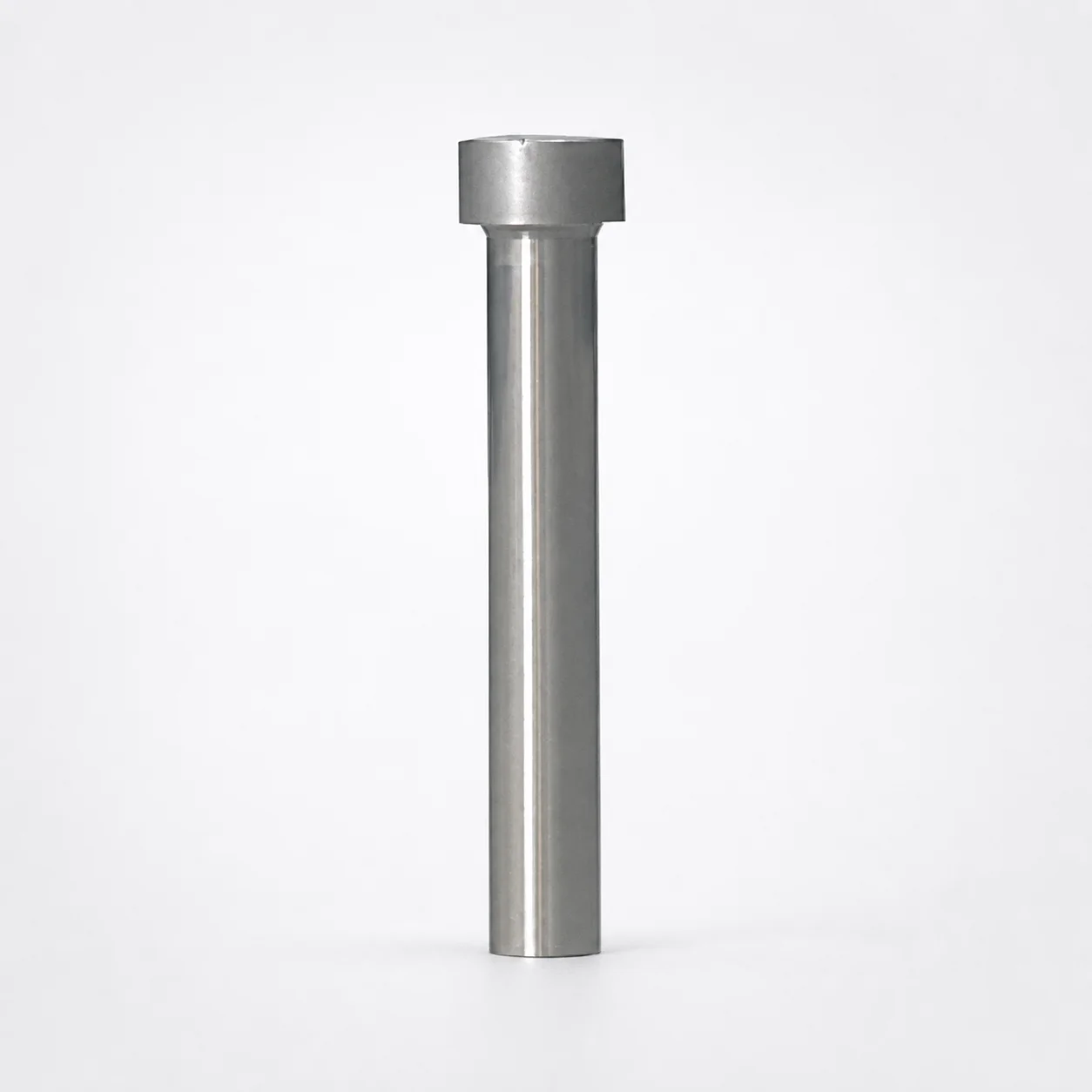
Ejector Punch Blanks (Blank, Standard)
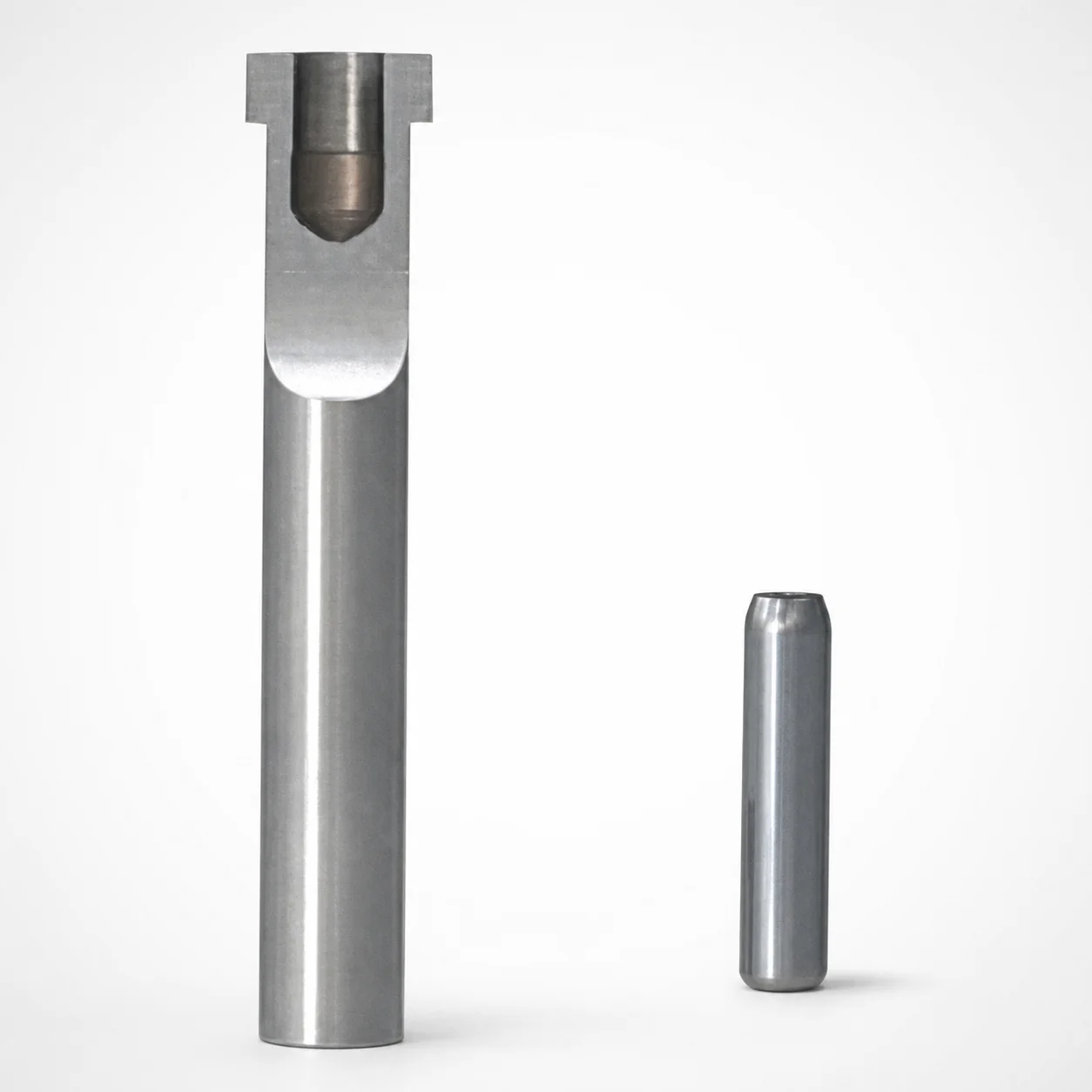
SKD11 Equivalent Steel Ejector Punch Blanks with Locating Dowel Hole
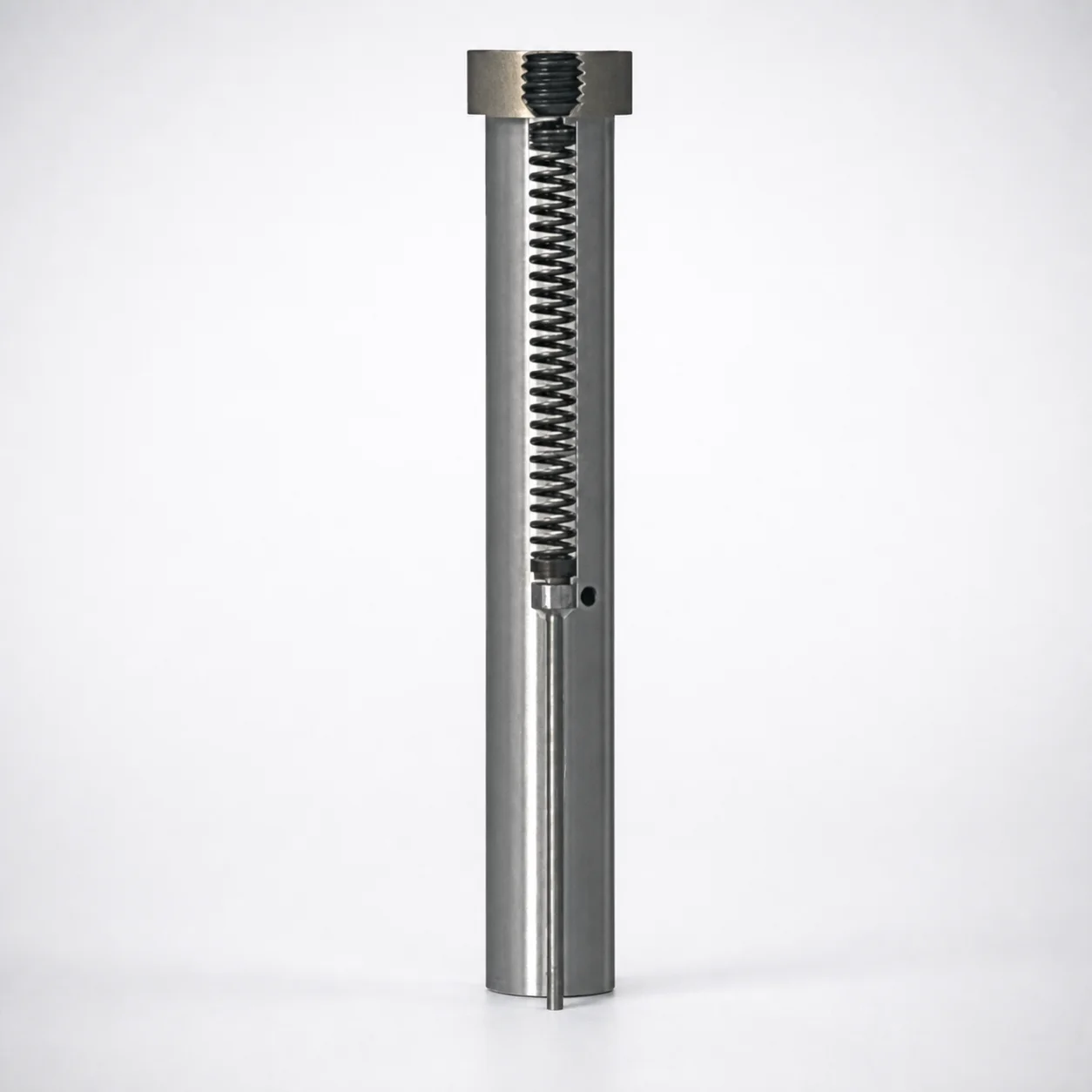
Large-Diameter Pin Type Ejector Punch Blanks
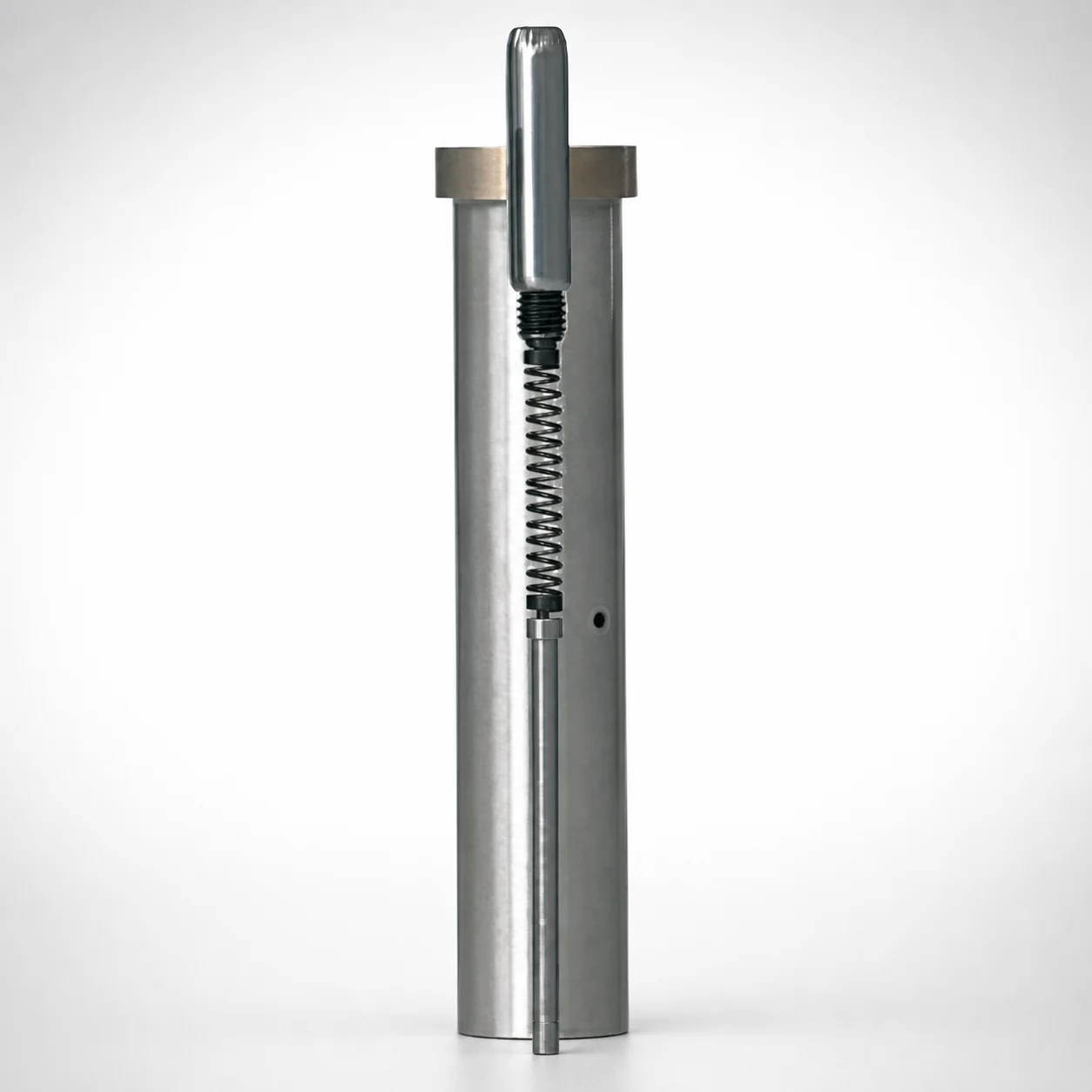
SKD11 Steel Ejector Punch Blank with Locating Dowel Hole (D2 Equivalent)
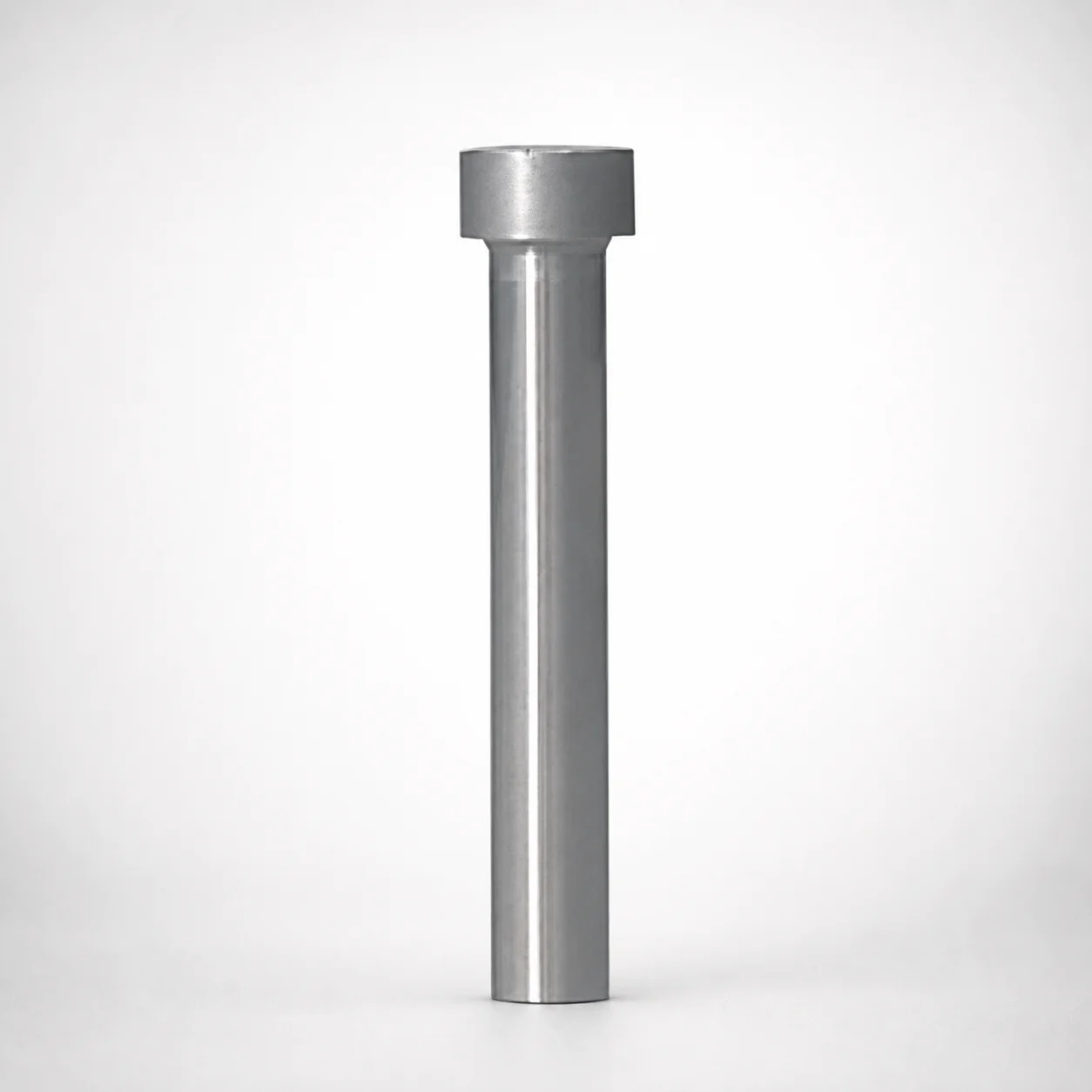
Heavy Load Punch Blanks - Metric (Diameters 10-25 mm)
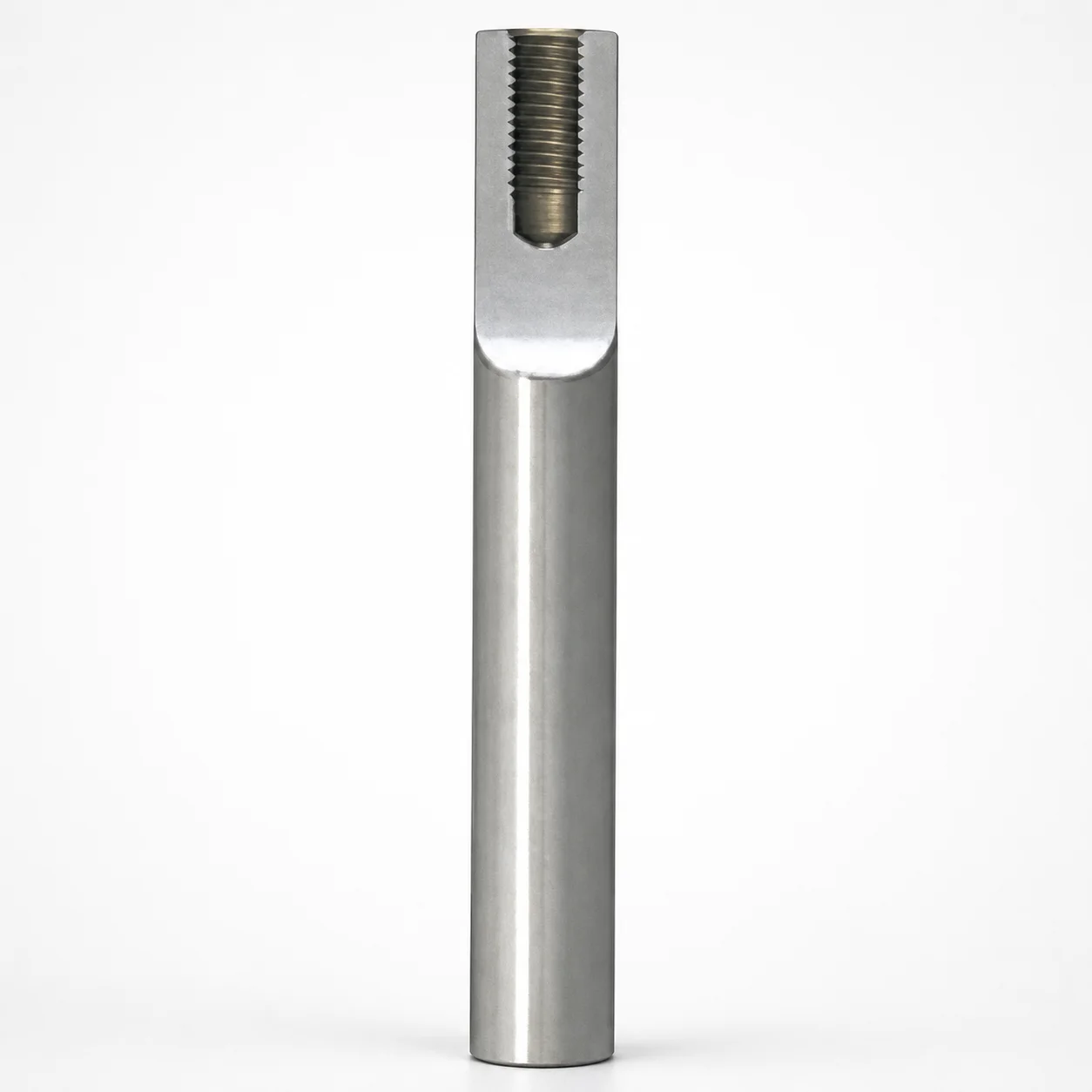
Metric Tapped Punch Blanks for Bolt-Fixed Punches
Need Custom Specifications?
Our engineering team can help with custom configurations, material selection, and volume pricing.