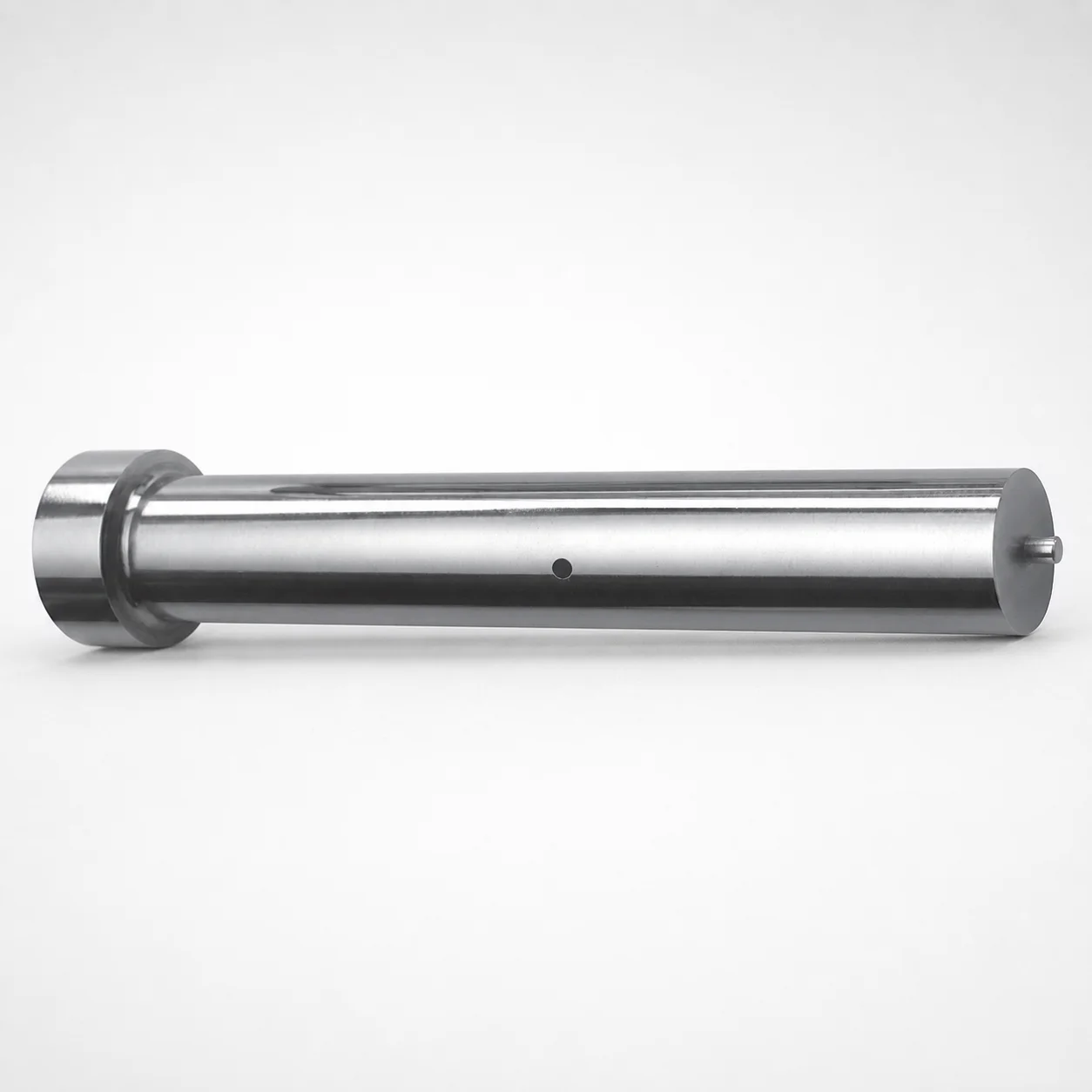
Inch Heavy Load Ejector Punch Blanks
Inch heavy load ejector punch blanks (DAYTON) are engineered blanks for building robust ejector punches in punch and die sets. They provide reliable geometry for machining and assembly while supporting heavy-duty molding and forming needs.
- Blank form factor for heavy load punch fabrication
- Supports center locating-dowel hole workflows
- Inch-coded point length options from 200–500 in
- Shank diameter range 37–100 in for flexible sizing
Specifications
21 configurations available
| D (Shank dia.) (in) | [A] Point Length L1 & L (Length) (coded inch) | [B] Point Length L1 & L (Length) (coded inch) | [C] Point Length L1 & L (Length) (coded inch) |
|---|---|---|---|
| 37 (0.3750") | 200 ~ 500 | - | - |
| 37 (0.3750") | - | 200 ~ 500 | - |
| 37 (0.3750") | - | - | 200 ~ 500 |
| 43 (0.4375") | 200 ~ 500 | - | - |
| 43 (0.4375") | - | 200 ~ 500 | - |
| 43 (0.4375") | - | - | 200 ~ 500 |
| 50 (0.5000") | 200 ~ 500 | - | - |
| 50 (0.5000") | - | 200 ~ 500 | - |
| 50 (0.5000") | - | - | 200 ~ 500 |
| 62 (0.6250") | 200 ~ 500 | - | - |
| 62 (0.6250") | - | 200 ~ 500 | - |
| 62 (0.6250") | - | - | 200 ~ 500 |
| 75 (0.7500") | 200 ~ 500 | - | - |
| 75 (0.7500") | - | 200 ~ 500 | - |
| 75 (0.7500") | - | - | 200 ~ 500 |
| 87 (0.8750") | 200 ~ 500 | - | - |
| 87 (0.8750") | - | 200 ~ 500 | - |
| 87 (0.8750") | - | - | 200 ~ 500 |
| 100 (1.0000") | 200 ~ 500 | - | - |
| 100 (1.0000") | - | 200 ~ 500 | - |
| 100 (1.0000") | - | - | 200 ~ 500 |
Product Guide
Application Scenarios+
These inch heavy-load ejector punch blanks are used during the fabrication of ejector punches for punch-and-die sets where repeatability and strength are critical. In a typical build, the blank’s geometry provides a stable base for machining and finishing the working point, helping maintain consistent performance across production cycles.
For automotive connector and bracket tooling, they suit ejector assemblies that must withstand high shutoff forces and frequent actuation. The inch-coded point length options (200–500 in) allow designers to align the punch strike length with stack height and part ejection depth, reducing rework during try-out.
- Center locating-dowel applications: The blank is optimized for workflows that use center locating-dowel hole features, supporting precise alignment through the die set.
- Heavy-duty molding/forming: The blank form factor supports robust punch fabrication intended for demanding industrial runs.
- Flexible shaft sizing: Shank diameter range (37–100 in) enables matching to available guide and support components.
Material & Process Details+
The provided data does not specify a particular steel grade, hardness (HRC), heat treatment, or coatings for this blank. As a result, material properties (e.g., wear resistance vs. toughness trade-offs) must be confirmed from the manufacturer’s material certificate or dimensional/processing datasheet for the exact lot and configuration.
From a manufacturing-process perspective, ejector punch blanks are typically turned and milled to create the ejector point and to fit locating-dowel and guide interfaces. The finished performance depends strongly on the final state (for example, quenched and tempered for toughness or nitrided for surface wear resistance), followed by straightening/finish machining.
- Confirm steel grade (e.g., tool steels such as H13/P20 variants or equivalent) before selecting heat treatment.
- Verify target hardness (HRC) for your wear and impact requirements.
- Align heat-treatment state with machining allowances and final size tolerances.
Sizing & Selection Guide+
Select dimensions by matching the blank shank and coded point length to your ejector punch geometry requirements in the die set. The shank diameter D is specified as 37–100 in, so choose a diameter that fits your guide/bores and supports concentric motion.
For the working geometry, use the coded inch point length options: L1 & L = 200–500 in (available across the A, B, and C point-length coded variants). Match this coded point length to the required protrusion and ejection travel dictated by part thickness and the distance from die face to ejector contact.
- Core/cavity stack-up: Account for strip clearances and the die set’s shut height when setting L1/L.
- Fit & tolerance: Ensure the shank diameter provides the intended clearance/interference fit with guides and any locating-dowel interfaces used in your center-locating workflow.
- Configurable vs fixed: D is selectable within 37–100 in; point length is fixed to the coded 200–500 in range.
Frequently Asked Questions
Which shank diameter range (D) can be selected for these heavy-load ejector punch blanks?+
The shank diameter D is specified in the range of 37–100 in. Select the diameter to match your ejector guide bore and support conditions so the punch can maintain straight, repeatable motion under heavy loading.
How do I choose the correct coded point length (L1/L) for my ejection depth?+
The coded point length for L1 & L is provided as 200–500 in for the A, B, and C coded variants. Choose the code length that corresponds to your required protrusion and ejection stroke based on die face position, part thickness, and contact timing.
Are these blanks intended for center locating-dowel hole workflows?+
Yes. The product description states it is optimized for center locating-dowel applications. This makes it suitable when your punch/die design relies on center alignment features to stabilize machining and assembly.
What material grade and heat treatment should I plan for heavy-duty ejector performance?+
The current specifications do not list a steel grade, hardness (HRC), or a specific heat-treatment state. For engineering readiness, request the exact material certificate and processing data for the series code 250301146473 before finalizing hardness targets and finishing allowances.
Do the A, B, and C variants change the allowable point length range?+
No—each of the A, B, and C coded point-length groups lists L1 & L = 200–500 in. The differentiation is therefore within the coded configurations rather than the overall allowable length range stated in the provided parameters.
Related Products
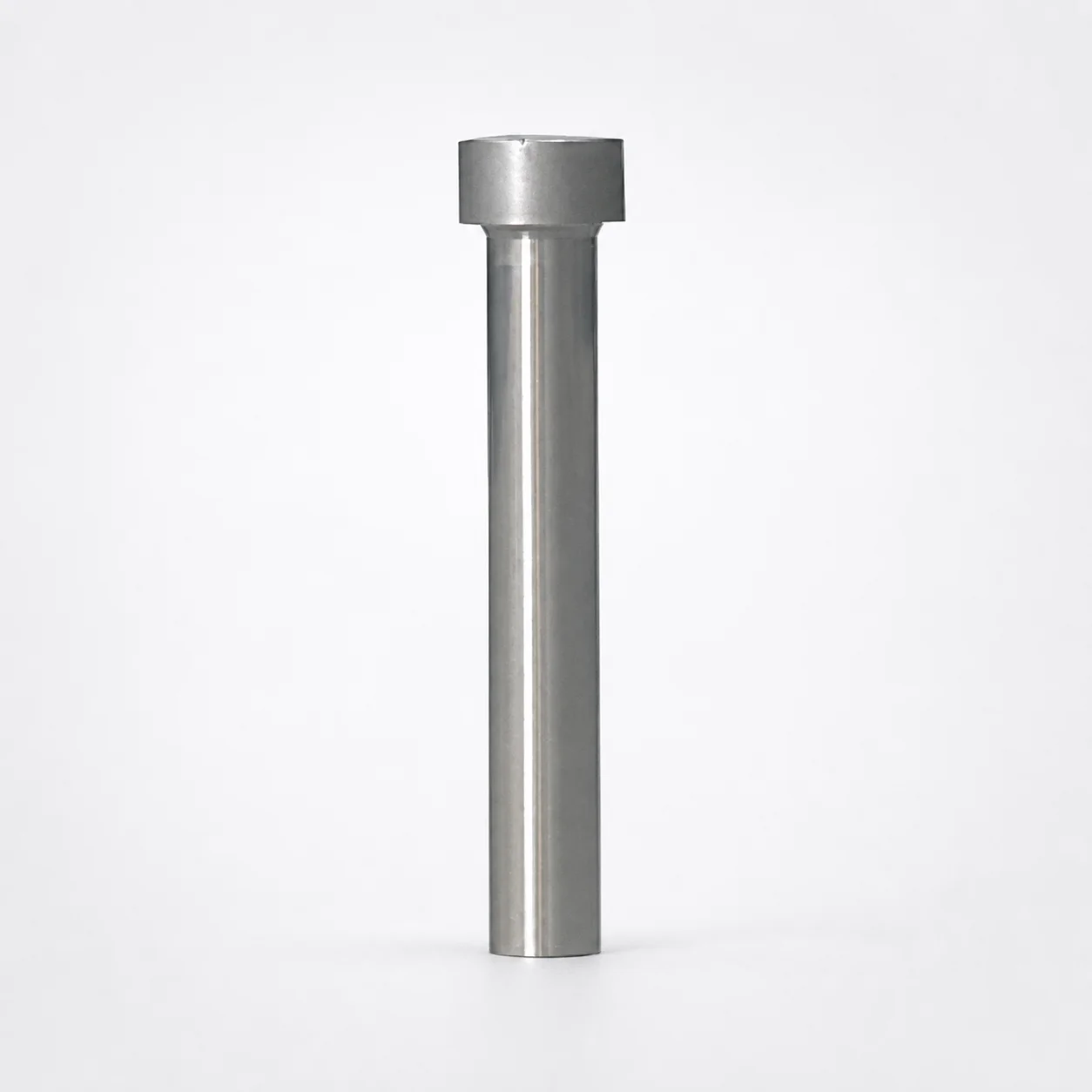
Ejector Punch Blanks (Blank, Standard)
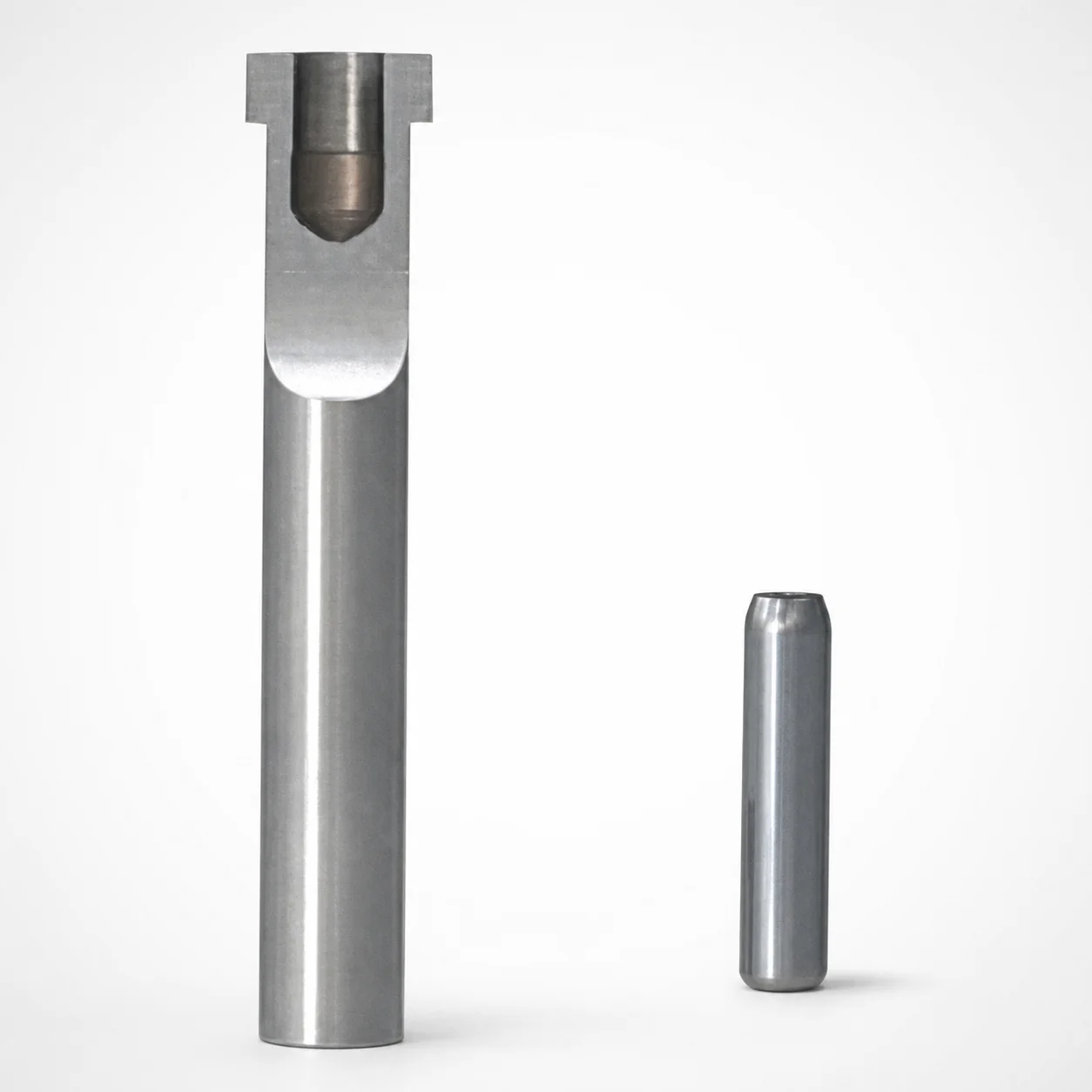
SKD11 Equivalent Steel Ejector Punch Blanks with Locating Dowel Hole
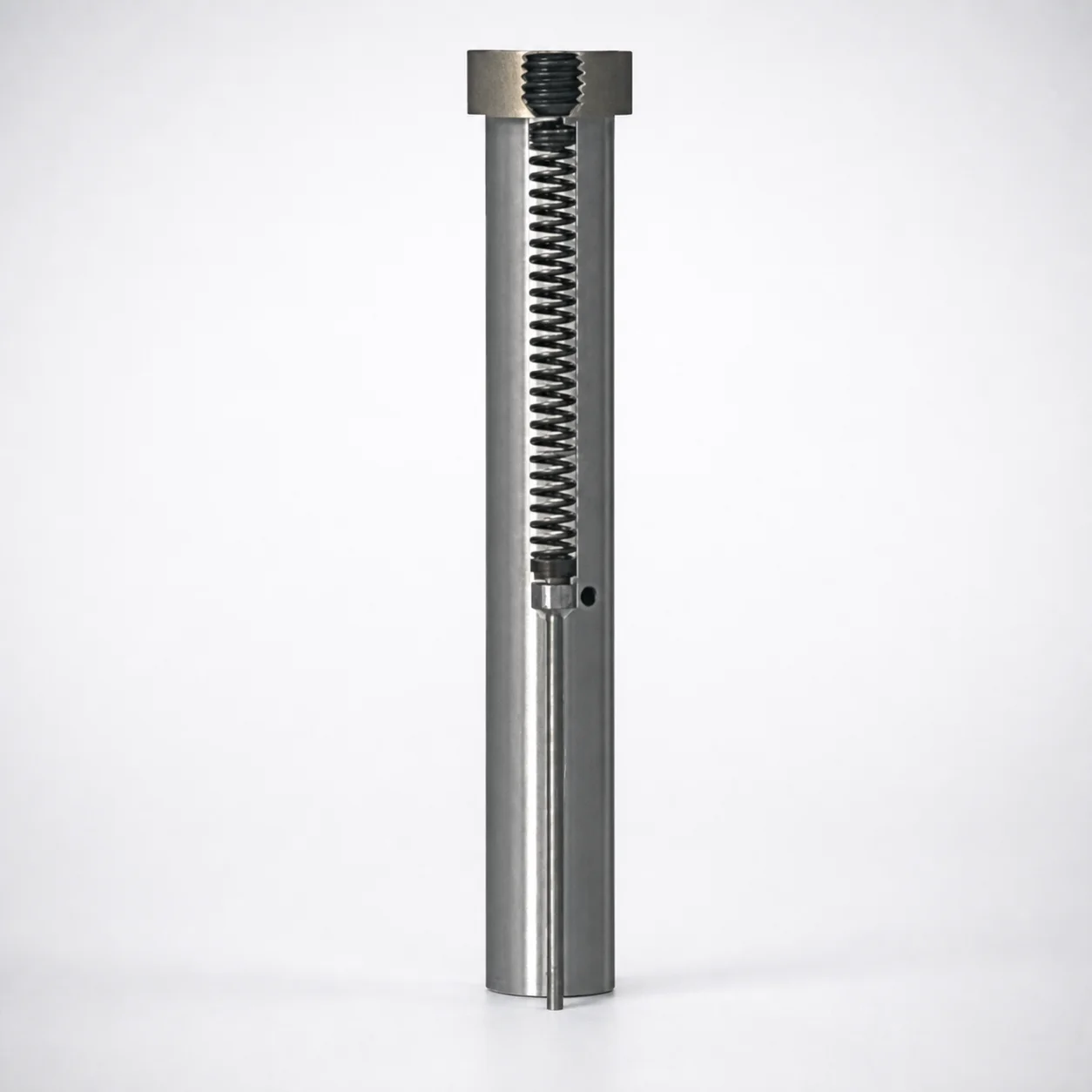
Large-Diameter Pin Type Ejector Punch Blanks
SKD11 Steel Ejector Punch Blank with Locating Dowel Hole (D2 Equivalent)
Heavy Load Punch Blanks - Metric (Diameters 10-25 mm)
Metric Tapped Punch Blanks for Bolt-Fixed Punches
Need Custom Specifications?
Our engineering team can help with custom configurations, material selection, and volume pricing.