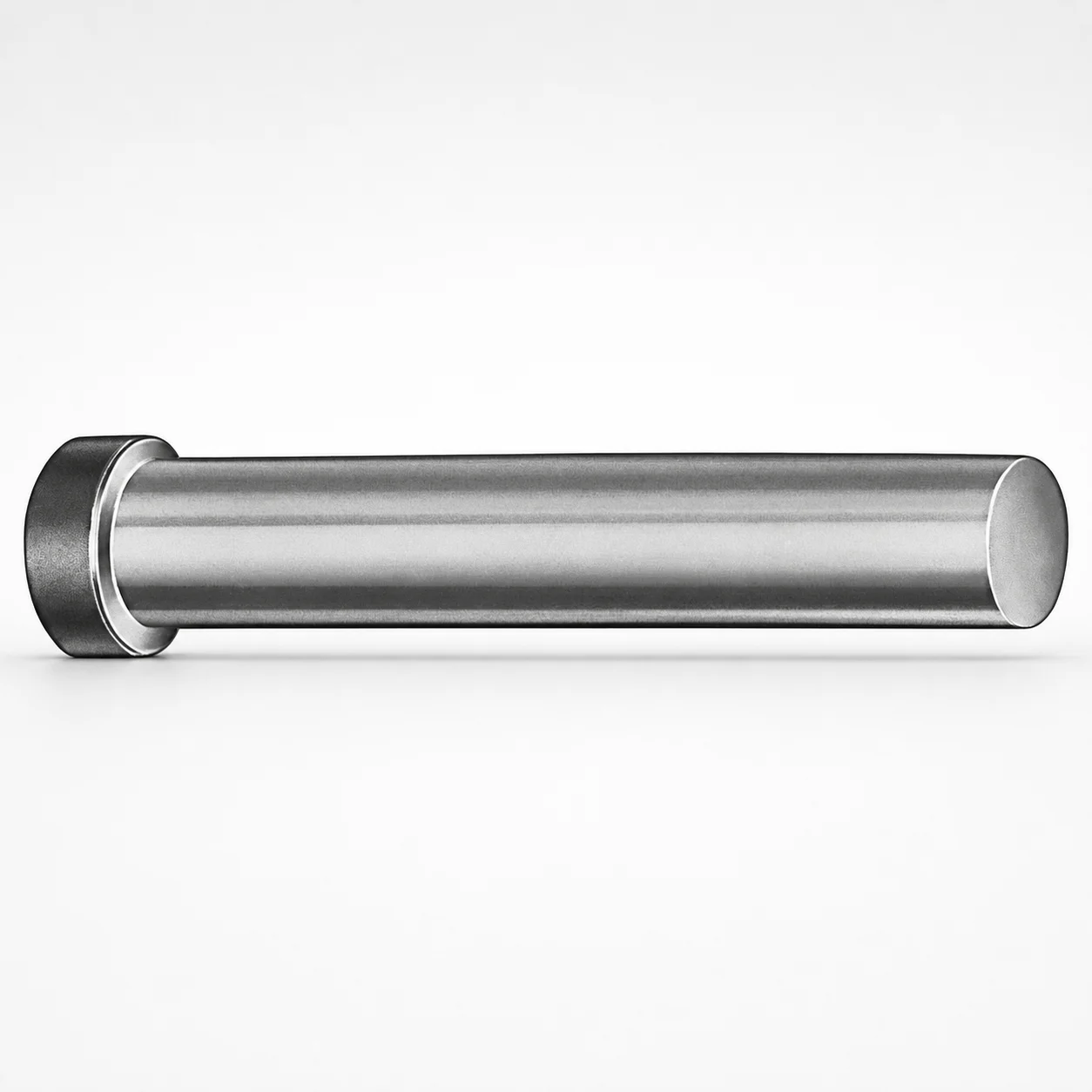
DAYTON Regular Punch Blanks - Metric
DAYTON Regular Punch Blanks - Metric are precision punch preforms for die and tooling builders, designed for reliable blanking performance. Select the steel option and metric shank geometry to match your forming requirements.
- Regular punch blank geometry for consistent alignment in progressive tooling
- Multiple steel grades available: PS, M2, A2
- Metric shank diameter range supports 4–32 mm applications
- Metric length range enables 40–100 mm setups for die construction
Specifications
30 configurations available
| Material | D (Shank dia.) (mm) | L (Length) (mm) |
|---|---|---|
| A2 | 04 | 40 ~ 100 |
| M2 | 04 | 40 ~ 100 |
| PS | 04 | 40 ~ 100 |
| A2 | 05 | 40 ~ 100 |
| M2 | 05 | 40 ~ 100 |
| PS | 05 | 40 ~ 100 |
| A2 | 06 | 40 ~ 100 |
| M2 | 06 | 40 ~ 100 |
| PS | 06 | 40 ~ 100 |
| A2 | 08 | 50 ~ 100 |
| M2 | 08 | 50 ~ 100 |
| PS | 08 | 50 ~ 100 |
| A2 | 10 | 50 ~ 100 |
| M2 | 10 | 50 ~ 100 |
| PS | 10 | 50 ~ 100 |
| A2 | 13 | 50 ~ 100 |
| M2 | 13 | 50 ~ 100 |
| PS | 13 | 50 ~ 100 |
| A2 | 16 | 50 ~ 100 |
| M2 | 16 | 50 ~ 100 |
| PS | 16 | 50 ~ 100 |
| A2 | 20 | 56 ~ 100 |
| M2 | 20 | 56 ~ 100 |
| PS | 20 | 56 ~ 100 |
| A2 | 25 | 56 ~ 100 |
| M2 | 25 | 56 ~ 100 |
| PS | 25 | 56 ~ 100 |
| A2 | 32 | 63 ~ 100 |
| M2 | 32 | 63 ~ 100 |
| PS | 32 | 63 ~ 100 |
Product Guide
Application Scenarios+
This metric punch blank is used as a pre-machined forging/stock form for building punch tooling in injection molding-related downstream operations such as sheet metal blanking and forming dies, where punch alignment and consistent cutting edges directly affect part dimensional stability.
Progressive tooling for automotive connector housings (contact carrier profiles): Use the regular punch blank geometry to maintain predictable shank fit and guidance in station blocks. The availability of PS, M2, and A2 options lets tooling engineers select hardness/wear resistance for the expected cycle rate.
- Medical device housing manufacturing: In finer forming setups where burr control and stable cutting performance matter, match the punch blank length to accommodate guide retention and die access while keeping shank dia. within 4–32 mm.
- Appliance and electronics sheet forming: For repeated blanking operations, the blank’s metric sizing supports standardized die construction and repeatable assembly in progressive or transfer tooling.
The metric shank diameter and length ranges (D 4–32 mm, L 40–100 mm and variants) support reliable setup across common tooling blocks.
Material & Process Details+
This punch blank is supplied in multiple steel options—PS, M2, and A2—so engineers can tune wear resistance and edge retention for different blanking/forming loads. The input data specifies that material is configurable by the selected variant.
- M2: high-speed steel commonly chosen when elevated wear resistance and cutting edge durability are required in high-cycle blanking.
- A2: an air-hardening tool steel variant often selected for strong toughness-to-wear balance depending on heat treatment.
- PS: used when a more practical tool steel choice is needed for forming/blanking with appropriate heat treatment to achieve the target hardness.
Heat treatment note: actual hardness (HRC) and specific heat-treatment condition are determined by the selected steel option and your in-house process. Typical tooling practice is to quench and temper for many tool steels and then grind/finish critical surfaces for dimensional accuracy; for high-wear applications, engineers may consider secondary treatments (e.g., nitriding) when compatible with the steel grade.
Sizing & Selection Guide+
Correct selection starts by matching the punch blank’s shank diameter (D) and working length (L) to the die holder and punch guide dimensions. This series supports D = 4–32 mm and multiple L configurations: 40–100 mm, 50–100 mm, 56–100 mm, and 63–100 mm.
- Match D first: choose the largest D that fits your punch guide/bushing bore requirements while maintaining the intended clearance/fit. Keep in mind that punch shank assemblies typically require controlled clearance for smooth sliding and to avoid binding.
- Then match L: select an L range that provides enough length for retention, guidance, and access to your die set depth without interfering with neighboring components.
- Account for tolerance: design dimensions and finished punch geometry may differ from the blank due to machining, so plan for stock removal and grinding on critical surfaces.
Dimensions are primarily configurable by D and L within the listed ranges; confirm your station block geometry before final selection.
Frequently Asked Questions
Which steel grade should I choose among A2, M2, and PS for punch blanking/forming applications?+
The series offers selectable steel variants: A2, M2, and PS. Choose M2 when you prioritize high wear resistance and cutting edge durability in high-cycle blanking. Select A2 for a tool steel approach where toughness and wear balance is required, then tune the final performance via heat treatment. PS is typically used when you need a practical tool steel option for forming/blanking with appropriate heat treatment.
What shank diameter (D) options are available for DAYTON metric punch blanks in this series?+
For this DAYTON Regular Punch Blanks - Metric series, the shank diameter is specified as D = 4–32 mm. Your selection should follow the punch guide or bushing bore you are using, ensuring the intended sliding fit. If your assembly includes tight guidance, plan for machining allowance based on the finished punch requirements.
Which length (L) configurations can I order for this punch blank series?+
This series provides multiple length ranges: L = 40–100 mm, 50–100 mm, 56–100 mm, and 63–100 mm. Choose the smallest L that still satisfies die access and punch retention needs in your tooling build. Consider that final working length after machining may differ from the as-supplied blank length.
Do the regular punch blank geometry and metric sizing help with progressive tooling alignment?+
Yes. The product description highlights a regular punch blank geometry intended for consistent alignment in progressive tooling. Using metric shank sizes within D 4–32 mm also supports standardized die construction and repeatable assembly in station blocks. For best alignment, match both shank diameter and selected length to your guide structure and die height.
What heat treatment should I plan for after selecting A2, M2, or PS?+
The input data confirms the steel option (A2, M2, or PS) but does not list a fixed hardness or specific heat treatment schedule. In practice, engineers perform heat treatment to reach the target performance for their application, then finish-grind functional surfaces for dimensional control. If you need quantified hardness (HRC), specify the grade and your required hardness target to align the heat treatment with the intended wear and toughness balance.
Related Products
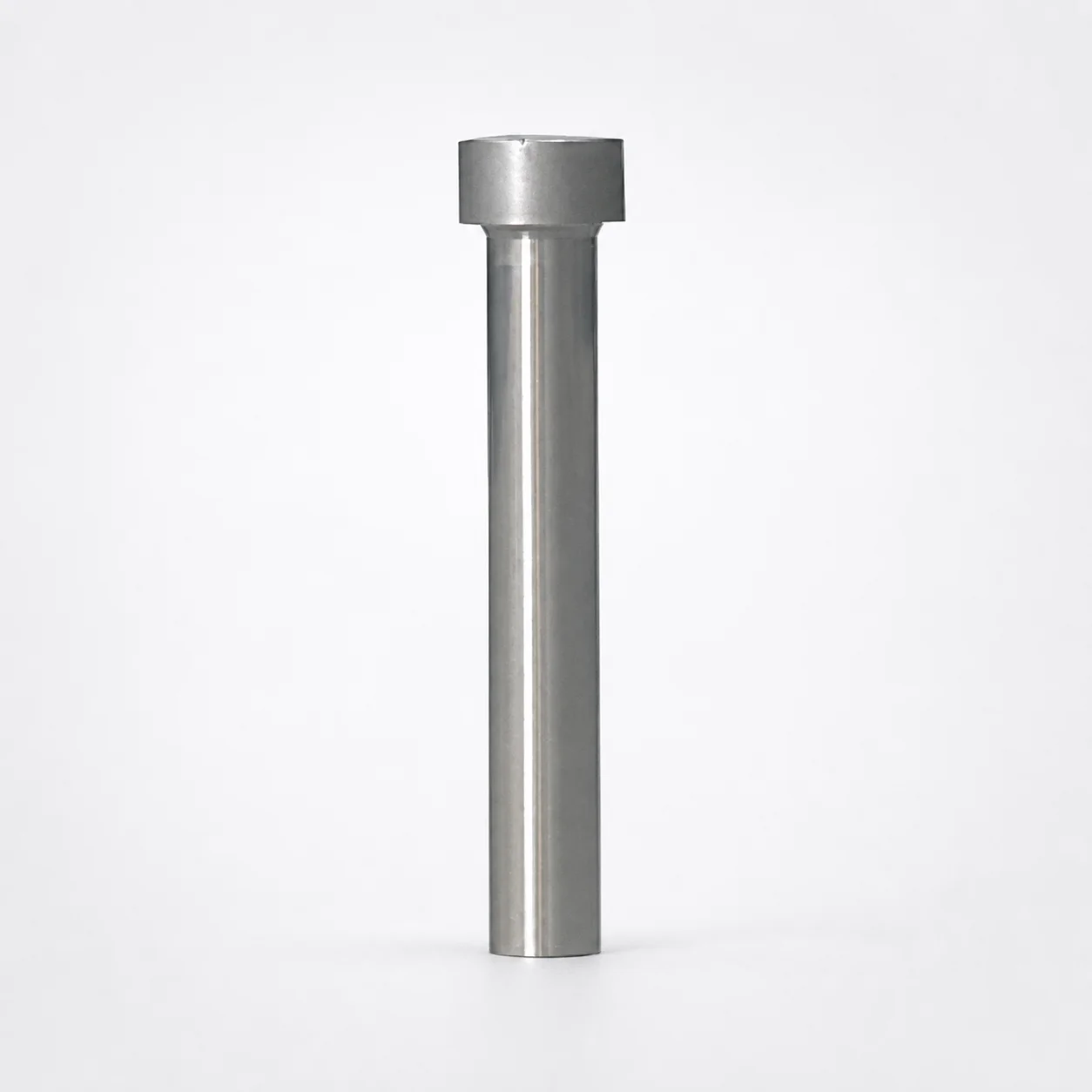
Ejector Punch Blanks (Blank, Standard)
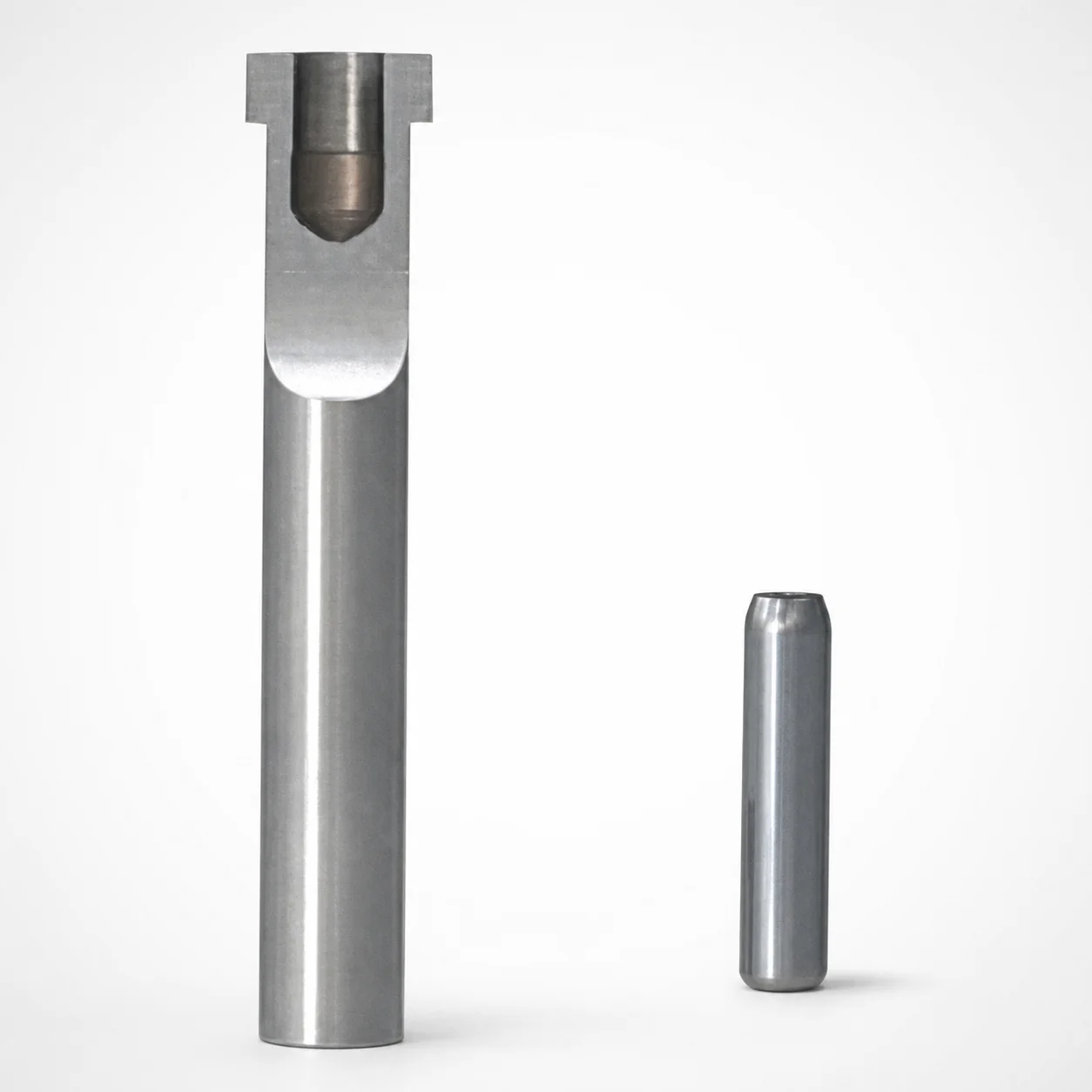
SKD11 Equivalent Steel Ejector Punch Blanks with Locating Dowel Hole
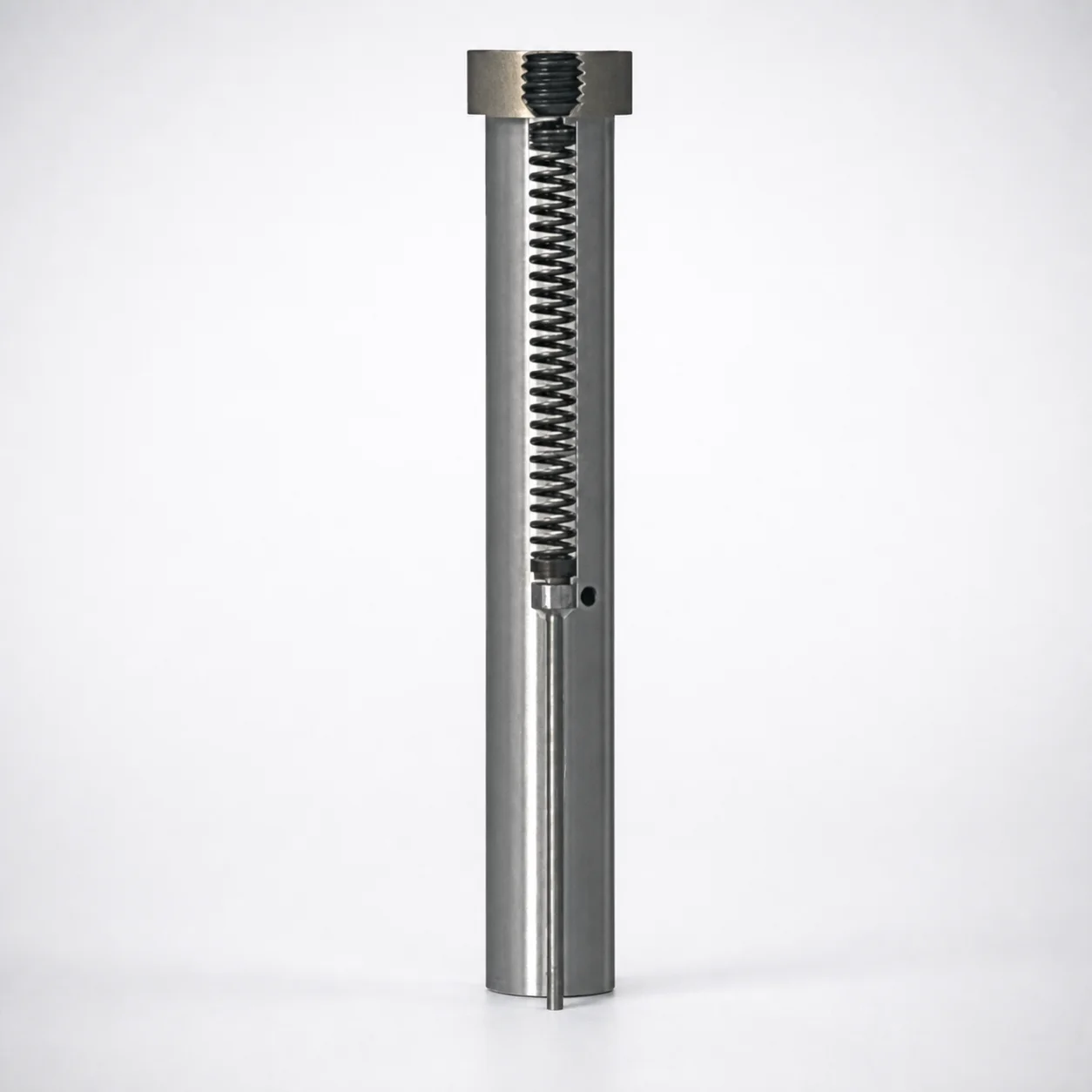
Large-Diameter Pin Type Ejector Punch Blanks
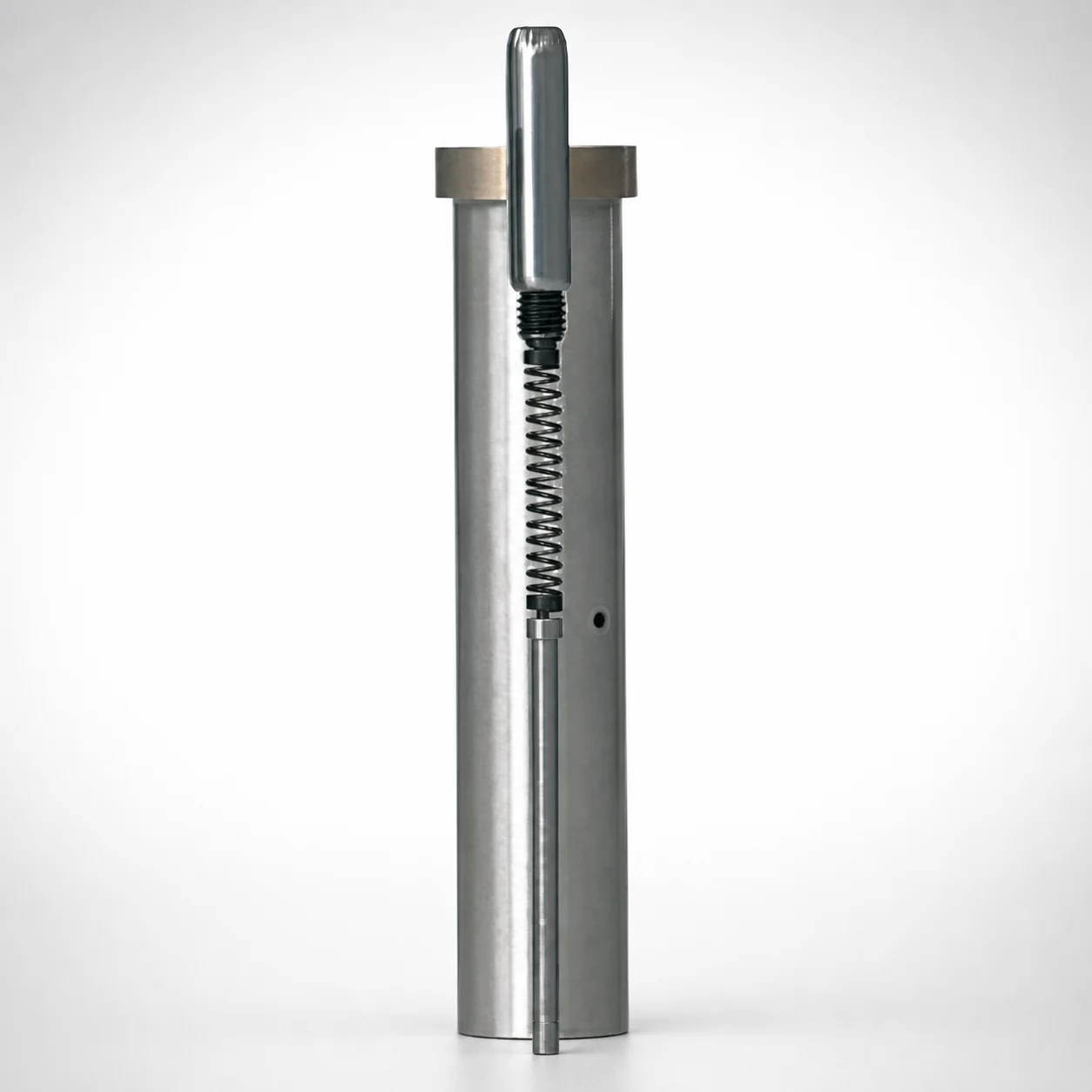
SKD11 Steel Ejector Punch Blank with Locating Dowel Hole (D2 Equivalent)
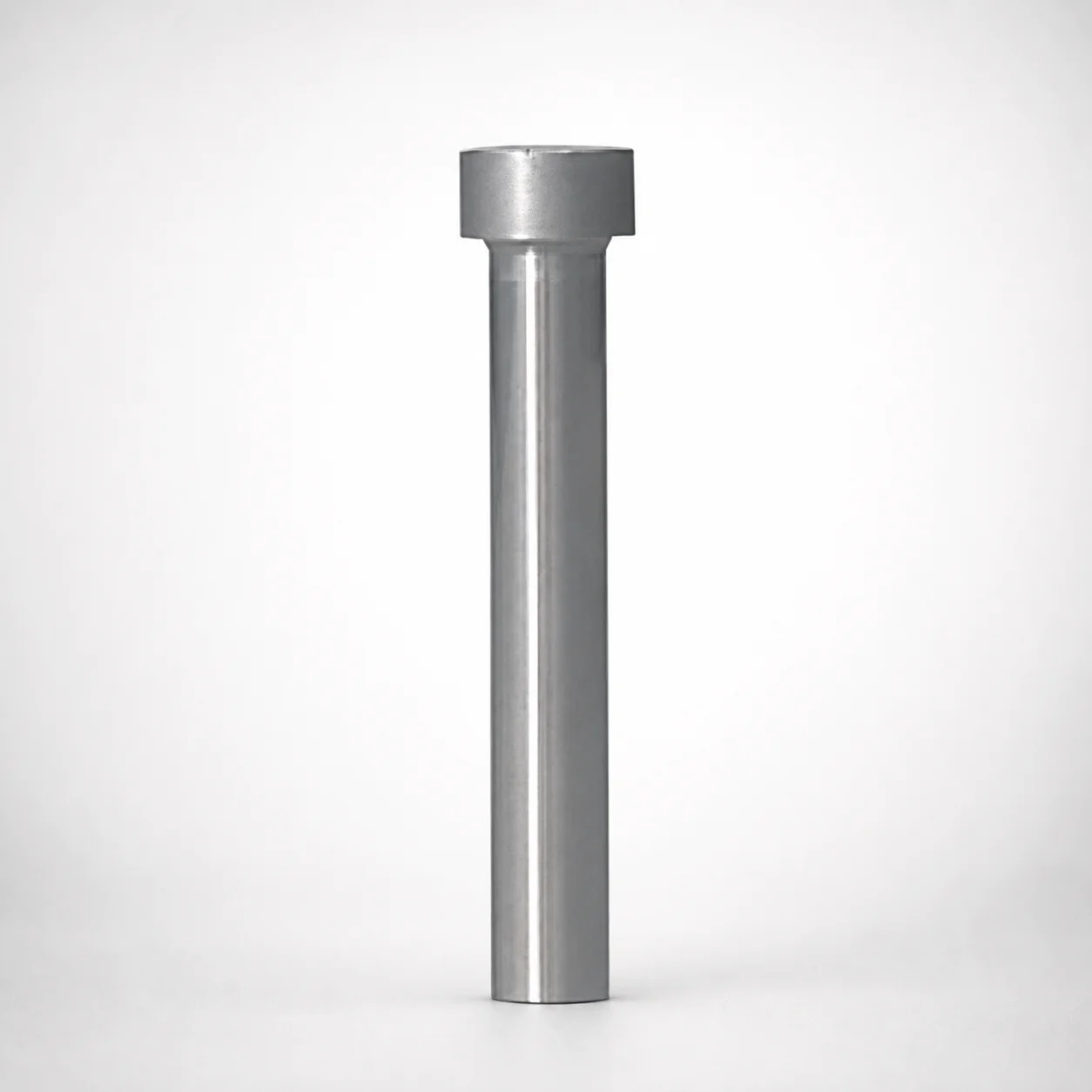
Heavy Load Punch Blanks - Metric (Diameters 10-25 mm)
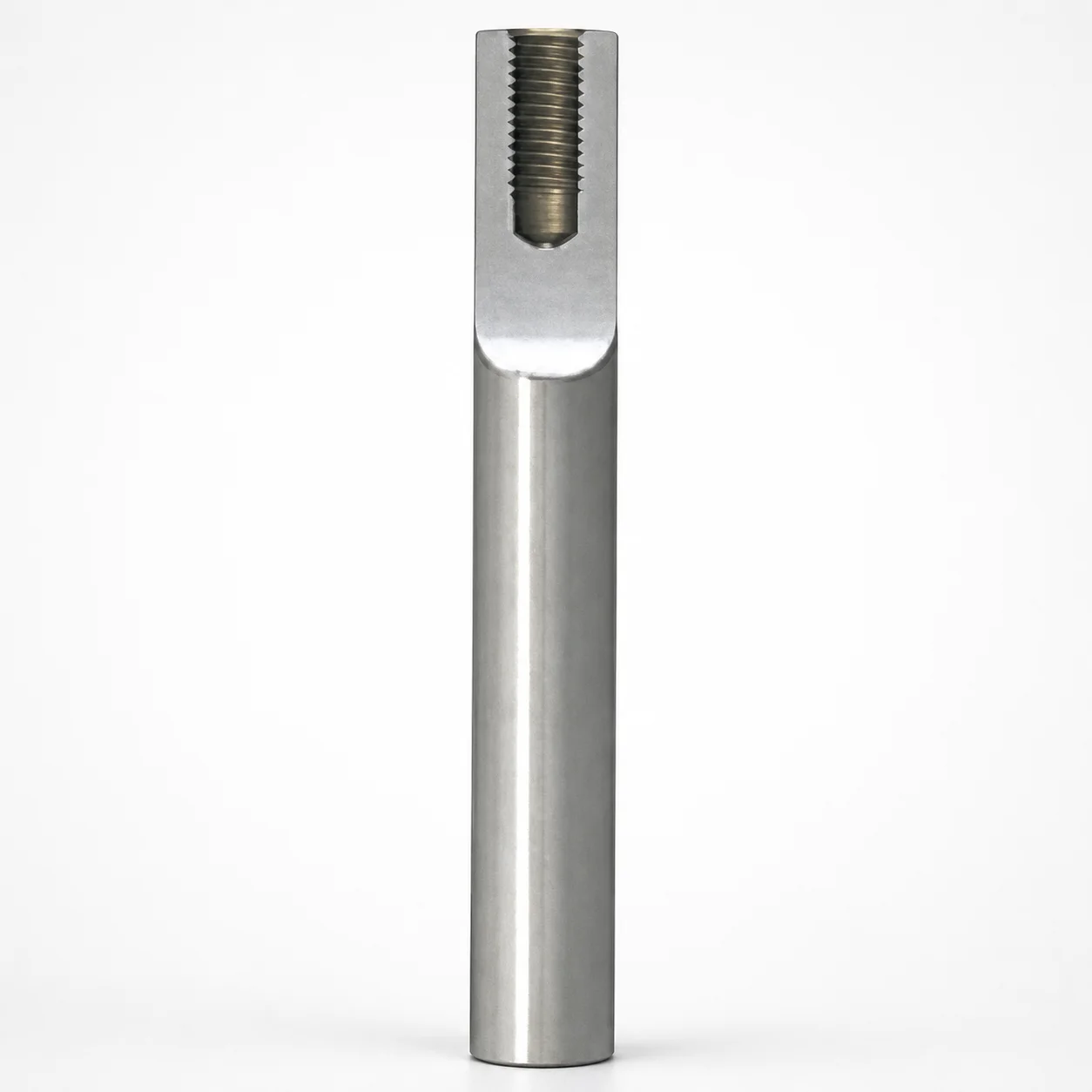
Metric Tapped Punch Blanks for Bolt-Fixed Punches
Need Custom Specifications?
Our engineering team can help with custom configurations, material selection, and volume pricing.