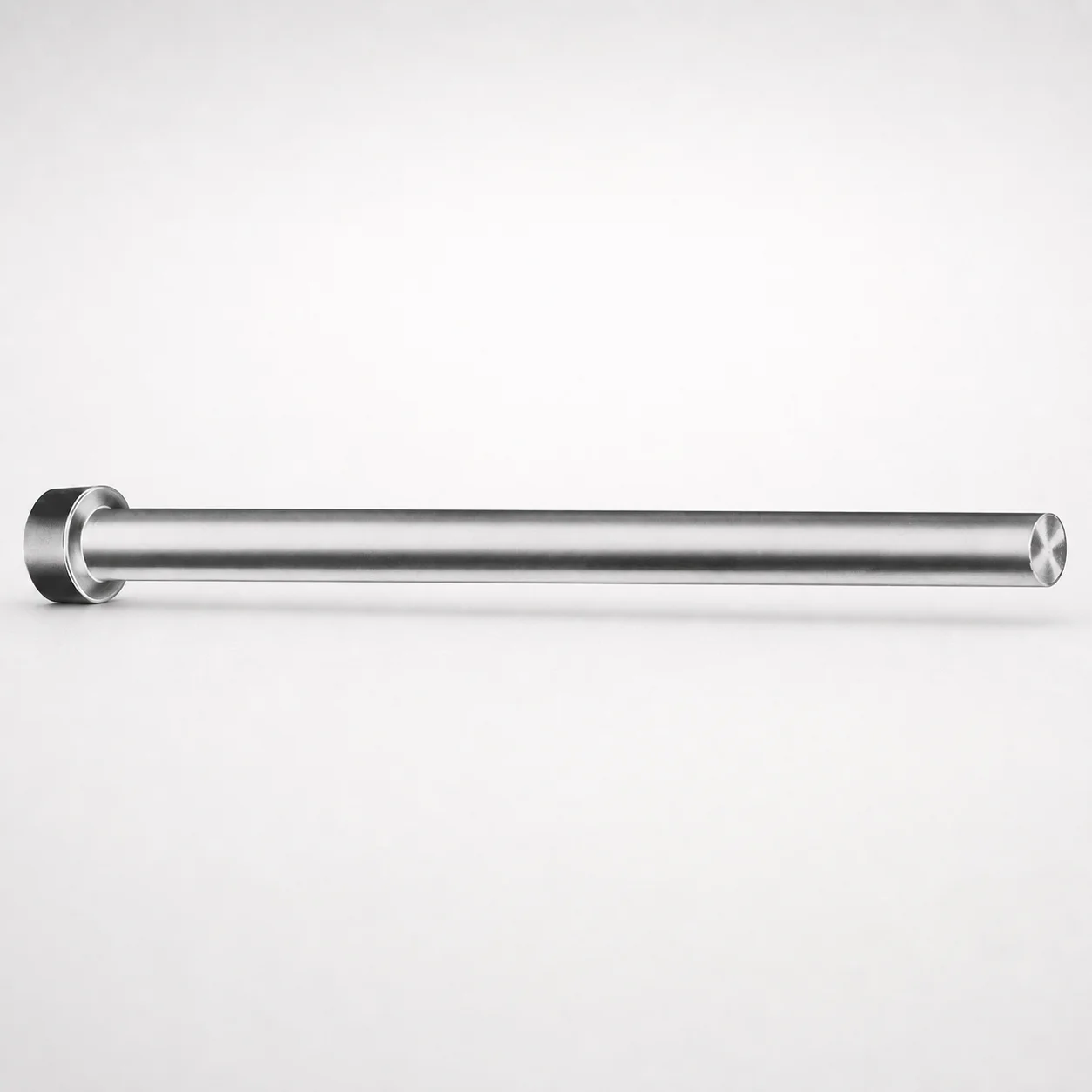
DAYTON Close Space Punch Blanks - Metric XVP Coating
Close Space Punch Blanks - Metric (DAYTON) with XVP coating are designed for punch operation where die space is limited. The coating helps reduce friction and wear, supporting consistent punch performance across production runs.
- Close-space blank geometry for use in restricted die cavities
- XVP coating improves surface protection to extend service intervals
- Metric shank diameter options (D 2–7 mm) for common die hole sizes
- Suitable for precision punch tooling requiring stable fit and repeatable operation
Specifications
6 configurations available
| D (Shank dia.) (mm) | L (Length) (mm) |
|---|---|
| 02 | 40 ~ 100 |
| 03 | 40 ~ 100 |
| 04 | 40 ~ 100 |
| 05 | 40 ~ 100 |
| 06 | 40 ~ 100 |
| 07 | 40 ~ 100 |
Product Guide
Application Scenarios+
These close-space punch blanks are used in precision punching stations where the die cavity height and side clearance are tightly constrained. In production tooling, they help maintain stable punch guidance by using a compact blank geometry designed for restricted die space, reducing the risk of excessive lateral play that can lead to dimensional variation.
Common scenarios include:
- Automotive bracket and sheet-metal connector punching, where tool life and consistent blanking quality across long runs are critical. The XVP coating supports lower friction at the punch/die interface, helping manage wear.
- Appliance and enclosure sheet-metal operations, benefiting from the ability to match metric shank diameters (D 2–7 mm) to common hole sizes while keeping the punch envelope small.
- High-repeatability electronics or thin-gauge stamping, where stable fit improves repeatable punching force and hole geometry.
The XVP-coated variant is suited for these applications because it provides surface protection that reduces friction and wear during repeated strokes, supporting longer service intervals.
Material & Process Details+
The provided product specifications define sizing and coating (XVP), but the exact base steel grade and heat-treatment state are not included in the input data. Therefore, this page content focuses on the coating-related performance expectations rather than asserting a specific alloy (for example, an H13/D2/M2 equivalency) that cannot be verified from the provided parameters.
- XVP coating: intended to improve surface protection and reduce friction at the punch/die contact, which typically helps limit abrasive and adhesive wear during repeated punching cycles.
- Wear vs. toughness trade-off: in punch tooling, higher wear resistance often comes with reduced toughness; coatings like XVP are commonly used to improve tribological performance without relying solely on bulk hardness.
If you need confirmed hardness (e.g., HRC) and heat treatment (quenched & tempered, nitrided, etc.), please share the material specification sheet for series code 250301827560 so we can align the description to the actual steel and treatment.
Sizing & Selection Guide+
Select the correct punch blank by matching the shank diameter (D) and the length (L) to your punch holder guidance and die cavity requirements.
- Shank diameter (D): choose from the available metric options D = 2, 3, 4, 5, 6, or 7 mm. The selected D should correspond closely to your die hole size and the punch clearance/fit you designed in the guide system.
- Length (L): select within 40 to 100 mm to ensure full effective penetration while maintaining adequate support in the punch holder.
For tight die space designs, the “close space” geometry helps fit in restricted cavities, but you still must verify that the chosen L does not interfere with the die shoe or surrounding tooling. If your assembly uses precision fits or preloaded guidance, confirm that your intended tolerance stack-up (holder bore, guide bushings, and the blank shank) is compatible with the selected D.
In this series, D is configurable (2–7 mm) and L is selectable across 40–100 mm, while the close-space/cavity suitability is inherent to the blank design.
Frequently Asked Questions
Which shank diameters (D) are available for this close-space punch blank series?+
For series 250301827560, the available metric shank diameters are D = 2, 3, 4, 5, 6, and 7 mm. Select the diameter that matches your designed hole size and the guidance/fit requirements of your punch holder and die.
What length (L) range can I order for this punch blank?+
The fixed length parameter for this series is specified as L = 40 to 100 mm. Choose a length that provides the required effective penetration while keeping the overall tool envelope compatible with your close-space die assembly.
How does the XVP coating help in limited die-space punching?+
The XVP coating is designed to improve surface protection at the punch/die interface. In close-space tooling, where contact and friction conditions can be more challenging due to tighter clearances, reduced friction and wear support more consistent punching performance over production runs.
Is the “close space” feature meant for the punch cavity clearance or for side support in the holder?+
This blank is intended for punch operation where die space is limited, which points to fit within restricted die cavities. Practically, it helps achieve stable punching by using a compact close-space geometry, but you still need to verify the shank diameter D fit and the chosen length L clearance against your holder and die components.
Does the product data specify the steel grade, hardness (HRC), or heat treatment state?+
The provided metadata includes coating (XVP) and sizing ranges (D 2–7 mm, L 40–100 mm), but it does not state the base steel grade or hardness/heat-treatment. To confirm hardness (HRC) and heat treatment (e.g., quenched & tempered, nitrided), you’ll need the detailed material specification for series code 250301827560.
Related Products
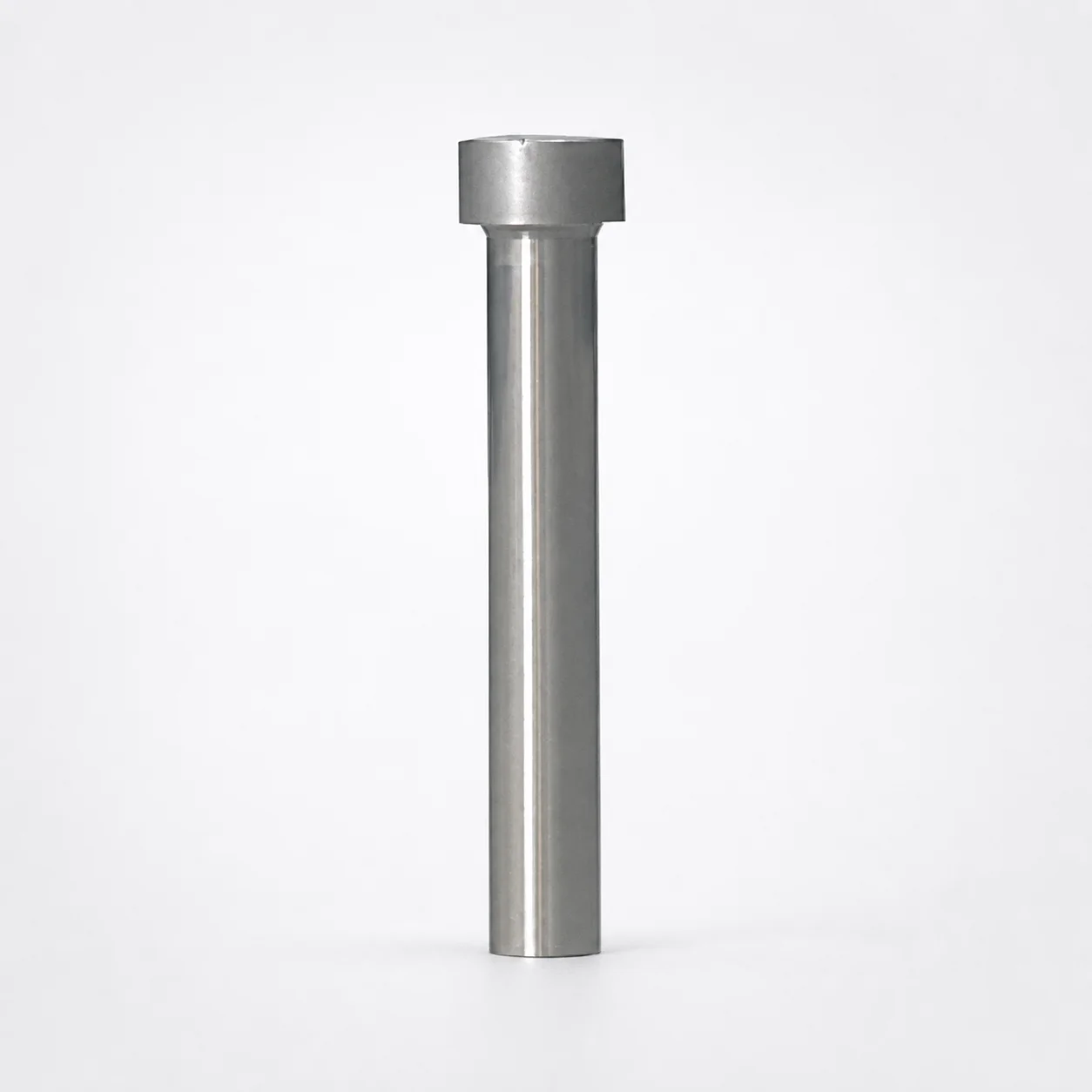
Ejector Punch Blanks (Blank, Standard)
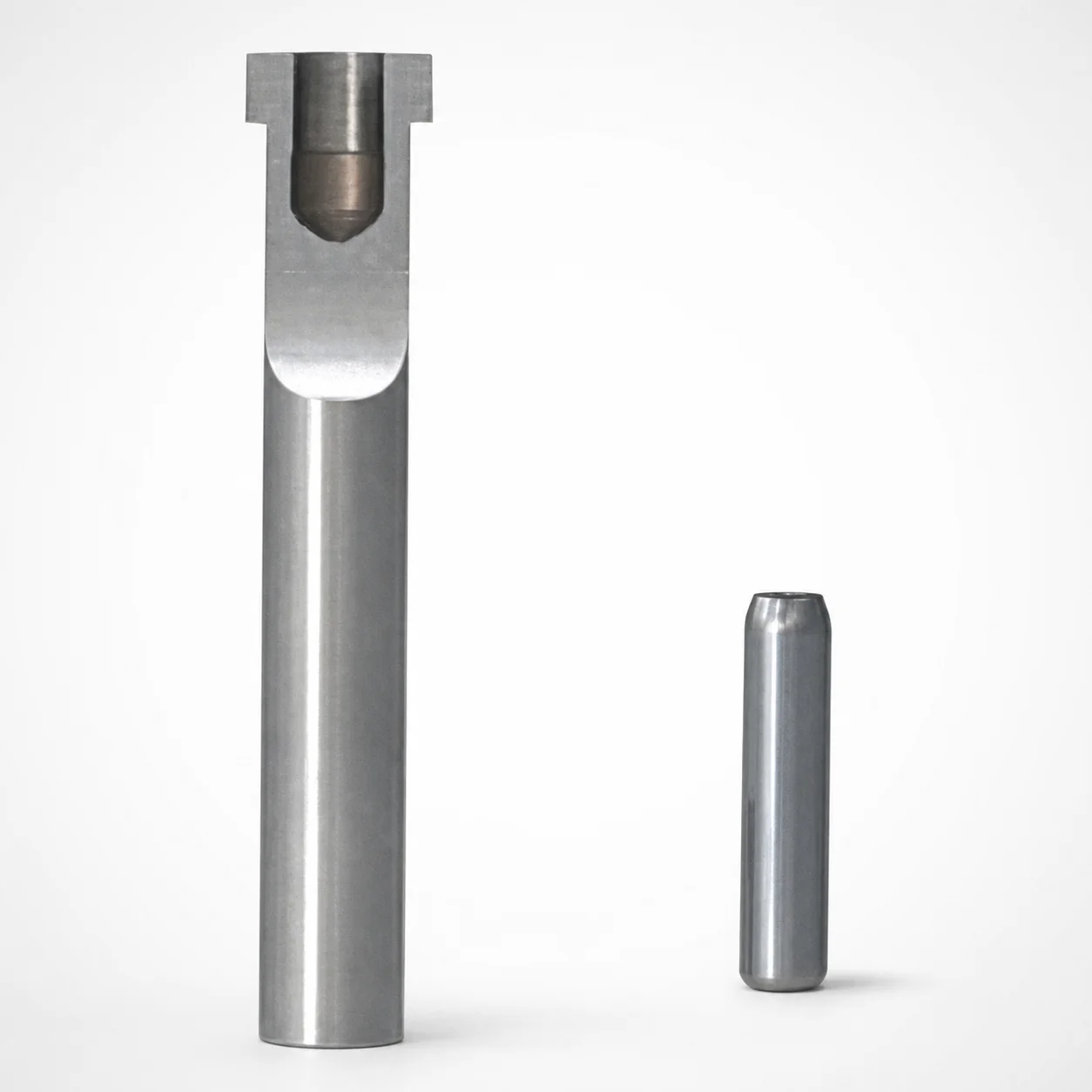
SKD11 Equivalent Steel Ejector Punch Blanks with Locating Dowel Hole
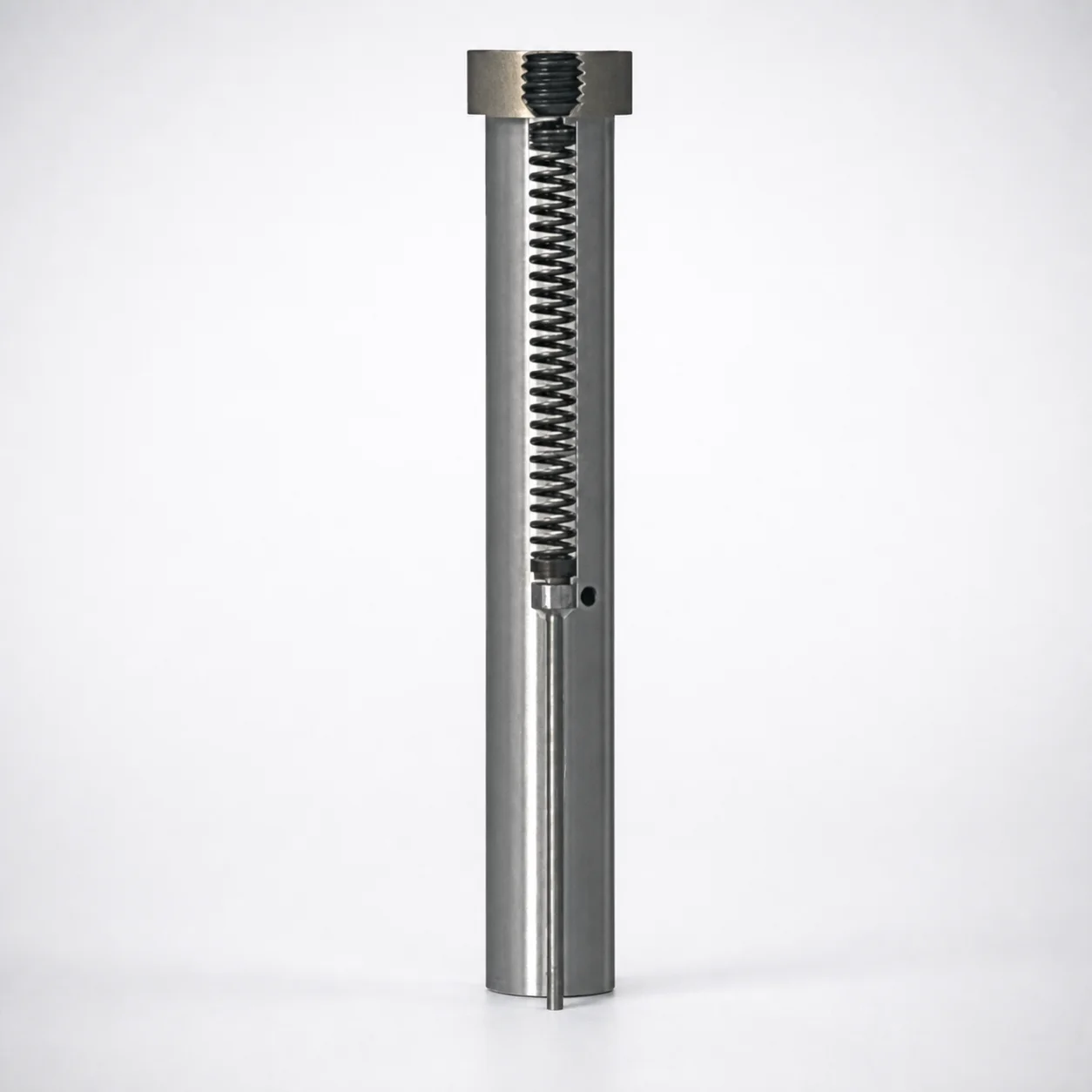
Large-Diameter Pin Type Ejector Punch Blanks
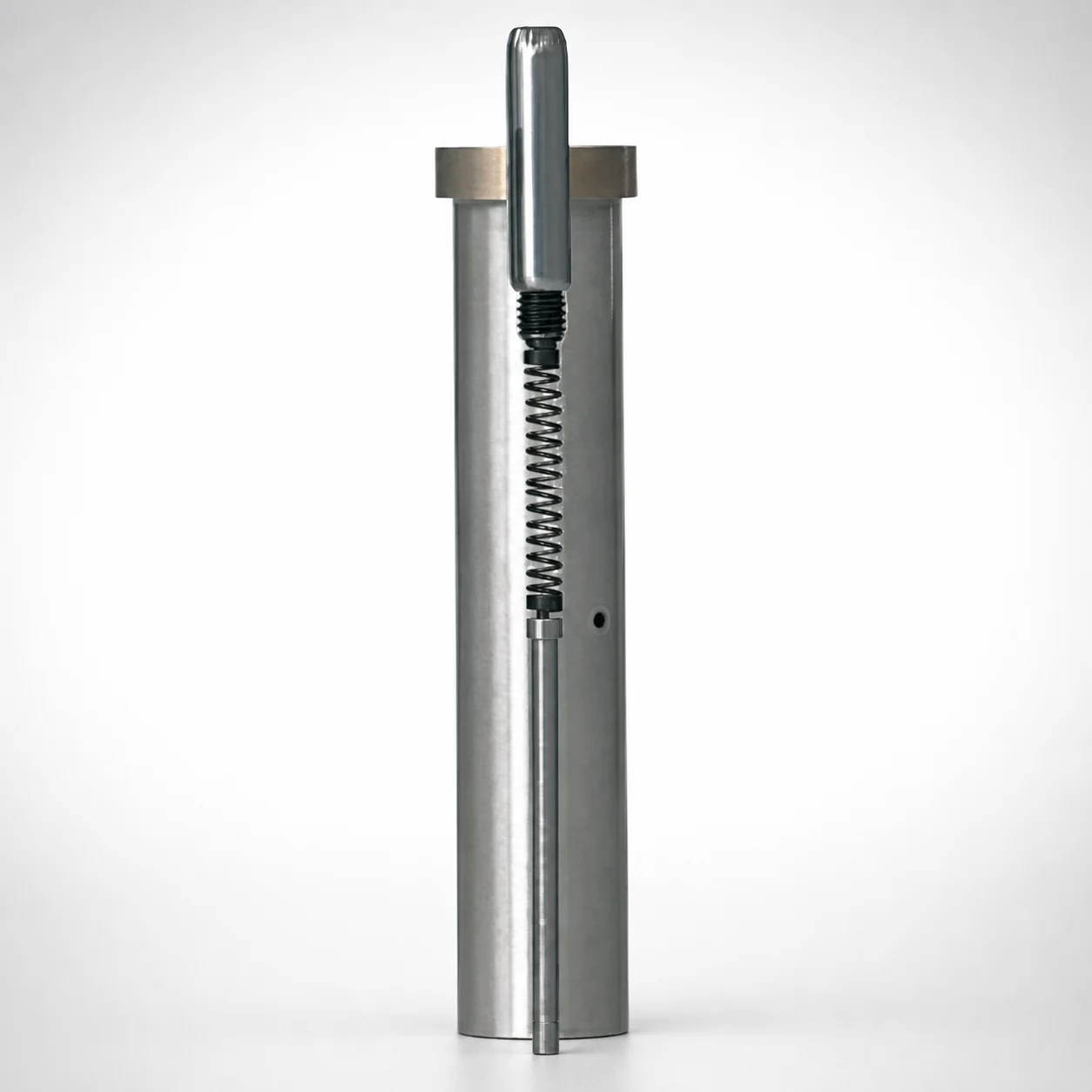
SKD11 Steel Ejector Punch Blank with Locating Dowel Hole (D2 Equivalent)
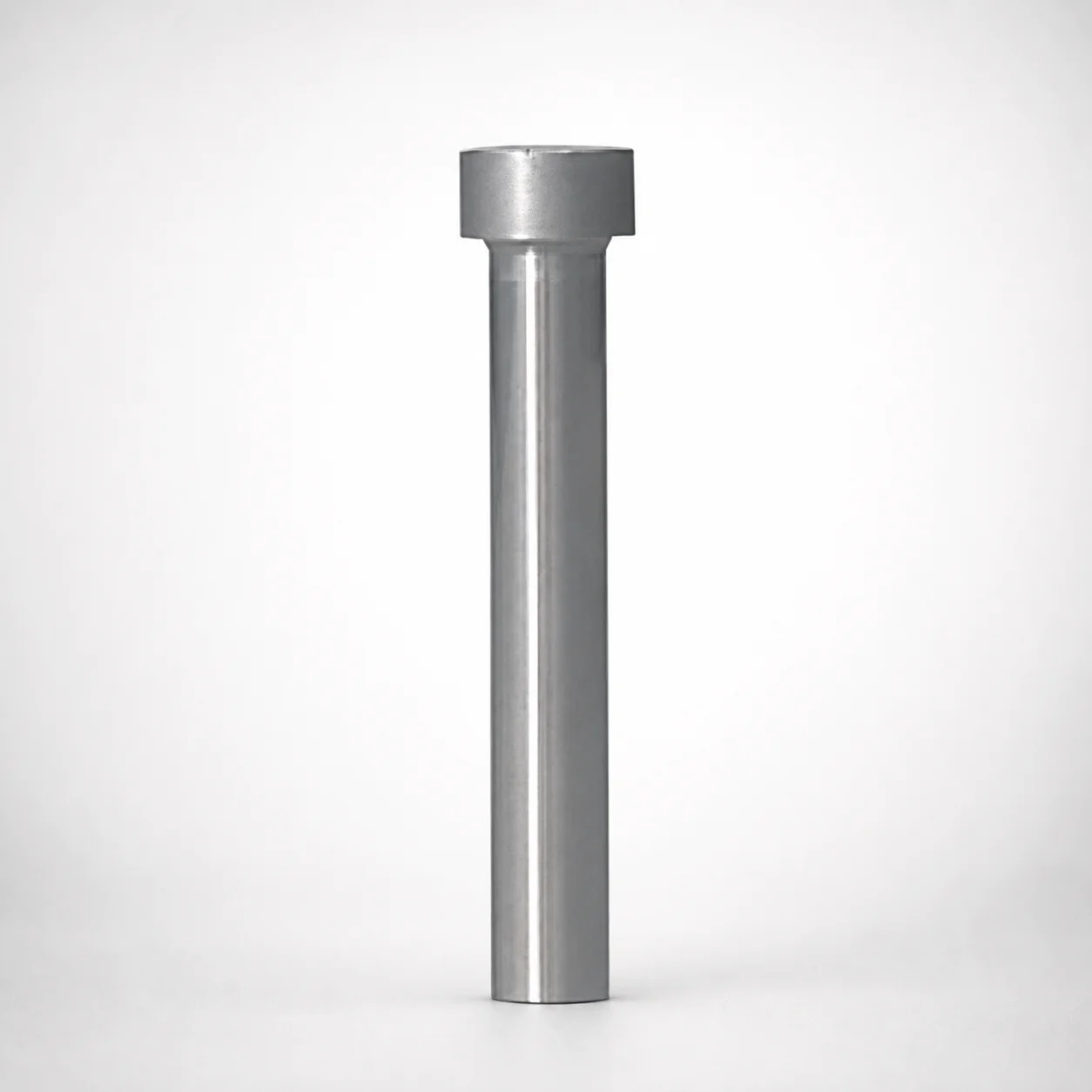
Heavy Load Punch Blanks - Metric (Diameters 10-25 mm)
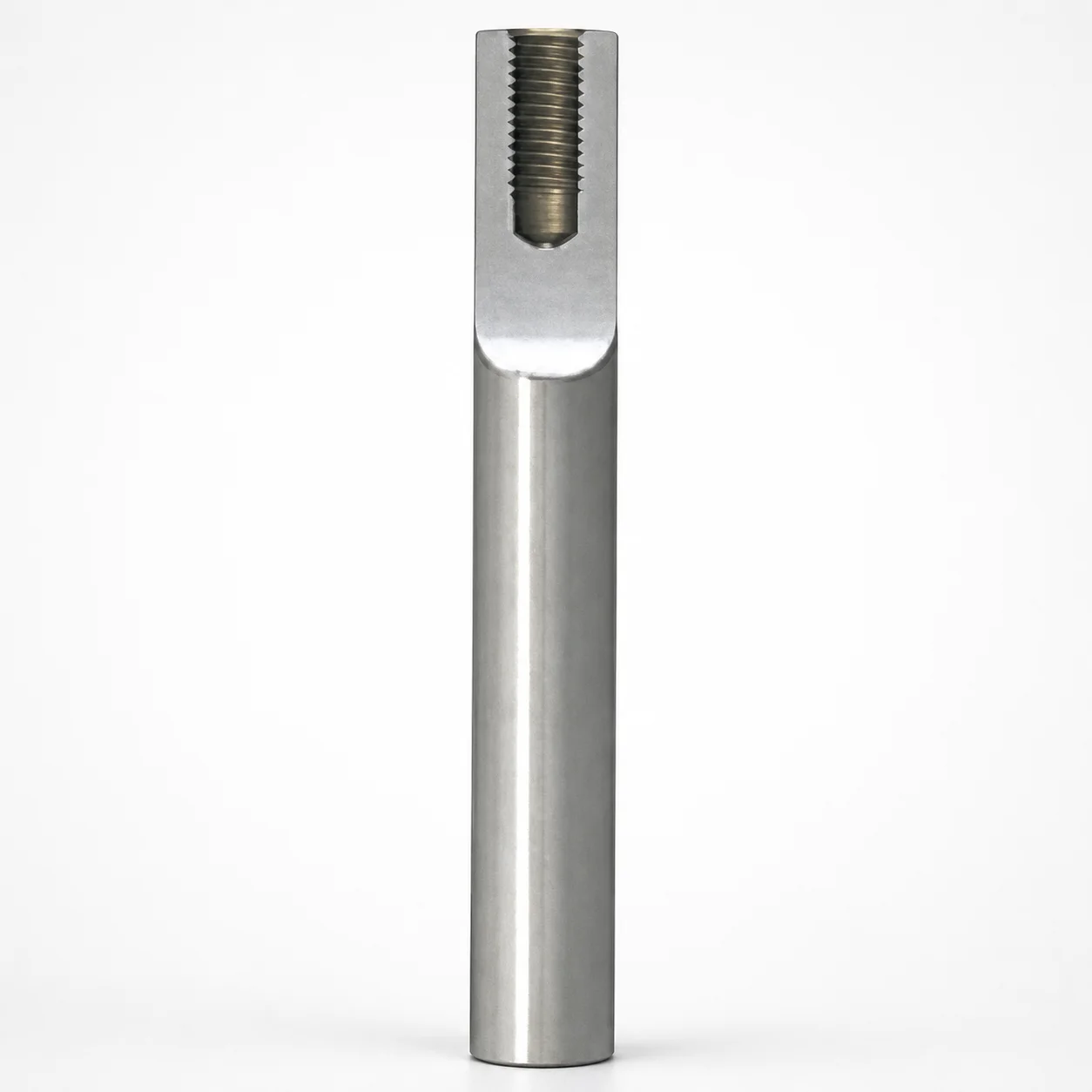
Metric Tapped Punch Blanks for Bolt-Fixed Punches
Need Custom Specifications?
Our engineering team can help with custom configurations, material selection, and volume pricing.