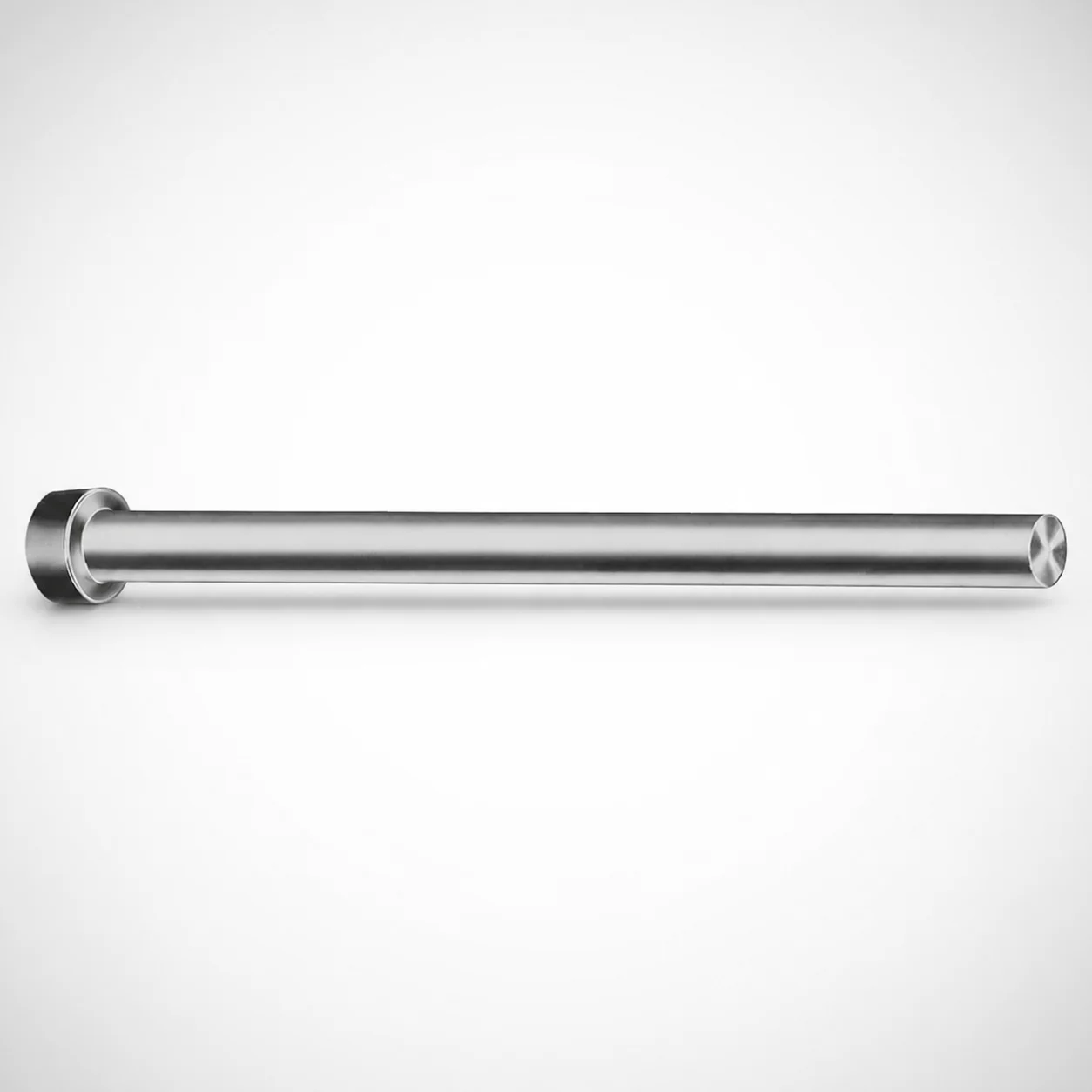
Close Space Punch Blanks - Metric, XNP Coating
Close Space Punch Blanks - Metric, XNP Coating are designed for precise punch tooling where minimal spacing in the die area is critical. The XNP coating supports consistent wear behavior for reliable production runs.
- Close-space blank geometry supports stable piercing in tight die layouts
- XNP Coating helps improve surface durability under repeated contact
- Metric shank diameters D 2, 3, 4, 5, 6, 7 mm simplify selection for standard builds
- DAYTON LAMINA part number standardization improves order traceability
Specifications
6 configurations available
| D (Shank dia.) (mm) | L (Length) (mm) |
|---|---|
| 02 | 40 ~ 100 |
| 03 | 40 ~ 100 |
| 04 | 40 ~ 100 |
| 05 | 40 ~ 100 |
| 06 | 40 ~ 100 |
| 07 | 40 ~ 100 |
Product Guide
Application Scenarios+
Close-space punch blanks are used in progressive and fine-piercing die sets where the punch-to-die clearance must remain tight to control burr formation and maintain dimensional stability. In automotive and appliance sheet-metal piercing, these blanks help support consistent penetration through repeated strokes in compact die layouts by keeping the effective clearance behavior stable across the wear cycle.
They are also suited for connector and terminal fabrication, where multiple forms and small features demand predictable piercing force and reliable part-to-part repeatability. The XNP coating is selected to improve surface durability during repeated metal-to-metal contact, which supports long production runs between sharpening.
- Use in tight die clearances to stabilize piercing performance
- Metric shank options (D 2–7 mm) match common tooling builds
- XNP coating supports wear resistance under repeated cycles
Material & Process Details+
The provided specifications focus on geometry and XNP coating; the exact steel grade and heat-treatment condition (e.g., pre-hardened vs. quenched & tempered) are not listed in the input data, so they should be confirmed with the supplier for your specific performance targets.
For close-space piercing applications, the coating is intended to reduce wear and help maintain stable surface behavior under repeated contact. In practice, this supports a favorable trade-off between wear resistance and toughness: as punch surfaces experience abrasive and adhesive wear, a durable surface layer helps preserve edge/contact characteristics for longer tool life.
- XNP coating improves surface durability during repeated piercing contact
- Heat-treatment steel grade and target hardness (HRC) should be verified for load/impact conditions
Sizing & Selection Guide+
Select the punch blank diameter D first to match the die bushing/hole support and ensure proper guidance within the tool body. This product is available in metric shank diameters: 02, 03, 04, 05, 06, and 07 mm, which should align with your existing standard tooling dimensions.
Then choose the working L (length) within the provided range of 40 to 100 mm. The length should account for the required protrusion through the upper die stack, plus safe stick-out for sharpening allowance and guidance overlap.
- Match D to the die set/punch guide bore size for correct fit and alignment
- Select L 40–100 mm based on stack height and needed sharpening clearance
- Confirm tolerance requirements with the tool design drawings (fit may depend on guide system and clearance strategy)
Frequently Asked Questions
Which shank diameter (D) options are available for these close-space punch blanks?+
The product is specified with metric shank diameter options: D = 02, 03, 04, 05, 06, or 07 mm.
Select the diameter that matches your punch guide/bushing bore dimension in the die set to maintain close-space alignment.
What length range (L) should I select for my mold/die stack height?+
The specified fixed length (L) range is 40 to 100 mm.
Choose a length that provides the required working protrusion while allowing for guidance overlap and sharpening allowance based on your upper die stack height.
How does the XNP coating relate to wear control in tight die clearances?+
The XNP coating is used to improve surface durability under repeated contact, which is critical in close-space piercing where the die clearance must remain controlled.
This helps support stable piercing performance across production cycles by reducing wear-related variation at the punch surface.
Are the steel grade and heat treatment specified for this punch blank series?+
The input data provided does not include the specific steel grade, heat-treatment state, or a target hardness value (HRC).
For material qualification and performance verification, confirm the steel specification and hardness after ordering for your exact load and cycle conditions.
What dimension should take priority when designing the die clearance system—D or L?+
Design priority typically starts with D (shank diameter) because it determines guidance fit within the punch guide/bushing system and affects alignment in close-space layouts.
Then select L within 40–100 mm to satisfy stack height, protrusion requirements, and sharpening allowance.
Related Products
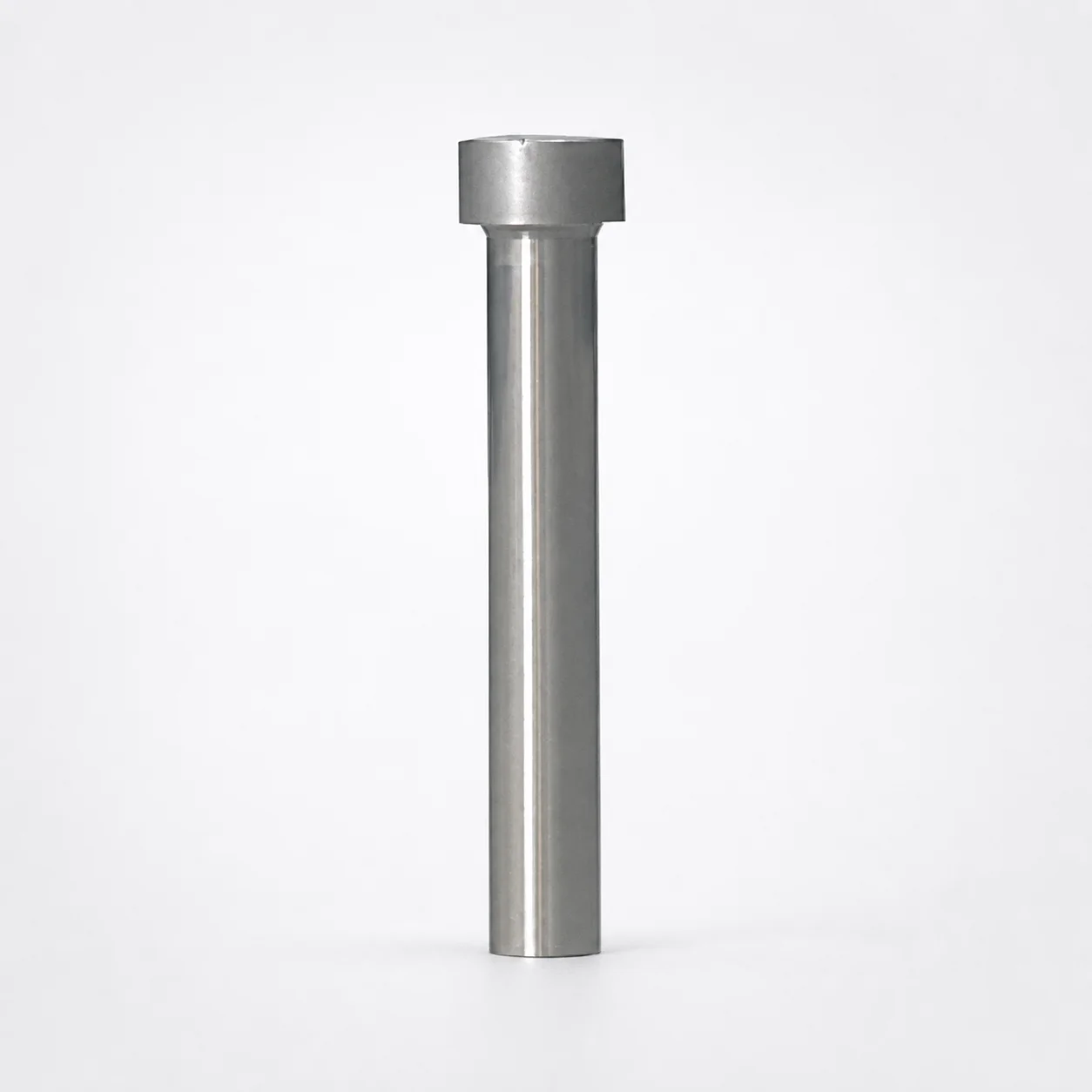
Ejector Punch Blanks (Blank, Standard)
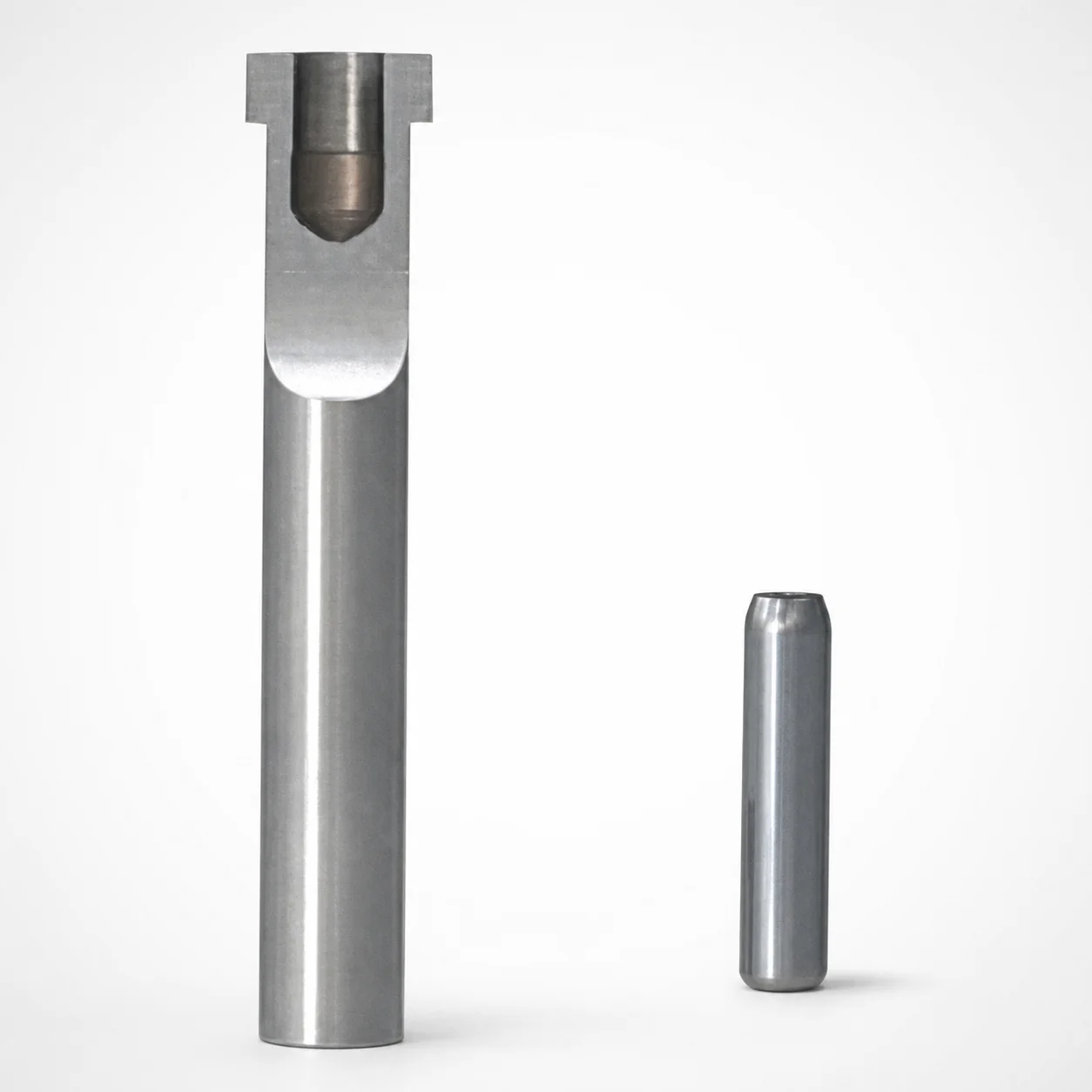
SKD11 Equivalent Steel Ejector Punch Blanks with Locating Dowel Hole
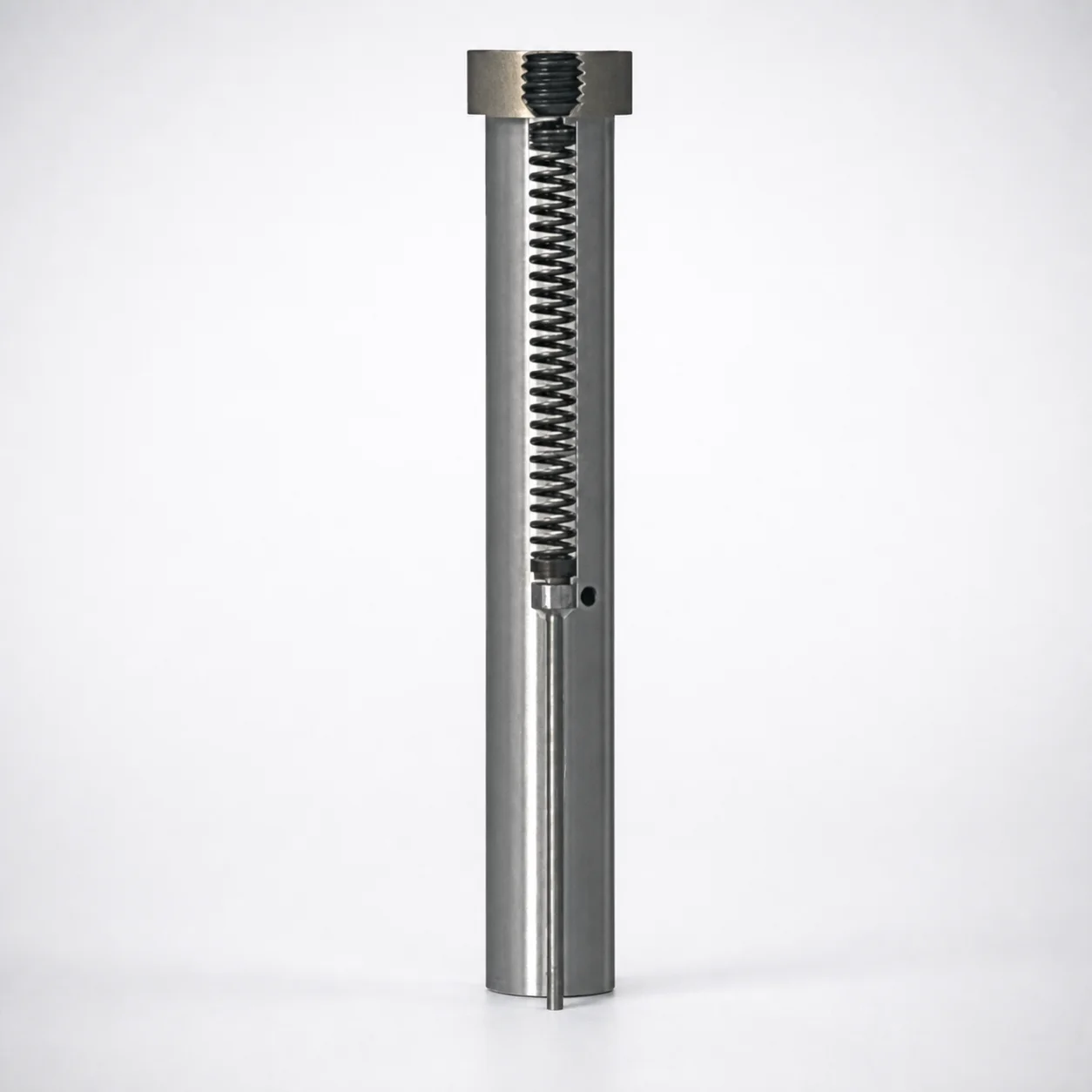
Large-Diameter Pin Type Ejector Punch Blanks
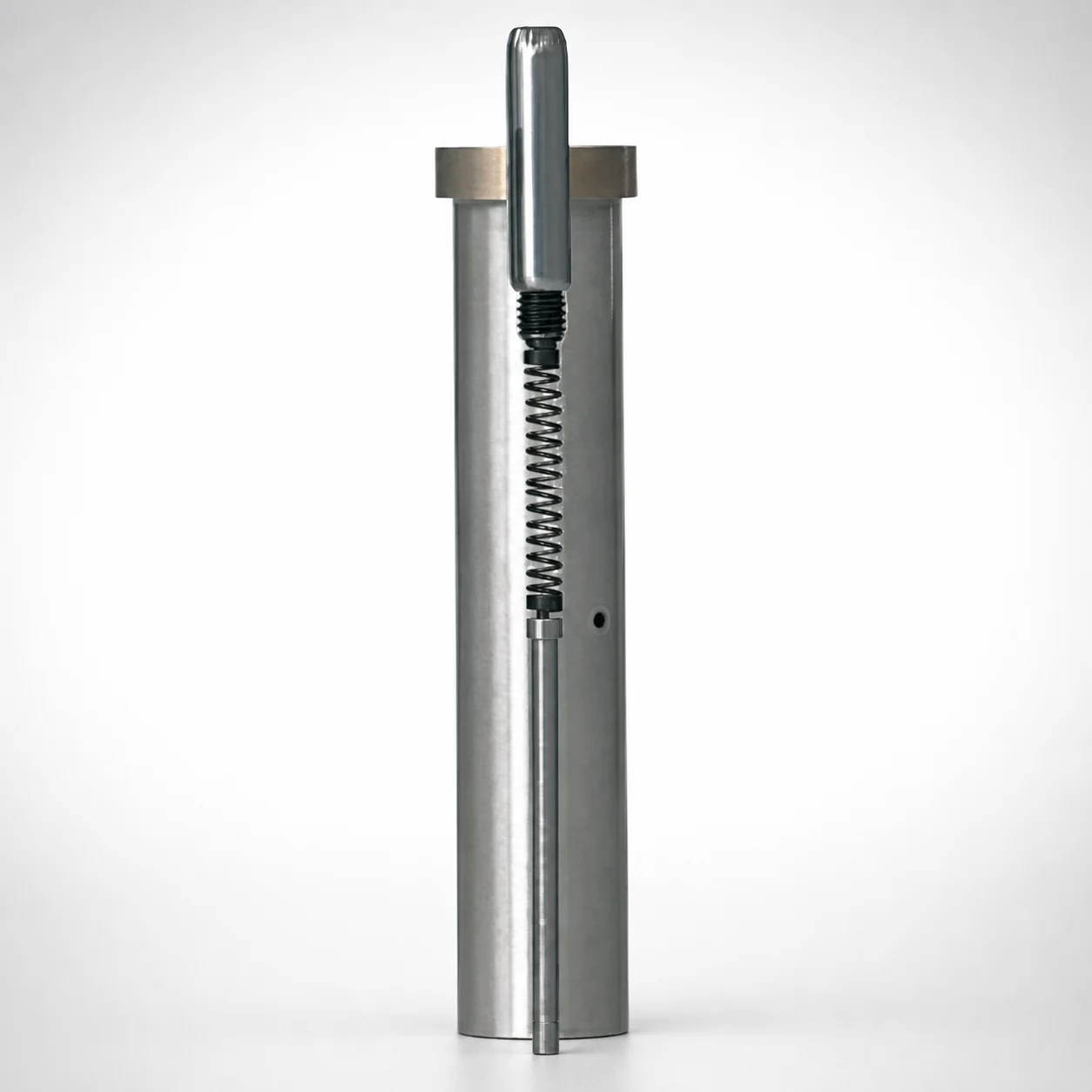
SKD11 Steel Ejector Punch Blank with Locating Dowel Hole (D2 Equivalent)
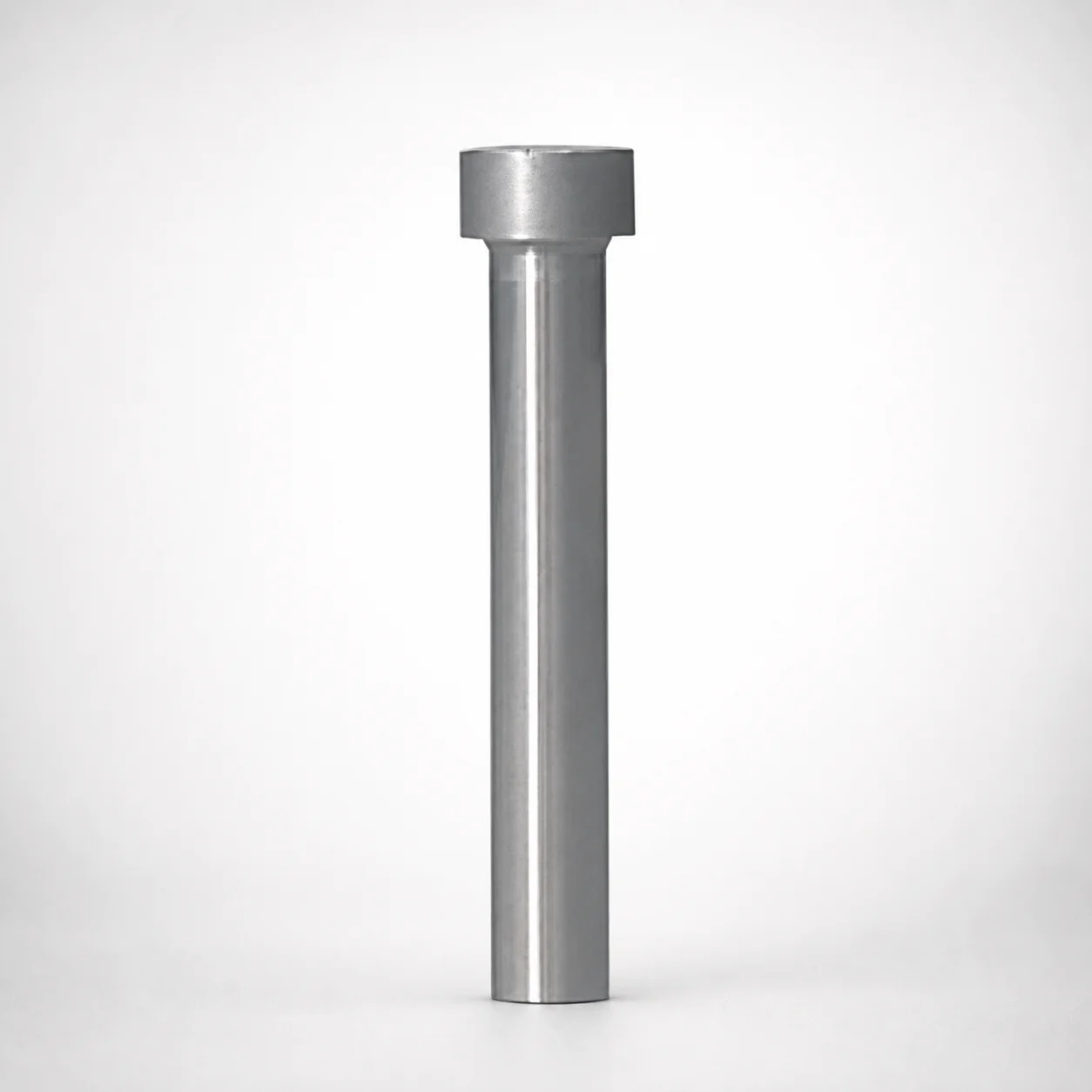
Heavy Load Punch Blanks - Metric (Diameters 10-25 mm)
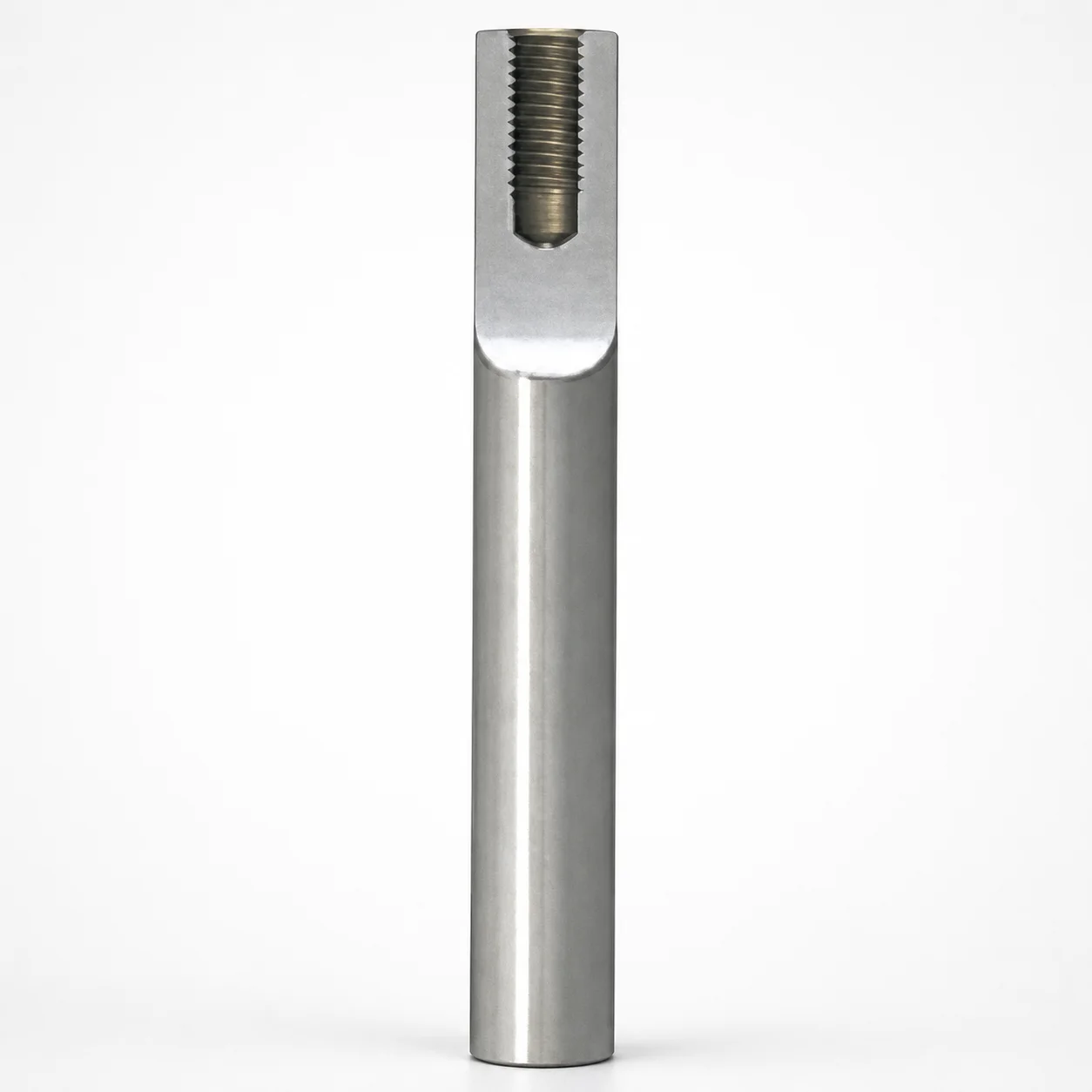
Metric Tapped Punch Blanks for Bolt-Fixed Punches
Need Custom Specifications?
Our engineering team can help with custom configurations, material selection, and volume pricing.