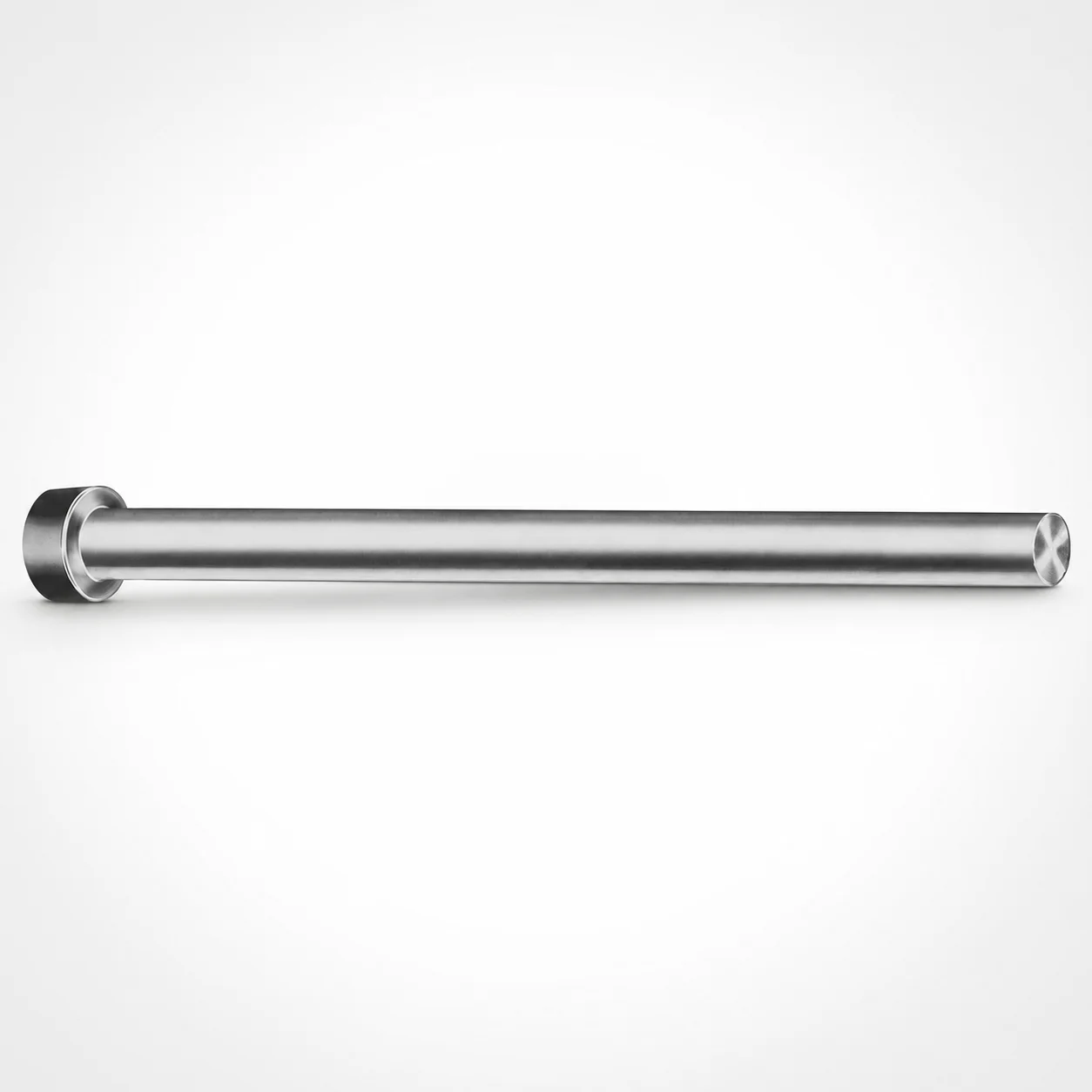
Close Space Punch Blanks - Metric with XNA Coating
Close Space Punch Blanks - Metric with XNA Coating are designed for compact tooling setups where minimal gap is required. The XNA coating helps protect the punch blank surface during repeated press cycles, supporting consistent performance.
- Close space punch blank form for efficient use in tight die layouts
- XNA Coating supports improved wear resistance under production load
- Metric shank diameters for straightforward selection across tooling builds
- Commonly used for forming operations requiring durable ejector punch blanks
Specifications
6 configurations available
| D (Shank dia.) (mm) | L (Length) (mm) |
|---|---|
| 02 | 40 ~ 100 |
| 03 | 40 ~ 100 |
| 04 | 40 ~ 100 |
| 05 | 40 ~ 100 |
| 06 | 40 ~ 100 |
| 07 | 40 ~ 100 |
Product Guide
Application Scenarios+
Close space punch blanks are used in injection mold tooling and press-style forming inserts where the ejector or support punch must operate in a tightly guided die layout. Because these blanks are intended for minimal clearance designs, they help stabilize punch motion and reduce misalignment risk during repeated cycles.
Automotive connector and terminal forming fixtures: Select the metric shank options to match existing ejector plate interfaces. The tight-space design supports consistent contact and forming accuracy in compact tooling stations.
Consumer electronics housings and snap-feature forming: Use them in dies that require reliable support punches for high-frequency actuation. The XNA coating is suited to production loads where surface protection helps maintain dimensional consistency over time.
- For precise ejector plate support in compact mold cavities
- For operations where tight gap control improves repeatability
- For production environments benefiting from an XNA-coated punch surface
Material & Process Details+
The provided product data specifies the XNA coating and the metric shank/length sizes, but it does not include the underlying steel grade or heat-treatment condition. Therefore, hardness (HRC), quench-and-temper, nitriding, or similar metallurgical states cannot be stated from the current specifications.
What can be confirmed from the variant description is that the XNA coating is applied to protect the punch blank surface during repeated press cycles. In tooling applications, such coatings typically improve resistance to wear and surface degradation under load, which supports stable punch performance over time.
- XNA coating: focuses on surface protection for repeated cycling
- Steel grade/heat treat: not provided in the input data, so hardness and toughness trade-offs are not specified
- Multiple materials: only coating-related information is available; no alternate base materials are listed
Sizing & Selection Guide+
To select the correct close space punch blank, match the shank diameter (D) and length (L) to your die’s ejector plate or punch support geometry. Available D values are 02, 03, 04, 05, 06, 07 mm, and the fixed L range is 40 to 100 mm.
- Choose D to fit the guided interface in the ejector or forming assembly; use the provided metric shank options to ensure compatibility with your existing holes/bushings.
- Choose L within 40–100 mm to achieve the required protrusion/support travel in the press or injection-related forming station.
- Because tolerance/fit values are not included in the input data, verify clearance requirements using your die’s drawing and preferred fit standard.
In tight die layouts, precise dimension matching helps maintain stable alignment during repeated cycles, which is a key reason close-space blanks are specified.
Frequently Asked Questions
Which shank diameters are available for this close space punch blank in metric sizing?+
What length options can I specify for the punch blank?+
How does the XNA coating impact wear behavior for repeated press cycles?+
Is there a specified steel grade or hardness (HRC) for this punch blank?+
How should I match the blank dimensions to a tight die layout?+
Related Products
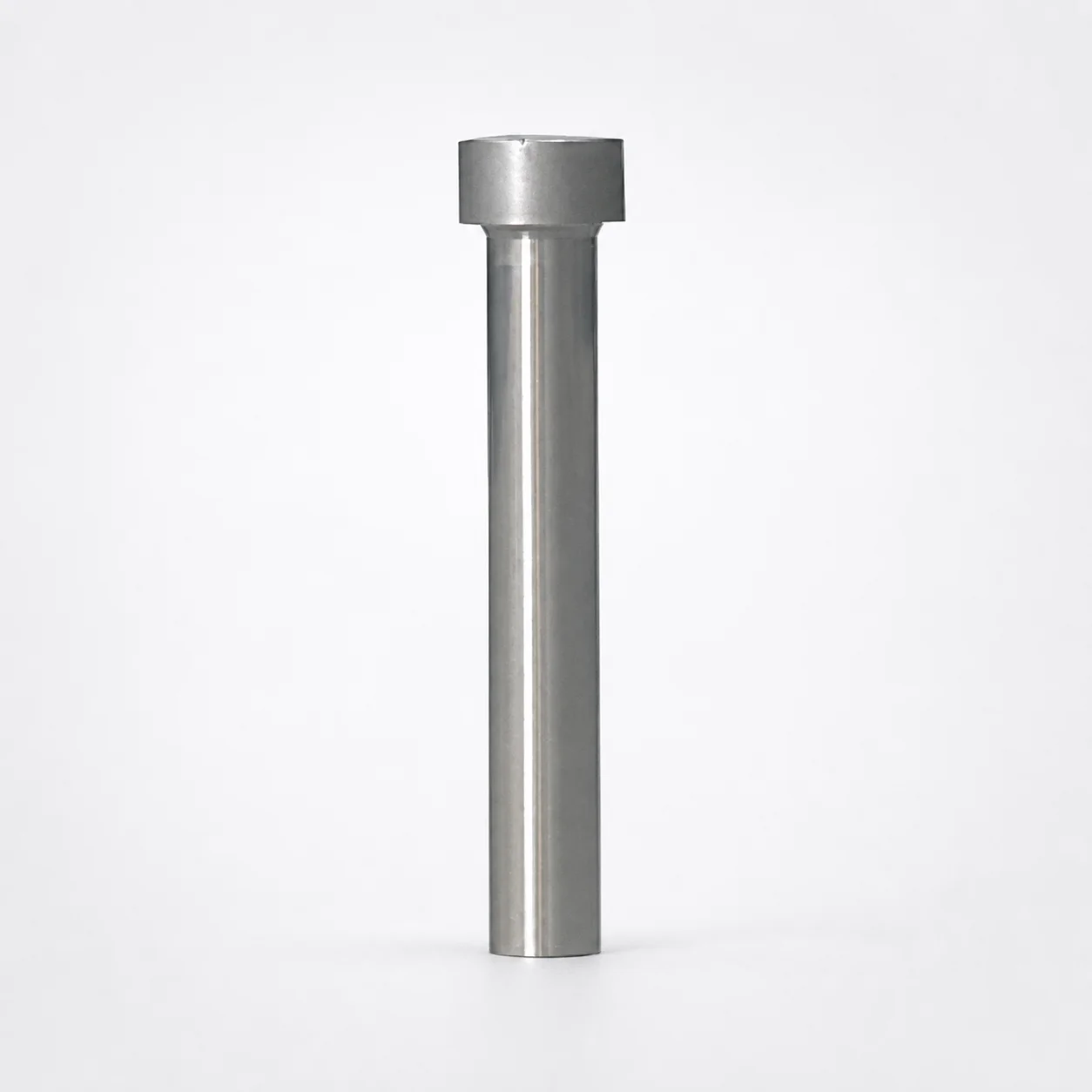
Ejector Punch Blanks (Blank, Standard)
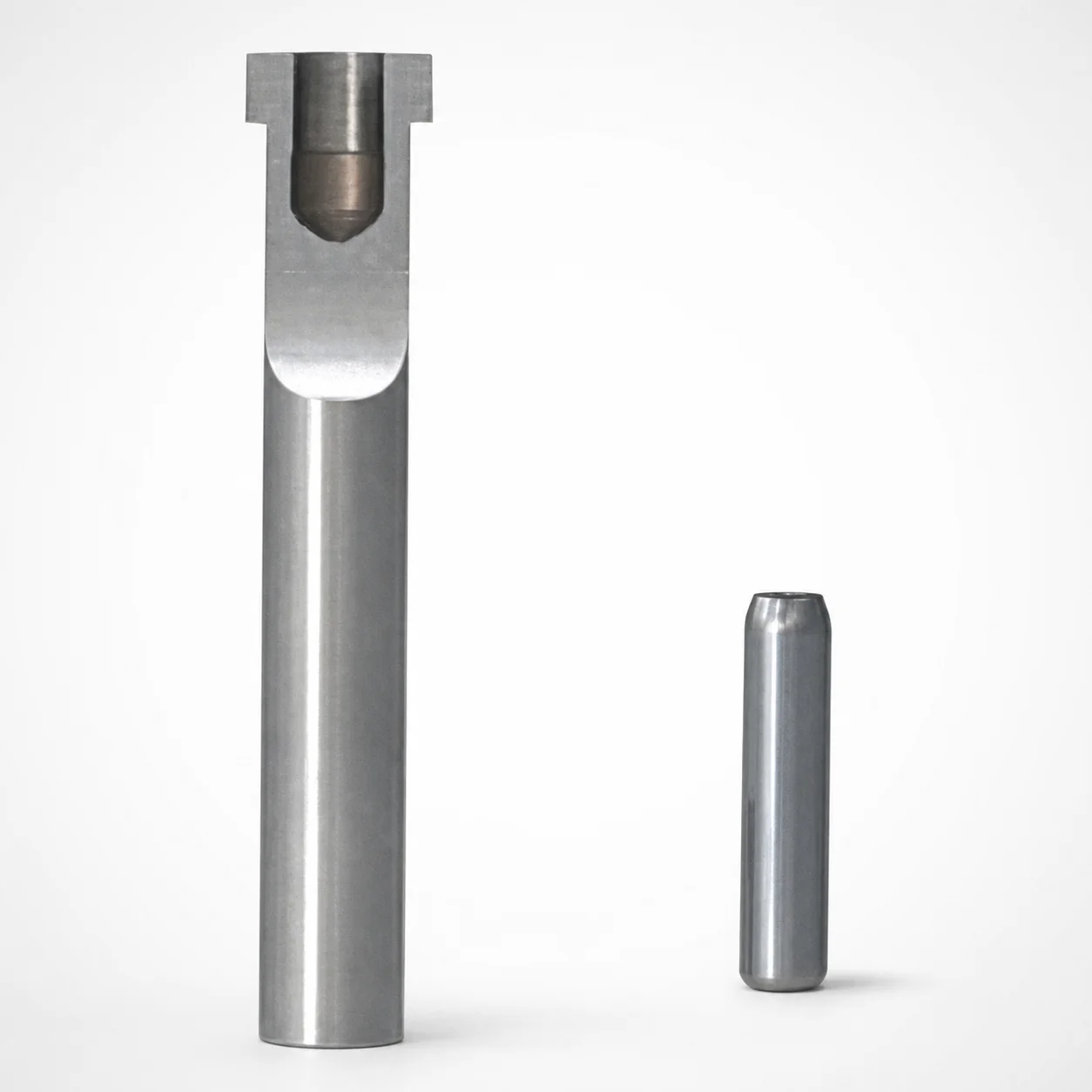
SKD11 Equivalent Steel Ejector Punch Blanks with Locating Dowel Hole
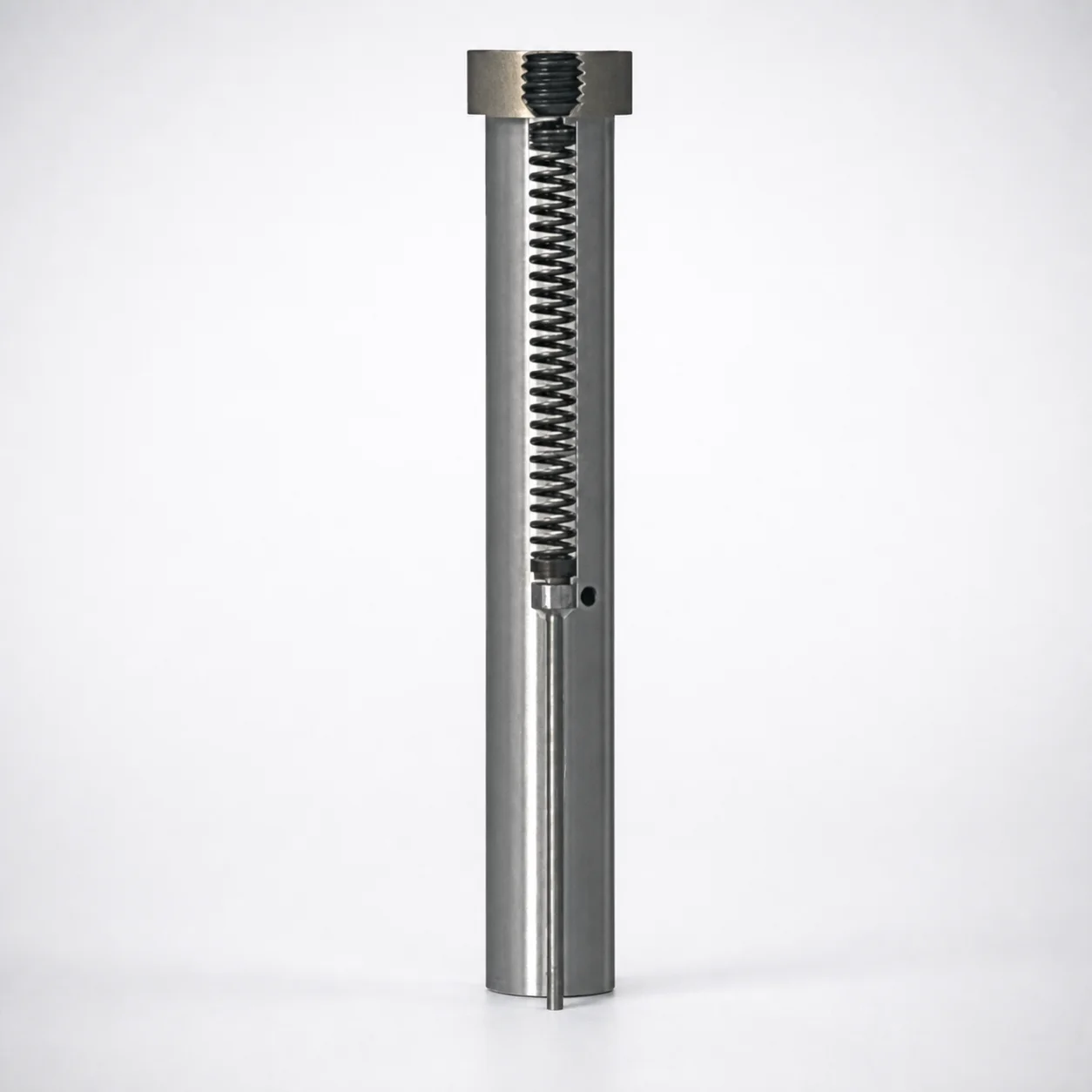
Large-Diameter Pin Type Ejector Punch Blanks
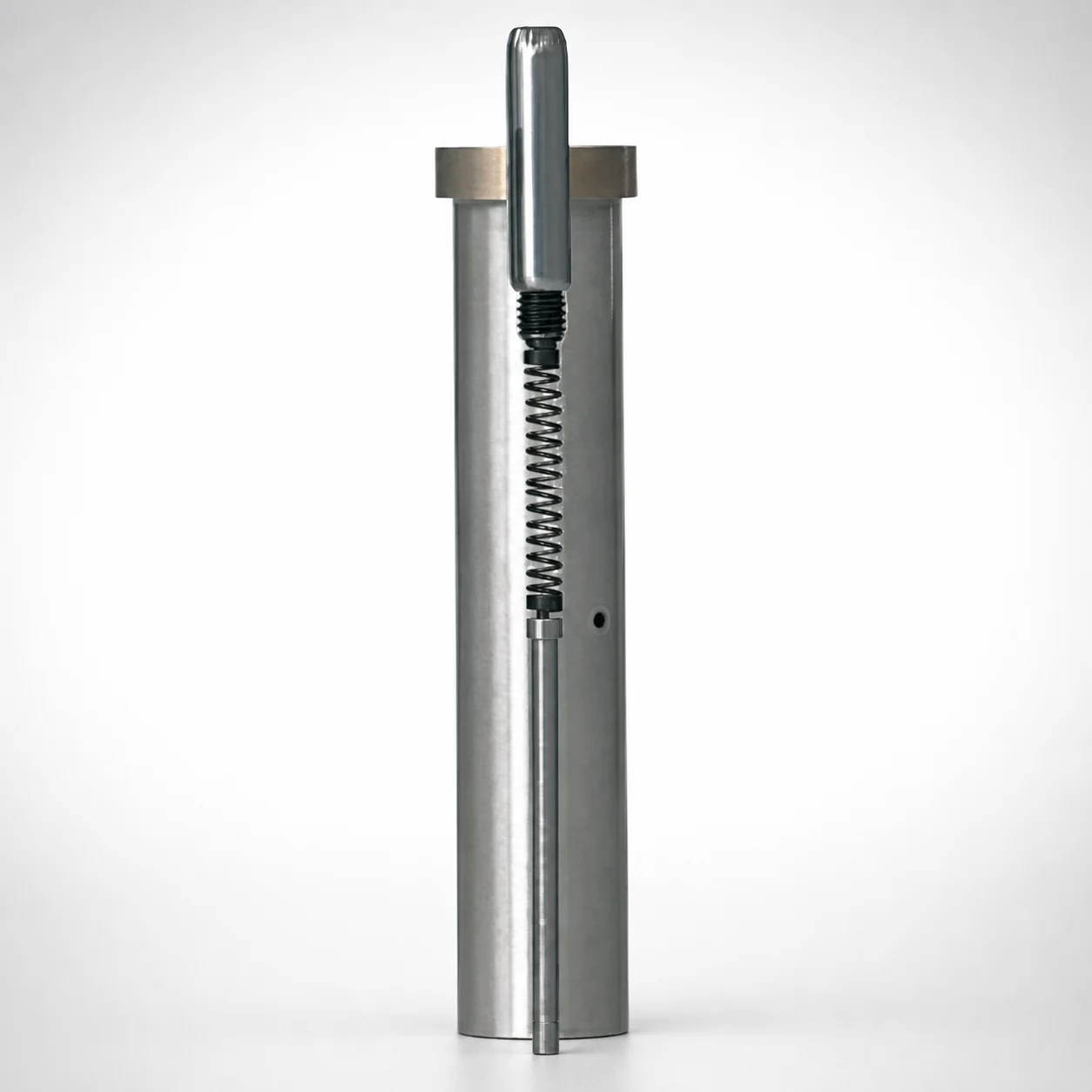
SKD11 Steel Ejector Punch Blank with Locating Dowel Hole (D2 Equivalent)
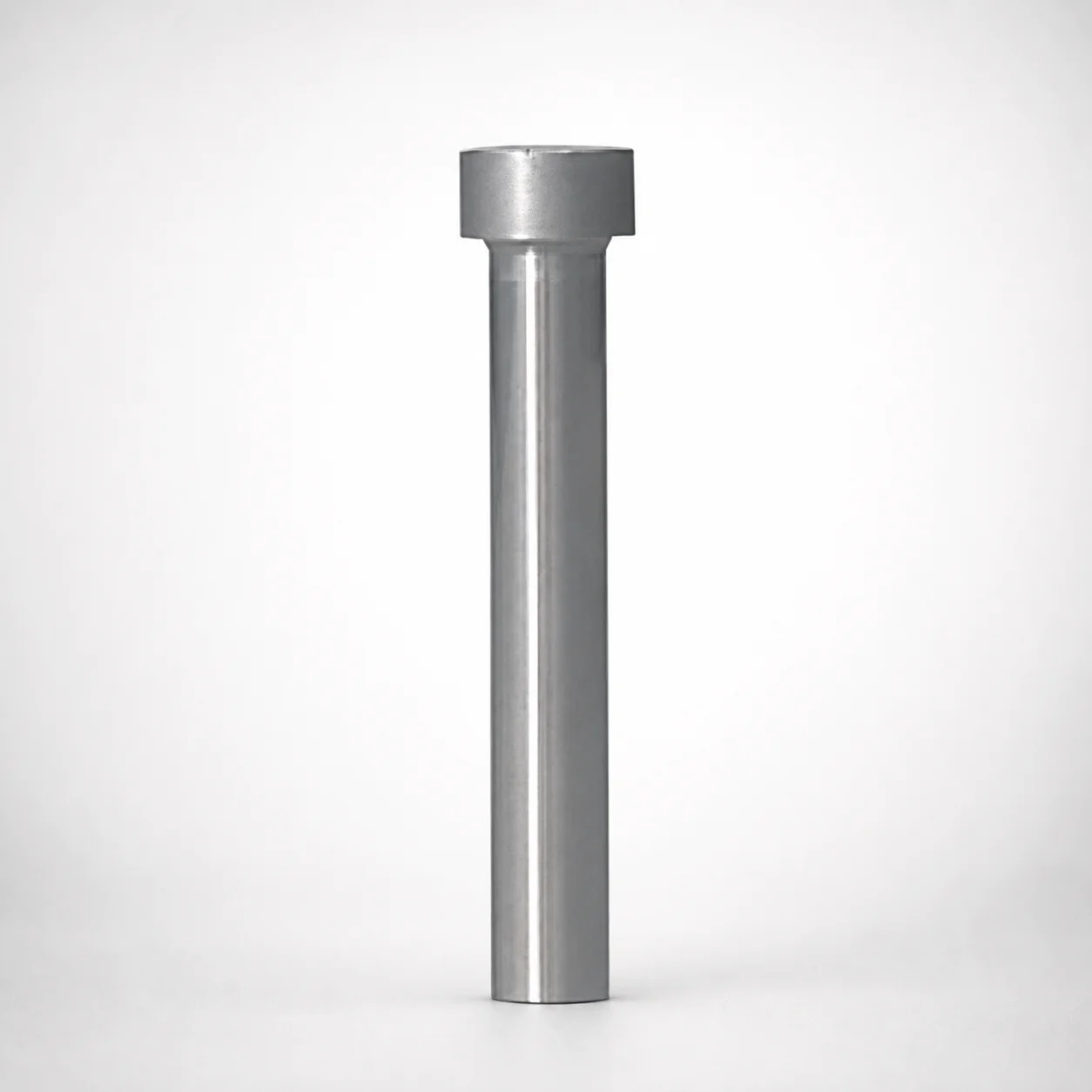
Heavy Load Punch Blanks - Metric (Diameters 10-25 mm)
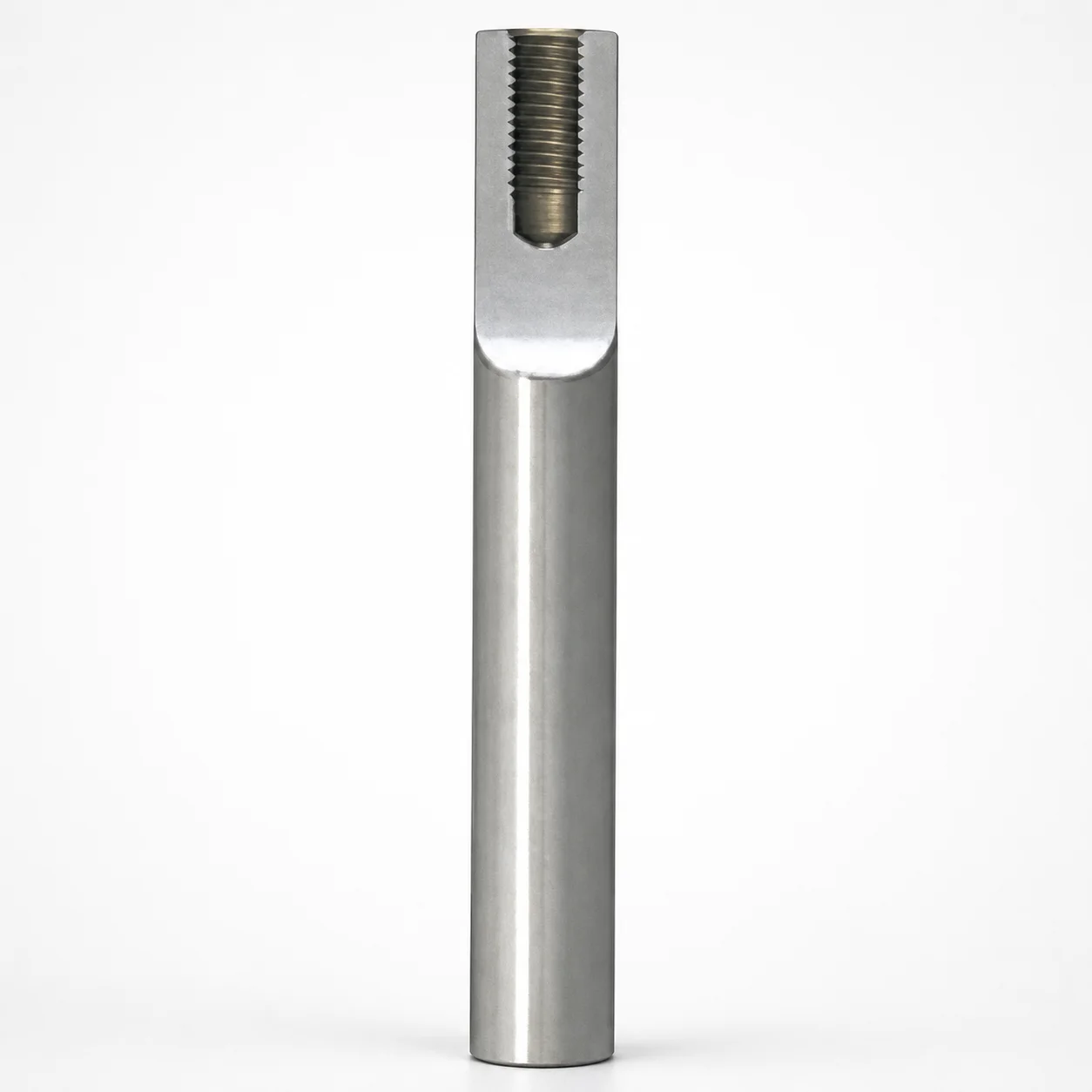
Metric Tapped Punch Blanks for Bolt-Fixed Punches
Need Custom Specifications?
Our engineering team can help with custom configurations, material selection, and volume pricing.