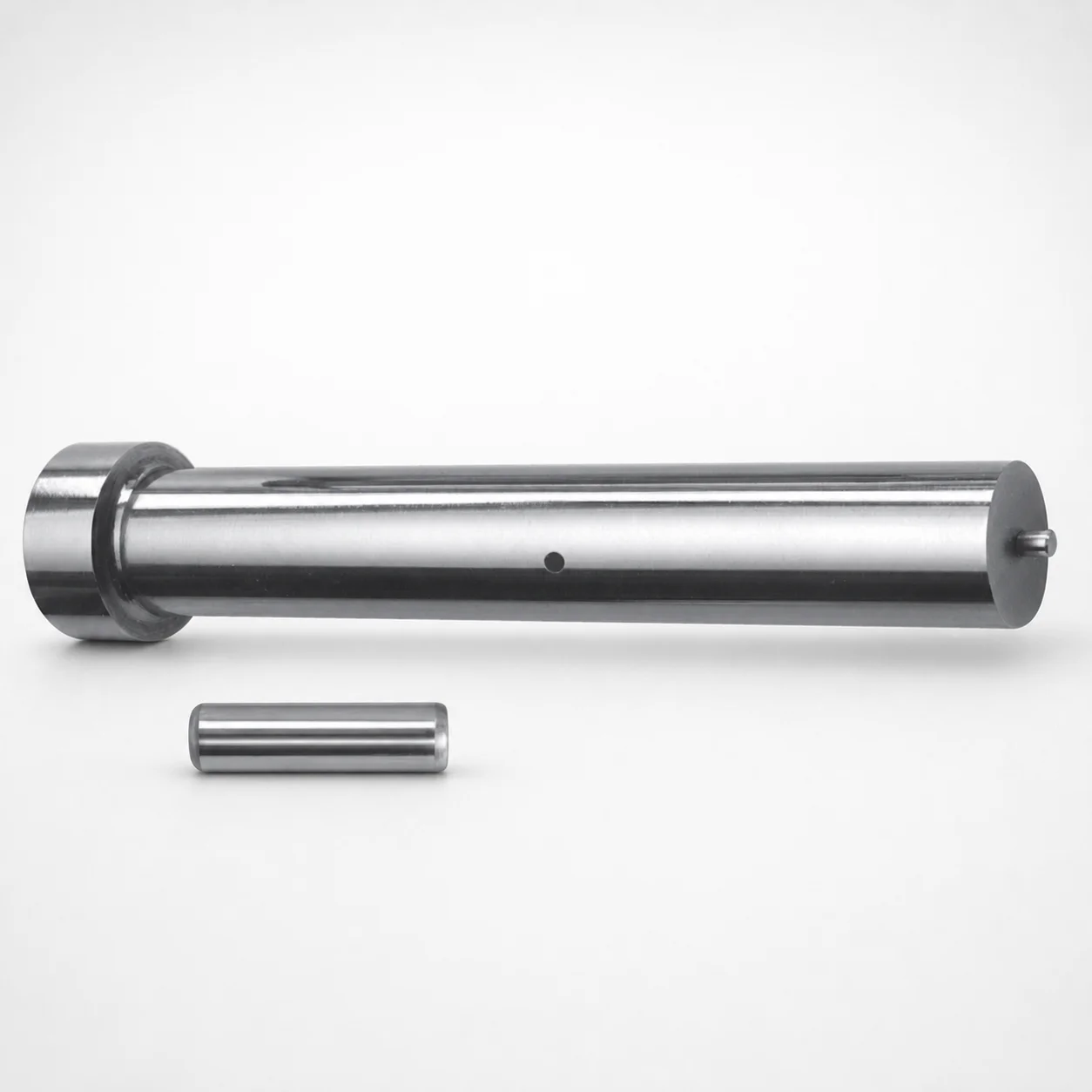
Center Dowel Ejector Punch Blanks for Heavy Load - Metric
Center Dowel Ejector Punch Blanks for Heavy Load - Metric from Dayton LAMINA are purpose-built die punch blanks designed to support repeatable alignment and stable performance in demanding molding and press applications. The pre-formed center dowel hole helps integrate ejector punch features into your tooling system.
- Center dowel hole design for consistent ejector punch alignment during heavy duty cycles
- Metric blank format for straightforward integration in die assembly and tooling builds
- Available shank diameters (10, 13, 16, 20, 25 mm) to match varied press and cavity layouts
- Supporting lengths up to 80–130 mm for heavy load tool configurations
Specifications
5 configurations available
| D (Shank dia.) (mm) | L (Length) (mm) |
|---|---|
| 10 | 80 ~ 130 |
| 13 | 80 ~ 130 |
| 16 | 80 ~ 130 |
| 20 | 80 ~ 130 |
| 25 | 80 ~ 130 |
Product Guide
Application Scenarios+
These heavy-load center dowel ejector punch blanks are used to build injection and press tooling where ejector alignment must remain stable across repeated cycles. The center dowel hole supports repeatable positioning between mating components, helping reduce wear-related drift in the ejector train.
- Automotive and industrial part molds: Suitable for long-running runner and housing tooling where consistent ejection force transfer is critical. Select shank diameters to match die block stiffness and cavity layout, using lengths up to 80–130 mm for deeper stackups.
- Die assembly for progressive/blanking dies: The metric format simplifies integration into die component builds, providing reliable guidance during high-cycle mechanical press operation.
- Medical and precision housings with strict tolerances: Use the pre-formed dowel feature to maintain center alignment in ejector punch systems, supporting stable performance when parts require consistent dimensional control.
Material & Process Details+
The provided product data does not specify a steel grade, heat-treatment state, or hardness (HRC). As a result, the exact material properties (e.g., wear resistance vs. toughness balance), nitriding/carburizing, and whether the blanks are pre-hardened or quenched & tempered cannot be stated from the available specifications.
For engineering selection, confirm with the supplier’s material certificate for the exact steel grade, target hardness in HRC, and any surface treatments (such as nitriding) appropriate for heavy-duty ejector applications. When choosing between different available steels for ejector components, the key trade-off is typically higher hardness for wear resistance versus improved toughness for resistance to chipping under shock loads.
- Verify: steel grade, heat-treatment condition, and hardness (HRC)
- Confirm: whether any surface treatment is applied to the dowel-hole region for galling resistance
Sizing & Selection Guide+
Selection is driven primarily by the shank diameter D and overall length L. Choose D = 10, 13, 16, 20, or 25 mm to match the ejector punch guide and to provide sufficient stiffness for the expected loading in your tooling stack.
Match L = 80 to 130 mm to the distance from the supported interface to the ejector actuation point, ensuring adequate engagement while avoiding bottoming or excessive overhang. For core/cavity alignment, the center dowel-hole is intended to register with the mating dowel features in the die set; confirm the mating geometry so the alignment function is maintained.
- Use diameter D to fit within the guide/bushing design envelope
- Use length L to cover required stack height while maintaining stiffness
- Verify tolerance/fit requirements with the guide system drawings (specific tolerance values are not provided in the available data)
Frequently Asked Questions
Which shank diameter options (D) are available for these metric center dowel ejector punch blanks?+
The shank diameter D is offered in 10, 13, 16, 20, and 25 mm. Select the diameter to match your ejector guide/bushing and to provide adequate stiffness for the expected load.
What length range (L) should I choose for my ejector train stack-up?+
The overall length L is specified as 80 to 130 mm. Choose a length that covers the required stack height to the actuation interface while avoiding excessive overhang that could reduce alignment stability.
How does the pre-formed center dowel hole support heavy-load ejector alignment?+
The blank includes a center dowel hole intended to register with mating tooling features. This guidance helps maintain repeatable center alignment across heavy duty cycles, reducing drift in the ejector punch system.
Is the material grade and heat treatment specified for this blank so I can verify hardness (HRC)?+
The provided product data does not state the steel grade, heat-treatment condition, or hardness in HRC. To validate wear resistance/toughness performance, request the material certificate and confirm the heat treatment state (e.g., quenched & tempered, pre-hardened, or nitrided) from the supplier.
Can I use this metric blank across different die builds, or is it tied to a single tooling standard?+
It is explicitly a metric blank format designed for straightforward integration into die assemblies. The sizing options D = 10–25 mm and L = 80–130 mm are intended to cover varied press and cavity layouts, but mating tolerances are determined by your guide and dowel interface drawings.
Related Products
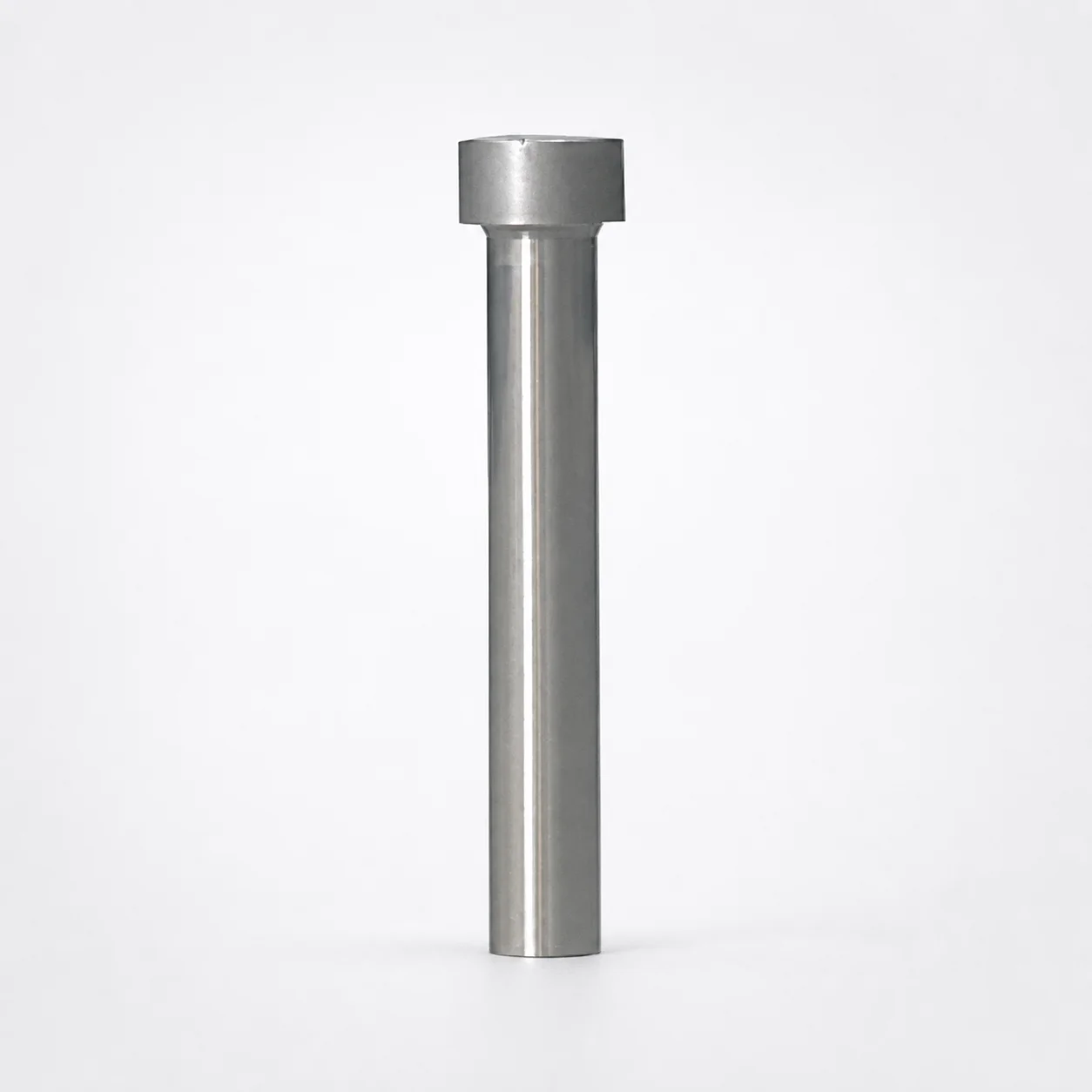
Ejector Punch Blanks (Blank, Standard)
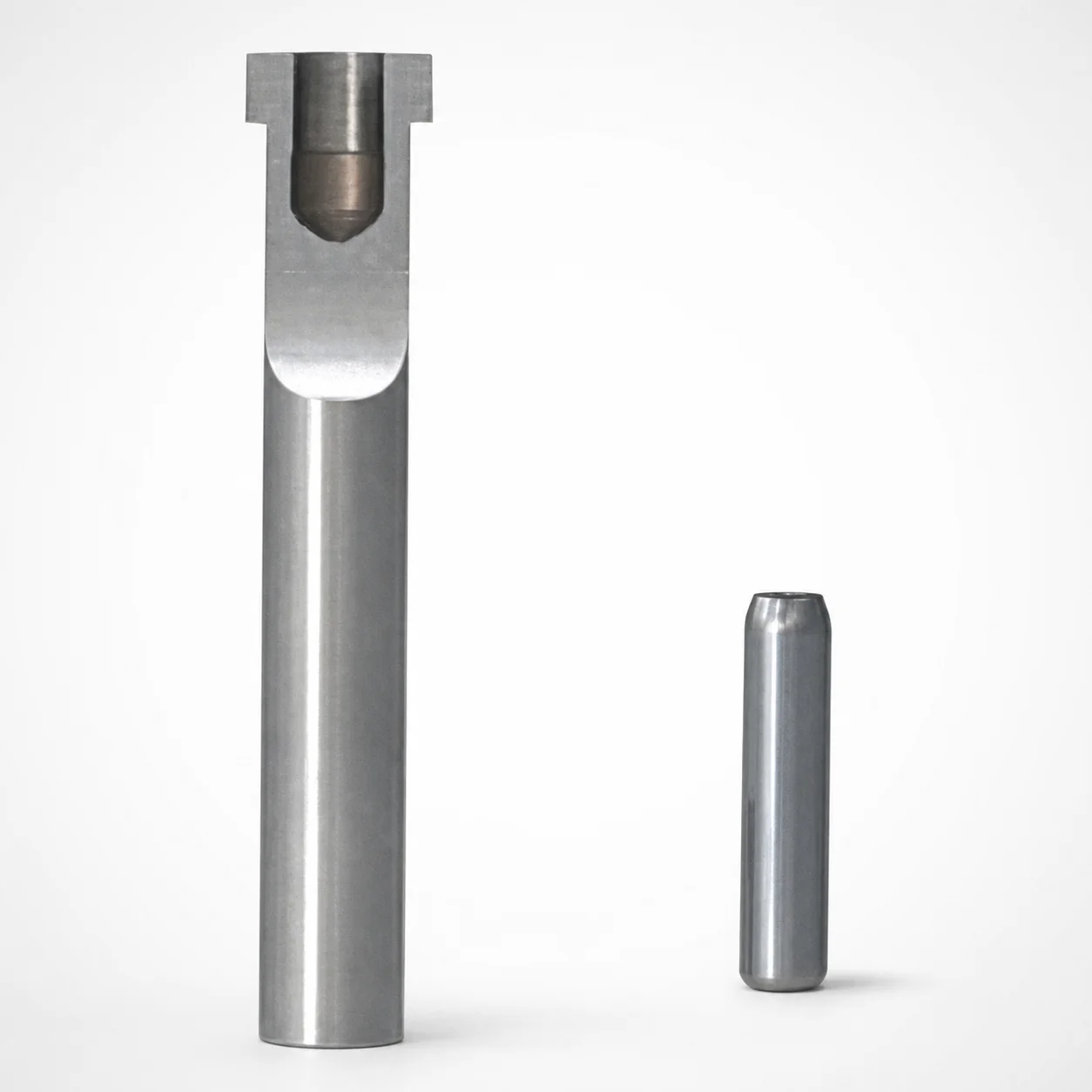
SKD11 Equivalent Steel Ejector Punch Blanks with Locating Dowel Hole
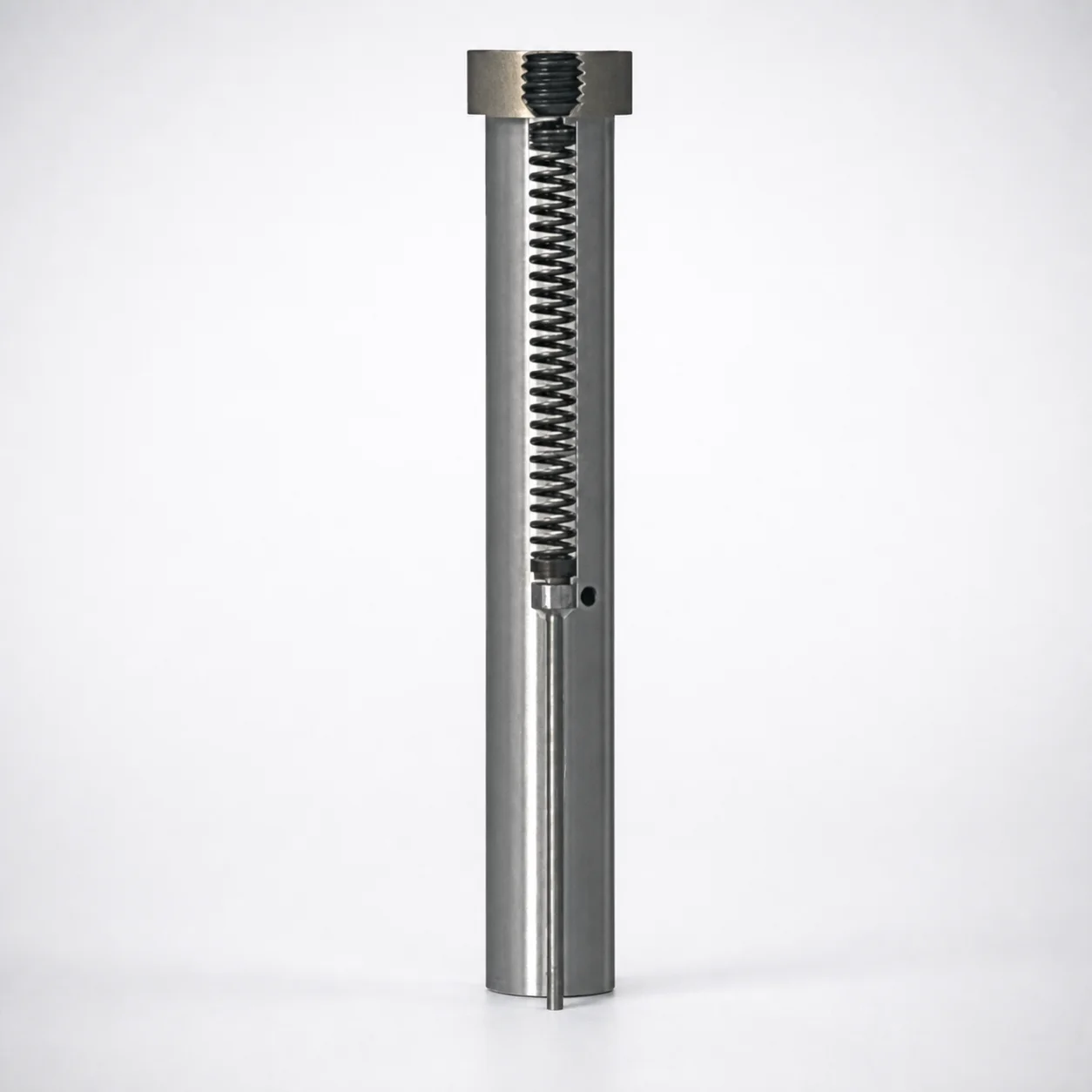
Large-Diameter Pin Type Ejector Punch Blanks
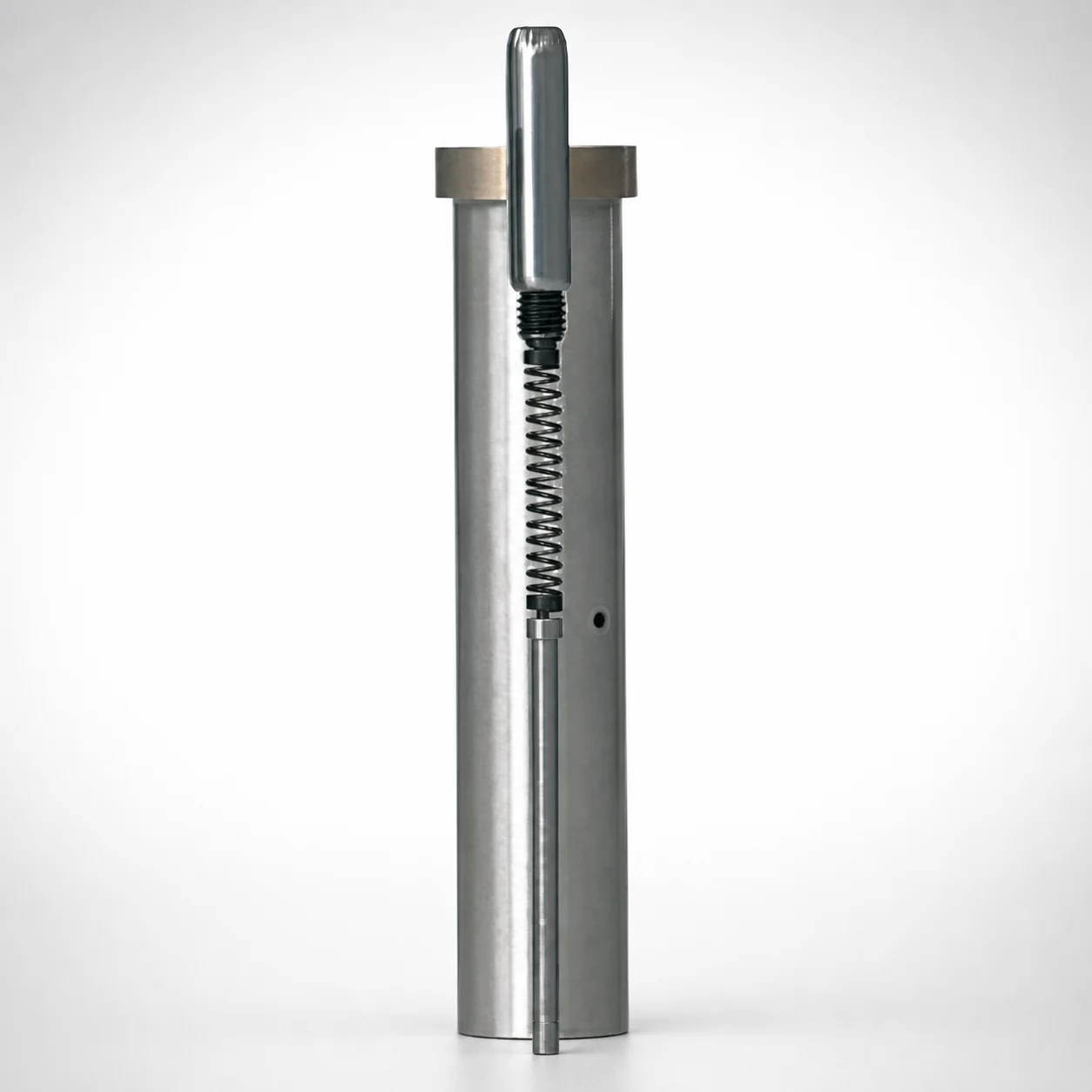
SKD11 Steel Ejector Punch Blank with Locating Dowel Hole (D2 Equivalent)
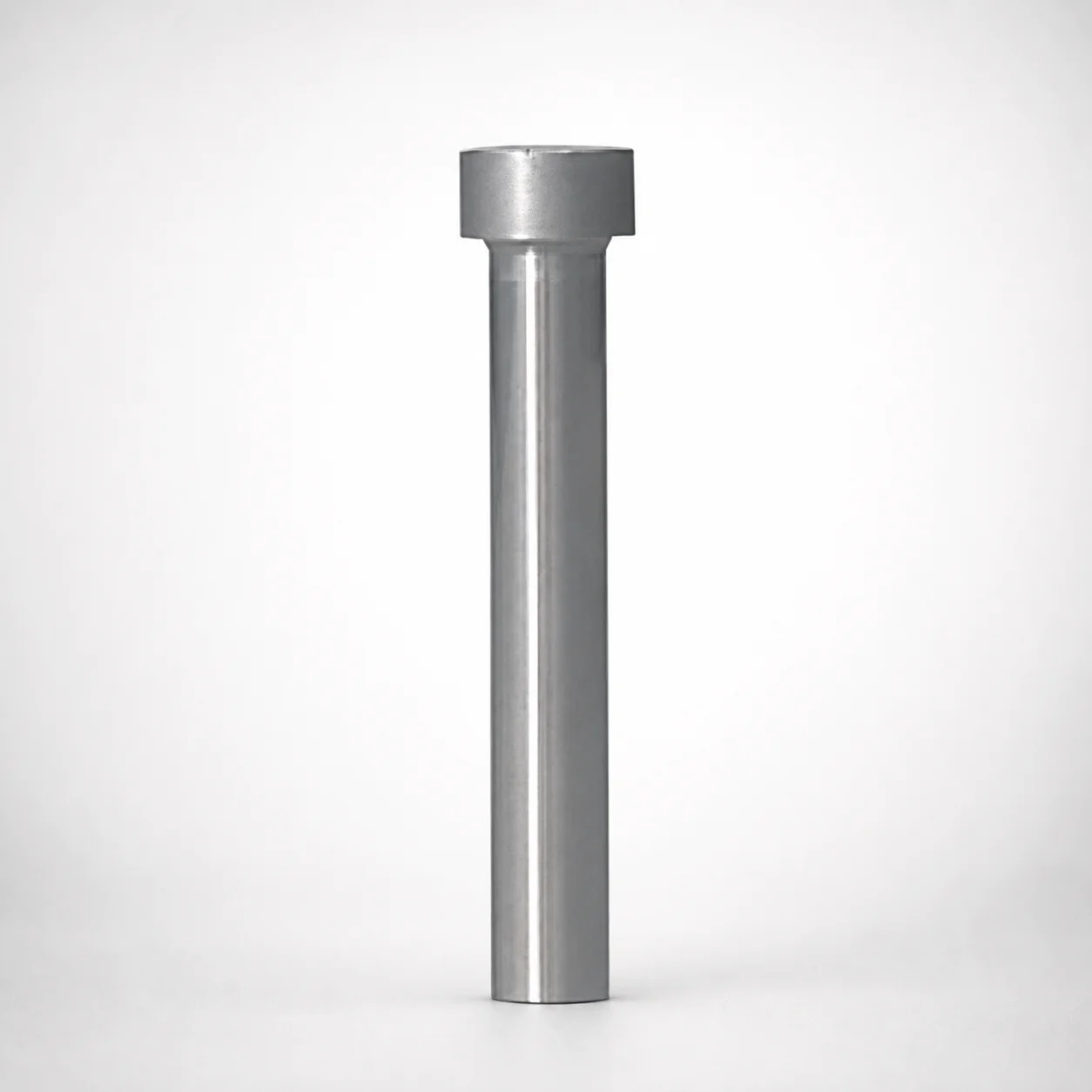
Heavy Load Punch Blanks - Metric (Diameters 10-25 mm)
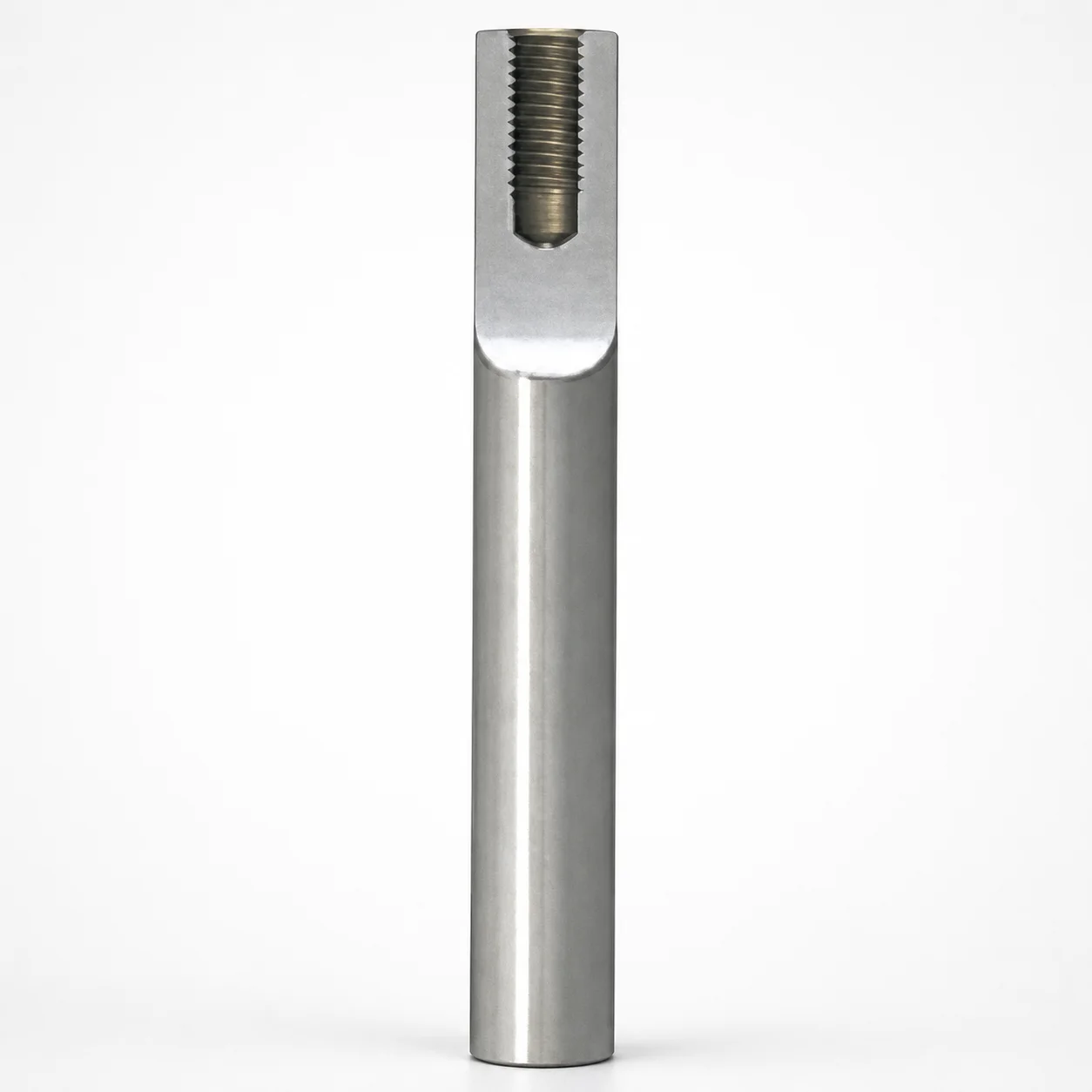
Metric Tapped Punch Blanks for Bolt-Fixed Punches
Need Custom Specifications?
Our engineering team can help with custom configurations, material selection, and volume pricing.