Resin Sleeve Parting Locks
The most widely used parting lock type in injection molds. A hardened tapered bolt engages a nylon or PEEK resin sleeve for reliable PL-face locking at the lowest cost. Available in standard (80°C) and heat-resistant (200°C) configurations.
Products (5 Series)
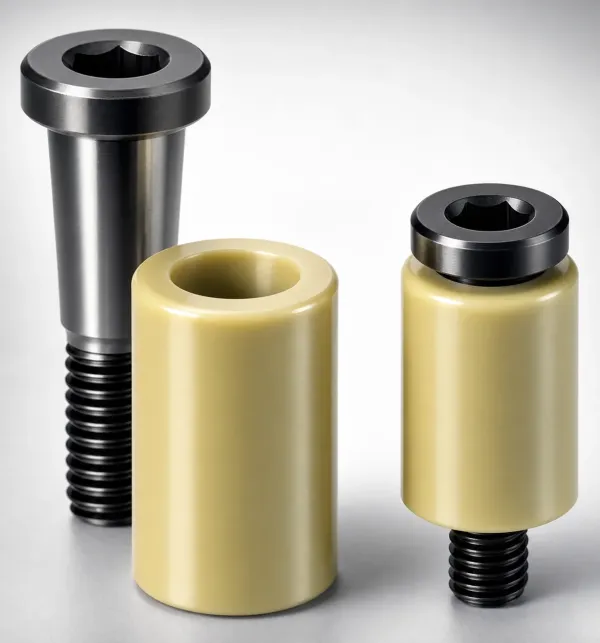
Parting Locks Tapered Bolt Nylon Sleeve
Parting Locks Tapered Bolt Nylon Sleeve for stable stripper plate separation. Heat-resistant set with resin sleeve an...
View Details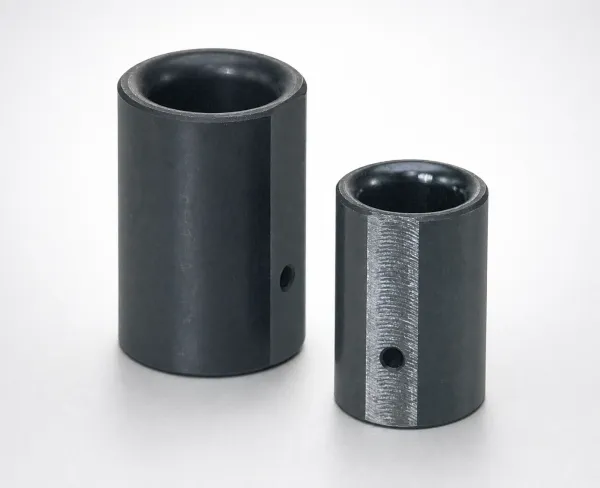
PLBS Parting Lock Bushings 1045 Steel
PLBS Parting Lock Bushings (1045 steel) for rear face mounting on parting locks. Component bushing type PLBS supports...
View Details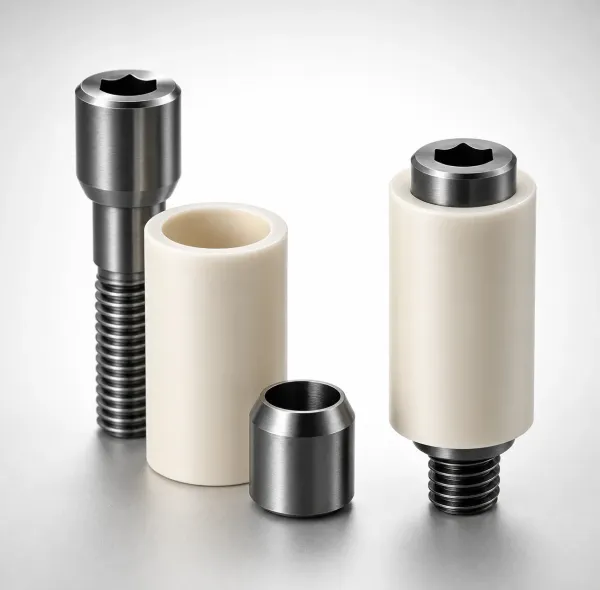
Parting Locks - Heat and Wear Resistant
Parting Locks - Heat and Wear Resistant for reliable stripper and parting plate positioning. Heat resistance up to 12...
View Details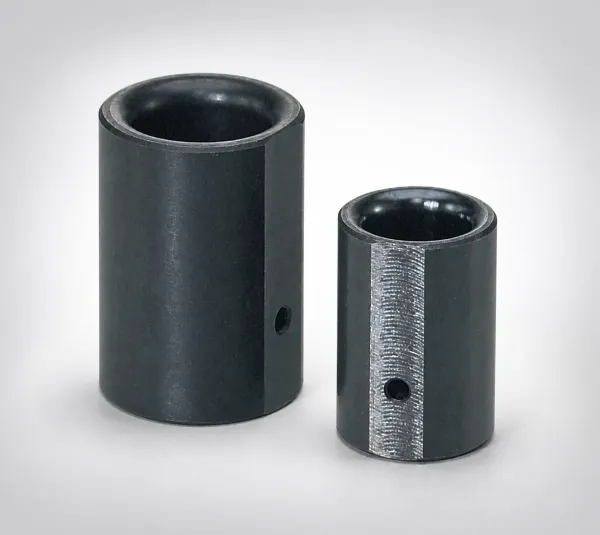
Parting Lock Bushings PLBSP PL Face
Parting Lock Bushings PLBSP for PL face mounting with removable bushing design. Built for reliable parting lock posit...
View Details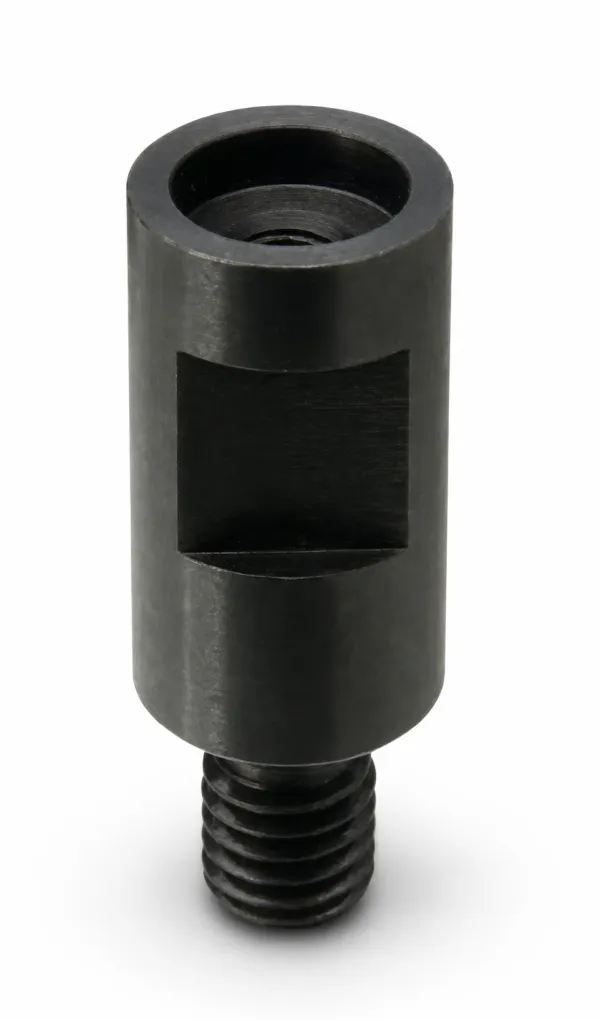
PLRD Type Parting Lock Actuator Rods for Stripper Plate
PLRD Type parting lock actuator rods for stripper plate use a durable resin sleeve design to stabilize alignment duri...
View DetailsStandard vs Heat-Resistant — How to Choose
The key differentiator is operating temperature and expected maintenance interval:
| Criteria | Standard Nylon Sleeve | Heat & Wear Resistant |
|---|---|---|
| Max. Operating Temp. | 80°C | 200°C |
| Sleeve Material | Nylon 6/6 | Glass-filled PEEK or reinforced nylon |
| Typical Sleeve Life | 200K–300K cycles | 400K–600K cycles |
| Abrasion Resistance | Standard | High (glass-fiber resin compatible) |
| Cost Level | $ | $$ |
| Best For | ABS, PP, PE, PS — standard resins ≤80°C | PA (Nylon), PBT, PPS — high-temp or glass-filled resins |
Selection tip: If your mold temperature stays below 80°C and you run commodity resins, the standard nylon sleeve is the most cost-effective choice. For more detail, see our How to Select Nylon Sleeve Parting Locks — Standard vs Heat-Resistant Options.
Lock Body + Bushing Pairing
Each parting lock body requires a matching bushing in the opposing plate:
Parting Lock Body (Standard or Heat-Resistant)
Select by nominal diameter: 10, 13, 16, or 20 mm.
Parting Lock Bushing (1045 Steel or PLBSP)
Match nominal diameter. Choose standard (permanent) or removable (PLBSP) based on maintenance access needs.
Parting Lock (Stripper Plate Installation)
When lock body cannot be accessed from PL face directly.
Actuator Rod (PLRD Type)
Extends lock engagement to stripper plate mechanism. Required only for indirect-access configurations.
How Tapered Bolt Locking Works
Self-Centering Taper Engagement
The tapered bolt tip (typically 5-8° included angle) enters the resin sleeve bore as the mold closes. The taper geometry creates a wedge action that centers the bolt within the sleeve, compensating for plate misalignment up to ±0.05 mm. As the bolt seats fully, friction between the hardened steel taper and the resin sleeve generates the holding force that locks the parting surface.
Holding Force and Sequence Control
The holding force depends on three factors: taper angle (steeper = higher force but faster wear), sleeve material (PEEK > nylon), and nominal diameter (larger = more contact area). By selecting locks with different holding forces at each parting line, engineers create a controlled opening sequence — the parting surface with the lowest holding force opens first.
Engineering note: The taper angle is the single most important design parameter. For detailed mechanics, see our Why Tapered Bolt Design Ensures Reliable Parting Lock Alignment.
Application Scenarios
Standard Three-Plate Mold Production
High-volume production of commodity plastic parts (ABS, PP) at mold temperatures ≤80°C. Requires affordable, proven parting lock with predictable maintenance schedule.
Why it fits: Standard nylon sleeve locks provide reliable sequence control at the lowest per-unit cost. Sleeve replacement is a quick 15-minute operation during scheduled maintenance.
High-Temperature Engineering Resin Molds
Molding glass-filled PA, PBT, or PPS at mold temperatures 100-180°C. Standard nylon sleeves degrade rapidly at these temperatures.
Why it fits: Heat-resistant sleeves maintain structural integrity up to 200°C and resist abrasion from glass fibers, extending maintenance intervals by 2× vs standard sleeves.
Frequently Asked Questions
What is the maximum operating temperature for standard nylon sleeve parting locks?+
How do tapered bolt and resin sleeve parting locks achieve alignment?+
What is the difference between PL, PLB, and PLP mounting types?+
When should I upgrade from standard to heat-and-wear-resistant parting locks?+
Engineering Resources
How to Select Nylon Sleeve Parting Locks — Standard vs Heat-Resistant Options
Complete selection guide comparing standard nylon vs heat-resistant parting lock configurations.
Why Tapered Bolt Design Ensures Reliable Parting Lock Alignment
Engineering analysis of taper geometry, centering mechanics, and force distribution.
Need a Custom Quote?
Specify nominal diameter (10/13/16/20 mm), temperature rating, mounting type (PL/PLB/PLP), and bushing type. Standard and heat-resistant configurations available.