Stepped Support Pillars
Support pillars with a press-fit shoulder step that positively locates in the mold plate bore — eliminating pillar shift during high-tonnage clamping.
Products
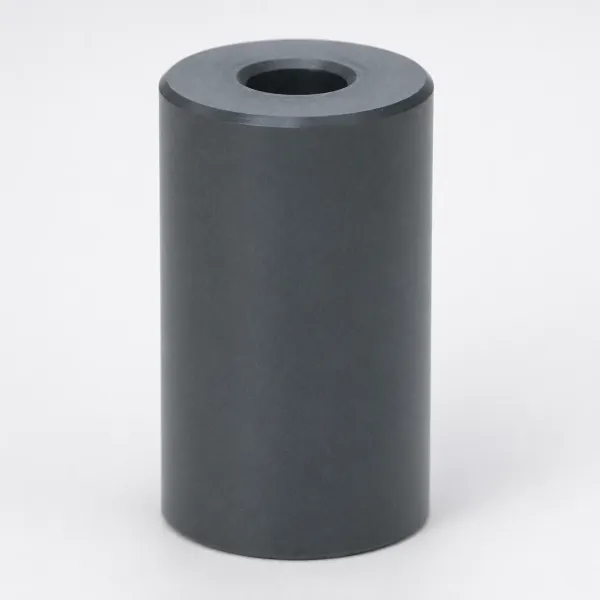
Support Pillars Counterbore Through Bolt Hole (HN) | Configurable Length | Stability & Alignment
Support Pillars Counterbore Through Bolt Hole (HN) provide multiple mounting options for alignment and structural stability. Durable, easy assembly—or
View Details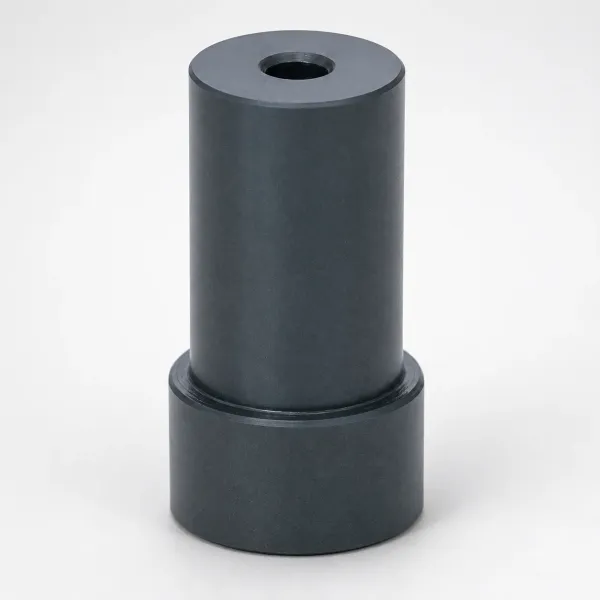
Type SPLF Stepped Support Pillars - Counterbore | Adjustable Alignment Stability
Type SPLF Stepped Support Pillars with counterbore provide stable, stepped load support and accurate alignment. Durable for heavy industrial use. Requ
View DetailsWhy Stepped Pillars Simplify Installation
Round support pillars rely on a friction fit in the plate bore to stay in position. Under high clamping loads and thermal expansion cycles, friction fits can loosen, allowing the pillar to shift laterally. This creates a gap between pillar and bore that reduces effective load capacity.
Stepped support pillars solve this with a shoulder (larger diameter section) that press-fits into a counterbored hole in the mold base. The shoulder provides positive mechanical retention — the pillar physically cannot shift because the counterbore traps the shoulder. The smaller-diameter shaft extends through the support plate with clearance.
Installation is simpler because only the shoulder bore needs to be precision-machined (H7 interference fit). The shaft clearance bore can be ±0.1 mm — standard drilling accuracy.
Engineering note: For the full technical explanation, see Why Stepped Support Pillars Simplify Mold Base Installation.
About Stepped Support Pillars
Stepped support pillars feature a shoulder that press-fits into a counterbored hole in the mold base, providing positive mechanical retention. The larger shoulder prevents lateral shift under clamping load, while the smaller shaft extends through the plate with clearance fit. This self-locating design simplifies installation and eliminates the risk of pillar displacement.
Application Scenarios
High-Vibration Mold Environments
Molds in high-vibration environments (near stamping presses) experience pillar loosening with standard friction-fit round pillars.
Why it fits: The stepped shoulder provides mechanical retention that resists vibration-induced loosening.
Frequently Asked Questions
What is the advantage of a stepped pillar over a round pillar?+
How is a stepped support pillar installed in the mold base?+
What are the standard step dimensions available?+
Engineering Resources
Need Custom Stepped Support Pillars?
Precision stepped support pillars manufactured to JIS and DIN standards. Custom dimensions available. MOQ 1 piece.