Ball Cage Leader Bushings
Rolling-element bushings with recirculating ball bearings — near-zero static friction for ultra-precision optical and micro-connector molds.
Ball Cage Leader Bushings (5 Products)
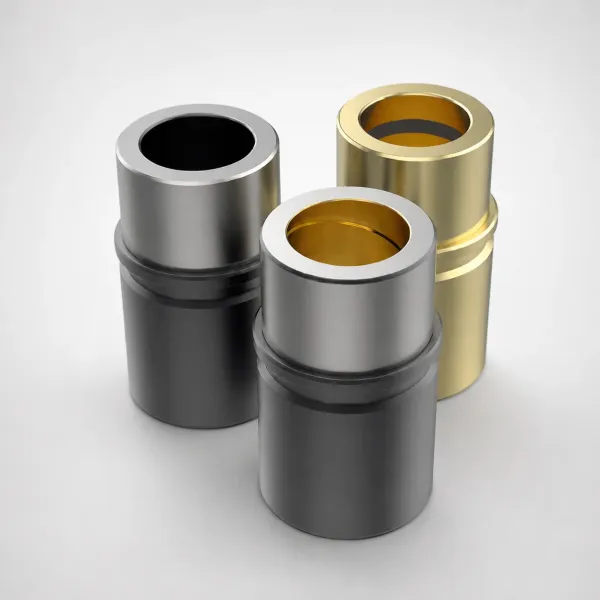
ISO 9448-6 Guide Bushings with Collar, Long Steel Options | Reduced Maintenance
ISO 9448-6 Guide Bushings with Collar in Long versions for stable die support. Choose bronze-coated, sintered FE, or graphite-ring options for smooth
View Details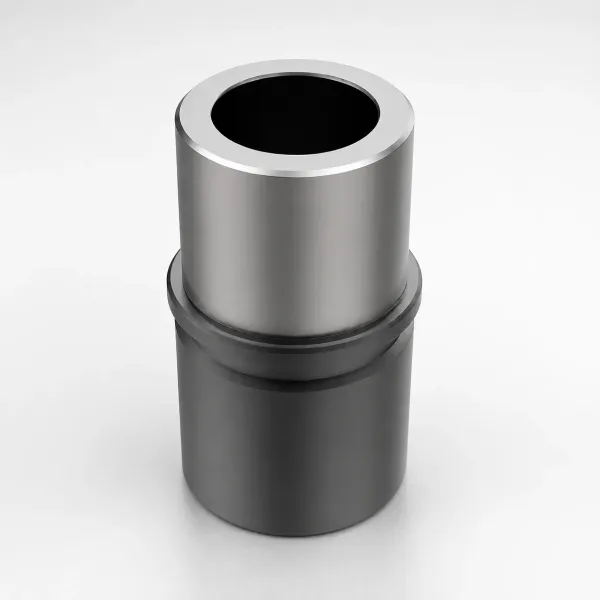
ISO 9448-6 Guide Bushings Long Version with Collar | Sinter FE Lubrication
ISO 9448-6 Guide Bushings Long Version with Collar for long-travel die and guide applications. Sinter FE long-term lubrication for stable performance.
View Details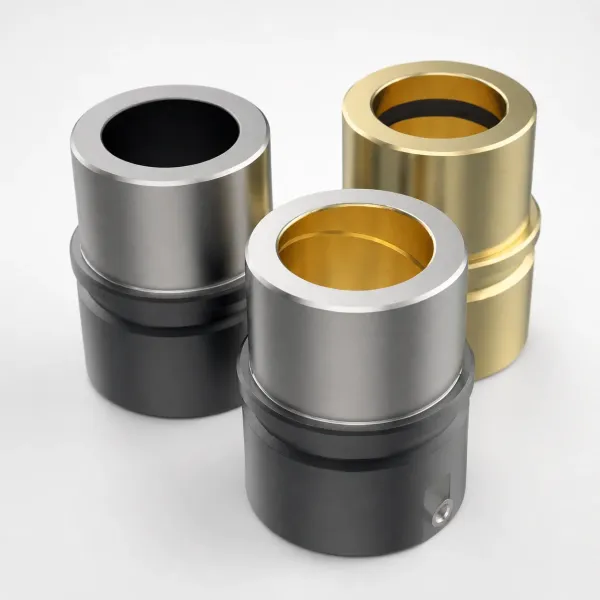
ISO 9448-6 Guide Bushings With Collar | Medium Height | Hardened 50~54 HRC
ISO 9448-6 guide bushings with collar for die and mold alignment. Medium height options in bronze-coated, sintered metal or graphite-lubricated harden
View Details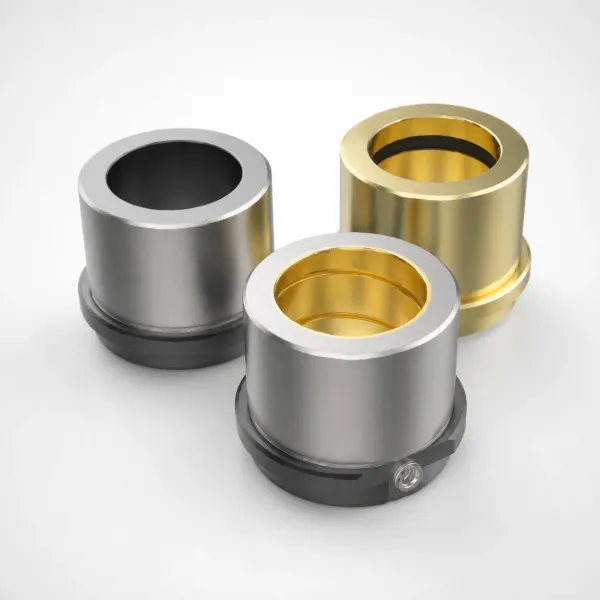
ISO 9448-6 Guide Bushings with Collar, Short Height | Hardness 50~54 HRC Options
ISO 9448-6 Guide Bushings with Collar in Short Height. Choose bronze-coated C40 bronze, sintered FE, or bronze with graphite rings. Request a quote.
View Details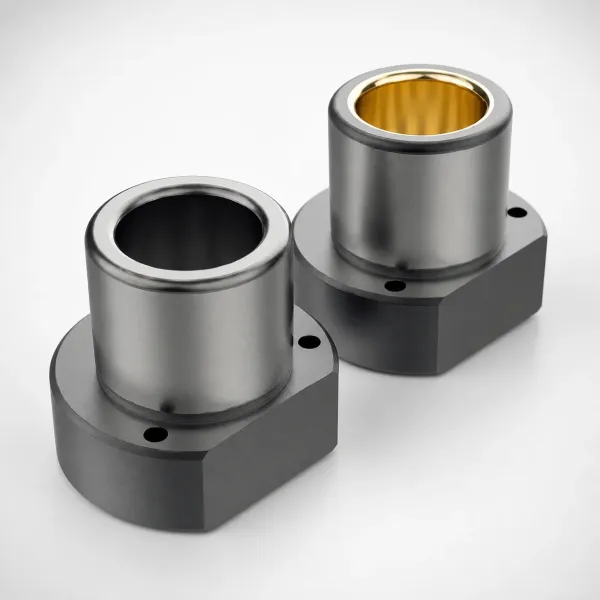
ISO 9448-4 Bronze Flanged Guide Bushings - One Side Flanged Long | MISUMI
ISO 9448-4 flanged guide bushings for die and mold alignment. Long one-side flanged bronze bushing options with controlled hardness—request a quote.
View Details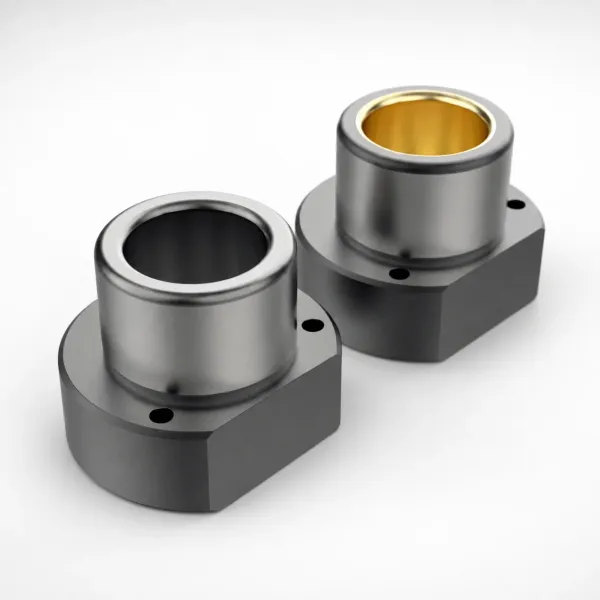
ISO 9448-4 Bronze Flanged Guide Bushings, One Side Flanged | MISUMI
ISO 9448-4 bronze flanged guide bushings with one side flange support stable die guidance and alignment. Hardened 52~63 HRC for durability. Request a
View Details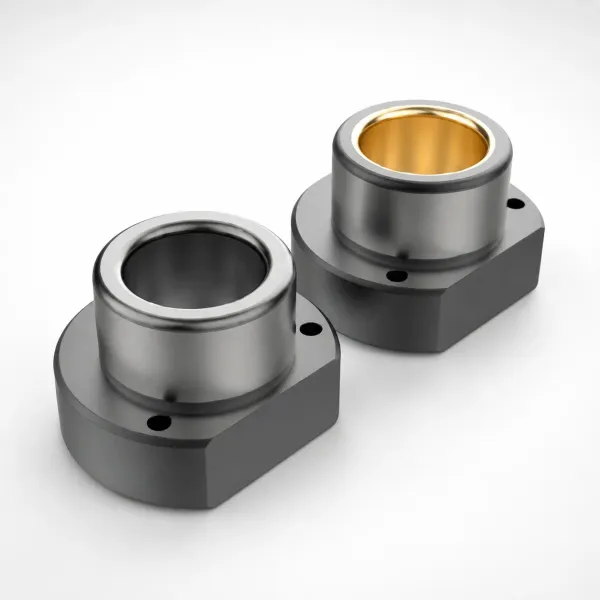
ISO 9448-4 Flanged Guide Bushings Short Bronze Bushing | MISUMI Advantage
ISO 9448-4 flanged guide bushings short for stable die alignment. (Bronze bushing) with 61~63 HRC or coated option for wear resistance. Request a quot
View Details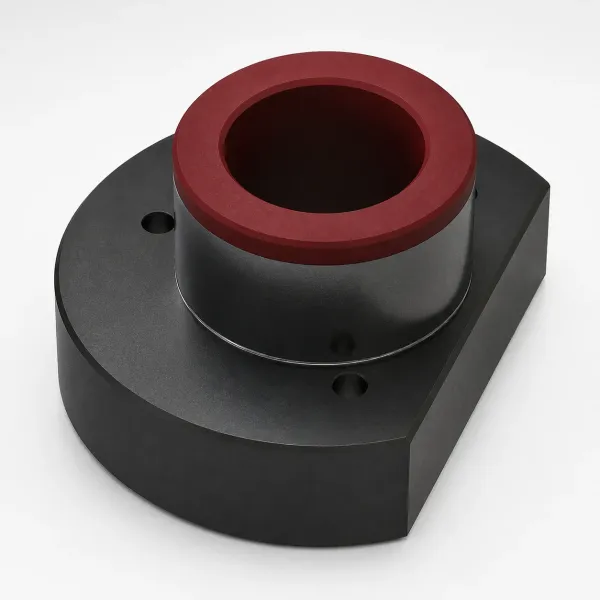
DC-DGBI4S Flanged Guide Bushings | Short/Medium/Long, Low Friction DAYComp | Engineering Reliability
DC-DGBI4S flanged guide bushings for forming tools with low-friction DAYComp sliding performance. Reduce abrasive wear and extend service life—request
View DetailsHow Ball Cage Bushings Achieve Higher Precision
Ball cage leader bushings replace sliding contact with rolling contact. Recirculating steel balls (typically Ø3-6 mm, Grade 10-25) roll between the leader pin shaft and the bushing bore, guided by a steel retainer cage. This eliminates static friction (stick-slip) entirely, providing smooth, linear motion from the first micron of travel.
The precision advantage comes from three factors:
- Zero stick-slip: Sliding bushings have 3-5x higher static friction than dynamic friction, causing jerky initial motion. Ball bearings have equal static and dynamic friction.
- Reduced radial clearance: Ball preload can reduce effective clearance to < 0.005 mm, compared to 0.013-0.034 mm for H7/g6 sliding fit.
- No wear-in period: Sliding bushings need 10K-50K cycles to develop a smooth wear surface. Ball bushings achieve full precision from cycle 1.
When to Upgrade — ROI Calculation
| Factor | Oil-Groove Bushing | Ball Cage Bushing |
|---|---|---|
| Unit Price (Ø25) | $30 | $110 |
| Alignment Precision | ± 0.017 mm | ± 0.005 mm |
| Flash Scrap Rate | 2-5% (edge cavities) | < 0.5% |
| Annual Scrap Cost (est.) | $8,000 – $20,000 | $0 – $2,000 |
Cost analysis: For a full financial comparison, see When to Upgrade to Ball Cage Bushings — ROI Calculation Guide.
About Ball Cage Leader Bushings
Ball cage leader bushings use recirculating steel ball bearings guided by a precision retainer cage to convert sliding friction to rolling friction. The result: near-zero static friction, ±0.005 mm alignment precision, and 2-5 million cycle service life. The premium choice for optical lens molds, micro-connector molds, and any application where flash elimination is critical.
Application Scenarios
Optical Lens Molds
Optical molds need sub-10 µm alignment to maintain lens center thickness and optical axis accuracy.
Why it fits: Ball cage bushings provide ±0.005 mm alignment with zero stick-slip — essential for optical concentricity requirements.
Micro-Connector Molds
Connector molds with 0.3-0.5 mm pin pitch cannot tolerate parting line flash that blocks pin insertion.
Why it fits: Rolling contact eliminates the micro-movements (stick-slip) that cause momentary misalignment during mold close.
Frequently Asked Questions
How does the ball cage retention mechanism work?+
What is the maximum mold opening speed for ball cage bushings?+
How much more precise are ball cage bushings vs plain?+
Engineering Resources
How Ball Cage Leader Bushings Achieve Higher Precision Than Plain Bushings
Engineering analysis of rolling vs sliding contact and the three precision advantages of ball cage design.
When to Upgrade to Ball Cage Bushings — ROI Calculation Guide
Financial analysis comparing scrap reduction vs bushing upgrade cost for production molds.
Need Custom Ball Cage Leader Bushings?
Precision ball cage leader bushings manufactured to JIS and DIN standards. Custom dimensions available. MOQ 1 piece.