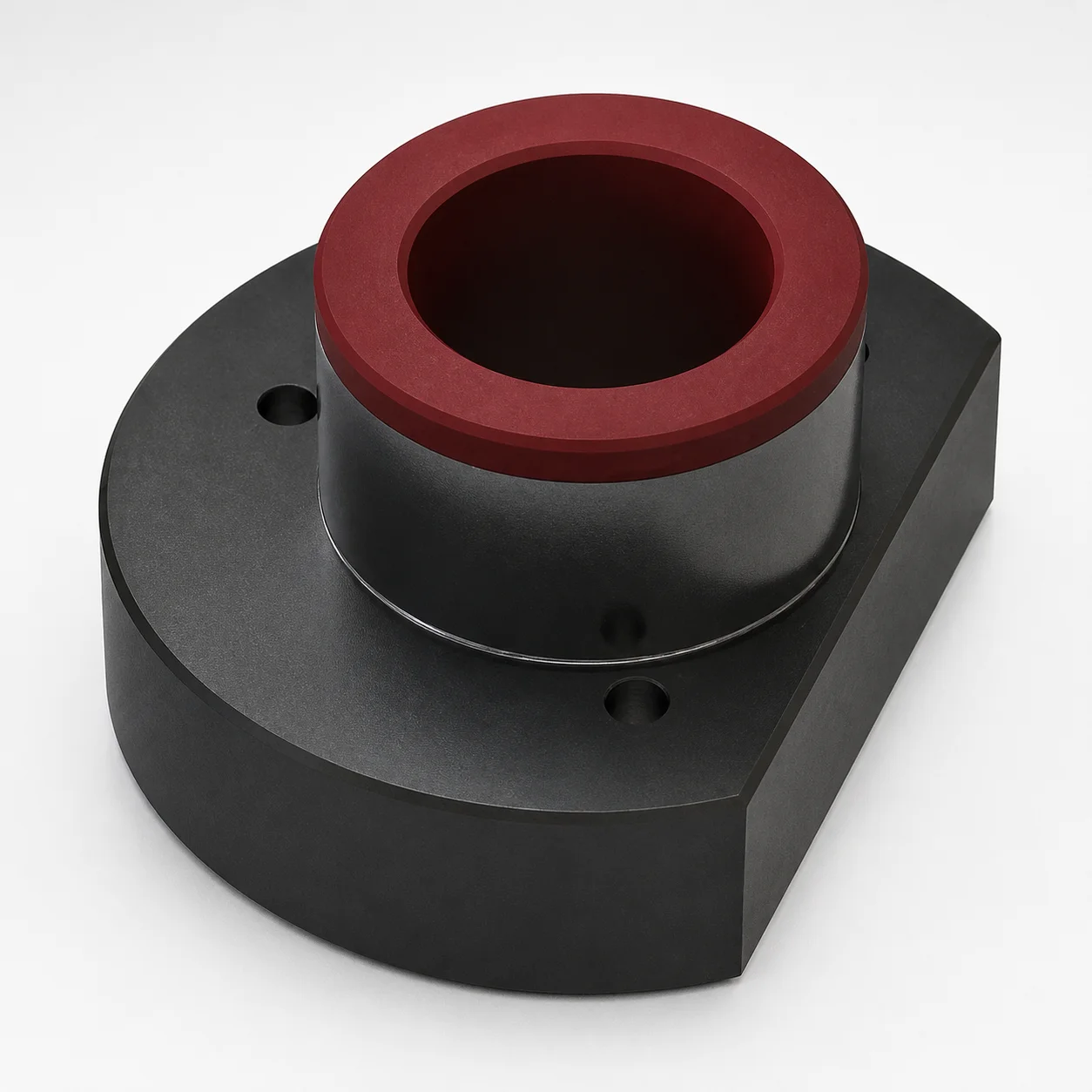
DC-DGBI4S Flanged Guide Bushings
DC-DGBI4S flanged guide bushings are engineered for forming tools, using low-friction DAYComp composite sliding surfaces to limit dust adhesion and abrasive wear. They help maintain stable guiding performance over long production runs.
- Flanged guide design improves alignment and supports consistent tool motion
- Low coefficient of friction DAYComp reduces abrasive wear and extends service life
- Supports variable lengths (short/medium/long) for fit to different tool layouts
- Designed for guide and sliding applications in demanding forming environments
Specifications
105 configurations available
| D (mm) | L (mm) | Process Temperature (°C) | Version 1 |
|---|---|---|---|
| 19 | 38 | Up to 160 | Short height |
| 19 | 38 | Up to 110 | Short height |
| 19 | 38 | Up to 390 | Short height |
| 19 | 45 | Up to 160 | Medium height |
| 19 | 45 | Up to 110 | Medium height |
| 19 | 45 | Up to 390 | Medium height |
| 19 | 52 | Up to 160 | Long height |
| 19 | 52 | Up to 110 | Long height |
| 19 | 52 | Up to 390 | Long height |
| 20 | 38 | Up to 160 | Short height |
| 20 | 38 | Up to 110 | Short height |
| 20 | 38 | Up to 390 | Short height |
| 20 | 45 | Up to 160 | Medium height |
| 20 | 45 | Up to 110 | Medium height |
| 20 | 45 | Up to 390 | Medium height |
| 20 | 52 | Up to 160 | Long height |
| 20 | 52 | Up to 110 | Long height |
| 20 | 52 | Up to 390 | Long height |
| 24 | 38 | Up to 160 | Short height |
| 24 | 38 | Up to 110 | Short height |
| 24 | 38 | Up to 390 | Short height |
| 24 | 55 | Up to 160 | Medium height |
| 24 | 55 | Up to 110 | Medium height |
| 24 | 55 | Up to 390 | Medium height |
| 24 | 62 | Up to 160 | Long height |
| 24 | 62 | Up to 110 | Long height |
| 24 | 62 | Up to 390 | Long height |
| 25 | 38 | Up to 160 | Short height |
| 25 | 38 | Up to 110 | Short height |
| 25 | 38 | Up to 390 | Short height |
| 25 | 55 | Up to 160 | Medium height |
| 25 | 55 | Up to 110 | Medium height |
| 25 | 55 | Up to 390 | Medium height |
| 25 | 62 | Up to 160 | Long height |
| 25 | 62 | Up to 110 | Long height |
| 25 | 62 | Up to 390 | Long height |
| 30 | 45 | Up to 160 | Short height |
| 30 | 45 | Up to 110 | Short height |
| 30 | 45 | Up to 390 | Short height |
| 30 | 62 | Up to 160 | Medium height |
| 30 | 62 | Up to 110 | Medium height |
| 30 | 62 | Up to 390 | Medium height |
| 30 | 72 | Up to 160 | Long height |
| 30 | 72 | Up to 110 | Long height |
| 30 | 72 | Up to 390 | Long height |
| 32 | 45 | Up to 160 | Short height |
| 32 | 45 | Up to 110 | Short height |
| 32 | 45 | Up to 390 | Short height |
| 32 | 62 | Up to 160 | Medium height |
| 32 | 62 | Up to 110 | Medium height |
Product Guide
Application Scenarios+
This flanged guide bushing is designed for forming tooling where stable leader and sliding guidance is critical under repetitive press cycles. The flanged geometry helps keep the guide aligned as the tool moves, improving motion stability and reducing the risk of side-loading in the guide path.
In automotive stamping and forming, these bushings are typically installed in guide and wear zones to support long runs while limiting dust adhesion and abrasive wear. The low-friction DAYComp sliding surface is suited for environments where fine debris can otherwise accelerate wear and increase clearances.
They are also used in industrial housings and appliance forming tools that require repeatable part positioning. Select the appropriate short, medium, or long height version to match your tool layout and stack-up, helping achieve consistent fit between stationary guide elements and moving components.
- Flanged alignment improves guidance stability
- Low-friction DAYComp helps reduce abrasive wear
- Short/medium/long height supports multiple tool layouts
Material & Process Details+
The DC-DGBI4S variant uses a DAYComp composite sliding surface engineered for low friction and reduced dust adhesion. In service, this material choice targets improved wear performance in guide/sleeve applications where abrasive particles can cause progressive clearancing.
While the provided specifications do not list a specific steel grade, the key functional material attribute is the DAYComp low-friction interface, which shifts the design focus toward wear reduction rather than maximum hardness alone.
- Heat performance (process temperature): use up to 160°C, 110°C, or 390°C depending on the operating condition defined for your tooling application.
- Wear vs. toughness trade-off: composite sliding surfaces prioritize low-friction running behavior and abrasion resistance; overly aggressive loads or misalignment can still reduce service life.
- Manufacturing process: selected to deliver a consistent sliding interface on a flanged guide bushing for repeatable tool motion.
Sizing & Selection Guide+
Correct selection is based primarily on D (shaft/guide diameter) and L (bushing length). Choose D = 19 ~ 80 mm to match the guide element diameter used in your mold/tool stack so the bushing can provide controlled clearance and smooth sliding.
Next, match the required guide engagement length using L = 38 ~ 125 mm. Longer L generally increases the guided contact length for improved stability, while shorter lengths can suit compact tool layouts.
- Version selection: pick Short height, Medium height, or Long height to match your available axial space and desired flange support.
- Fit considerations: ensure the selected D corresponds to the actual guide diameter and allows for assembly fit under production conditions.
- Tool layout match: confirm that flange height and L do not interfere with adjacent plates, ejector components, or guide blocks.
For best guiding performance, confirm both diameter (D) and engagement length (L) align with the cavity/core guidance requirements and the expected wear allowance for your application.
Frequently Asked Questions
How do I choose the right D (19–80 mm) for DC-DGBI4S guide fit in my tooling?+
What determines the correct L length (38–125 mm) when designing guide engagement for press/forming cycles?+
Which short/medium/long height version should I use for limited space guide layouts?+
What process temperature limits should I consider for DC-DGBI4S during forming tool operation?+
How does the DAYComp sliding performance affect abrasive wear and dust adhesion in leader/ejector space applications?+
Related Products
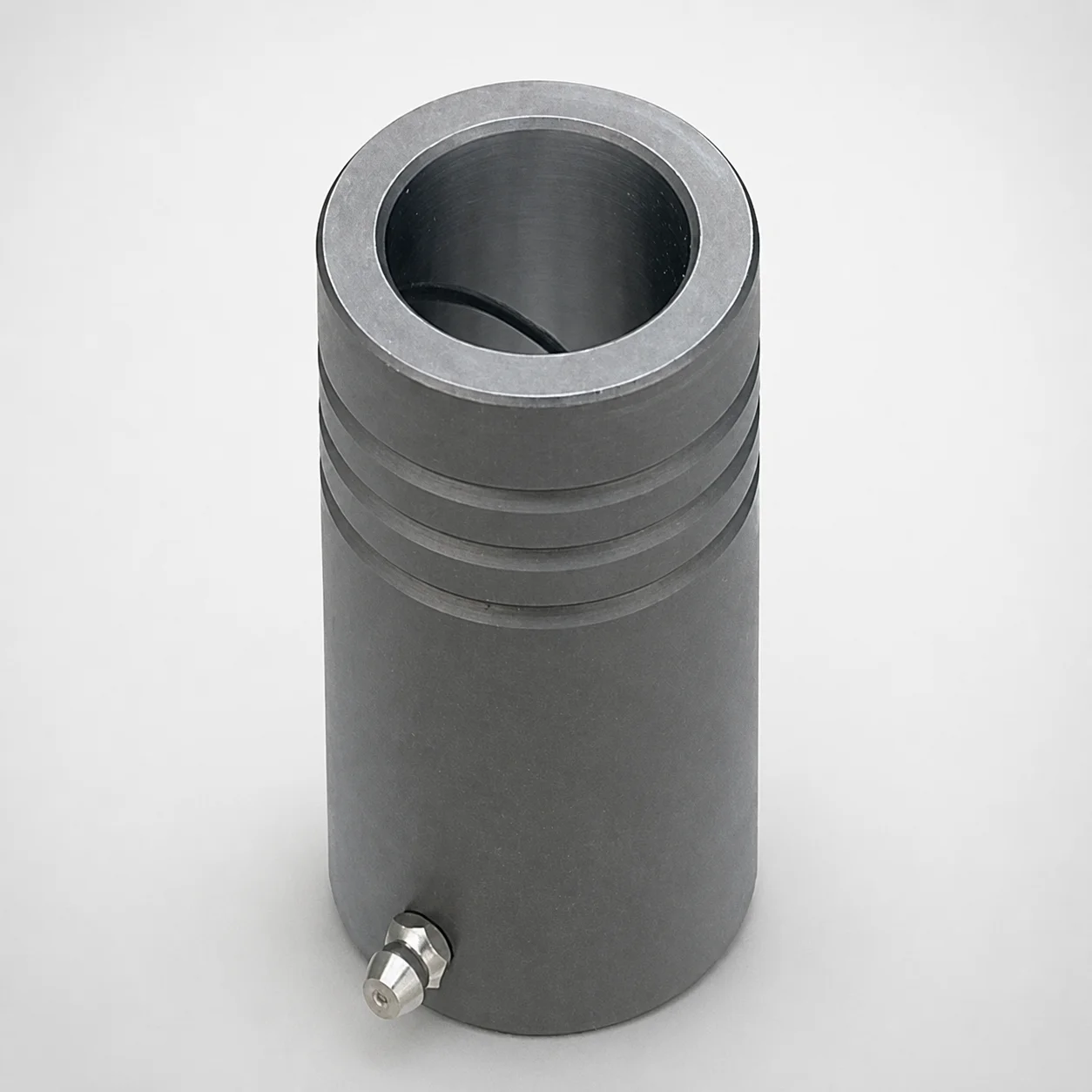
MDB Type Plain Guide Bushings for Die Sets (Oil Groove) Bonded by Devcon Adhesive
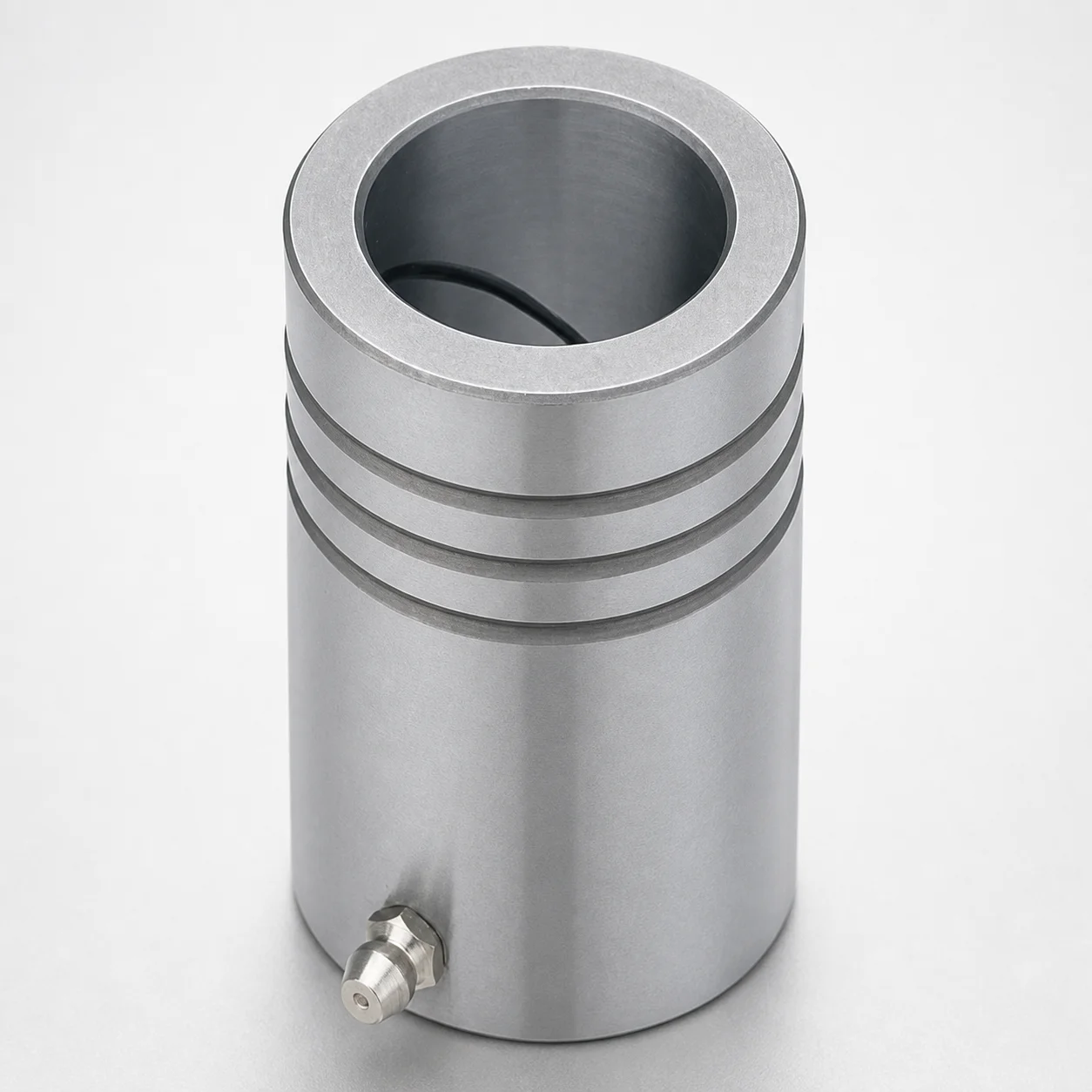
LDB Plain Guide Bushings for Die Sets
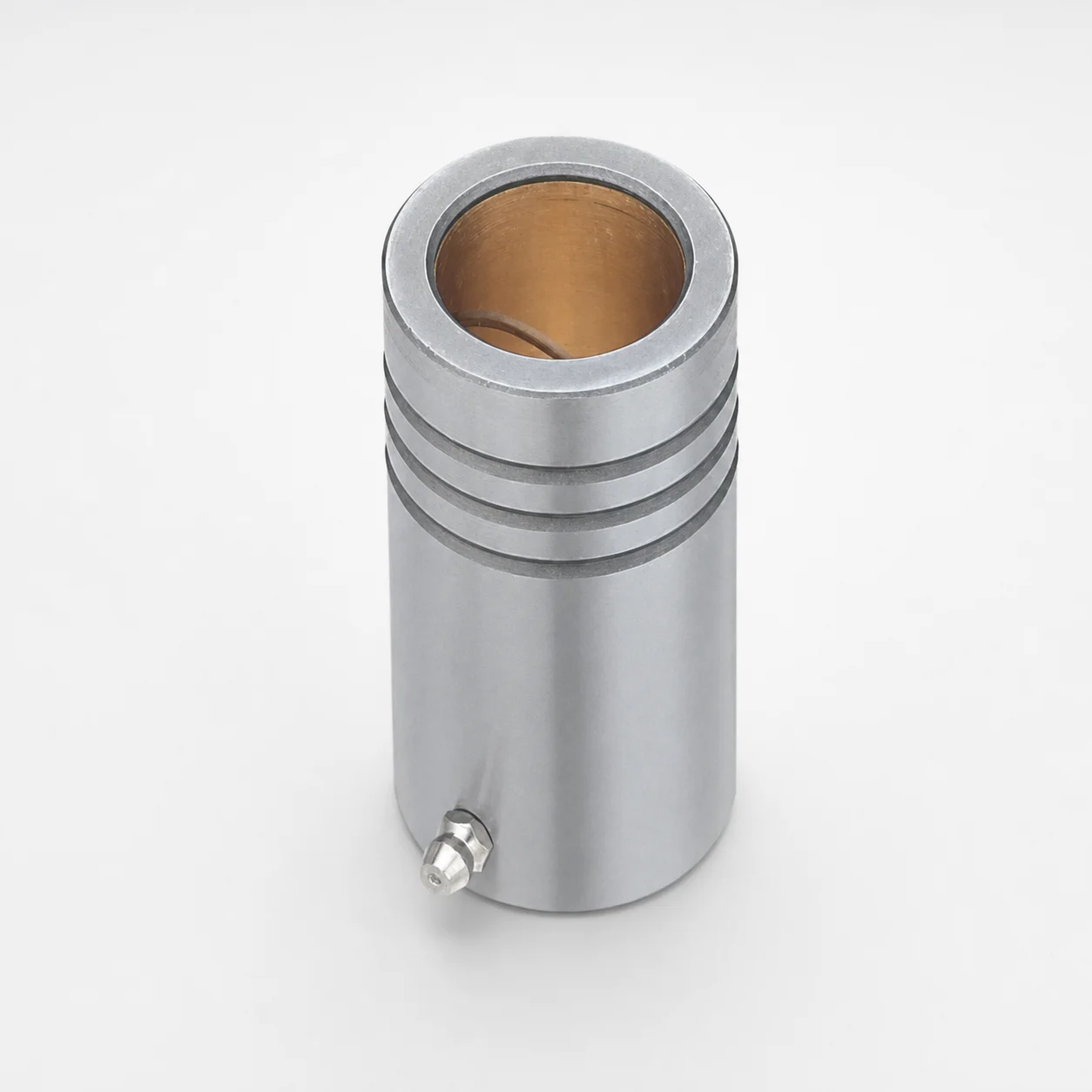
LFB Plain Guide Bushings for Die Sets with Oil Groove, Loctite Adhesive
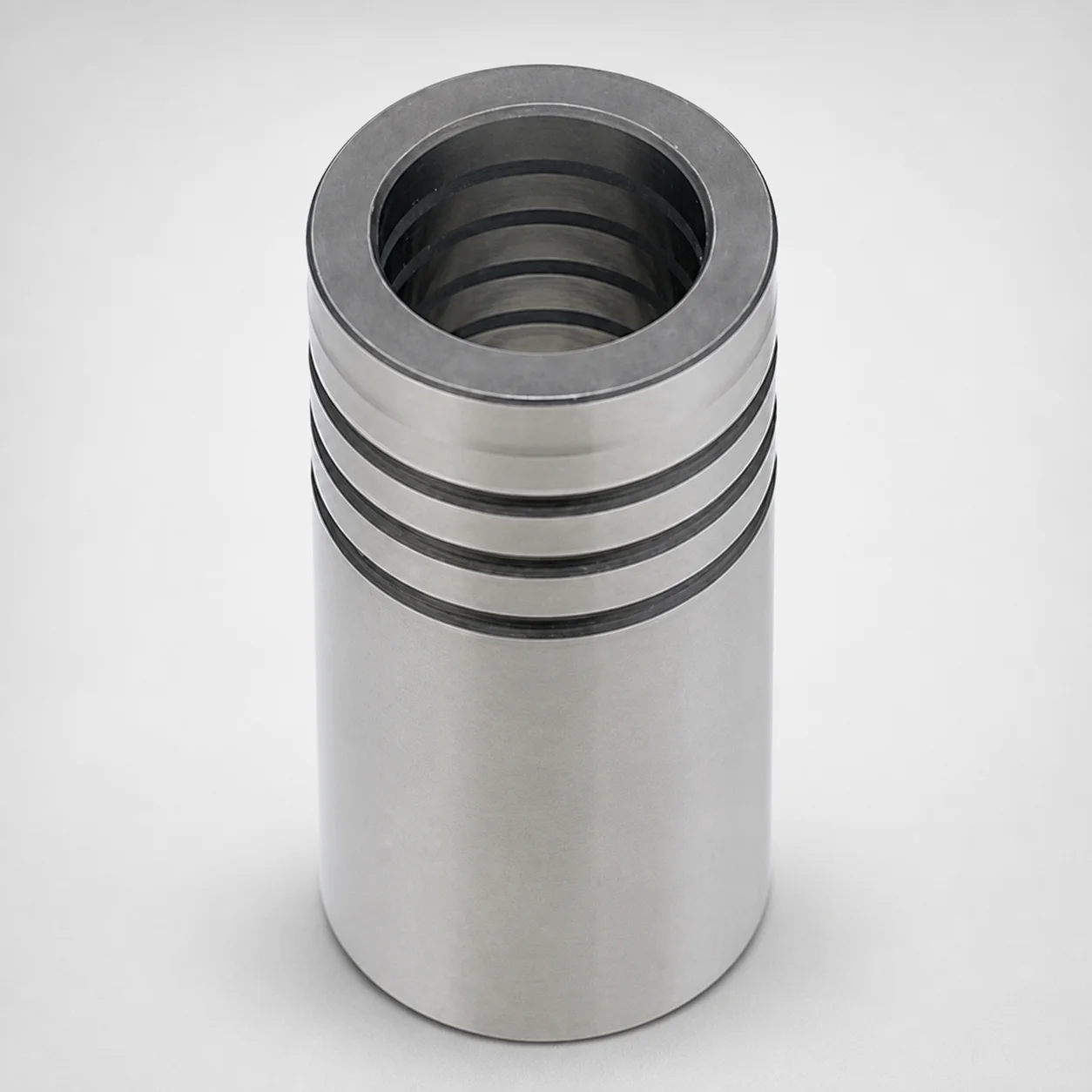
DIN Standard Oil-Free Plain Guide Bushings LDBZ
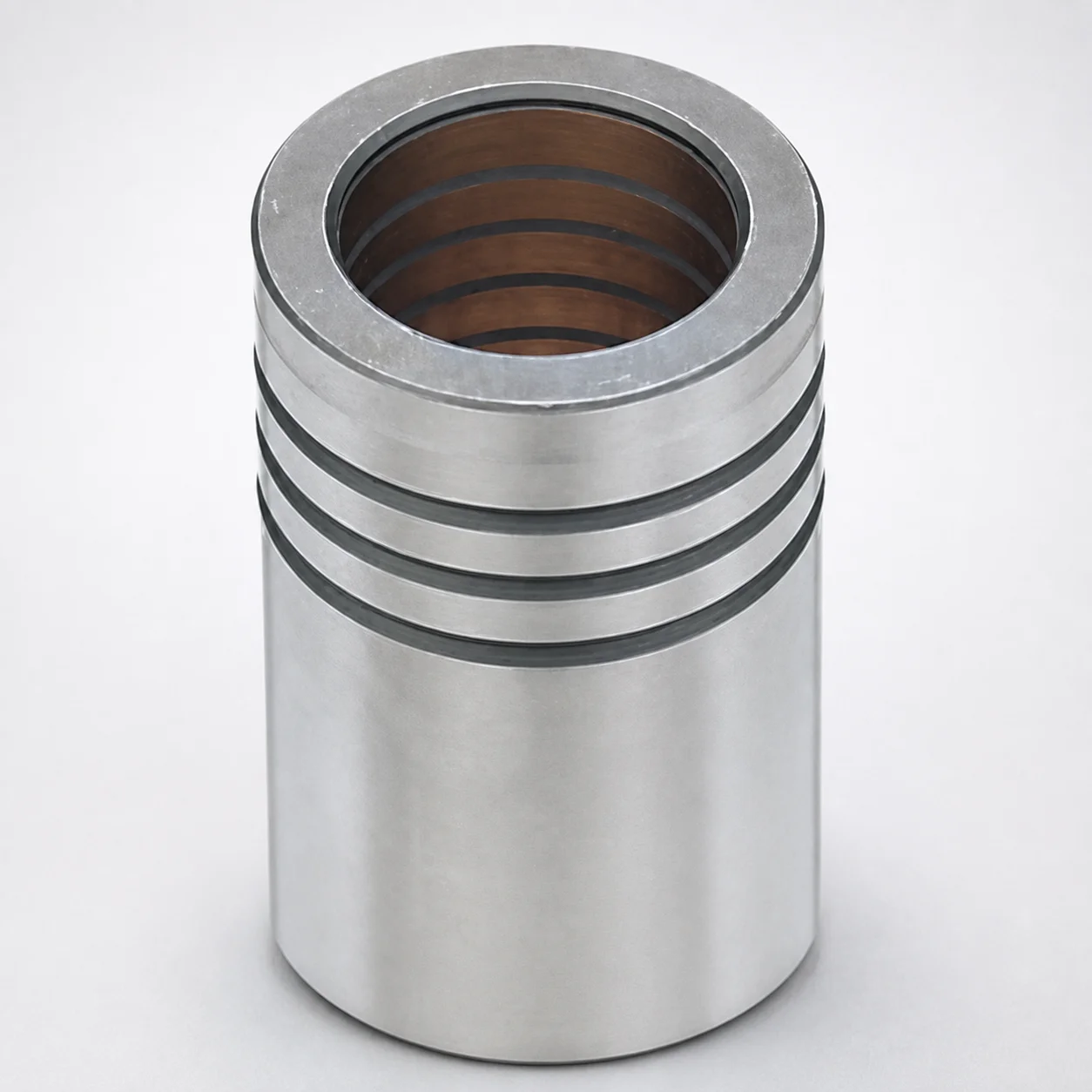
LFBZ Plain Guide Bushings for Die Sets (Oil-Free Copper Alloy) Loctite Bonded
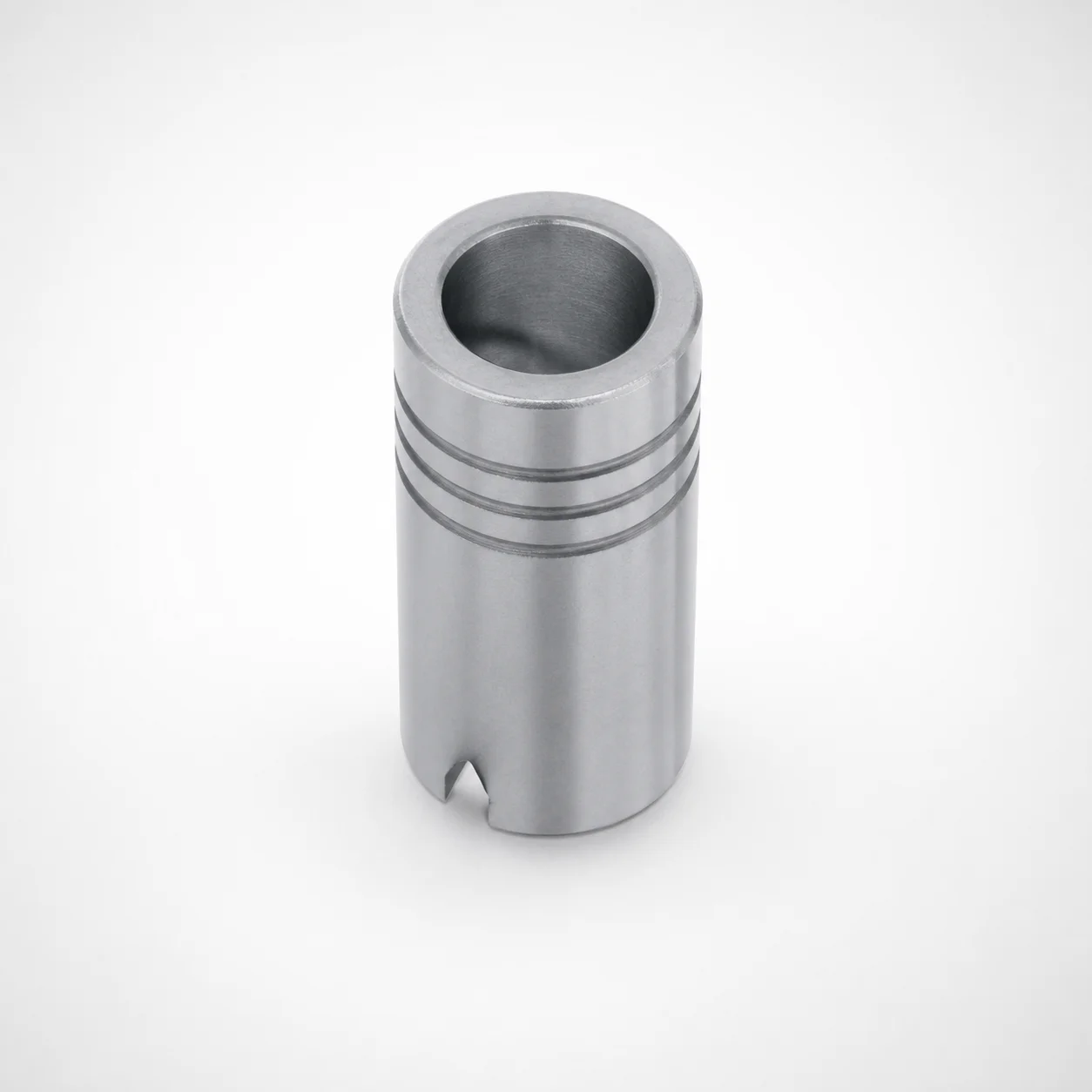
Plain Guide Bushings for Die Sets LDB
Need Custom Specifications?
Our engineering team can help with custom configurations, material selection, and volume pricing.