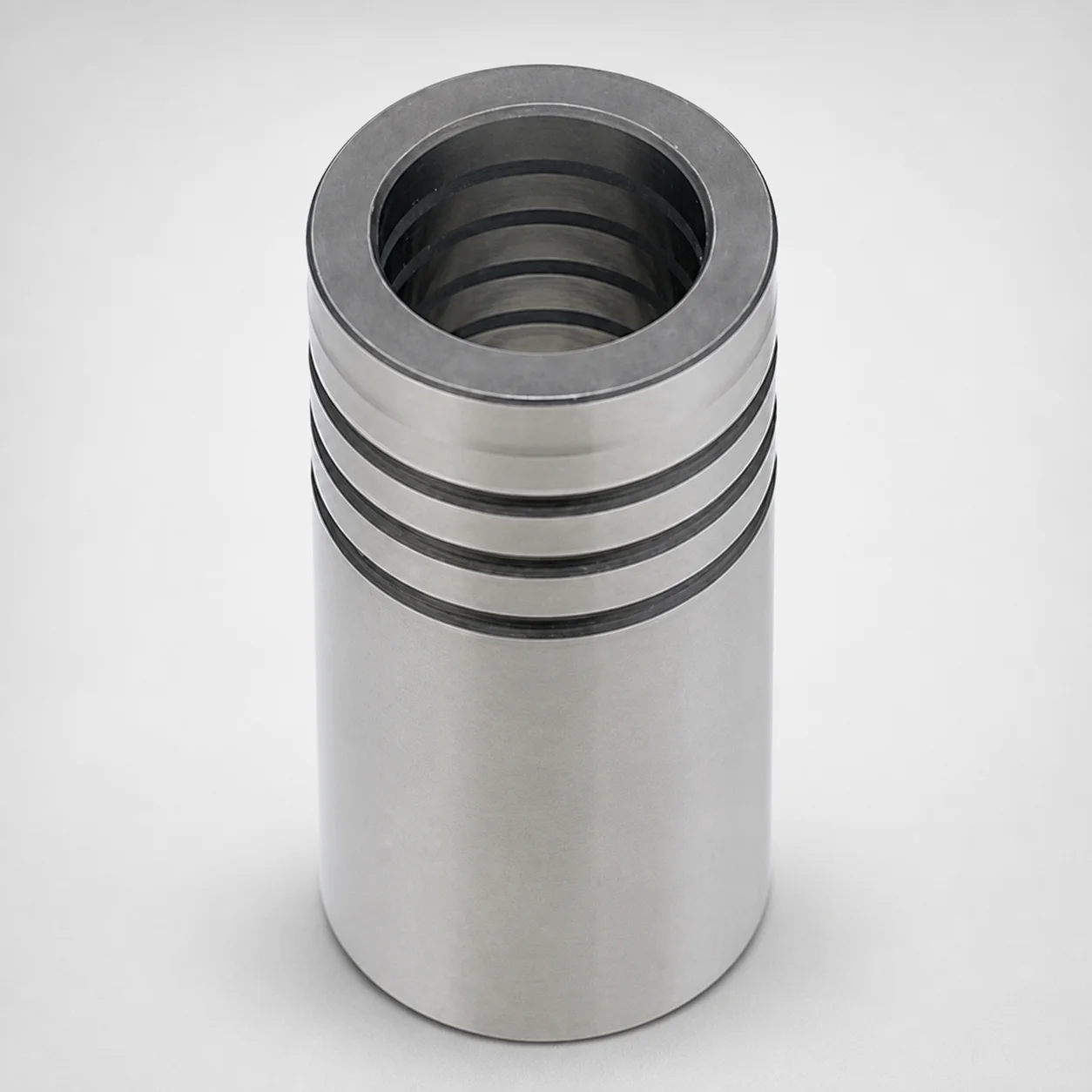
DIN Standard Oil-Free Plain Guide Bushings LDBZ
Oil-free plain guide bushings (LDBZ) are designed for die-set guidance where clean, maintenance-free operation is required. Their loctite adhesive bonding method helps achieve stable positioning and long service intervals in press applications.
- Oil-free plain guide bushing design supports smooth die alignment
- Bonded by Loctite adhesive for reliable installation without lubrication
- LDBZ type maintains consistent fit for guide performance
- Commonly used in die sets requiring clean motion and steady guidance
Specifications
15 configurations available
| d (Bushing inner diameter) (mm) | L (Length) (mm) | type |
|---|---|---|
| 20 | 50 | - |
| 22 | 50 | - |
| 22 | 60 | - |
| 25 | 60 | - |
| 25 | 80 | - |
| 28 | 60 | - |
| 28 | 80 | - |
| 32 | 80 | - |
| 32 | 100 | - |
| 38 | 80 | - |
| 38 | 100 | - |
| 45 | 100 | - |
| 45 | 120 | - |
| 50 | 100 | - |
| 50 | 120 | - |
Product Guide
Application Scenarios+
Oil-free plain guide bushings (LDBZ) are used in injection and stamping tooling where the die set must stay precisely aligned while keeping the sliding system clean. In leader/ejector leader blocks and guide posts arrangements, these bushings support smooth, low-friction movement without requiring lubrication.
- Automotive press die sets: bonded installation helps resist micro-movement during repeated press cycles, supporting stable die alignment and consistent stroke.
- Packaging and appliance forming dies: the oil-free running behavior is suited to processes that require cleaner work zones and reduced maintenance downtime.
- High-cycle manufacturing fixtures: the LDBZ variant is selected to maintain a consistent guide fit across operating cycles, improving repeatability of part positioning.
The Loctite adhesive bonding approach makes this bushing variant well suited for die housings where secure, repeatable mounting is critical, helping maintain alignment over long service intervals.
Material & Process Details+
The provided product data specifies the LDBZ design and installation method (oil-free operation with Loctite adhesive bonding) but does not list a specific steel grade or heat-treatment condition. As a result, material-property figures such as HRC hardness, nitriding, or quench-and-temper state cannot be stated from the available specifications.
For selection in precision leader/bushing applications, engineers should verify the supplied material grade (e.g., equivalent to common die steels such as H13/1.2344) and the final surface treatment through the manufacturer datasheet or CoA for wear resistance and toughness targets.
- Hardness vs. toughness trade-off: higher hardness improves wear resistance for sliding guidance, while lower hardness generally improves impact toughness against misalignment or shock loading.
- Process verification: confirm whether the bushing is surface-treated (e.g., nitriding/coating) before finalizing expected guide life.
Sizing & Selection Guide+
Select the bushing inner diameter d and length L to match the corresponding leader/guide components in your die set. This product offers d = 20 ~ 50 mm and L in fixed options: 50, 60, 80, 100, 120 mm.
- Match inner diameter (d): choose the closest d value that corresponds to the guide shaft/leader diameter used in your die design.
- Match guidance length (L): ensure L provides the required bearing length for stable alignment and load distribution in the guide zone.
- Fit & tolerance considerations: verify the functional clearance between leader and bushing in your drawings; use the manufacturer’s dimensional tolerances for slip fit/transition fit decisions.
Because d and L are specified as variable and discrete options, treat them as configurable selections for your mold cavity/core and leader geometry, while confirming tolerances and bonded installation fit constraints with the supplier.
Frequently Asked Questions
For MISUMI LDBZ oil-free guide bushings, what mounting method is used and why does it matter for die alignment?+
These LDBZ bushings are bonded with Loctite adhesive for secure mounting. In a die set, that helps reduce the risk of micro-movement after installation, which supports stable die alignment over repeated cycles.
How do I choose the correct bushing inner diameter (d) for my leader shaft?+
Select d within the available range of 20 ~ 50 mm to correspond to the leader/guide shaft diameter specified in your die design.
To ensure correct guidance performance, verify the intended clearance using the manufacturer’s tolerances for the leader-bushing interface before finalizing the cavity/core drawings.
What bushing lengths (L) are available for the LDBZ type, and how does length affect guidance stability?+
Available L values are 50, 60, 80, 100, 120 mm. A longer guidance length typically increases bearing area and can improve alignment stability under load, but it must fit your die structure and pocket depth.
Is the LDBZ bushing suitable for applications that must avoid lubrication?+
Yes. The design is described as oil-free plain guide, intended for die-set guidance where clean, maintenance-free operation is required.
This is particularly relevant for tooling environments that aim to minimize lubricant-related contamination and downtime.
Do you have confirmed hardness (HRC) and heat-treatment details for the LDBZ bushing material?+
The provided product metadata does not include a specific steel grade, HRC hardness, or heat-treatment state (e.g., quenched & tempered or nitrided). For accurate wear-life and toughness assessment, request the official material and heat-treatment specification from the supplier documentation.
Related Products
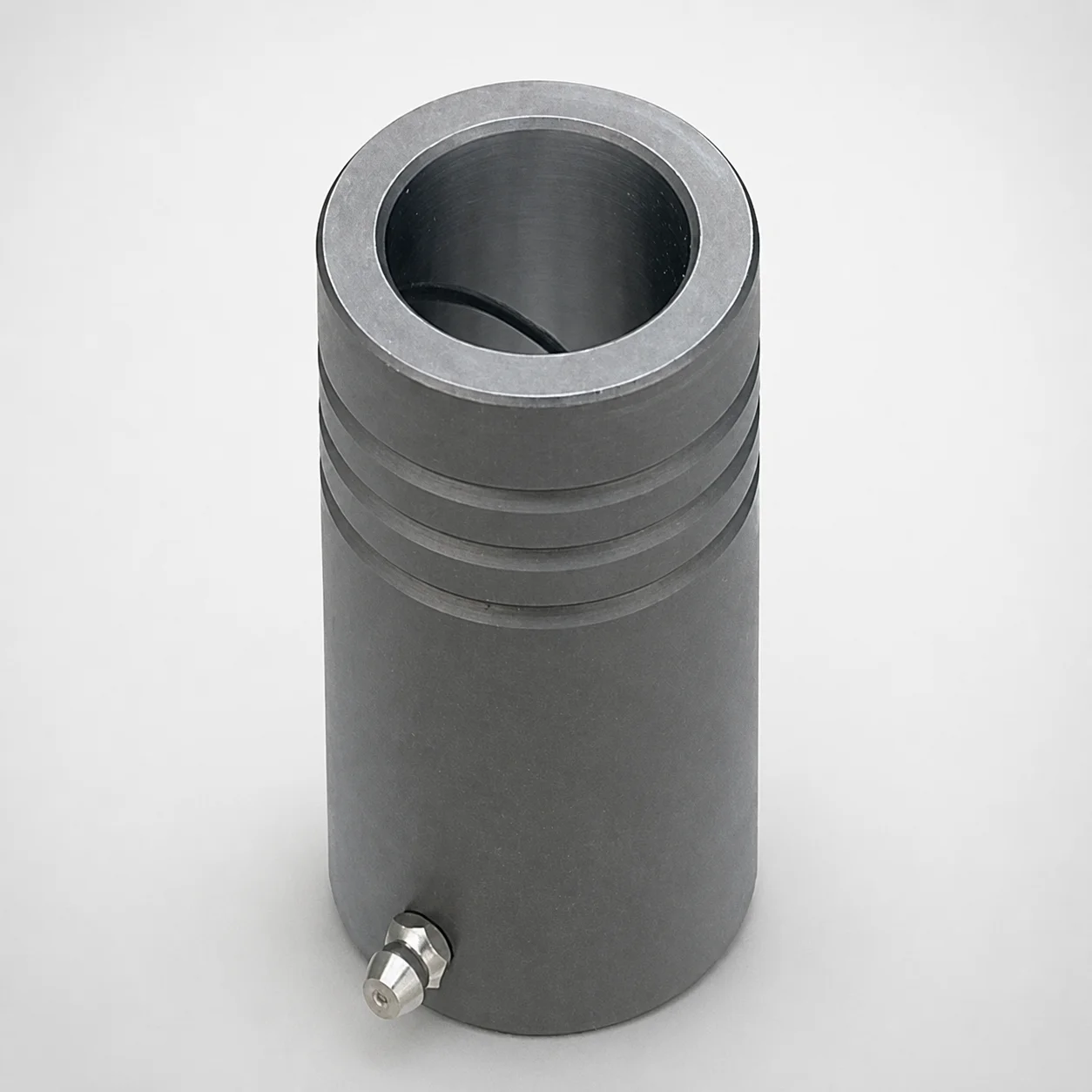
MDB Type Plain Guide Bushings for Die Sets (Oil Groove) Bonded by Devcon Adhesive
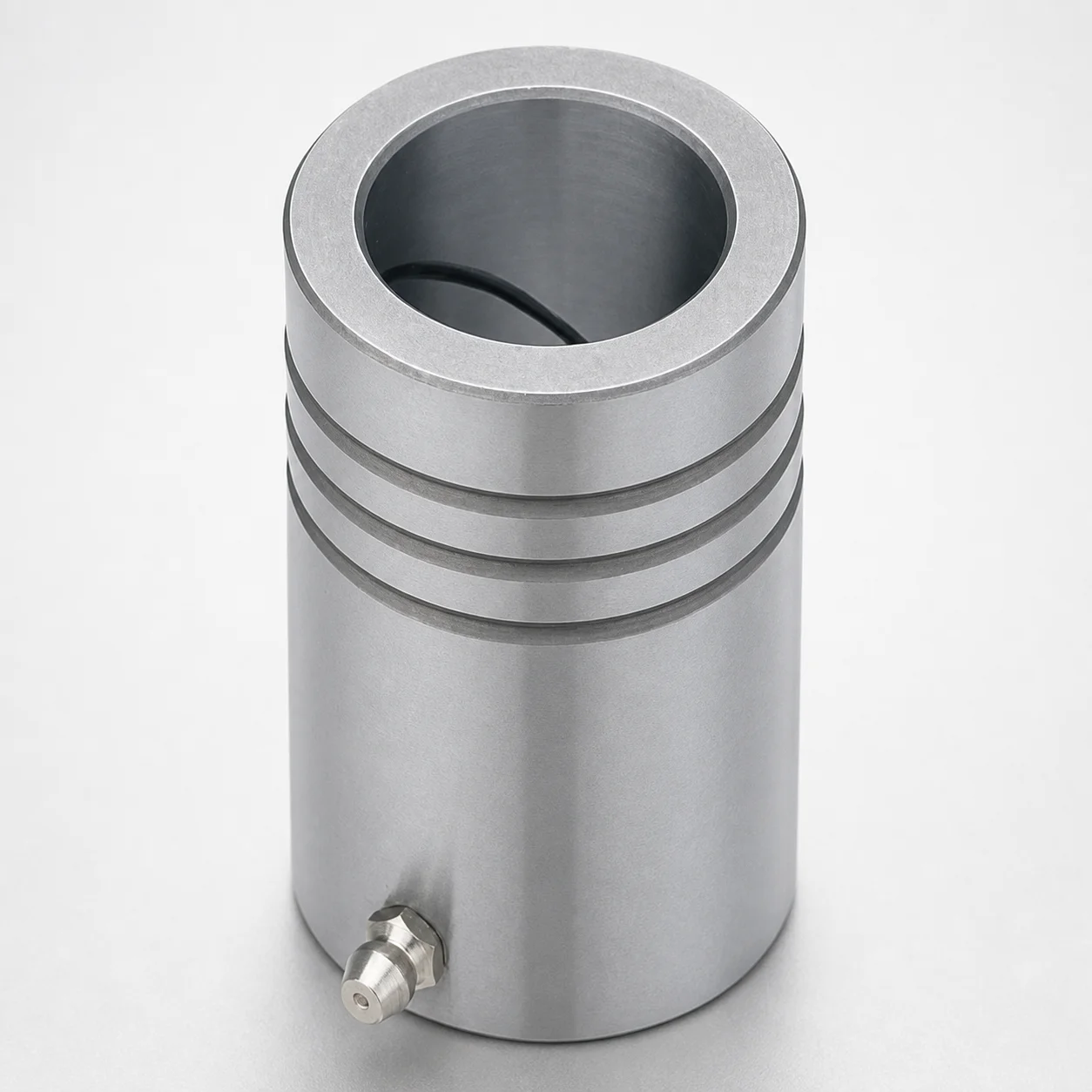
LDB Plain Guide Bushings for Die Sets
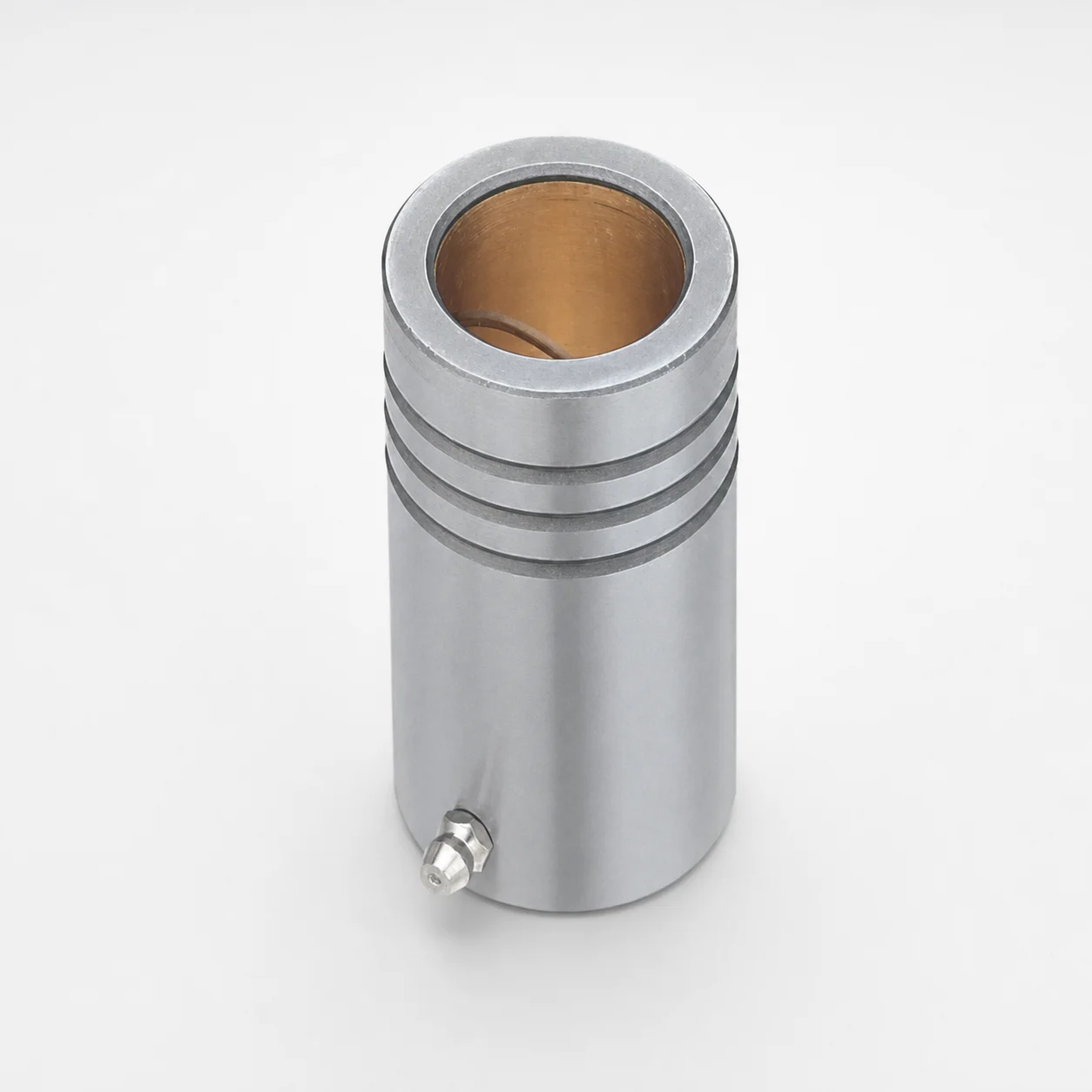
LFB Plain Guide Bushings for Die Sets with Oil Groove, Loctite Adhesive
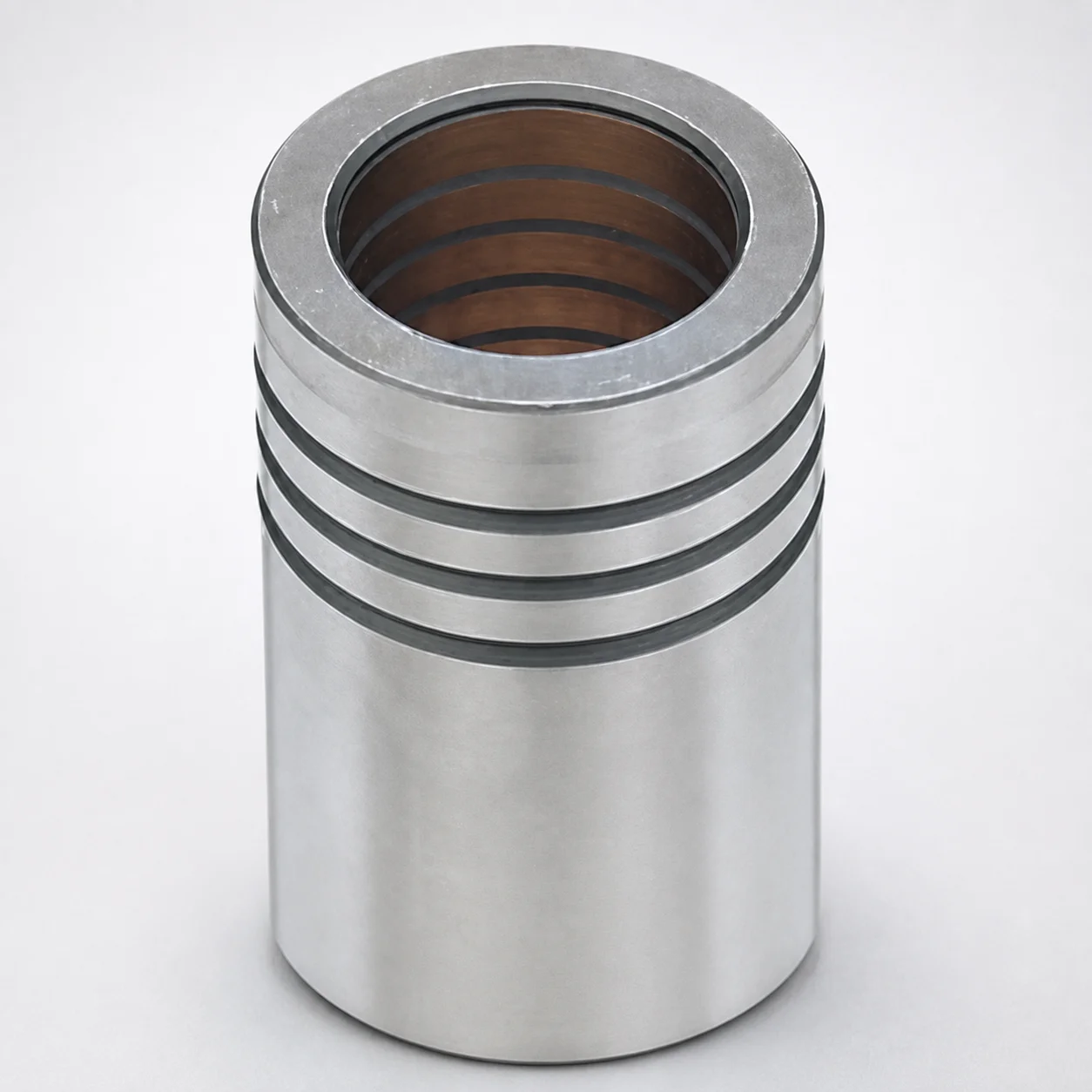
LFBZ Plain Guide Bushings for Die Sets (Oil-Free Copper Alloy) Loctite Bonded
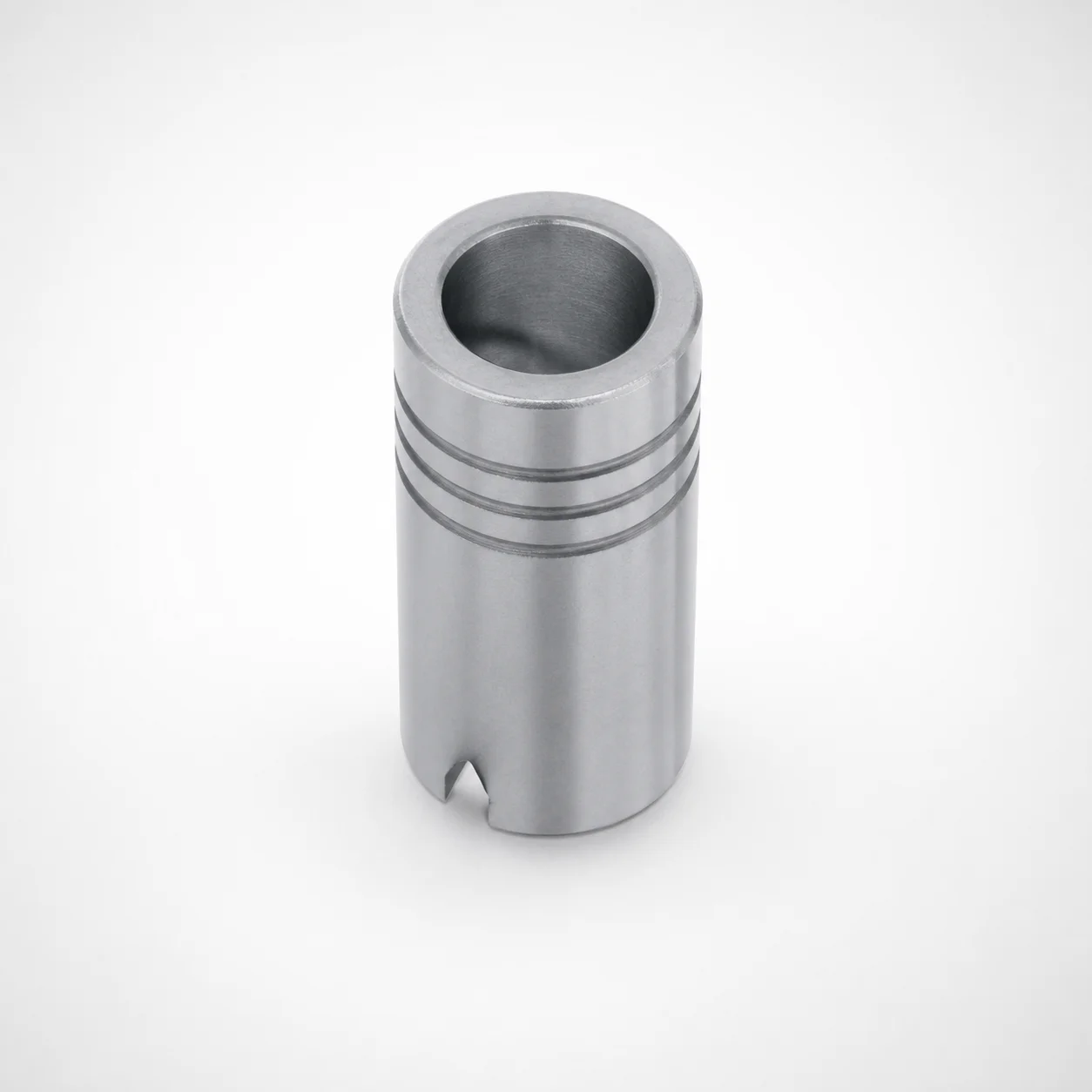
Plain Guide Bushings for Die Sets LDB
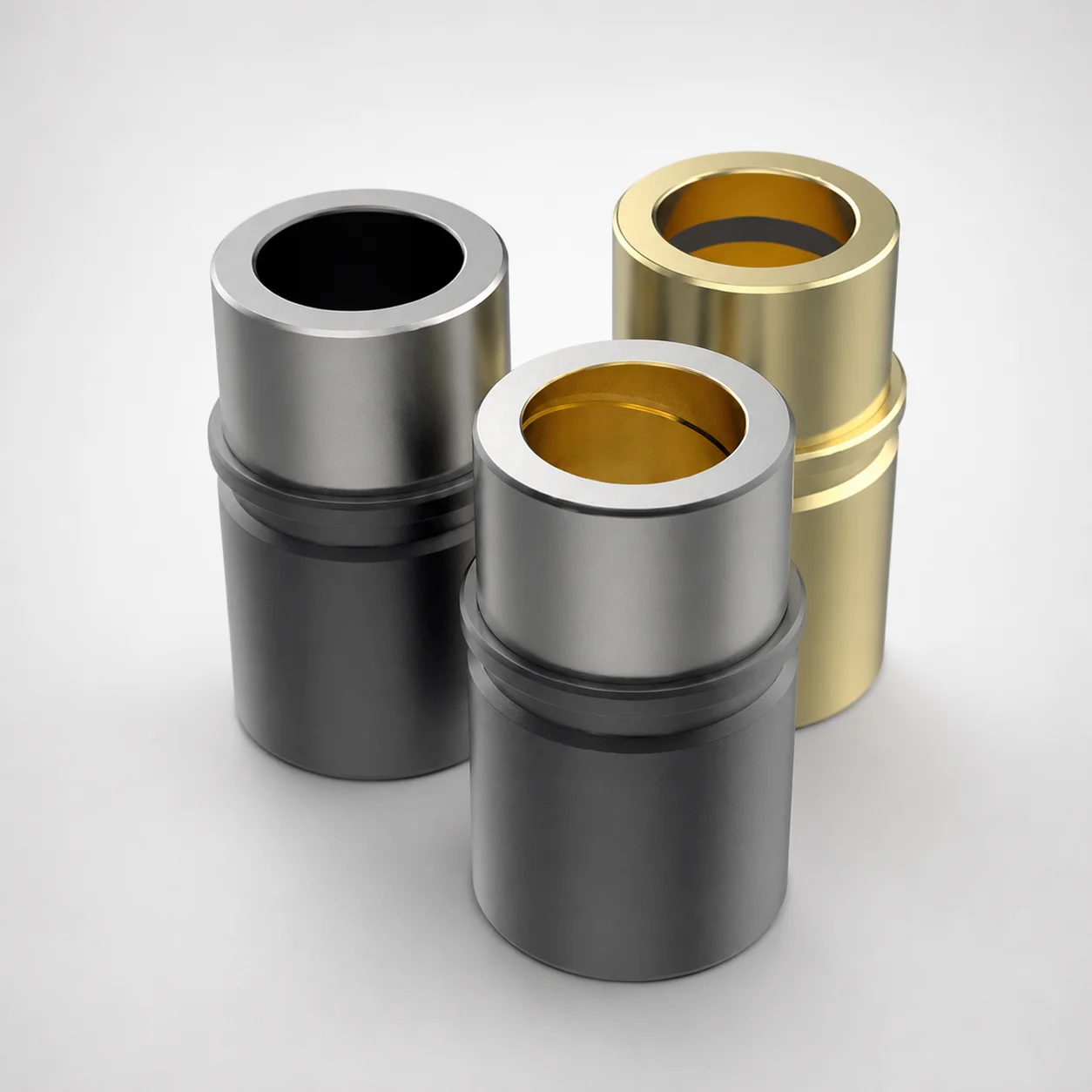
ISO 9448-6 Guide Bushings with Collar (Long)
Need Custom Specifications?
Our engineering team can help with custom configurations, material selection, and volume pricing.