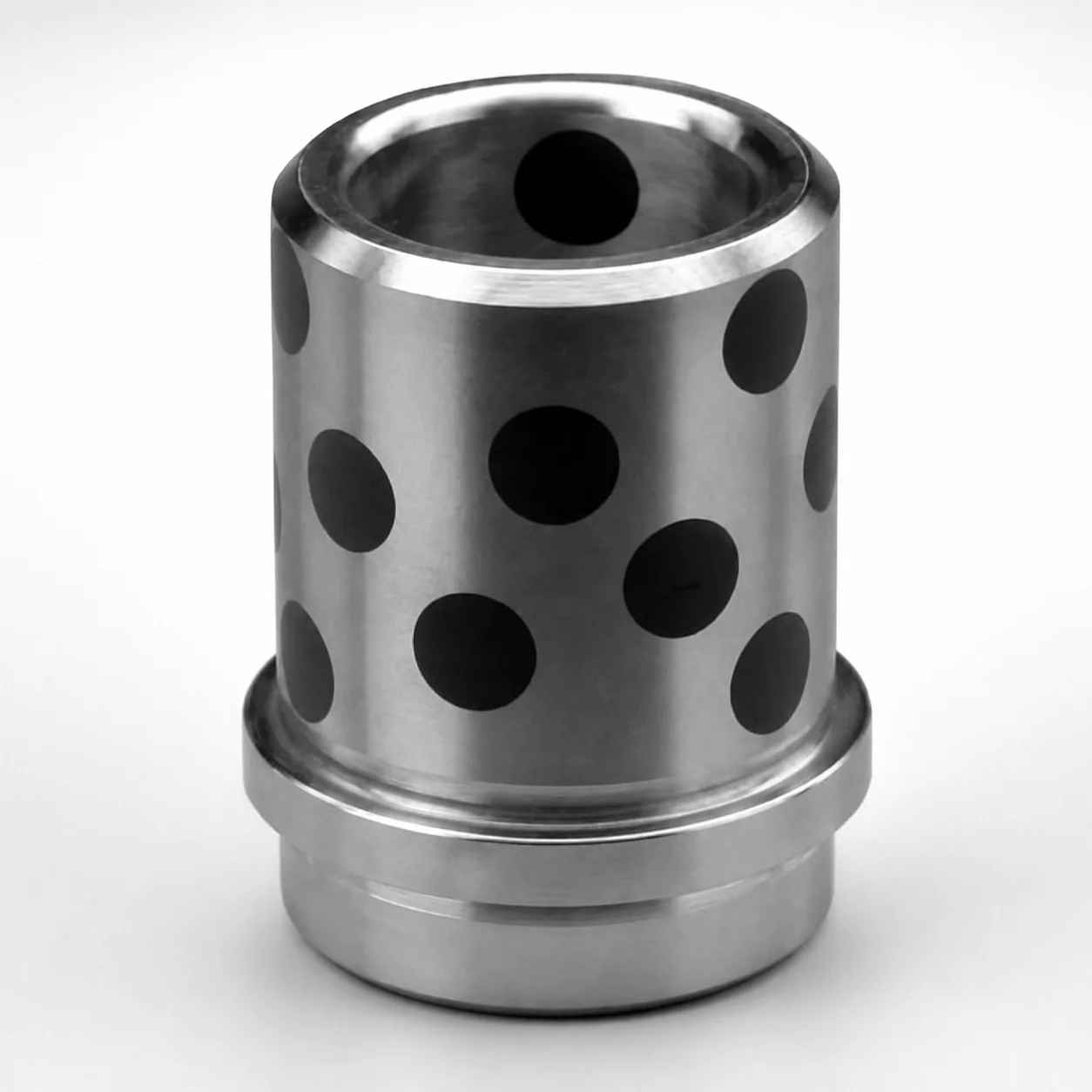
Self-Lubricating Ejector Bushings Bronze, Inch
Self-Lubricating ejector bushings (Bronze, Inch) (oil-free copper alloy) are designed to support smooth, low-friction guidance for ejector systems. The bronze bushing construction reduces lubrication needs while maintaining stable fit during molding cycles.
- Oil-free copper alloy self-lubricating design for consistent sliding in ejector guides
- Bronze bushing body helps control friction and wear under repeated mold operations
- Inch series sizes support compatibility with common mold bushing standards
- Built for ejector guidance applications where dependable, clean movement is required
Specifications
9 configurations available
| Nom. inside diameter (in) | A (Outside diameter) (in) | L (Length) (in) |
|---|---|---|
| 1.000 | 1.3755 | 1 3/4 |
| 1.000 | 1.3755 | 2 |
| 1.250 | 1.6255 | 1 3/4 |
| 1.250 | 1.6255 | 2 1/2 |
| 1.500 | 2.0005 | 1 3/4 |
| 1.500 | 2.0005 | 2 1/2 |
| 2.000 | 2.5005 | 2 1/4 |
| 0.750 | 1.1255 | 1 1/2 |
| 0.875 | 1.2505 | 1 1/2 |
Product Guide
Application Scenarios+
This oil-free, self-lubricating bushing is used in injection mold ejector systems where clean, consistent slide guidance is critical. It fits into ejector guide assemblies to control friction and help maintain stable running performance across repeated molding cycles.
- Automotive connector and housing molds: When long ejector travel and frequent cycle starts/stops demand predictable alignment, the copper-alloy self-lubricating surface supports low-friction guidance without external lubrication.
- Large die-casting and finishing molds: In high-duty tooling, the bronze body helps manage wear at the guide interface while keeping movement smooth during ejection.
- Medical and precision components with contamination limits: Oil-free operation supports cleaner cavity shutoff and ejection zones where minimizing stray lubricant is beneficial.
Choose the inch series variant to match common mold component sizing in North American tooling and to simplify integration into existing guide layouts.
Material & Process Details+
The bushing is described as an oil-free copper alloy self-lubricating design with a bronze bushing body. Copper-alloy self-lubricating surfaces are commonly selected for sliding applications because they can provide stable friction behavior under repeated motion while reducing reliance on added grease or oil.
- Wear resistance vs. toughness trade-off: For ejector guidance, bronze/copper alloys prioritize smooth sliding and manageable wear, typically at the expense of maximum impact toughness compared with harder tool steels.
- Heat treatment state: The provided data does not specify a steel-grade equivalent, hardness (HRC), or heat treatment (e.g., quench & tempering or nitriding), so these parameters should be confirmed from the supplier’s material certificate for critical performance requirements.
- Manufacturing process: The unit is supplied as a finished bushing for direct press-fit or guided mounting in mold housings; final fit depends on bore/guide block tolerances.
If multiple bronze/copper formulations are offered, compare the specific self-lubricating content and wear targets rather than relying only on general alloy family assumptions.
Sizing & Selection Guide+
Select the bushing based on the three functional dimensions provided: Nom. inside diameter (in), A (Outside diameter) (in), and L (Length) (in). Correct matching ensures proper alignment of the ejector member and stable guidance with minimal side load.
- Match the shaft/ejector diameter: Choose the Nom. inside diameter from 0.750, 0.875, 1.000, 1.250, 1.500, 2.000 in to fit the ejector or guide shaft.
- Check mounting clearance in the guide block: Use the corresponding A (outside diameter) options: 1.1255, 1.2505, 1.3755, 1.6255, 2.0005, 2.5005 in to confirm that the pocket/bore can accept the bushing without interference beyond your design.
- Set bearing length: Select L from 1 1/2, 1 3/4, 2, 2 1/4, 2 1/2 to achieve the desired support length for the ejector stroke and expected loads.
Tolerance and fit considerations are not listed in the input data; engineers should therefore verify the required clearance/press-fit approach against the guide block machining tolerances and any standard used internally.
Frequently Asked Questions
Which inner diameter options (Nom. inside diameter in inches) are available for this inch ejector bushing?+
How do I choose the correct outside diameter (A) so the bushing seats properly in the guide block pocket?+
What bushing lengths (L) are offered, and how should length affect guidance performance for ejector systems?+
Is this ejector bushing oil-free, and does it require lubrication during mold operation?+
Does the provided data specify hardness (HRC) or a heat-treated steel grade for performance qualification?+
Related Products
Various Steels Cavity Insert Block Blanks Reference Plane
Various Steels 6-Face Ground Cavity Insert Blocks
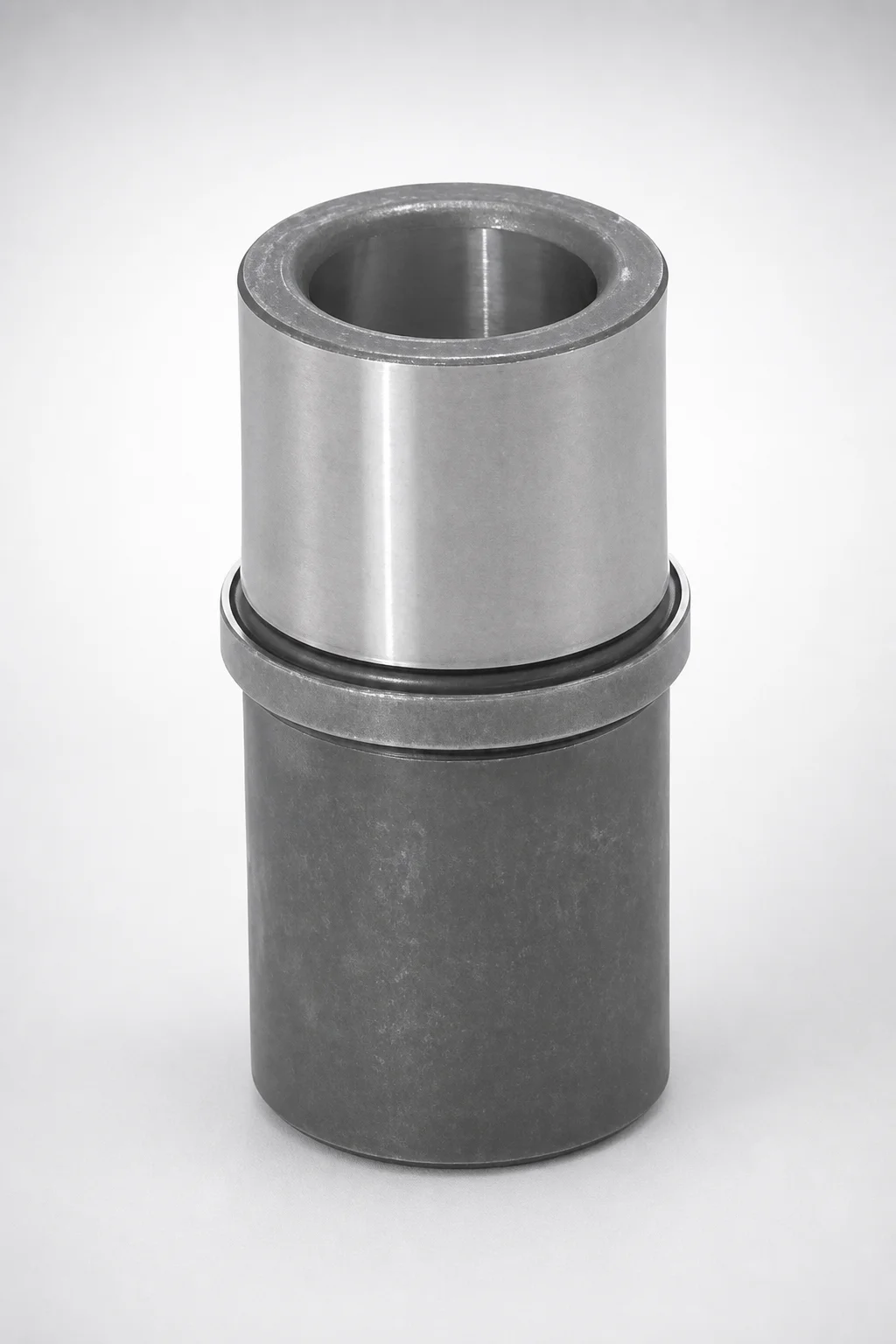
EGBN Type Ejector Leader Bushings Long Guide, Oil Grooves, SUJ2 Bearing Steel
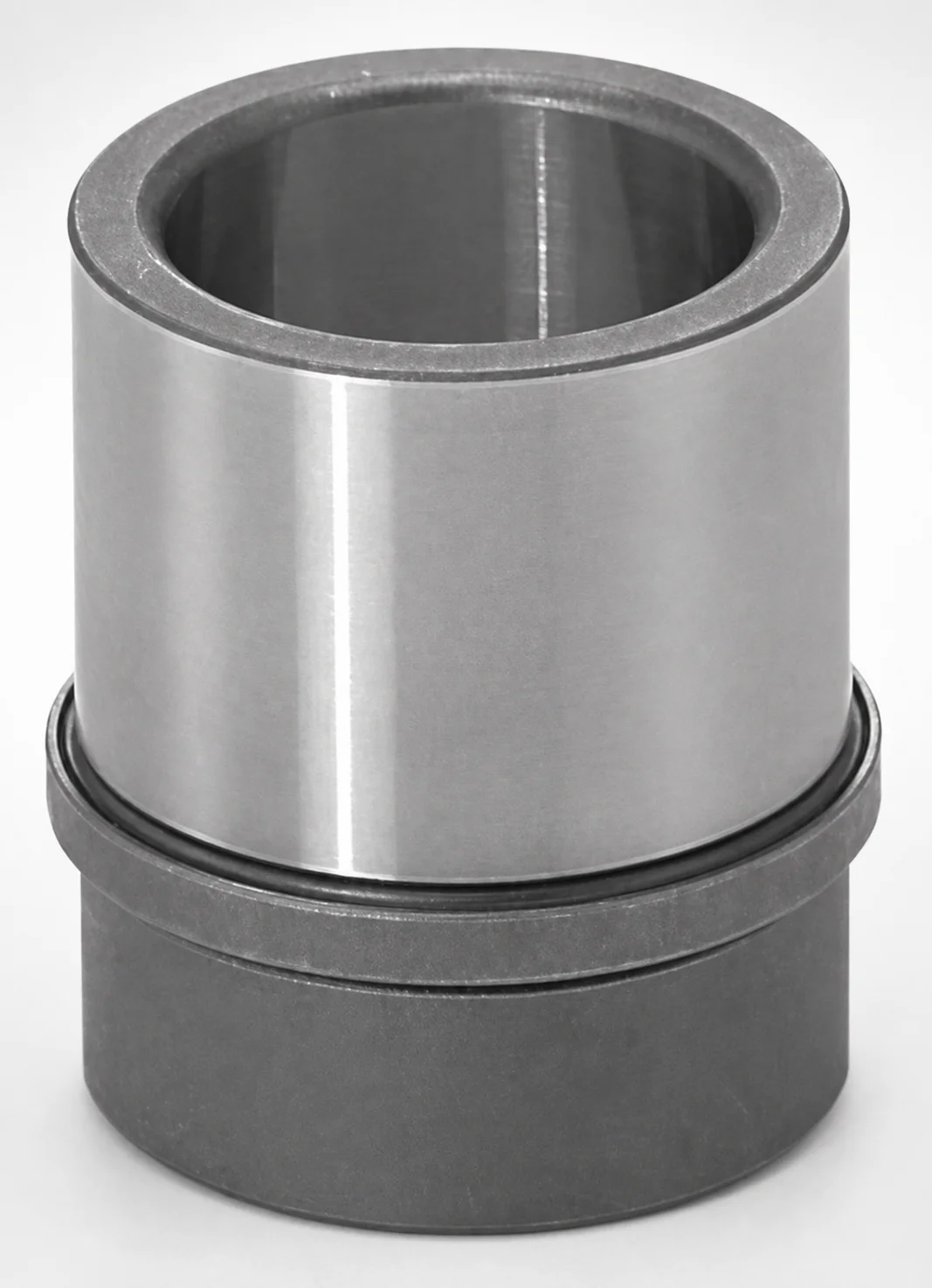
Ejector Leader Bushings - Oil Grooves SUJ2 Bearing Steel
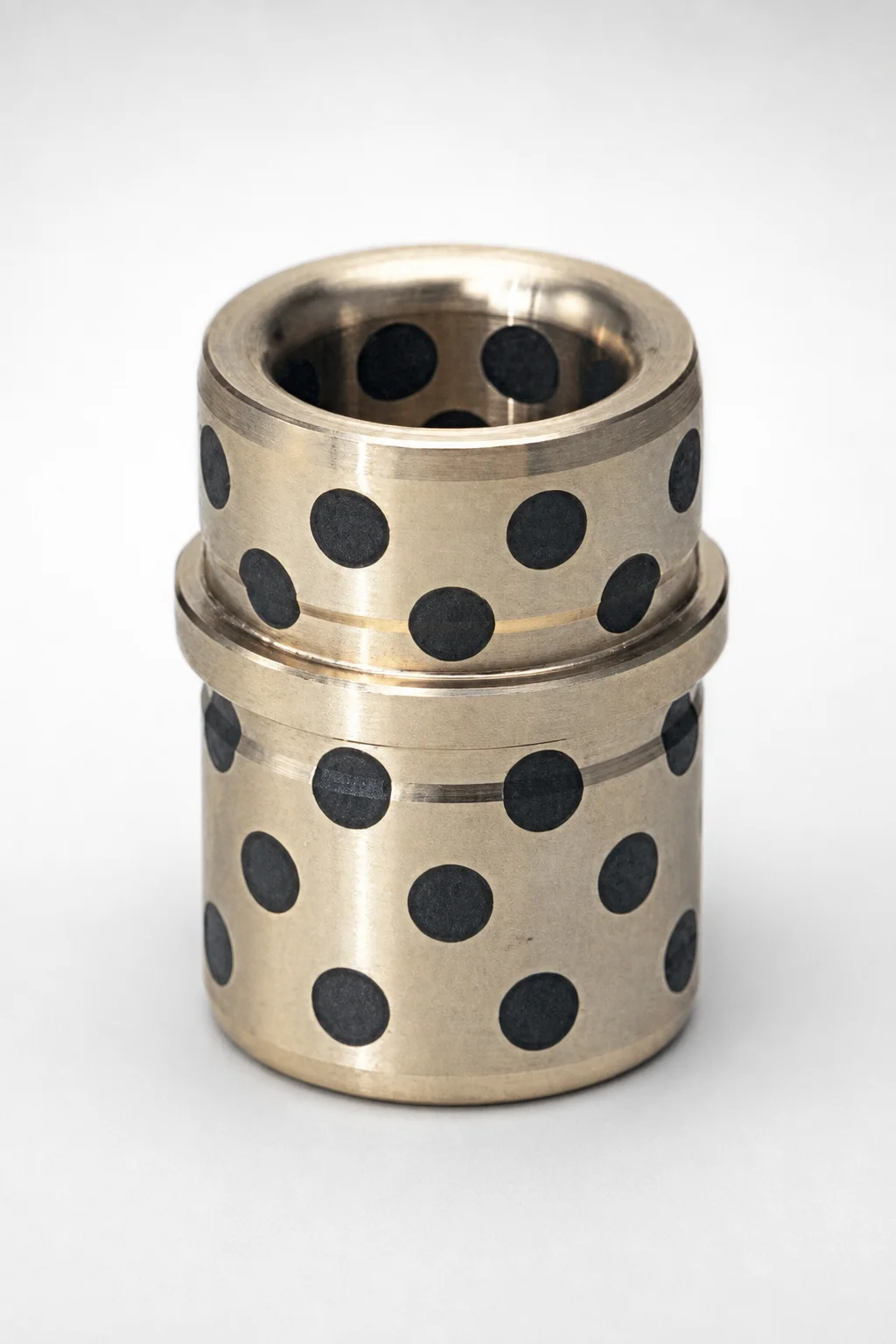
EGBZ Oil-Free Ejector Leader Bushings Long Guide
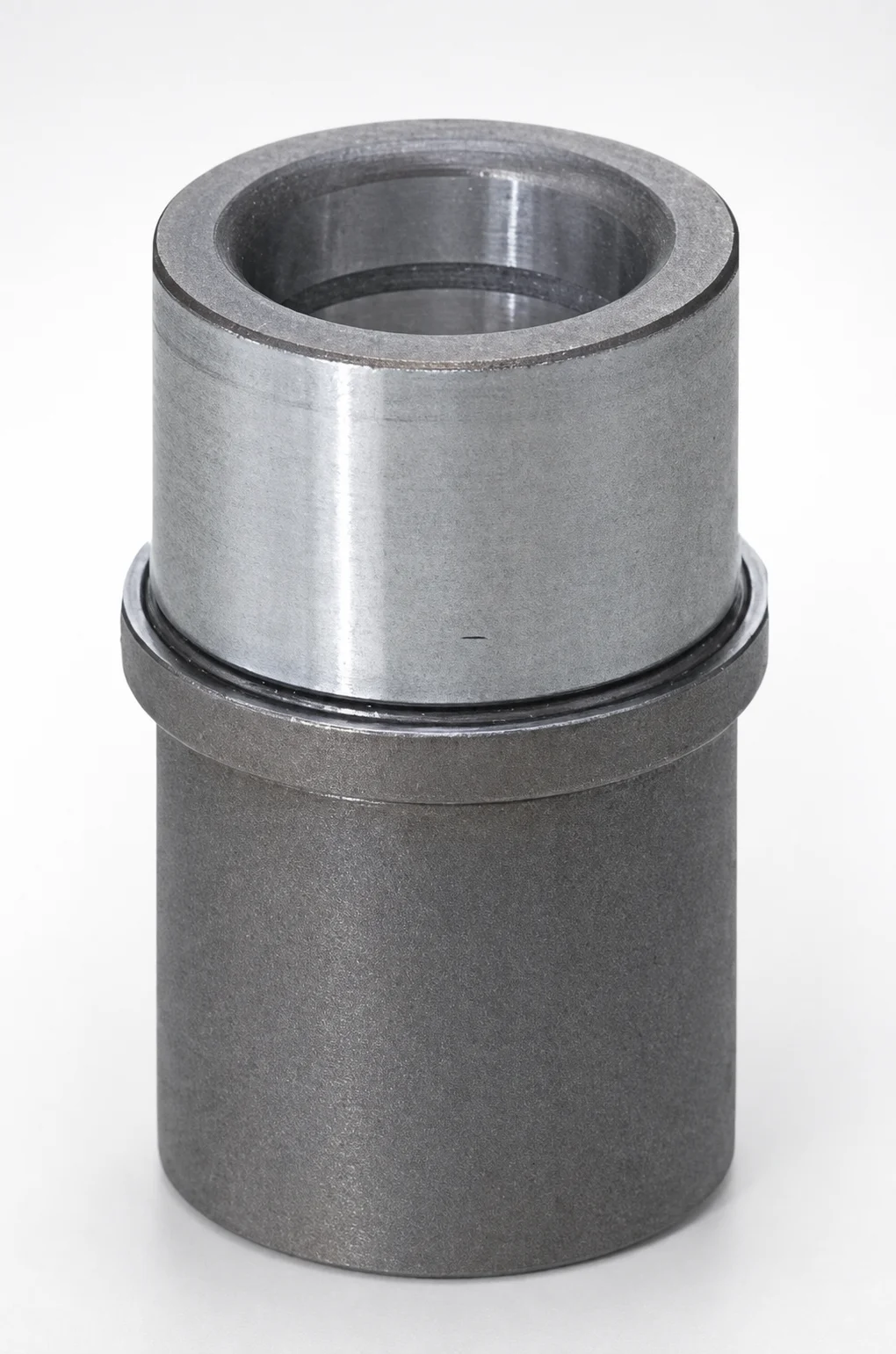
EGBNZ Type Oil-Free Ejector Leader Bushings Long Guide SUJ2 Bearing Steel
Need Custom Specifications?
Our engineering team can help with custom configurations, material selection, and volume pricing.