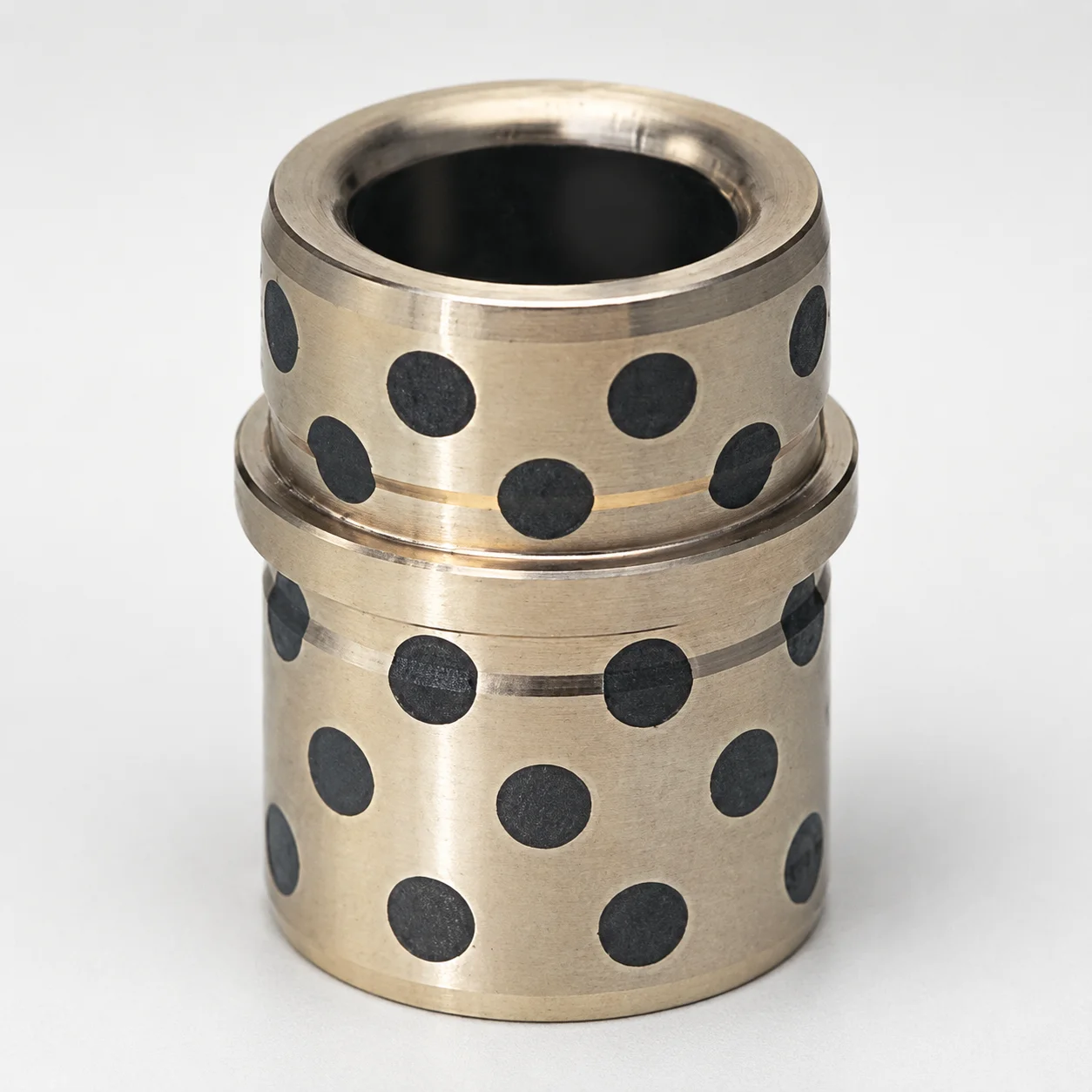
EGBSK Oil-Free Ejector Leader Bushings for High Temperature Long Guide, Copper Alloy
Oil-Free Ejector Leader Bushings for High Temperature Long Guide (EGBSK) are built in copper alloy to deliver stable, dry sliding performance under demanding mold temperatures.
- Designed as a long-guide leader bushing to support straight, controlled ejection
- Oil-free bronze-style operation helps maintain consistent movement during high heat cycles
- Supports typical high-temperature die components where lubricants are unreliable
- Material and EGBSK construction improve wear resistance for repetitive tool life
Specifications
11 configurations available
| Inner Diameter d (mm) | L (L dimension) (mm) | type |
|---|---|---|
| 20 | 33 | - |
| 20 | 38 | - |
| 25 | 38 | - |
| 25 | 43 | - |
| 30 | 43 | - |
| 30 | 53 | - |
| 35 | 53 | - |
| 35 | 68 | - |
| 40 | 53 | - |
| 40 | 68 | - |
| 50 | 68 | - |
Product Guide
Application Scenarios+
This copper-alloy ejector leader bushing is used in large mold tooling to keep ejection motion straight and stable during high-temperature cycles. In die casting platforms, it acts as a long-guide leader bushing that aligns the ejector system and reduces side load, helping maintain consistent stroke repeatability.
Common scenarios include precision die casting for high-temperature parts where conventional oils can break down, contaminate product surfaces, or require frequent maintenance. The oil-free/dry-lubrication design is suited to situations where reliable sliding must be maintained across many cycles.
- Automotive and industrial die-cast components: supports controlled ejection under hot-runner and rapidly cooling conditions.
- Thermal-cycle heavy molds: maintains stable leader guidance when lubricant performance degrades.
- Repeat production runs: copper alloy wear behavior helps support long service life for guided ejectors.
Material & Process Details+
The EGBSK variant is manufactured from a copper alloy selected for dry sliding stability in hot mold environments. Copper-alloy leader bushings typically provide good anti-seizure behavior and favorable wear characteristics under conditions where liquid lubricants are unreliable or undesirable.
- Material behavior: copper-alloy construction supports consistent sliding and mitigates stick-slip during repeated thermal cycling.
- Heat treatment: the provided data does not specify a specific heat-treatment state (e.g., quench & temper, nitriding). Selection should follow the supplier’s manufacturing control for this series to achieve the intended wear/toughness balance.
- Hardness/wear trade-offs: copper alloys generally trade higher structural hardness for better conformability and friction stability in dry service compared with harder tool steels.
Where higher hardness is required, tool-steel guide bushings may offer greater abrasive resistance, but may not provide the same dry-lubrication performance under lubricant-avoidance requirements.
Sizing & Selection Guide+
To select the correct EGBSK oil-free leader bushing, match the inner diameter (d) and the length (L) to your ejector/guide pin and the mold’s required guidance span. Available d values are 20, 25, 30, 35, 40, and 50 mm, and available L values are 33, 38, 43, 53, and 68 mm.
- Step 1: Choose the bushing with the closest d to your leader/ejector diameter per the mold design drawing.
- Step 2: Select L to cover the required guide length in the long-guide region, ensuring adequate support for straight ejection.
- Step 3: Confirm fit and clearances in your system design. This data lists only nominal d and L; dimensional tolerances are not provided here, so your final fit should follow your bushing-to-shaft tolerance specification from the series documentation.
Dimensions are configurable only within the listed discrete d and L options; outside these ranges, a different size or series is required.
Frequently Asked Questions
Which inner diameter (d) options are available for the EGBSK oil-free ejector leader bushing, and how should I choose between them?+
The EGBSK series is offered with inner diameter d values of 20, 25, 30, 35, 40, and 50 mm.
Select the size that matches your leader/ejector diameter per the mold drawing and clearance requirements. Because tolerance data is not included in the provided specs, confirm final fit using the series’ tolerance guidance.
What length (L) should I select to support a long-guide ejector system in die casting?+
Available L values are 33, 38, 43, 53, and 68 mm.
Choose L based on the required guidance span in your tool design. Use the longest length that fits the available space while maintaining proper alignment and support for straight ejection.
How does the copper alloy oil-free concept benefit high-temperature die casting leader guidance?+
This series uses a copper alloy construction intended for stable, dry sliding under demanding mold temperatures.
In high-temperature die casting, lubricants can degrade or be unacceptable due to contamination risk; the oil-free/dry-lubrication behavior supports more consistent movement and reduces reliance on maintenance-heavy lubrication cycles.
Is there enough information here to confirm hardness (HRC) or a specific heat-treatment state for the EGBSK bushing?+
The provided data confirms the copper alloy material but does not specify any hardness (HRC) or a detailed heat-treatment state.
For hardness and treatment verification, request the series’ manufacturing/process documentation. Fit and performance validation should be based on the supplier’s controlled spec sheet for this series.
Can I use this leader bushing for both alignment and ejection support, or is it only for guide-only functions?+
The EGBSK is specifically described as a long-guide leader bushing to support straight, controlled ejection.
That means it serves the dual practical purpose of alignment/guidance for ejector motion and mechanical support in the guided ejection zone of the mold. Select the proper d and L to cover the alignment length required by your ejector design.
Related Products
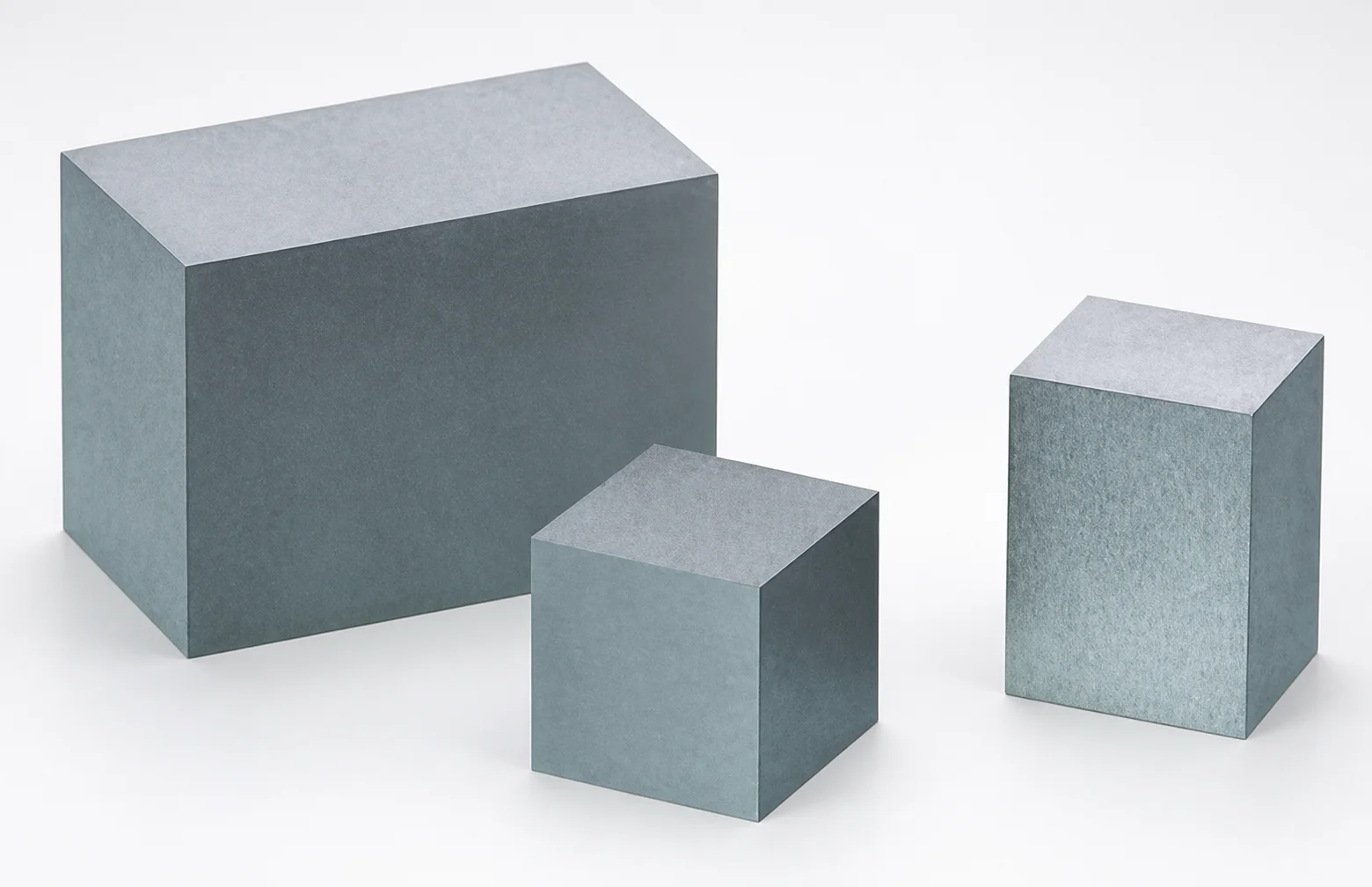
Various Steels Cavity Insert Block Blanks Reference Plane
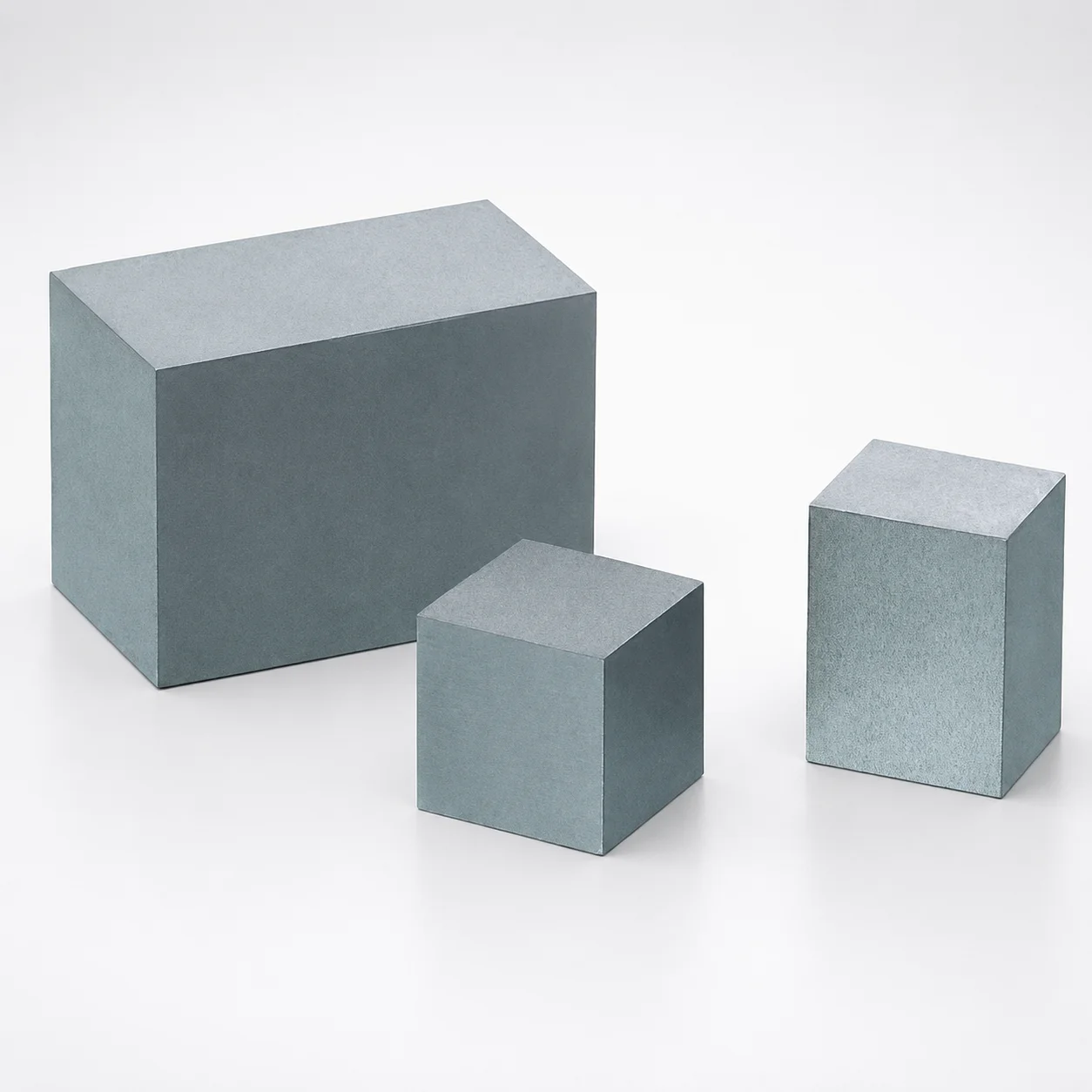
Various Steels 6-Face Ground Cavity Insert Blocks
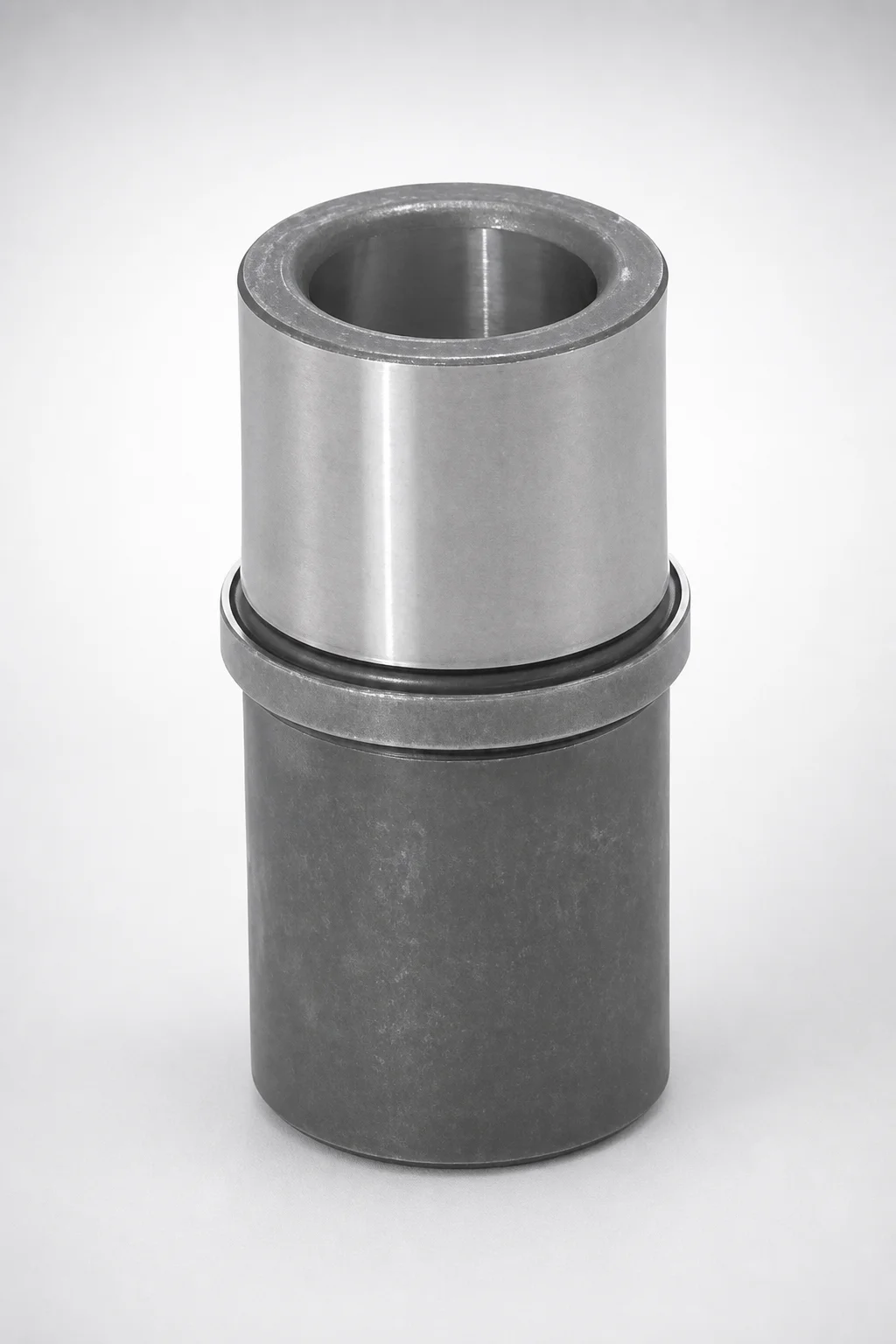
EGBN Type Ejector Leader Bushings Long Guide, Oil Grooves, SUJ2 Bearing Steel
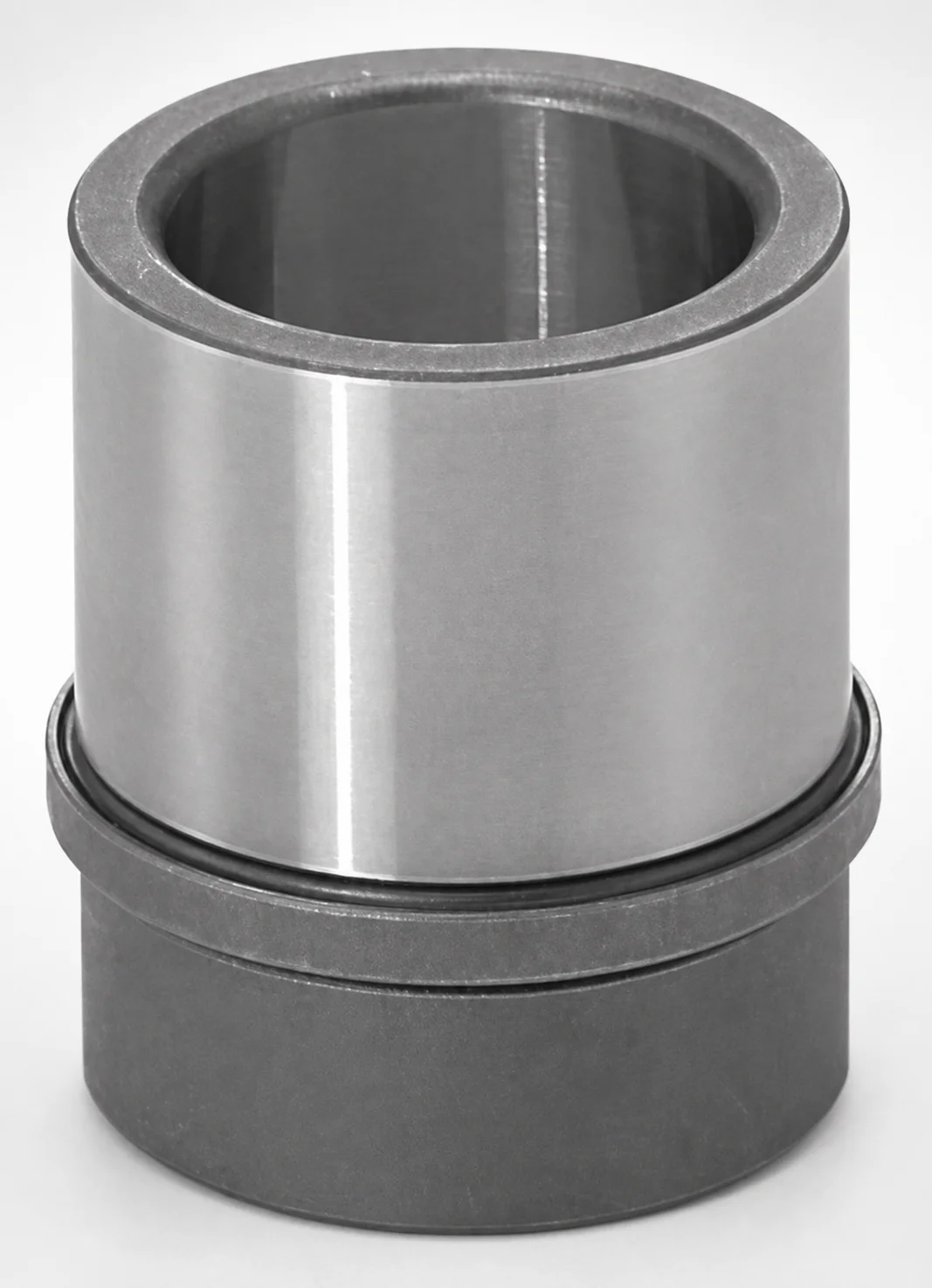
Ejector Leader Bushings - Oil Grooves SUJ2 Bearing Steel
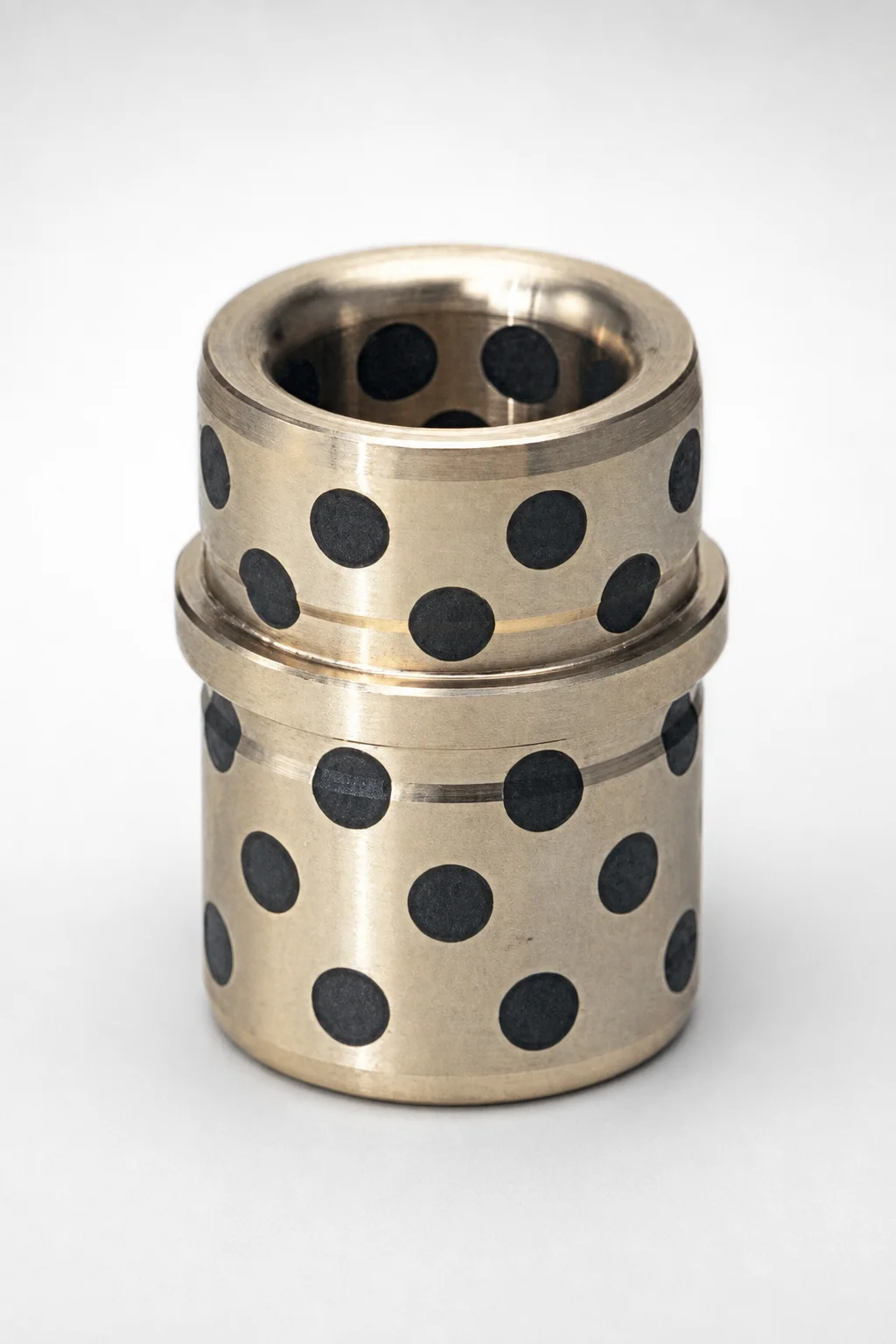
EGBZ Oil-Free Ejector Leader Bushings Long Guide
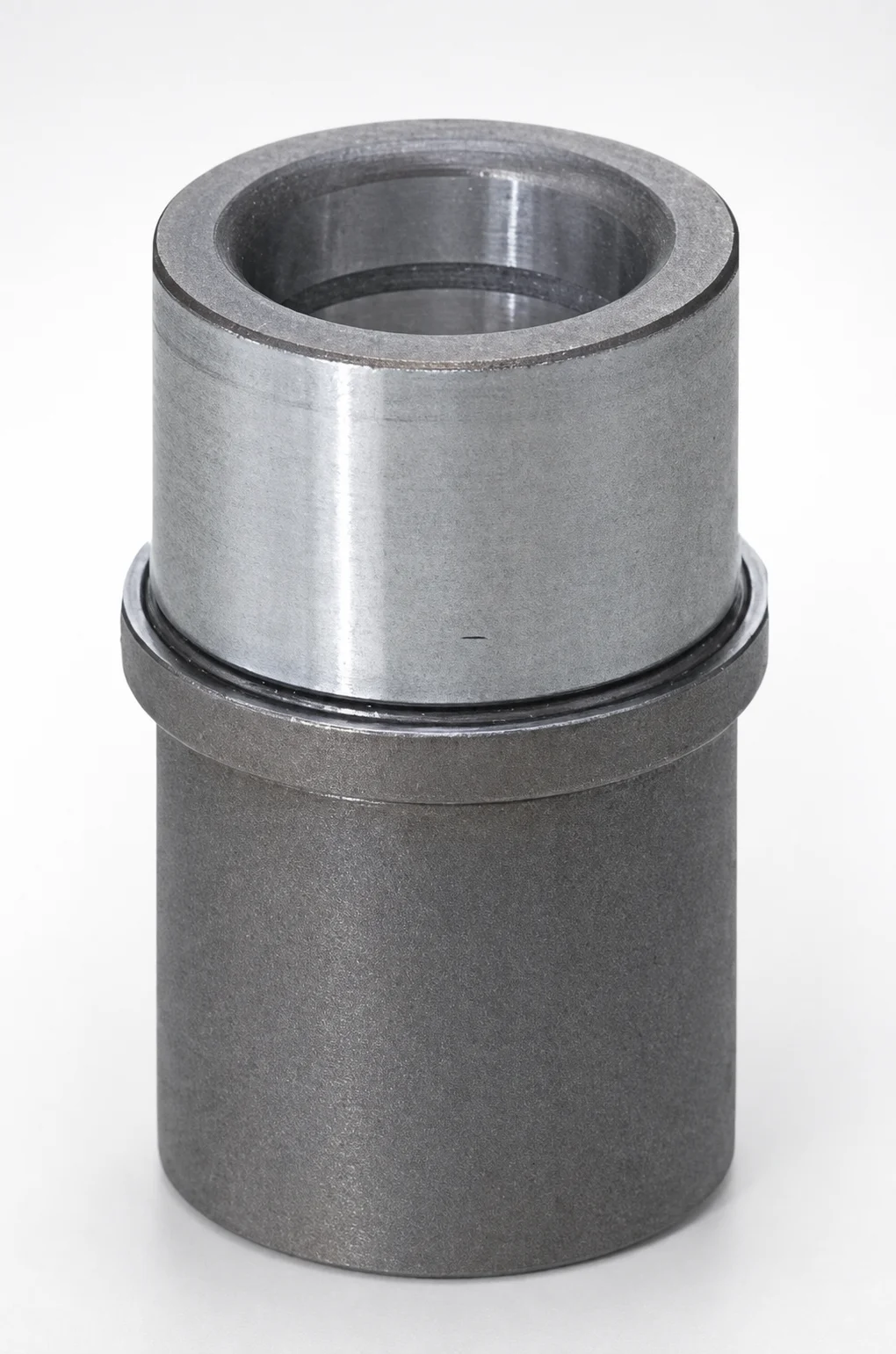
EGBNZ Type Oil-Free Ejector Leader Bushings Long Guide SUJ2 Bearing Steel
Need Custom Specifications?
Our engineering team can help with custom configurations, material selection, and volume pricing.