Recycle Mark Pins for Plastic Packaging
SPI recycling identification code pins that stamp resin type symbols (♳♴♵♶♷♸♹) onto injection-molded plastic packaging. Available in engraved (raised) and standard (recessed) marking styles.
Products
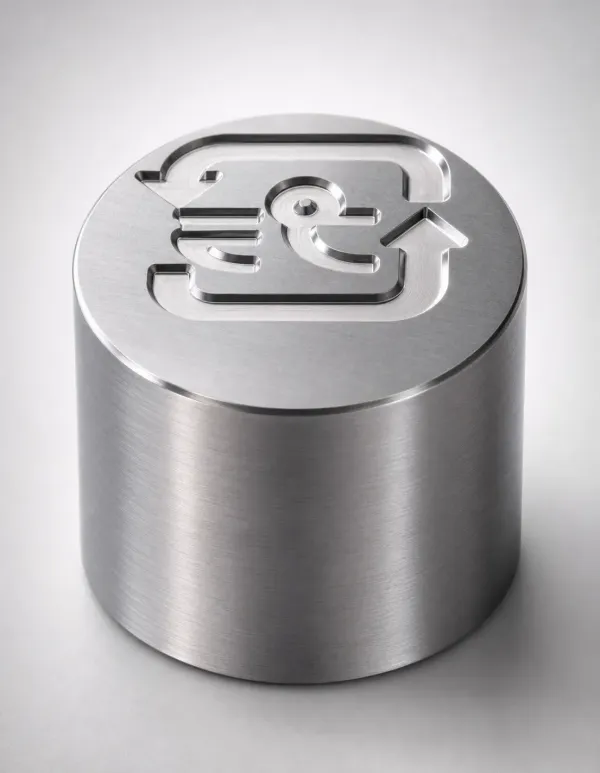
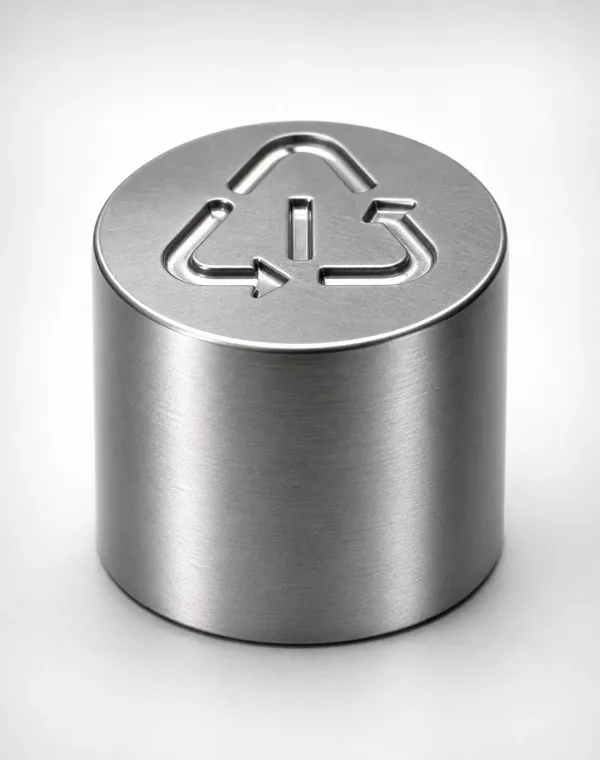
Engraved vs Standard Recycle Mark Pins
Two marking methods produce different visual results on the molded part:
| Criteria | Engraved (Raised Mark) | Standard (Recessed Mark) |
|---|---|---|
| Mark Appearance | Raised (convex) symbol on part surface | Recessed (concave) symbol on part surface |
| Visibility | ⭐⭐⭐ Highly visible, tactile | ⭐⭐ Visible under light |
| Durability | ⭐⭐⭐ Raised mark resists wear | ⭐⭐ Recessed may collect debris |
| Pin Complexity | Higher — engraved cavity in pin | Lower — raised feature on pin |
| Cost | $$ | $ |
| Best For | Consumer packaging, regulatory inspection areas | Cost-sensitive, non-visible part surfaces |
Decision rule: Standard pins produce raised marks suitable for most applications. Engraved pins produce recessed marks preferred for food-contact packaging where raised marks could trap contaminants. For a detailed comparison, see our Engraved vs. Standard Recycle Mark Pins guide.
Understanding SPI Recycling Codes
The 7 SPI Resin Identification Codes
The SPI (Society of the Plastics Industry, now Plastics Industry Association) established a standardized coding system to identify the resin type used in plastic products. Each code consists of a number (1-7) inside a chasing arrows triangle:
| Code | Resin | Common Products |
|---|---|---|
| ♳ 1 — PET | Polyethylene Terephthalate | Bottles, food containers |
| ♴ 2 — HDPE | High-Density Polyethylene | Milk jugs, detergent bottles |
| ♵ 3 — PVC | Polyvinyl Chloride | Pipes, medical tubing |
| ♶ 4 — LDPE | Low-Density Polyethylene | Bags, squeeze bottles |
| ♷ 5 — PP | Polypropylene | Caps, food containers |
| ♸ 6 — PS | Polystyrene | Cups, foam packaging |
| ♹ 7 — Other | All other resins (PC, ABS, etc.) | Mixed or specialty plastics |
Regional Compliance Requirements
European Union: Directive 94/62/EC on packaging and packaging waste requires material identification on all plastic packaging. Commission Decision 97/129/EC establishes the identification system.
North America: 39 US states have enacted SPI code marking requirements for rigid plastic containers (ASTM D7611). Canada follows similar provincial requirements.
Asia-Pacific: Japan (JIS K 6999), China (GB/T 16288), South Korea, and Australia have adopted compatible identification systems.
Engineering note: The 7 SPI resin identification codes are governed by ASTM D7611. Each code corresponds to a specific polymer family. For a complete guide to all 7 symbols, see our SPI Resin Identification Codes guide.
Are You on the Right Page?
✅ You're in the right place if:
- Your molded product requires SPI recycling identification codes (♳–♹)
- You're producing plastic packaging for consumer markets
- You need to comply with EU, North American, or Asian packaging marking regulations
🔄 Consider switching to:
- Need to stamp production dates (year/month) on parts? → Date Mark Inserts
- Need cavity number or lot number marking? → Engraved Core Pins
Application Scenarios
See how these products solve real engineering challenges across industries:
Food-Grade Packaging Compliance
EU Directive 94/62/EC and FDA guidelines require SPI resin identification codes on all food-contact plastic packaging. Engraved recycle mark pins produce permanently legible symbols that survive hot-fill and retort processes.
Why it fits: Engraved recycle mark pins produce a raised SPI symbol on the molded part with 0.15–0.3 mm depth, ensuring legibility after hot-fill (85°C), retort sterilization (121°C), and millions of consumer handling cycles. The engraved method produces sharper, more durable symbols than standard pressed pins.
Multi-Region Export Packaging
Products exported to EU, North America, Japan, and China face different recycling mark requirements. Standard recycle mark pins with interchangeable SPI code inserts support quick changeover between regional standards.
Why it fits: Standard recycle mark pins use a modular insert design where the SPI code number (1–7) can be changed independently of the recycling triangle frame. Switching from SPI #5 (PP, North America) to #2 (HDPE, EU) takes under 2 minutes — no new pin purchase required.
Sustainability-Driven Consumer Goods
Brands committing to 100% recyclable packaging need clear resin identification on every SKU. Recycle mark pins ensure consistent SPI symbol depth and clarity across multi-cavity high-volume tools.
Why it fits: Consistent SPI symbol depth and clarity across all cavities in a 32–64 cavity tool ensures every unit meets recycling identification standards. Pin-to-pin dimensional tolerance of ±0.01 mm eliminates the quality variation that causes symbol rejection during brand compliance audits.
Frequently Asked Questions
What are the 7 SPI resin identification codes, and which recycle mark pin do I need for each?+
What is the difference between engraved (raised) and standard (recessed) recycling symbol pins?+
Which countries and regions legally require SPI recycling marks on injection-molded plastic packaging?+
Engineering Resources
What Are the 7 SPI Resin Identification Codes and Symbols?
Complete guide to 7 recycling symbols — which code for which resin.
Engraved vs. Standard Recycle Mark Pins: Which to Choose?
Durability, cost, and visual quality comparison with sample photos.
Global Recycling Mark Requirements for Plastic Packaging
EU, North America, and Asia compliance reference with regulation citations.
Need Recycling Mark Pins?
Tell us your resin code, preferred marking style (raised/recessed), and packaging volume.