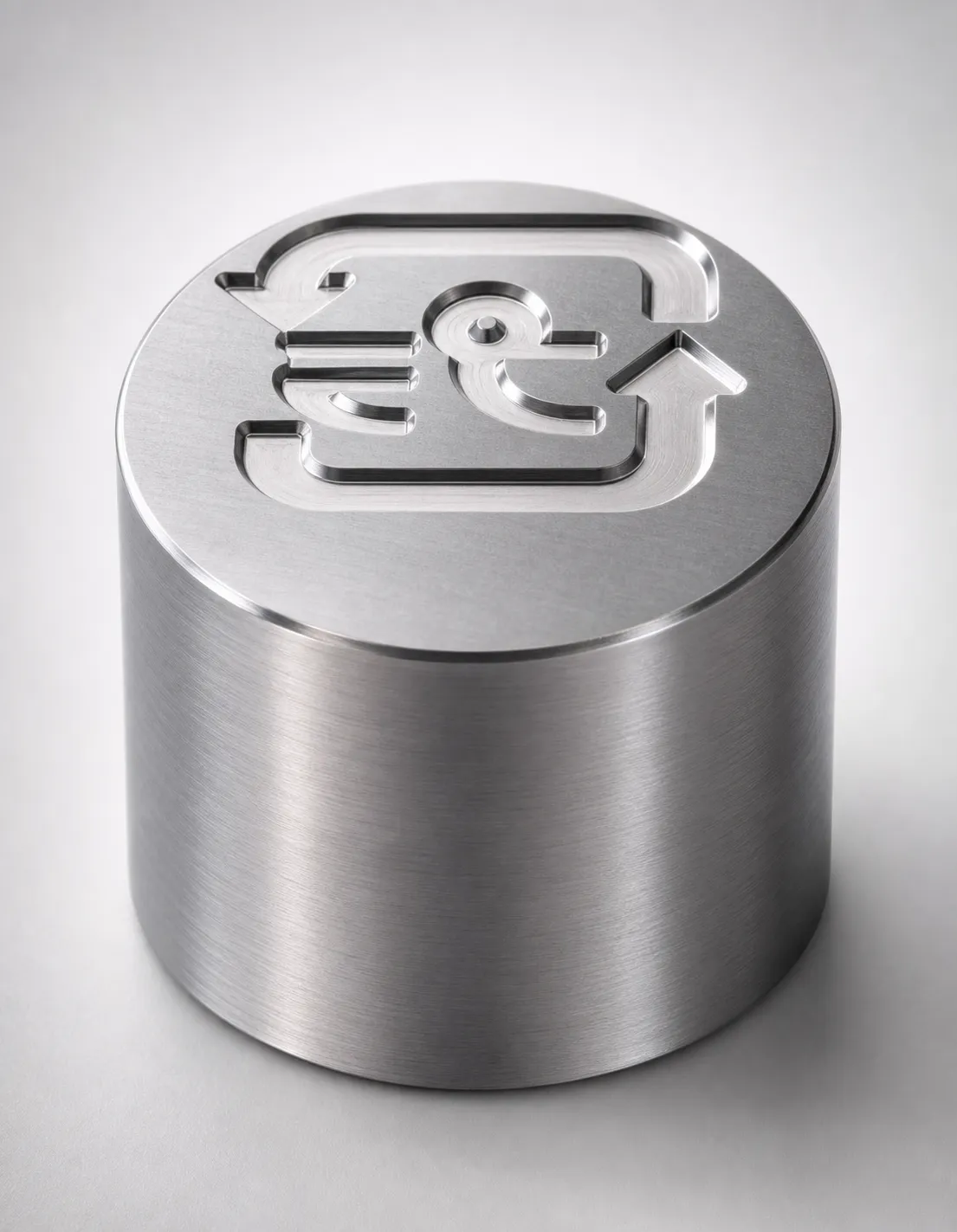
Engraved Recycle Mark Pins for Plastic Packaging
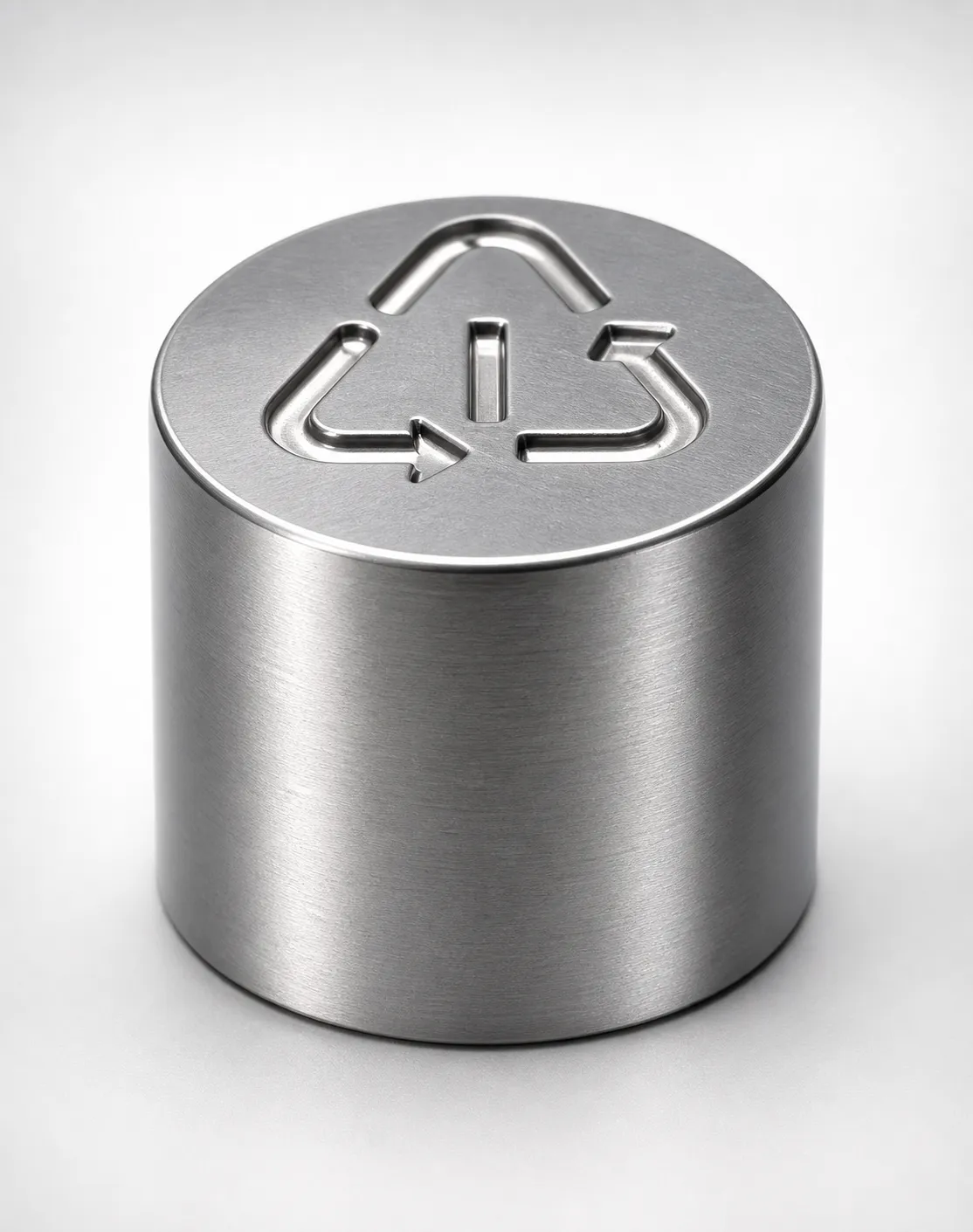
Engraved Recycle Mark Pins for Plastic Packaging deliver reliable recycling identification directly on molded components, using WOS-designated characters for consistent marking. Designed for accurate, repeatable part labeling in plastic packaging production lines.
- Recycle-marked pin design for identification of plastic packaging
- WOS-designated engraving character system supports standard recognition
- Accepts multiple plastic abbreviation lengths for flexible marking requirements
- Ideal for plastic packaging mold tooling where traceability matters
Specifications
6 configurations available
| Plastic Abbreviation Length | D (Diameter) (mm) | Engraving character designation | type |
|---|---|---|---|
| 2 characters | 12 | ※Designation by WOS | - |
| 2 characters | 16 | ※Designation by WOS | - |
| 2 characters | 20 | ※Designation by WOS | - |
| 3 characters | 12 | ※Designation by WOS | - |
| 3 characters | 16 | ※Designation by WOS | - |
| 3 characters | 20 | ※Designation by WOS | - |
Product Guide
Application Scenarios+
These engraved identification pins are used in injection mold tooling to produce clear recycle-mark features on plastic packaging components. The WOS-designated engraving character set supports consistent recognition for marking standards, improving traceability across packaging production lines.
- Plastic packaging recycling identification: Integrate the pins into the cavity/core so the molded part receives a legible recycle mark directly during molding, reducing downstream labeling steps.
- Gas-vent or date/recycle-mark integrated molds: Where part surfaces require both functional features and compliance marking, the engraved pin offers a compact way to add identification without affecting venting performance.
- Variable abbreviation lengths: The availability of 2- and 3-character plastic abbreviation lengths makes the tooling adaptable across product families while keeping the marking format compliant.
Choose this variant when your mold design needs standardized WOS engraving and repeatable, high-contrast molded identification on packaging parts.
Material & Process Details+
The provided specifications focus on engraved marking geometry and WOS designation; a specific steel grade, hardness (HRC), or heat-treatment condition (e.g., quenched & tempered, nitrided) is not listed in the input data. For engraved pins, manufacturers typically select tool steels that balance wear resistance (to maintain sharp engraved characters) and toughness (to resist chipping under ejection and cyclic loading).
- Wear vs. toughness trade-off: Higher hardness generally improves edge retention for engraved characters, while lower toughness can increase risk of micro-chipping.
- Heat treatment state: Follow the supplier’s recommended tool-steel processing to achieve stable dimensional performance over repeated cycles.
- Material comparison: If multiple material options are offered for this series, select based on cycle rate and polymer abrasiveness; higher-abrasive packaging resins typically require stronger wear performance.
To match your application accurately, confirm the exact steel grade and treatment state for SKU 110200053830 from the datasheet or quotation.
Sizing & Selection Guide+
Select the engraved pin size by matching the required mark footprint on the molded packaging part. This series provides plastic abbreviation length options of 2 characters and 3 characters, so first confirm how many characters your recycle marking must display.
- Pick diameter (D): Choose D = 12 mm, 16 mm, or 20 mm according to the available mold-area envelope and desired engraving width.
- Match engraving location: Position the pin to align the molded mark with the part’s intended identification zone (accounting for mold shut-off and part draw where applicable).
- Conform to WOS designation: The engraving character designation is fixed as WOS (※Designation by WOS), ensuring standard recognition once the pin is correctly located.
Tolerance and fit details are not provided in the input data. Use your mold base and pin retaining design standards for press-fit/screw-fit clearance, ensuring the pin is rigidly supported so the engaged diameter (12/16/20 mm) and character geometry reproduce consistently across the cavity.
Frequently Asked Questions
How do I choose between the 2-character and 3-character plastic abbreviation length for recycle marking pins?+
The series supports Plastic Abbreviation Length of 2 characters or 3 characters. Select the length that matches your required recycle-mark text format for the packaging product family. Because the engraving designation is WOS-based, using the correct character count helps maintain standard readability on molded parts.
Which pin diameter (D) should be used for legible molded recycle marks on plastic packaging parts?+
The available diameters are D = 12 mm, 16 mm, and 20 mm. Choose the smallest diameter that still provides enough engraving area on the part surface while fitting within the mold cavity/core constraints. If the marked zone is tight, move up a diameter (e.g., 16→20 mm) to preserve character legibility.
Is the engraved character designation customizable, or is it fixed to a standard?+
The engraved character designation is fixed as ※Designation by WOS. This means the pin is intended to produce WOS-designated characters rather than a custom character set. Your customization is therefore limited to selecting the plastic abbreviation length (2 or 3 characters) and the pin diameter (12/16/20 mm).
What mold design considerations help ensure consistent identification marking during injection molding?+
Because the pin produces the identification during molding, ensure the pin is rigidly supported so the engraved features replicate cleanly over cycle time. Plan placement so the mark area has adequate filling and surface contact, and avoid positions where part draw or surfacing issues could blur the engraved characters. Use the correct D size and character-length option to match the target footprint on the packaging component.
Do I need to confirm the steel grade and heat treatment for this pin before finalizing tooling?+
The provided data does not specify a steel grade, hardness (HRC), or heat-treatment state for SKU 110200053830. For high-cycle or abrasive packaging resins, confirming the tool-steel grade and treatment (e.g., nitriding or quench-and-temper) is important to ensure engraved edge retention. Request the exact material specification from the supplier before locking the design.
Related Products
Need Custom Specifications?
Our engineering team can help with custom configurations, material selection, and volume pricing.