Scrap Retention Ball-Lock Die Buttons
Die buttons with engineered internal geometry that grips the slug after piercing, preventing it from riding back up with the punch. Eliminates slug pulling — the #1 cause of die crashes and surface defects in high-speed stamping.
Products
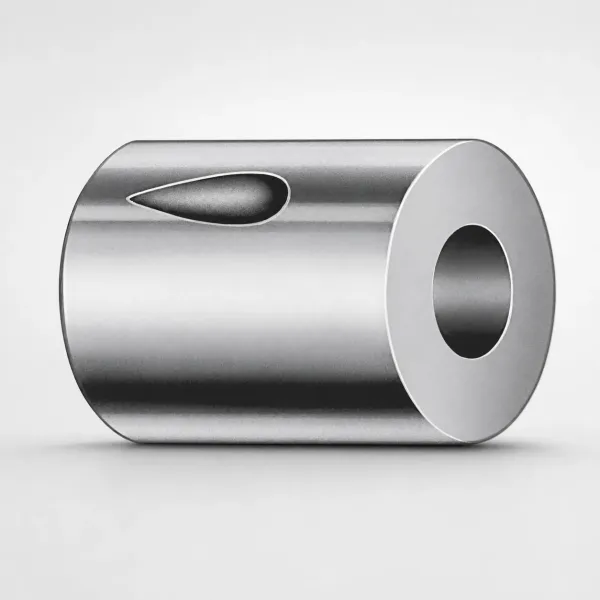
Slug Control Ball Lock Die Buttons - Light Duty Metric
Slug Control Ball Lock Die Buttons - Light Duty Metric for die set slug control and repeatable locking. Metric fit with durable construction. Request
View Details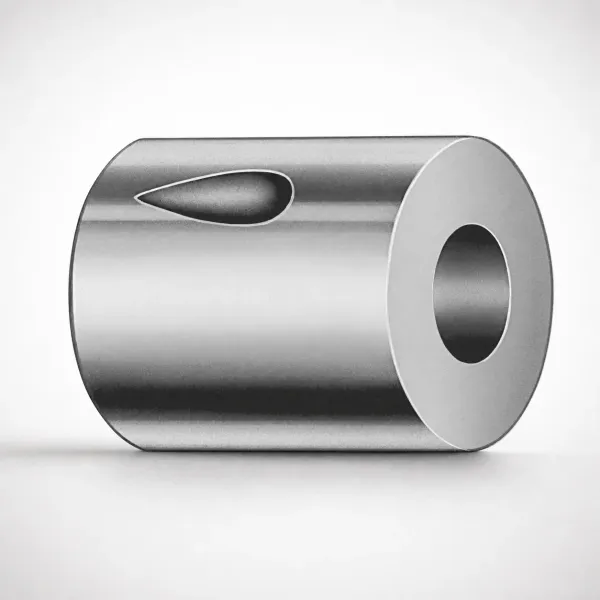
Slug Control Ball Lock Die Buttons - Inch
Slug Control Ball Lock Die Buttons - Inch for precise die locking and repeatable positioning. Supports multiple tip shapes and slug control clearances
View DetailsInch Slug Control Ball Lock Die Buttons with XN DayTride Coa
Inch Slug Control Ball Lock Die Buttons with XN DayTride coating by DAYTON for consistent die alignment and quick return. Request a quote.
View DetailsHow the Scrap Retention Feature Works
Standard die buttons have a straight bore — the slug passes through freely in both directions. Scrap retention die buttons add a controlled interference feature inside the bore:
- Entry zone: Standard die clearance allows clean shearing
- Retention zone: A slight bore reduction (typically 0.01-0.03mm) creates friction that grips the slug as it enters
- Release zone: The bore opens back up below the retention zone, allowing accumulated slugs to stack and eventually drop out the bottom
The retention force is calibrated to be strong enough to hold the slug against punch retraction force, but weak enough that the next slug pushes the previous one through. This creates a self-clearing slug column inside the die button.
When You Need Scrap Retention Die Buttons
- Use scrap retention when: You experience slug pulling (slugs sticking to punch face), press speed exceeds 300 SPM, material is thin gauge (≤0.8mm), or material has high surface finish (oily, polished)
- Standard dies are fine when: Material is thick (>2mm), slug weight provides reliable gravity dropout, press speed is moderate (<200 SPM), or your punches already have ejector mechanisms
Critical Applications for Scrap Retention
High-Speed Connector Stamping
Thin copper alloy stamping at 800+ SPM where vacuum forces pull slugs back into the strip path, causing feed jams and surface marks.
Why scrap retention fit: The controlled bore reduction grips each slug immediately after shearing, breaking the vacuum seal before the punch fully retracts.
Engineering Resources
Application Scenarios
Scrap retention die buttons prevent slug pulling in these critical applications:
High-Speed Thin Material
Stamping material under 0.8mm at speeds above 400 SPM where vacuum slug adhesion is strongest.
The retention bore geometry holds each slug below the shearing zone. Each new slug pushes the previous one through — no slug returns to the strip surface.
Cosmetic Surface Parts
Parts with visible surfaces where even one slug mark causes a quality reject (automotive exterior, appliance panels).
Zero-tolerance for slug marks means redundant slug management: scrap retention die + ejector punch provides double protection against slug pulling.
Unattended Production
Lights-out or minimally supervised stamping operations where slug-related die crashes would cause catastrophic damage.
Scrap retention eliminates the most common cause of unattended die crashes. Combined with proper pilot alignment, the die runs reliably without operator intervention.
Frequently Asked Questions
How does slug retention prevent slug pulling problems?+
What is the maximum slug thickness for retention?+
When should I switch to scrap retention dies?+
Related Product Categories
Need a Custom Quote?
Send your specifications and receive a quote. MOQ: 1 piece. Custom dimensions available.