Jig & Drill Bushings
79 precision jig and drill bushings per DIN 172 and DIN 179 standards. Case-hardened steel (60+ HRC) for guiding drills, reamers, and counterbores in production jigs and fixtures.
Jig & Drill Bushings — 79 Products
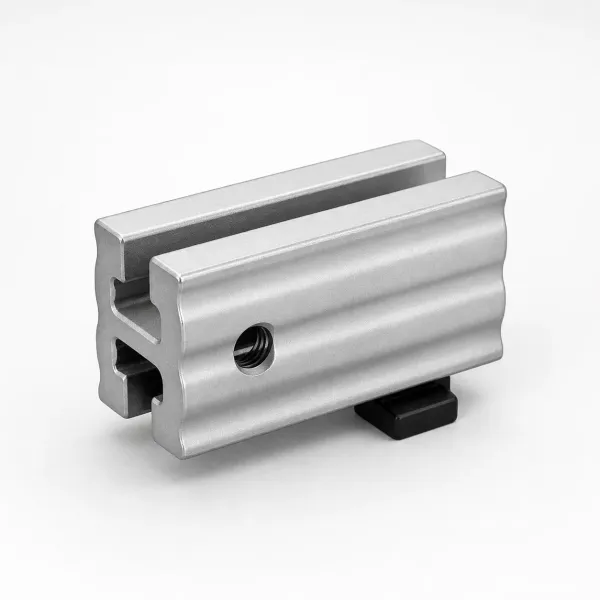
Fixed (Press-Fit) Drill Bushings — DIN 172
Headless press-fit bushings per DIN 172. Case-hardened, 60+ HRC. Permanent installation for long-run production.
View Details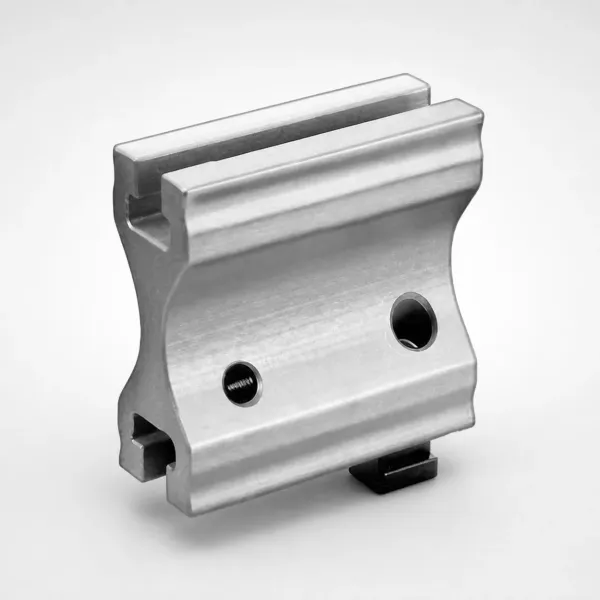
Renewable (Slip) Drill Bushings — DIN 179
Headed slip-fit bushings per DIN 179. Replaceable without removing the jig plate. For multi-operation sequences.
View Details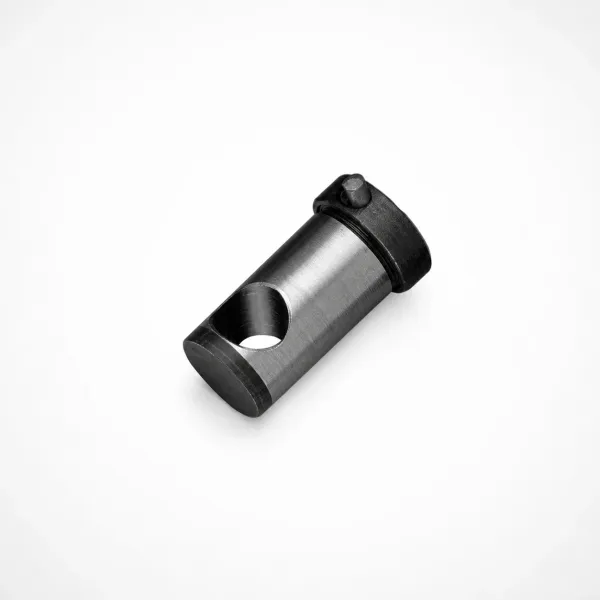
Liner Bushings
Press-fit liner inserts that accept renewable bushings. Protects the jig plate bore from wear during bushing changes.
View DetailsFixed vs. Renewable vs. Liner Bushings
| Feature | Fixed (DIN 172) | Renewable (DIN 179) | Liner |
|---|---|---|---|
| Installation | Press-fit into jig plate (permanent) | Slip-fit into liner (replaceable) | Press-fit into jig plate (accepts renewable) |
| Head | Headless (flush with plate) | Headed (retained by head + lock screw) | Headless (flush) |
| Replacement | Requires press to remove | Hand removal — no tools needed | Semi-permanent (replace when liner bore wears) |
| Best For | Single-operation, long-run production | Multi-operation jigs (drill → ream → counterbore) | Protecting jig plates from repeated bushing changes |
| Cost per Bushing | Lowest | Moderate | Liner + renewable (highest total) |
Deep dive: Read Fixed vs Renewable (Slip) Drill Bushings — Cost and Performance Comparison for detailed cost analysis.
How Drill Bushings Improve Hole Position Accuracy
A drill bushing improves hole accuracy through three mechanisms:
- Radial constraint: The hardened bushing bore (H7 tolerance, 60+ HRC) constrains the drill's radial deflection at the point of entry. Without a bushing, a drill can wander 0.1–0.3 mm at entry due to center-punch misalignment or material hardness variation.
- Entry angle control: The bushing bore ensures the drill enters perpendicular to the workpiece surface, preventing the angular deviation that causes elliptical holes. This is critical for angled surfaces where drill point walking is severe.
- Wear compensation: As the drill wears and develops runout, the bushing continues to constrain entry position. This maintains hole-to-hole consistency even as the drill degrades between resharpenings.
Achievable accuracy: With properly fitted bushings, hole position accuracy of ±0.025 mm (±0.001") is routinely achievable, compared to ±0.15–0.3 mm without bushings.
Learn more: See How Drill Bushings Improve Hole Position Accuracy in Production Jigs for the full engineering explanation.
Application Scenarios
Multi-Hole Drilling Jigs
Pain point: Hole pattern tolerance is ±0.05 mm but free-hand drilling consistently produces ±0.2 mm variation.
Why it fits: Fixed DIN 172 bushings installed at each hole location constrain drill entry to ±0.025 mm, well within spec.
Recommended: Fixed Drill Bushings (DIN 172), matched to drill diameter
Reaming Operations
Pain point: Reamer must follow the drilled hole exactly — any misalignment causes oversize or tapered bores.
Why it fits: Renewable bushings allow swapping from drill bushing (oversized bore) to reamer bushing (matched bore) without moving the jig.
Recommended: Liner + Renewable Bushings (DIN 179)
Assembly Fixture Alignment
Pain point: Alignment holes in assembly fixtures wear over time, causing fitment issues in downstream operations.
Why it fits: Press-fit drill bushings installed in alignment hole positions provide a hardened, replaceable wear surface that maintains bore accuracy.
Recommended: Fixed Drill Bushings (DIN 172), press-fit
Engineering Resources
Application Scenarios
High-Volume Drilling Operations
Pain point: Drill bit wander in freehand operations causes ±0.3 mm hole position errors, leading to 5-8% rejection rates in assembly.
Why it fits: Press-fit drill bushings constrain the drill bit to within ±0.02 mm of nominal position, reducing rejection rates to under 0.5%.
Multi-Operation Drilling Jigs
Pain point: Jigs requiring different drill sizes at the same hole location need bushing changes that waste production time.
Why it fits: Renewable (slip) bushings slide in and out of a liner bushing, allowing tool changes in under 10 seconds without disturbing jig accuracy.
Inspection Gauge Fabrication
Pain point: Gauge pins must be positioned within ±0.005 mm to serve as reliable measurement references.
Why it fits: Press-fit jig bushings provide the tightest bore tolerances (H7) with hardened inner surfaces (62 HRC) for long-term dimensional stability.
Frequently Asked Questions
What is the difference between a fixed drill bushing and a renewable (slip) drill bushing?+
How does a drill bushing improve hole position accuracy?+
What are the standard bore and OD sizes for DIN 172 drill bushings?+
Can I get drill bushings with non-standard bore diameters for custom tooling?+
How often should drill bushings be replaced in high-volume production?+
Related Product Categories
Need Drill Bushings?
Specify the bore diameter, bushing type (fixed/renewable/liner), and quantity. DIN 172 and DIN 179 standards.