Height Adjusting Pins
69 height adjusting pins, rest pads, and jack screws for Z-axis workpiece elevation. Threaded adjustment, spring-loaded, and fixed pad designs with hardened contact surfaces.
Height Adjusting Pins — 69 Products
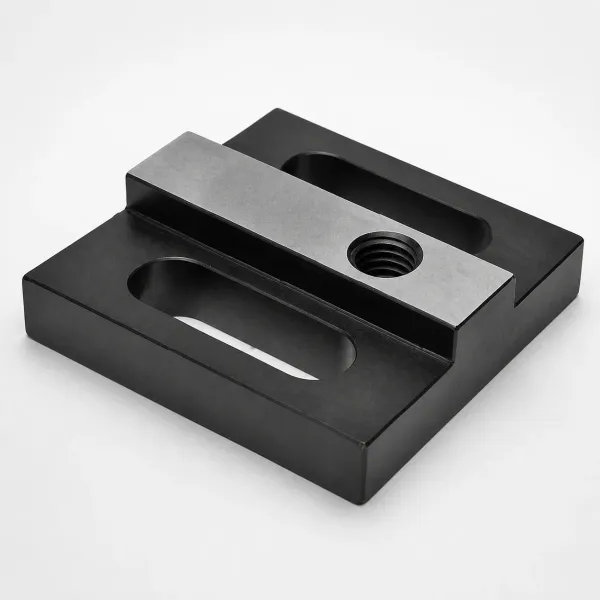
Threaded Height Adjusting Pins
Precision threaded adjustment for fine Z-axis control. Hardened contact surface. Lock nut included.
View Details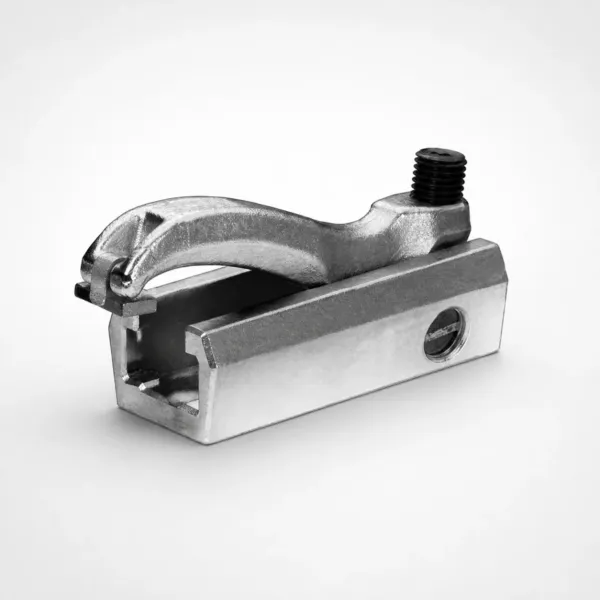
Spring Height Adjusting Pins
Spring-loaded self-adjusting support. Constant upward force compensates for workpiece variation.
View Details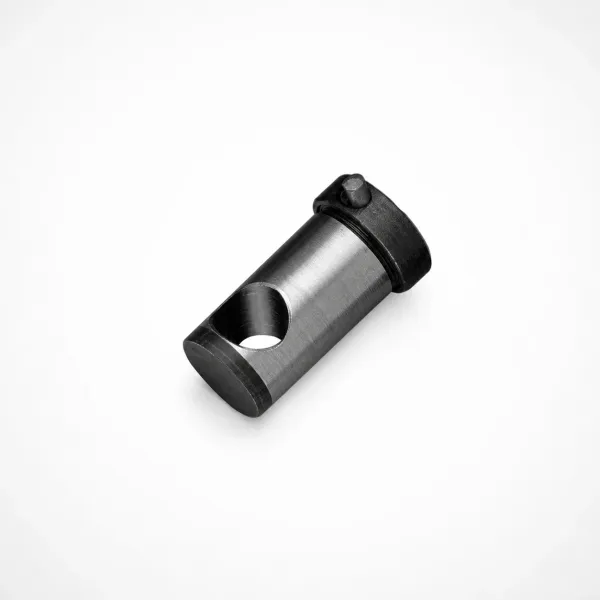
Fixed Rest Pads
Hardened rest buttons and pads for fixed-height support points. No adjustment needed.
View DetailsHeight Adjusting Pin Types Compared
| Feature | Threaded | Spring | Fixed Pad |
|---|---|---|---|
| Adjustment | Manual thread rotation (fine control) | Automatic (spring force) | None — fixed height |
| Accuracy | ±0.05 mm (with lock nut) | ±0.5 mm (spring deflection) | ±0.01 mm (ground surface) |
| Load Capacity | High (thread supports axial load) | Low to medium (spring rate limited) | Very high (solid contact) |
| Best Application | Die height adjustment, leveling | Compensating for casting/forging variation | Permanent reference points |
Learn more: See When to Use Height Adjusting Pins Instead of Fixed Rest Pads for a cost-benefit analysis.
Adjustable vs. Fixed Pads — When Is Each Worth the Investment?
Fixed rest pads cost less per piece (typically 30–50% less than threaded adjusting pins) and never need recalibration. Choose them when:
- Workpiece height is constant across all batches
- The fixture serves a single part number
- Maximum load capacity is needed (no thread weakness)
Threaded adjusting pins cost more upfront but eliminate the need for shimming or re-machining support surfaces when:
- Workpiece height varies between batches or revisions
- Die height requires periodic adjustment
- Multiple part numbers share the same fixture
Break-even estimate: If you're currently spending >15 minutes per setup shimming fixed supports, the time savings from threaded pins will pay for themselves within 50–100 setups.
Deep dive: Read How to Spec a Height Adjusting Pin — Load Capacity, Range, and Thread Selection for the complete specification guide.
Application Scenarios
Die Height Adjustment
Pain point: Die shut height changes after regrinding, requiring shims that are time-consuming to size and install.
Why it fits: Threaded height adjusting pins allow ±5 mm adjustment without shimming. Lock nut prevents vibration loosening during press operation.
Recommended: Threaded Height Adjusting Pins, heavy-load variant
CNC Workpiece Support
Pain point: Castings and forgings have variable bottom surfaces that don't sit flat on fixed supports.
Why it fits: Spring-loaded pins self-adjust to the workpiece surface, providing constant upward force regardless of surface variation.
Recommended: Spring Height Adjusting Pins
Engineering Resources
Application Scenarios
Variable-Height Workpiece Support
Pain point: Cast or forged workpieces have ±1-2 mm datum surface variation, making fixed rest pads unable to provide proper contact support.
Why it fits: Threaded height adjusting pins provide 0.5 mm/turn resolution, allowing fine adjustment to match each workpiece's actual datum surface height.
Multi-Product Fixture Conversion
Pain point: Fixtures shared across 3-5 product variants need different support heights for each part number, but replacing fixed blocks takes too long.
Why it fits: Adjustable pins can be pre-set to marked positions for each variant, cutting changeover time from 20 minutes to under 3 minutes.
Frequently Asked Questions
What is the maximum load capacity of a threaded height adjusting pin?+
When should I use adjustable pins instead of fixed rest pads?+
What is the adjustment range of a typical height adjusting pin?+
Are height adjusting pins available with hardened contact surfaces?+
Related Product Categories
Need Height Adjusting Pins?
Specify the thread size, adjustment range, and load requirement. MOQ 1 piece.