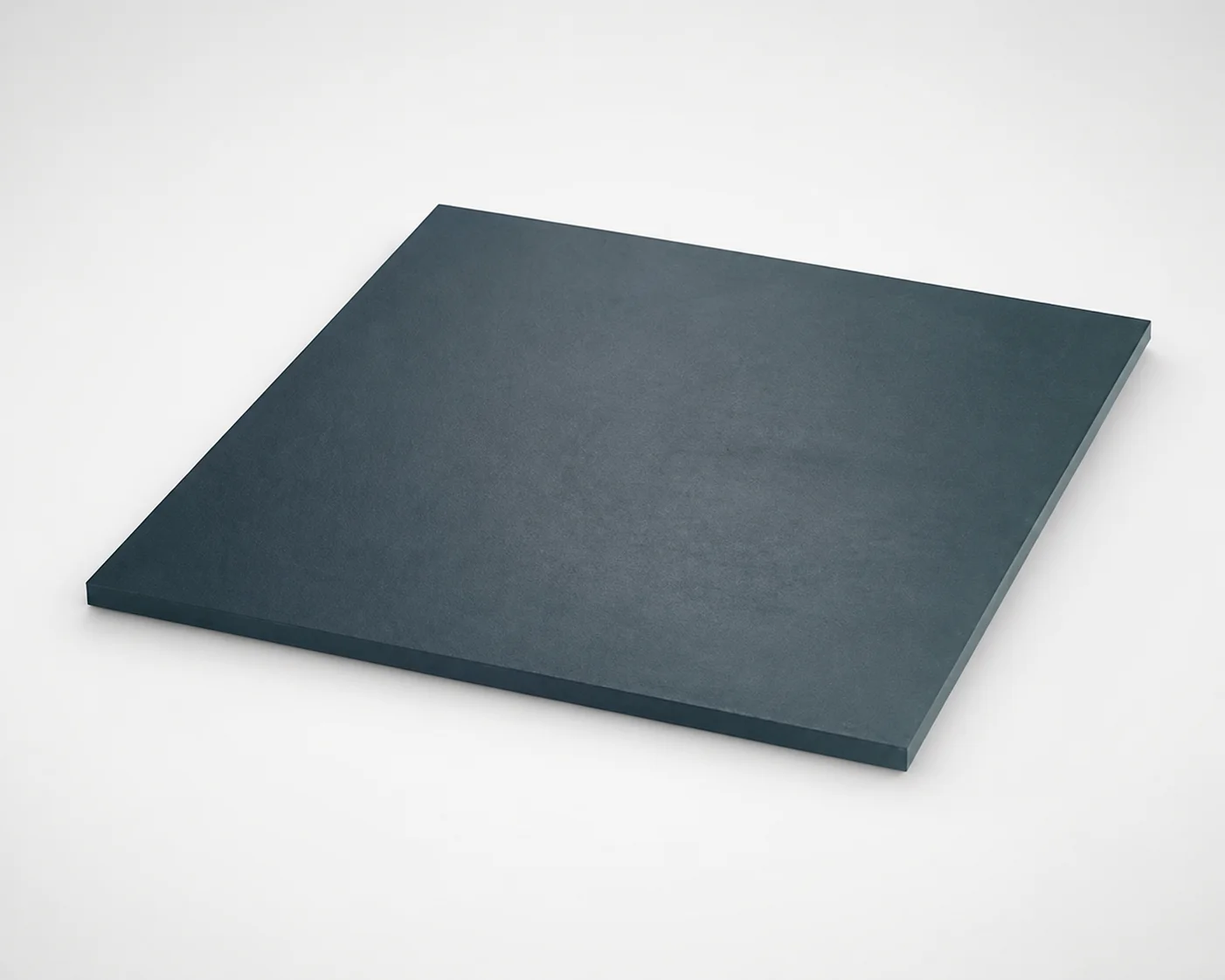
UT Type Heavy-Load Urethane Sheets (Shore A90) Sheet
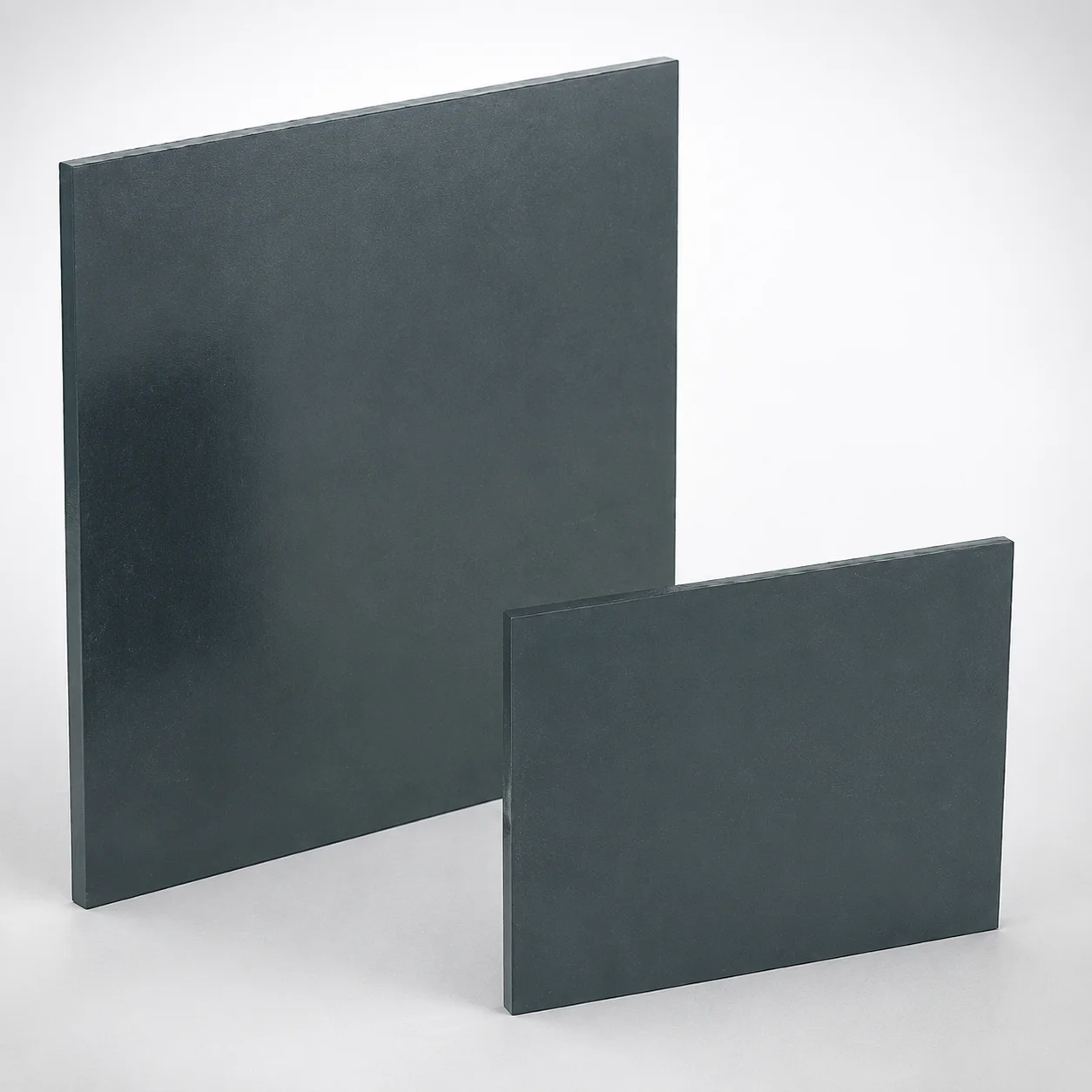
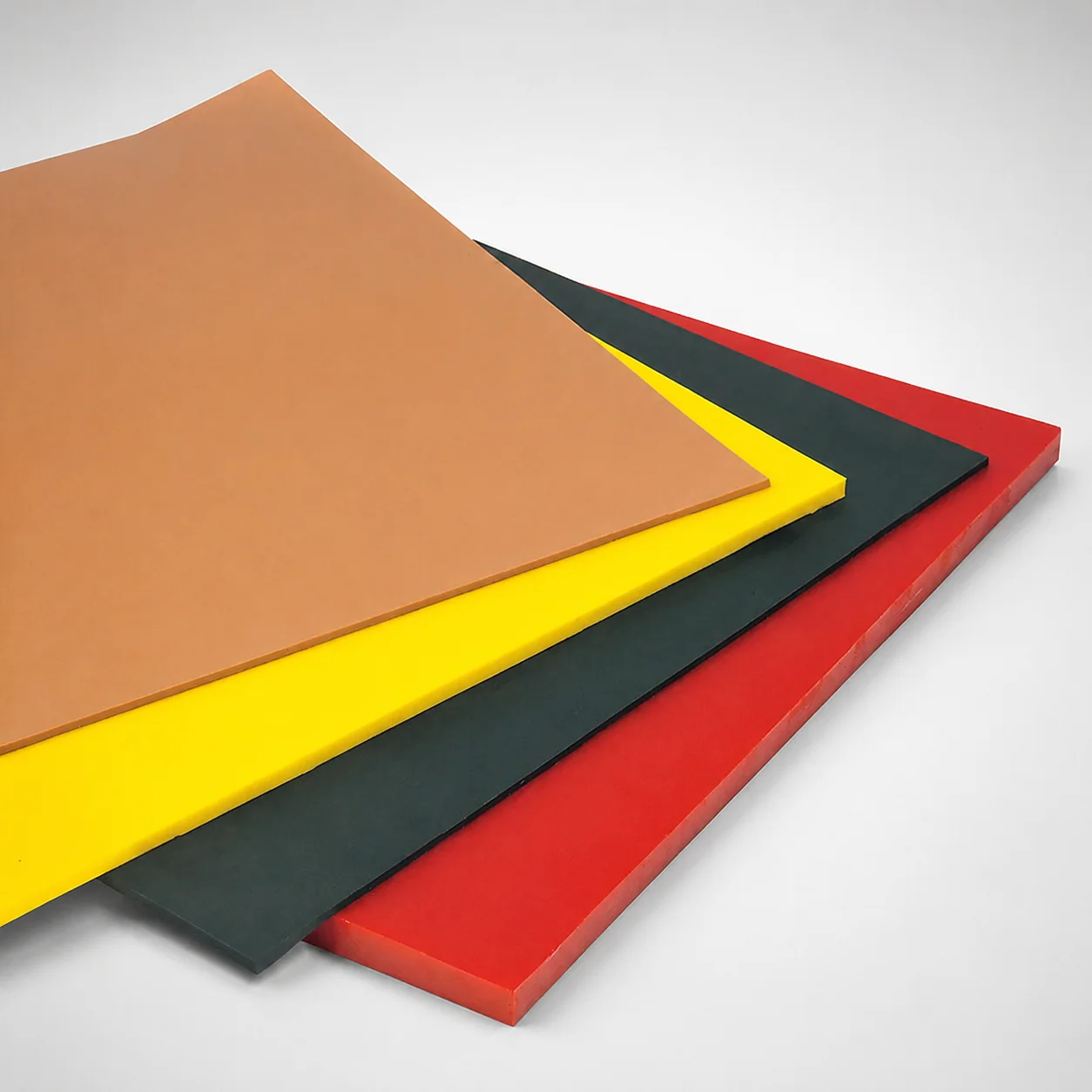
UT type heavy-load urethane sheets (Shore A90) are supplied in a sheet form for reliable cushioning and resistance under demanding conditions. The material selection supports stable performance where dimensional stability matters.
- Heavy-load urethane chemistry with Shore A90 balance for impact and abrasion resistance
- UT grade sheet material helps maintain consistent elastomer behavior in production use
- Sheet configuration supports thickness, length, and width selection for fit-up
- Commonly used for vibration damping, protective wear pads, and handling system cushioning
Specifications
21 configurations available
| T (Height) (mm) | A (Width) (mm) | type |
|---|---|---|
| 1 | 500 | - |
| 2 | 500 | - |
| 3 | 500 | - |
| 4 | 500 | - |
| 5 | 300 | - |
| 5 | 500 | - |
| 6 | 300 | - |
| 6 | 500 | - |
| 8 | 300 | - |
| 8 | 500 | - |
| 10 | 300 | - |
| 10 | 500 | - |
| 15 | 300 | - |
| 15 | 500 | - |
| 20 | 300 | - |
| 20 | 500 | - |
| 25 | 300 | - |
| 25 | 500 | - |
| 30 | 300 | - |
| 30 | 500 | - |
| 50 | 500 | - |
Product Guide
Application Scenarios+
This UT type heavy-load urethane sheet is used in injection mold tooling as a cushioning and wear interface component where mechanical contact, vibration, and repeated impacts occur. Its Shore A90 elastomer balance helps absorb shock while maintaining reasonable stiffness for stable fixture behavior.
- Vibration damping pads: Place between mounting surfaces or on tooling plates to reduce machine-induced vibration. The sheet format allows cutting to match the contact footprint.
- Protective wear pads: Use as a replaceable liner at guides, stops, or sliding contact zones to limit abrasion and prolong wear life.
- Handling system cushioning: Install in end-effector tooling or transfer fixtures to soften contact loads during part present/release cycles, improving consistency without rigid impact.
Because this is supplied as a sheet (not a molded component), you can tailor thickness and surface coverage to your mold support hardware while retaining the elastomer behavior expected from a Shore A90 formulation.
Material & Process Details+
The product is an urethane elastomer sheet in the UT type heavy-load class with Shore A90, targeting a practical trade-off between impact resistance and abrasion/wear resistance. Shore A90 indicates a harder rubber-like material than softer cushioning grades, which typically improves load-bearing stiffness and reduces creep under sustained compression.
- Wear & cushioning balance: Suitable where you need abrasion resistance but still require elastic energy absorption.
- Toughness trade-off: Compared with softer Shore A grades, higher hardness generally reduces deflection; this can be beneficial for dimensional stability in fixture interfaces.
- Manufacturing state: As a sheet elastomer, the performance is inherent to the supplied cured urethane formulation; it is typically cut/laminated for tooling use rather than heat-treated like steel inserts.
No steel grade or HRC heat-treatment data applies to this urethane sheet product variant.
Sizing & Selection Guide+
Selection is driven by the provided sheet geometry. Choose Height/Thickness (T) in the range 1 ~ 50 mm based on required deflection and contact stress. For coverage, select Width (A) from the available options: 500 mm or 300 mm.
- Match contact compression: Use a thicker T when you need more load capacity and longer wear surface; use thinner T for tighter space constraints.
- Fit to cavity/core interface: Cut the sheet to the tooling footprint of the press plate, guide contact zone, or protective liner area, ensuring full support under the contact patch.
- Tolerance/fit: Because this is a sheet elastomer, plan for cutting tolerances and verify clearance after machining/cutting. Avoid over-compression—target a controlled squeeze consistent with your fixture design.
- Configurable vs fixed: Width is fixed to 300 or 500 mm options, while thickness is configurable across 1–50 mm for your cushioning requirement.
Frequently Asked Questions
What thickness range (T) is available for the UT type heavy-load urethane sheet, and how should I choose it for mold tooling cushioning?+
Which widths are supported for this urethane sheet, and how does width affect how I plan cutting for a mold insert or wear pad?+
Is Shore A90 suitable for abrasive wear pads in injection mold tooling, or should I use a softer urethane grade?+
Does this urethane sheet require steel-like heat treatment to achieve hardness or performance?+
How do I select the right fit when placing the sheet between tooling surfaces to avoid excessive compression?+
Related Products
Need Custom Specifications?
Our engineering team can help with custom configurations, material selection, and volume pricing.