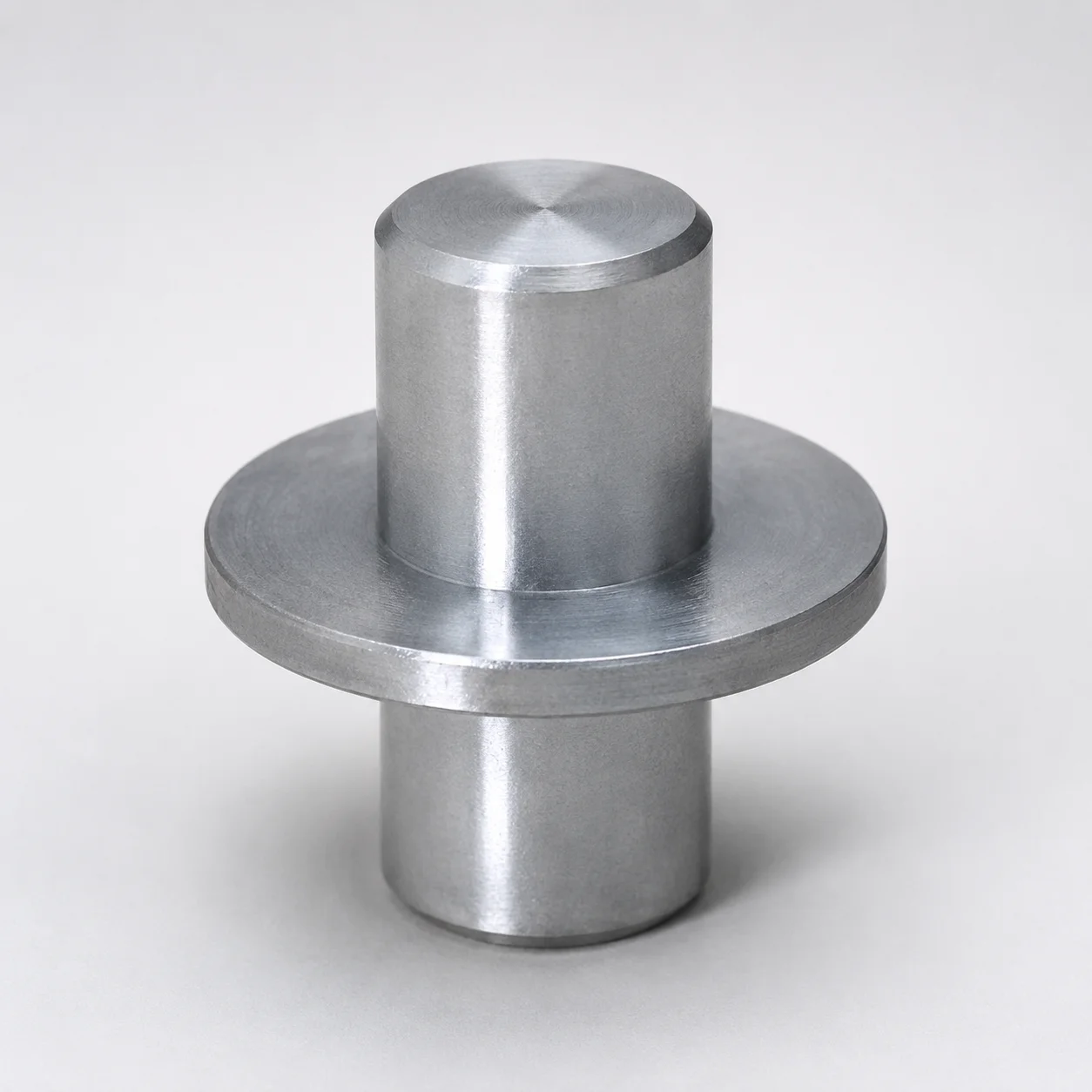
SSWC Series Coil Spring Washers
SSWC series coil spring washers provide reliable support by distributing spring loads evenly across the spring assembly. This helps maintain compression performance while reducing wear, vibration, and noise in demanding mechanical systems.
- Even load distribution supports stable spring compression
- Durable washer design helps minimize vibration and noise
- Maintains structural integrity for consistent long-term performance
- Suitable for automotive, industrial, and construction environments
Specifications
13 configurations available
| D (Outer diameter) (mm) | type |
|---|---|
| 7 | - |
| 9 | - |
| 11 | - |
| 13 | - |
| 15 | - |
| 17 | - |
| 19 | - |
| 21 | - |
| 24 | - |
| 26 | - |
| 29 | - |
| 34 | - |
| 39 | - |
Product Guide
Application Scenarios+
SSWC series coil spring washers are used in injection mold tooling and end assemblies wherever spring compression must remain stable under fluctuating loads. In tooling applications, these washers help distribute the spring’s force across a larger contact area, which reduces localized stress on the spring seat and improves consistency over repeated cycles.
- Automotive connector/fixture spring stacks: use the washer under coil springs to damp vibration and limit noise in clamped or indexed mechanisms where micro-movement can occur.
- Industrial wear-resistant spring supports: fit washers between the spring and mating surfaces to optimize compression behavior while reducing wear that can degrade tool longevity.
- Construction/field-mechanism assemblies: the design supports reliable load transfer in systems exposed to vibration and uneven mounting pressures.
The even load distribution and vibration/noise reduction characteristics of this washer variant make it a practical choice for spring assemblies that must maintain performance with minimal seat wear.
Material & Process Details+
The provided data identifies this item as an SSWC series coil spring washer, but it does not include a specific steel grade or heat-treatment condition. Because the material and HRC/hardness values are not specified, hardness, wear-resistance, and toughness trade-offs can only be addressed at the functional level: the washer’s role is to spread load to reduce localized surface damage and maintain stable compression.
- Heat treatment: Not specified in the current dataset for SSWC.
- Hardness (HRC): Not specified in the current dataset.
- Manufacturing process: Not specified; typically coil-spring washers are formed and then heat-treated depending on target spring-seat hardness.
If you need material-level matching for a specific mold/tooling duty cycle, share the spring seat material or requested wear level so we can confirm the appropriate grade and temper state.
Sizing & Selection Guide+
Select the correct washer size primarily by matching the washer’s outer diameter D to the available spring-seat/contact envelope in the assembly. For this series, D is 7 ~ 39 mm.
- Step 1 — Check clearance: ensure the selected D fits within the mold tooling or mechanical housing space without interference during compression travel.
- Step 2 — Match load transfer area: choose a D that allows the washer to fully cover the spring’s load path at the seat, supporting even load distribution and reducing seat wear.
- Step 3 — Consider tolerance/fit: the dataset does not list tolerance values, so confirm tolerances with the spring seat machining spec or drawings for the mating components.
All sizes are governed by the fixed D range (7–39 mm); the dataset does not indicate configurable lengths or other dimensions for this product variant.
Frequently Asked Questions
How do I choose the correct SSWC coil spring washer outer diameter (D) for a spring seat in a mold assembly?+
Use the washer outer diameter D as the primary selection parameter. For the SSWC series, D is 7 ~ 39 mm.
Confirm the selected D provides enough contact coverage on the spring seat without interference in the housing or tooling cavity during compression. Also verify mating tolerances from your spring seat specification, since tolerance values are not provided in the dataset.
What functional benefit does an SSWC coil spring washer provide for reducing vibration and noise?+
SSWC coil spring washers are designed to distribute spring loads more evenly across the seat. This reduces localized stress concentrations that can contribute to micro-movement.
In assemblies that experience repeated cycling, the even load transfer helps minimize wear at the spring contact area, which supports stable compression performance and can reduce vibration and noise.
Is the SSWC series washer intended for high-cycle wear-critical tooling applications?+
The current description specifies that the washer helps optimize spring compression while reducing wear, vibration, and noise. That makes it suitable for demanding mechanical systems where long-term seat integrity matters.
However, the dataset does not provide steel grade, hardness (HRC), or heat-treatment details, so confirm material/tempering requirements for your specific wear target.
Do I need material/heat-treatment information (HRC, grade) to spec the SSWC washer for my spring assembly?+
Material and heat-treatment data are not included in the provided specifications. As a result, hardness (HRC), wear-resistance level, and toughness trade-offs cannot be verified from the dataset alone.
If your application is sensitive to seat wear or fretting, request the steel grade and heat-treatment condition to ensure compatibility with your spring seat materials and duty cycle.
Related Products
Need Custom Specifications?
Our engineering team can help with custom configurations, material selection, and volume pricing.