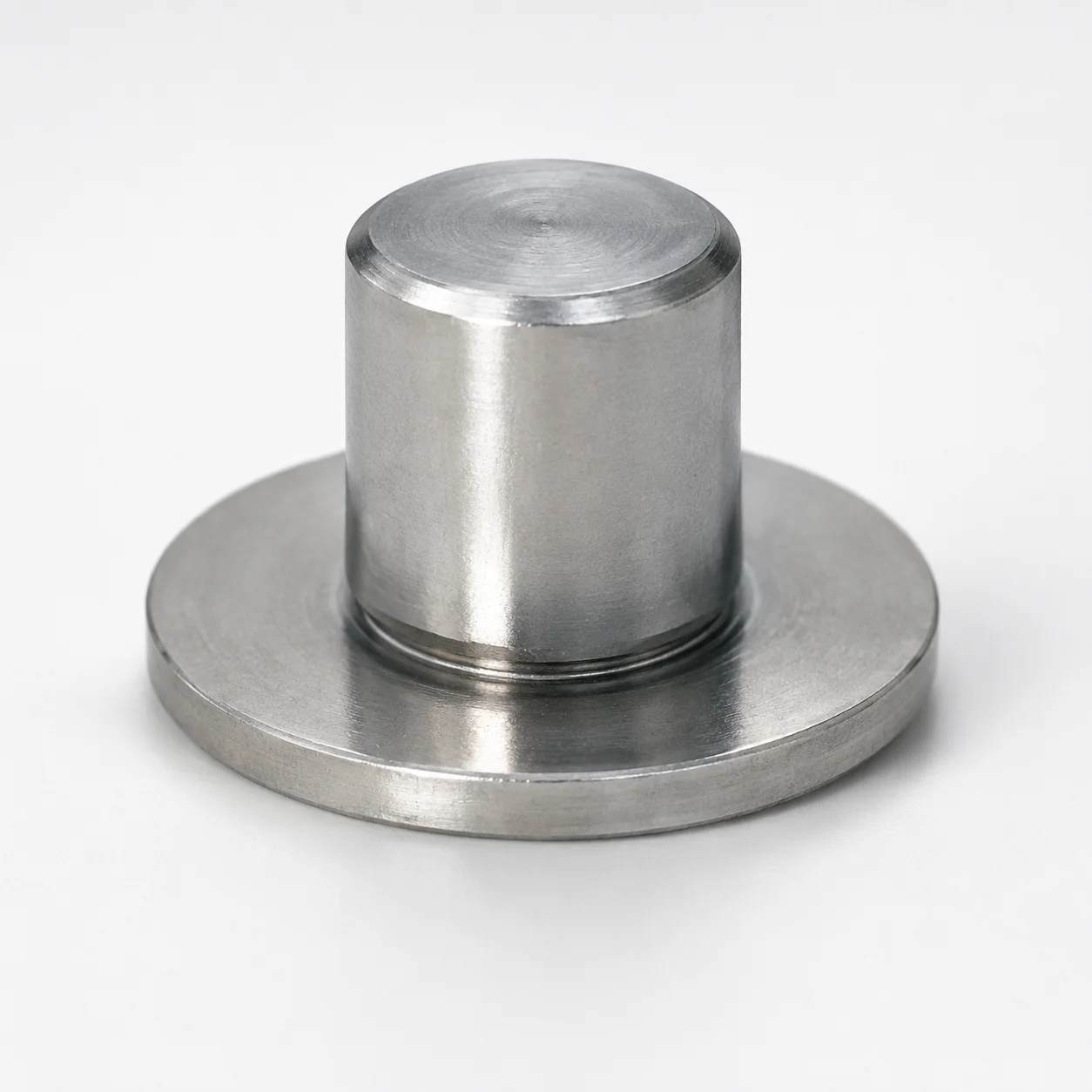
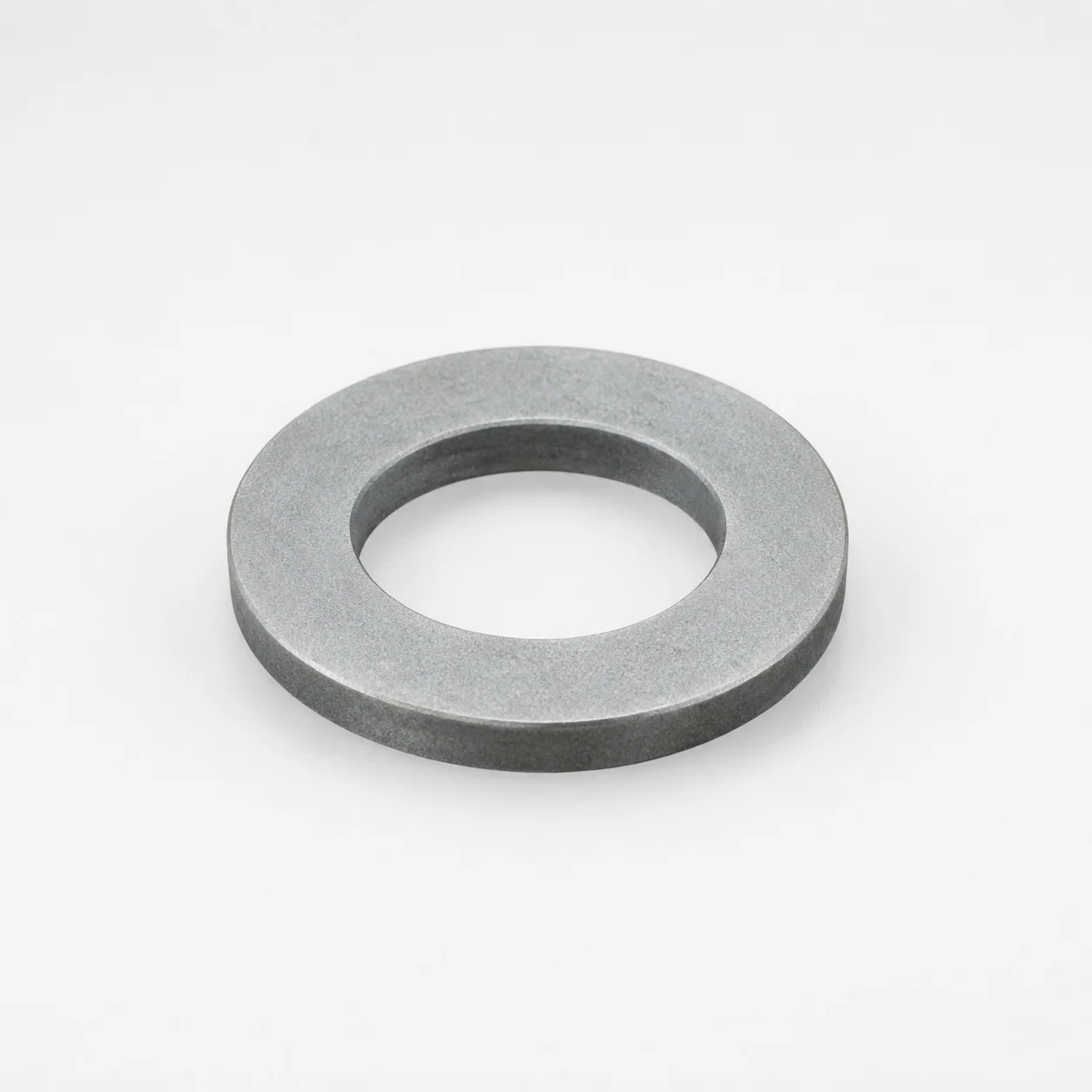
SSWB Series Coil Spring Washers
SSWB Series coil spring washers provide reliable load support for coil spring assemblies by distributing force evenly. They help reduce friction and wear while maintaining stable mechanical performance across demanding industrial and automotive applications.
- Even load distribution across the coil spring stack for stable assembly support
- Engineered to reduce friction, lowering wear and extending service life
- SSWB type design supports consistent function without compromising structural integrity
- Suitable for automotive, machinery, and industrial components using coil spring systems
Specifications
13 configurations available
| D (Outer diameter) (mm) | type |
|---|---|
| 7 | - |
| 9 | - |
| 11 | - |
| 13 | - |
| 15 | - |
| 17 | - |
| 19 | - |
| 21 | - |
| 24 | - |
| 26 | - |
| 29 | - |
| 34 | - |
| 39 | - |
Product Guide
Application Scenarios+
In injection mold tooling, coil spring washers like this variant are typically used in mechanical assemblies that support or actuate components under load—either directly in the tooling hardware or in adjacent mechanisms.
- Automotive connector and bracket tooling: When molds use spring-loaded ejectors or mechanism return systems, even load distribution helps prevent uneven spring compression and supports stable ejection behavior through cycle-to-cycle variation.
- Industrial packaging and housings molds: For cam, latch, or press assemblies that rely on coil spring stacks, reduced friction at the washer interface can lower wear on mating parts and improve long-term reliability.
- General machine tool fixtures: In applications with repeated tightening/relaxation, the washer’s role in distributing force across the spring stack helps protect the assembly from localized stress.
This type-specific design is suited because it supports consistent spring stack function while helping reduce wear, supporting efficiency in mechanically demanding environments.
Material & Process Details+
The provided specifications list only the SSWB geometry range (D = 7–39 mm), and do not specify the steel grade, hardness (HRC), heat treatment state, or surface treatments for this product.
Because no material data is included, Axiom Molds recommends confirming the washer’s actual material/processing (for example, whether it is pre-hardened, quenched & tempered, or nitrided) before selecting it for high-wear mold mechanism locations.
- Material properties to verify: target hardness for wear resistance, core toughness for resistance to cracking under cyclic loads, and any coatings for corrosion/friction control.
- Trade-off guidance: higher hardness generally improves wear resistance but can reduce toughness; cyclic mechanism use favors a balanced combination suited to the expected load and lubrication conditions.
Sizing & Selection Guide+
Selection is driven primarily by the washer’s outer diameter D, specified in the range D = 7–39 mm. Use this dimension to ensure the washer can sit correctly within the spring stack and interface surfaces without interfering with nearby tooling hardware.
- Match to cavity/core requirements: Confirm that the washer’s outer diameter can accommodate the coil spring’s outer envelope while staying within the available clearance in the tool’s spring pocket or retaining feature.
- Check fit and alignment: Ensure the washer does not bind against shoulders or guide features during compression and return, especially in mechanisms that experience angular misalignment.
- Tolerance considerations: If your assembly design relies on tight positional control, validate the washer’s dimensional tolerances against the tolerances of the spring and mating parts to avoid stack height variation.
If you provide the spring outer diameter and available clearance, you can select the closest D value within 7–39 mm and then verify fit for cycle operation.
Frequently Asked Questions
How do I select the correct SSWB coil spring washer size for a spring stack in a mold mechanism?+
Use the specified outer diameter D range of 7–39 mm as your first selection criterion. Verify that the chosen D clears the spring’s outer envelope and fits within the tool’s available pocket/retainer space.
For stable operation, also check that the washer can compress and return without contacting guide features or shoulders.
What material grade and heat treatment are available for the SSWB washer, and how does that affect wear resistance?+
The provided product data does not include a steel grade, hardness (HRC), or heat treatment state (e.g., quenched & tempered, nitrided).
For wear-critical mold mechanism locations, confirm the washer’s actual processing and hardness so you can balance wear resistance against toughness for cyclic loads.
Can this washer help reduce friction and wear in injection mold spring-loaded systems?+
Yes—its intended function is to distribute load evenly across the coil spring stack, which reduces localized pressure and helps lower frictional wear at the interface. This can improve stability and service life in repeated actuation environments.
To quantify the benefit, validate the interface conditions (lubrication, contact area, and cycle frequency) for your specific mechanism.
What dimensional tolerance should I consider when matching the washer to ejector or return mechanism components?+
The dataset only specifies D = 7–39 mm and does not provide tolerance values. If your mechanism depends on stack height or alignment, you must confirm the washer’s dimensional tolerances and compare them with the tolerances of the coil spring and mating features.
This helps prevent stack height variation that can impact stroke consistency.
Is SSWB suitable for automotive tooling applications involving coil spring assemblies?+
The product description indicates suitability for automotive, machinery, and industrial applications using coil spring systems. In tooling, this aligns with environments that require stable load support and repeatable mechanical performance.
For best results, ensure the selected D value fits the assembly’s spring stack clearance and that material/processing meets wear and fatigue expectations.
Related Products
Need Custom Specifications?
Our engineering team can help with custom configurations, material selection, and volume pricing.