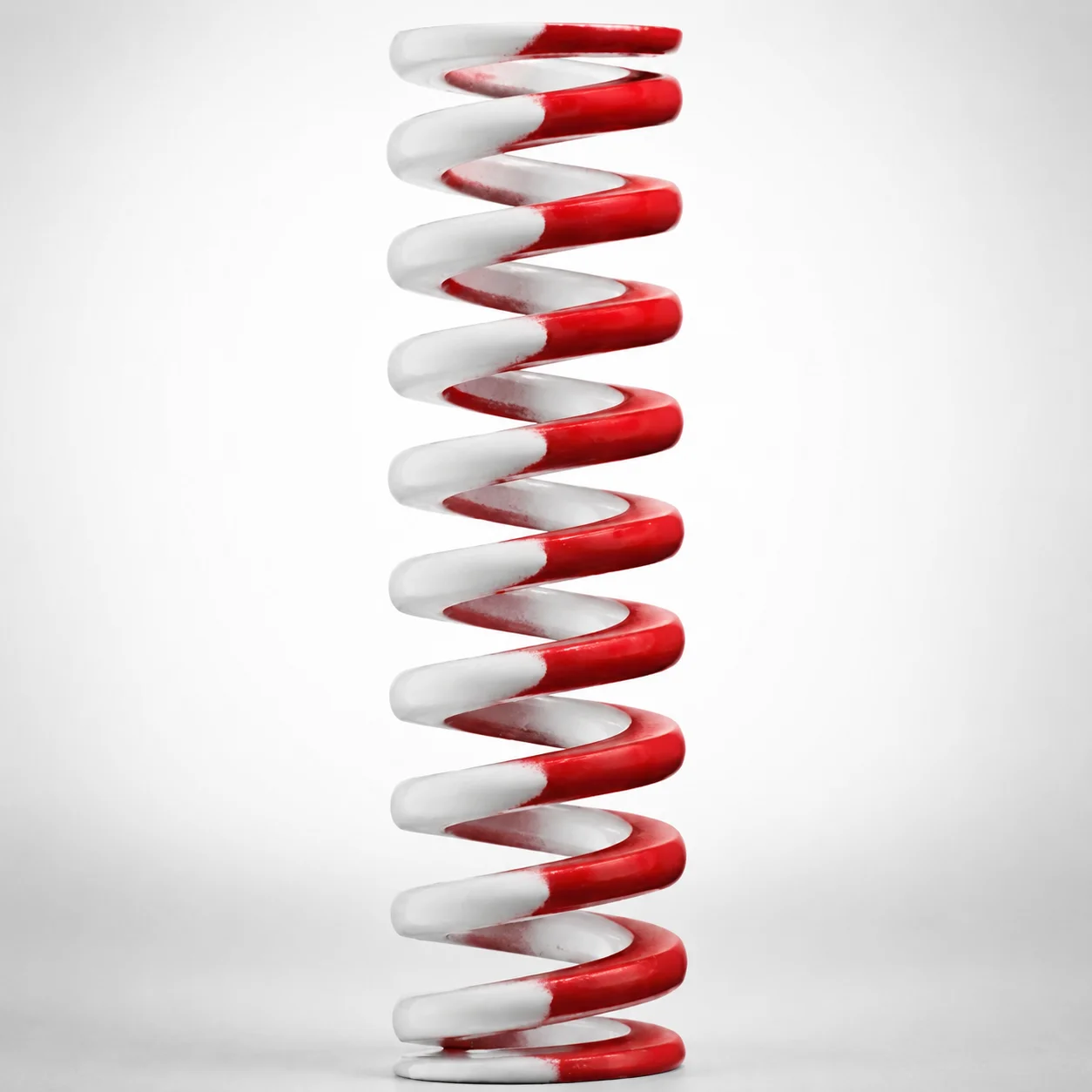
Coil Springs - Med-Heavy Pressure - Inch
Coil Springs - Med-Heavy Pressure - Inch are manufactured from hardened alloy steel and finished with an E-coat to improve corrosion resistance in demanding, continuous duty applications. Designed for controlled free-length performance, they support predictable compression behavior with extended service life.
- Color-coded red/silver identification simplifies inventory and sourcing control
- E-coat corrosion resistance helps maintain spring reliability
- Temperature rating up to 482F (250C) supports high-heat operating conditions
- Optimized for long life using 20% / 25% free length design guidelines
Specifications
16 configurations available
| Dd (Rod Diameter) (in) | DH (Hole Diameter) (in) | Lo (Free Length) (in) | R (Spring Rate +/-10% ) (lbs/.10 Inch Deflec.) |
|---|---|---|---|
| 3/16" | 3/8" | 1" | 8.4 |
| 3/16" | 3/8" | 1-1/4" | 7.3 |
| 3/16" | 3/8" | 1-1/2" | 6.7 |
| 9/32" | 1/2" | 1" | 15.5 |
| 9/32" | 1/2" | 1-3/4" | 8.5 |
| 9/32" | 1/2" | 2" | 7.5 |
| 11/32" | 5/8" | 1" | 30 |
| 11/32" | 5/8" | 2" | 15.5 |
| 3/8" | 3/4" | 1" | 50 |
| 3/8" | 3/4" | 1-1/4" | 38 |
| 1/2" | 1" | 1" | 82.7 |
| 1/2" | 1" | 1-1/2" | 53.8 |
| 1/2" | 1" | 2" | 40 |
| 1/2" | 1" | 2-1/2" | 32.2 |
| 1/2" | 1" | 4" | 20.2 |
| 1" | 2" | 6" | 45 |
Product Guide
Application Scenarios+
These medium-to-heavy duty coil springs are used in injection mold tooling anywhere reliable, repeatable compression is needed—especially in mechanisms like stripper plate returns, slide or lifter assistance, and other long-cycle accessory stations. The hardened alloy steel construction combined with an E-coat finish helps maintain spring performance in environments where moisture, coolants, and frequent washdowns can accelerate corrosion.
- Automotive connector and housing molds: Use controlled free-length springs to stabilize motion between press cycles, supporting consistent compression behavior at elevated shop temperatures.
- Medical device housings and precision covers: The predictable spring rate (±10% on the specified deflection basis) helps reduce variation in part ejection timing and stroke recovery.
- High-heat consumer parts molds: Rated for operation up to 482F (250C), making them suitable for longer duty cycles where thermal exposure would shorten untreated spring life.
Choose this variant when long service life and corrosion resistance under continuous duty are primary requirements.
Material & Process Details+
These coil springs are manufactured from hardened alloy steel, then finished with an E-coat corrosion protection layer. Hardening improves compressive strength and fatigue life for repeated loading, while the alloy steel provides a balance of wear resistance (against fretting and surface degradation) and toughness (to resist cracking under cyclic deflection).
- Material state: the product is specified as hardened alloy steel (heat treatment details beyond “hardened” are not provided).
- Corrosion protection: E-coat helps maintain performance reliability in wet or coolant-exposed mold environments.
- Temperature capability: service up to 482F (250C) supports high-heat operating conditions.
Compared with non-hardened or uncoated springs, hardened alloy steel plus E-coat is selected to reduce fatigue degradation and corrosion-driven loss of spring characteristics in continuous-duty tooling.
Sizing & Selection Guide+
Select the rod and hole dimensions first, then match the free length and spring rate to the required stroke and force profile of the mold mechanism. For this series, choose Dd (Rod Diameter) from 3/16", 9/32", 11/32", 3/8", 1/2", or 1", and select DH (Hole Diameter) from 3/8", 1/2", 5/8", 3/4", 1", or 2" to ensure proper fit in the guide or seat.
- Free length Lo: available as 1 ~ 6 in. Set Lo so that, at installed condition, the spring operates within the intended compression travel without bottoming.
- Spring rate R: specified as +/−10% on the deflection basis of lbs per .10 inch, with values from 6.7 ~ 82.7. Match R to the required force to achieve the desired return/ejection timing.
- Tolerance/fit: rate tolerance is explicitly ±10%; dimensional tolerances are not provided, so verify clearance against your housing/guide design and assembly drawings.
Frequently Asked Questions
How do I choose the correct spring rate for a mold return or stripper mechanism using the +/−10% specification?+
What dimensional pair (Dd and DH) should be matched to the guide or seat in the mold?+
How do I select free length Lo (1 ~ 6 in) so the spring won’t bottom out under load?+
Is E-coat sufficient for coolant-exposed or washdown environments in injection molding?+
What temperature limit should I design around for these coil springs in hot-runner or high-heat cycles?+
Related Products
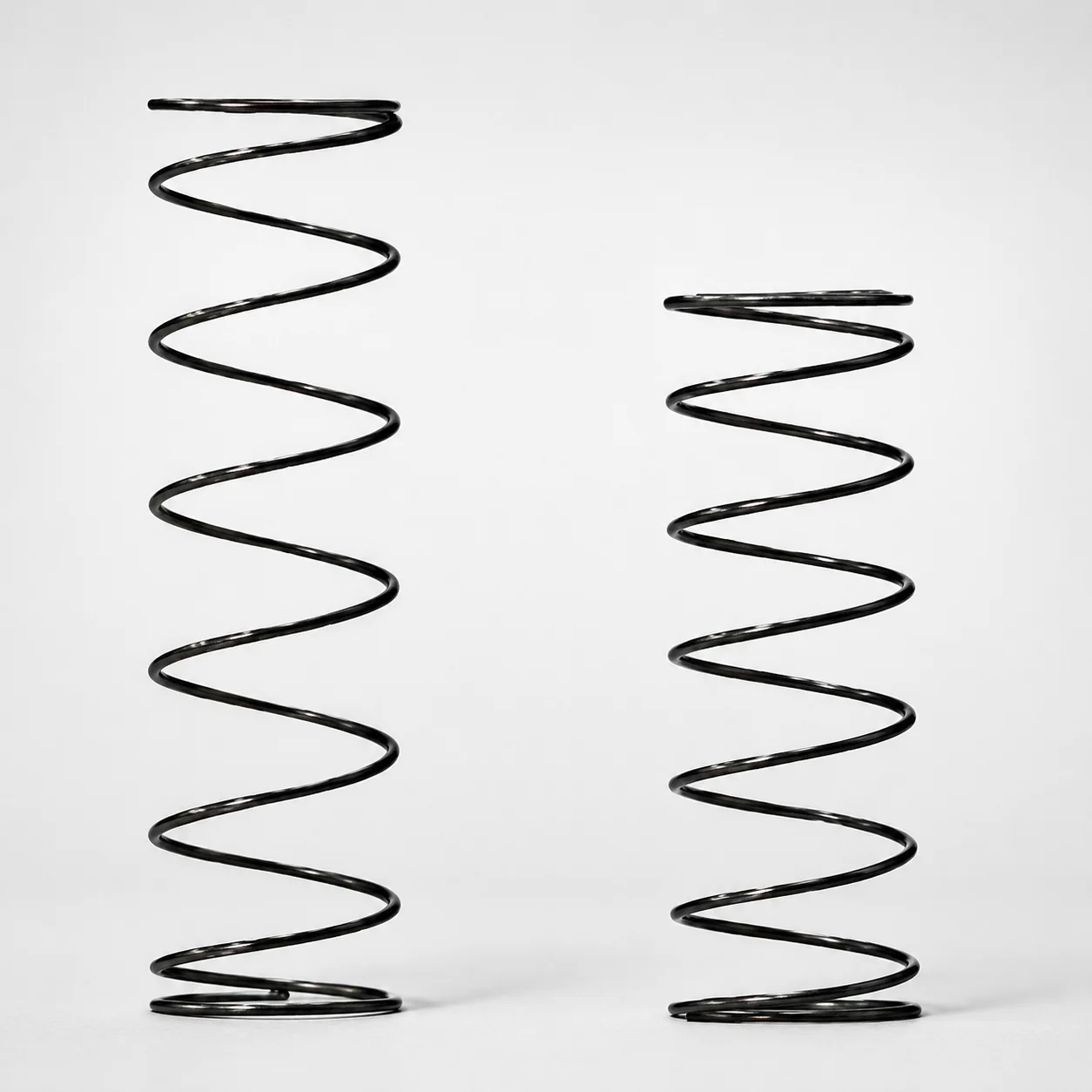
Heat Resistant Round Wire Spring - 60% Deflection (WFH Series)
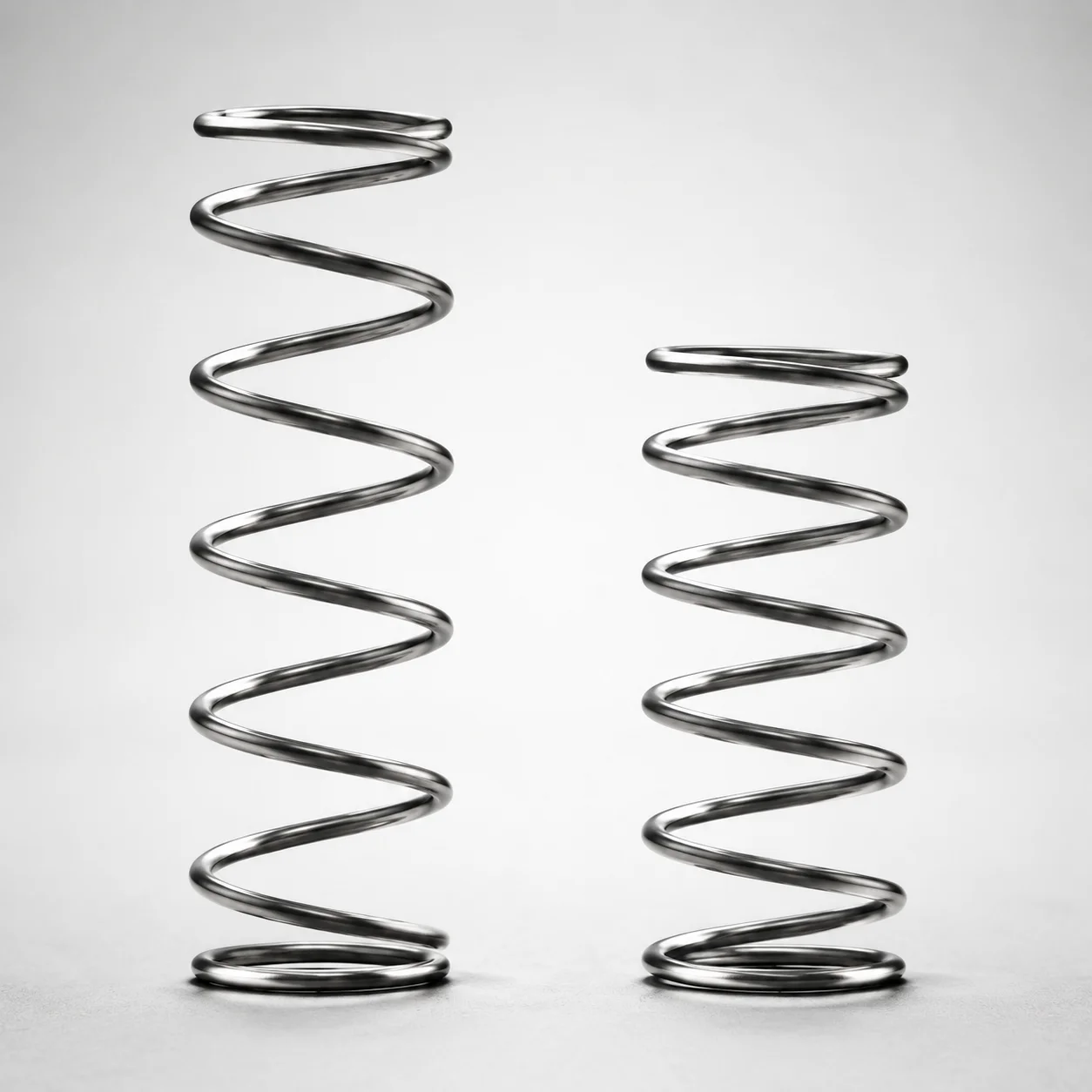
WLH Series Heat Resistant Round Wire Spring - 50% Deflection
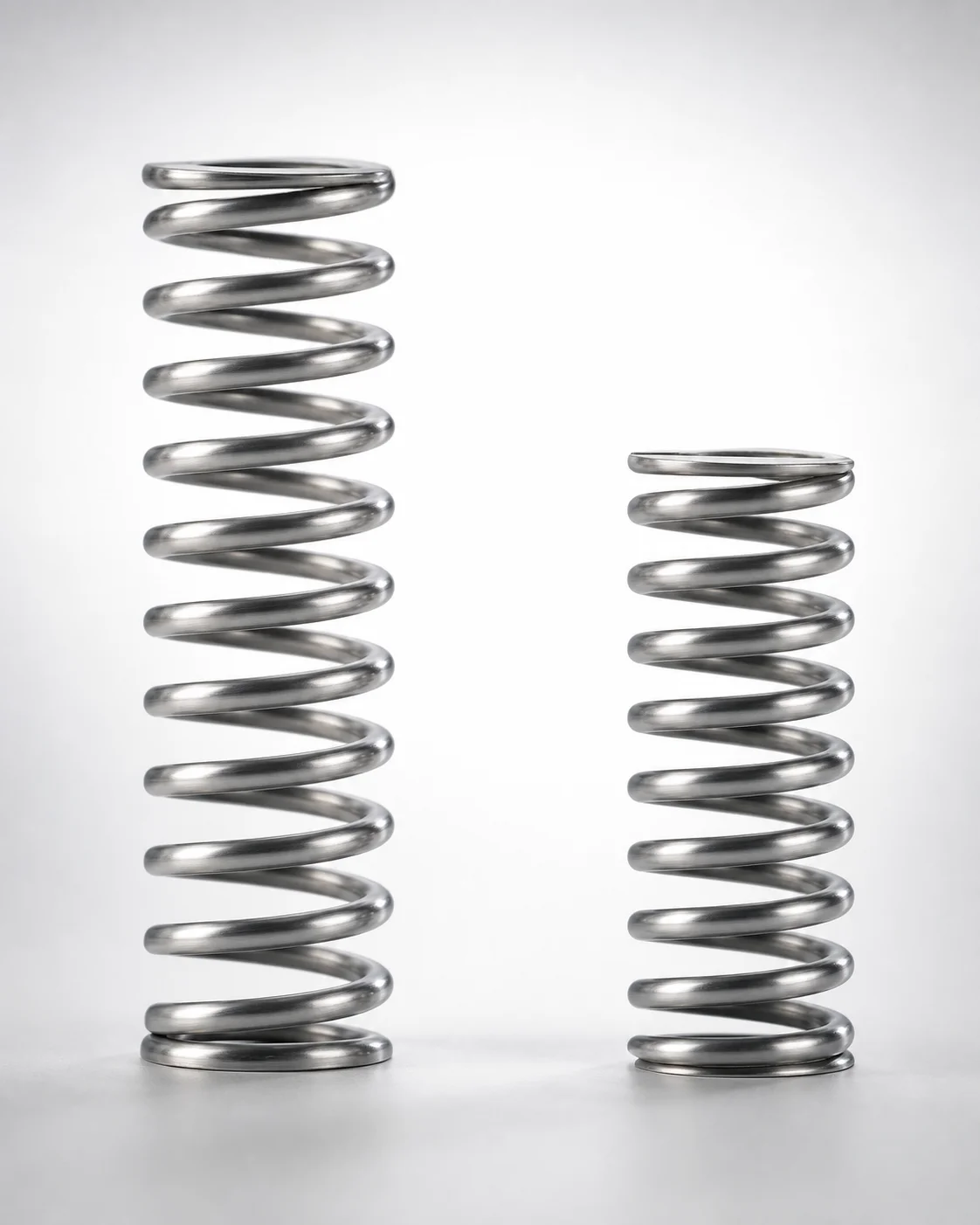
WHH Series 35% Deflection Heat Resistant Coil Spring
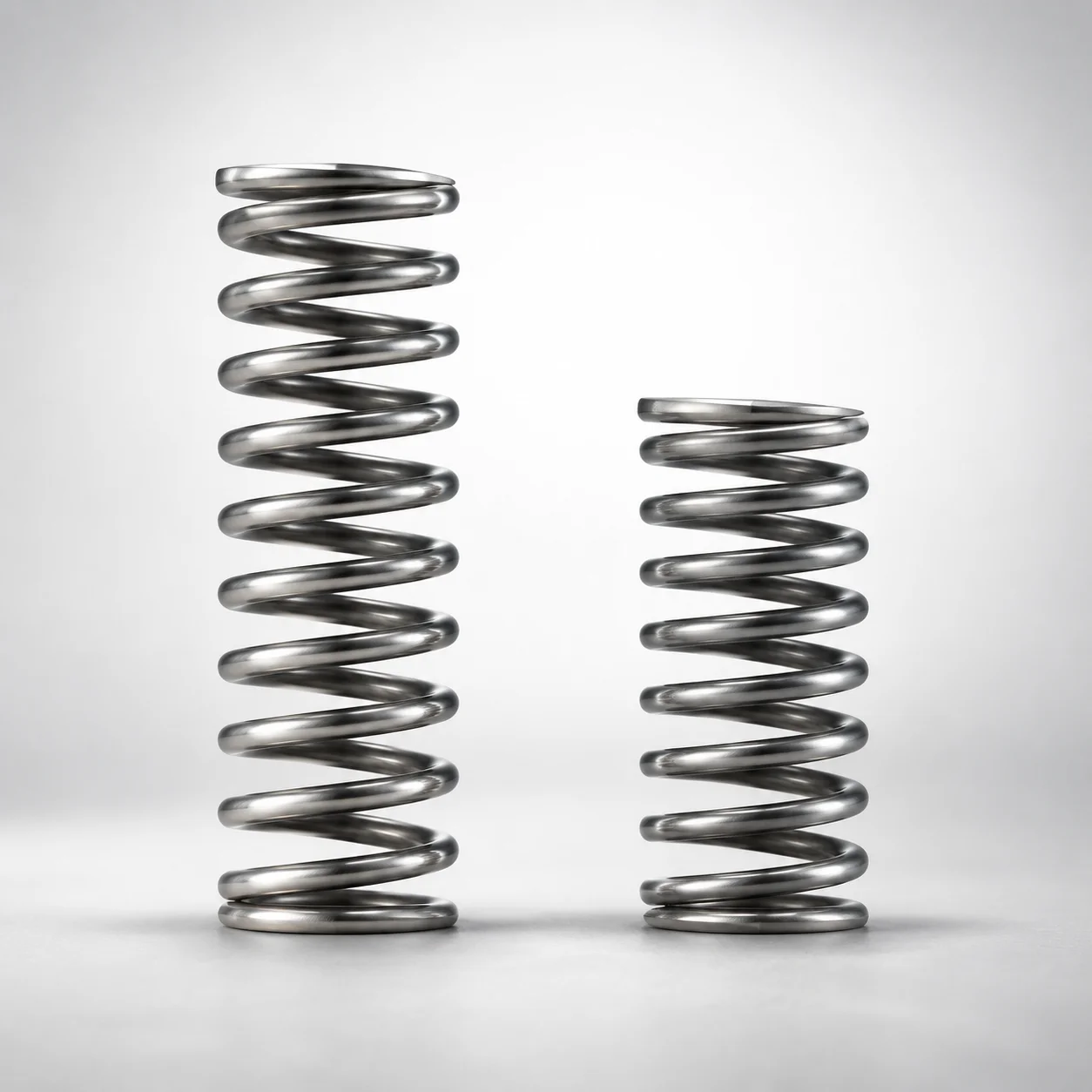
Heat Resistant Round Wire Spring 40% Deflection (WMH Series)
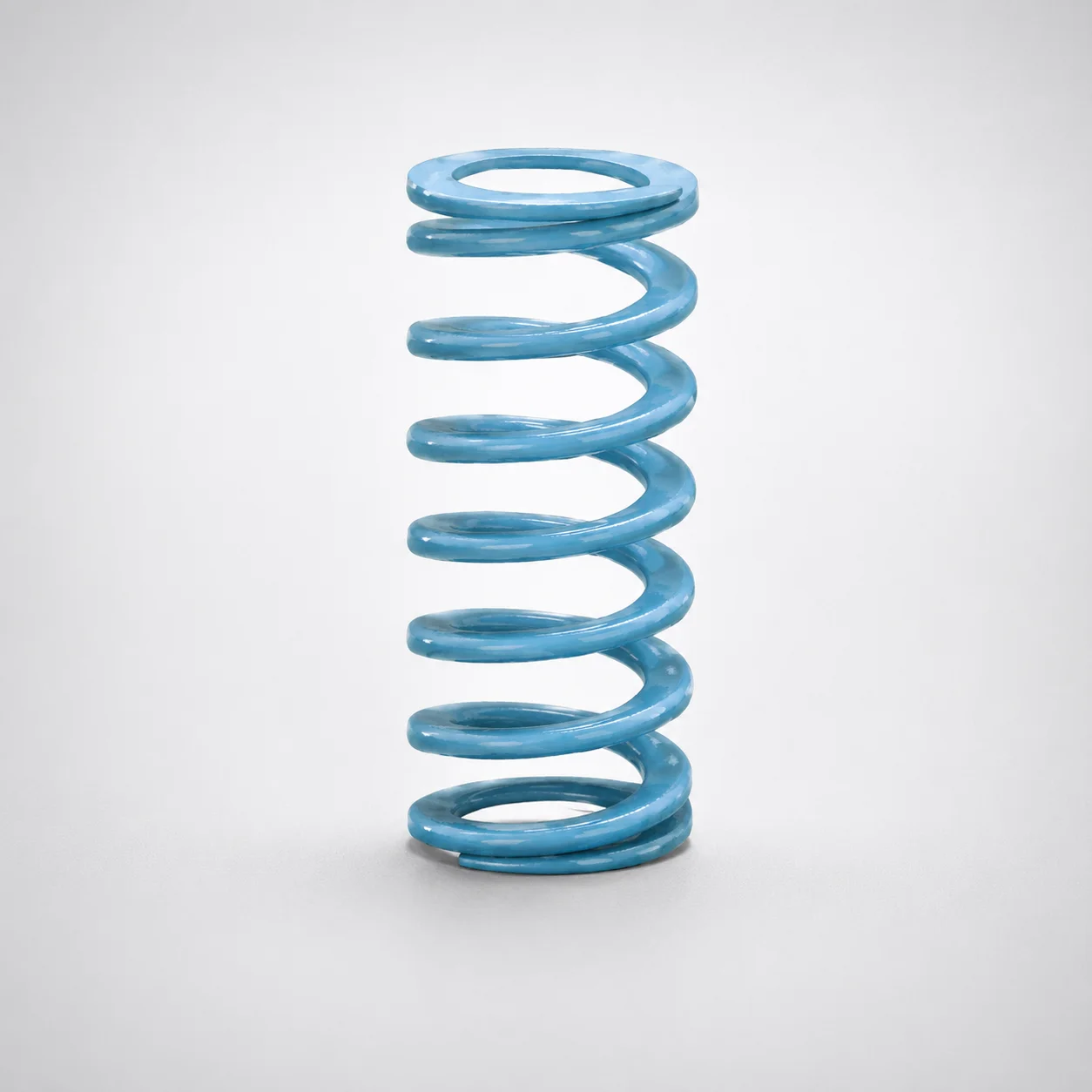
Super-High Deflection Coil Spring - 60% Deflection
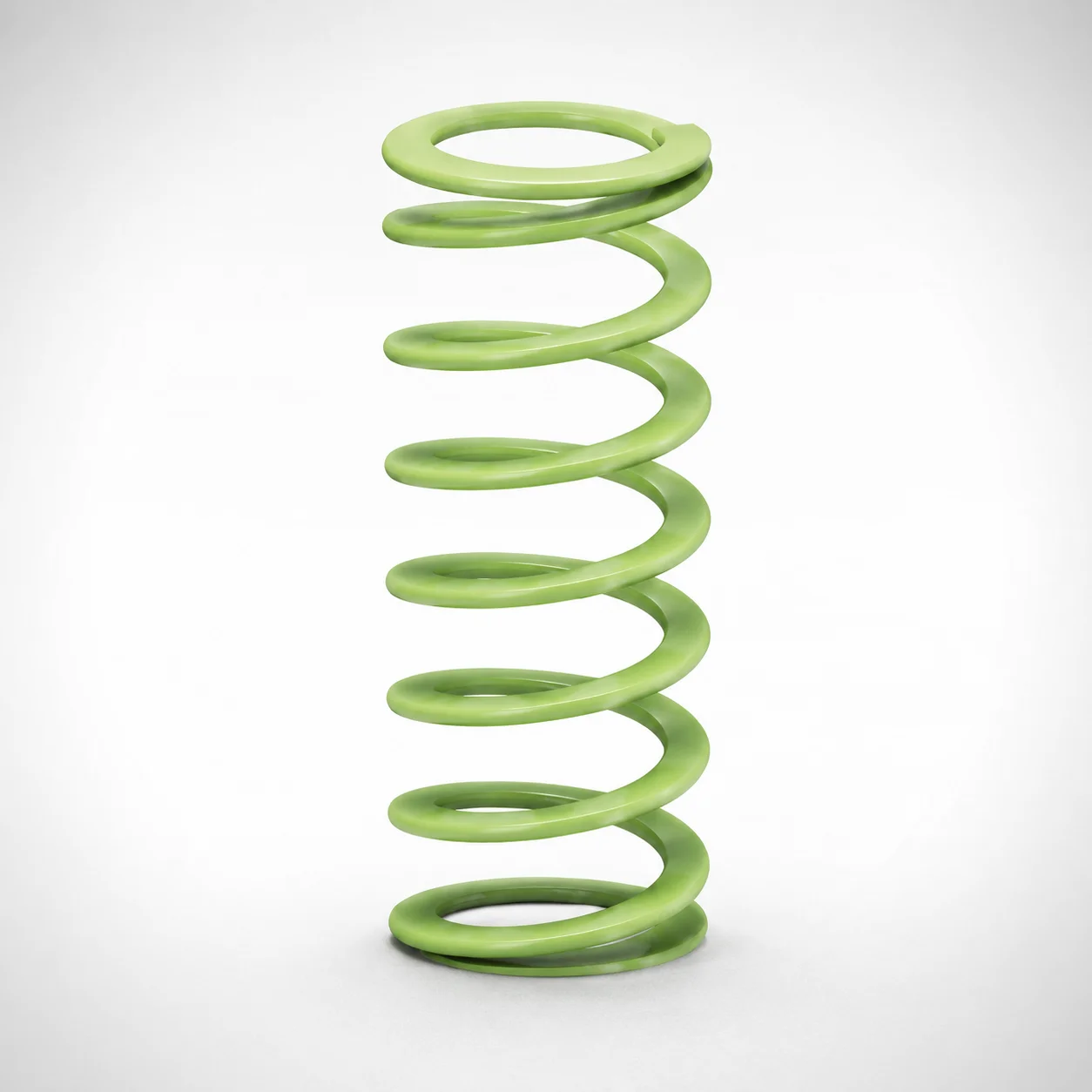
Ultra-High Deflection Coil Springs - 65% Deflection SWY Series
Need Custom Specifications?
Our engineering team can help with custom configurations, material selection, and volume pricing.