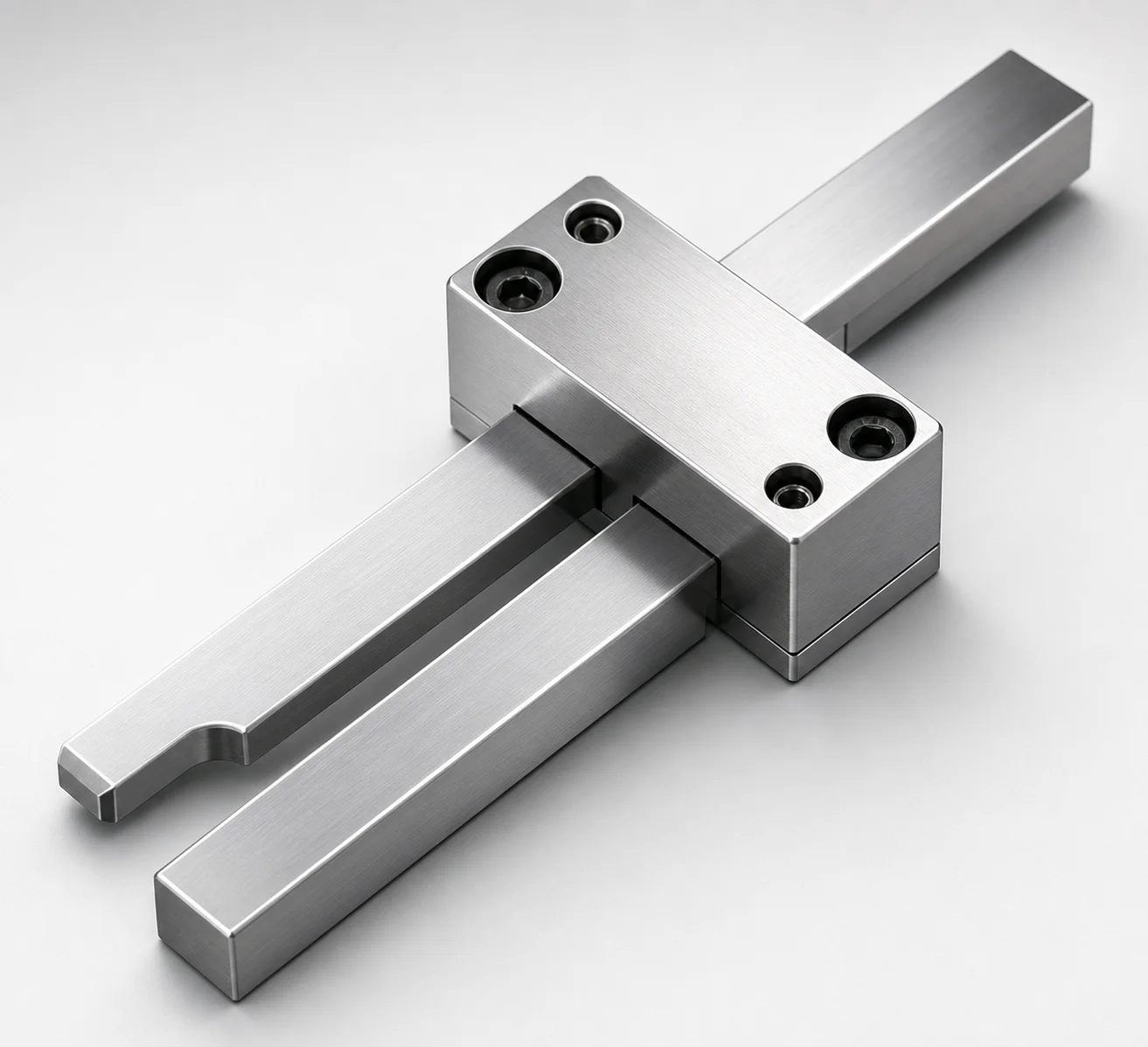
Parting Lock Sets Mold Opening/Mold Closing Control
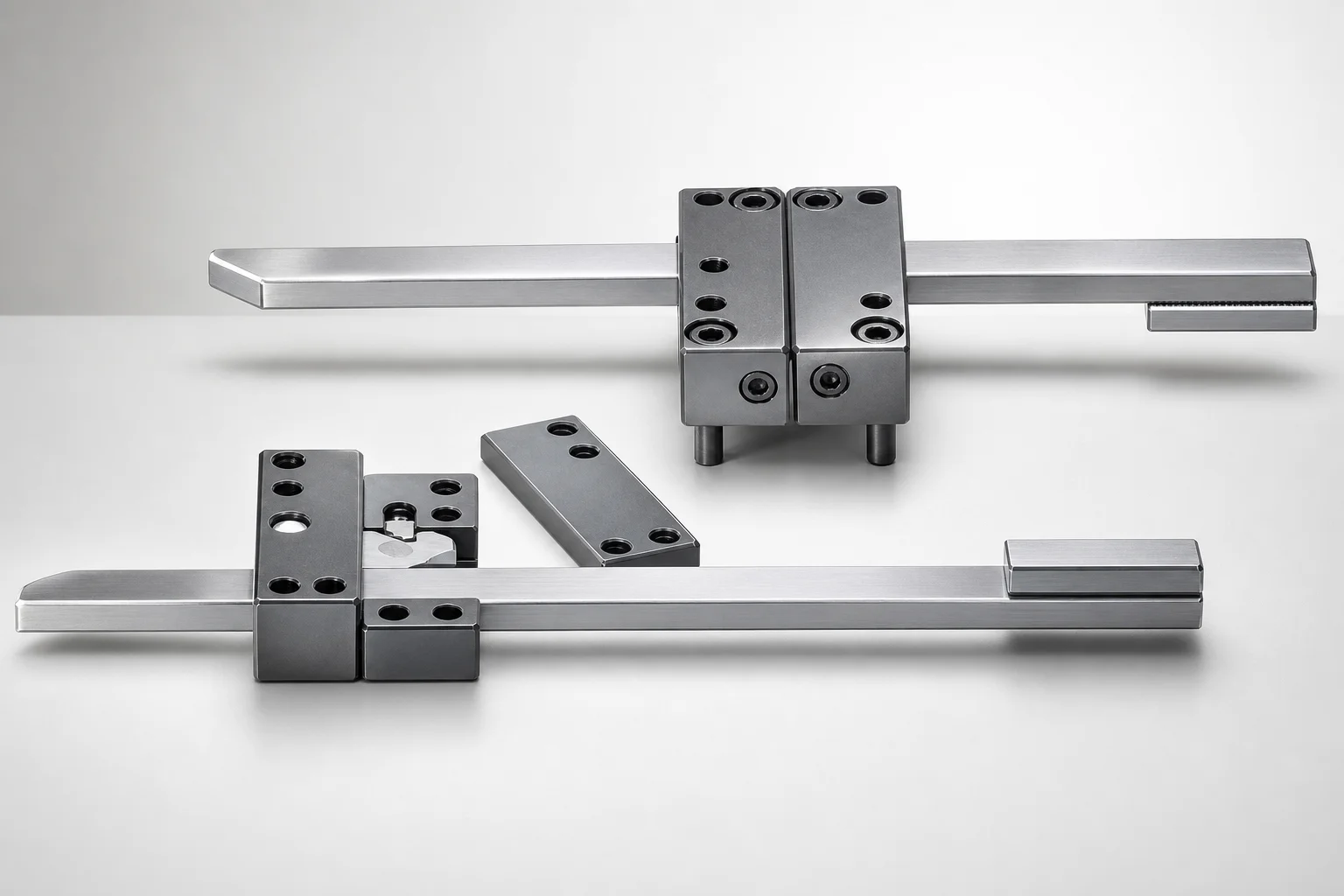
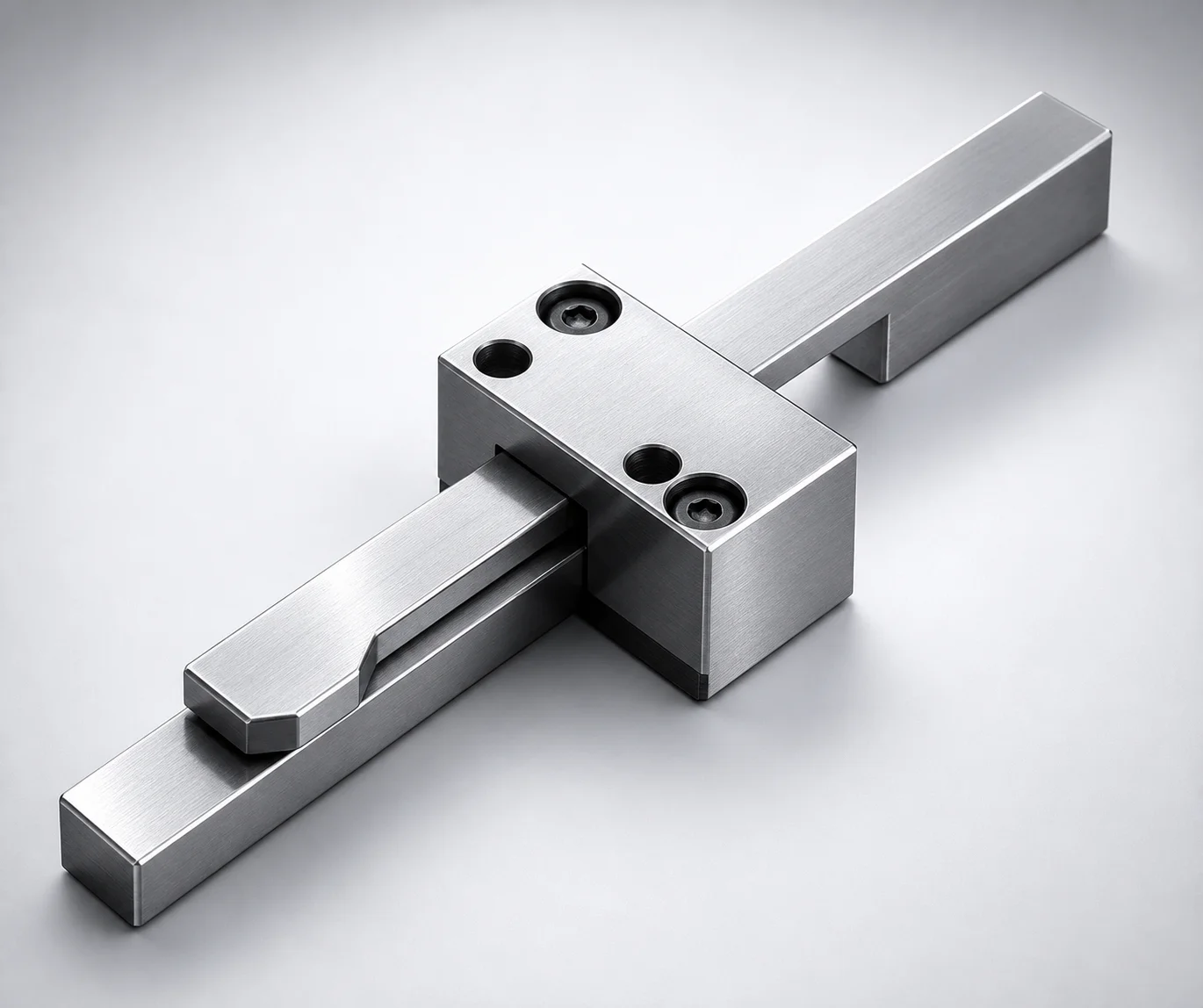
Parting Lock Sets Mold Opening/Mold Closing Control deliver stable side-mounted locking to help control mold open/close motion with repeatable engagement. Built for injection molding equipment, they support reliable cycle operation while protecting critical components.
- Side mounting design provides secure, accurate locking
- Supports smooth mold open and close sequencing during cycles
- Durable lock bar and slide lock construction enhances stability
- Configured for PLMZ/PLSZ type parting control applications
Specifications
8 configurations available
| Load Capacity | Parts | Appl. | type |
|---|---|---|---|
| 1.8t(20KN) or lower | Set | For PLMZ | - |
| 1t(10KN) or lower | Set | For PLSZ | - |
| - | Lock bar | For PLSZ | - |
| - | Lock bar | For PLMZ | - |
| - | Release bar | For PLSZ | - |
| - | Release bar | For PLMZ | - |
| - | Slide lock | For PLSZ | - |
| - | Slide lock | For PLMZ | - |
Product Guide
Application Scenarios+
These side-mounted parting lock sets are used in injection mold tooling to control and stabilize mold opening/closing motion during repeatable production cycles. In automotive connector and electrical component molds, they help maintain consistent parting alignment by providing secure engagement with controlled sequencing throughout lock-and-release events.
For packaging and consumer housings where frequent cycling is common, the lock bar and slide lock arrangement supports smooth mold open/close transitions and reduces the risk of inconsistent parting positions that can affect gate quality and seam formation.
They are also suited for precision multi-part molds with PLMZ/PLSZ parting control. The specified configuration for PLMZ or PLSZ applications matches the side-mounting control requirements, improving operational stability when managing mold locking under the given load capacity limits (1.8t/20KN or lower, or 1t/10KN or lower).
- Side mounting: secure locking and accurate engagement for controlled motion
- Cycle control: helps maintain smooth open/close sequencing
- PLMZ/PLSZ compatibility: configured for the respective parting control types
Material & Process Details+
The provided data specifies functional components (set, lock bar, release bar, slide lock) and load capacity, but it does not list the steel grade or heat-treatment state. As a result, hardness (HRC), nitriding/carburizing, and specific quench-and-temper parameters cannot be stated reliably for this variant.
When selecting materials for parting lock bars and slides in injection mold opening/closing systems, engineers typically balance wear resistance (to tolerate sliding engagement) against toughness (to resist shock loading during cycling). If you need a definitive material/heat-treatment comparison, confirm the supplied material spec for the exact SKU configuration (1.8t/20KN or 1t/10KN class).
- Heat treatment: not specified in the provided metadata
- Hardness/wear: not specified in the provided metadata
- Toughness trade-off: required for durable locking under cycling loads
Sizing & Selection Guide+
Selection is primarily driven by load class and the parting control application. Choose the version rated for either 1.8t (20KN) or lower or 1t (10KN) or lower, based on the maximum expected locking force and safety margin for your mold cycle conditions.
Confirm compatibility with the intended parting control type: this product is specified for PLMZ or PLSZ applications. Matching the correct application type is essential because the engagement geometry and sequencing requirements differ between parting control families.
- Load matching: ensure your required locking load is within the selected capacity limit
- Application matching: select PLMZ vs PLSZ configuration
- Component completeness: verify the set includes the correct items (set, lock bar, release bar, slide lock)
Note: No explicit dimensional ranges (shaft diameter, length, width, or tolerance values) are included in the provided specifications, so direct dimensional fit checks must be performed using the product’s detailed drawing for the chosen SKU.
Frequently Asked Questions
Which load capacity version should I select for my mold locking requirement: 1.8t (20KN) or 1t (10KN) or lower?+
Is this parting lock set compatible with PLMZ and PLSZ parting control types?+
What components are included in the set—do I need to source the lock bar and release bar separately?+
Does the provided data specify the steel grade or heat treatment for the lock bar and slide lock?+
Are there dimensional tolerances or fit limits provided for this side-mounting parting lock set?+
Related Products
Need Custom Specifications?
Our engineering team can help with custom configurations, material selection, and volume pricing.