Plate Return Detection Systems
Verification systems that confirm the ejector plate has fully returned before the mold closes — preventing pin collision, cavity damage, and production downtime.
Plate Return Detection Systems Categories
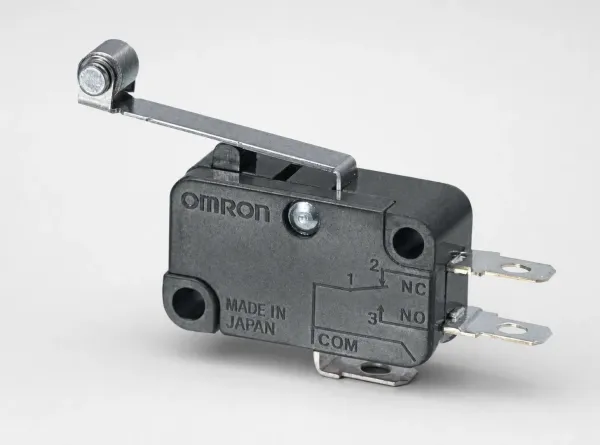
Mechanical Detection Switches
Contact-type micro-switches triggered by ejector plate position. Simple, reliable detection for standard molds.
View Products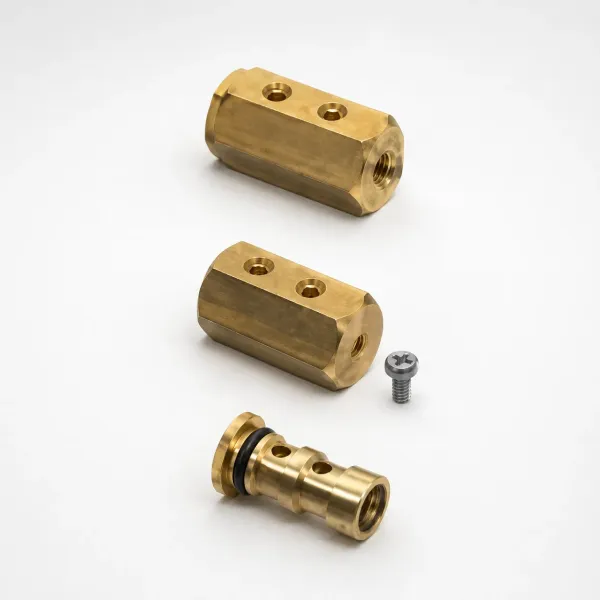
Proximity Sensor Units
Non-contact inductive sensors that detect ejector plate position without physical touch. Higher reliability for automated lines.
View ProductsMechanical Switch vs Proximity Sensor — How to Choose
| Criteria | Mechanical Switch | Proximity Sensor |
|---|---|---|
| Detection Method | Physical contact (lever/plunger) | Electromagnetic field (non-contact) |
| Contact Life | 100K – 500K operations | Unlimited (no moving parts) |
| Response Time | 5 – 15 ms | 1 – 3 ms |
| Environmental Resistance | Affected by oil, chips, heat | Sealed housing, IP67 |
| Wiring | Dry contact (NO/NC) | NPN/PNP, 3-wire DC |
| Best For | Low-volume, budget molds | Automated production lines |
| Cost | $ | $$ |
Application Scenarios for Plate Return Detection
Fully Automated Production
Lights-out or high-speed automated lines where ejector plate position must be verified every cycle to prevent catastrophic mold damage.
Why detection is critical: Without verification, a single incomplete return can cause $10K+ in cavity repair. Sensors provide cycle-by-cycle confirmation.
High-Speed Molding (< 5s cycle)
Fast-cycle molds where the ejector plate must return within milliseconds and any delay triggers a machine interlock.
Why detection is critical: At 5-second cycles, operators cannot visually verify plate return. Sensor response < 3 ms ensures real-time interlocking.
Budget Semi-Automatic Molds
Lower-volume molds where cost is a priority and an operator is present to assist with ejection verification.
Why detection helps: Even with operator presence, mechanical switches provide a safety interlock that prevents mold close if the plate hasn't returned.
Troubleshooting Detection Signal Failures
| Symptom | Type | Likely Cause | Solution |
|---|---|---|---|
| Machine won't close despite plate return | Both | Switch/sensor misaligned or trigger point shifted | Re-adjust trigger position; check mounting bracket |
| Intermittent "plate not returned" alarms | Mechanical | Oil/debris on contact surface | Clean contacts; upgrade to proximity sensor |
| Sensor LED on but no output signal | Proximity | Wiring fault (NPN/PNP mismatch) | Verify wiring matches machine controller input type |
| No detection signal at all | Proximity | Detection gap too large (>3 mm) | Reduce gap to ≤2 mm; verify sensing face is clean |
Troubleshooting: If you're experiencing issues, refer to How to Troubleshoot Plate Return Detection Signal Failures.
About Plate Return Detection Systems
Plate return detection systems verify that the ejector plate has fully retracted before the mold closes. Without detection, incomplete plate return causes ejector pins to collide with the cavity surface — a failure that can destroy expensive cavity inserts in a single cycle. Mechanical switches use physical contact to detect plate position, while proximity sensors use electromagnetic fields for non-contact detection with higher reliability and longer life.
Frequently Asked Questions
What is the difference between mechanical switches and proximity sensors for plate return detection?+
When does a mold need plate return detection?+
How do I troubleshoot false triggers in plate return detection systems?+
Are your proximity sensor units compatible with common injection molding machine controllers?+
Engineering Resources
Mechanical Switch vs Proximity Sensor for Plate Return Detection — How to Choose
Feature-by-feature comparison for selecting the right detection method.
How to Troubleshoot Plate Return Detection Signal Failures
Step-by-step diagnosis for common detection failures in both mechanical and sensor systems.
Need Custom Plate Return Detection Systems?
Precision plate return detection systems manufactured to JIS and DIN standards. MOQ 1 piece.