Mechanical Detection Switches
Contact-type micro-switches that verify ejector plate return through physical lever or plunger actuation — simple, reliable detection for standard molds.
Products
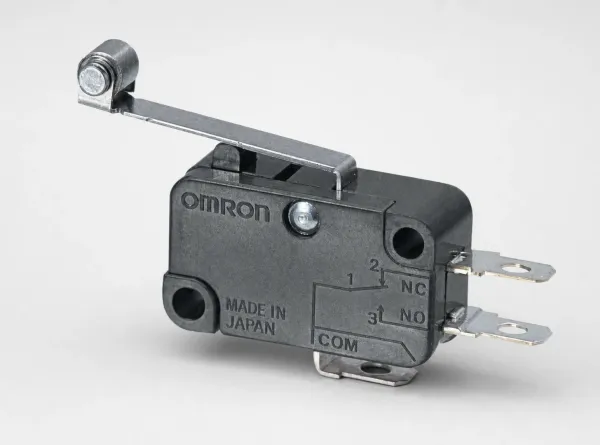
Ejector Plate Return Detection Switches | Reliable Plate Position Sensing
Ejector Plate Return Detection Switches provide dependable sensing of ejector plate positioning. Built for automation reliability to reduce downtime i
View Details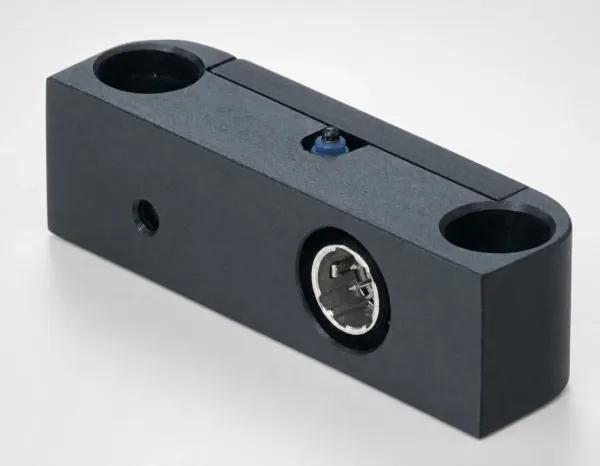
EPRS-24VT Plate Return Detection Switches | Mold Side Connector for Quick Release Plug | Reliable Position Sensing | Fast Lead Time
EPRS-24VT Plate Return Detection Switches for ejector plate return monitoring with a mold-side connector for quick release plug. Request a quote.
View Details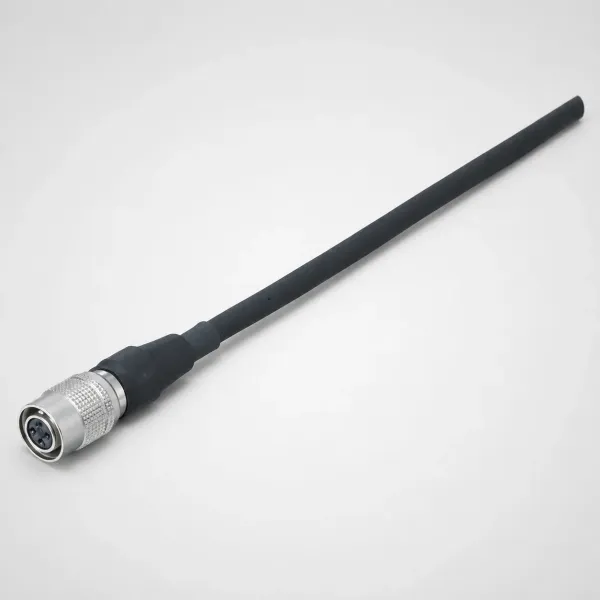
EPRSC Plate Return Detection Switch with Quick Release Plug | Ejector Plate Limit Switch
EPRSC plate return detection switches with quick release plug (Ejector Plate Return Detection Switches) for precise monitoring. Ensure smooth cycle co
View Details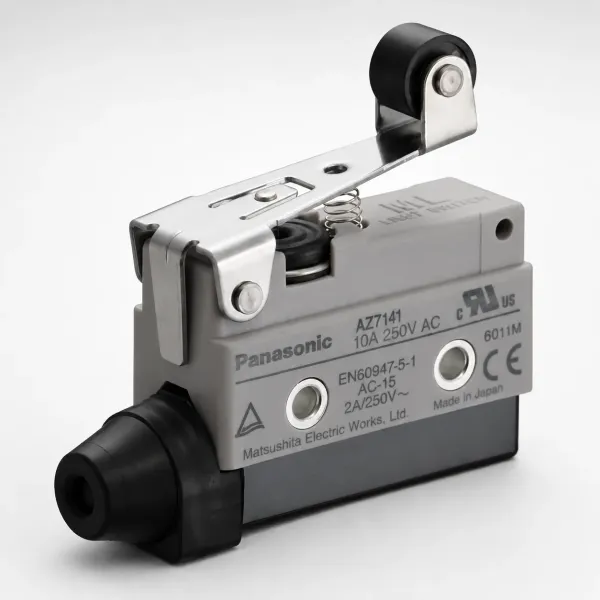
EGSP-S Ejector Plate Return Detection Switches | Enhanced Plastic Housing | Reliable Plate Position Sensing
EGSP-S Ejector Plate Return Detection Switches for ejector plate return sensing. Enhanced plastic housing supports reliable position detection and aut
View Details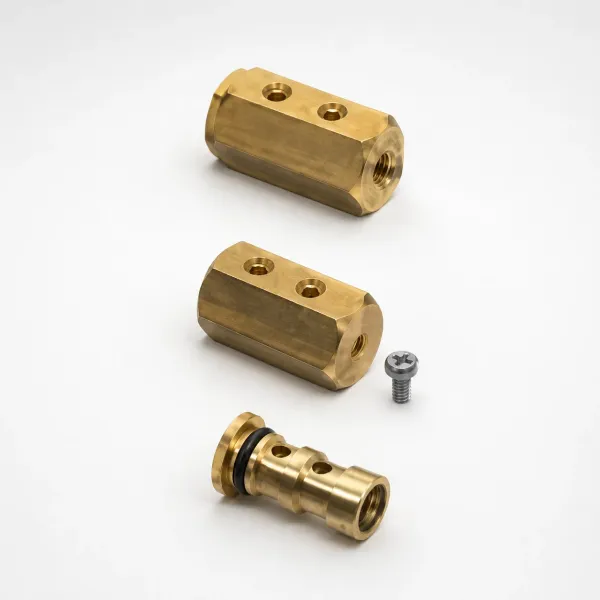
DCJK Cooling Unit for Inside Core/Outside Cover Pipes | Reliable Temperature Control
DCJK Cooling Unit for inside core/outside cover pipes supports reliable temperature control in large die casts. Efficient heat dissipation helps reduc
View Details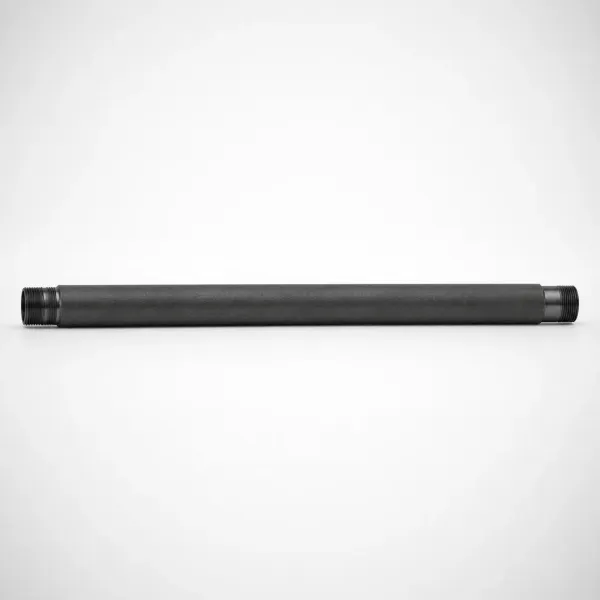
DCJI/DCJO Cooling Units for Large Die Casts, Outer and Inner Pipes | Factory Direct
DCJI/DCJO Cooling Units for Large Die Casts, Outer and Inner Pipes deliver stable die-temperature control to reduce overheating. Request a quote.
View Details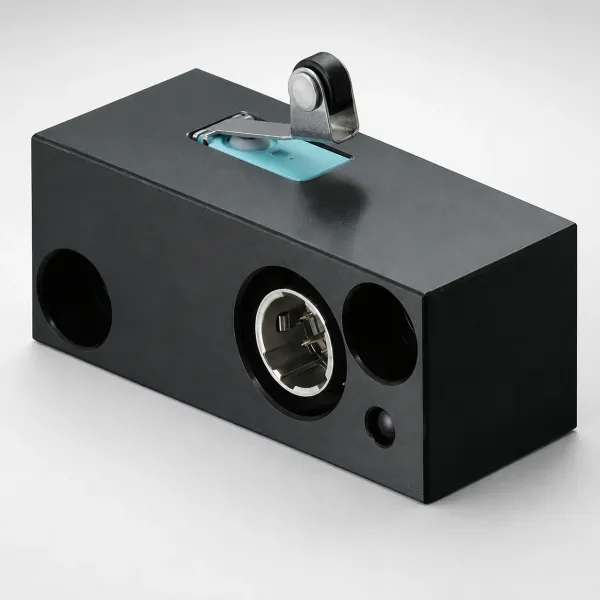
EPRSR-24V Ejector Plate Return Detection Switches | Hinged Roller Lever | Reliable Mold Positioning
EPRSR-24V Ejector Plate Return Detection Switches for injection molding. Hinged roller lever mechanism provides dependable return detection. Get relia
View Details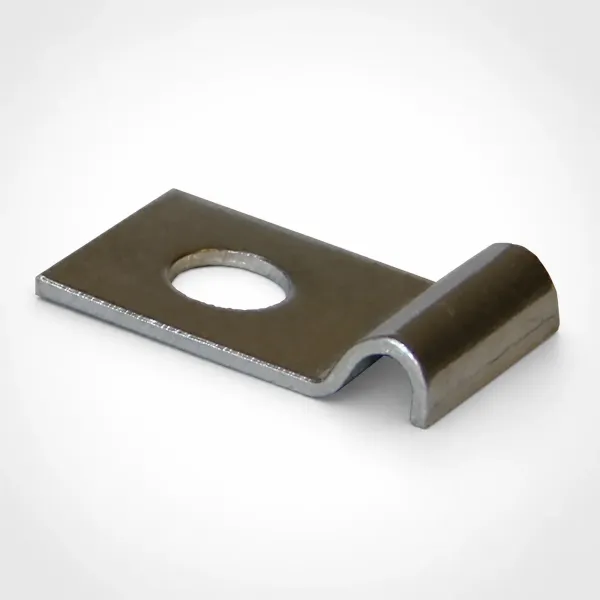
Smartlock Wire Clip for Limit Switches | Smartflow Smartlock by PCS
Smartlock Wire Clip for Limit Switches by PCS Smartflow Smartlock helps secure wiring on slide retainers and liquid-resistant limit switches. Order to
View Details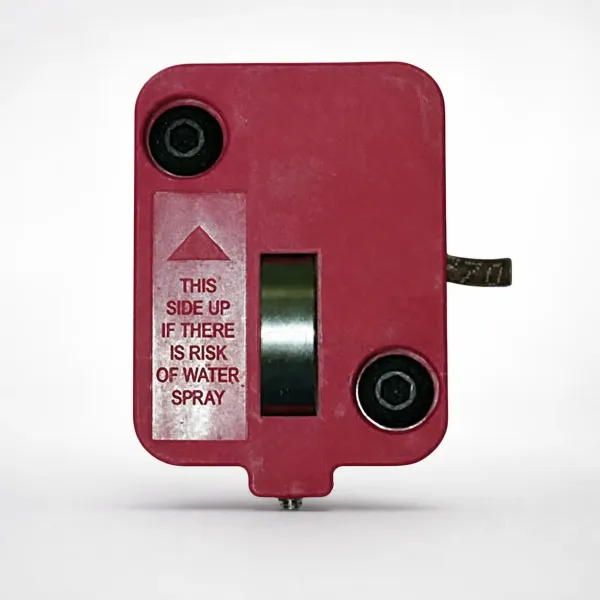
Limit Switch Thinswitch Ejector Return Detection SPDT | 10 Million Cycle Life | PCS | Fast Response
Limit Switch Thinswitch Ejector Return Detection with SPDT switching helps verify ejector plate return in injection molds. Tested for 10M cycles—get r
View DetailsHow Mechanical Detection Triggers Work
Mechanical detection switches use a physical actuator (lever arm or spring-loaded plunger) that contacts the ejector plate or a cam surface on the plate. When the plate returns to its home position, the actuator is depressed, closing (or opening) an electrical contact that sends a signal to the injection molding machine controller.
Two trigger types:
- Lever type: A pivoting arm contacts the plate edge. Longer detection range (5-10 mm) but requires precise alignment. Best for molds with consistent plate travel.
- Plunger type: A spring-loaded pin contacts the plate face. Shorter detection range (2-5 mm) but more tolerant of misalignment. Better for molds with slight plate wander.
Both types output a dry-contact signal (normally open or normally closed) that interfaces directly with machine safety interlocks.
Troubleshooting False Triggers
| Problem | Cause | Fix |
|---|---|---|
| Switch triggers but plate hasn't returned | Trigger point set too far from home position | Adjust actuator position closer to plate home |
| Plate returned but no trigger signal | Oil film on contact surfaces insulating the circuit | Clean contacts with electrical contact cleaner |
| Intermittent signal | Lever arm vibrating at trigger boundary | Add dead-band: adjust trigger 0.5 mm past edge |
Troubleshooting: If you're experiencing issues, refer to How to Troubleshoot False Triggers in Mechanical Plate Return Switches.
About Mechanical Detection Switches
Mechanical detection switches verify ejector plate return through physical contact. A lever or plunger actuator contacts the ejector plate surface, closing an electrical circuit that signals the machine controller. Simple, low-cost, and requiring no external power supply — but limited by contact wear life (100K-500K operations) and susceptibility to oil contamination.
Application Scenarios
Budget and Low-Volume Molds
Low-volume molds need plate return verification at minimum cost.
Why it fits: Mechanical switches cost $15-30 vs $80-120 for proximity sensors. Adequate for molds running < 100K cycles/year.
Frequently Asked Questions
How does a mechanical plate return detection switch trigger?+
What is the typical contact life of a mechanical detection switch?+
How do I adjust the trigger point on a mechanical switch?+
Engineering Resources
Need Custom Mechanical Detection Switches?
Precision mechanical detection switches manufactured to JIS and DIN standards. Custom dimensions available. MOQ 1 piece.