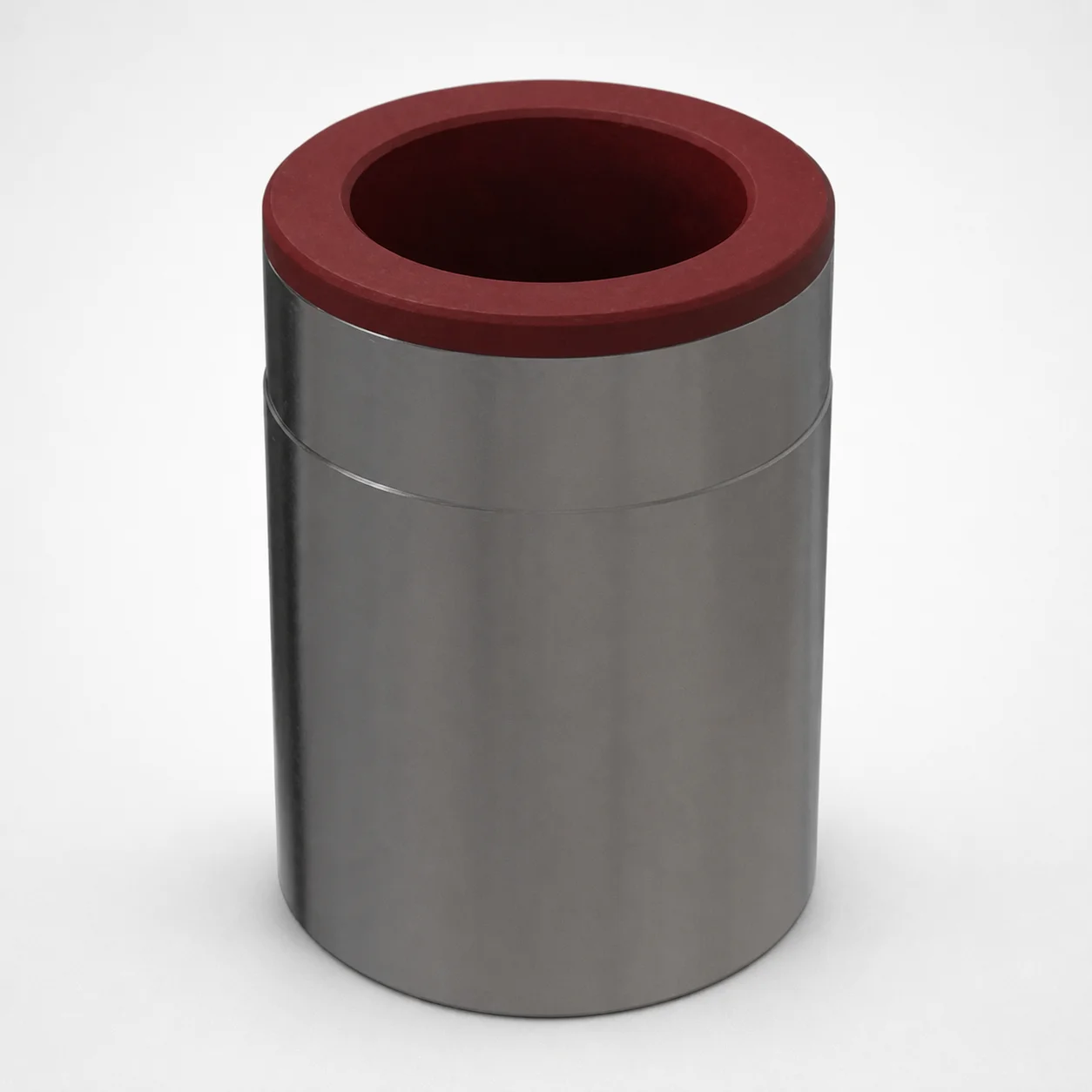
Standard Guide Bushings (DAYComp Composite Sliding Bushings)
Standard Guide Bushings (DAYComp composite sliding bushings) use a low-friction material formulation to resist dust and abrasion build-up, supporting stable guide performance in forming tools.
- Low coefficient of friction helps prevent dust adhesion and reduces abrasive wear
- Composite guide and sliding element design for reliable wear behavior under demanding conditions
- Length and diameter ranges support fitting across typical tool guide layouts (configurable)
- Designed for tool use up to 110°C / 160°C / 390°C process temperatures
Specifications
267 configurations available
| D (mm) | L (mm) | Process Temperature (°C) |
|---|---|---|
| 11 | 23 | Up to 160 |
| 11 | 23 | Up to 110 |
| 11 | 23 | Up to 390 |
| 11 | 30 | Up to 160 |
| 11 | 30 | Up to 110 |
| 11 | 30 | Up to 390 |
| 11 | 37 | Up to 160 |
| 11 | 37 | Up to 110 |
| 11 | 37 | Up to 390 |
| 12 | 23 | Up to 160 |
| 12 | 23 | Up to 110 |
| 12 | 23 | Up to 390 |
| 12 | 30 | Up to 160 |
| 12 | 30 | Up to 110 |
| 12 | 30 | Up to 390 |
| 12 | 37 | Up to 160 |
| 12 | 37 | Up to 110 |
| 12 | 37 | Up to 390 |
| 15 | 23 | Up to 160 |
| 15 | 23 | Up to 110 |
| 15 | 23 | Up to 390 |
| 15 | 30 | Up to 160 |
| 15 | 30 | Up to 110 |
| 15 | 30 | Up to 390 |
| 15 | 37 | Up to 160 |
| 15 | 37 | Up to 110 |
| 15 | 37 | Up to 390 |
| 15 | 47 | Up to 160 |
| 15 | 47 | Up to 110 |
| 15 | 47 | Up to 390 |
| 15 | 60 | Up to 160 |
| 15 | 60 | Up to 110 |
| 15 | 60 | Up to 390 |
| 16 | 23 | Up to 160 |
| 16 | 23 | Up to 110 |
| 16 | 23 | Up to 390 |
| 16 | 30 | Up to 160 |
| 16 | 30 | Up to 110 |
| 16 | 30 | Up to 390 |
| 16 | 37 | Up to 160 |
| 16 | 37 | Up to 110 |
| 16 | 37 | Up to 390 |
| 16 | 47 | Up to 160 |
| 16 | 47 | Up to 110 |
| 16 | 47 | Up to 390 |
| 16 | 60 | Up to 160 |
| 16 | 60 | Up to 110 |
| 16 | 60 | Up to 390 |
| 19 | 23 | Up to 160 |
| 19 | 23 | Up to 110 |
Product Guide
Application Scenarios+
Guide bushing inserts and leader systems in injection molding help maintain alignment between moving and fixed tool sections while transferring the load of ejector/leader motion. This DAYComp composite bushing variant is especially suited for forming tools where dust, fines, and light debris can accumulate around guides.
- Automotive connector and sensor housing molds: Use in leader-ejector guide locations to stabilize slide travel during repeated cycles. The low-friction composite formulation helps resist abrasive wear from molded-part dust, supporting consistent alignment over time.
- Appliance and industrial part molds: Ideal for tools with frequent start/stop operation where particulates may remain in guide channels. The reduced dust adhesion improves guide cleanliness and lowers the risk of stick-slip behavior.
- Electronics enclosure molds: Beneficial when tight motion repeatability is needed under varying process temperatures, leveraging the variant’s temperature capability up to 160°C / 110°C / 390°C.
Its composite sliding design offers a practical balance of wear resistance and stable guidance in environments prone to abrasion build-up.
Material & Process Details+
This product uses a DAYComp composite sliding bushing material engineered for low-friction guidance under dust and abrasion conditions. The key material property is its low-friction behavior, which helps prevent debris adhesion that can otherwise increase wear in leader/bushing interfaces.
- Wear resistance vs. toughness: As a composite sliding system, the design prioritizes stable low-friction operation and reduced abrasive wear; performance depends on maintaining proper fit and guide cleanliness.
- Heat/temperature capability: The specification supports tool operation up to 110°C, 160°C, or 390°C depending on the operating condition rating for the application.
No specific steel grade, hardness (HRC), or heat-treatment state (e.g., quenched & tempered, nitrided) is provided in the input data, so those parameters cannot be stated for this composite bushing variant.
Sizing & Selection Guide+
Select the guide bushing dimensions by matching the shaft/guide bore diameter (D) and the bushing length (L) to the tool’s leader geometry and bearing surface requirements.
- Diameter (D): Available range is 11 ~ 80 mm. Choose the D that matches the leader/shaft diameter for the guide interface.
- Length (L): Available range is 23 ~ 120 mm. Use the length that provides sufficient contact area for stable guidance through the full stroke.
- Temperature fit consideration: For the intended process conditions, confirm the tool rating (up to 160°C / 110°C / 390°C) so the bushing remains suitable for the guide environment.
If your mold design includes a specific housing bore size and clearance, maintain the designed assembly fit so the composite sliding element can operate without binding while still supporting alignment.
Within the provided ranges, lengths and diameters are effectively configurable to typical guide layouts.
Frequently Asked Questions
How do I choose the correct D (shaft diameter) when selecting this guide bushing for my leader system?+
What L (bushing length) should I target to ensure stable guide contact over the stroke?+
Is this DAYComp composite bushing suitable for dusty molding environments with abrasive build-up?+
What process temperature rating should I use when designing the tool with this bushing?+
Does the input data specify a steel grade or hardness (HRC) for this guide bushing?+
Related Products
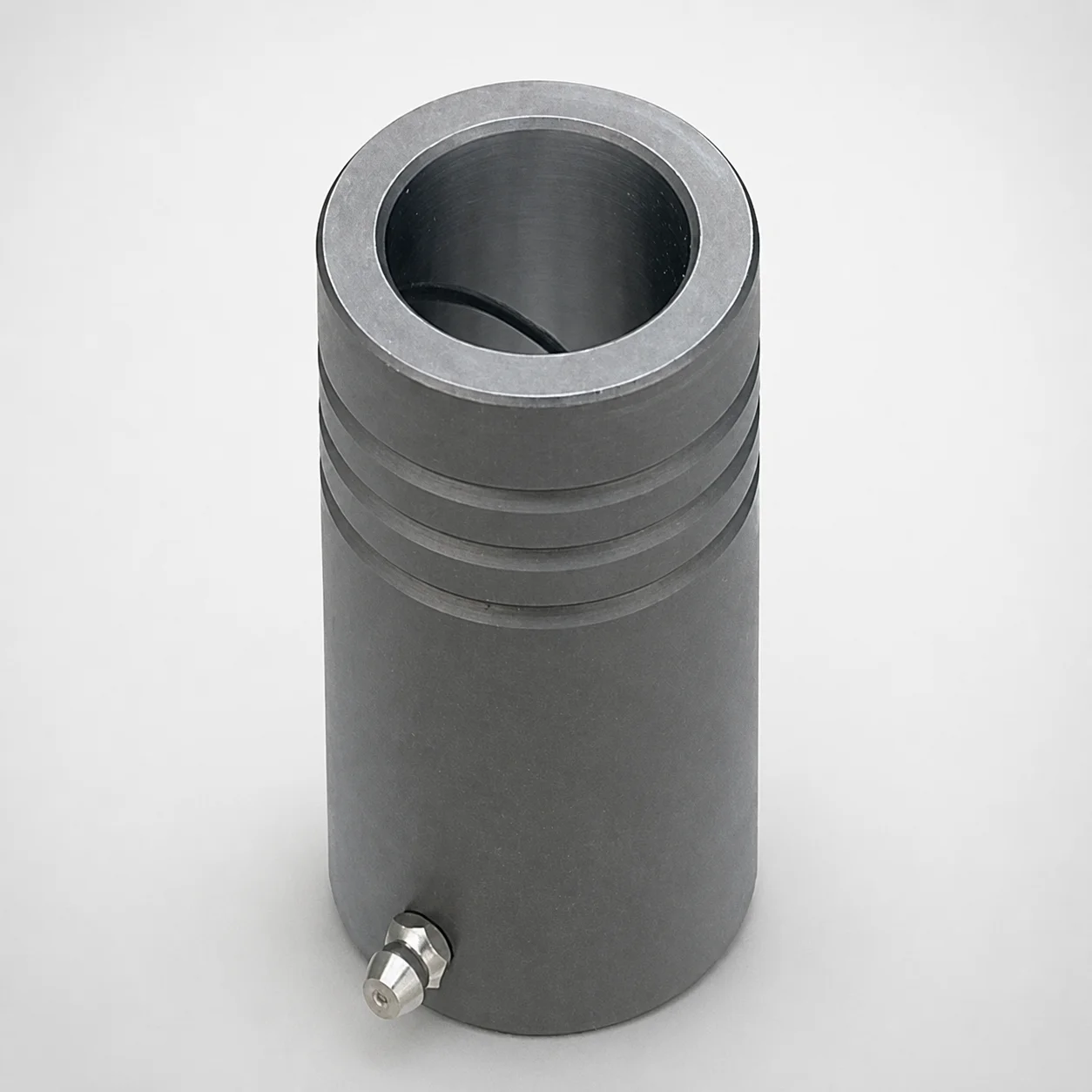
MDB Type Plain Guide Bushings for Die Sets (Oil Groove) Bonded by Devcon Adhesive
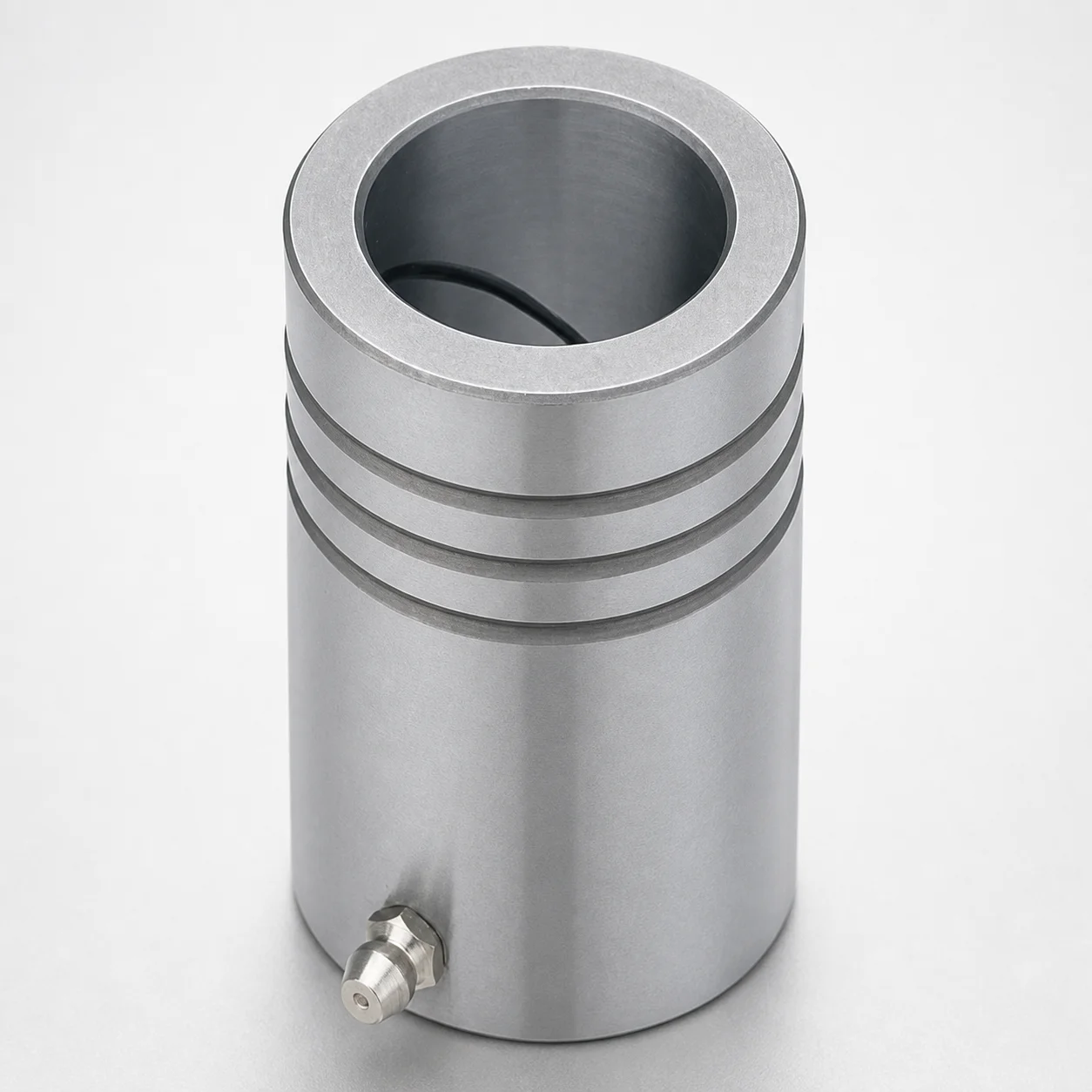
LDB Plain Guide Bushings for Die Sets
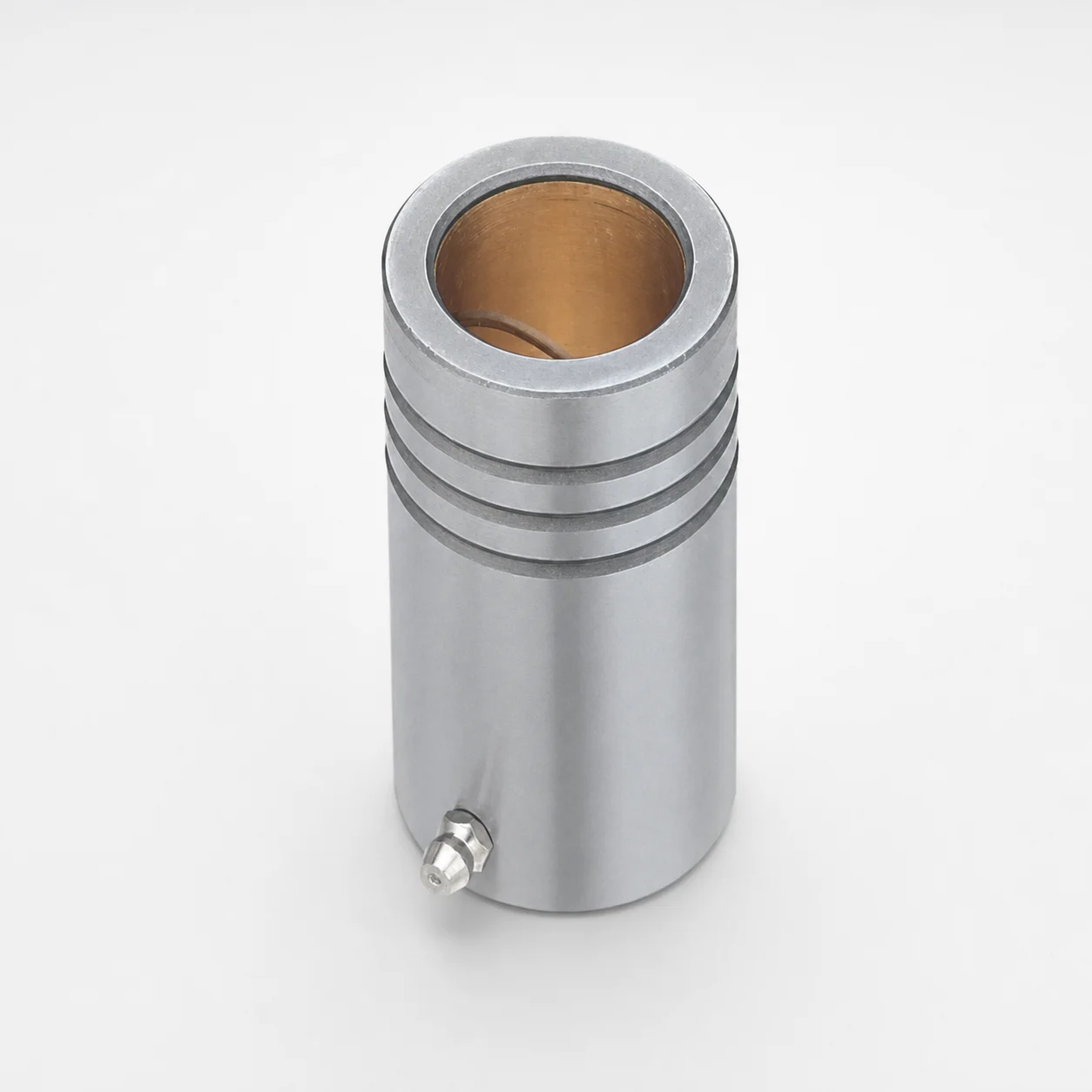
LFB Plain Guide Bushings for Die Sets with Oil Groove, Loctite Adhesive
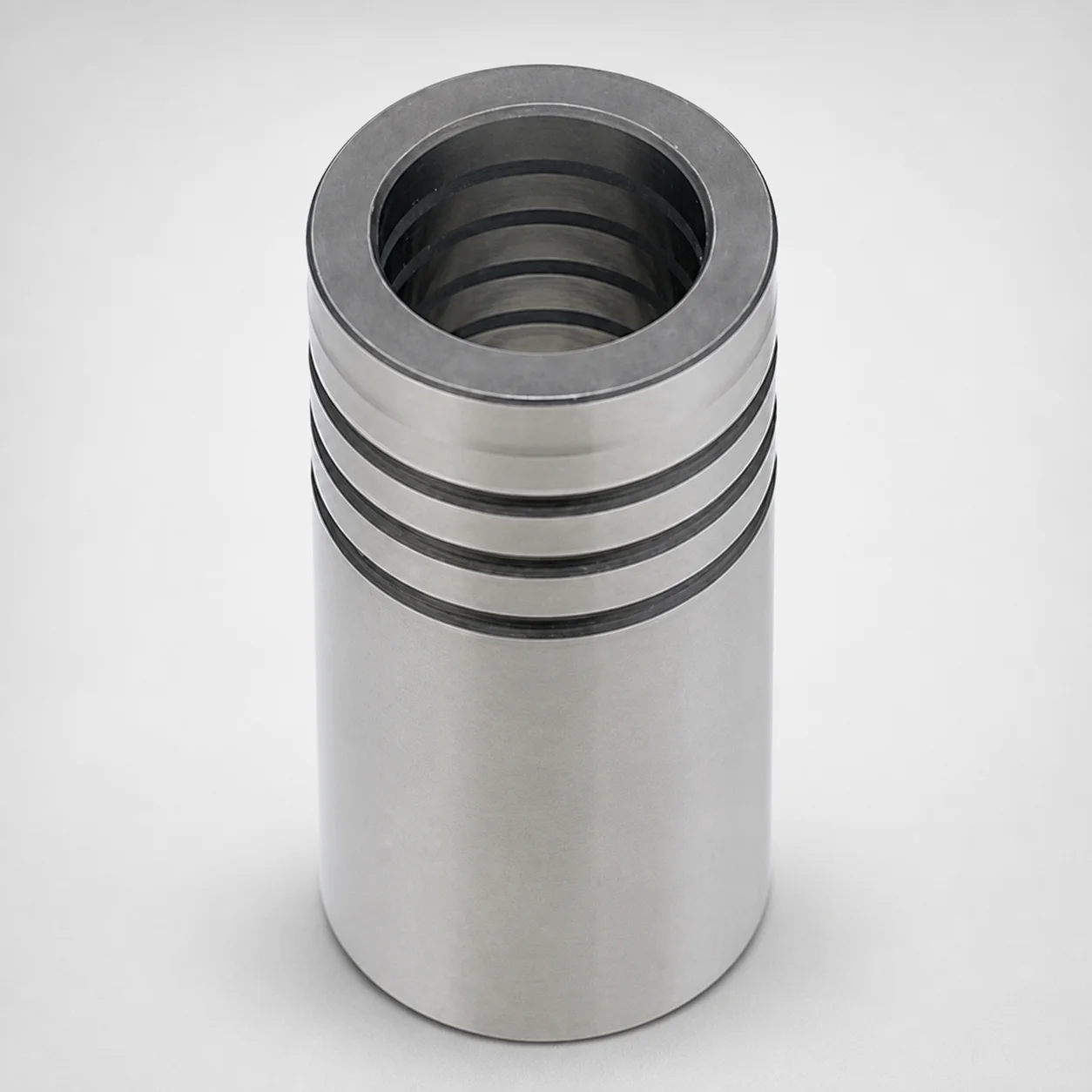
DIN Standard Oil-Free Plain Guide Bushings LDBZ
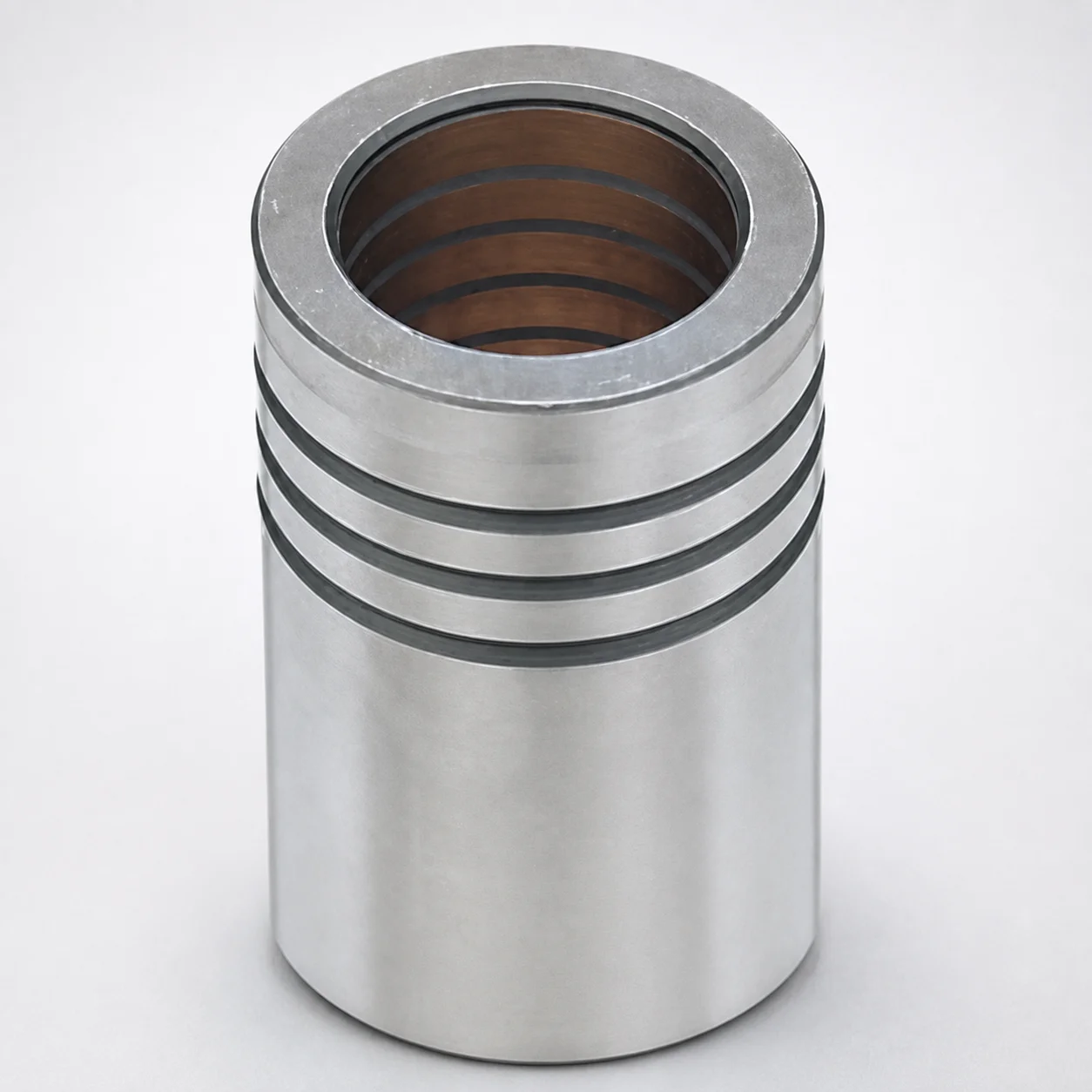
LFBZ Plain Guide Bushings for Die Sets (Oil-Free Copper Alloy) Loctite Bonded
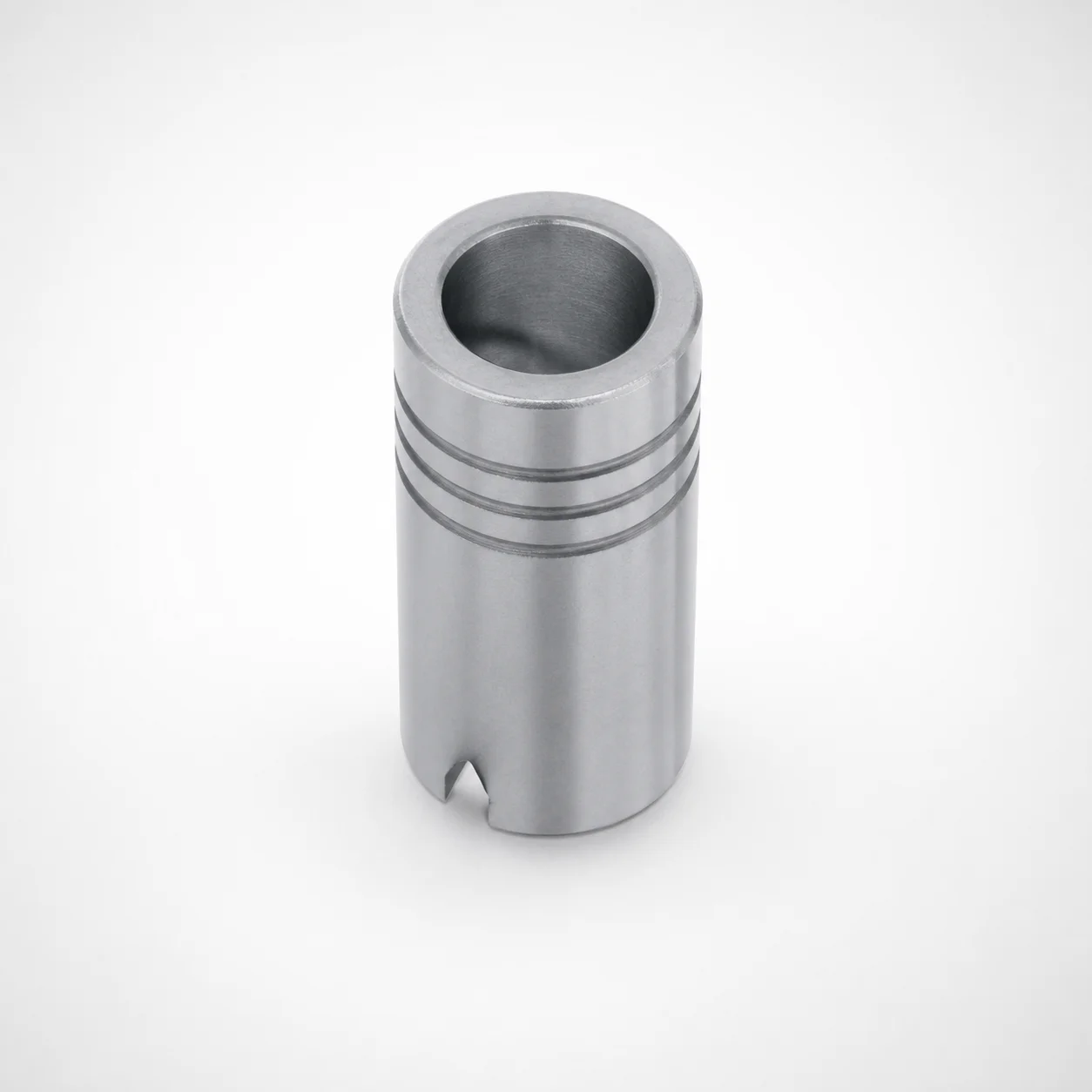
Plain Guide Bushings for Die Sets LDB
Need Custom Specifications?
Our engineering team can help with custom configurations, material selection, and volume pricing.