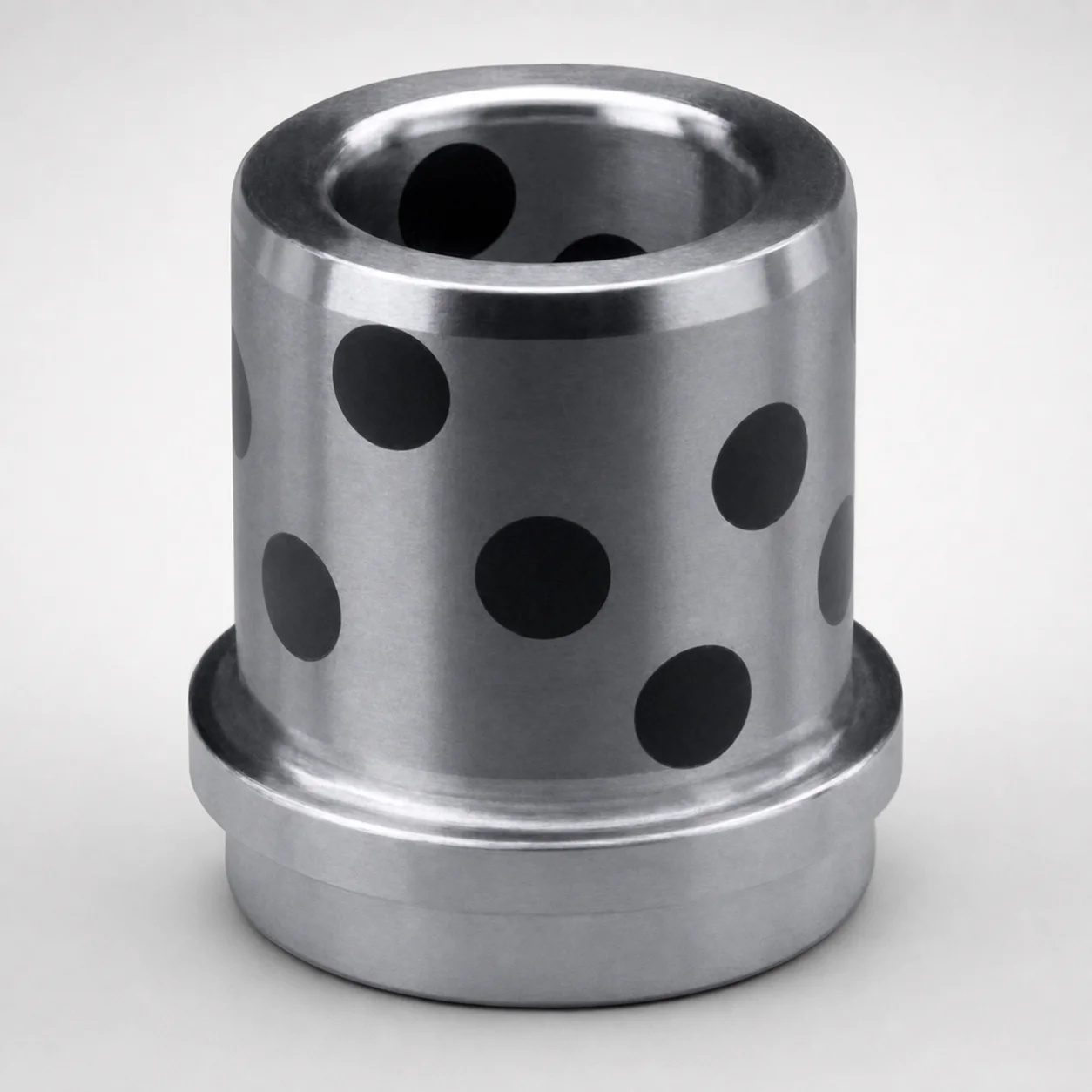
DANLY IEM Short Shoulder Plain Guide Bushings - Self-Lubricating, Demountable Style
Short Shoulder Plain Guide Bushings (Inch) by DANLY IEM (self-lubricating) are designed for die sets requiring stable plain guide rigidity. The demountable style supports maintenance-friendly replacement during production.
- Self-lubricating plain guide construction improves sliding stability in die sets
- Durable copper alloy material supports long service under repetitive load
- Demountable installation options: detachable method or Loctite adhesive
- Includes mounting clips and screws for straightforward setup
Specifications
20 configurations available
| Post diameter A (in) | L (Length) (in) |
|---|---|
| 1 | 1.875 |
| 1 | 2.875 |
| 1 1/4 | 2.375 |
| 1 1/4 | 3.375 |
| 1 1/2 | 2.375 |
| 1 1/2 | 3.375 |
| 1 3/4 | 2.875 |
| 1 3/4 | 3.875 |
| 2 | 2.875 |
| 2 | 3.875 |
| 2 1/2 | 3 |
| 2 1/2 | 4 |
| 3 | 5 |
| 3 | 3 |
| 3 | 4 |
| 3 | 5 |
| 3 | 6 |
| 3 3/4 | 7 |
| 4 1/2 | 8 |
| 4 1/2 | 8 |
Product Guide
Application Scenarios+
This demountable short-shoulder guide bushing is used in injection mold and die sets where consistent plain guide rigidity directly affects alignment, especially during long production runs. Its self-lubricating design helps maintain stable sliding under repetitive open/close cycles.
- Automotive and appliance die sets: In leader/ejector guided systems, the bushing’s copper alloy and plain guide geometry support smooth motion while reducing stick-slip that can disturb cavity alignment.
- Electrical connector and terminal molds: Short-shoulder guidance supports precise movement of mold halves, and the demountable style enables faster replacement during maintenance windows.
- General-purpose hot/cold runner die tools: The ability to install with clips/screws or by adhesive supports fit-up in constrained die-set layouts.
Choose the variant with the required post diameter and length to match the guide interface, leveraging the self-lubricating copper alloy for reliable, low-maintenance guidance.
Material & Process Details+
The bushing is specified as a durable copper alloy for reliable die-set guidance in self-lubricating plain guide applications. Copper alloys provide good sliding behavior and wear resistance, which helps preserve alignment accuracy in leader/ejector guided systems subjected to repeated motion.
Because the provided data does not list an exact steel/bronze grade, heat-treatment condition, or target hardness (HRC), those parameters should be confirmed with the manufacturer or supplied material certificate before qualifying for critical wear or impact requirements.
- Wear resistance vs. toughness: Copper alloy plain bearings typically trade some impact toughness compared with tool steels, but deliver stable friction characteristics for guidance.
- Heat treatment: No nitriding/quench & temper details are provided for this copper alloy component; treat the material behavior as “as-manufactured” unless your qualification documentation specifies otherwise.
If you are comparing materials, bronze/copper alloy guide bushings are generally selected over hardened steel guides to prioritize low-friction stability and maintainability.
Sizing & Selection Guide+
To select the correct bushing, match the guide interface dimensions to your die-set’s leader/bushing post geometry. This series is defined by post diameter A in the range of 1 ~ 4 in and length L in the range of 1.875 ~ 8 in.
- Post diameter (A): Choose the bushing size where A fits the leader post diameter used in your mold base or guide system.
- Length (L): Select the shortest length that still provides full guidance contact within your closed/open stroke envelope, to avoid over-constraining movement.
Because the input data does not specify tolerances, engineers should apply the mold’s standard fit strategy for guide bushings (clearance/press-fit or adhesive fit as designed) and verify against your existing leader post tolerance stack. Installation is demountable and supports fastening via clips/screws or adhesive (e.g., Loctite), so confirm fit method compatibility with your cavity/core assembly clearances.
Frequently Asked Questions
What guide dimensions define this DANLY IEM short shoulder plain guide bushing series for die-set alignment?+
The sizing is defined by post diameter A of 1 ~ 4 in and length L of 1.875 ~ 8 in. Select A to match the leader post diameter in your mold guide system, and select L to provide sufficient guidance contact without over-constraining motion.
How does the demountable installation method affect maintenance and replacement in mold tooling?+
This bushing is designed in a demountable style intended for maintenance-friendly replacement during production. It can be installed using mounting clips and screws, or bonded using an adhesive approach (the description references Loctite adhesive). Choose the method that aligns with your die-set disassembly strategy and available access for service.
Is this bushing self-lubricating, and why does that matter for wear and stick-slip during guide motion?+
Yes. The product is described as self-lubricating, supporting stable plain guide sliding in die sets under repetitive load. In guided molds, that stability helps reduce stick-slip that can disturb alignment between mold halves and guide components.
What material properties should be considered since the specification only states a copper alloy?+
The description specifies a durable copper alloy for reliable die-set guidance and self-lubricating plain guide performance. However, no exact copper alloy grade, target hardness (HRC), or heat treatment condition is provided in the available data. For qualification, request the material grade and any supplied certs (hardness, microstructure, and process state) before specifying for high-wear or impact-heavy applications.
Can this bushing be used with adhesive bonding, and what should be verified for fit and retention?+
The product description notes a detachable installation approach and references Loctite adhesive as an option. When choosing adhesive mounting, verify that your chosen A (1 ~ 4 in) and L (1.875 ~ 8 in) dimensions provide the intended contact area and that the clearance and surface prep meet your adhesive system requirements. Also confirm serviceability expectations since adhesive bonding can affect removal time during maintenance.
Related Products
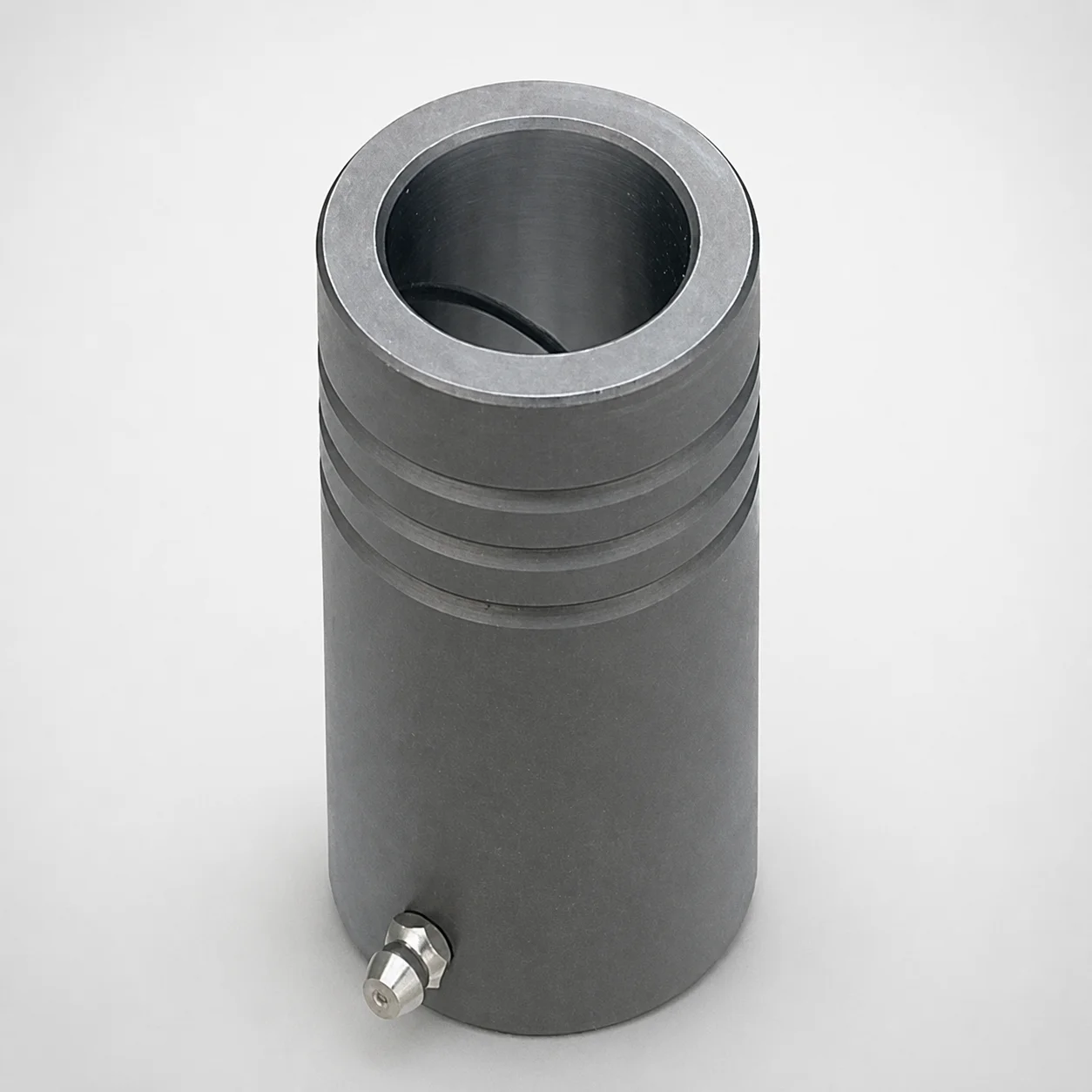
MDB Type Plain Guide Bushings for Die Sets (Oil Groove) Bonded by Devcon Adhesive
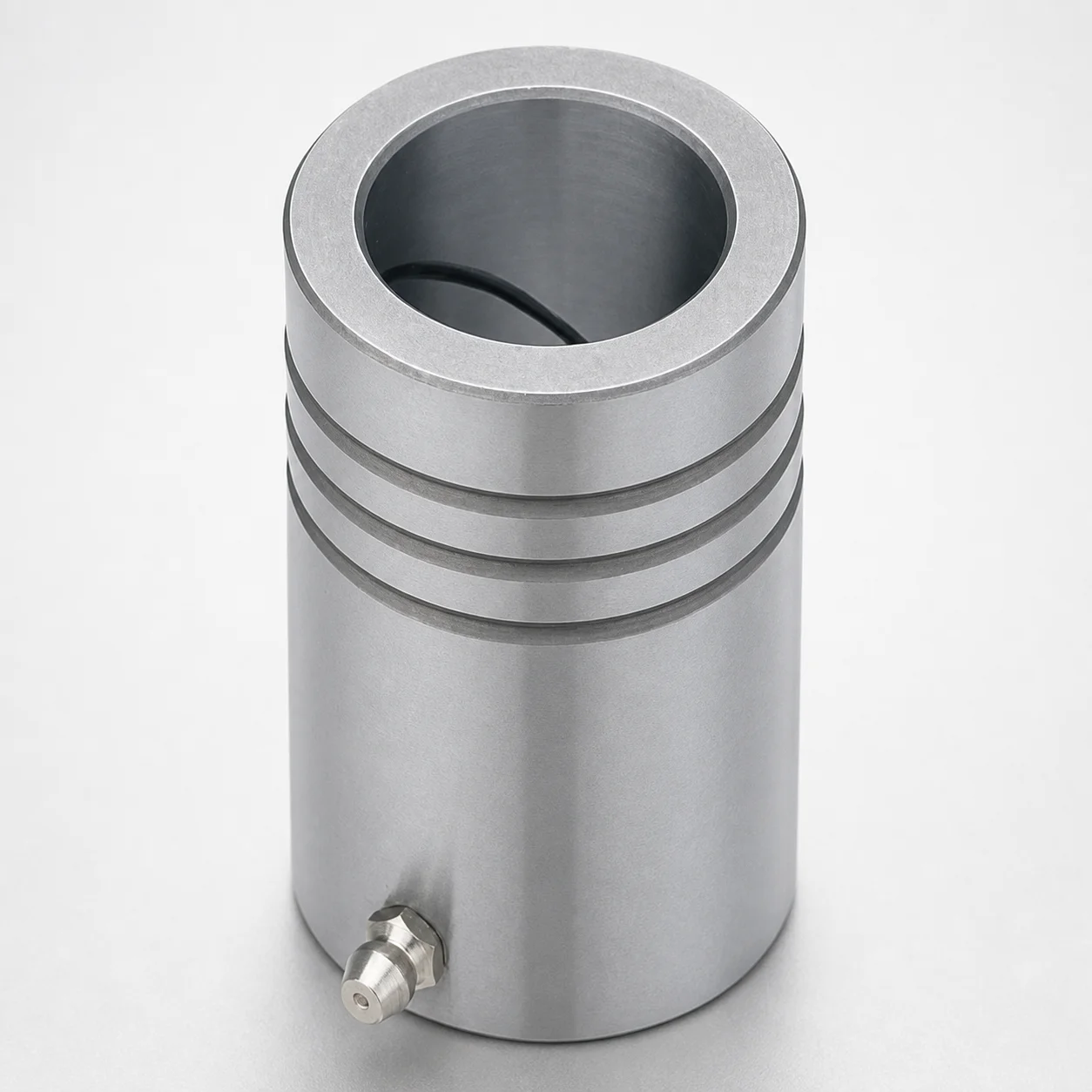
LDB Plain Guide Bushings for Die Sets
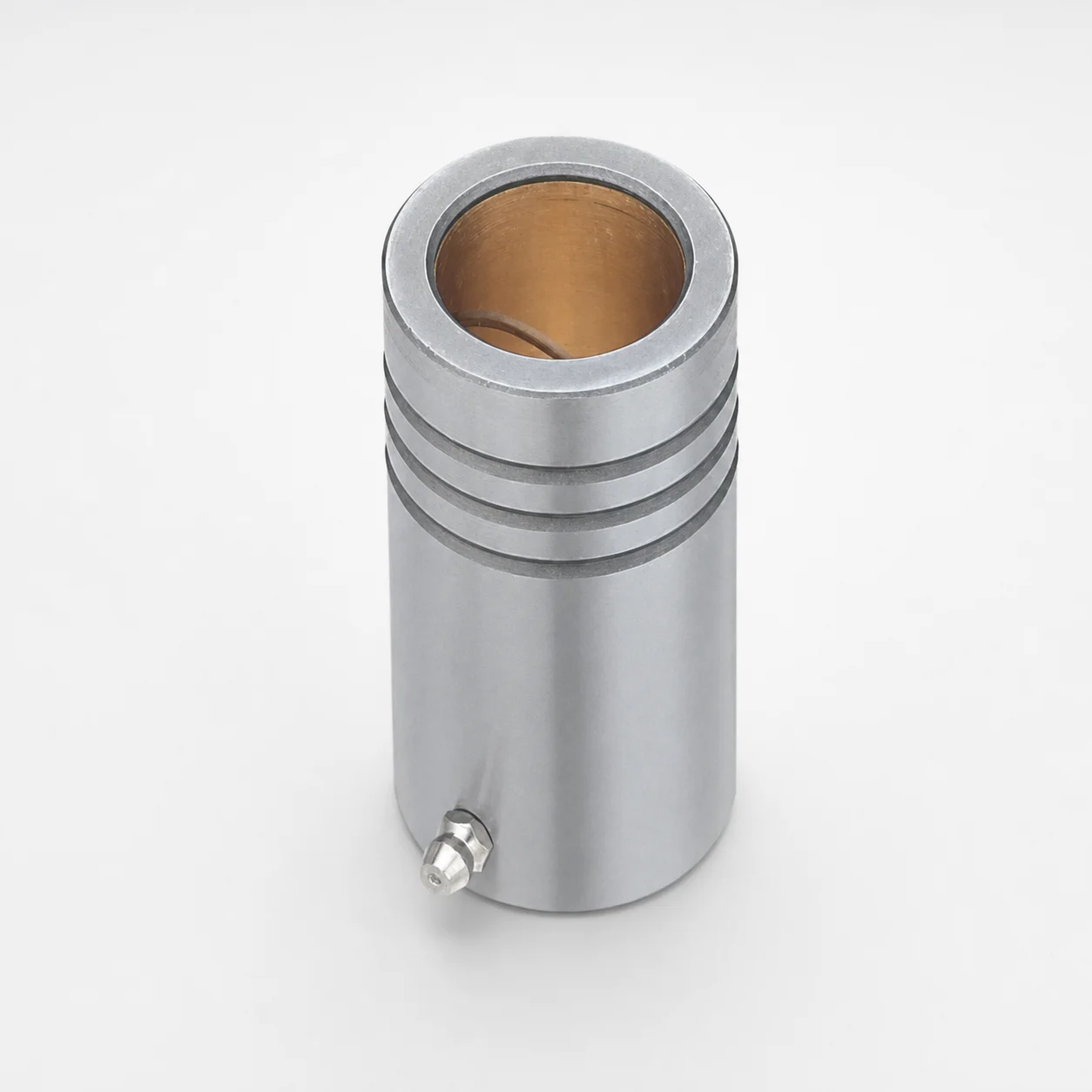
LFB Plain Guide Bushings for Die Sets with Oil Groove, Loctite Adhesive
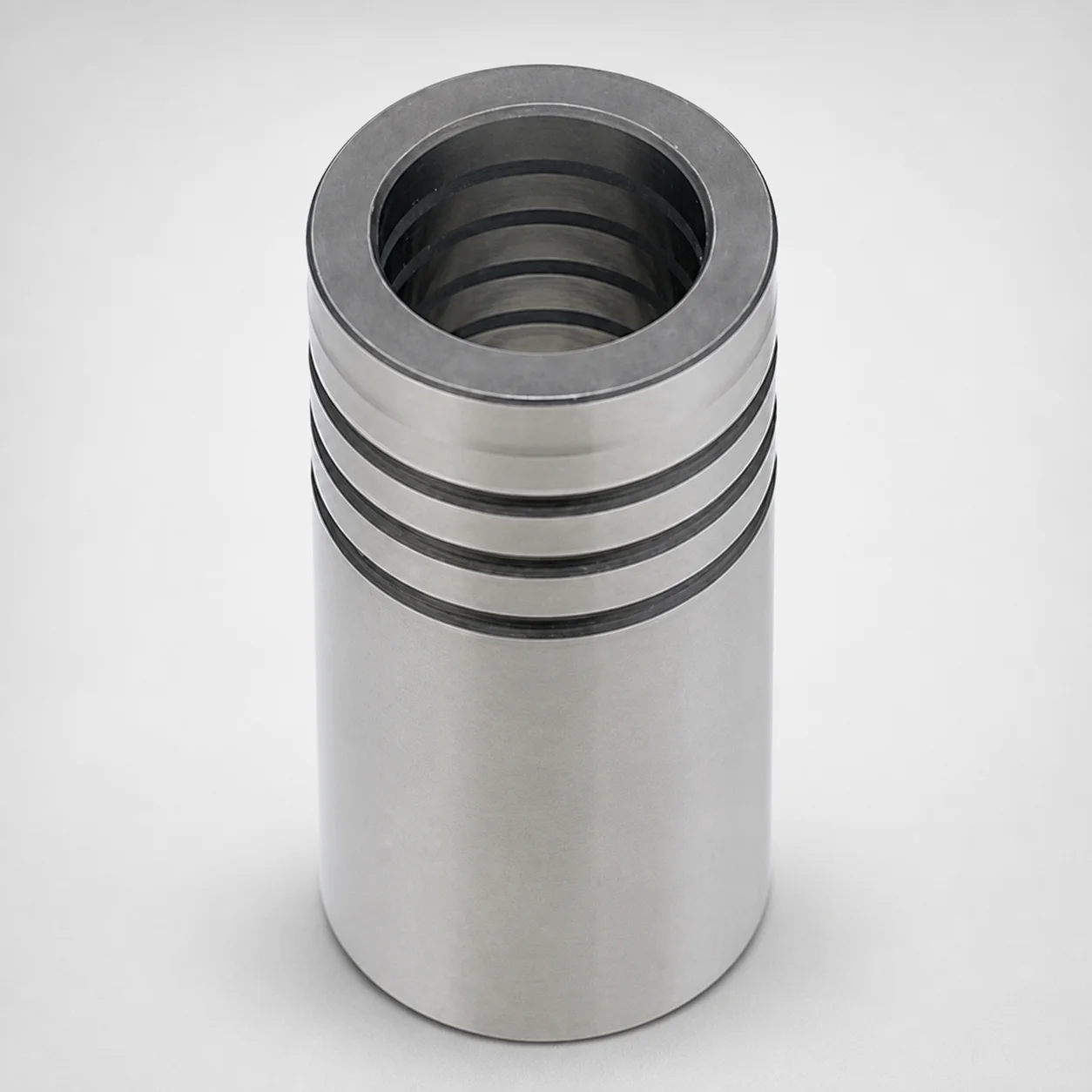
DIN Standard Oil-Free Plain Guide Bushings LDBZ
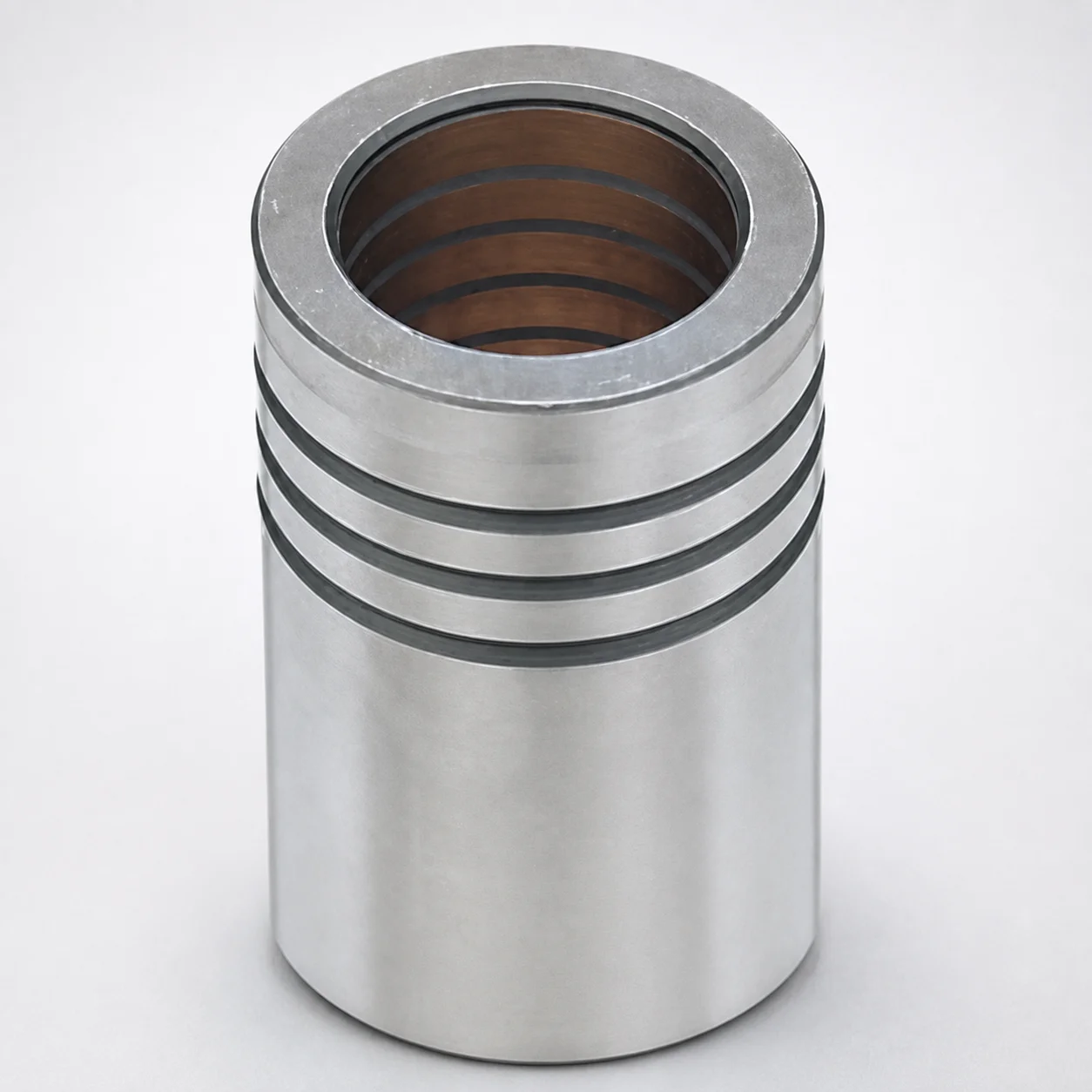
LFBZ Plain Guide Bushings for Die Sets (Oil-Free Copper Alloy) Loctite Bonded
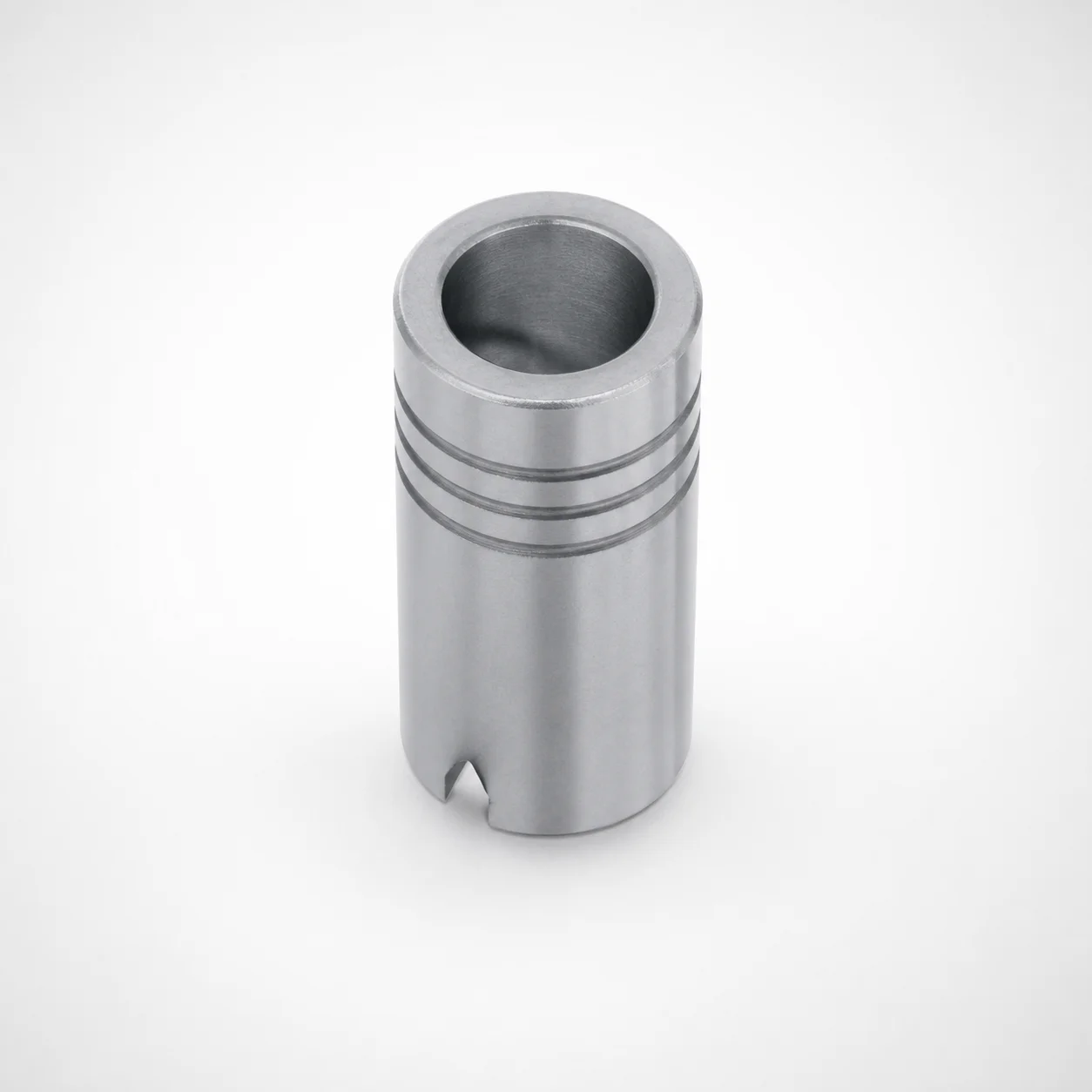
Plain Guide Bushings for Die Sets LDB
Need Custom Specifications?
Our engineering team can help with custom configurations, material selection, and volume pricing.