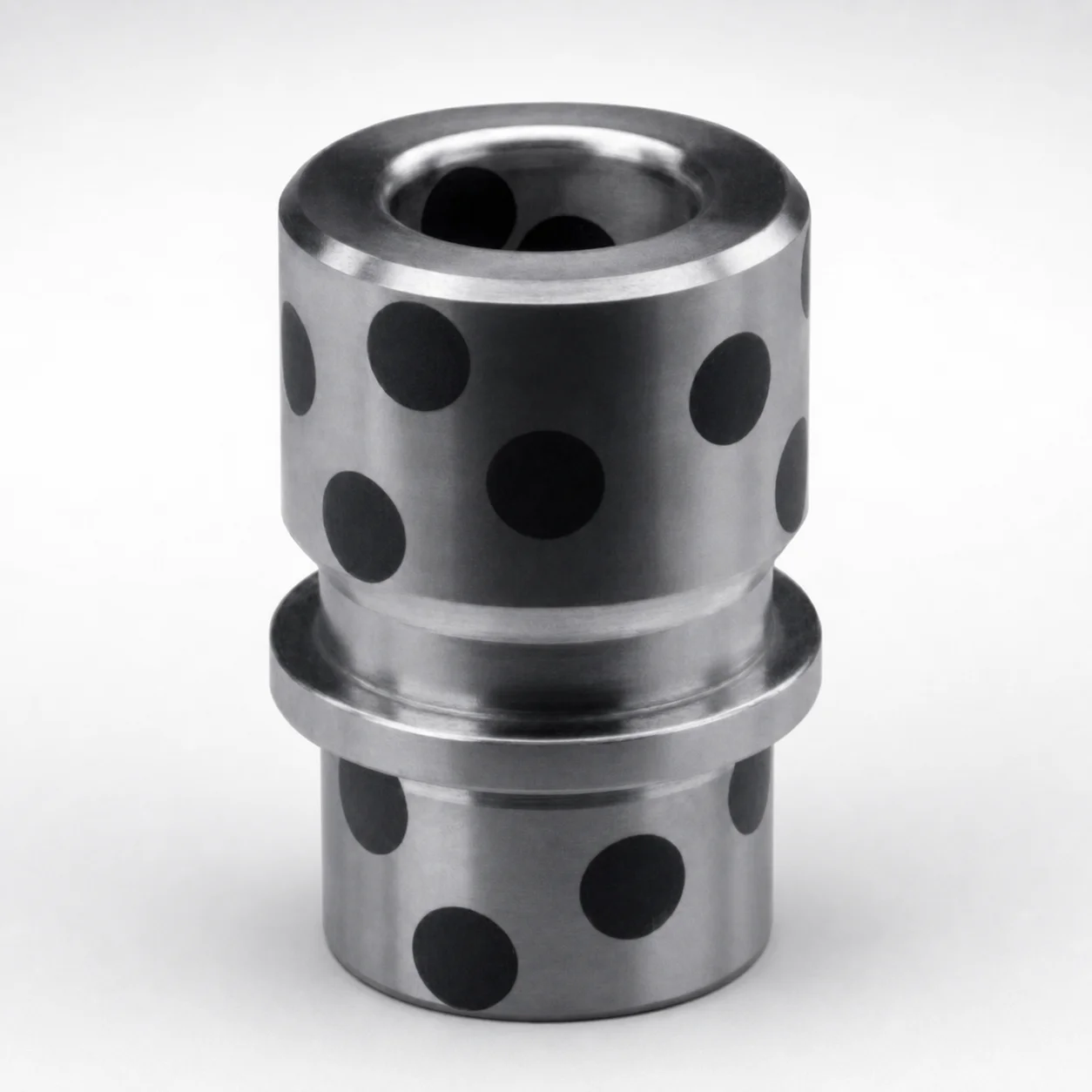
Inch Self-Lubricating Shoulder Bushing - Demountable Style
Inch self-lubricating shoulder bushing (DANLY IEM) uses a copper alloy plain guide design for rigid die-set alignment and repeatable motion. The demountable style supports service-friendly installation while maintaining guide stability.
- Plain guide shoulder bushing helps keep die sets rigid and accurately located
- Copper alloy construction provides self-lubricating performance for long guide life
- Detachable installation or Loctite adhesive mounting for secure positioning
- Includes mounting clips and screws for straightforward setup in inch tooling
Specifications
7 configurations available
| Post diameter A (in) | L (Length) (in) |
|---|---|
| 1 | 2.688 |
| 1 1/4 | 3.125 |
| 1 1/2 | 3.188 |
| 1 3/4 | 3.375 |
| 2 | 3.625 |
| 2 1/2 | 4.375 |
| 3 | 4.375 |
Product Guide
Application Scenarios+
This demountable self-lubricating shoulder bushing is designed for inch-format leader/ejector die sets where stable alignment and repeatable stroke control are critical. Its copper alloy plain guide surface supports low-friction motion and helps maintain consistent clearance under cyclic loading.
Use it in automotive and industrial connector molds to support rigid die-set alignment during opening/closing. The shoulder geometry and guide stability reduce side-load effects on rails and improve wear behavior in high-cycle molding.
It is also suitable for appliance and housings applications that require reliable ejection and long service intervals. The demountable style enables service-friendly replacement during maintenance without fully disassembling the die.
- Plain guide shoulder keeps the die set accurately located
- Self-lubricating copper alloy supports long guide life
- Detachable installation helps minimize downtime in scheduled service
Material & Process Details+
The bushing uses a copper alloy plain guide design intended for self-lubricating performance. In guide applications, copper-based bearing surfaces provide inherent lubrication characteristics that reduce friction and support stable motion over repeated cycles.
- Wear resistance: copper alloy plain guide surfaces are selected to resist scoring and to maintain consistent sliding behavior.
- Toughness vs. hardness trade-off: compared with fully hardened tool steels, a copper alloy bearing surface prioritizes low-friction wear performance rather than maximum hardness.
- Heat treatment: no specific heat-treatment state is provided in the available specifications, so process details cannot be stated from the current data.
When choosing between copper-alloy self-lubricating designs and higher-hardness steel alternatives, engineers typically balance friction/wear behavior against load capacity and abrasion resistance, with this variant focused on long guide life through plain, self-lubricating contact.
Sizing & Selection Guide+
Select the post diameter A to match the leader/bushing seat dimension in your mold base or guide block for inch tooling. The specified range is 1 ~ 3 in; choose the closest available dimension within this range to ensure correct alignment and load transfer.
Choose the required axial engagement length L from the available options: 2.688, 3.125, 3.188, 3.375, 3.625, 4.375 in. L must provide adequate support over the expected stroke and keep the shoulder fully seated under guide loads.
- Match to cavity/core requirements: verify that the bushing shoulder height and projected travel envelope align with the leader path to avoid binding or excessive clearance.
- Fit considerations: use your mold drawing’s critical dimensions and typical inch fits for the guide bore/seat; confirm clearance requirements to prevent rubbing while maintaining rigid die-set alignment.
- Configurable vs. fixed: A and L are selectable within the listed ranges; other features are fixed to the demountable style.
Frequently Asked Questions
What post diameter A options are available for this demountable shoulder bushing in inch tooling?+
Which length L sizes are offered, and how should I choose among them for guide engagement?+
Is this bushing intended for self-lubricating plain-guide performance, and what does the copper alloy imply for wear?+
How does the demountable style affect maintenance and compatibility with die-set servicing?+
Does the provided data include a heat-treatment or hardness spec for the bushing material?+
Related Products
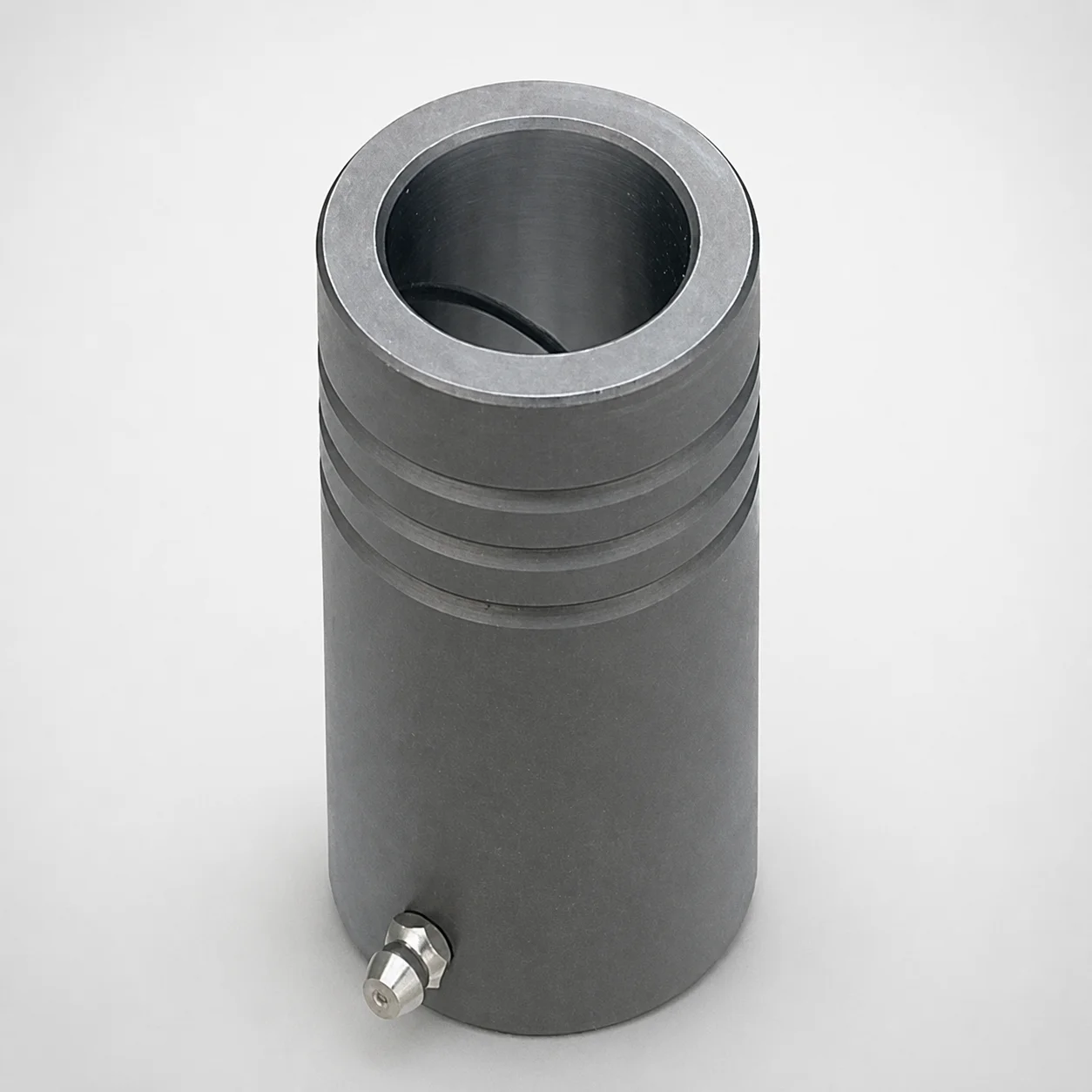
MDB Type Plain Guide Bushings for Die Sets (Oil Groove) Bonded by Devcon Adhesive
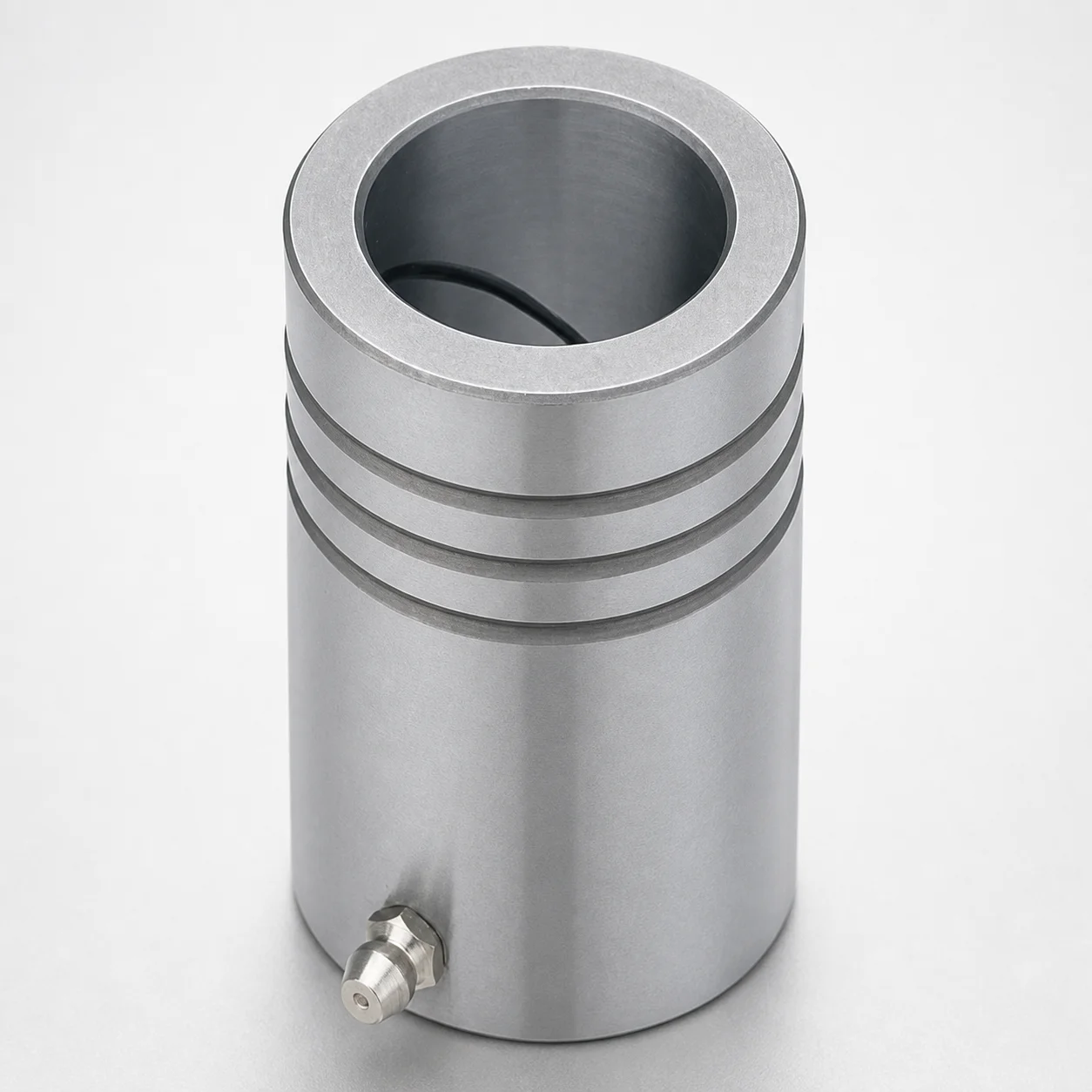
LDB Plain Guide Bushings for Die Sets
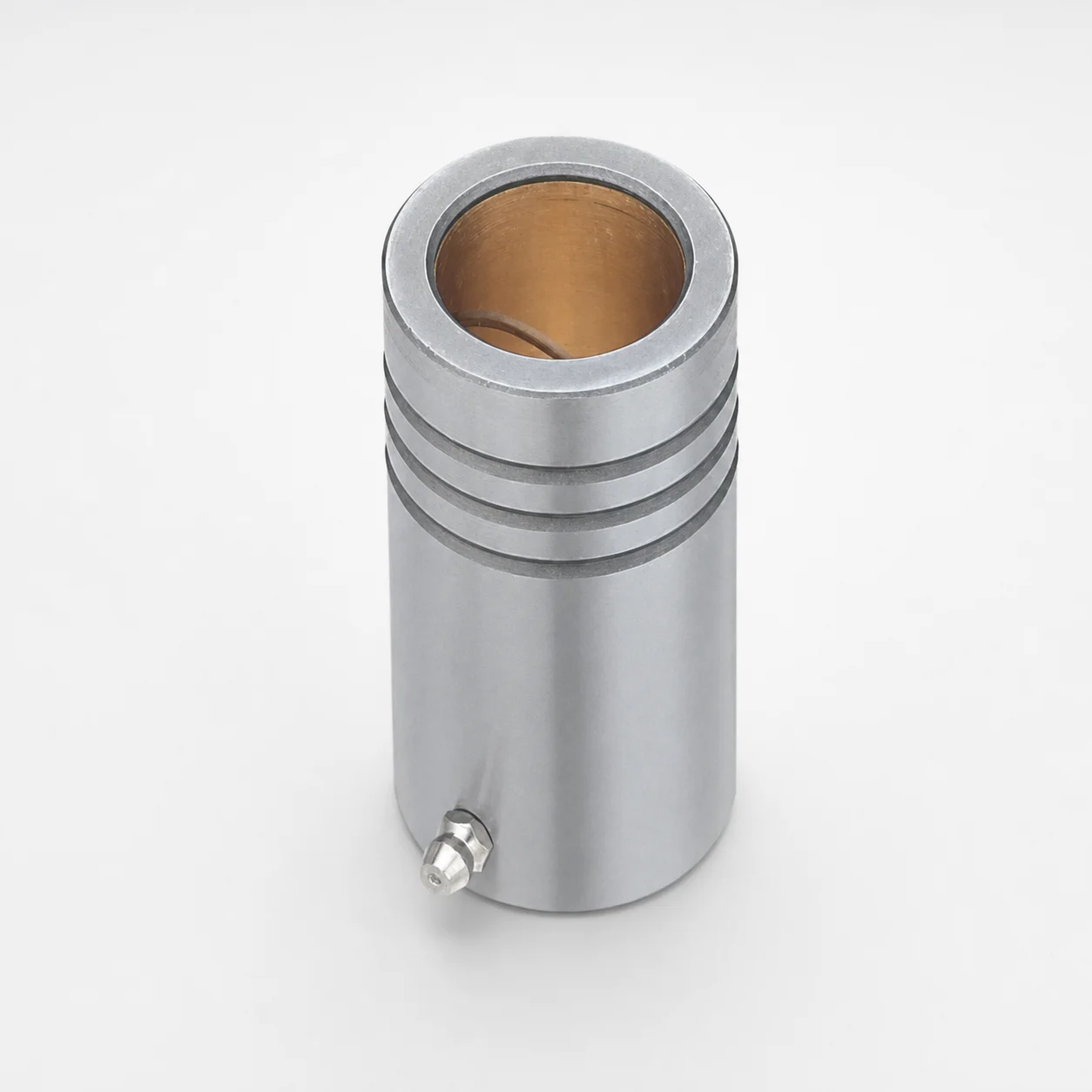
LFB Plain Guide Bushings for Die Sets with Oil Groove, Loctite Adhesive
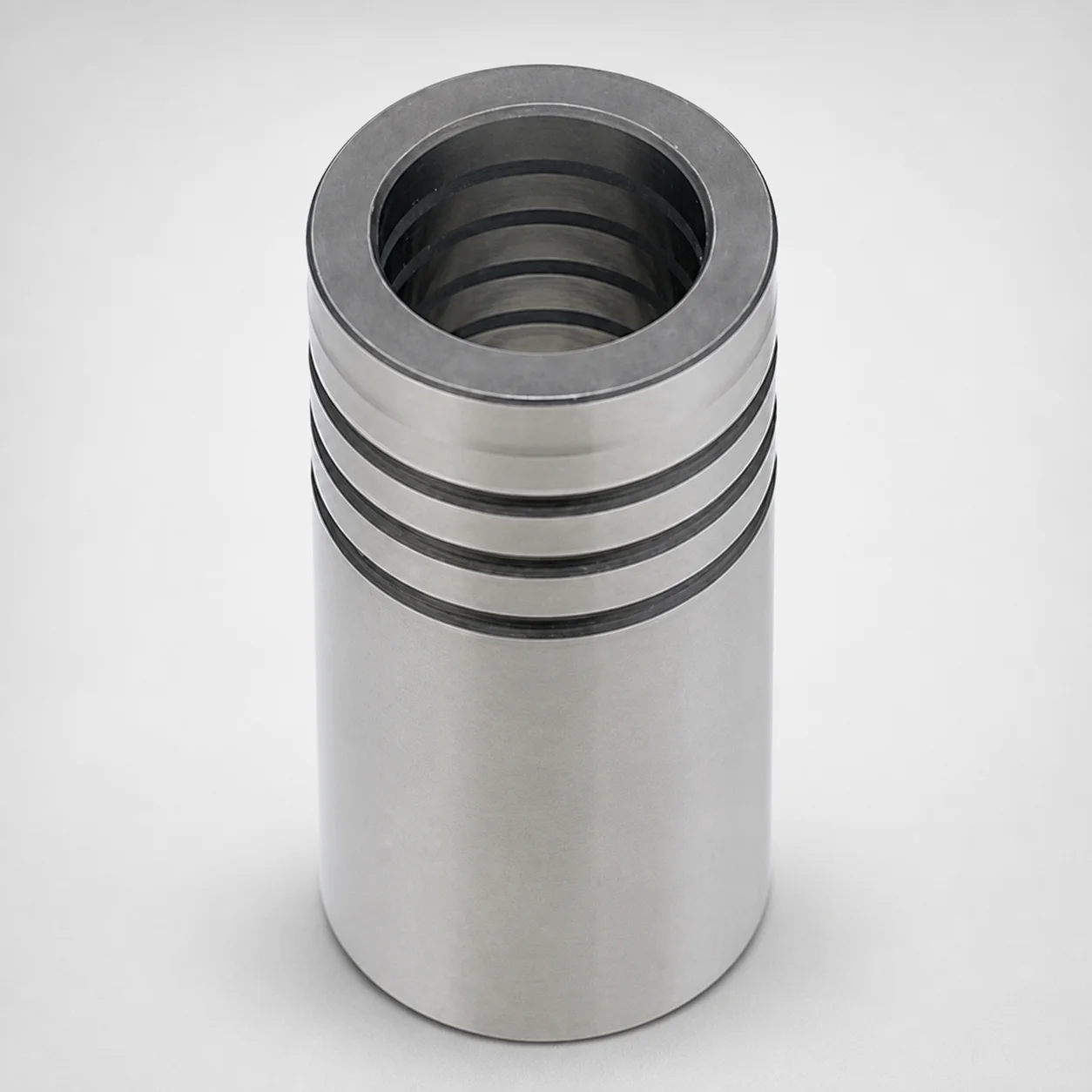
DIN Standard Oil-Free Plain Guide Bushings LDBZ
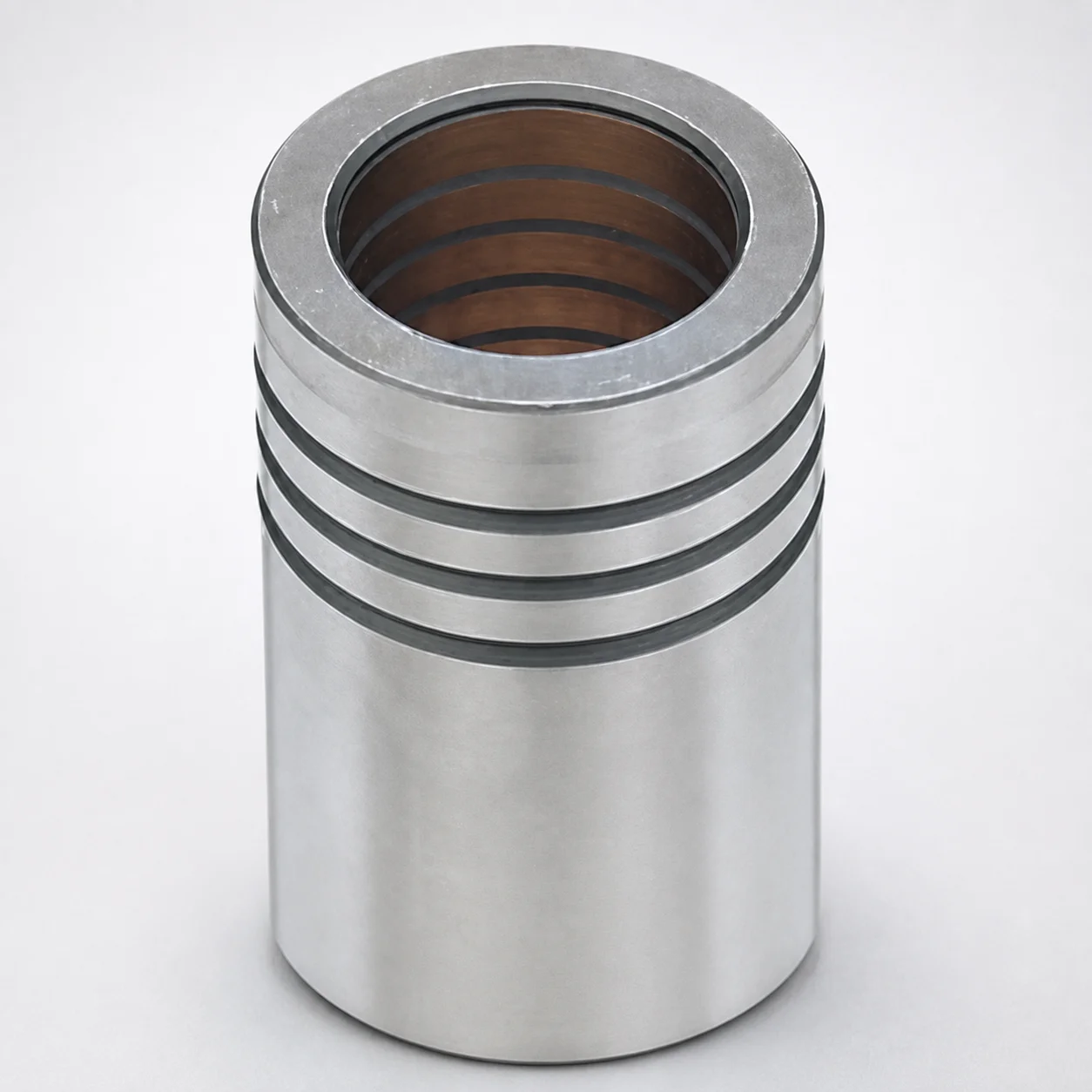
LFBZ Plain Guide Bushings for Die Sets (Oil-Free Copper Alloy) Loctite Bonded
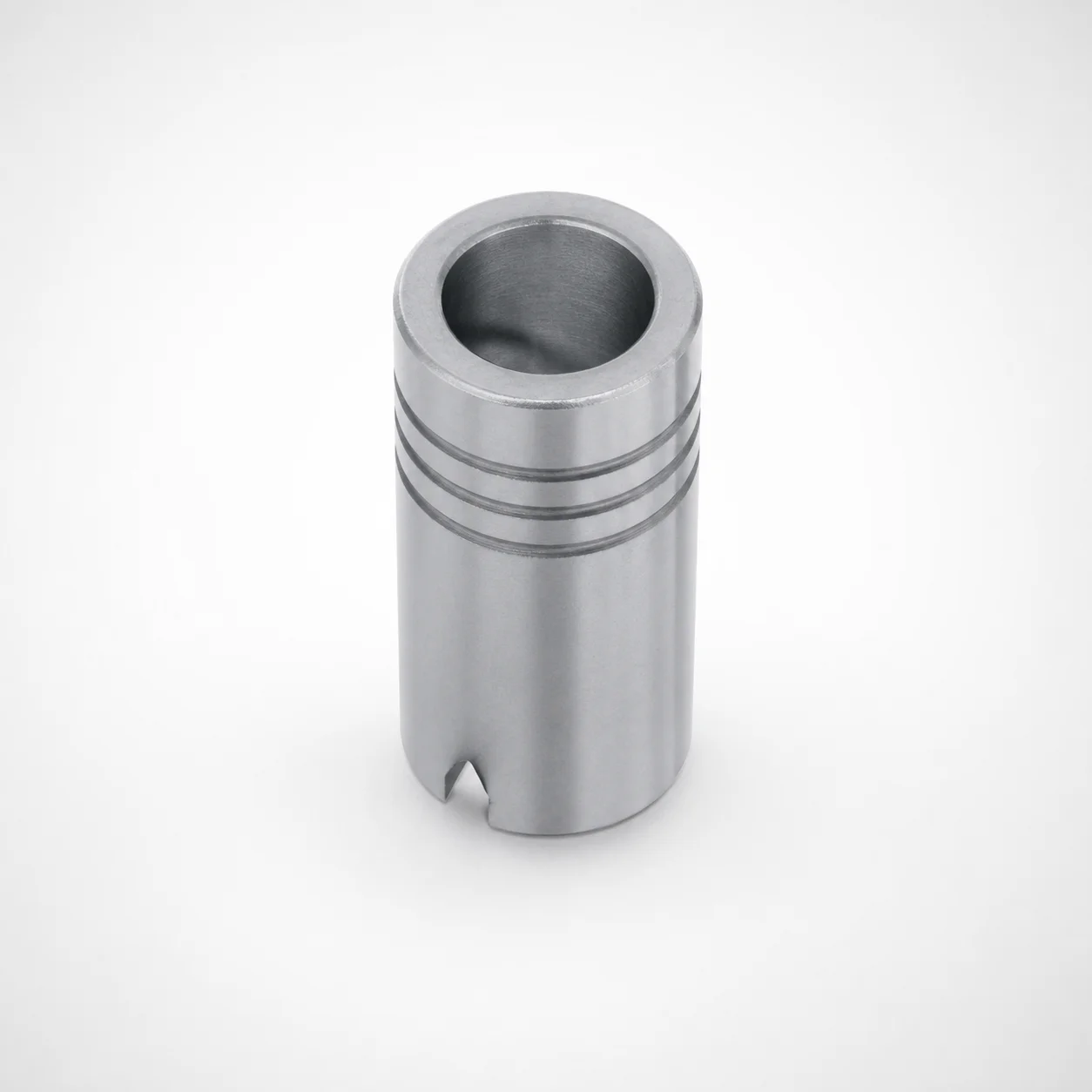
Plain Guide Bushings for Die Sets LDB
Need Custom Specifications?
Our engineering team can help with custom configurations, material selection, and volume pricing.