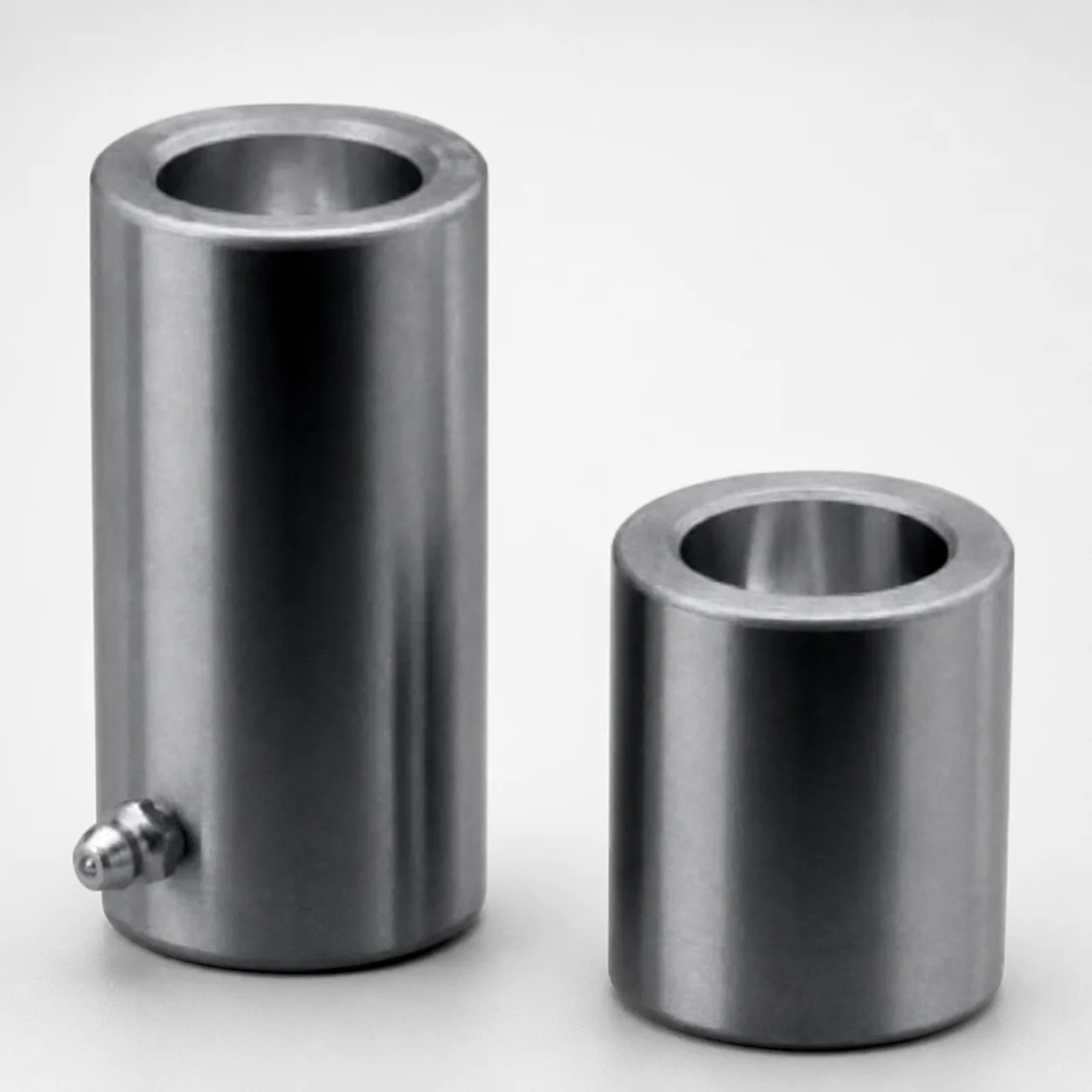
Plain Guide Bushings Pressed Fit Style, Inch (Copper Alloy, Loctite Mounted)
Plain guide bushings pressed fit style, inch (copper alloy) are designed for die sets requiring stable, accurate alignment. Loctite adhesive mounting helps maintain correct positioning to support consistent operation and longer service life.
- Plain guide bushing design for reliable die set alignment and smooth wear behavior
- Copper alloy construction with durable build to reduce wear and protect mating components
- Honed or unhoned surface option helps match assembly and fit requirements
- Pressed fit installation suitable for high-demand manufacturing die sets
Specifications
20 configurations available
| Outside diameter B (in) | Post diameter A (in) | Options |
|---|---|---|
| 13/16 | 1/2 | Unhoned |
| 13/16 | 1/2 | Honed |
| 1 | 5/8 | Unhoned |
| 1 | 5/8 | Honed |
| 1 1/8 | 3/4 | Unhoned |
| 1 1/8 | 3/4 | Honed |
| 1 3/8 | 7/8 | Unhoned |
| 1 3/8 | 7/8 | Honed |
| 1 1/2 | 1 | Unhoned |
| 1 1/2 | 1 | Honed |
| 1 3/4 | 1 1/4 | Unhoned |
| 1 3/4 | 1 1/4 | Honed |
| 2 | 1 1/2 | Unhoned |
| 2 | 1 1/2 | Honed |
| 2 1/4 | 1 3/4 | Unhoned |
| 2 1/4 | 1 3/4 | Honed |
| 2 1/2 | 2 | Unhoned |
| 2 1/2 | 2 | Honed |
| 3 1/4 | 2 1/2 | Unhoned |
| 3 1/4 | 2 1/2 | Honed |
Product Guide
Application Scenarios+
Plain guide bushings in pressed-fit style are used in leader/ejector tooling where die sets must remain precisely aligned during repeated cycling. The Loctite adhesive mounting is especially helpful in applications that experience vibration or frequent shut-down/start-up, because it supports stable positioning and reduces the risk of alignment drift.
- Progressive die sets for automotive parts: copper alloy wear characteristics and smooth guiding help maintain consistent feeder and punch alignment under high stroke counts.
- High-mix industrial forming dies: the option to select honed vs. unhoned surfaces supports fitting and contact behavior that can be tuned to the mating guide rod finish.
- General die sets with leader guidance: the pressed-fit approach enables repeatable assembly and supports reliable die closure alignment for consistent forming results.
This variant is suited for die sets that prioritize alignment stability and predictable guide wear, while benefiting from adhesive-assisted retention after installation.
Material & Process Details+
This guide bushing uses a copper alloy construction, chosen for its favorable wear behavior against typical hardened steel mating parts in die guidance systems. Copper alloy guide components help protect mating surfaces by promoting stable sliding contact over long duty cycles.
- Heat treatment state: the provided specifications do not list a specific heat treatment (e.g., quenched & tempered, nitrided). Select the supplier’s documented process for your final manufacturing plan.
- Hardness/wear vs. toughness trade-off: copper alloys generally offer good wear performance and controlled surface interaction, but they are not intended to replace through-hardened tool steels where maximum impact toughness is required.
- Surface finish options: honed surfaces typically support more consistent guide fit and smoother motion; unhoned surfaces can be used when you want to match existing in-house tolerances or allow more adjustment during assembly.
If you need a direct comparison to steel guide bushes, confirm hardness and treatment data from the offering documentation before selecting the wear/toughness balance.
Sizing & Selection Guide+
Correct dimension matching is critical for stable die alignment. Use the provided ranges to select the bushing outside diameter B (1 ~ 13 in) and post diameter A (1 ~ 7 in) based on your die set bore and mating leader geometry.
- Step 1: Match bore size: choose the bushing OD (B) so it fits the die block bore for the pressed-fit installation. Verify the die bore dimension and fit class required by your assembly standard.
- Step 2: Match post/leader diameter: confirm the mating guide/post diameter corresponds to A (1 ~ 7 in) so the bushing can guide correctly through the stroke.
- Step 3: Select honed vs. unhoned: pick honed when you want tighter functional guidance contact and smoother motion; use unhoned when you plan to accommodate minor surface or fit variation.
Because tolerance values are not provided in the available data, follow your die shop’s standard pressed-fit tolerance guidance and confirm final fit with a gauge-based trial assembly.
Frequently Asked Questions
How do I choose the correct pressed-fit dimensions for die block alignment using this guide bushing?+
When should I specify honed vs. unhoned surfaces for progressive die applications?+
What role does the Loctite adhesive mounting play in die set longevity?+
Does the copper alloy bushing require specific heat treatment to achieve performance?+
Can this bushing be used as a replacement for steel guide components in high-wear die sections?+
Related Products
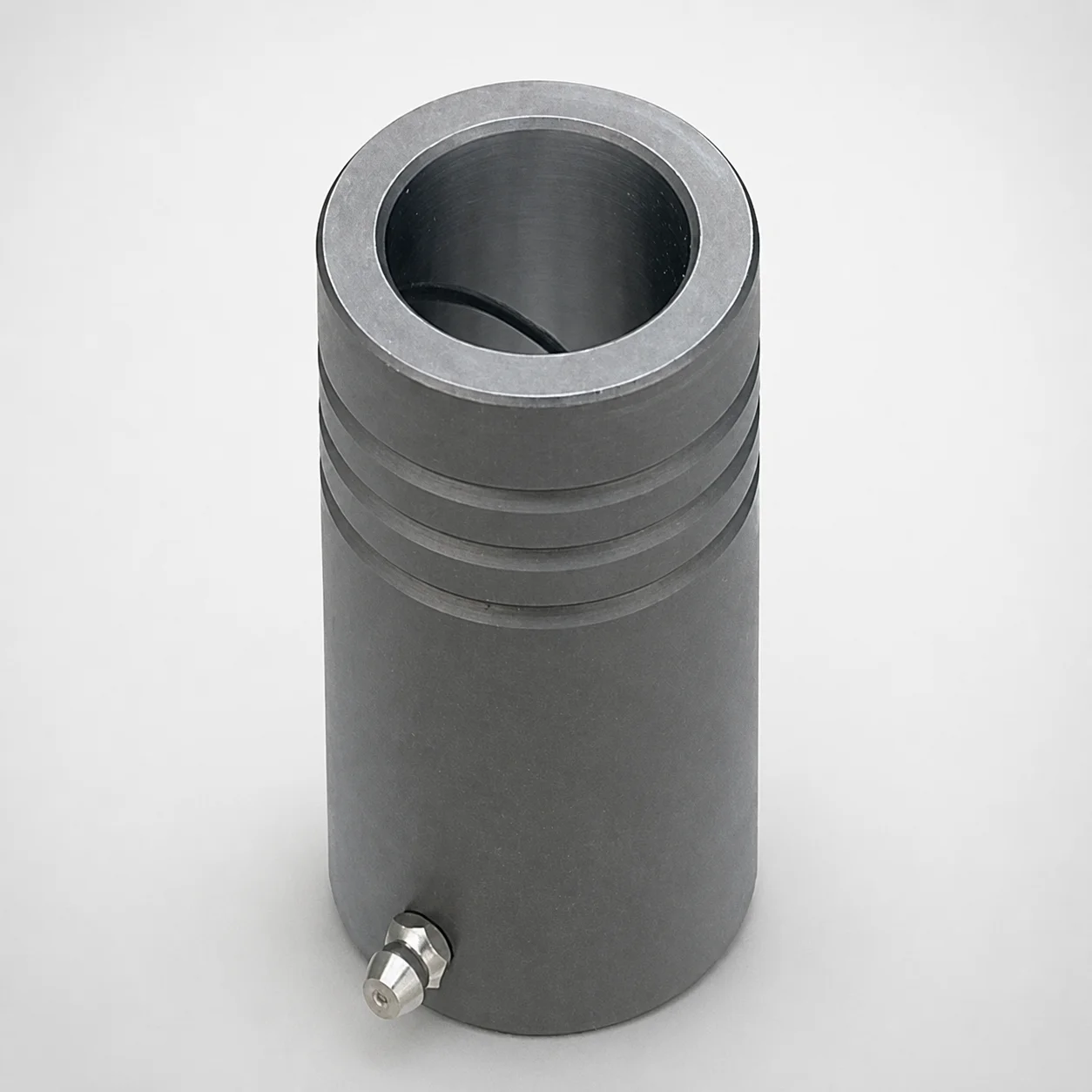
MDB Type Plain Guide Bushings for Die Sets (Oil Groove) Bonded by Devcon Adhesive
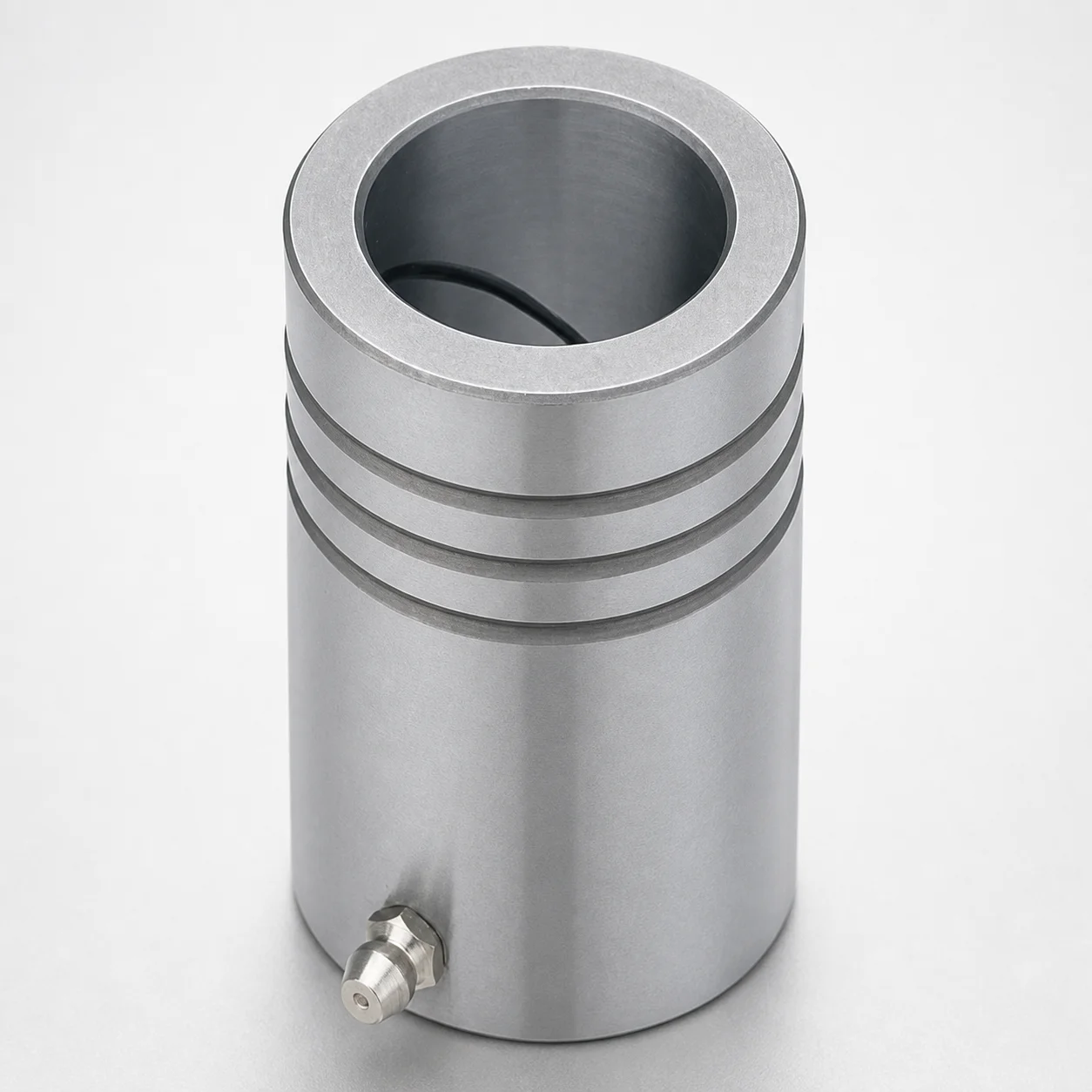
LDB Plain Guide Bushings for Die Sets
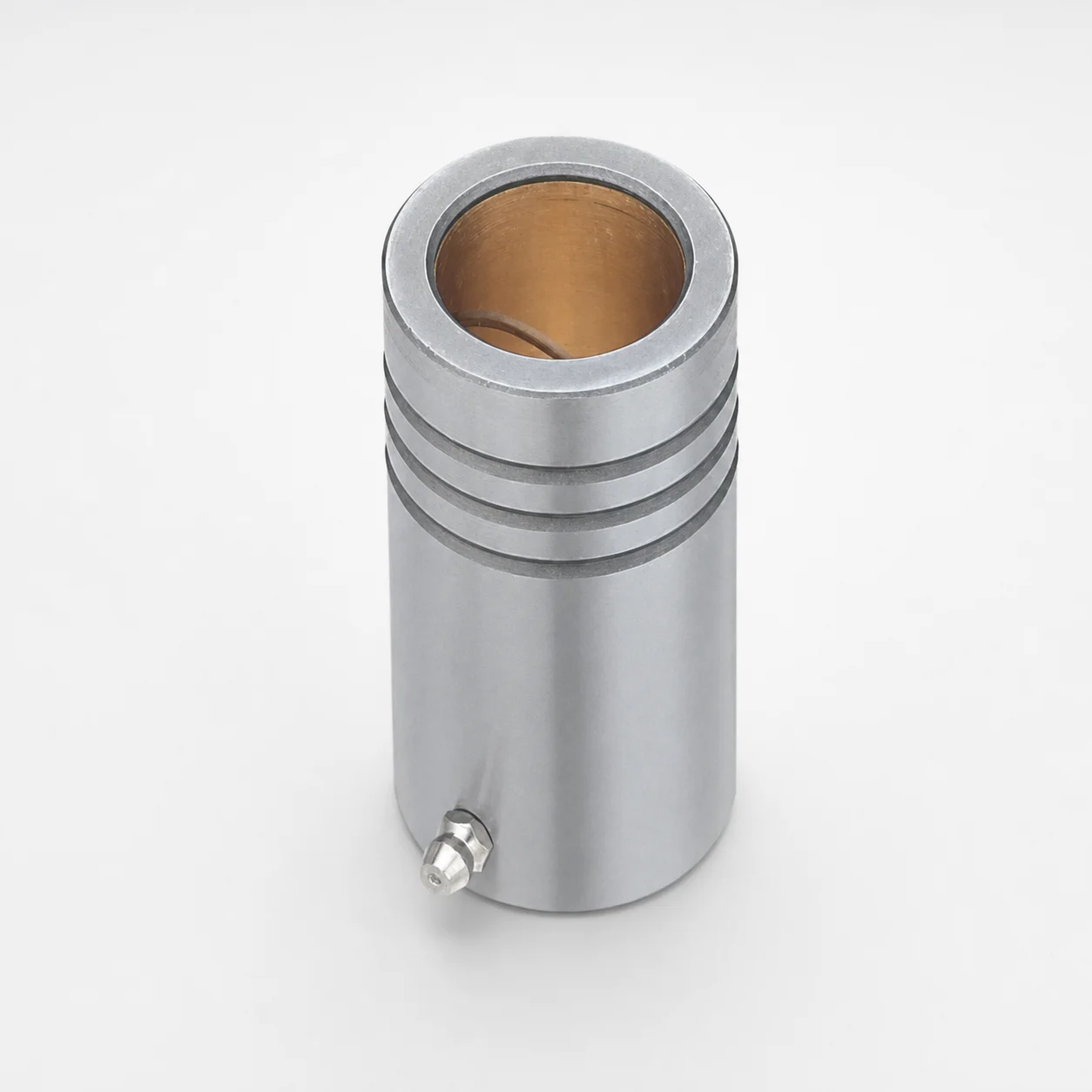
LFB Plain Guide Bushings for Die Sets with Oil Groove, Loctite Adhesive
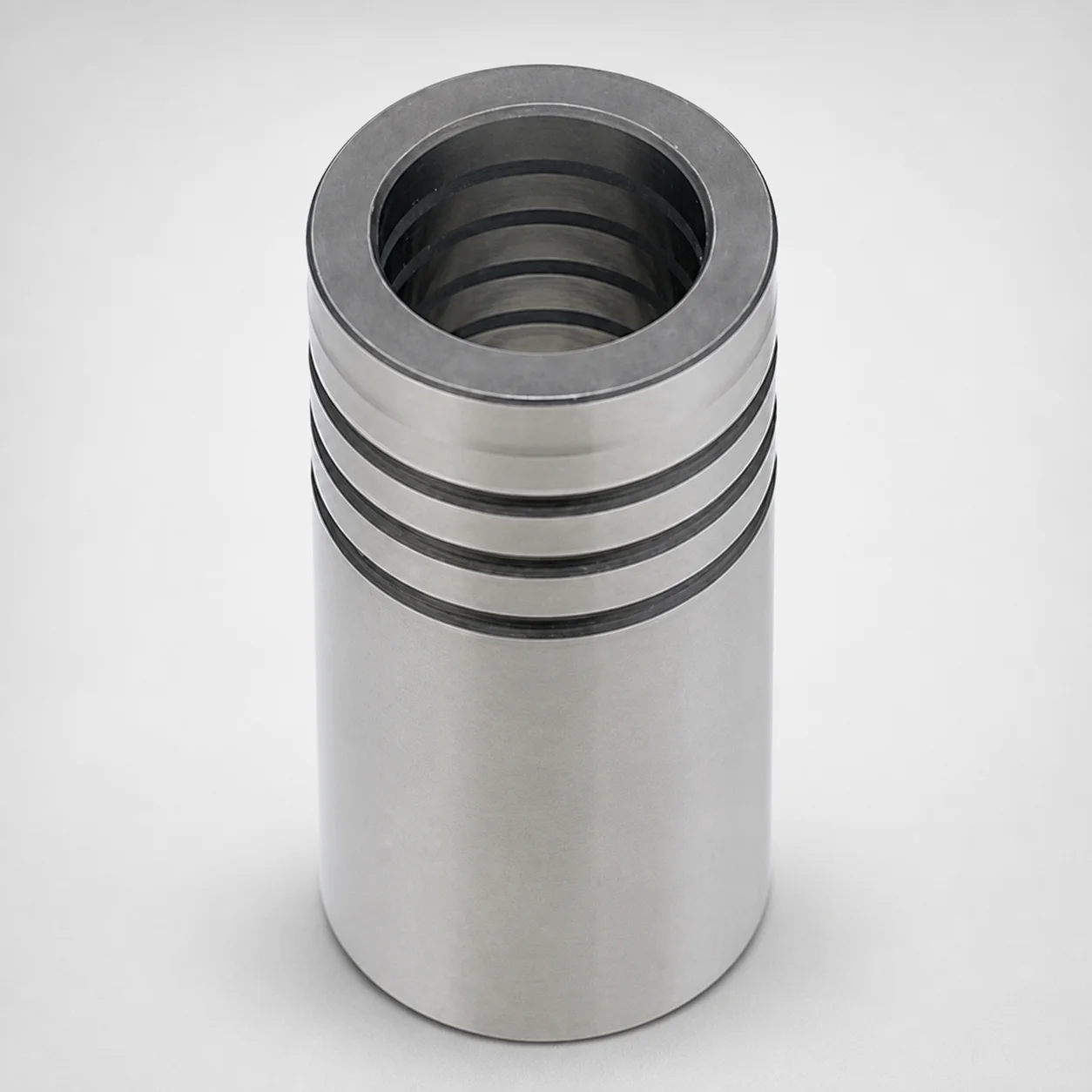
DIN Standard Oil-Free Plain Guide Bushings LDBZ
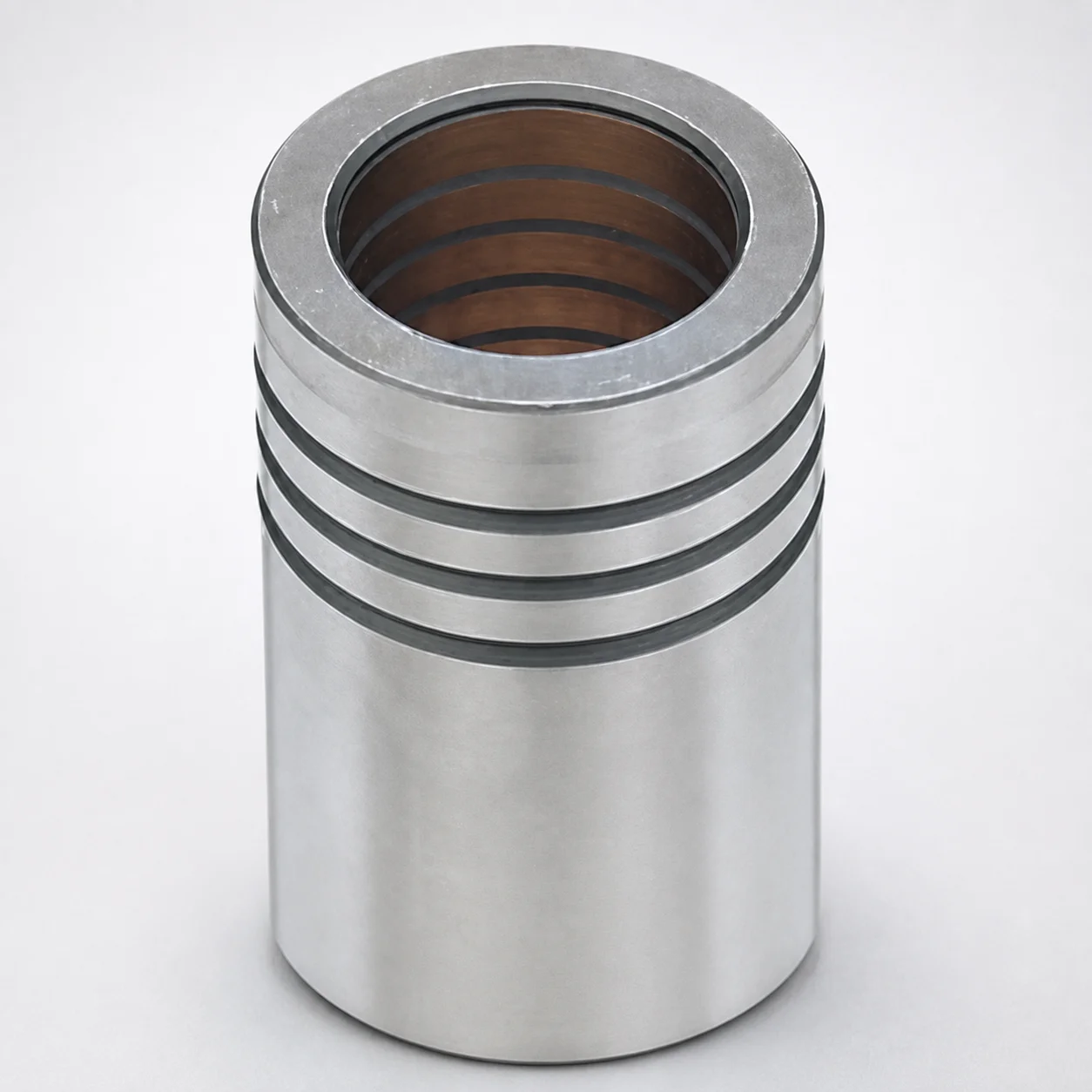
LFBZ Plain Guide Bushings for Die Sets (Oil-Free Copper Alloy) Loctite Bonded
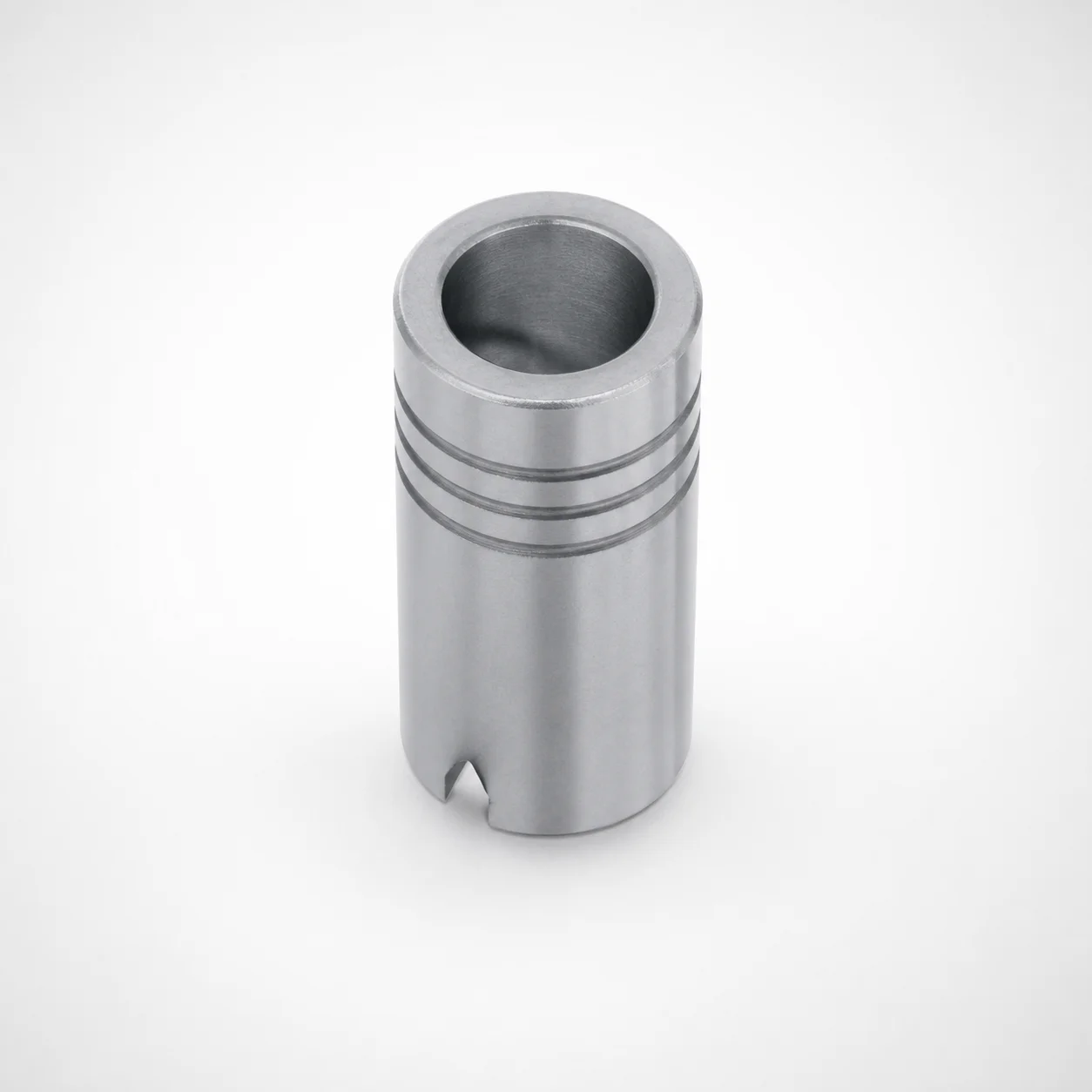
Plain Guide Bushings for Die Sets LDB
Need Custom Specifications?
Our engineering team can help with custom configurations, material selection, and volume pricing.