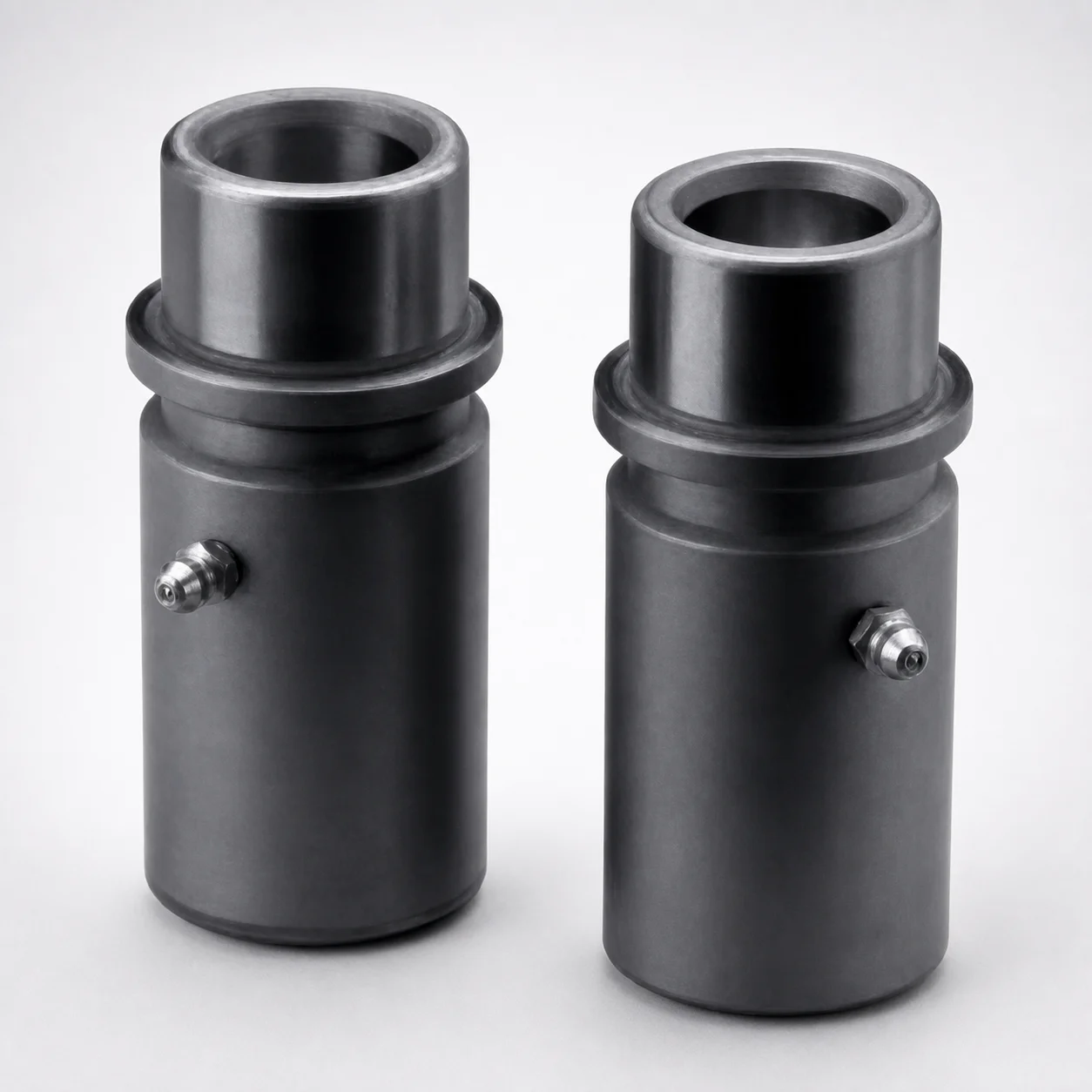
Long Shoulder Plain Guide Bushings - Demountable Style, Metric
Long Shoulder Plain Guide Bushings - Demountable Style, Metric are designed for die sets that require stable, repeatable alignment. Bronze-plated copper alloy or steel construction supports efficient guidance, with detachable installation for quick service.
- Long shoulder geometry improves positional stability in die assemblies
- Bronze-plated copper alloy or steel material set for reliable wear performance
- Compatible with detachable mounting methods, with optional Loctite adhesive bonding
- Supplied as a complete solution with clips and screws
Specifications
16 configurations available
| Dimension D1 (mm) | Dimension D2 (mm) | L (Length) (mm) | Material |
|---|---|---|---|
| 24 | 38 | 98 | Bronze plated |
| 24 | 38 | 98 | Steel |
| 25 | 38 | 98 | Bronze plated |
| 25 | 38 | 98 | Steel |
| 30 | 45 | 100 | Bronze plated |
| 30 | 45 | 100 | Steel |
| 32 | 45 | 100 | Bronze plated |
| 32 | 45 | 100 | Steel |
| 38 | 54 | 115 | Bronze plated |
| 38 | 54 | 115 | Steel |
| 40 | 54 | 115 | Bronze plated |
| 40 | 54 | 115 | Steel |
| 48 | 65 | 135 | Bronze plated |
| 48 | 65 | 135 | Steel |
| 50 | 65 | 135 | Bronze plated |
| 50 | 65 | 135 | Steel |
Product Guide
Application Scenarios+
In injection mold die sets, these long-shoulder guide bushings are used to maintain stable alignment between moving and stationary components during opening/closing cycles. The extended shoulder and plain guiding surface help control lateral play, which improves repeatability for parts that demand tight positional consistency.
- Automotive and industrial connector molds: long guidance over a larger length (available L values of 98, 100, 115, 135 mm) supports smooth ejector plate or die movement, reducing misalignment-related wear.
- Die sets for appliance and housings: demountable mounting enables quick maintenance when wear occurs, minimizing downtime while retaining consistent guide geometry.
- High-cadence production with service access: the detachable style supports replacement without full disassembly of the leader system; bronze-plated copper alloy or steel construction is chosen based on guidance/wear needs.
The demountable design is well suited where fast servicing and reliable wear performance are critical.
Material & Process Details+
This bushing is available in bronze plated (copper alloy) or steel constructions. Bronze-plated copper alloy variants are selected for efficient sliding behavior and effective resistance against surface wear during repeated die motion. Steel options provide higher structural robustness for guidance components subjected to mechanical load.
- Bronze plated (copper alloy): typically chosen for improved wear tolerance on the guide interface; plating helps reduce friction and enhance running stability.
- Steel: better suited when the assembly requires stronger base material characteristics; performance is optimized for dimensional stability under load.
Specific hardness (HRC) and heat treatment states (e.g., quenched & tempered, nitrided) are not provided in the supplied data, so exact HRC comparison cannot be stated. When selecting between variants, base material choice is usually driven by the trade-off between lower-friction/wear behavior (bronze plated) and greater base strength (steel).
Sizing & Selection Guide+
Correct dimension matching is essential to ensure concentric guidance and minimize stick-slip in the leader system. Use shaft diameter D1 and the corresponding bushing inner/guide region to match your leader or guide pin; available D1 is 24 ~ 50 mm.
- Select D2 from the provided options: 38, 45, 54, 65 mm. D2 should be compatible with the receiving pocket/guide bore in the die set.
- Select length L to match the required engagement depth in the die assembly: 98, 100, 115, 135 mm.
- Demountable fit considerations: because the style supports detachable installation, ensure the surrounding pocket and retention features (clips/screws as supplied) provide stable clamping to prevent micro-movement.
Tolerance values are not specified in the provided data; therefore, plan clearances and fits based on your die standards and the tolerancing system used for leader bushings. If bonding is used (optional Loctite), confirm surface preparation requirements to maintain the intended restraint and alignment.
Frequently Asked Questions
Which dimensions should I verify on the leader system to select the correct demountable guide bushing?+
When would I choose bronze-plated copper alloy versus steel for this guide bushing?+
How does the long-shoulder geometry affect alignment in leader-ejector die sets?+
Is this bushing designed for serviceable installation in existing die sets?+
Can I bond the bushing using Loctite, and when is that typically used?+
Related Products
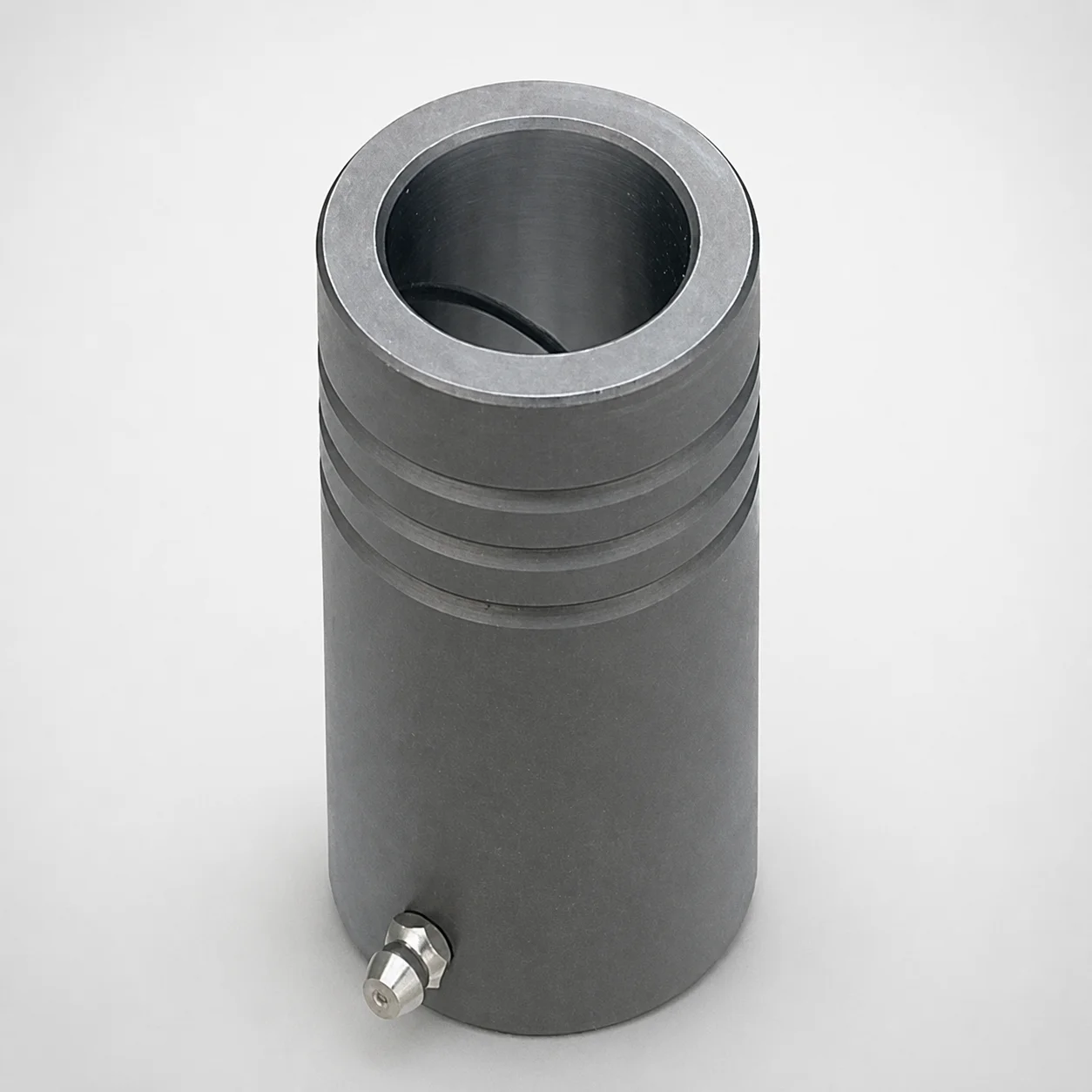
MDB Type Plain Guide Bushings for Die Sets (Oil Groove) Bonded by Devcon Adhesive
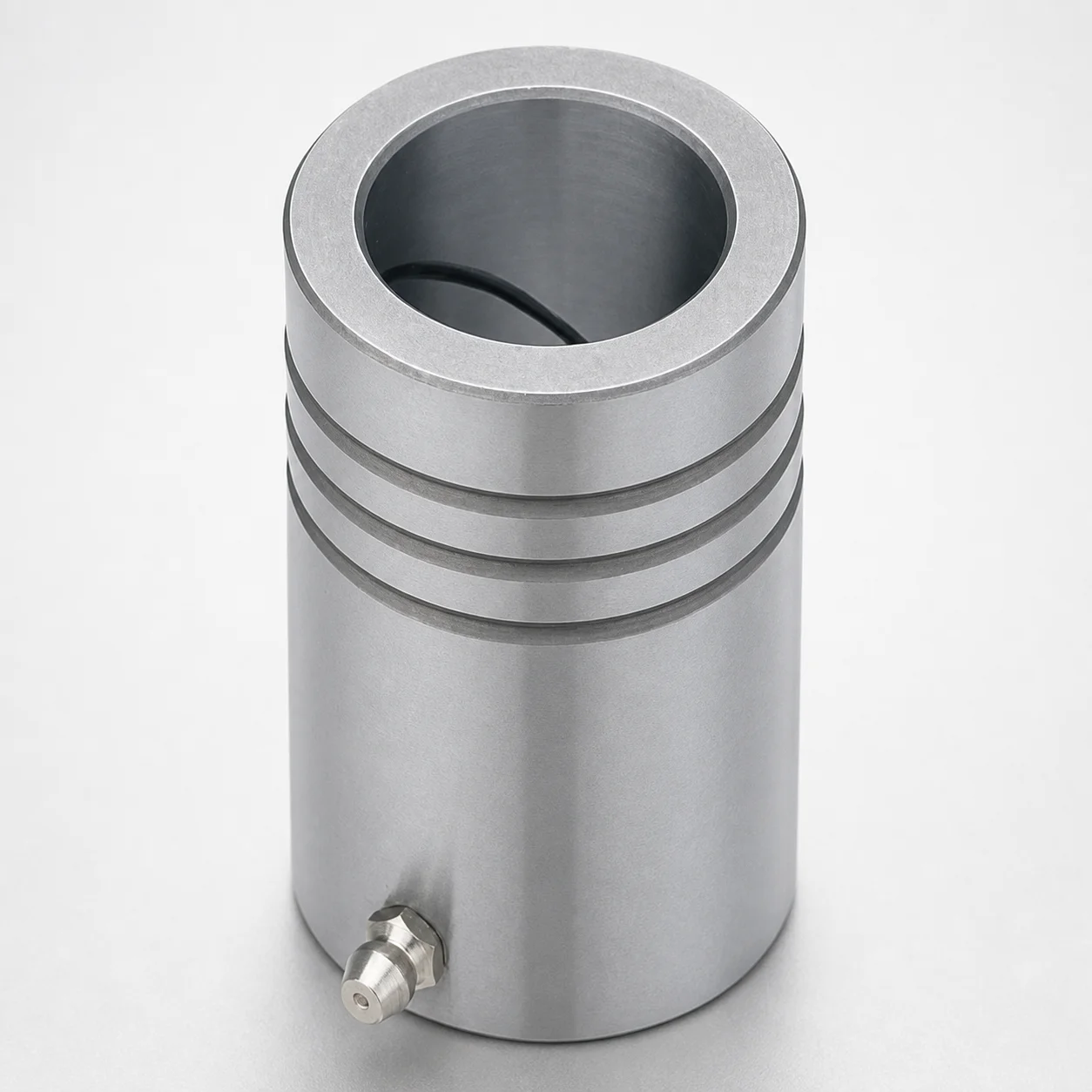
LDB Plain Guide Bushings for Die Sets
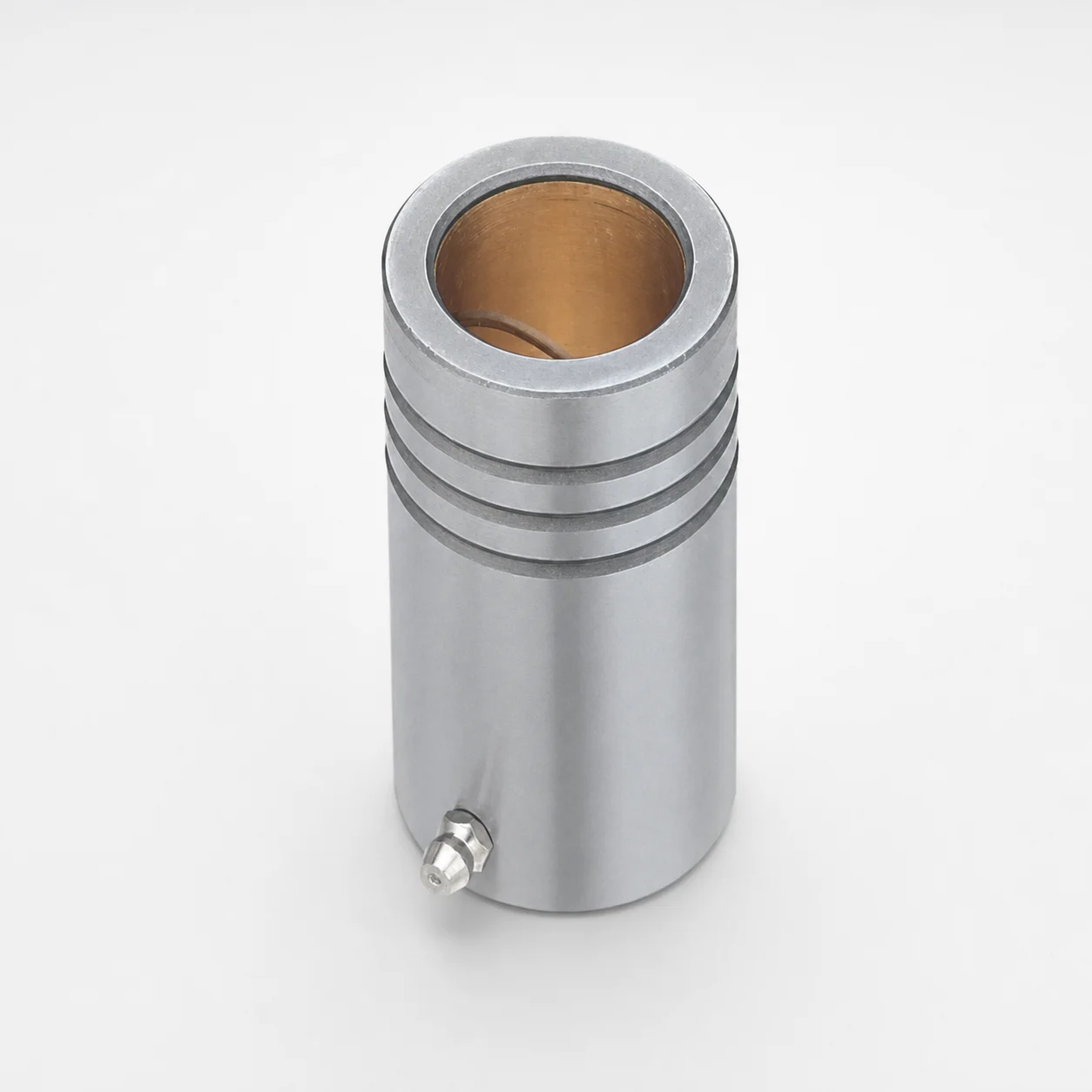
LFB Plain Guide Bushings for Die Sets with Oil Groove, Loctite Adhesive
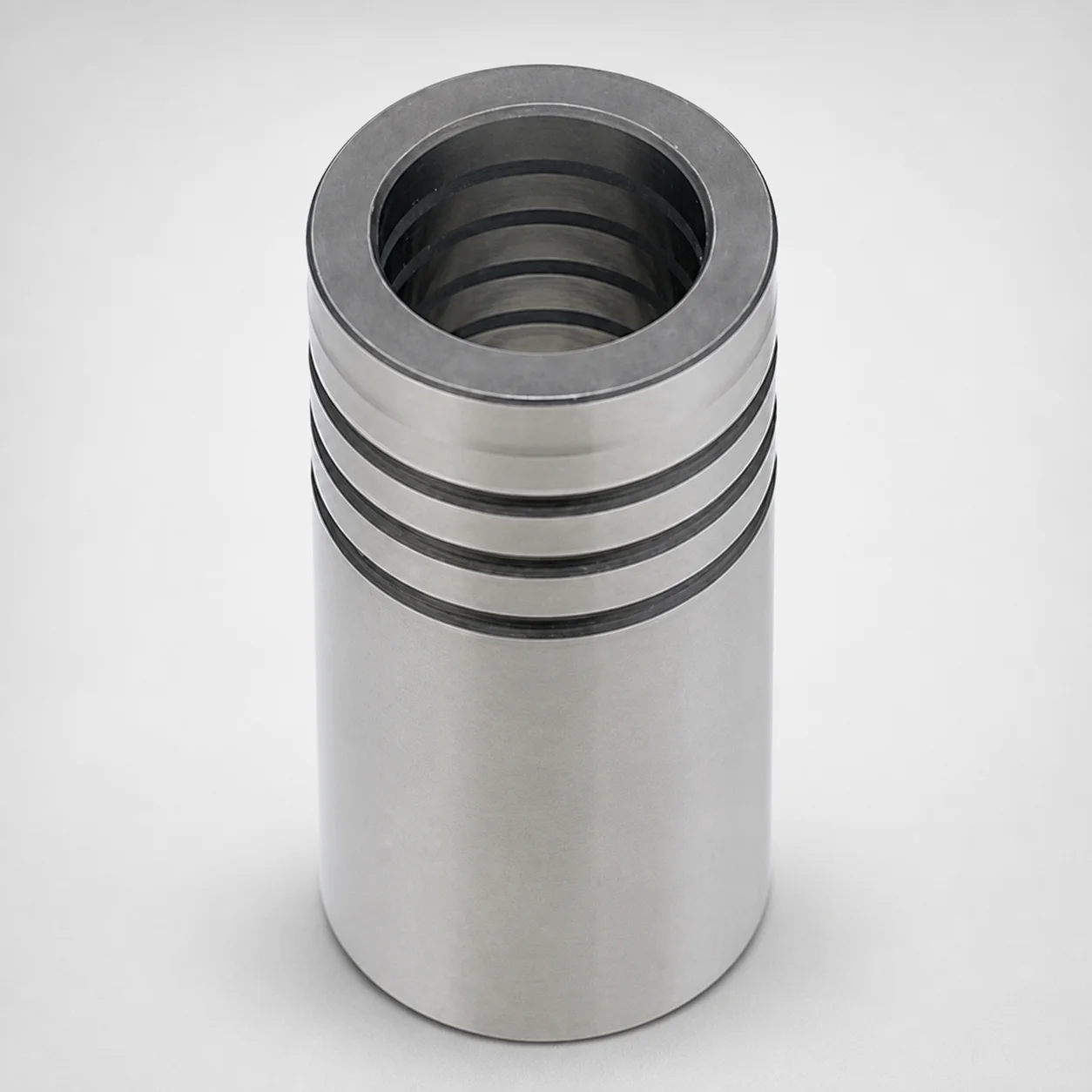
DIN Standard Oil-Free Plain Guide Bushings LDBZ
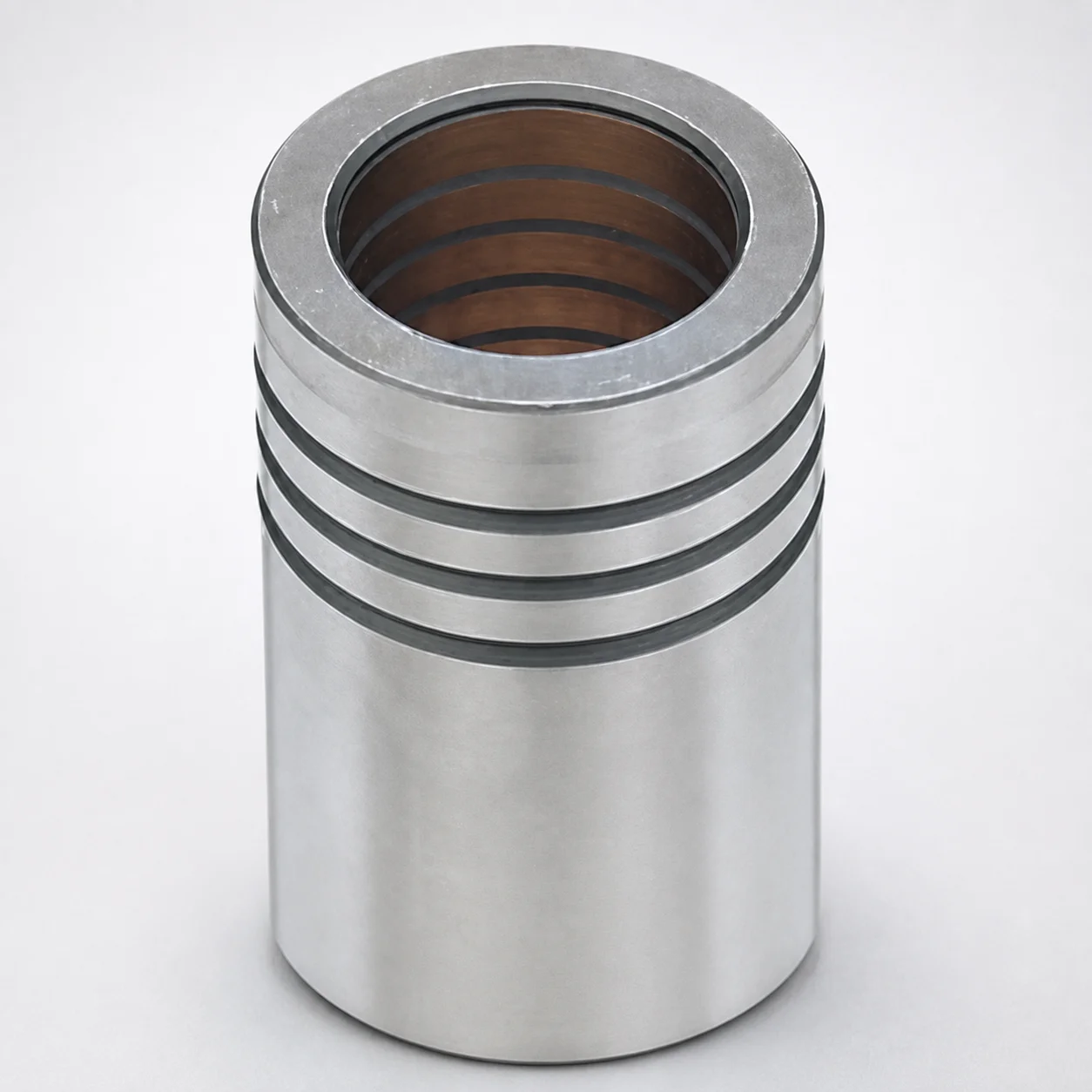
LFBZ Plain Guide Bushings for Die Sets (Oil-Free Copper Alloy) Loctite Bonded
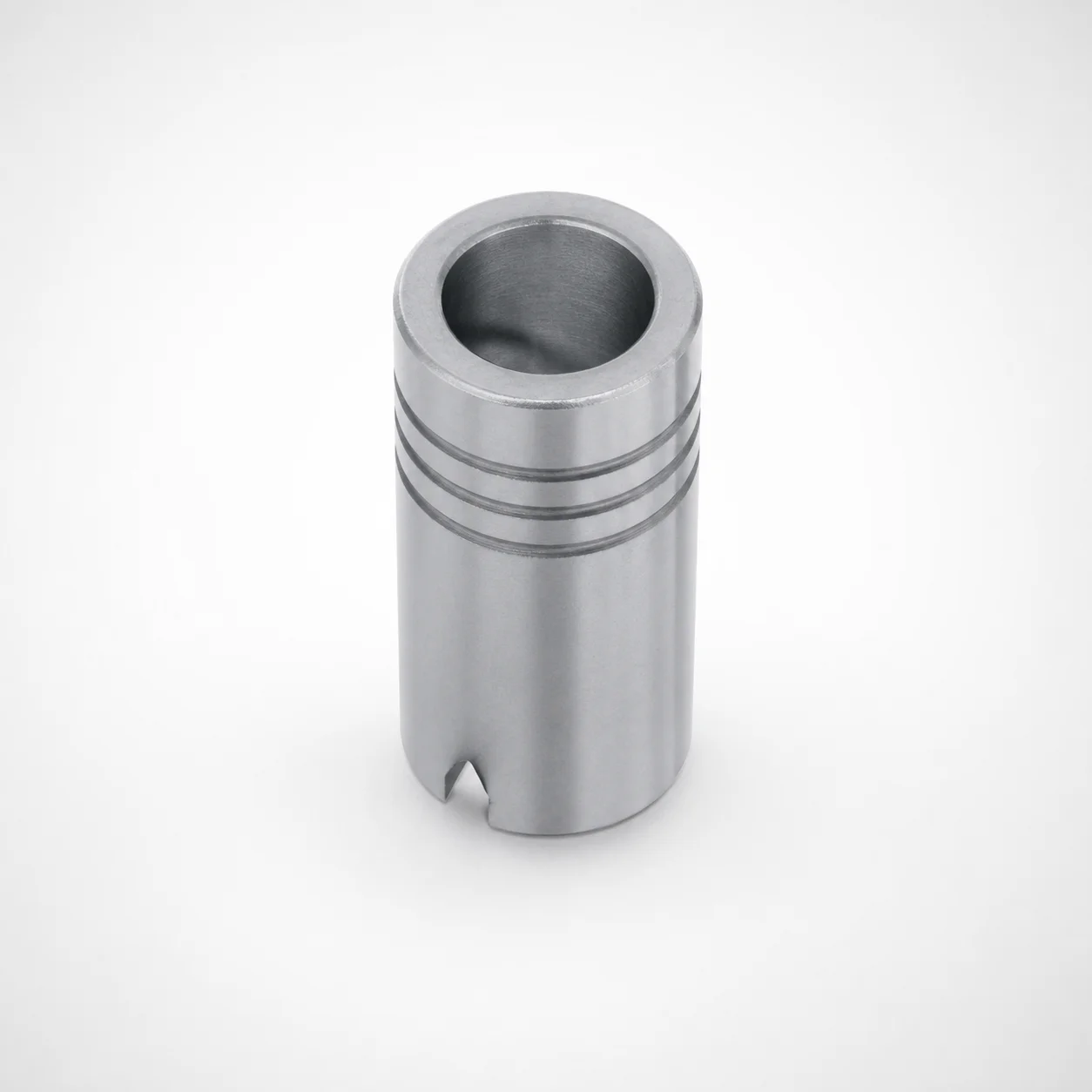
Plain Guide Bushings for Die Sets LDB
Need Custom Specifications?
Our engineering team can help with custom configurations, material selection, and volume pricing.