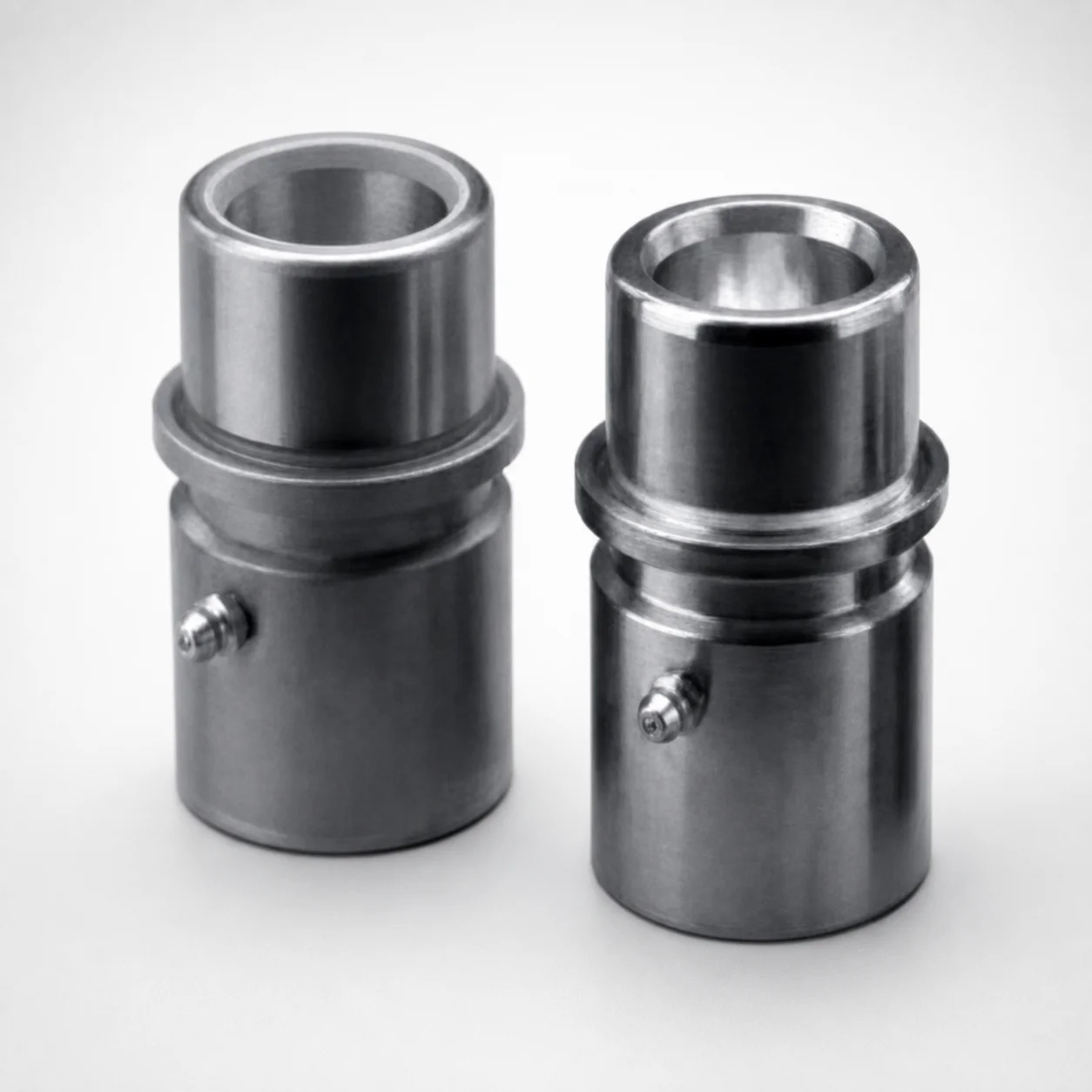
Metric Long Shoulder Plain Bearing Bushings - Demountable Style
Metric long shoulder plain bearing bushings - demountable style are built to improve die set precision and running stability. DANLY IEM bushing sets use bronze-plated copper alloy for consistent guidance and durable service in production tooling.
- Long shoulder geometry supports stable die alignment under load
- Bronze-plated copper alloy guidance with steel option
- Demountable mounting with clips and screws, or Loctite adhesive
- Designed for die sets needing repeatable positioning and reliable wear resistance
Specifications
24 configurations available
| Dimension D1 (mm) | Dimension D2 (mm) | L (Length) (mm) | Material |
|---|---|---|---|
| 18 | 28 | 50 | Bronze plated |
| 18 | 28 | 50 | Steel |
| 19 | 28 | 50 | Bronze plated |
| 19 | 28 | 50 | Steel |
| 24 | 38 | 70 | Bronze plated |
| 24 | 38 | 70 | Steel |
| 25 | 38 | 70 | Bronze plated |
| 25 | 38 | 70 | Steel |
| 30 | 45 | 75 | Bronze plated |
| 30 | 45 | 75 | Steel |
| 32 | 45 | 75 | Bronze plated |
| 32 | 45 | 75 | Steel |
| 38 | 54 | 80 | Bronze plated |
| 38 | 54 | 80 | Steel |
| 40 | 54 | 80 | Bronze plated |
| 40 | 54 | 80 | Steel |
| 48 | 65 | 85 | Bronze plated |
| 48 | 65 | 85 | Steel |
| 50 | 65 | 85 | Bronze plated |
| 50 | 65 | 85 | Steel |
| 63 | 81 | 100 | Bronze plated |
| 63 | 81 | 100 | Steel |
| 80 | 100 | 100 | Bronze plated |
| 80 | 100 | 100 | Steel |
Product Guide
Application Scenarios+
These metric long-shoulder plain bearing bushings are used in leader-ejector and die set tooling where stable guidance and repeatable alignment are critical. Their demountable design supports faster maintenance during high-cycle production.
- Automotive and general industrial transfer die sets: The long-shoulder geometry helps maintain die alignment under intermittent shock loads, reducing side-load wear on leader systems.
- Ejector and stripper assemblies: Bronze-plated copper alloy guidance supports smooth sliding and stable positioning as the ejector stroke cycles, improving consistency across repeated operations.
- Precision blanking and forming tooling: The availability of a steel option allows engineers to match stiffness and wear behavior to the duty cycle and operating temperature.
The bronze-plated copper alloy variant is well-suited for applications that prioritize controlled wear and stable running, while the steel option can be selected when guidance components must better withstand higher mechanical loading.
Material & Process Details+
These bushings are available in bronze plated copper alloy or steel, giving mold designers a choice between sliding performance and structural stiffness. The bronze-plated copper alloy provides a wear-favorable guidance surface for smoother motion and controlled abrasion in leader/die-set environments.
- Bronze plated (copper alloy base): Typically selected for stable running and good wear resistance for frequent cycling.
- Steel option: Chosen when higher stiffness and load capability are needed; wear behavior will differ from the bronze guidance surface.
- Heat treatment: The provided data does not specify hardness or a specific heat-treatment condition (e.g., quenched & tempered, nitrided). Confirm the supplied material condition per DANLY IEM part documentation for your application.
Because no HRC or heat-treatment state is listed in the specifications, the main trade-off supported by the input data is bronze-plated sliding wear performance vs. steel stiffness/load behavior.
Sizing & Selection Guide+
Select the bushing to match the leader bushing pocket and the required running diameter set by your die plate and guide pin geometry. Use the provided ranges: D1 = 18–80 mm for the inner/guide diameter, D2 = 28–100 mm for the outer/pocket interface, and select a standard L (length) of 50, 70, 75, 80, 85, or 100 mm.
- Match D1: Ensure D1 corresponds to the working guide diameter/clearance plan for the leader system.
- Match D2: Select D2 to fit the die set pocket that locates the bushing; verify that the pocket size supports proper seating without interference.
- Match L: Choose the length that provides the required bearing contact area for alignment stability.
Tolerance/fit: The input data does not list tolerance values. For demountable mounting (clips/screws or Loctite), confirm functional clearance and seating requirements with the die pocket design so the bushing remains concentric during operation.
Frequently Asked Questions
What dimension ranges (D1, D2, L) are available for these demountable metric long-shoulder bushings?+
When should I choose the bronze plated copper alloy variant versus the steel variant?+
How does the long-shoulder geometry affect die alignment in a leader-ejector space?+
What mounting methods are supported for this demountable bushing style, and how might that impact installation?+
Are there specific heat-treatment conditions or hardness (HRC) values provided for selection?+
Related Products
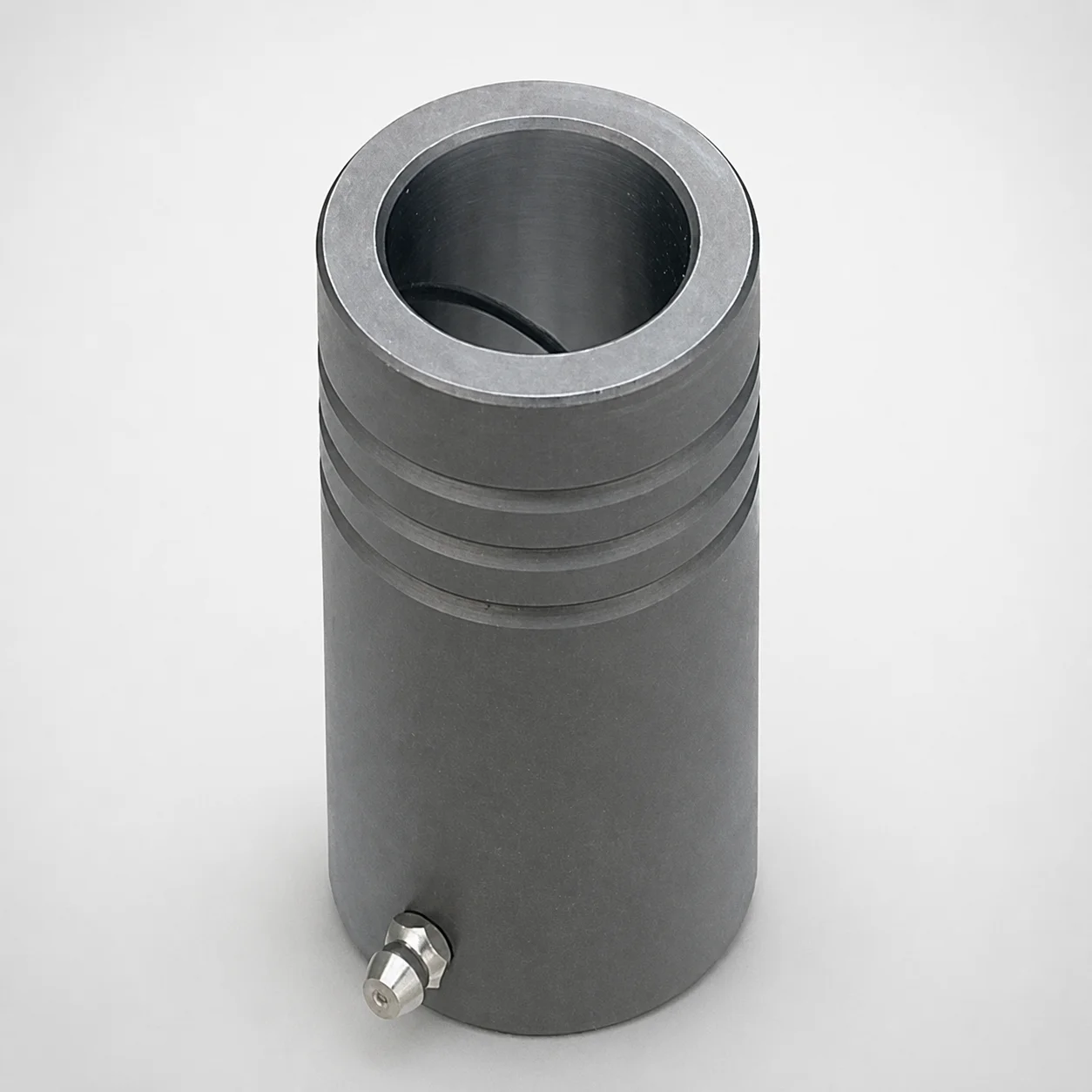
MDB Type Plain Guide Bushings for Die Sets (Oil Groove) Bonded by Devcon Adhesive
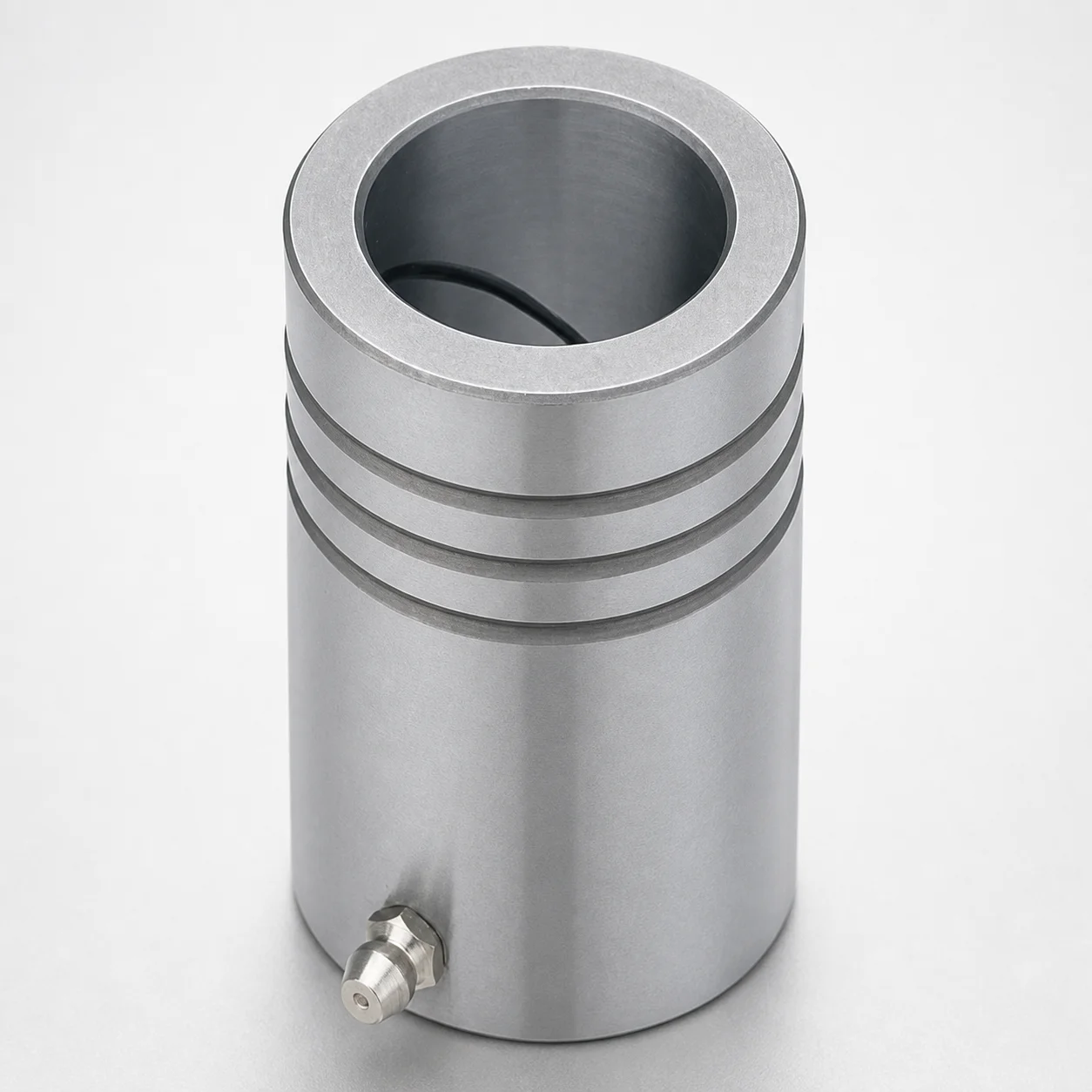
LDB Plain Guide Bushings for Die Sets
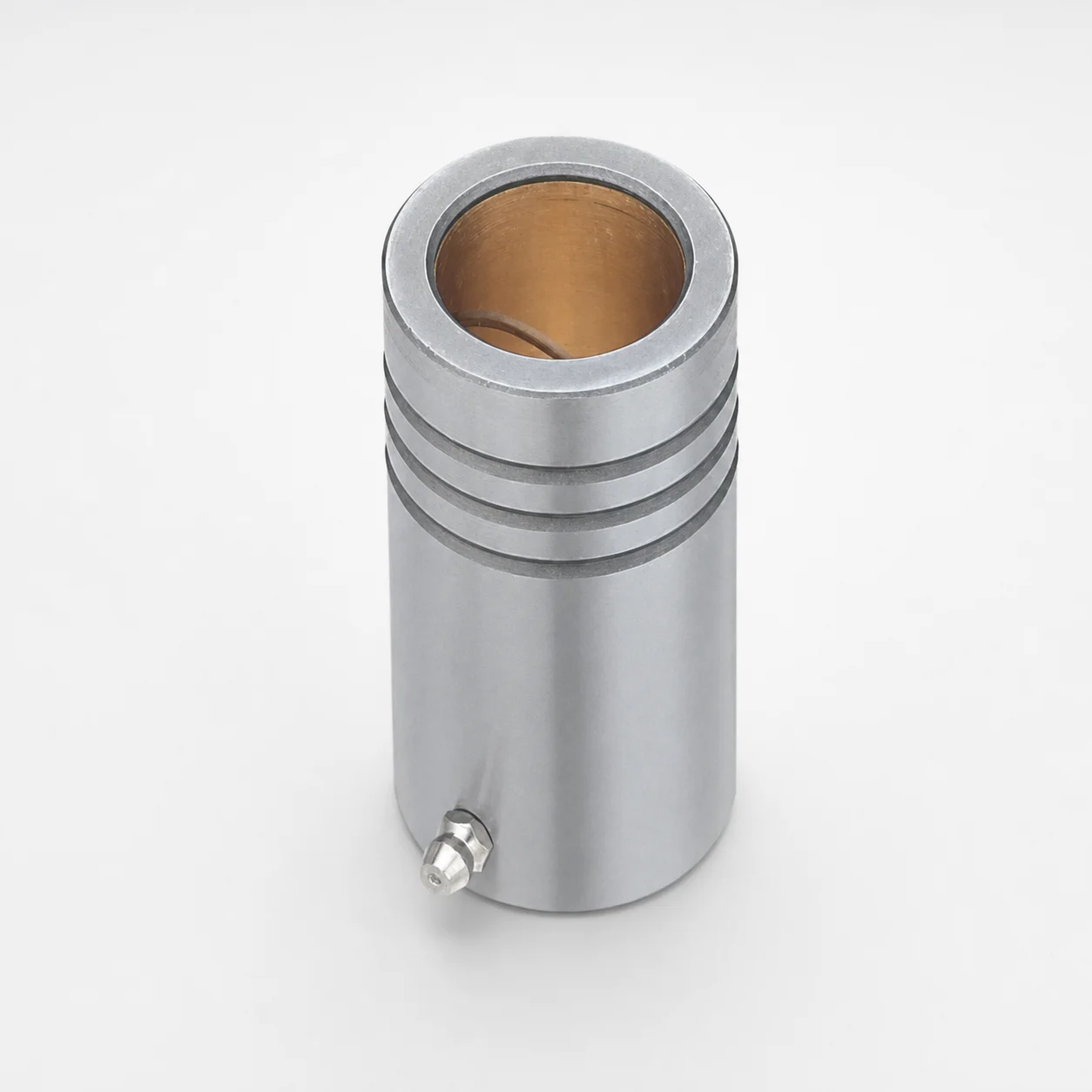
LFB Plain Guide Bushings for Die Sets with Oil Groove, Loctite Adhesive
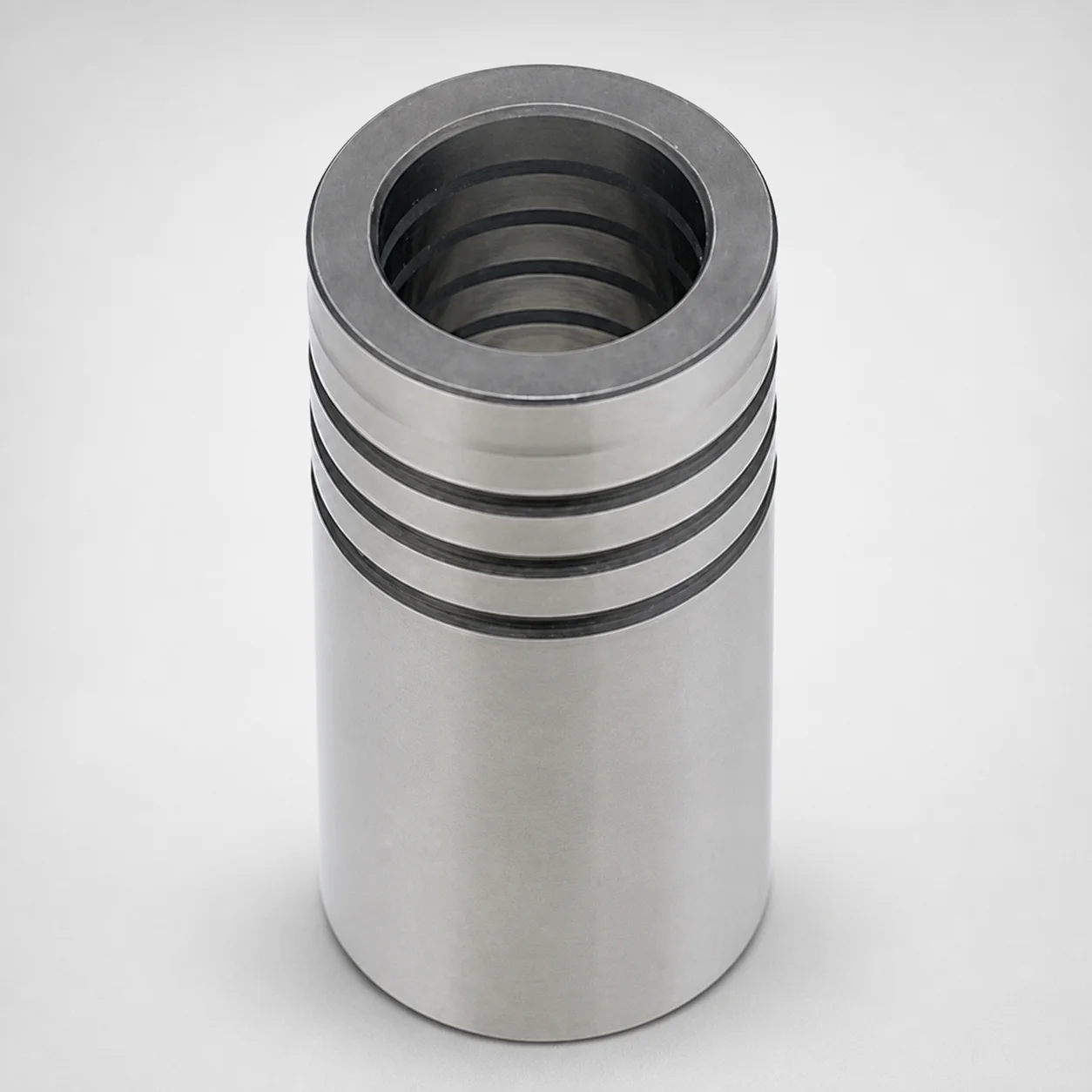
DIN Standard Oil-Free Plain Guide Bushings LDBZ
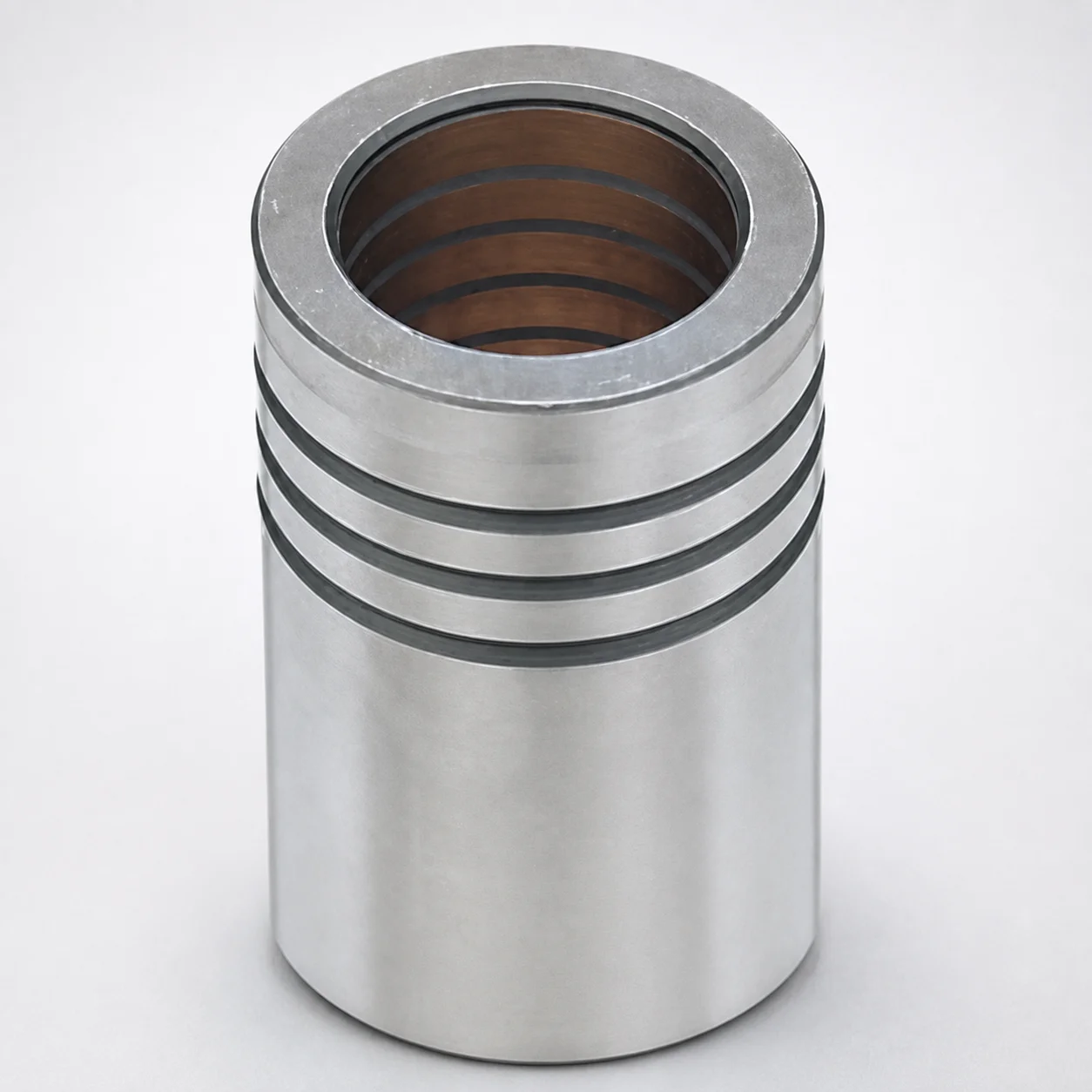
LFBZ Plain Guide Bushings for Die Sets (Oil-Free Copper Alloy) Loctite Bonded
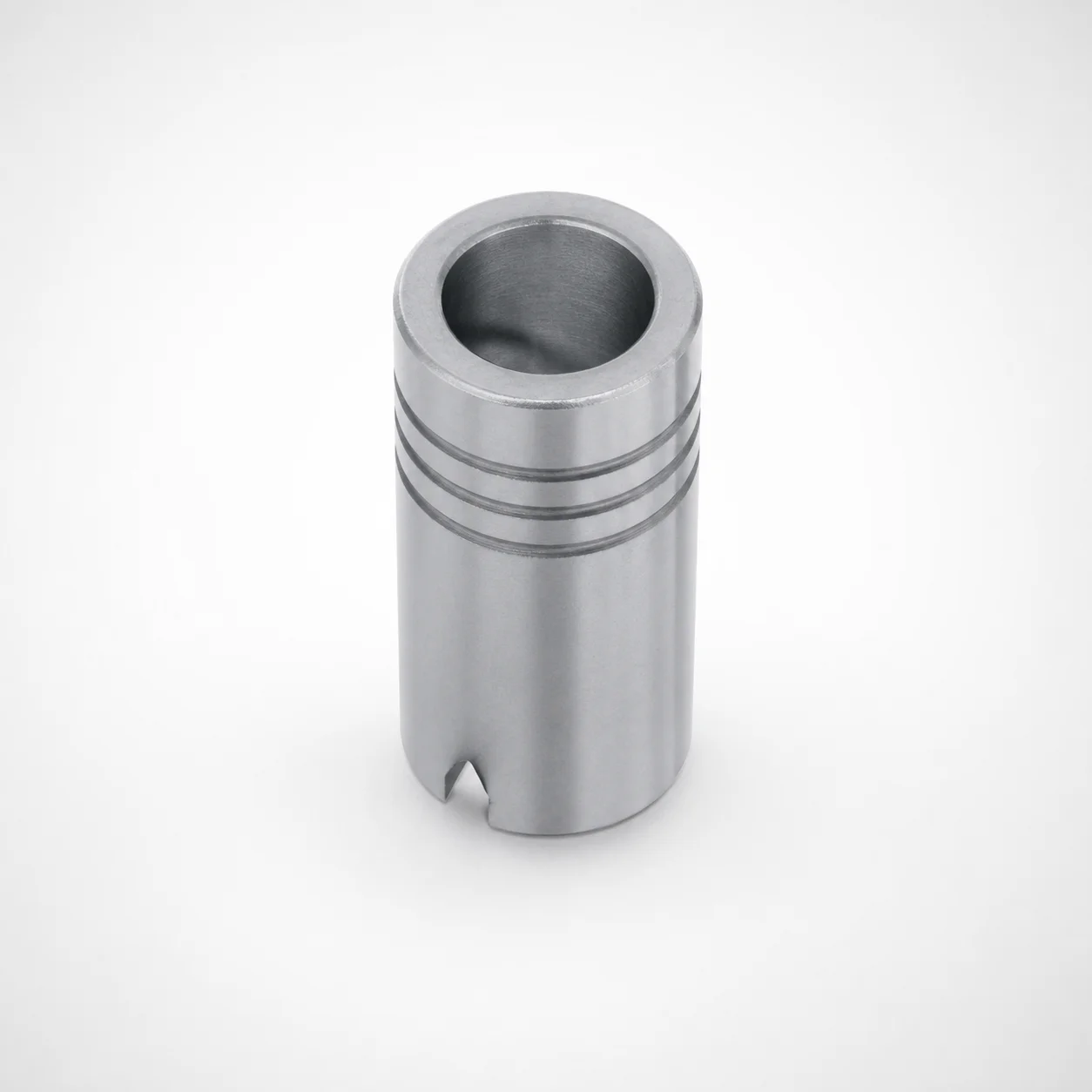
Plain Guide Bushings for Die Sets LDB
Need Custom Specifications?
Our engineering team can help with custom configurations, material selection, and volume pricing.