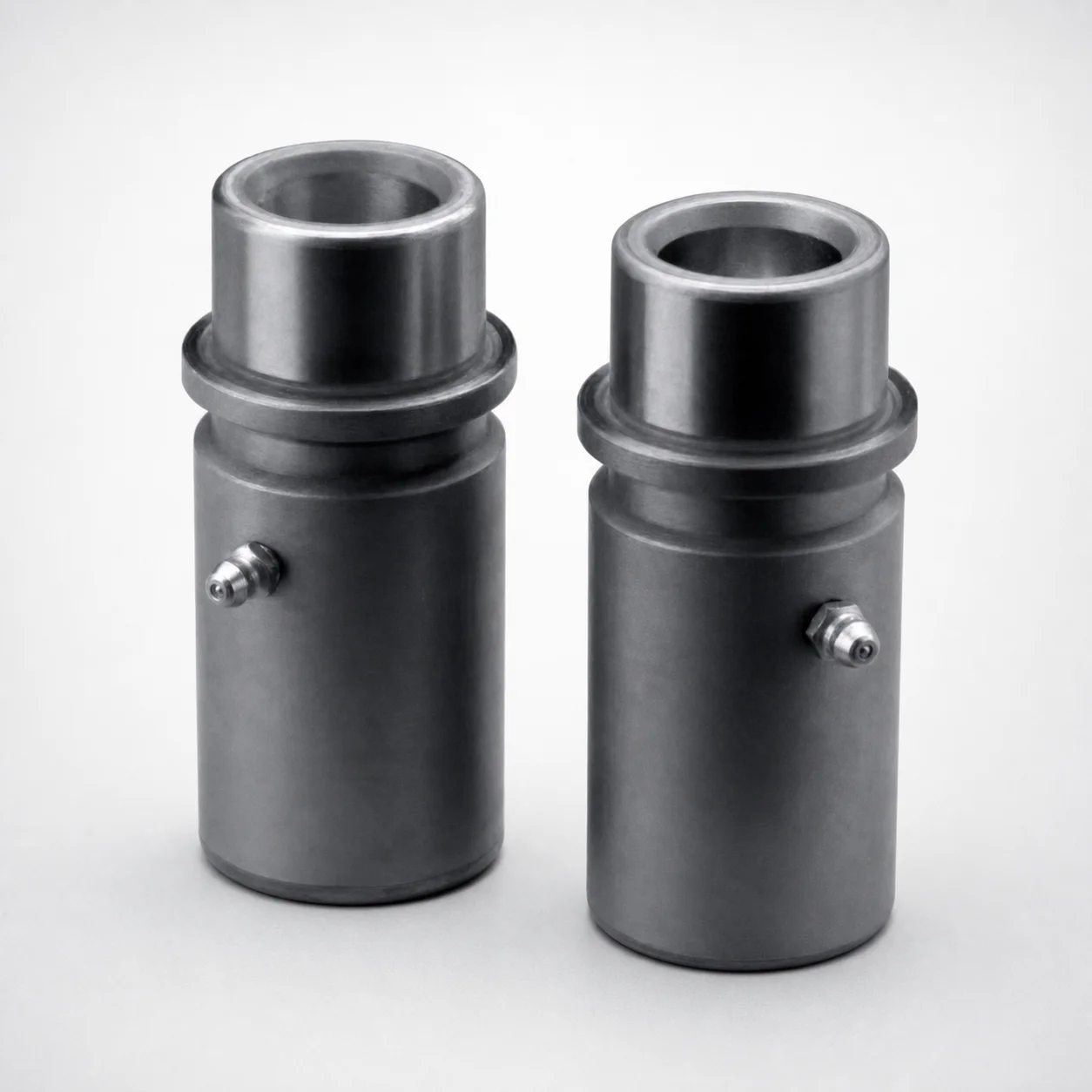
Bronze-Plated Steel Extra Long Shoulder Plain Guide Bushings - Demountable
Extra Long Shoulder Plain Guide bushings (Bronze-plated steel) are designed for die sets where straight, rigid guide performance and reliable alignment are required. The demountable style supports service-friendly installation without disrupting the full assembly.
- Plain guide rigidity for stable die alignment during repeated cycles
- Bronze-plated copper alloy body with steel components for wear resistance
- Supports detachable mounting methods or Loctite installation for controlled assembly
- Includes mounting clips and screws to complete installation quickly
Specifications
14 configurations available
| Post diameter A (in) | L (Length) (in) | Material |
|---|---|---|
| 1 | 3.938 | Bronze plated |
| 1 | 3.938 | Steel |
| 1 1/4 | 4.125 | Bronze plated |
| 1 1/4 | 4.125 | Steel |
| 1 1/2 | 4.188 | Bronze plated |
| 1 1/2 | 4.188 | Steel |
| 1 3/4 | 4.375 | Bronze plated |
| 1 3/4 | 4.375 | Steel |
| 2 | 4.625 | Bronze plated |
| 2 | 4.625 | Steel |
| 2 1/2 | 4.875 | Bronze plated |
| 2 1/2 | 4.875 | Steel |
| 3 | 4.875 | Bronze plated |
| 3 | 4.875 | Steel |
Product Guide
Application Scenarios+
Where it’s used: These demountable plain guide bushings are specified in leader/ejector die sets that need straight, rigid guidance to keep moving components aligned across repeated press or molding cycles.
- Automotive connector & bracket tooling: In progressive or transfer tooling, the extra-long shoulder and plain guide design help maintain stable die-to-punch alignment, reducing scuffing and mismatch during high cycle runs. The bronze-plated copper alloy with steel construction supports controlled wear at the guide interface.
- Appliance/household housings: For deep-draw or multi-stage forming dies where service access matters, the demountable configuration enables removal and replacement without disturbing the entire die assembly.
- Precision small-part molds: When tight guidance repeatability is critical, the demountable installation supports reliable setup and maintenance, improving uptime while preserving alignment.
Why this variant fits: The bronze-plated surface is suited for wear-controlled guidance, while the steel construction maintains dimensional stability for consistent leader performance.
Material & Process Details+
Construction: This bushing uses a bronze-plated copper alloy surface on a steel structural body. The bronze-plated layer supports wear resistance and controlled friction at the guide interface, while the steel core improves stiffness for long, straight guidance.
- Wear vs. toughness: Bronze-rich guide surfaces are chosen for stable sliding behavior, but overall impact performance is governed by the steel substrate.
- Heat treatment: The provided data lists material as “Bronze plated, Steel” but does not specify a hardness value or whether the steel is quenched & tempered, nitrided, or pre-hardened. Therefore, heat treatment state should be confirmed with the supplier for hardness-driven wear/toughness requirements.
- Comparative note (available materials): With only “bronze plated” versus “steel” indicated, selection is primarily about using the bronze-plated wear surface combined with steel structural support rather than switching full steel grades.
Sizing & Selection Guide+
1) Match the post diameter (A): Select a bushing whose post diameter A is within 1 ~ 3 in. A correct fit minimizes radial play that can translate into leader misalignment.
2) Match the operating length (L): Choose the L value from the available options: 3.938, 4.125, 4.188, 4.375, 4.625, 4.875 in. Use the required engagement/support length determined by the die stack-up, guide travel, and required rigidity.
- 3) Align shoulder function: The extra-long shoulder is intended to increase guidance stability over the stroke; therefore, confirm that the selected L provides sufficient shoulder coverage in both forward and maximum open positions.
- 4) Tolerance/fit considerations: Because the data provides only dimensional ranges (A and discrete L values), engineers should verify the final interference/clearance against their leader diameter and bushing bore tolerance requirements during detailed design.
- Configurable vs. fixed: A is a selectable range (1–3 in), while L is available only in the specified discrete lengths.
Frequently Asked Questions
How do I choose the correct post diameter A range (1–3 in) to prevent guide play in my die set?+
Which L length option (3.938 to 4.875 in) should I use for an extra-long shoulder guide requirement?+
What material system does this guide bushing use, and how does bronze plating affect wear in guidance applications?+
Is this bushing suitable for demountable maintenance in die sets, and does it support controlled installation methods?+
Do I need to confirm heat treatment or hardness before selecting this bushing for high-cycle tooling?+
Related Products
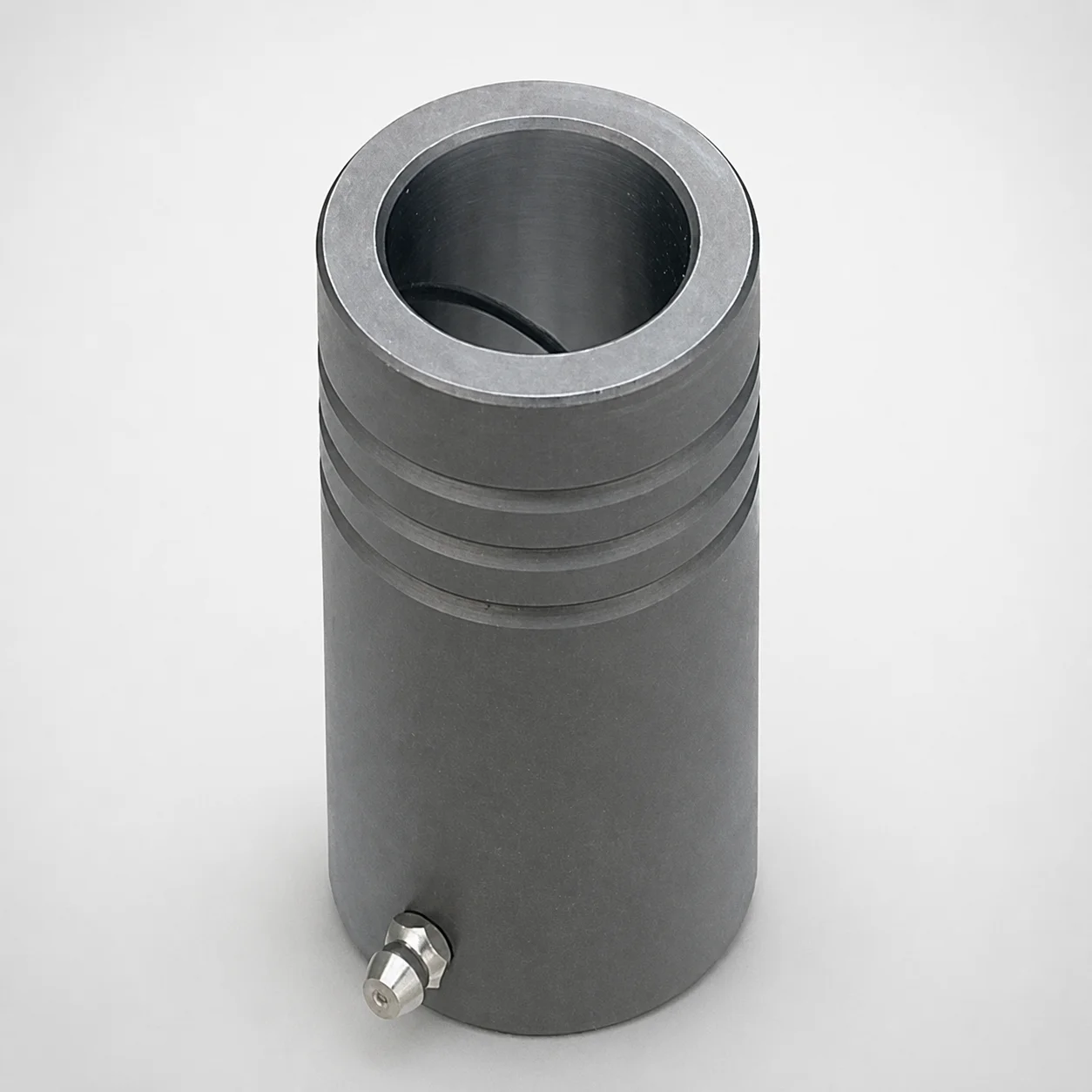
MDB Type Plain Guide Bushings for Die Sets (Oil Groove) Bonded by Devcon Adhesive
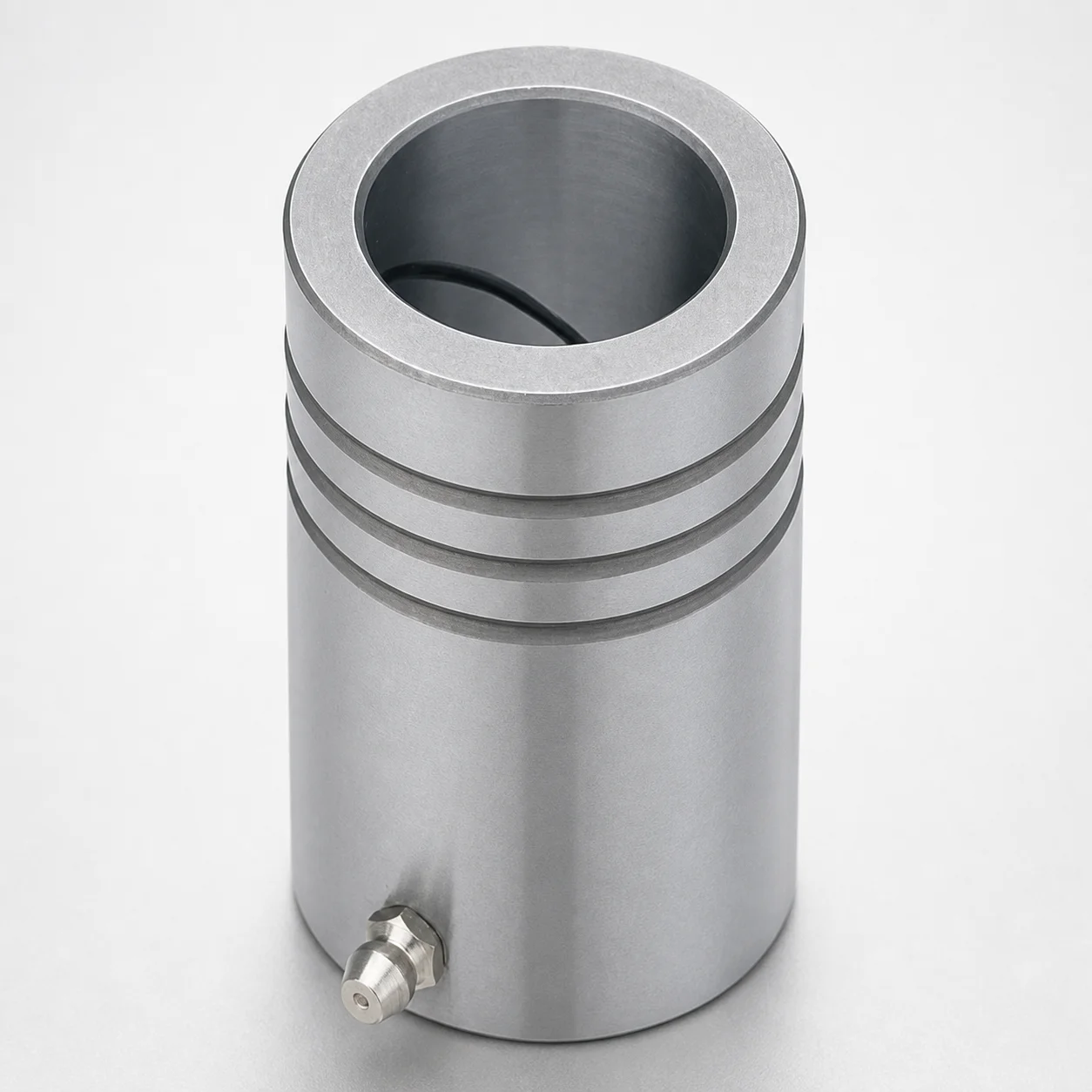
LDB Plain Guide Bushings for Die Sets
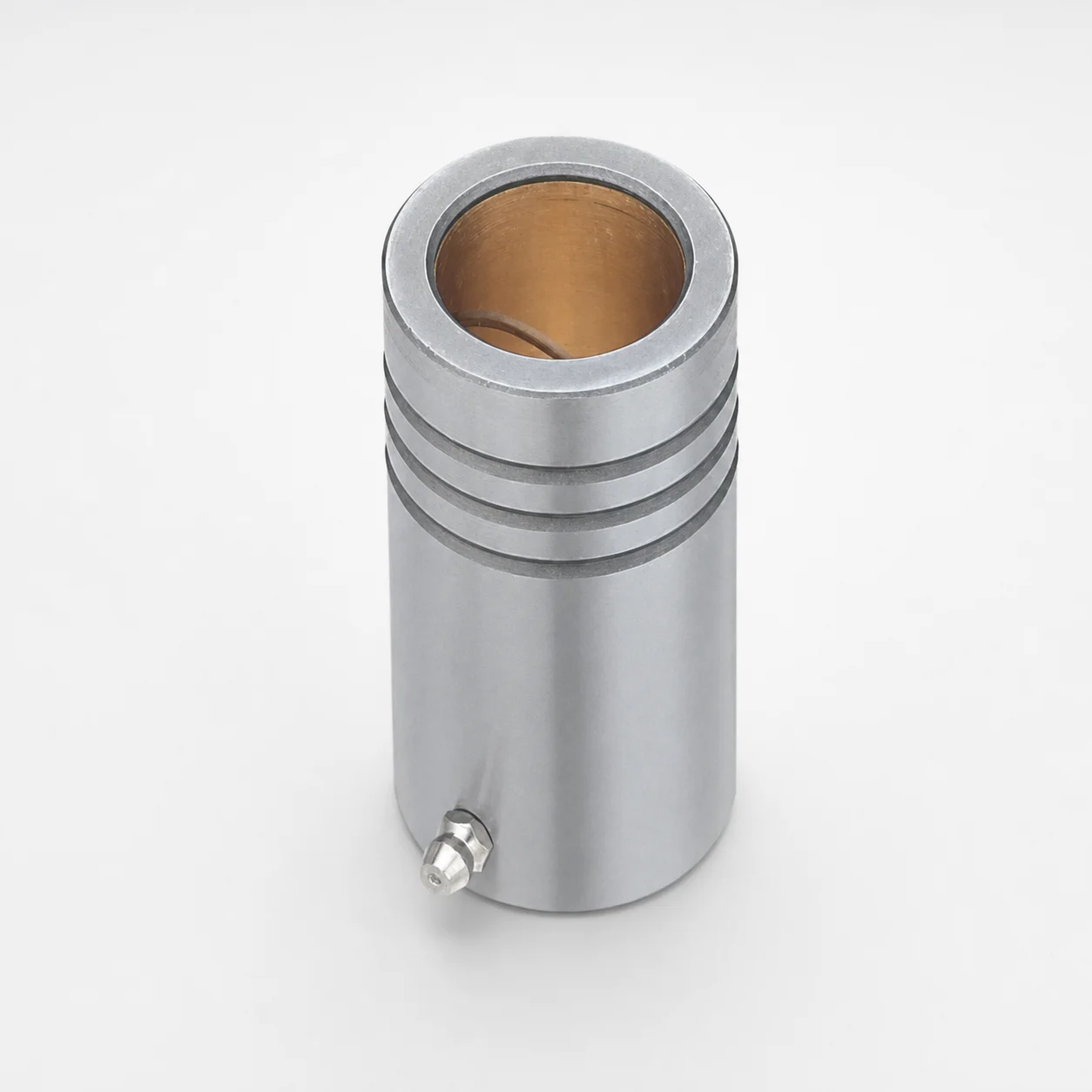
LFB Plain Guide Bushings for Die Sets with Oil Groove, Loctite Adhesive
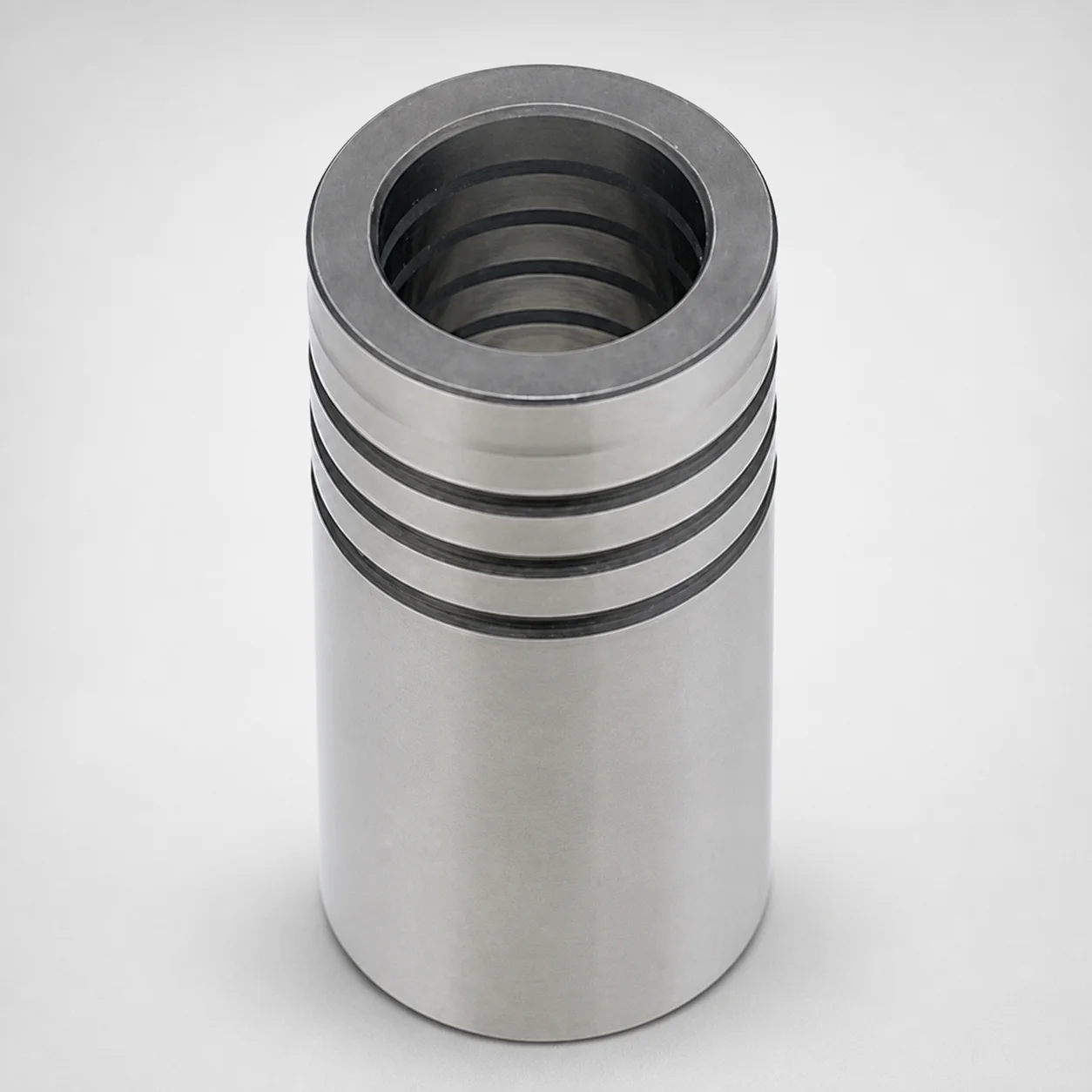
DIN Standard Oil-Free Plain Guide Bushings LDBZ
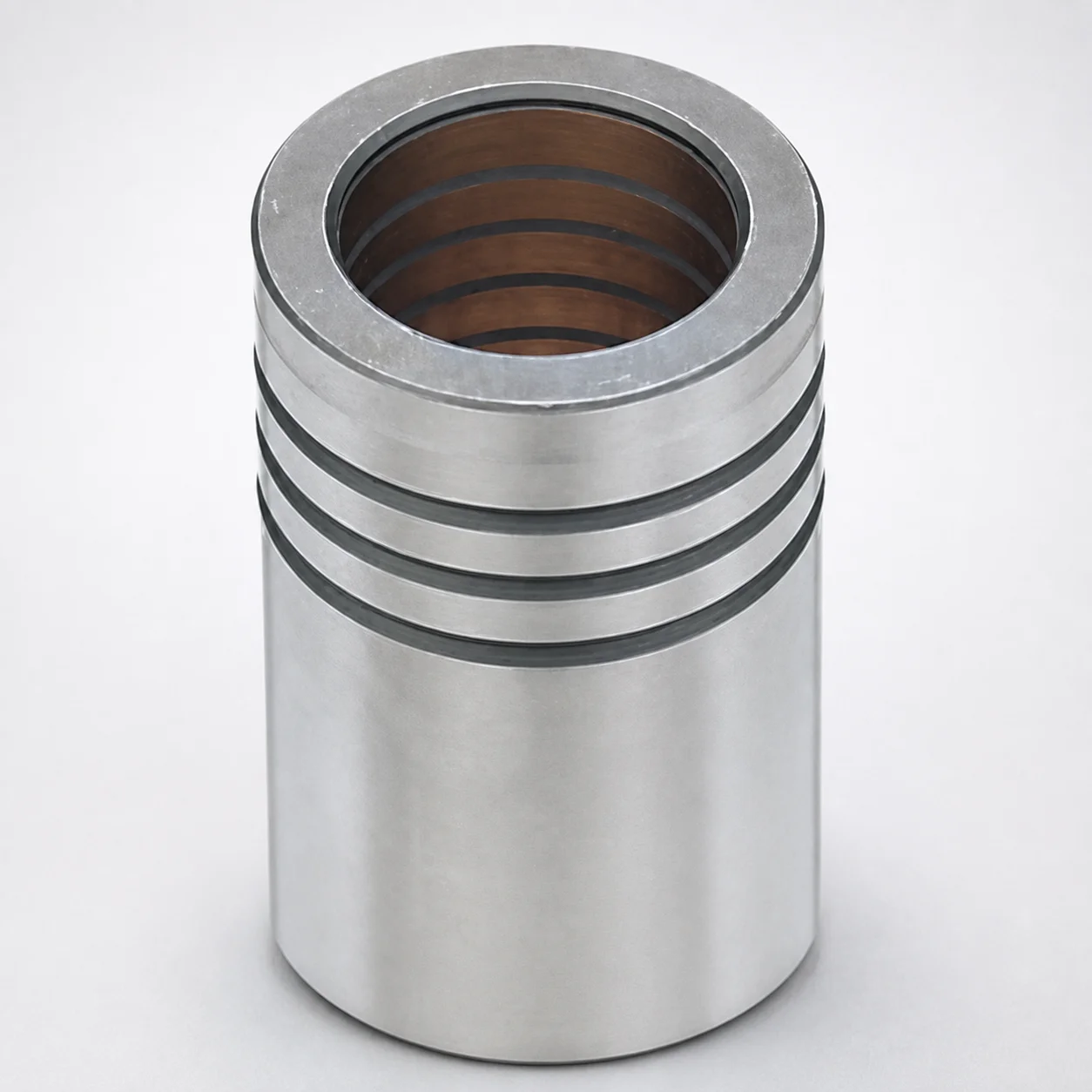
LFBZ Plain Guide Bushings for Die Sets (Oil-Free Copper Alloy) Loctite Bonded
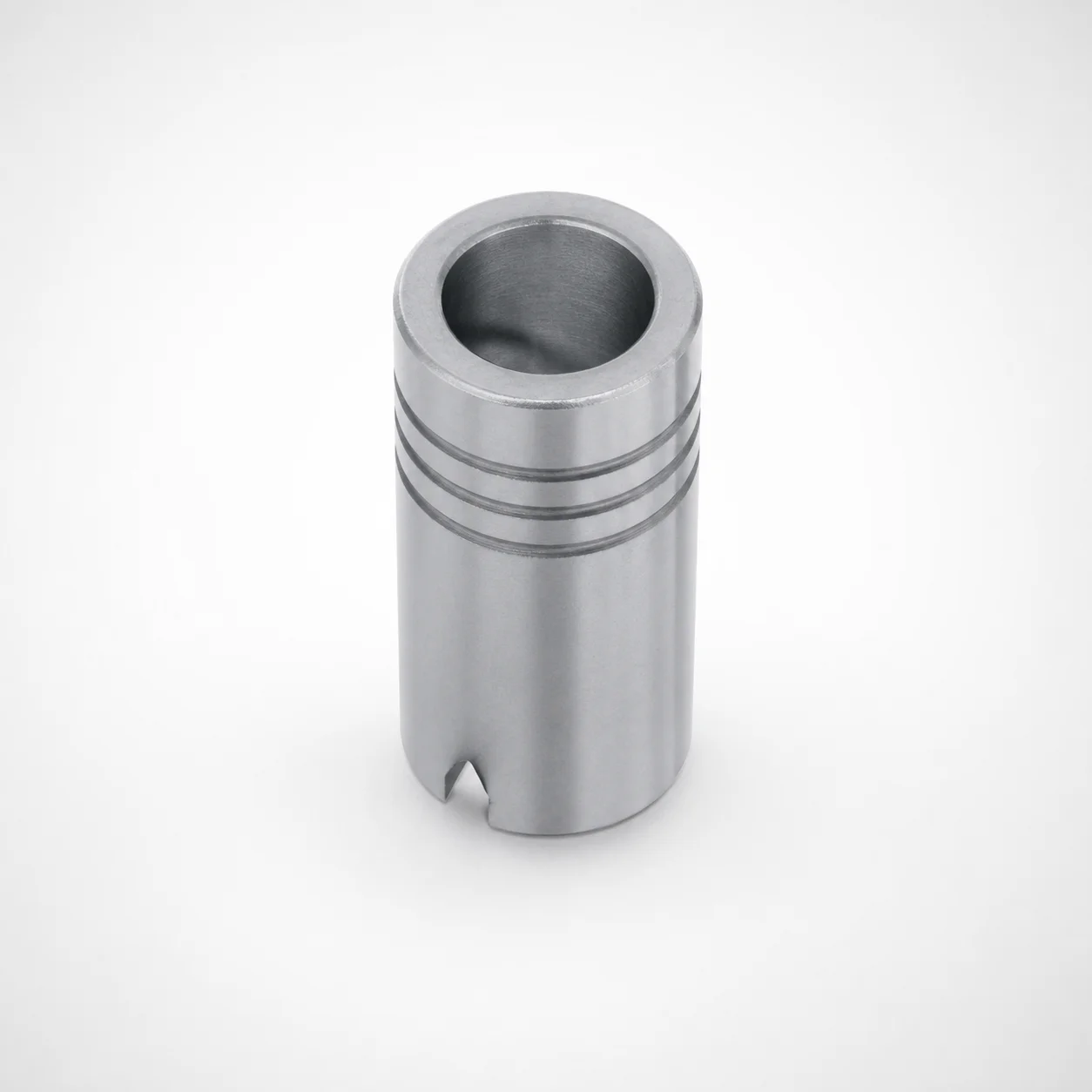
Plain Guide Bushings for Die Sets LDB
Need Custom Specifications?
Our engineering team can help with custom configurations, material selection, and volume pricing.