Plate-Side Exchange Date Mark Pin Sets
Exchange date marks from the back of the mold plate — ideal for sealed parting line designs where cavity-side access is restricted. Standard and beveled outer ring options.
Products
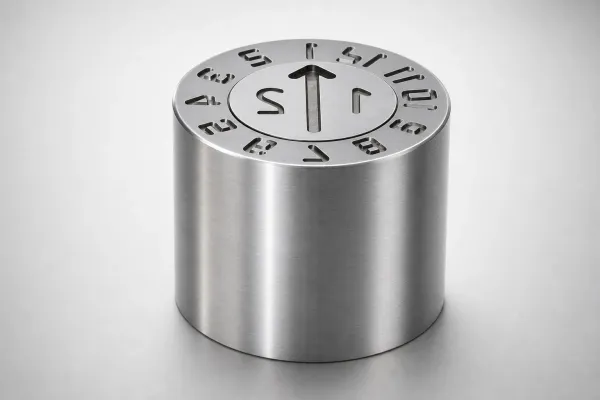
Date Mark Pin Sets — Plate Side Exchange
Standard concave characters, Year 26.
View Products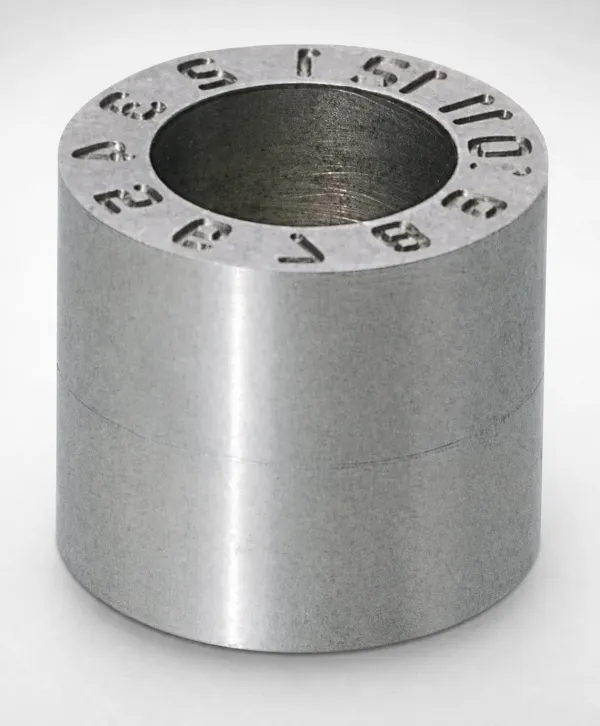
Outside Rings — Plate Side
Standard flat outside rings.
View Products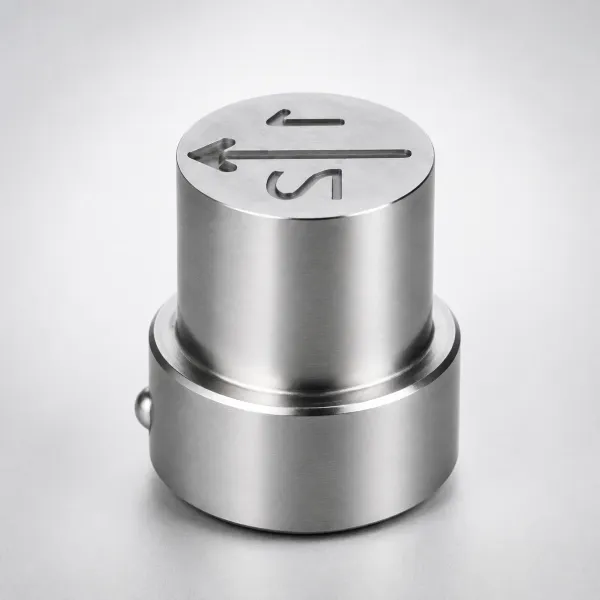
Inside Arrow — Plate Side
Year-indicating inside arrow.
View Products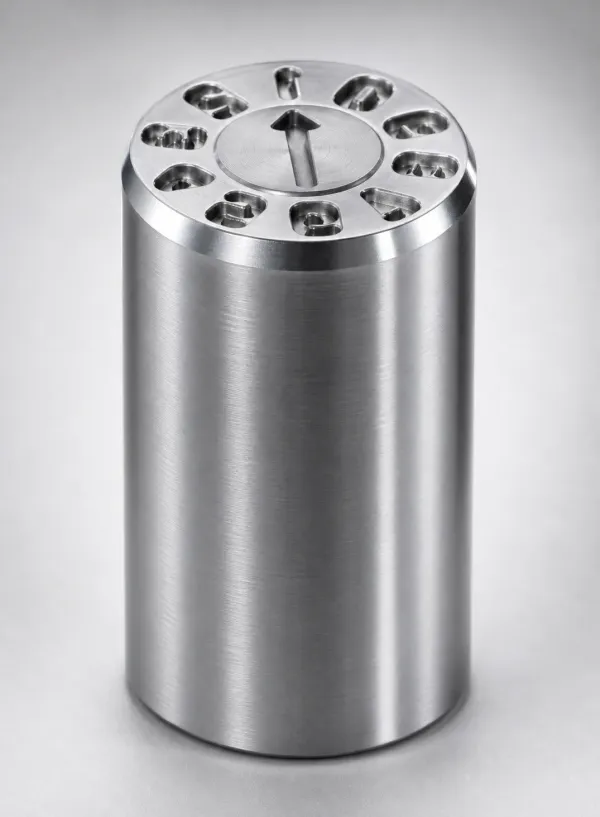
Beveled Outer Ring Pin Sets
Beveled outer ring for improved sealing.
View Products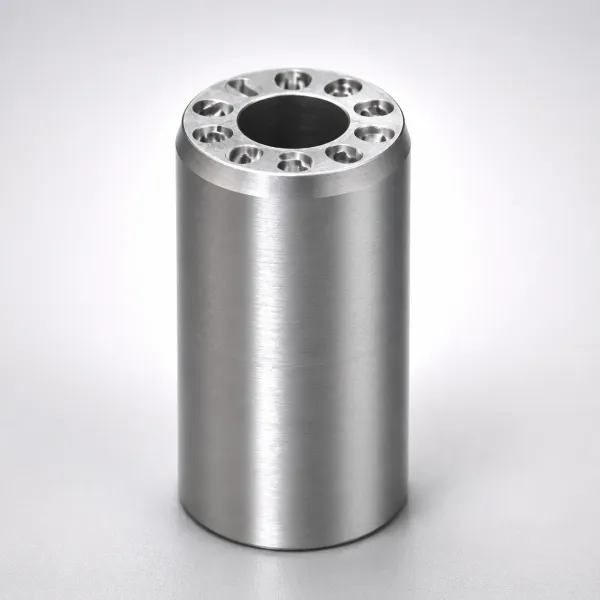
Outside Rings — Beveled
Beveled design for flash reduction.
View Products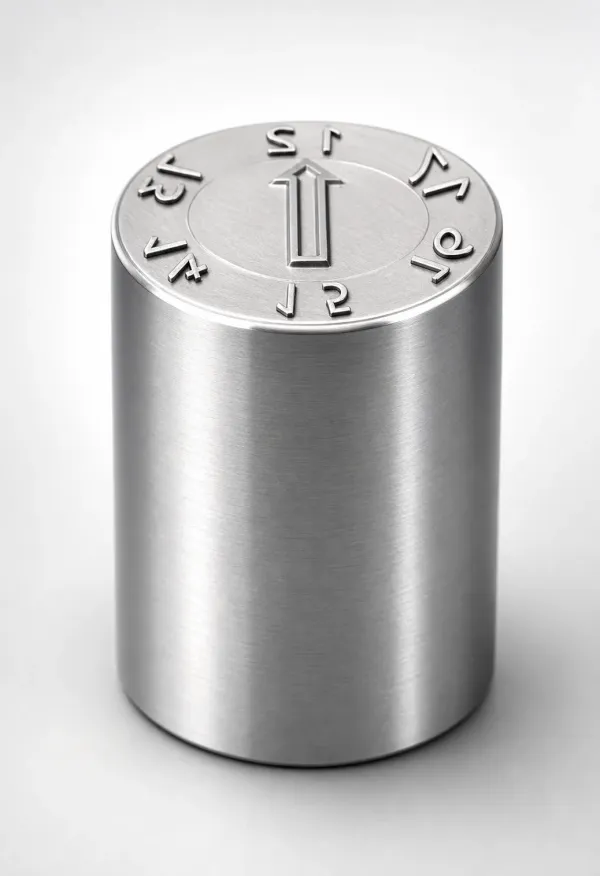
Convex Character Pin Sets — Plate Side
Raised characters, plate-side exchange.
View ProductsAccessory Compatibility
| Pin Set | Outside Ring | Inside Arrow | Character |
|---|---|---|---|
| Standard Plate-Side | Standard Outside Rings | Inside Arrow (Year 26) | Concave |
| Beveled Outer Ring | Beveled Outside Rings | Inside Arrow (Year 26) | Concave |
| Convex Plate-Side | Standard Outside Rings | — | Convex |
Standard vs Beveled Outer Rings
| Feature | Standard Flat Ring | Beveled Ring |
|---|---|---|
| Edge Design | Flat 90° edge | Angled bevel (chamfer) |
| Flash Prevention | Standard | Superior — bevel compresses seal |
| Installation | Standard press-fit | Same bore, self-centering bevel |
| Cost | $ | $$ |
Decision rule: Standard rings suit most applications. Beveled rings provide better sealing and self-alignment in worn mold pockets. For installation guidance, see our Standard vs. Beveled Outer Rings guide.
Are You on the Right Page?
✅ Plate-side exchange is right if:
- Parting line is sealed or inaccessible from the cavity side
- You need to exchange date marks from the back of the mold plate
- Through-hole access is available from the plate rear
🔄 Consider switching to:
- Parting line is accessible? → PL-Side Exchange (faster, more common)
- Mold temperature >200°C? → Heat-Resistant
Application Scenarios
See how these products solve real engineering challenges across industries:
Stack Molds & Complex Parting Lines
Stack molds and molds with textured parting surfaces make PL-face access impossible. Plate-side exchange pins are rotated from the back of the mold plate during scheduled maintenance stops.
Why it fits: Plate-side pins are accessed from the back of the mold plate via a hex socket head. The operator removes the retaining bolt, rotates the pin to the next date position, and re-tightens — all without separating the mold halves. This is the only viable method for stack molds where the parting line is inaccessible.
Automated Molding Lines
Fully automated cells with robotic part removal cannot access the parting line during production. Plate-side exchange allows date updates from the non-operator side without interrupting the automation cycle.
Why it fits: Beveled outer rings feature a chamfered edge that self-centers during insertion, reducing alignment time by 60%. In fully automated cells running 24/7, date changes can be performed during scheduled mold PM stops from the non-operator side without disrupting the robot work envelope.
Frequently Asked Questions
What is the installation clearance required behind the mold plate for plate-side exchange date mark pins?+
Are beveled outer rings interchangeable with standard flat outer rings for the same pin set?+
What torque value is recommended when press-fitting plate-side exchange date mark pin sets?+
Engineering Resources
Need Plate-Side Exchange Date Mark Pins?
Specify your plate thickness, bore diameter, and ring style preference.