Heat-Resistant Date Mark Inserts with Removable Tap
Engineered for mold temperatures exceeding 200°C — PPS, PEEK, LCP, and other engineering plastics. Features a removable tap thread for easy extraction during maintenance using the DTNK removal jig.
Products
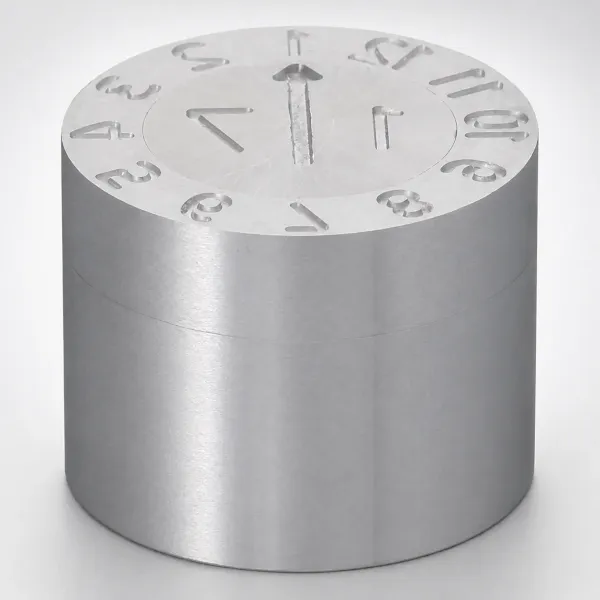
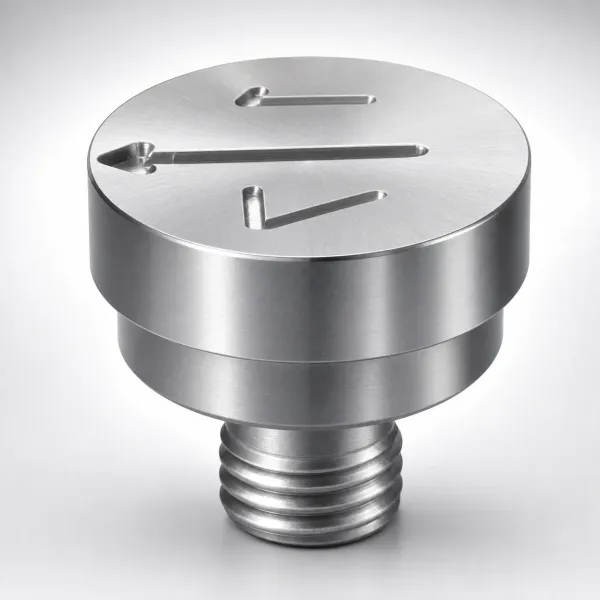
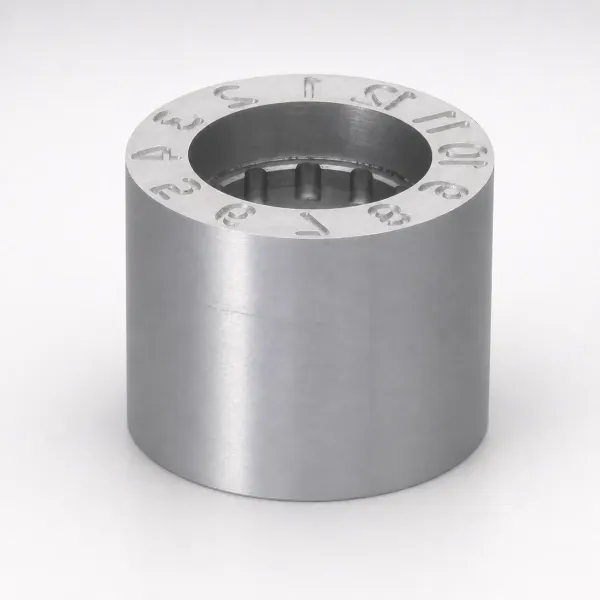
Accessory Compatibility
| Component | Compatible Product | Notes |
|---|---|---|
| Pin Sets | Heat-Resistant Pin Sets with Removal Tap | Main component |
| Inside Arrows | Heat-Resistant Inside Arrows (Year 26) | Heat-resistant material, NOT interchangeable with standard |
| Outside Rings | Heat-Resistant Outside Rings | Heat-resistant material, NOT interchangeable with standard |
| Removal Tool | DTNK Removal Jig | ⚠️ Standard DTPPN screwdriver NOT compatible |
Heat-Resistant Material Technology
Standard date mark inserts are manufactured from tool steel suitable for mold temperatures up to approximately 200°C. Beyond this threshold, thermal expansion causes dimensional instability, accelerated wear, and loss of character definition.
Heat-resistant date mark inserts use a proprietary alloy (WOS designation) that maintains:
- Dimensional stability at continuous temperatures >250°C
- Character definition — sharper edges under repeated thermal cycling
- Corrosion resistance against aggressive engineering plastic outgassing (sulfur compounds from PPS, fluorine from PTFE-filled grades)
The removable tap feature is critical for heat-resistant types: at high temperatures, thermal expansion can increase press-fit retention forces, making extraction difficult. The tap thread provides a positive mechanical extraction point via the DTNK jig.
Engineering note: Standard date mark inserts degrade above 200°C. For PPS, PEEK, and LCP molding, heat-resistant inserts with Beryllium copper or Inconel tips are required. For material property data, see our Heat-Resistant Material Guide.
Are You on the Right Page?
✅ Heat-resistant is right if:
- Mold temperature continuously exceeds 200°C
- Molding engineering plastics: PPS, PEEK, LCP, PEI, PTFE-filled grades
- Standard date mark inserts show accelerated wear or character degradation
🔄 Consider switching to:
- Mold temperature <200°C (commodity resins)? → PL-Side Exchange (standard material, lower cost)
- Need year+month in one insert? → Double Ring (not available in heat-resistant)
Application Scenarios
See how these products solve real engineering challenges across industries:
Engineering Plastic Connector Molding
PPS, PEEK, and LCP connectors require mold temperatures above 200°C. Standard date mark pins soften and lose character definition at these temperatures — heat-resistant grades maintain sharp marking for 500K+ shots.
Why it fits: Heat-resistant pins use a specialized high-speed steel composition that maintains HRC 58+ hardness at sustained 200°C+ mold temperatures. Standard SKD-61 pins drop to HRC 45 above 180°C, causing character rounding within 100K shots. The removable tap design allows pin extraction without damage to the mold pocket.
Automotive Under-Hood Components
Engine-bay brackets and sensor housings molded in glass-filled PA66 at 120–160°C accelerate wear on standard pins. Heat-resistant inserts extend replacement intervals from 100K to 500K shots.
Why it fits: Glass-filled PA66 at 120–160°C mold temperature generates abrasive glass fiber particles that accelerate pin wear. Heat-resistant pin surfaces combine elevated hardness with improved abrasion resistance, extending replacement intervals from 100K to 500K shots — reducing annual maintenance stops by 80%.
Frequently Asked Questions
What is the maximum continuous operating temperature for heat-resistant date mark inserts?+
Which engineering plastics require heat-resistant date mark inserts instead of standard types?+
How do I use the removable tap to extract heat-resistant date mark pins during mold maintenance?+
Engineering Resources
Need Heat-Resistant Date Mark Inserts?
Tell us your resin type and mold temperature — we'll confirm if heat-resistant is required.