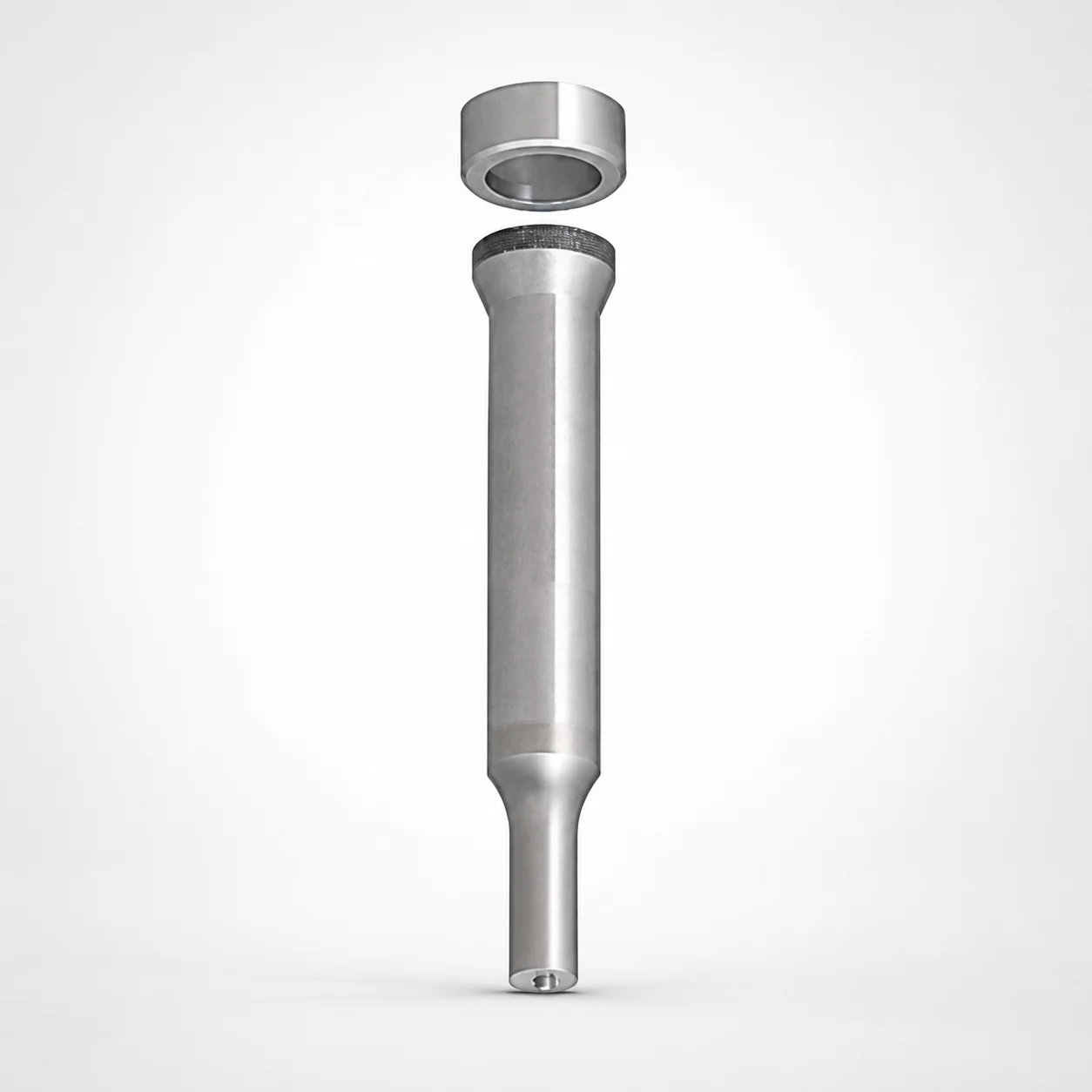
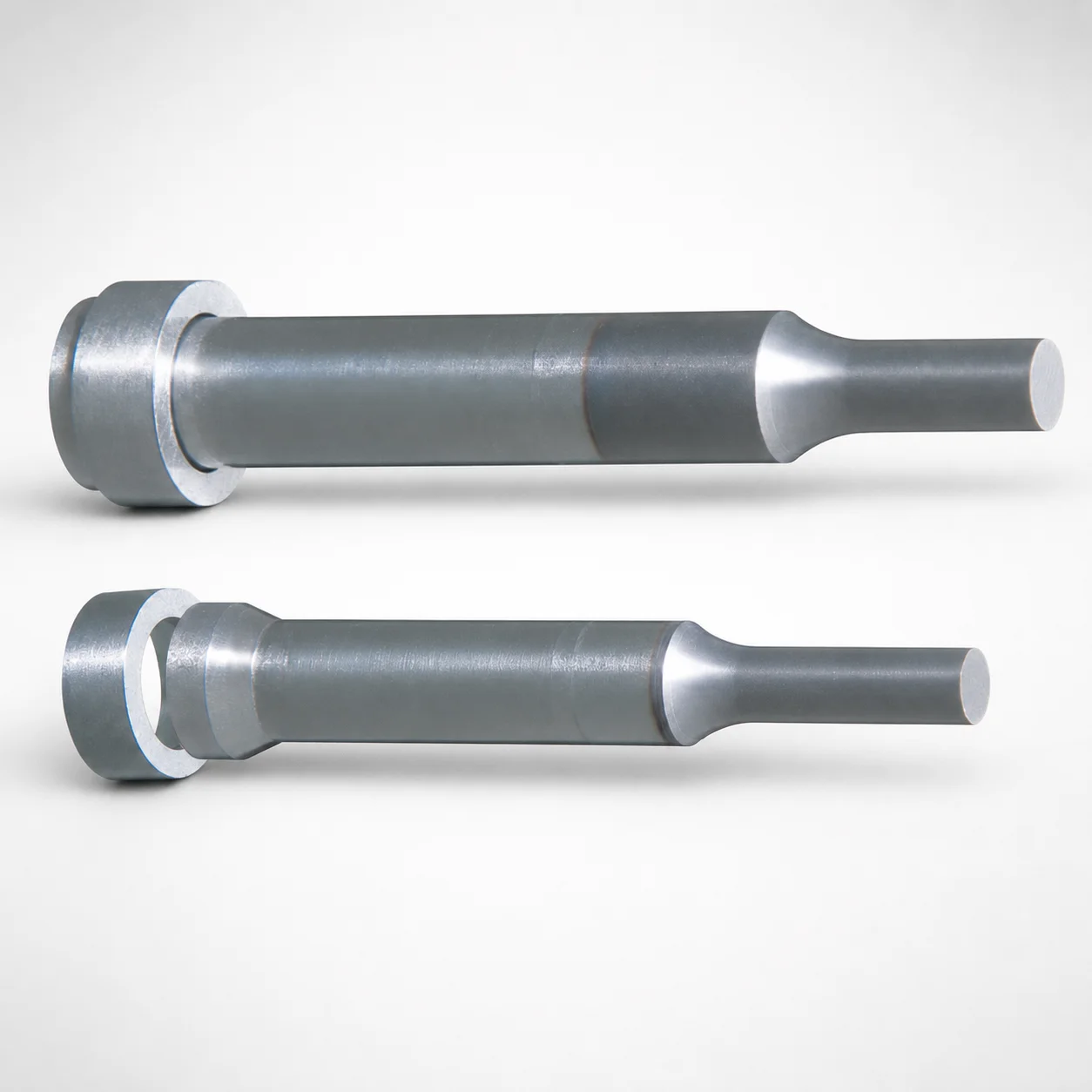
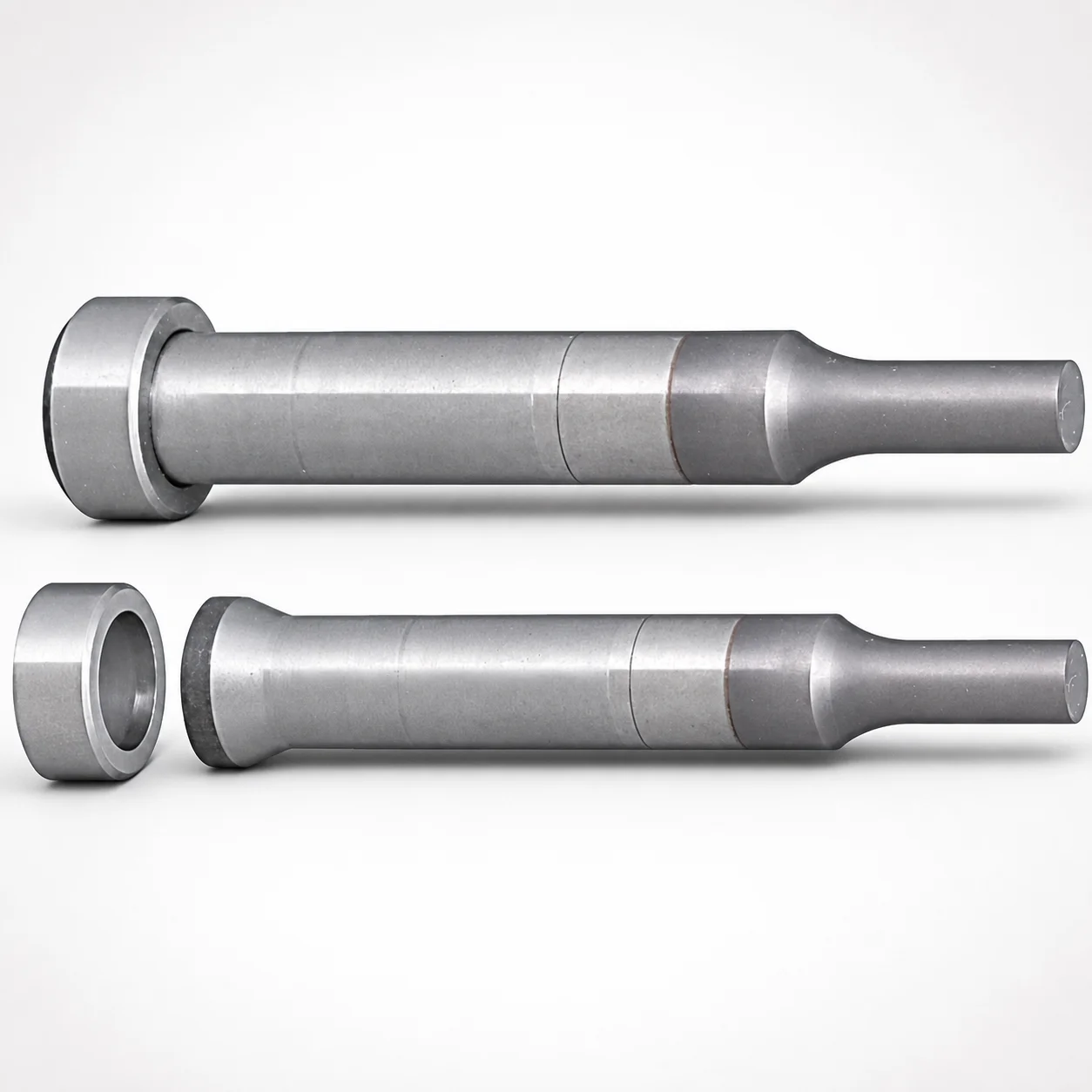
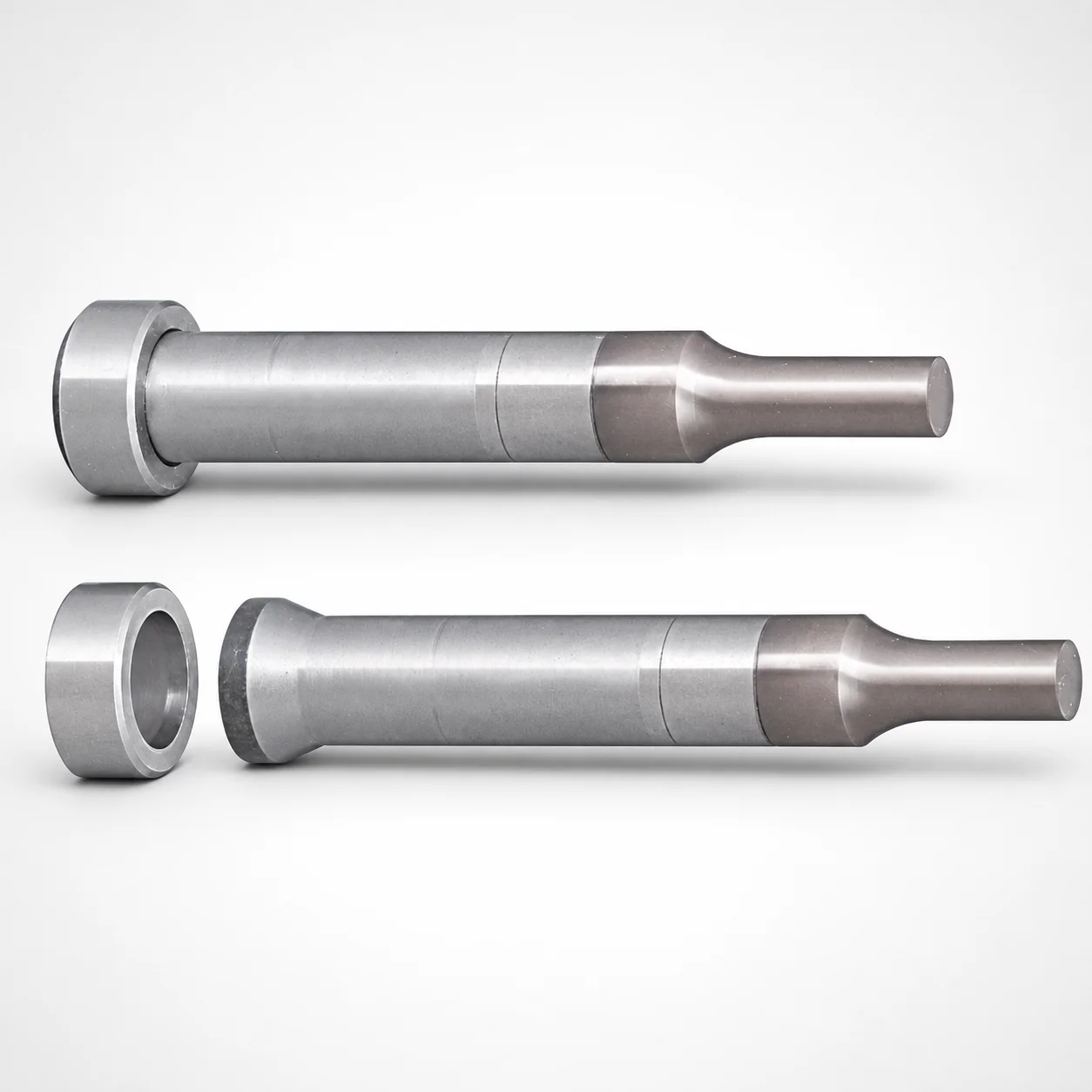
Alpha Treatment Tapered Head Ejector Punches
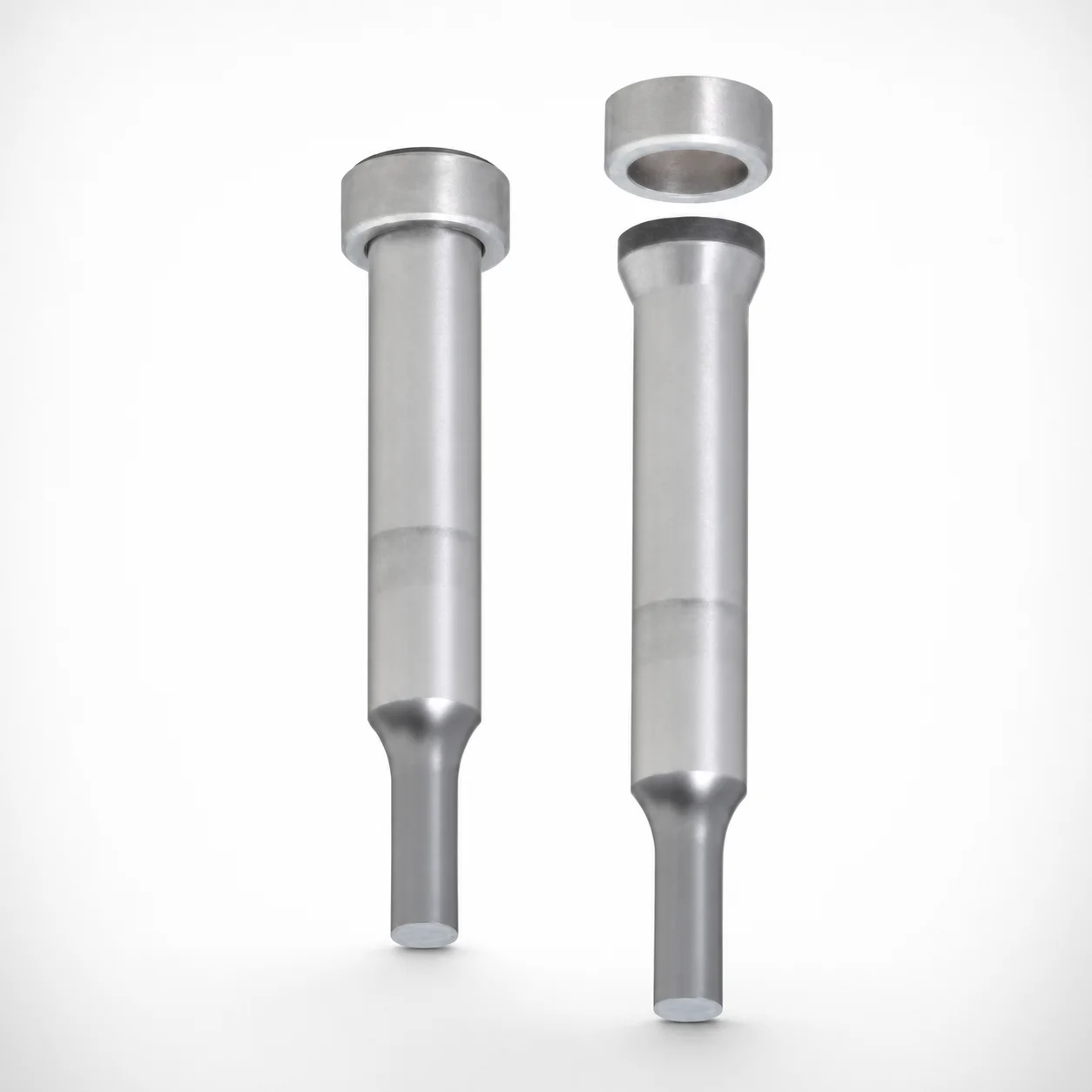
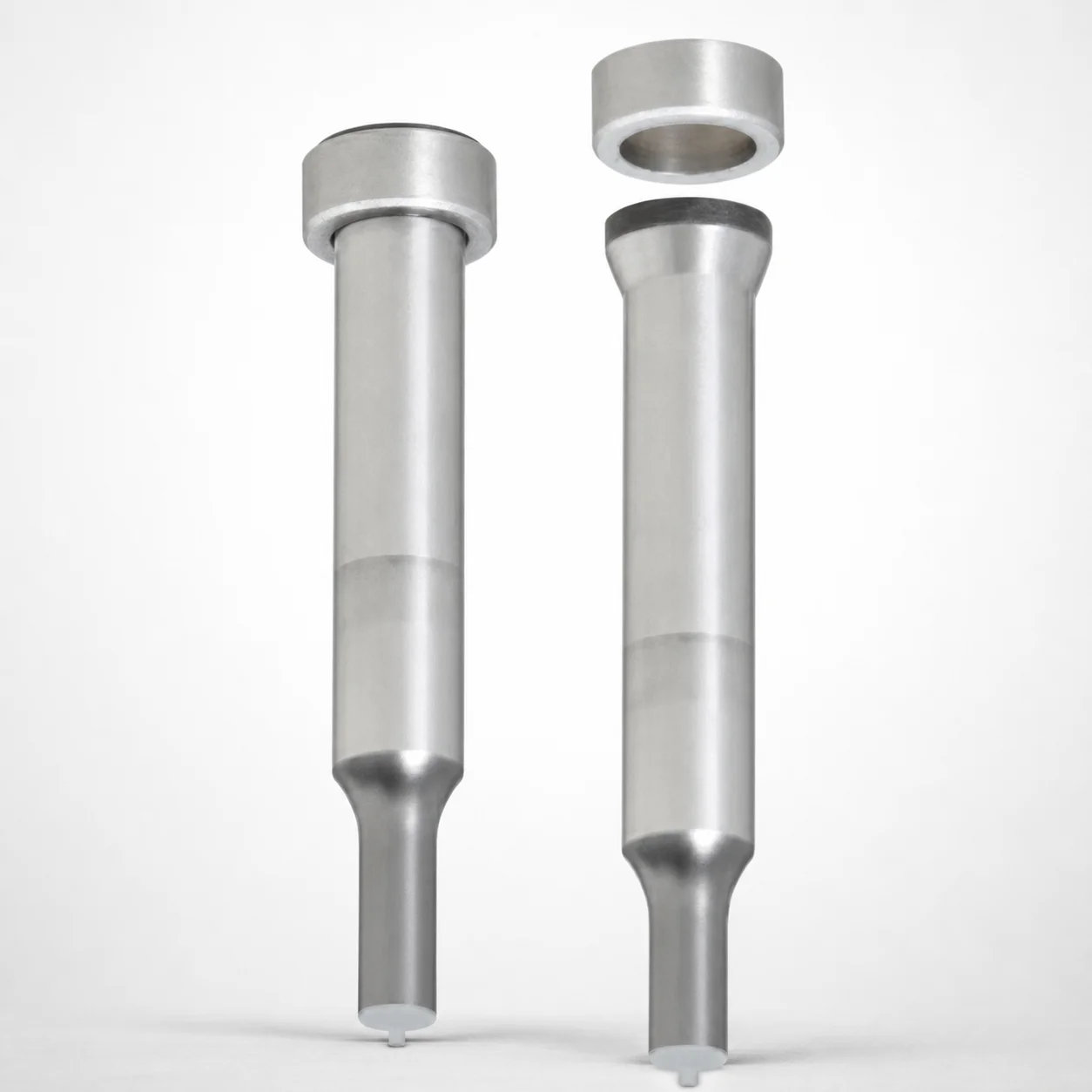
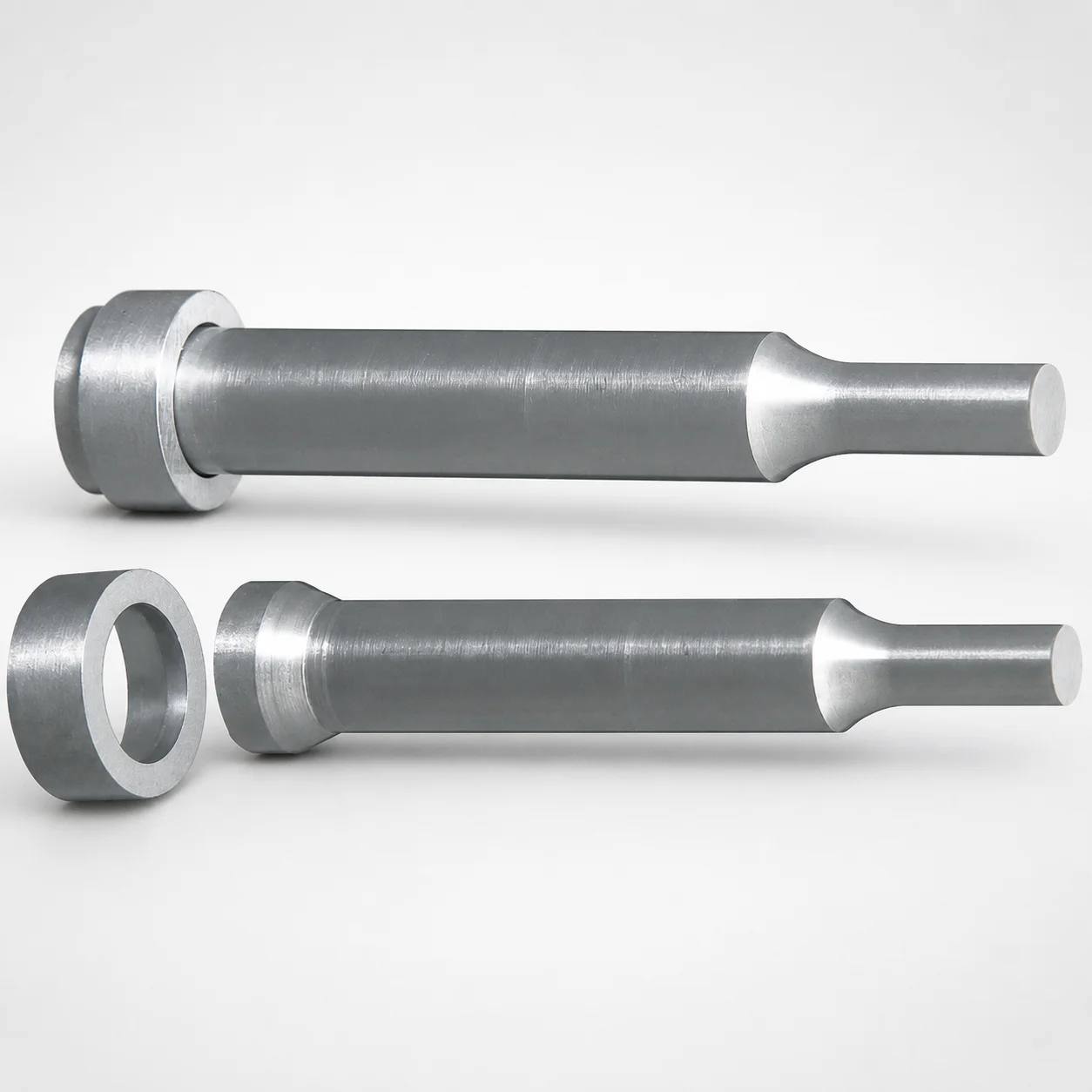
Alpha Treatment tapered head ejector punches deliver stronger tool performance by nanocrystallizing the treated surface, without sacrificing toughness. The microtexture improves sliding behavior and helps retain lubrication during repeated press cycles.
- Alpha Treatment surface nanocrystallization increases hardness while protecting toughness.
- Microtexture lowers the friction coefficient for stable sliding and better oil retention.
- Designed to minimize changes to punch dimensions, tip geometry, and edge area.
- Supports punch lubrication needs and enhanced wear resistance for molding and die work.
Specifications
16 configurations available
| Material | B (Tip length) | D (Shank diameter) (mm) | L (L Dimension) | P (Tip dimension) | type |
|---|---|---|---|---|---|
| Powdered high-speed steel | L | 8 | 60 ~ 80 | 4 ~ 7.99 | - |
| Powdered high-speed steel | L | 10 | 60 ~ 90 | 5 ~ 9.99 | - |
| Powdered high-speed steel | L | 13 | 70 ~ 100 | 6 ~ 12.99 | - |
| Powdered high-speed steel | L | 16 | 70 ~ 100 | 10 ~ 15.99 | - |
| Powdered high-speed steel | S | 8 | 50 ~ 80 | 4 ~ 7.99 | - |
| Powdered high-speed steel | S | 10 | 55 ~ 90 | 5 ~ 9.99 | - |
| Powdered high-speed steel | S | 13 | 65 ~ 100 | 6 ~ 12.99 | - |
| Powdered high-speed steel | S | 16 | 65 ~ 100 | 10 ~ 15.99 | - |
| Equivalent to SKH51 | L | 8 | 60 ~ 80 | 4 ~ 7.99 | - |
| Equivalent to SKH51 | L | 10 | 60 ~ 90 | 5 ~ 9.99 | - |
| Equivalent to SKH51 | L | 13 | 70 ~ 100 | 6 ~ 12.99 | - |
| Equivalent to SKH51 | L | 16 | 70 ~ 100 | 10 ~ 15.99 | - |
| Equivalent to SKH51 | S | 8 | 50 ~ 80 | 4 ~ 7.99 | - |
| Equivalent to SKH51 | S | 10 | 55 ~ 90 | 5 ~ 9.99 | - |
| Equivalent to SKH51 | S | 13 | 65 ~ 100 | 6 ~ 12.99 | - |
| Equivalent to SKH51 | S | 16 | 65 ~ 100 | 10 ~ 15.99 | - |
Product Guide
Application Scenarios+
Alpha Treatment tapered head ejector punches are used in injection mold toolsets where consistent ejection force and low stick-slip are critical. In automotive connector and cable-clip molds, the tapered head geometry helps initiate part release smoothly, reducing abrasion on the ejector surface during high-cycle operation.
The nanocrystallized surface hardening and microtexture are especially suited for parts that require frequent lubrication, because the surface features help retain oil and maintain stable sliding against the molded product and wear films.
- Automotive connector molds: stable ejection and improved wear resistance under repeated press cycles.
- Electrical housings and die-cast style inserts: reduced friction for smoother motion and more consistent ejector behavior.
- General precision die work: minimized dimension changes to preserve punch tip geometry and edge area.
Material & Process Details+
The punches are made from powdered high-speed steel equivalent to SKH51 (AISI M2 equivalent). Powder metallurgy improves carbide distribution uniformity, supporting consistent wear performance across the tapered head and shank.
With the Alpha Treatment process, the treated surface is nanocrystallized, which increases effective surface hardness while maintaining the steel’s toughness—a key trade-off for ejector components that must resist both abrasion and occasional shock loading.
- Hardness/wear: higher surface hardness improves abrasion resistance on the sliding tip.
- Toughness: the base material remains tough enough to avoid edge chipping during repeated cycling.
- Heat treatment state: Alpha Treatment is applied as a surface hardening condition prior to use; no additional hardness value is specified in the provided data.
Compared with untreated tool steels, the Alpha-treated surface is designed for lower friction and better lubrication retention, which complements wear resistance without overly sacrificing impact toughness.
Sizing & Selection Guide+
Select an ejector punch by matching the available D (shank diameter) and functional tip geometry to the ejector stroke requirements and the part release zone in the mold cavity or core.
- D (shank diameter): choose from 8, 10, 13, 16 mm based on the ejector guide bore and allowable clearance in your moving plate.
- B (tip length): available as L or S; use the longer option when you need additional reach without increasing the surrounding interference risk.
- L (L dimension): select from ranges 60–80, 60–90, 70–100, 50–80, 55–90, or 65–100 depending on overall build height and support length.
- P (tip dimension): choose 4–7.99, 5–9.99, 6–12.99, or 10–15.99 to fit the taper head profile required for release.
Because tolerances and fits are not specified, follow your standard mold design clearances for sliding ejector components and verify that the selected D and P dimensions do not interfere with ejector guide components or the cavity edge.
Frequently Asked Questions
What steel grade is equivalent to the provided powdered high-speed steel for these Alpha Treatment tapered-head ejector punches?+
How does Alpha Treatment affect friction and lubrication retention during repeated ejection cycles?+
Which dimensions should I verify to ensure the punch tip geometry matches my mold’s ejector opening area?+
How do I choose the correct shank diameter (D) for the ejector guide and moving plate clearance?+
Does the product description indicate any risk of dimensional change after treatment?+
Related Products
Need Custom Specifications?
Our engineering team can help with custom configurations, material selection, and volume pricing.