Components for Ejector Space
Hardware that manages the ejector plate assembly — controlling stroke, maintaining spacing, connecting to the machine knockout, and protecting internal components.
Components for Ejector Space Categories
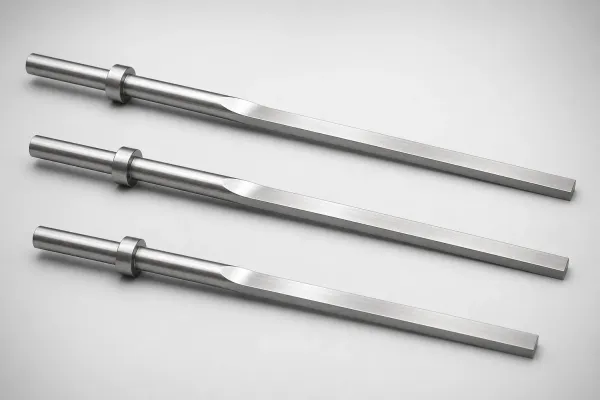
Ejector Rods (KO Rods)
Transfer knockout force from the injection molding machine to the ejector plate. Standard and adjustable-length types.
View Products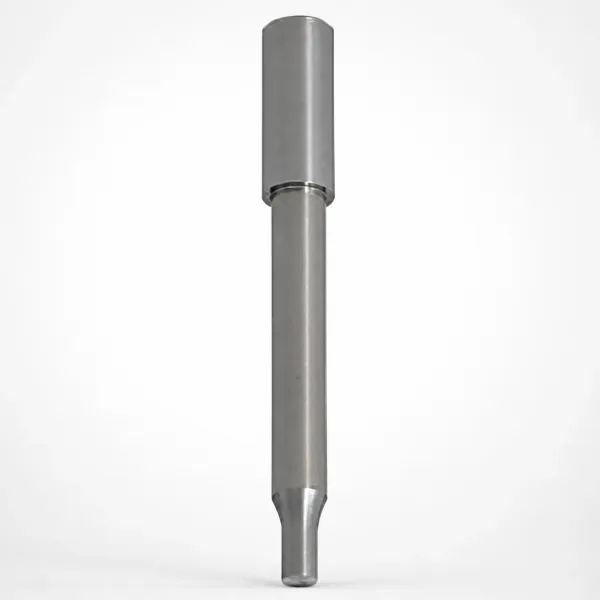
Stopper Rings & Pins
Limit ejector plate travel to prevent over-stroke. Hardened steel rings and pins mounted on the ejector plate or mold base.
View Products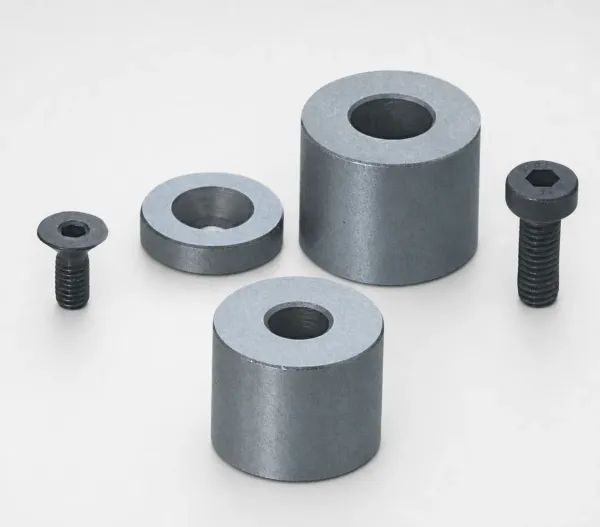
Spacer Rings
Maintain precise spacing between ejector plates or between the ejector plate and mold base.
View Products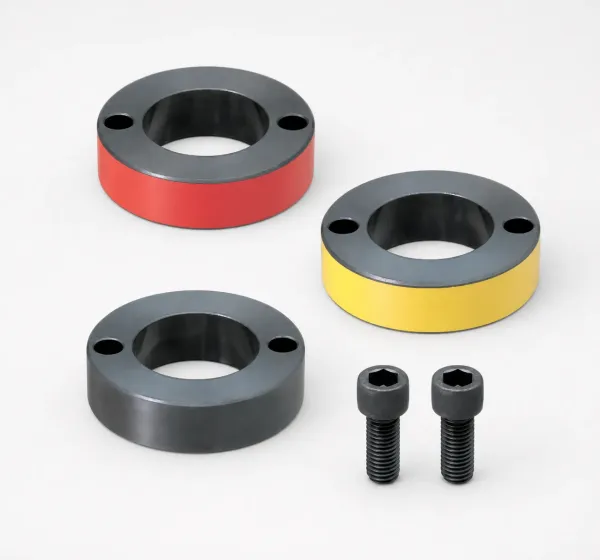
Stroke Adjustment Collars
Fine-tune ejector plate travel distance. Threaded collars allow ±2 mm stroke adjustment without mold disassembly.
View ProductsCovers for Ejector Space
Protective plates that seal the ejector space from contamination, chips, and coolant ingress.
View ProductsFind the Right Ejector Space Component
Each component solves a specific problem in the ejector assembly. Identify your need to find the right part.
Transfer Knockout Force
You need to connect the injection molding machine's KO mechanism to the ejector plate for consistent, centered ejection force.
Limit Ejector Travel
The ejector plate must stop at a precise position to prevent over-ejection, pin damage, or interference with slide cores.
Maintain Plate Spacing
You need precise, repeatable spacing between ejector plates or between the ejector assembly and the mold base.
Fine-Tune Stroke
Ejector stroke needs micro-adjustment (±2 mm) after mold assembly to optimize ejection without mold disassembly.
Protect Internal Parts
Chips, coolant, or contaminants are entering the ejector space and causing binding, corrosion, or premature wear.
Why Ejector Space Management Matters
The ejector space — the volume between the mold support plate and the ejector plates — houses the ejection mechanism that converts the molding machine's knockout force into controlled part ejection. Poor space management causes three categories of failure:
- Over-stroke: Without stopper rings, the ejector plate can travel beyond design intent, bending pins or interfering with slide cores.
- Under-stroke: Without proper spacing (spacer rings) and stroke calibration (collars), parts don't fully release and stick in the cavity.
- Contamination: Without covers, machining chips and coolant enter the space, causing ejector rod corrosion and plate binding.
Proper ejector space management with the right combination of rods, rings, collars, and covers ensures repeatable ejection across millions of cycles.
Engineering note: For the full technical explanation, see Why Proper Ejector Space Management Prevents Mold Damage.
About Components for Ejector Space
Ejector space components manage the mechanical infrastructure inside the mold's ejector housing. Ejector rods (KO rods) transfer knockout force from the machine to the plate. Stopper rings and pins limit travel to prevent over-stroke. Spacer rings maintain precise plate-to-plate distances. Stroke adjustment collars enable ±2 mm fine-tuning without disassembly. Covers seal the space against contamination.
Frequently Asked Questions
What are the main components inside a mold ejector space?+
Why is proper ejector space management critical for mold performance?+
How do I choose between stopper rings, spacer rings, and stroke collars?+
Can ejector rods be cut to custom lengths?+
Engineering Resources
What Are the Key Components Inside a Mold Ejector Space?
Complete overview of ejector space hardware and how each component contributes to ejection reliability.
Why Proper Ejector Space Management Prevents Mold Damage
Engineering analysis of over-stroke, under-stroke, and contamination failure modes.
Need Custom Components for Ejector Space?
Precision components for ejector space manufactured to JIS and DIN standards. MOQ 1 piece.