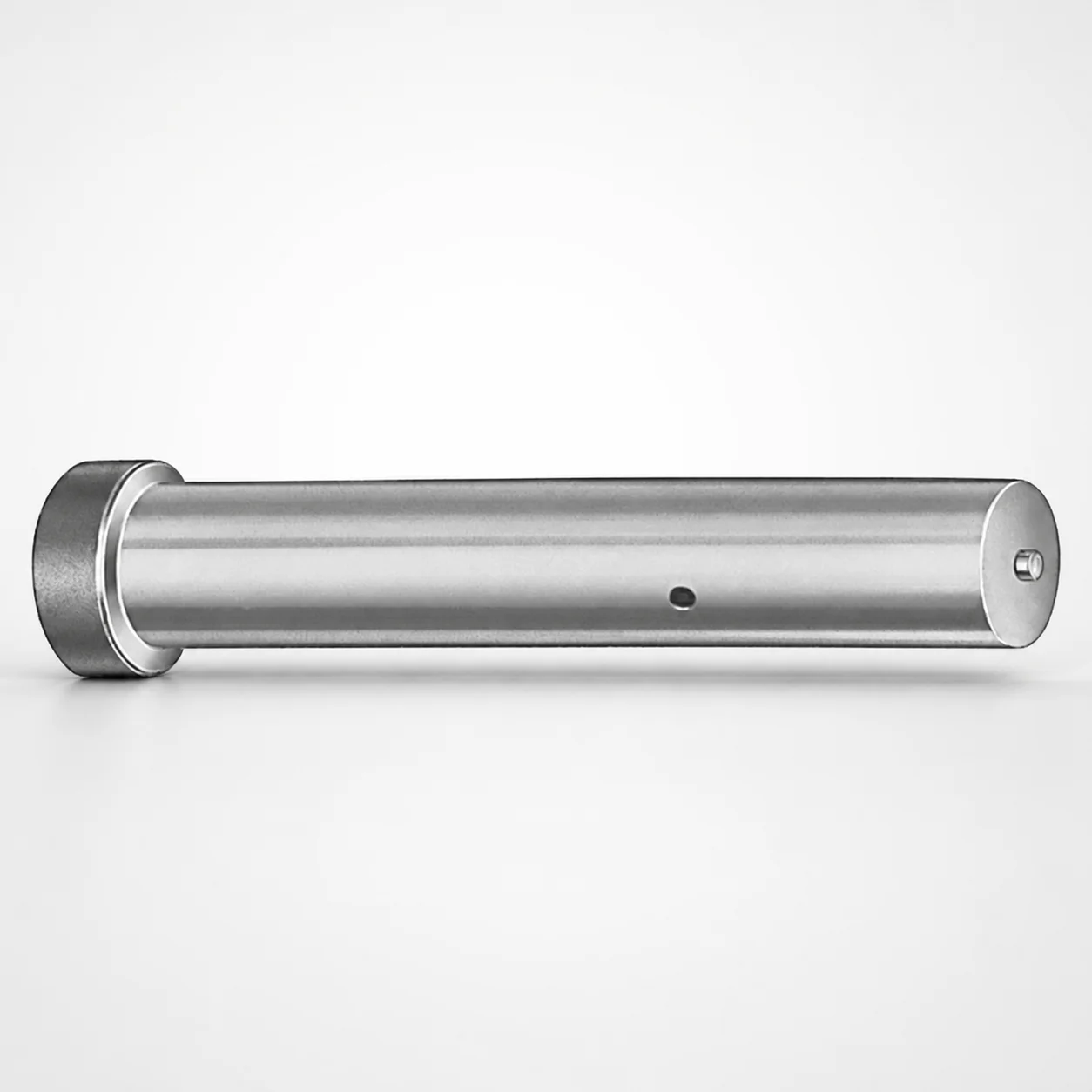
Metric Straight Ejector Punches XNP Coating
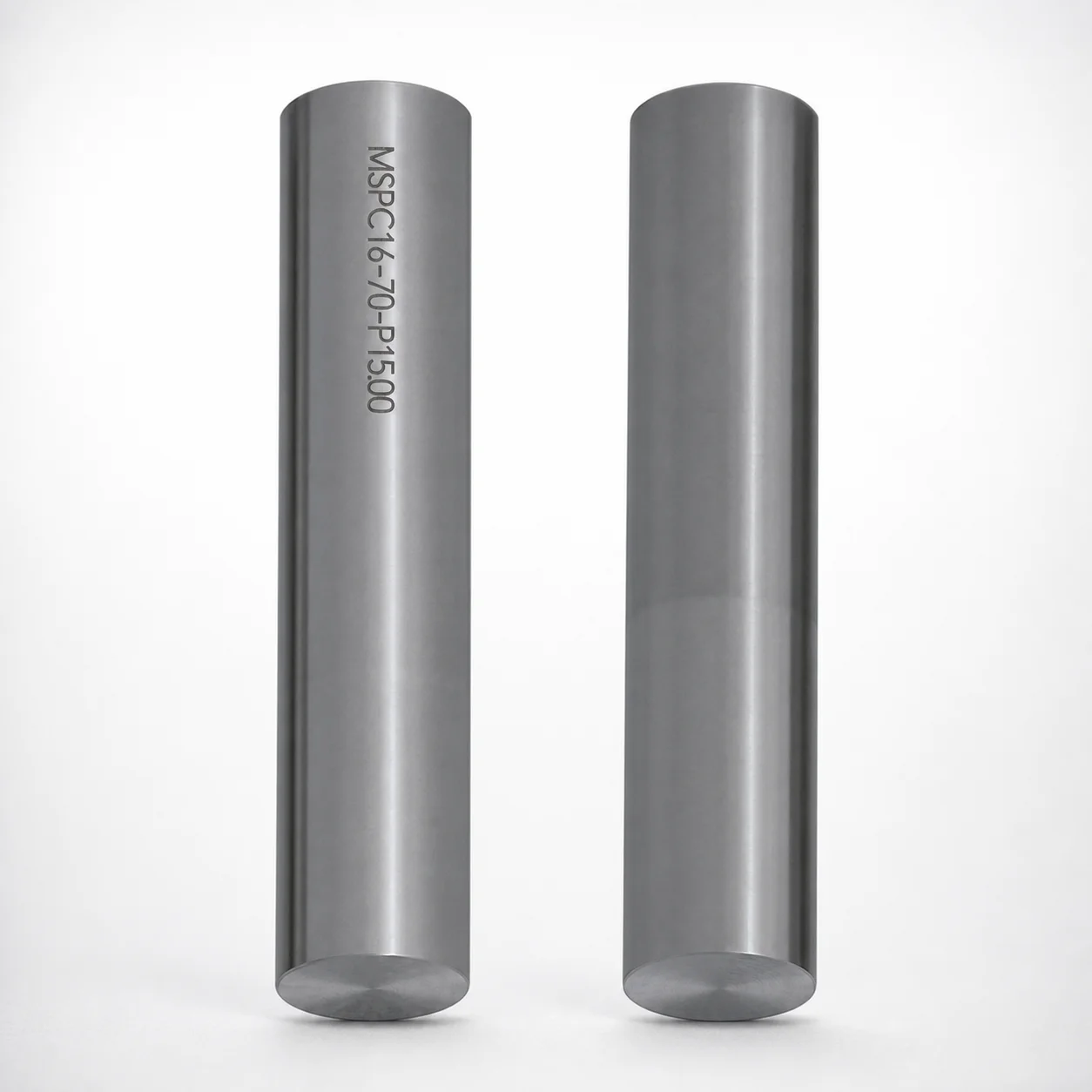
Metric straight ejector punches (XNP coating) from Dayton are designed to deliver consistent part ejection while improving tool surface performance in molding and forming operations. Suitable for regular die setups where maintenance efficiency matters.
- Straight punch geometry supports stable alignment during ejection cycles.
- XNP coating helps reduce wear and supports smoother punch performance.
- Length is configurable for 50–90 mm to match die thickness requirements.
- Commonly used for production dies requiring repeatable ejection and tooling reliability.
Specifications
1 configurations available
| L (Length) (mm) | P Dimension (mm) |
|---|---|
| 50 ~ 90 | 5 ~ 16 |
Product Guide
Application Scenarios+
Metric straight ejector punches with XNP coating are used in injection molding and metal-forming tooling where repeatable ejection stability is critical and downtime for die maintenance must be minimized.
- Automotive connector and small housing molds: The straight punch geometry supports stable alignment during high-cycle ejection, helping maintain consistent part release. The XNP coating is suited for these production environments because it improves punch surface durability and supports smoother operation over time.
- Consumer electronics housings and covers: For dies with regular, predictable die setups, this punch length configuration (50–90 mm) allows engineers to match stack height and maintain proper stroke engagement. Reduced wear helps maintain ejector performance across production runs.
- General forming/trim tools: When tooling cycles demand stable ejection against consistent surfaces, the straight design and wear-resistant coating help extend maintenance intervals and maintain stable function.
Material & Process Details+
The provided specifications specify geometry and coating (XNP) but do not include an exact steel grade or measured hardness (HRC). For proper material selection, confirm the base steel alloy and heat-treatment state from the punch technical datasheet before final tool qualification.
- XNP coating: Designed to reduce wear and support smoother punch performance, which is especially valuable in repetitive ejection cycles.
- Heat treatment: Not stated in the provided data; typically, ejector punches use a hardened, tempered condition to balance wear resistance with toughness against bending or chipping.
- Trade-off to verify: Higher hardness generally improves wear resistance but can reduce toughness; the optimum is application-dependent based on cavity loads and ejection force.
If multiple steel/coating options are available in your tooling program, compare by expected ejection force, abrasive wear level, and required maintenance interval.
Sizing & Selection Guide+
To select the correct dimensions, match the punch length to your die thickness and stack-up so that ejection engagement is consistent throughout the cycle.
- Length (L): Choose 50–90 mm based on the total required effective engagement from your ejector plate interface to the moving component. Measure your die build (fixed plate, moving plate, spacer/stripping components) and ensure the selected L provides the needed projection without bottoming.
- P dimension: Confirm the required P = 5–16 mm for the punch body section. Match this to available guide/bushing and any clearance designed around the ejector travel path.
- Tolerance/fit considerations: Because clearance affects alignment, keep the punch’s diameter/bearing fit within your guide system’s specified tolerances to avoid side loading and uneven wear.
- Fixed vs configurable: L and P are given as fixed selectable ranges (50–90 mm, 5–16 mm) for ordering; select the closest size that satisfies engagement depth and clearance needs.
Frequently Asked Questions
How do I choose the correct ejector punch length (L) between 50–90 mm for my mold stack-up?+
What should I verify about the P dimension (5–16 mm) for alignment with my ejector guide system?+
Does the XNP coating change how these straight ejector punches should be maintained in production?+
Are straight ejector punches a better choice than angled or complex geometries for stable ejection in regular die setups?+
What material properties (steel grade and hardness) are confirmed for this punch series?+
Related Products
Need Custom Specifications?
Our engineering team can help with custom configurations, material selection, and volume pricing.