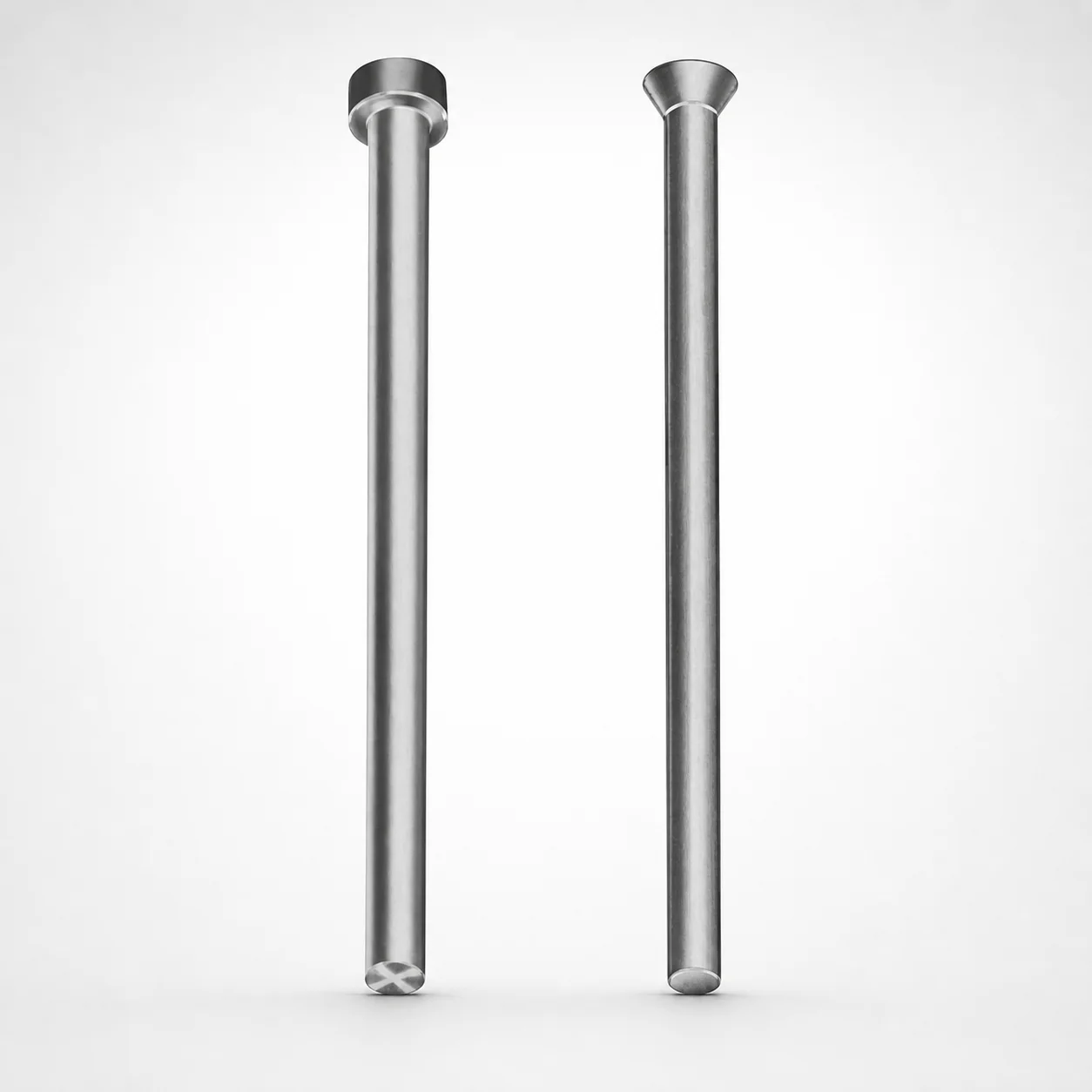
Close Space Straight Punches - Metric, XCDP Coating
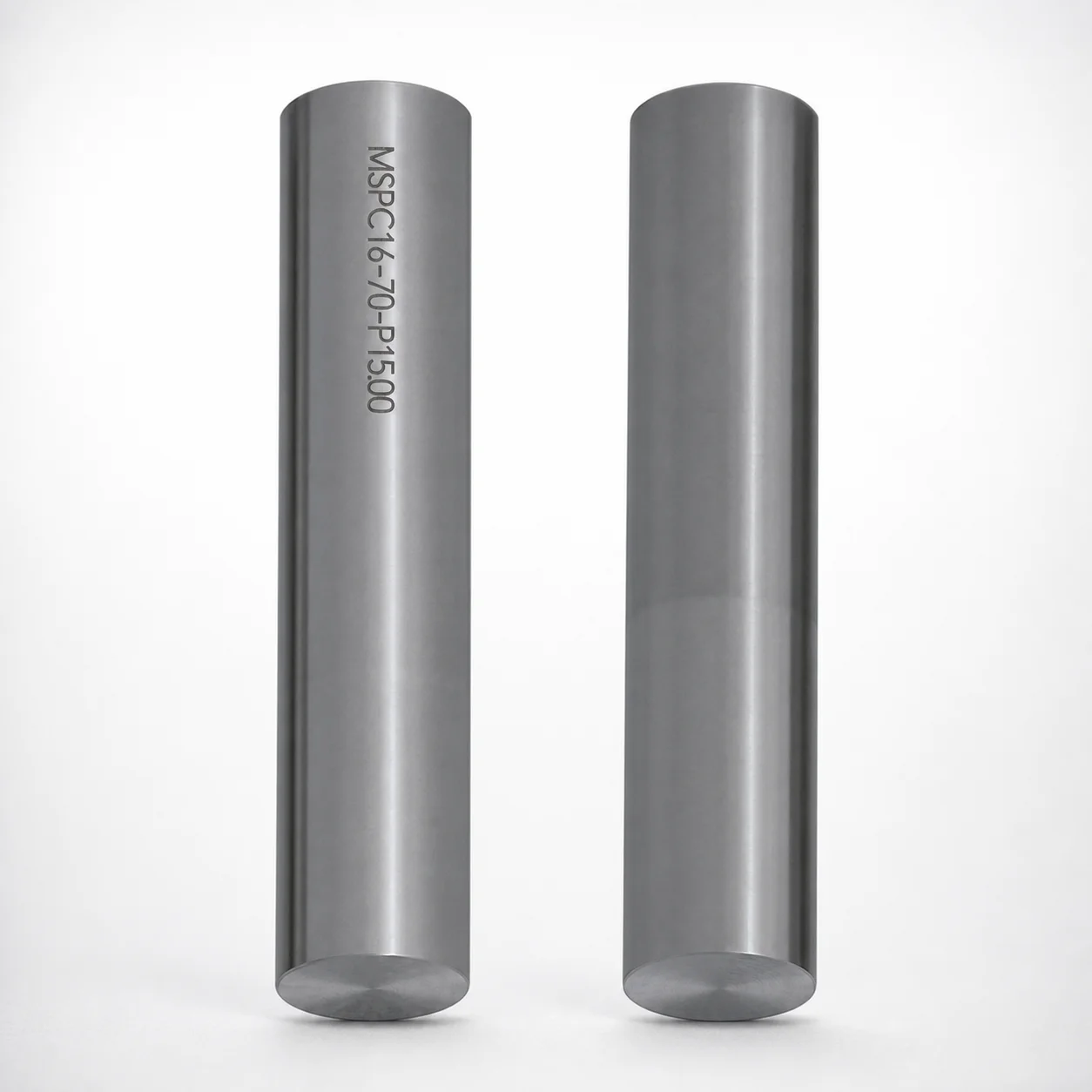
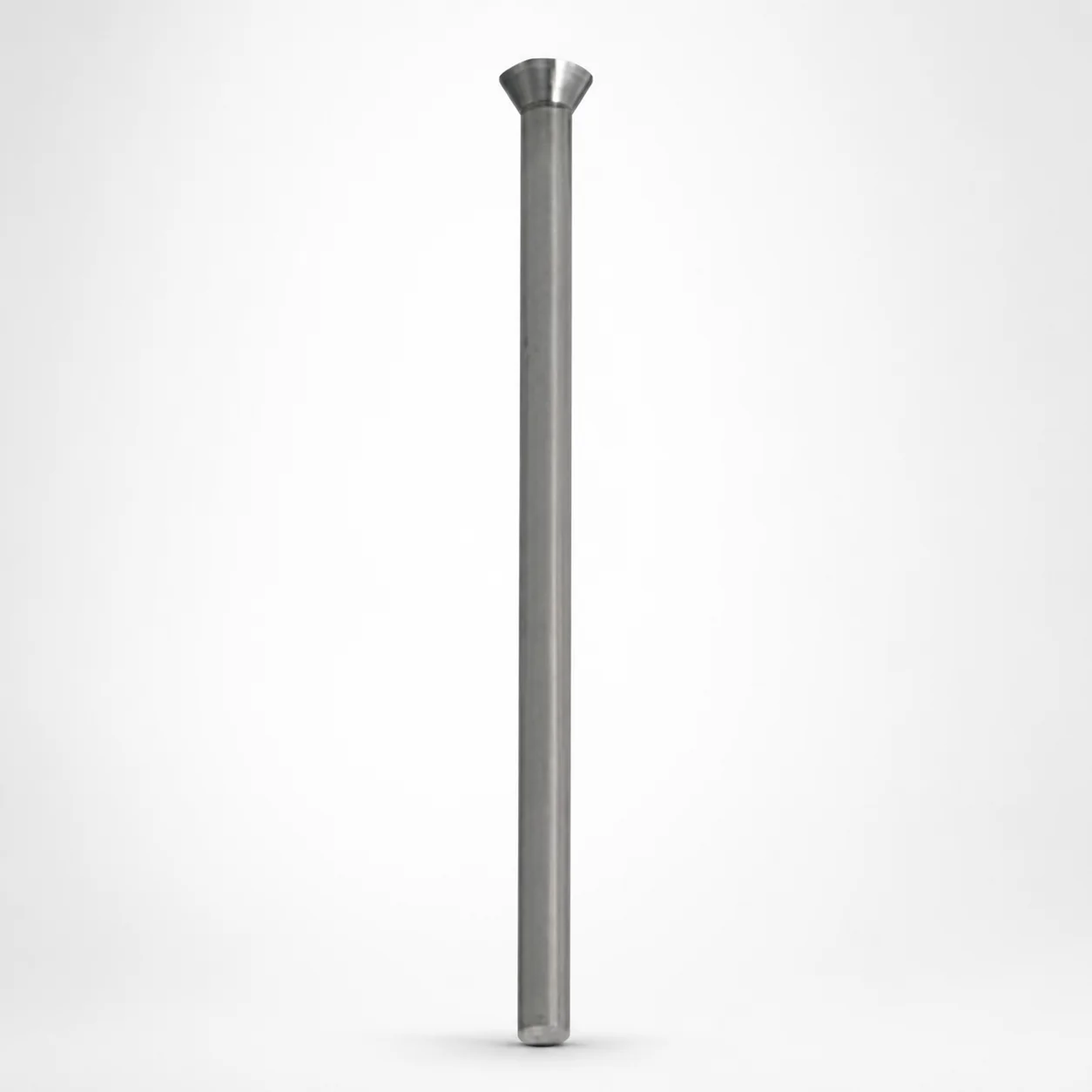
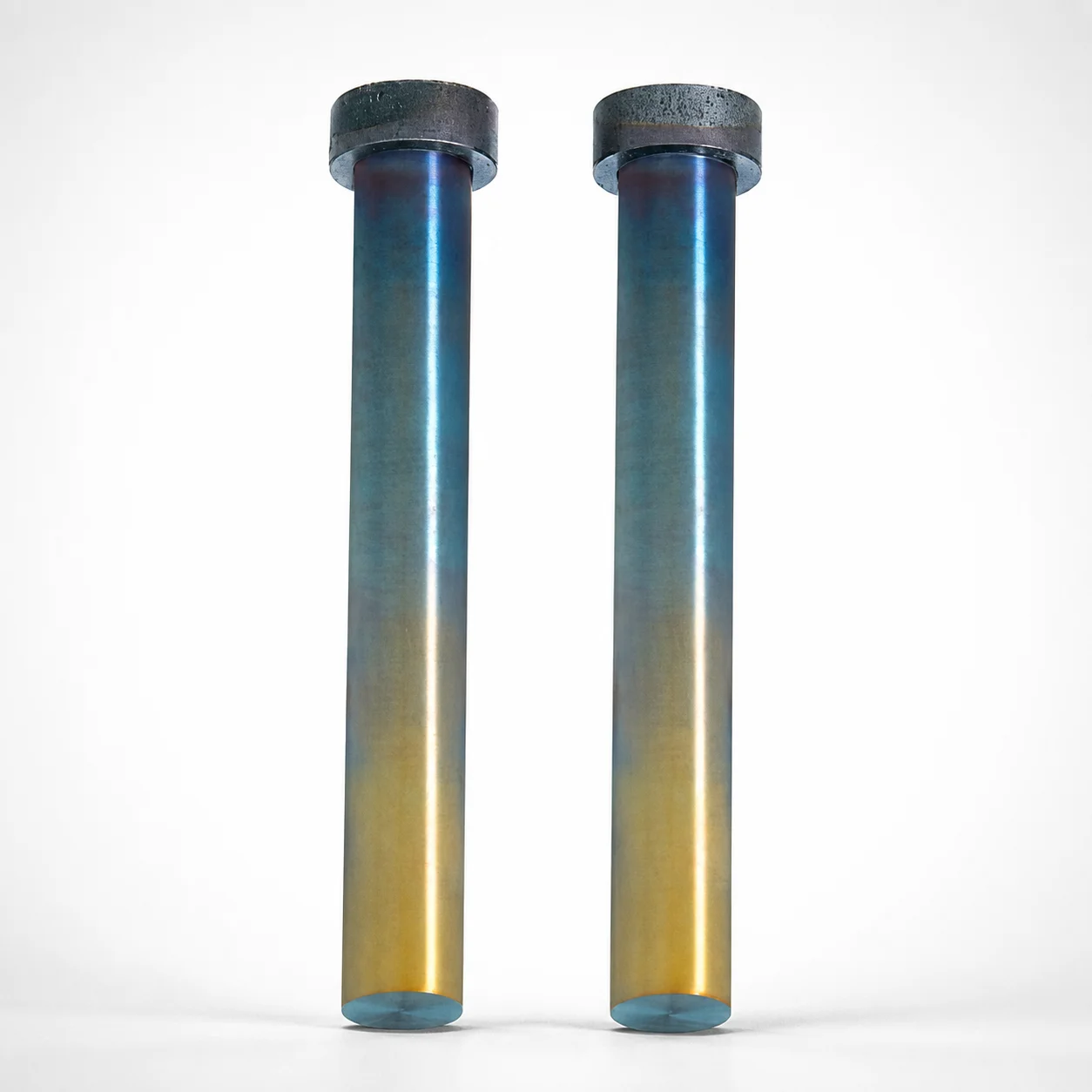
Close Space Straight Punches - Metric (XCDP coating) are designed for accurate piercing in confined die areas, helping stabilize punch guidance and improve part consistency during production runs.
- Close-space straight punch geometry supports reliable piercing in tight tool layouts
- XCDP coating improves surface wear resistance for consistent punching performance
- Factory-grade material selection and processing for repeatable tool life in production
- Use with straight-punch die sets for manufacturing operations requiring controlled feed-through
Specifications
2 configurations available
| Type | L (Length) (mm) | P Dimension (mm) |
|---|---|---|
| Angled head - AWX | 40 ~ 100 | 0.8 ~ 7 |
| Regular head - AXX | 40 ~ 100 | 0.8 ~ 7 |
Product Guide
Application Scenarios+
Close-space straight punches are used in injection mold tooling and production die sets where the piercing area is physically constrained. Their angled head (AWX) or regular head (AXX) design helps maintain stable punch alignment, enabling clean, controlled breakthroughs even in tight tool layouts.
Automotive and appliance connector operations: when molds include small bosses, locating features, or controlled passage openings, the close-space geometry supports consistent feed-through and reduces the risk of mis-piercing. The XCDP coating is suited for these high-cycle environments because it helps protect the working surface during repeated contact with wear-inducing die materials.
Consumer electronics housings: for feature piercing in confined core/cavity regions, these metric punches help deliver predictable part-to-part consistency. Select the appropriate head type (AWX vs. AXX) to match your available clearance while retaining reliable guidance through the die.
Material & Process Details+
The provided specification set identifies these straight punches as XCDP-coated metric tooling components, optimized for wear resistance at the piercing interface. While the exact steel grade and hardness (HRC) are not specified in the input data, the XCDP coating is intended to improve surface durability and reduce wear-driven dimensional drift during production runs.
- XCDP coating: supports improved wear resistance, helping maintain stable piercing performance and cleaner surfaces over time.
- Trade-offs: coated punches are typically prioritized for surface life; when very high toughness is required, engineers should verify the underlying substrate grade and coating compatibility with their press/mold material and cycle rate.
For best results, confirm the punch substrate heat-treatment state and final hardness with the tooling supplier documentation, since these details govern toughness vs. wear balance for long production cycles.
Sizing & Selection Guide+
To select the correct close-space straight punch, match its fixed dimensions to your mold cavity/core piercing feature and available tool clearance. The punching length L (40 ~ 100 mm) must be sufficient to reach through the die stack thickness while accounting for holder engagement and safe working margin.
The P dimension (0.8 ~ 7 mm) should be chosen to correspond to the required piercing or clearance condition for the feature in your die set. Because these punches are designed for tight areas, verify that your chosen head type (Angled head – AWX or Regular head – AXX) fits your local clearance envelope without restricting punch guidance.
- Length matching: ensure L covers die material thickness and required through-travel.
- P matching: select within 0.8–7 mm to align with the feature size/clearance demand.
- Tolerance/fit: when pairing with matching die components, maintain the intended clearance/fit to avoid binding and to preserve consistent breakthrough.
Frequently Asked Questions
Which head style should I choose for tight tool spacing: AWX (angled) or AXX (regular)?+
Use Angled head – AWX when your tool layout requires relief or clearance that a straight/regular head cannot accommodate. Choose Regular head – AXX when space is adequate for standard guidance and you want the most straightforward installation geometry. Confirm the local clearance envelope to prevent interference while maintaining stable piercing guidance.
How do I select punch length L for my die stack thickness?+
Select a punch with L in the 40 ~ 100 mm range that covers the full piercing travel through your die stack plus holder engagement. If L is too short, you risk incomplete breakthrough and inconsistent feature formation. If L is excessive, ensure the added reach does not create side loading or interference in the close-space area.
What does the P dimension (0.8 ~ 7 mm) control, and how should it be matched to the mold feature?+
The P dimension is specified as 0.8 ~ 7 mm for this series. Match P to the required piercing/clearance condition of the feature in your die set so the punch delivers controlled feed-through without binding. Use the die-to-punch geometry intended in your tooling design to maintain the correct fit and consistent output.
Why is XCDP coating relevant for repeatable piercing performance in production?+
The XCDP coating is specified for these close-space straight punches to improve surface wear resistance at the working interface. In repeated piercing cycles, wear can cause rougher edges and dimensional drift; the coating helps maintain more consistent performance over time. For full assurance, verify substrate heat-treatment and intended hardness data for your specific workload.
Are these punches intended to work with straight-punch die sets only?+
Yes—these components are described for use with straight-punch die sets when you need controlled feed-through in the piercing operation. If your tooling requires a different die system geometry, confirm compatibility with the punch head style (AWX/AXX) and your installed dimensions within the L (40 ~ 100 mm) and P (0.8 ~ 7 mm) limits.
Related Products
Need Custom Specifications?
Our engineering team can help with custom configurations, material selection, and volume pricing.