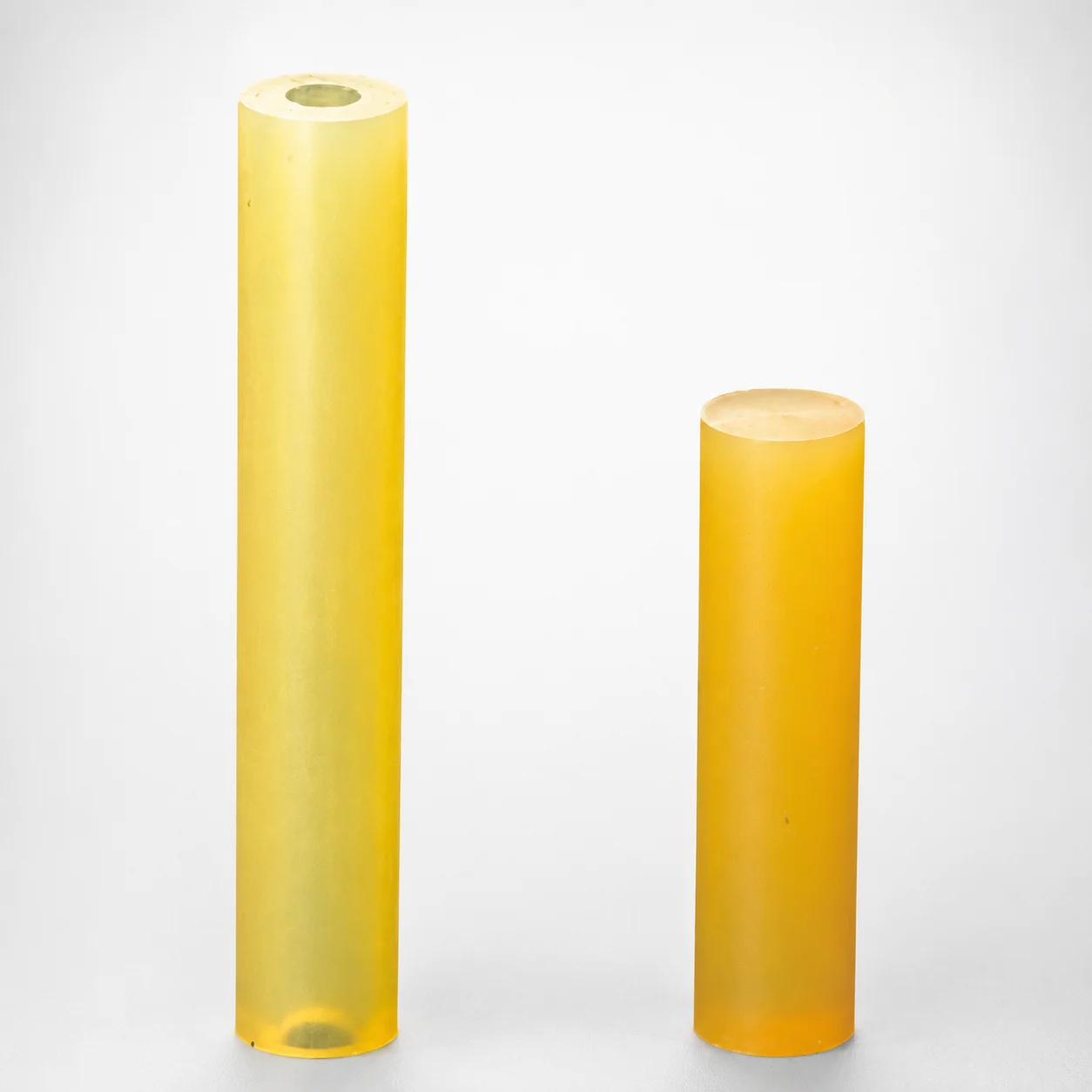
Heavy Load Urethane Pillars (AEX, CEX Series)
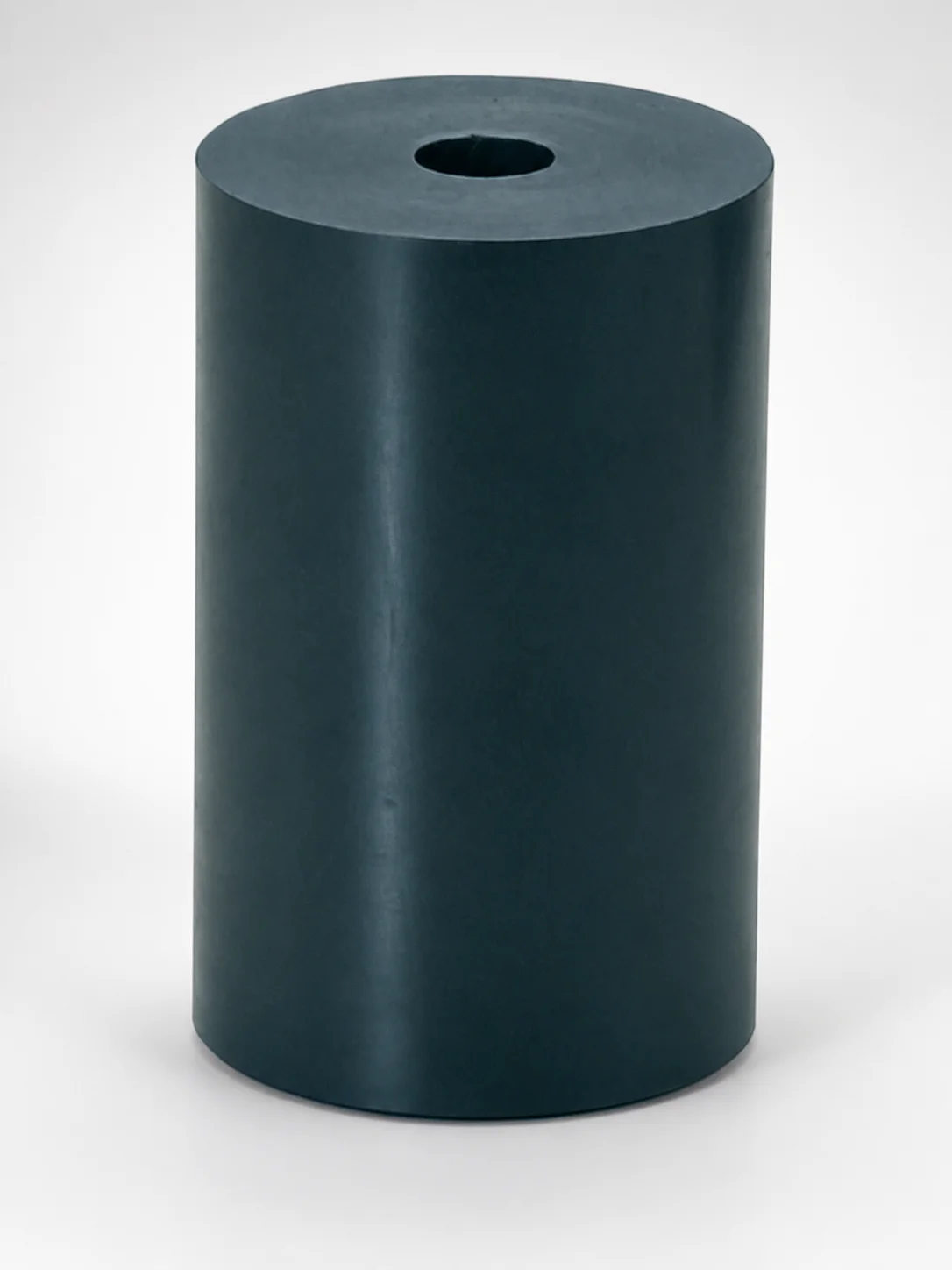
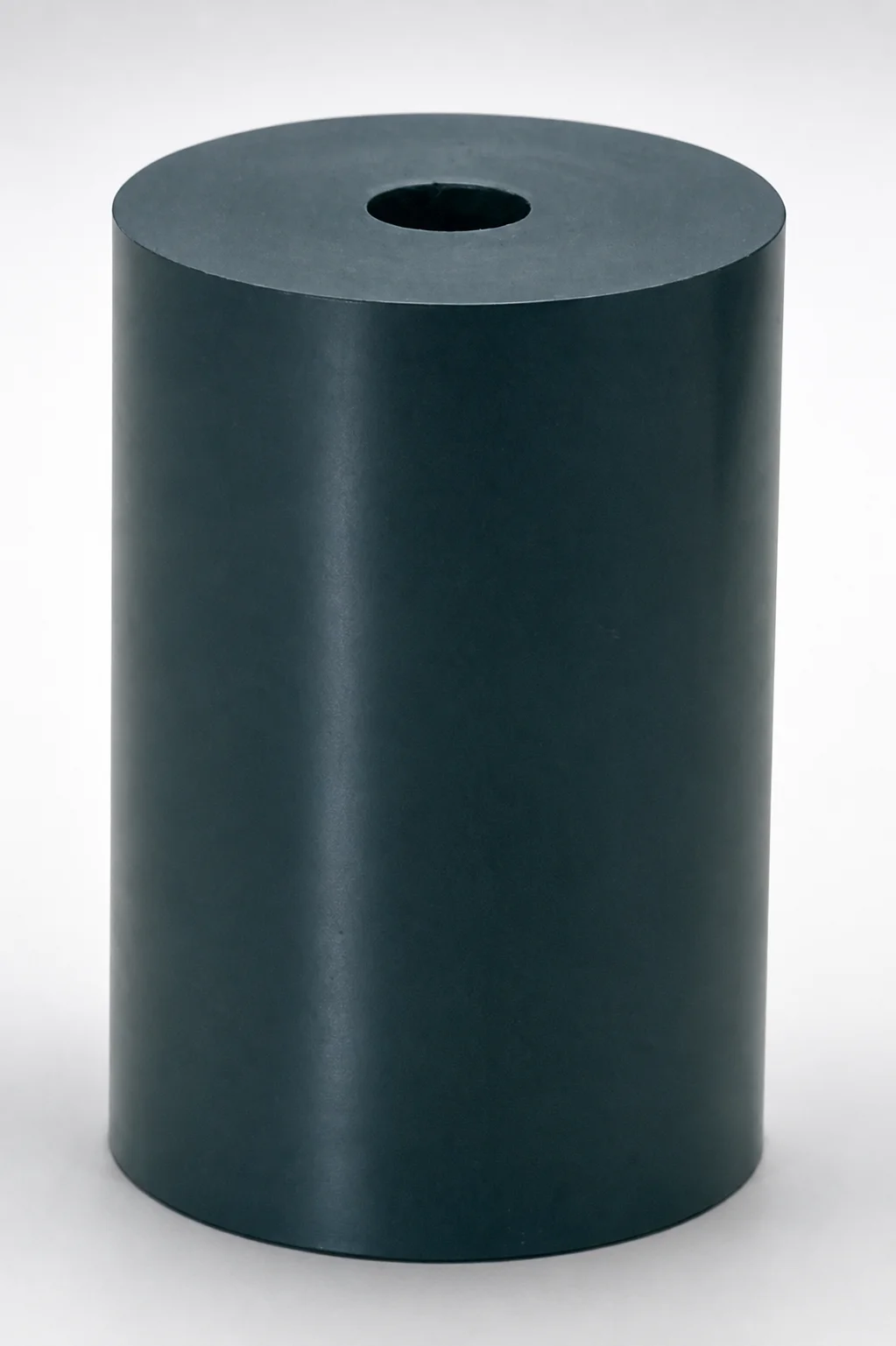
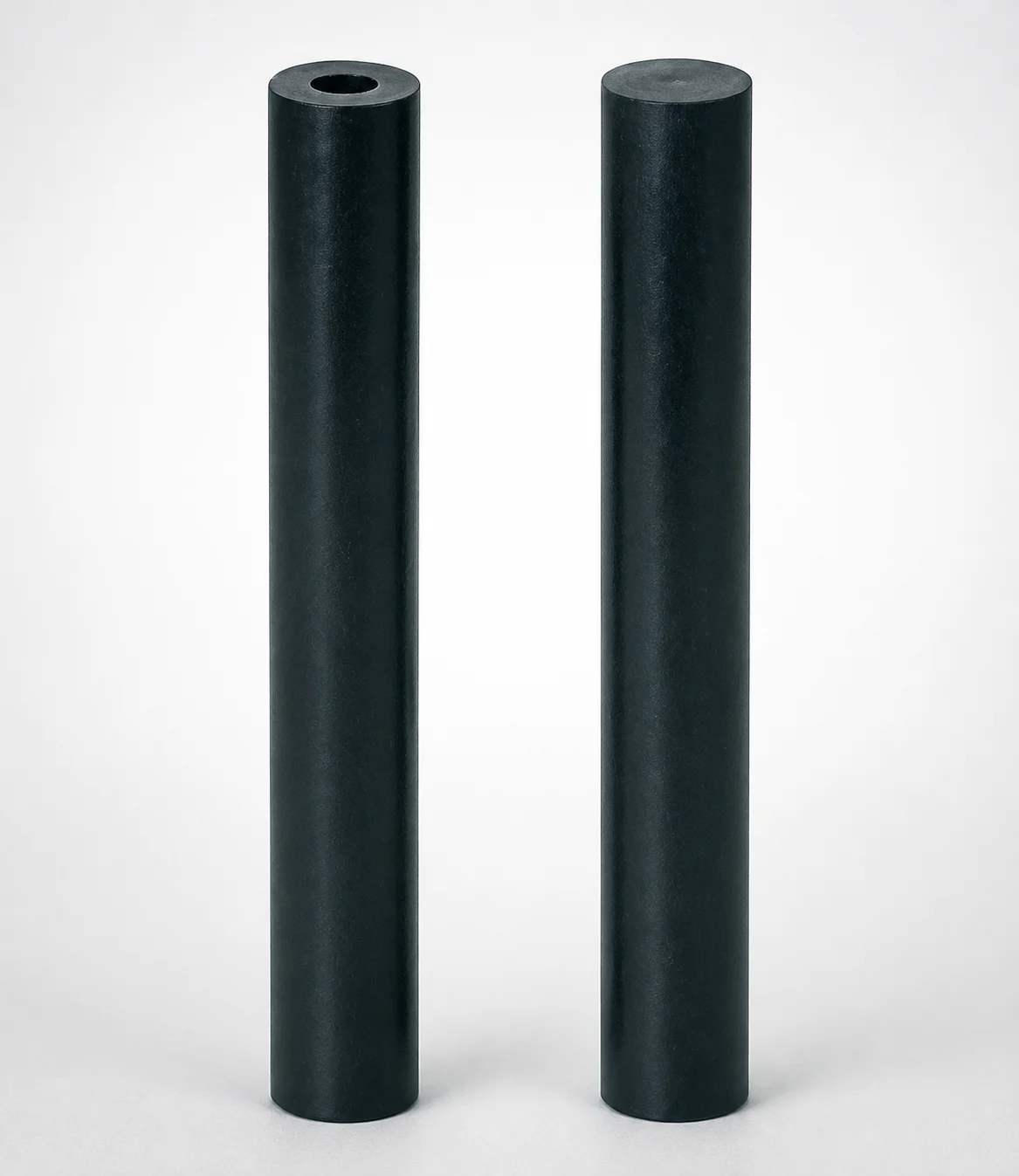
Heavy load urethane pillar springs (AEX, CEX series) are built from Shore A90 urethane to support demanding die and press applications with stable deflection behavior across configurable lengths. Their pillar shape provides predictable guidance and load transfer for efficient operation.
- Pillar geometry delivers controlled alignment under heavy loads
- Urethane type for heavy loads with Shore A90 durometer
- Length options support flexible installation and assembly layouts
- Configured spring designs for through-hole or solid mounting
Specifications
16 configurations available
| Hole/Counterbore | Length (L) (mm) | D (Outer diameter) (mm) | type |
|---|---|---|---|
| Hole | 10 ~ 200 | 15 | - |
| Hole | 10 ~ 200 | 20 | - |
| Hole | 10 ~ 200 | 25 | - |
| Hole | 10 ~ 200 | 30 | - |
| Hole | 10 ~ 200 | 40 | - |
| Hole | 10 ~ 200 | 50 | - |
| Hole | 10 ~ 200 | 60 | - |
| None | 10 ~ 200 | 8 | - |
| None | 10 ~ 200 | 10 | - |
| None | 10 ~ 200 | 15 | - |
| None | 10 ~ 200 | 20 | - |
| None | 10 ~ 200 | 25 | - |
| None | 10 ~ 200 | 30 | - |
| None | 10 ~ 200 | 40 | - |
| None | 10 ~ 200 | 50 | - |
| None | 10 ~ 200 | 60 | - |
Product Guide
Application Scenarios+
Heavy load urethane pillars in the AEX/CEX range are used in injection mold and press tool builds where a controlled “spring back” is required without metal spring fatigue. The pillar geometry supports straight-line guidance and stable load transfer, helping maintain repeatable positioning of the associated moving components.
- Automotive fixture and die stations: Select these pillars to stabilize heavy clamping or die-set movements where deflection consistency over time is critical. Shore A90 urethane supports demanding load levels while keeping behavior predictable across varying assembly layouts.
- Packaging and thin-wall molding tooling: Use configured pillar springs to maintain alignment for ejector-related or moving sub-plates, reducing misalignment risk during cycling.
- Assembly layouts with through-hole or solid mounting: The available hole/counterbore option (including “Hole” or “None”) allows integration into both through-hole and solid mount designs, improving fit with existing mold base machining.
Material & Process Details+
These urethane pillar springs are manufactured from Shore A90 urethane, selected for heavy-load support and stable deflection behavior. The higher Shore A durometer improves load-bearing capability and wear resistance compared with softer urethane grades, while reducing elastic travel for a given geometry.
- Hardness / property target: Shore A90 provides a balance of stiffness and resilience for demanding die and press applications.
- Wear and toughness trade-off: As durometer increases, the material typically becomes less deformable (lower damping and deflection range) but better resists flattening under sustained load.
- Heat treatment: No metal heat-treatment steps (e.g., quench & temper, nitriding) are specified for this urethane variant; performance is achieved through the urethane compound formulation and molding process.
Sizing & Selection Guide+
To select the correct urethane pillar dimensions, match the pillar length (L) and outer diameter (D) to the stroke/clearance and load path in your mold tooling. This series supports L = 10–200 mm and D = 8–60 mm, enabling installation across compact and long-support applications.
- Match length to stack-up: Choose L so the pillar supports the required separation and remains within the desired compression range across the tool’s operating cycle.
- Match diameter to load distribution: Select D based on the contact/guide area and expected load level to keep deflection stable.
- Consider mounting feature: The hole/counterbore parameter is configurable as Hole or None. Ensure your mold base machining aligns with the chosen mounting method.
- Tolerance/fit: Follow the supplier’s intended fit between the pillar and the mounting interface; choose the mounting option (hole vs. none) that best maintains positional stability in your assembly.
Frequently Asked Questions
How do I choose the pillar length (L) within the 10–200 mm range for mold tooling?+
What outer diameter (D) should be used when designing for heavy-load alignment?+
Does the AEX/CEX heavy-load urethane pillar require metal heat treatment like nitriding?+
How does the Shore A90 hardness affect deflection stability in demanding die and press applications?+
What does the hole/counterbore setting (Hole vs. None) mean for compatibility with mold base machining?+
Related Products
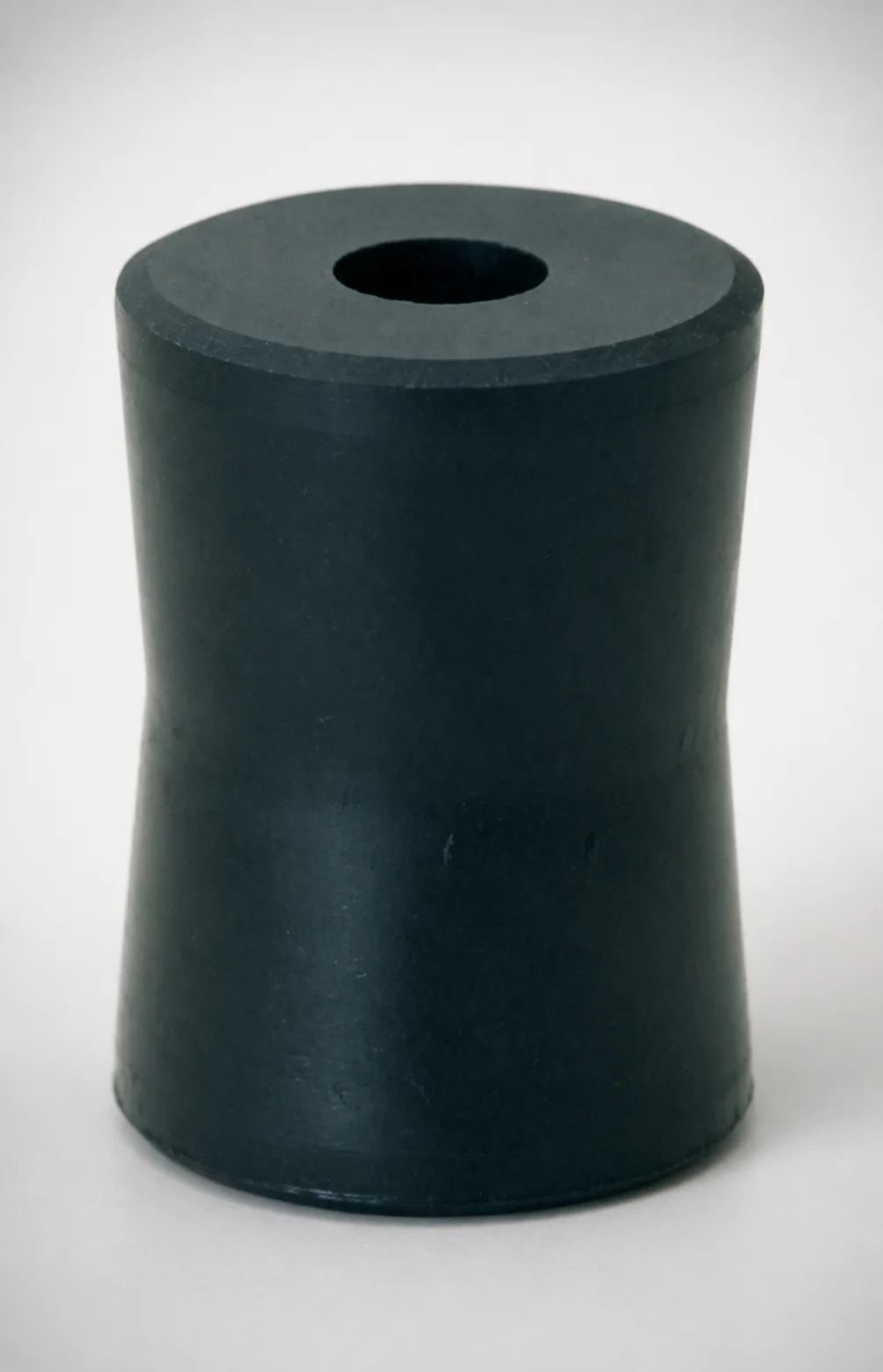
EX Series Heavy-Duty Urethane Pillar Springs (Through Hole)
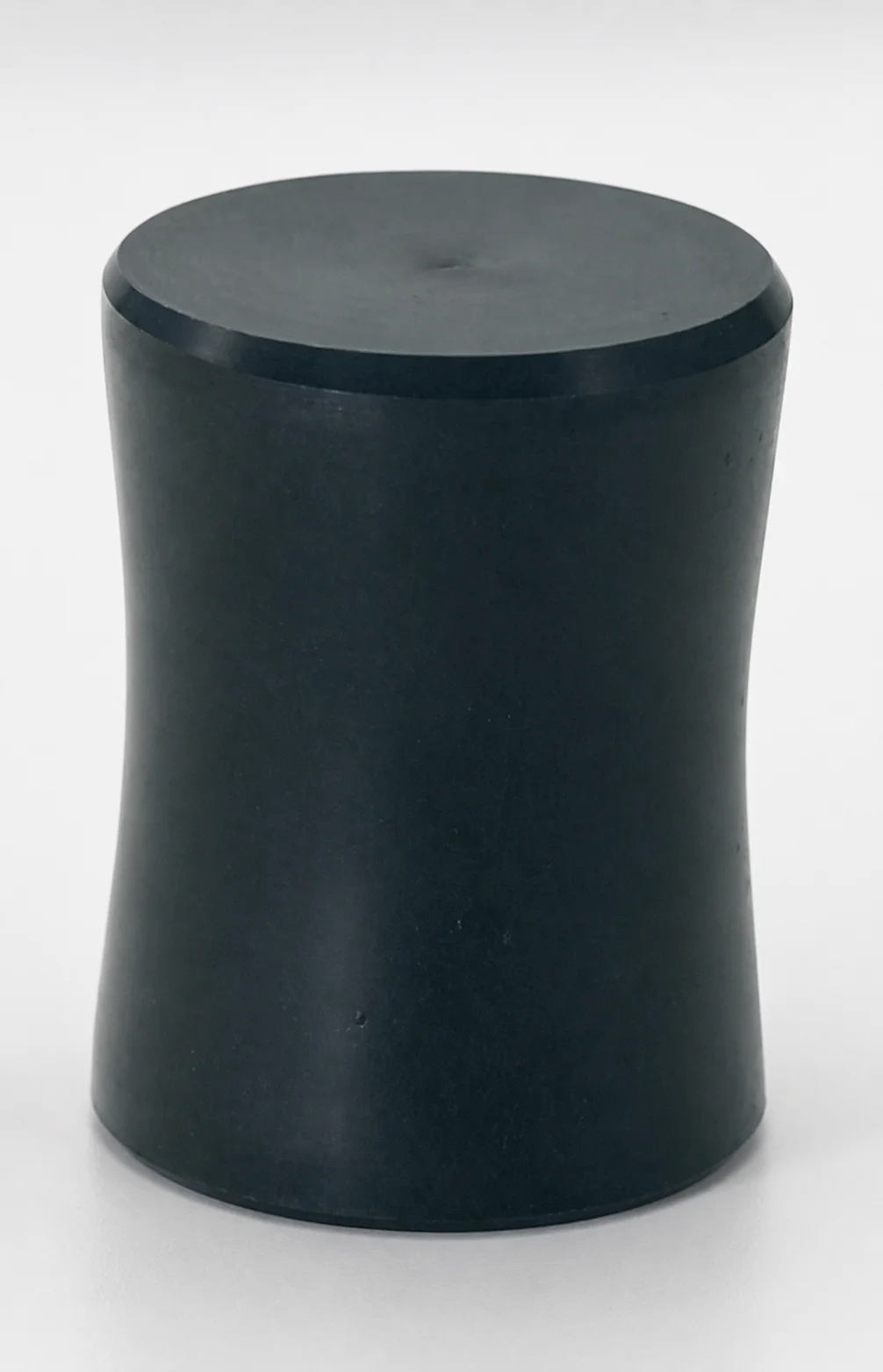
EX Series Heavy Duty Urethane Springs Pillar Hourglass
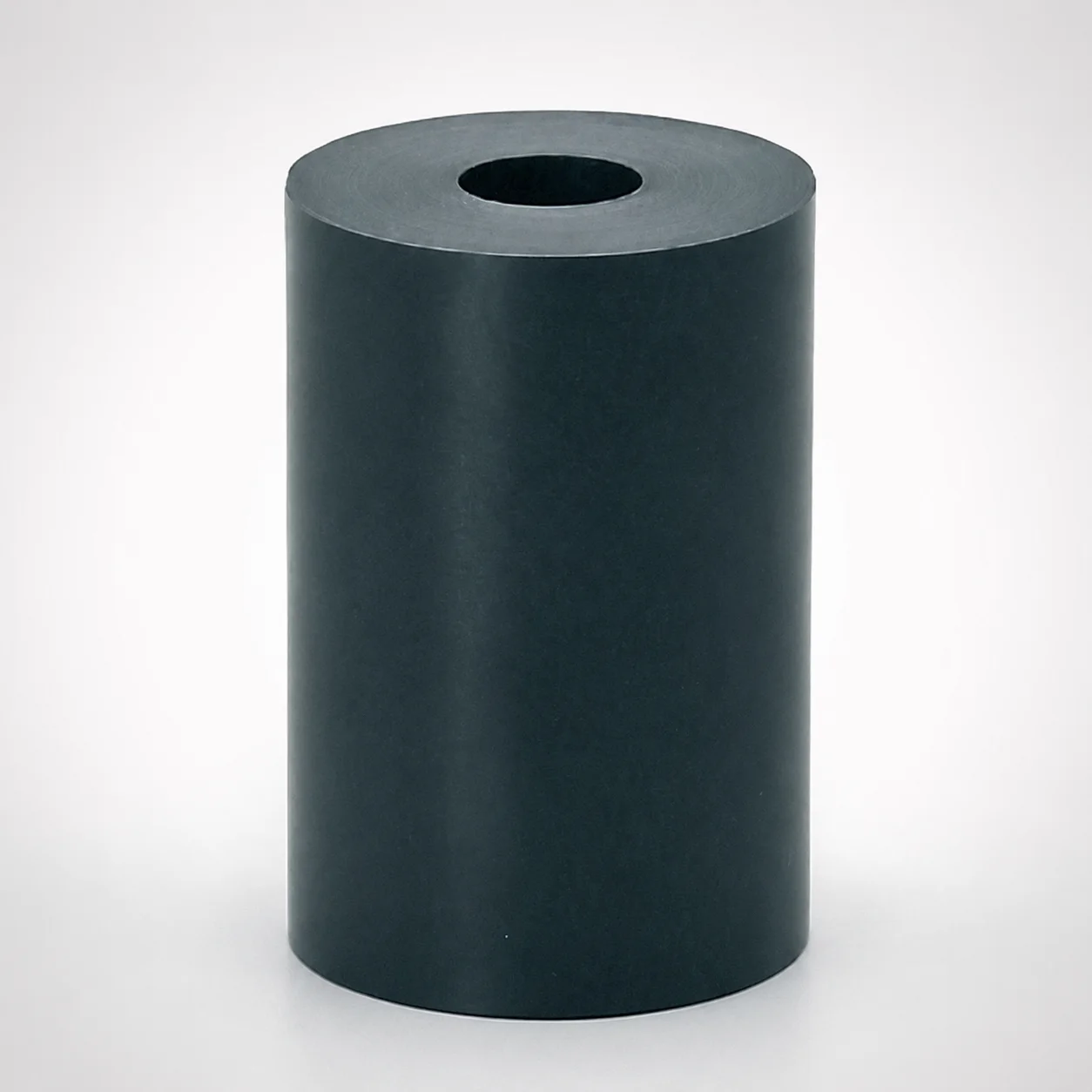
Heavy Duty Urethane Pillar Springs - A Series, Through Hole
E Series Heavy Duty Urethane Springs - Pillar Type Through Hole
EL Series Heavy Load Urethane Pillar Springs Through Hole
Heavy Duty Urethane Springs Pillar Shape
Need Custom Specifications?
Our engineering team can help with custom configurations, material selection, and volume pricing.