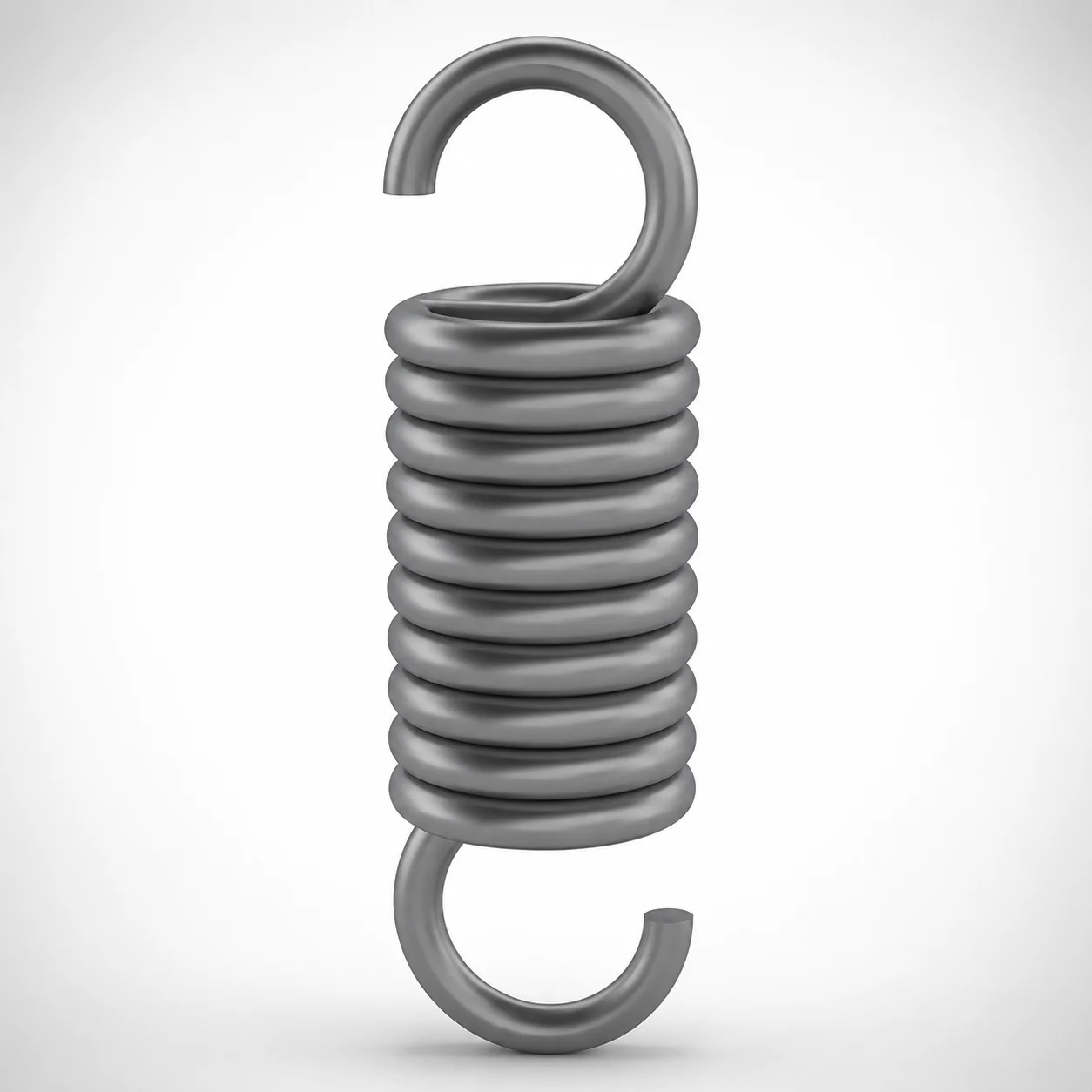
Extension Spring - Inch, O.D. and Length Selectable
Extension Spring - Inch, O.D. and Length Selectable (steel fixture extension spring) provides dependable tension support for industrial mechanisms that see repeated loading cycles. Choose the right configuration to maintain consistent force and protect connected components from shocks.
- Selectable outer diameter and length for matched tension in assemblies
- Steel construction is engineered for durability under repetitive extension cycles
- Multiple end types (full loops, plain ends, swivel loops, double loops) for varied mounting
- Supports reliable shock absorption and stable force in machinery and automotive systems
Specifications
63 configurations available
| Outer Diameter D (in) | Length L (in) | Type of Ends |
|---|---|---|
| 1.250 | 7.62 | a:Full Loops |
| 1.812 | 8.19 | a:Full Loops |
| .120 | .62 | a:Full Loops |
| .120 | .75 | a:Full Loops |
| .120 | .88 | a:Full Loops |
| .180 | 1.00 | a:Full Loops |
| .180 | 1.12 | a:Full Loops |
| .180 | 1.25 | a:Full Loops |
| .240 | 1.37 | a:Full Loops |
| .240 | 1.50 | a:Full Loops |
| .240 | 1.75 | a:Full Loops |
| .360 | 1.50 | a:Full Loops |
| .360 | 1.75 | a:Full Loops |
| .360 | 2.00 | a:Full Loops |
| .297 | 16.00 | a:Full Loops |
| .344 | 16.00 | a:Full Loops |
| .375 | 16.00 | a:Full Loops |
| .422 | 16.00 | a:Full Loops |
| .438 | 16.00 | a:Full Loops |
| .870 | 10 | a:Full Loops |
| .810 | 10 | a:Full Loops |
| .620 | 10 | a:Full Loops |
| .500 | 10 | a:Full Loops |
| .359 | 10 | a:Full Loops |
| .370 | 10 | a:Full Loops |
| .343 | 8.12 | a:Full Loops |
| .172 | 9.06 | a:Full Loops |
| .440 | 6.44 | f:Dbl. Loops |
| .328 | 6.50 | g:Dbl. Loops, Side |
| .156 | 6.62 | a:Full Loops |
| .550 | 5.62 | a:Full Loops |
| .560 | 5.50 | e:Half Loops |
| .370 | 5.50 | a:Full Loops |
| .296 | 5.75 | b:Full Loops, side |
| .265 | 6.12 | b:Full Loops, side |
| .250 | 5.75 | a:Full Loops |
| .250 | 5.34 | a:Full Loops |
| .370 | 3.25 | e:Half Loops |
| .250 | 4.00 | a:Full Loops |
| .480 | 4.50 | a:Full Loops |
| .740 | 4.06 | a:Full Loops |
| .720 | 4.00 | e:Half Loops |
| .530 | 5.25 | d:Swiv. Loops |
| .312 | 5.00 | a:Full Loops |
| .343 | 5.37 | a:Full Loops |
| .440 | 5.25 | a:Full Loops |
| .870 | 6.00 | e:Half Loops |
| 1.060 | 8.00 | e:Half Loops |
| 1.000 | 8.50 | e:Half Loops |
| .750 | 2.59 | a:Full Loops |
Product Guide
Application Scenarios+
This extension coil spring is used inside injection mold tooling and automation fixtures where a controlled rebound force is needed after repeated actuation. Because the outer diameter and length can be selected, it can be tuned to maintain stable force and minimize movement of linked components during cycling.
Common scenarios include automotive connector and sensor mold assemblies, where springs return ejector-linked mechanisms or assist in retracting tooling pins to reduce shock when parts release. Another application is industrial packaging and appliance mold systems, using the spring to keep a consistent clamp/positioning bias in intermittently loaded mechanisms.
- Selectable D (0.12–1.812 in) helps fit tight tool space while targeting consistent tension.
- Selectable L (0.62–16 in) supports correct working stroke and return behavior.
- Multiple end types (full loops, half loops, plain ends, swivel/double loops) enable secure attachment to pins, hooks, or retainers.
Material & Process Details+
The specific steel grade is not provided in the available product data; however, the spring is described as a steel fixture extension spring designed for durability under repetitive extension cycles. For mold engineers, this implies a material and heat-treatment approach suitable for fatigue resistance in tension service.
- Manufacturing process (typical for round-wire coil springs): round wire is formed into a coil, then heat treated to achieve spring properties before final finishing.
- Property focus: wear resistance is less critical than fatigue life and predictable force over many cycles.
- Toughness vs. hardness trade-off: spring steels are commonly balanced so hardness improves elastic stability while toughness protects against crack initiation from cyclic loading.
If you need confirmation for qualification (e.g., hardness HRC target or exact steel designation), request the material certificate for series code 250300461585.
Sizing & Selection Guide+
To select the correct spring, match the available ranges for outer diameter (D) and length (L) to your mold space and required force return. This series supports D = 0.12–1.812 in and L = 0.62–16 in.
- Choose D based on the clearance envelope around the spring in the mold base, moving plate, or automation fixture. Smaller D fits tighter spaces but must still provide safe seating against your retainers.
- Choose L to ensure the spring can extend/compress within its intended working stroke without bottoming or losing contact at end mounts.
- Select end type to match attachment geometry: a/f/g/e for loop variants and b/c/d for full/plain/swivel loop styles.
Tolerance/fit details are not specified in the provided data. Plan for secure retention where end types interface with pins or hooks; avoid designs that rely on precise interference fits unless you can confirm the spring’s dimensional tolerance from the datasheet.
Frequently Asked Questions
How do I choose the correct outer diameter D (0.12–1.812 in) for a mold-mounted spring return mechanism?+
What length L (0.62–16 in) range should I target to prevent loss of contact or coil bind?+
Which end type options (full loops, half loops, plain ends, swivel/double loops) are best for attaching to tooling pins?+
Does this spring series support configurable selection for both D and L, and how does that affect assembly design?+
What material properties should I verify for cyclic tension duty in an injection mold environment?+
Related Products
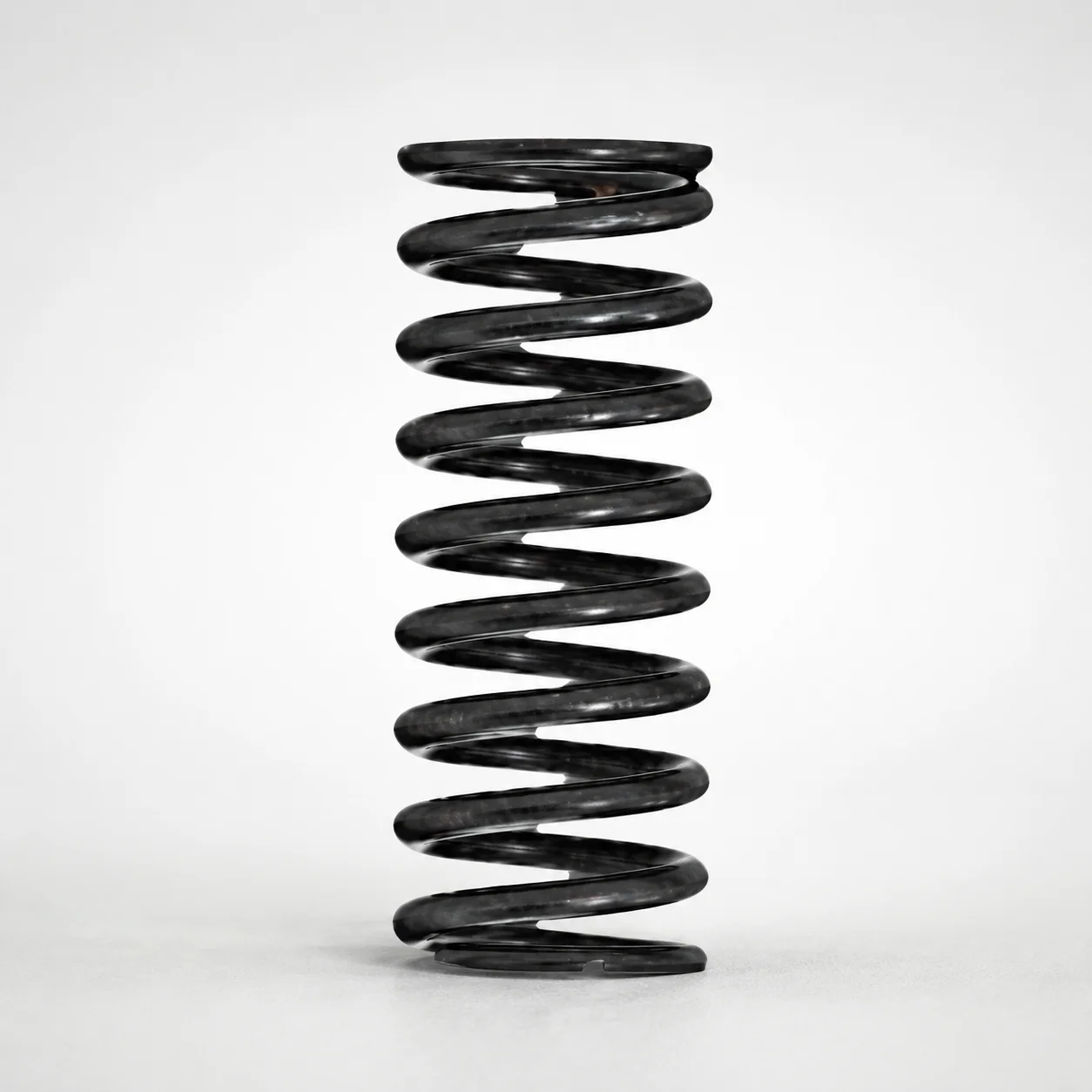
Round Wire Coil Springs - 75% Deflection, WY Series
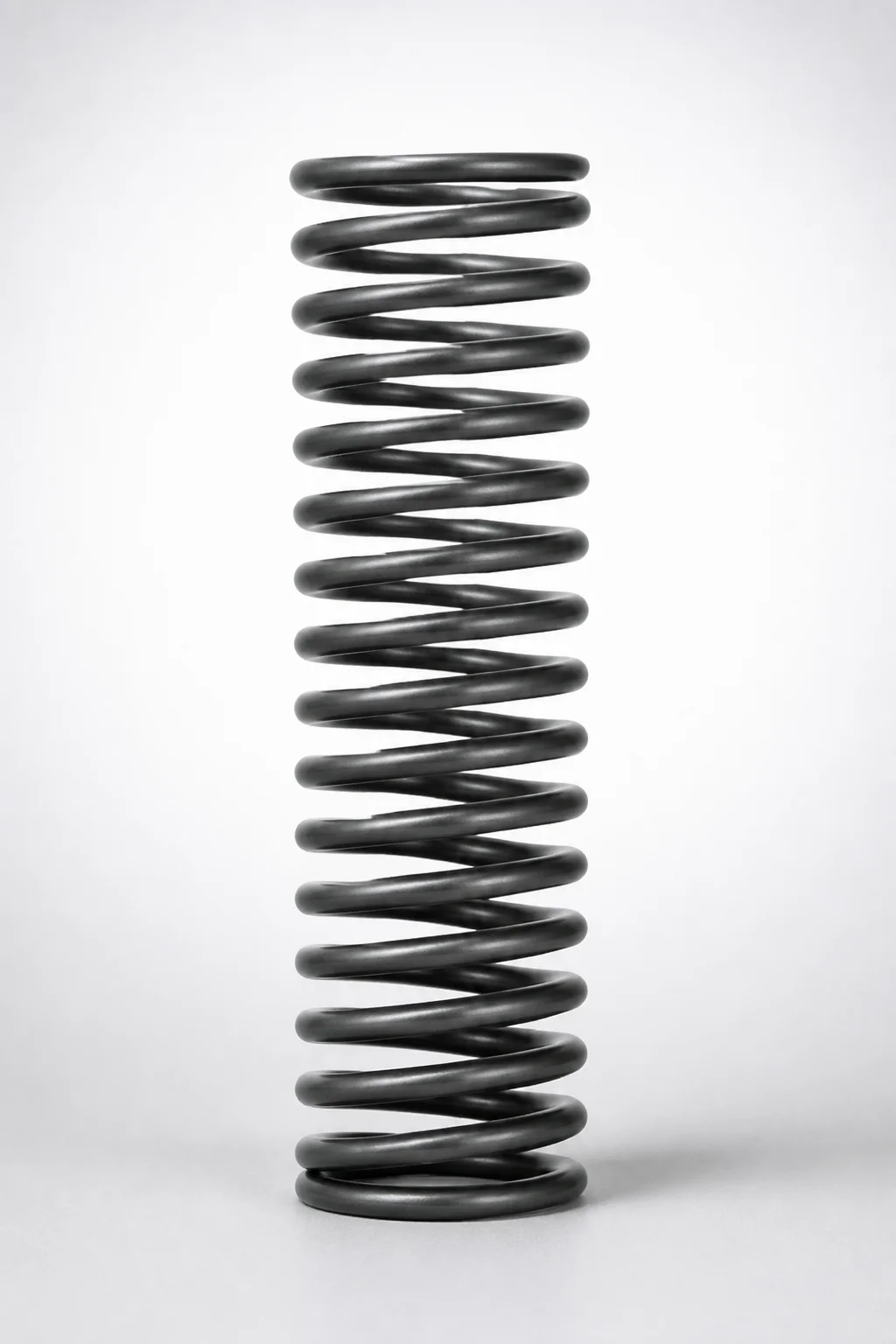
WR Series Round Wire Coil Springs 60% Deflection
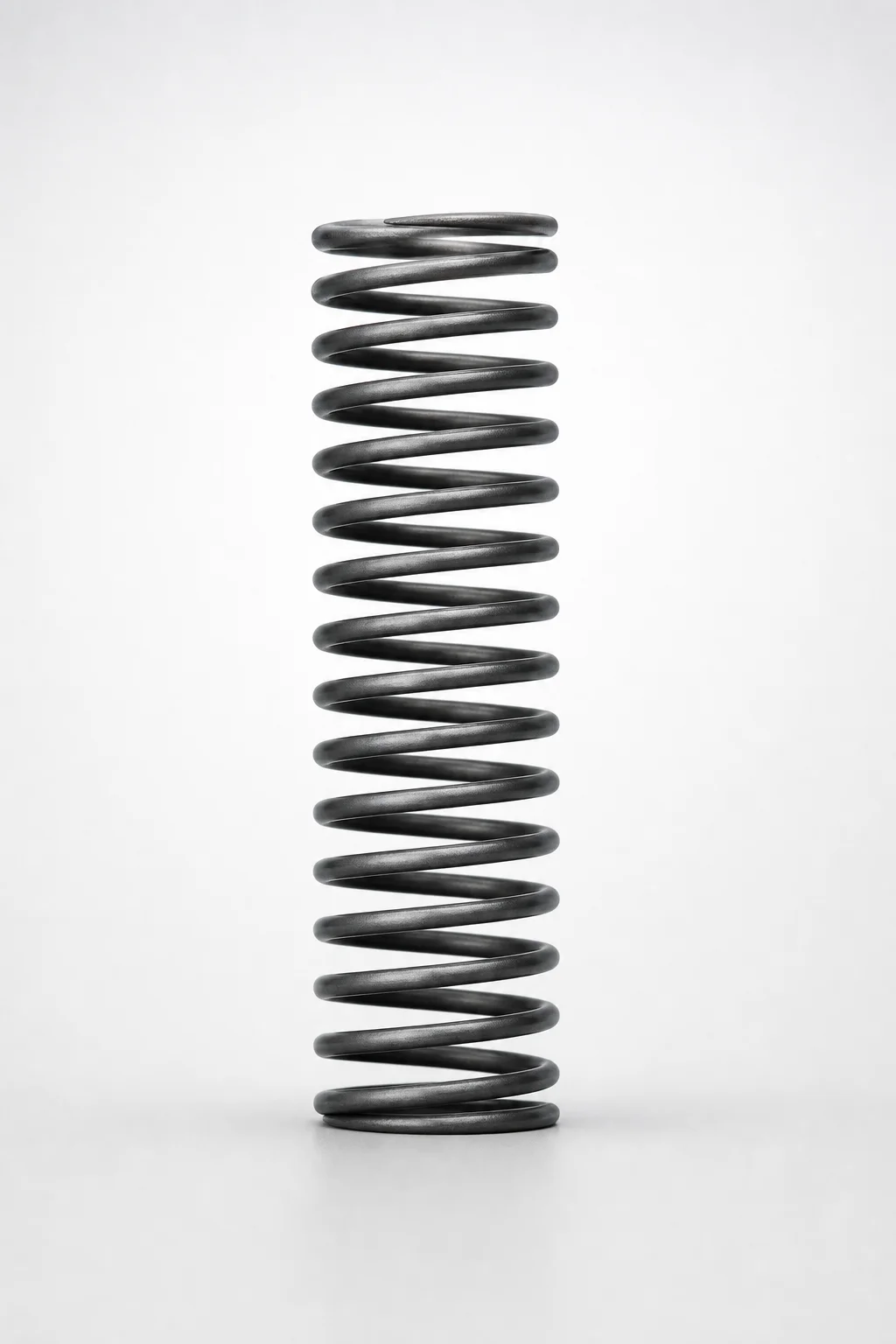
Round Wire Coil Springs - 45% Deflection WF Series
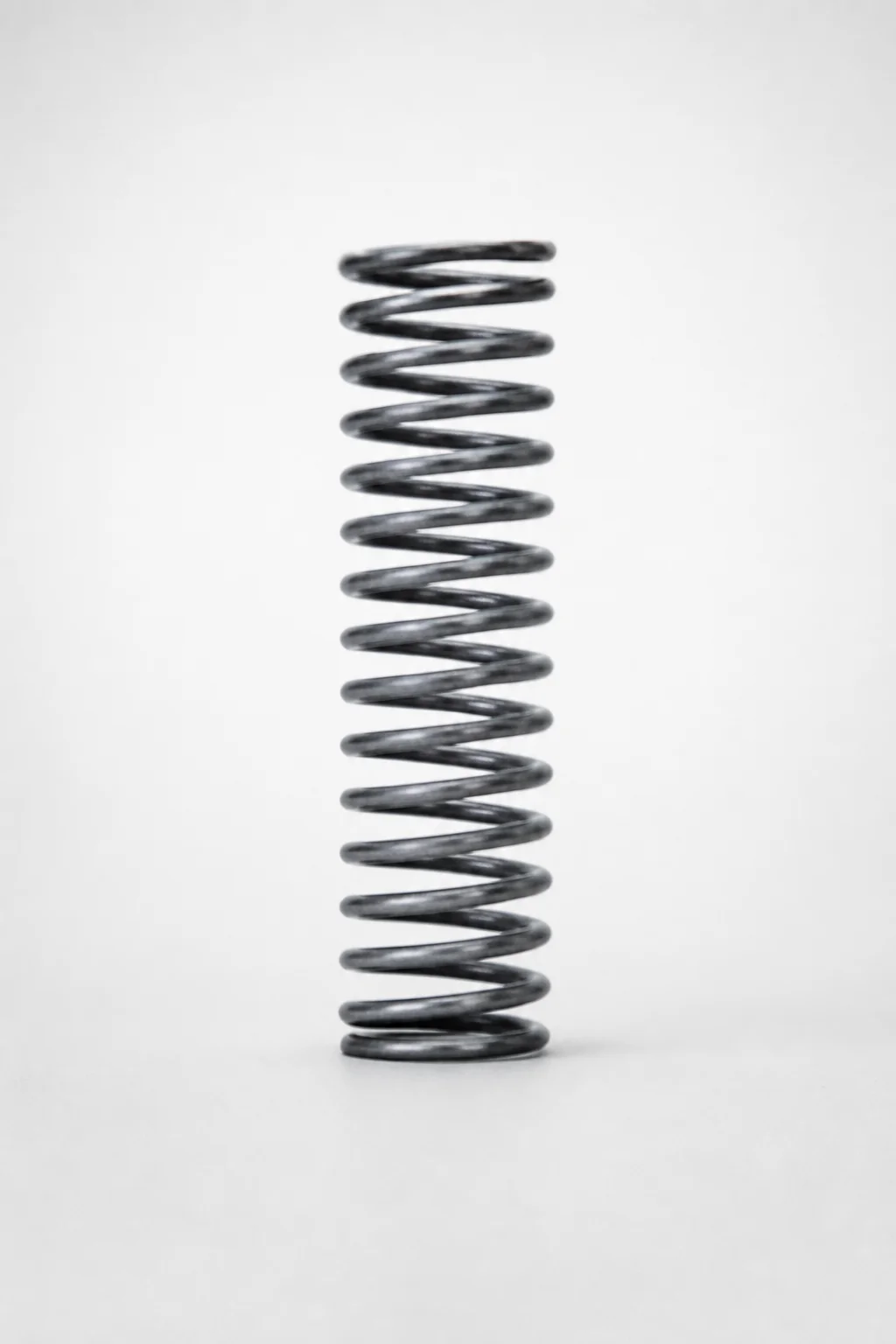
Piano Wire Round Wire Coil Springs - 40% Deflection, WL Series
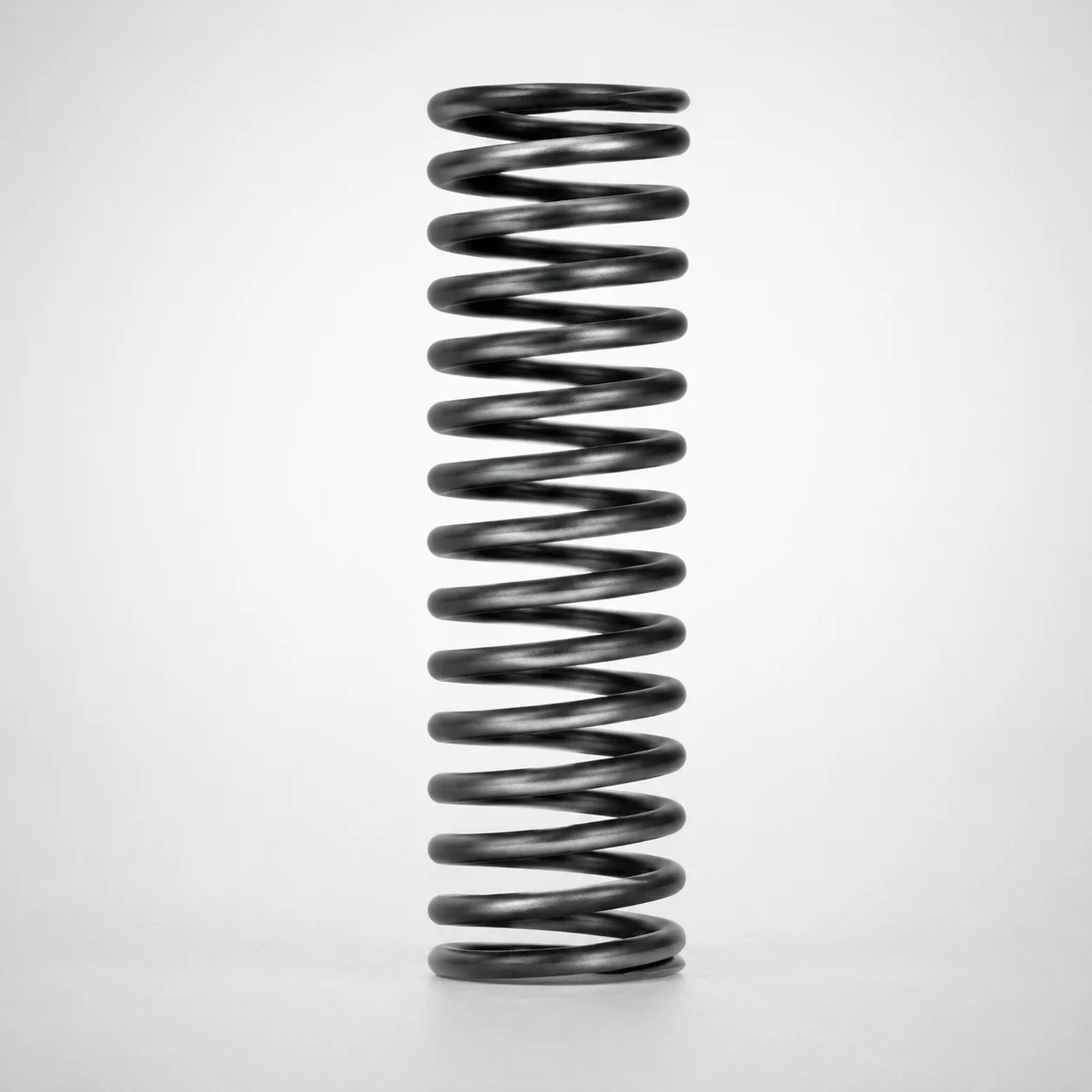
WT Series Round Wire Coil Springs 40% Deflection
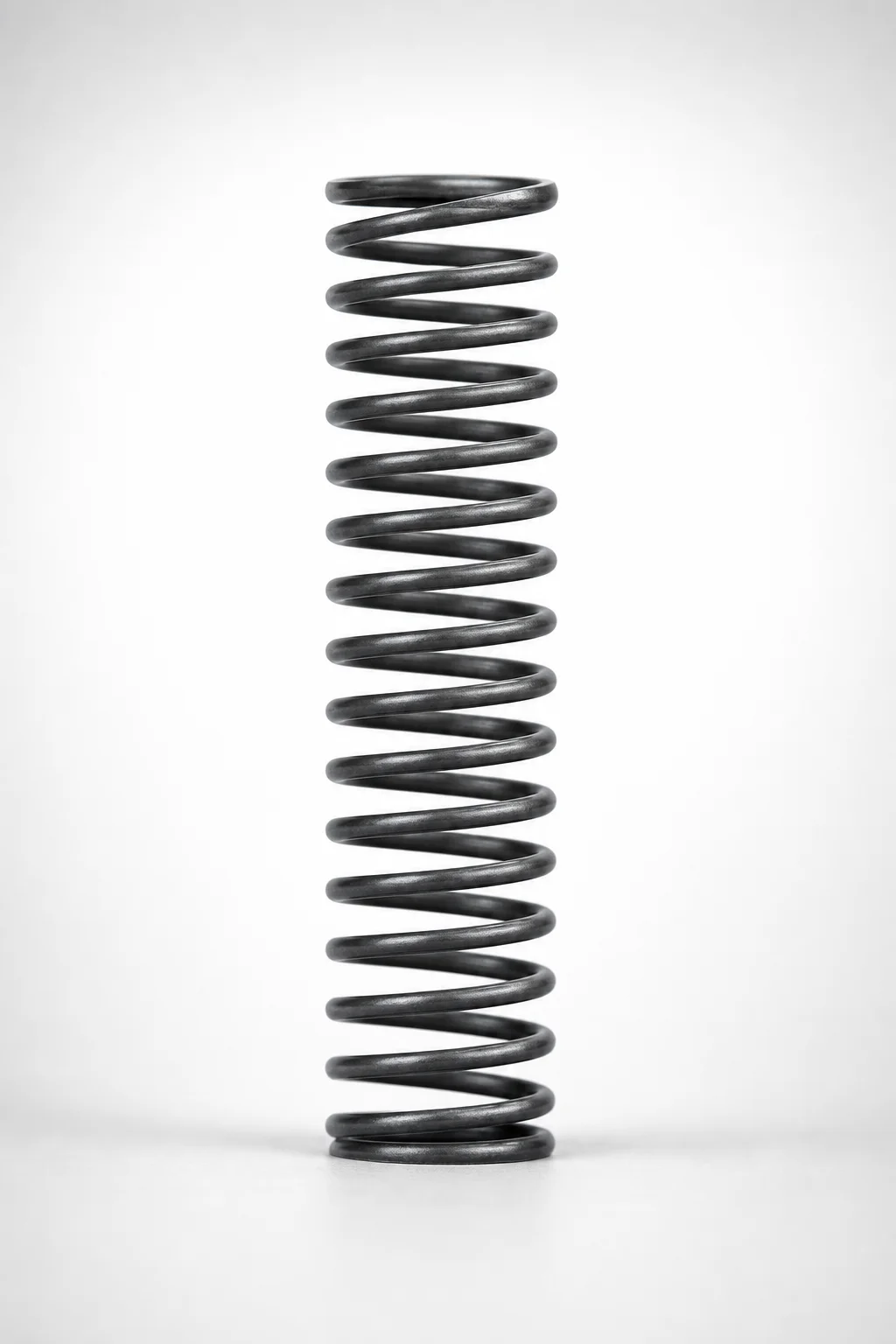
WM Series Round Wire Coil Springs 35% Deflection
Need Custom Specifications?
Our engineering team can help with custom configurations, material selection, and volume pricing.