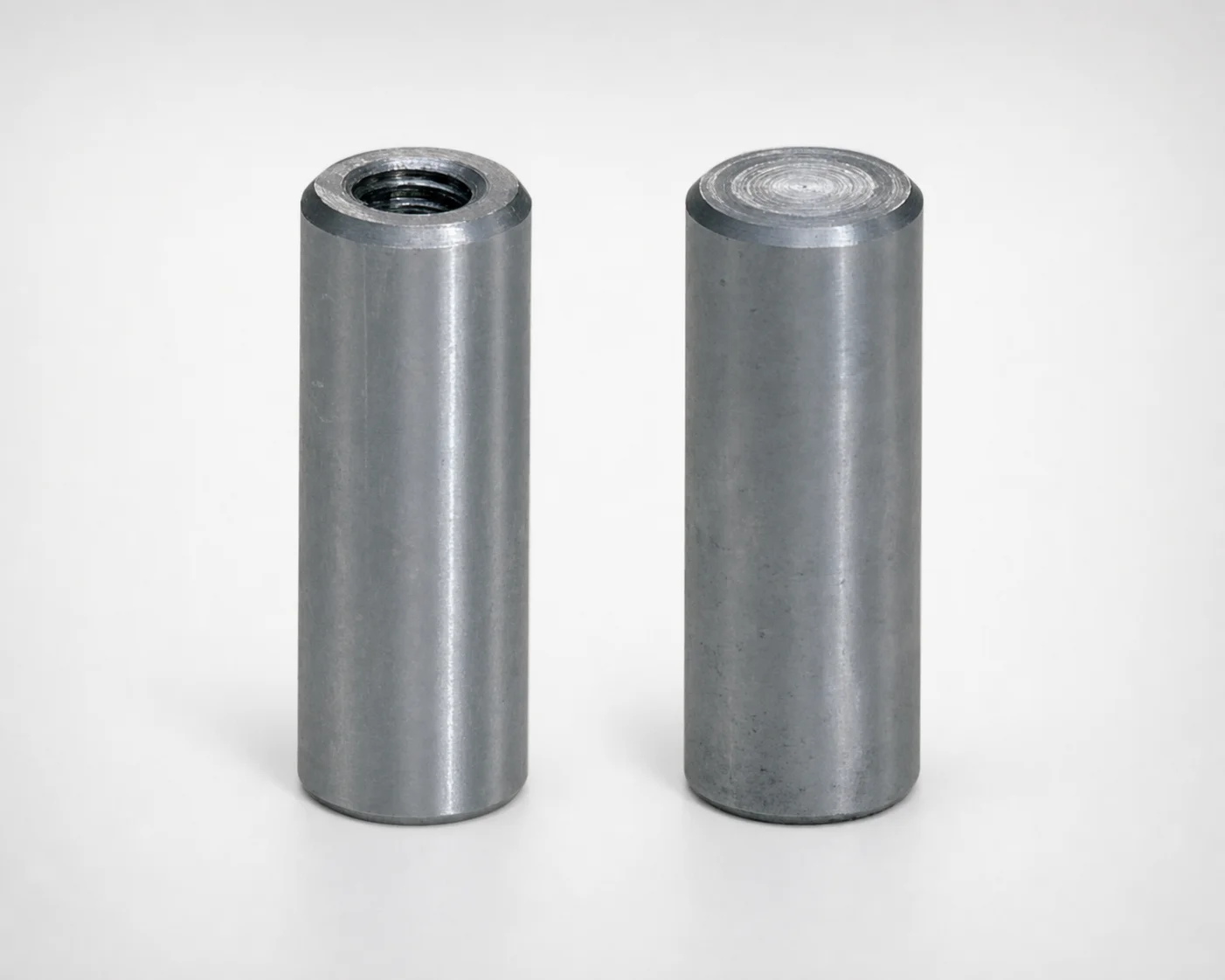
Cooling Circuit Plugs JWPMT Metal Bar Tapped
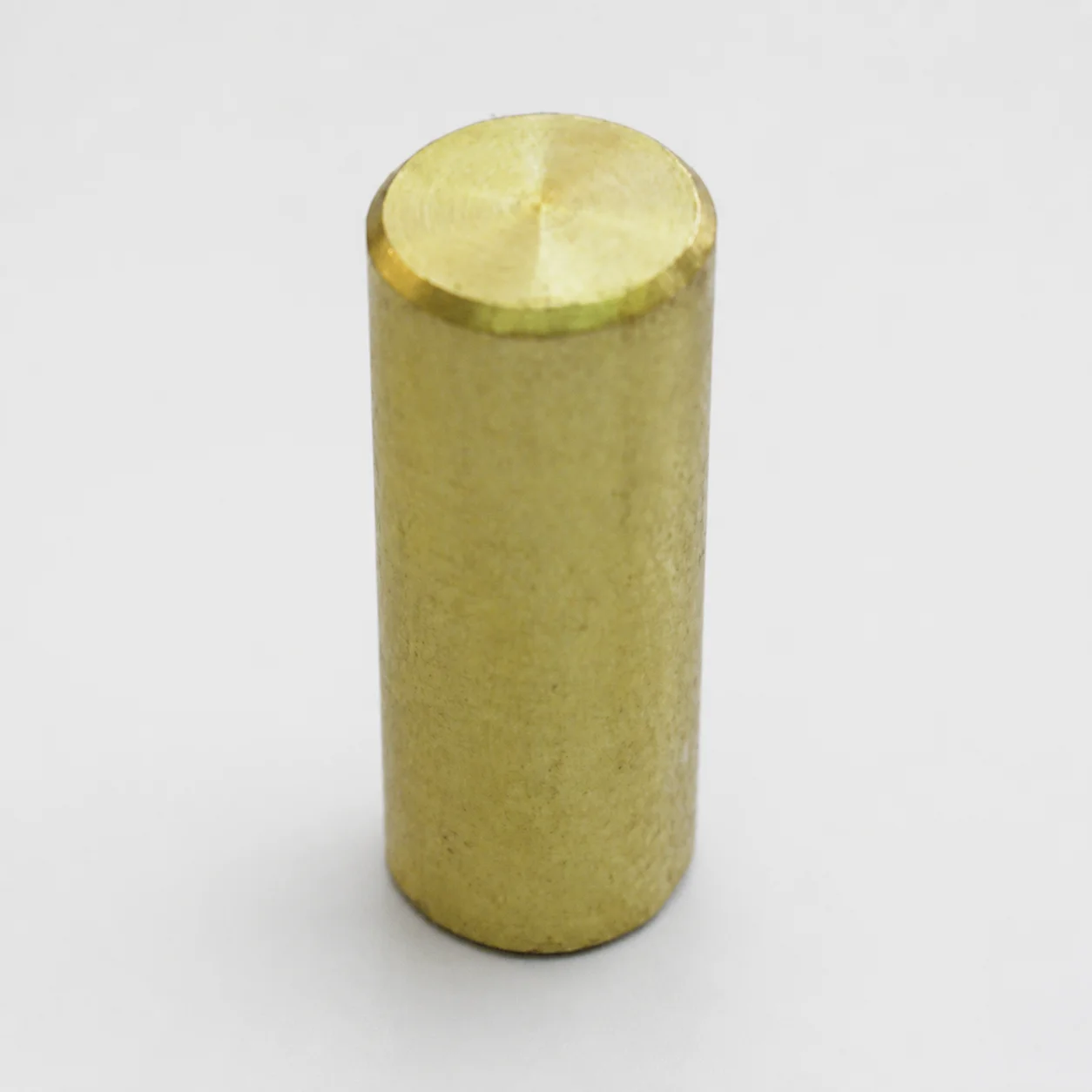
Cooling Circuit plugs JWPMT metal bar tapped are designed to maintain dependable sealing in cooling circuits while supporting stable heat removal. The tapped metal-bar style helps prevent fluid loss, protecting internal channels and overall equipment performance.
- Tapped metal bar configuration for secure installation in cooling circuit ports
- Engineered sealing performance helps prevent leakage and fluid loss
- Designed for consistent cooling efficiency in industrial operating conditions
- JWPMT type plug suitable for maintaining clean, contamination-resistant systems
Specifications
10 configurations available
| D (Outer diameter) (mm) | L (Full length in increments of 10mm) (mm) | LC (Full length cutting in increments of 1mm) (mm) | type |
|---|---|---|---|
| 11 | 30 ~ 200 | - | - |
| 11 | - | 31 ~ 200 | - |
| 15 | 30 ~ 200 | - | - |
| 15 | - | 31 ~ 200 | - |
| 18 | 30 ~ 200 | - | - |
| 18 | - | 31 ~ 200 | - |
| 22 | 30 ~ 200 | - | - |
| 22 | - | 31 ~ 200 | - |
| 24 | 30 ~ 300 | - | - |
| 24 | - | 31 ~ 199 | - |
Product Guide
Application Scenarios+
These tapped cooling circuit plugs are used to seal internal cooling channels in injection mold tooling, helping maintain hydraulic integrity and stable heat transfer during production runs. The metal-bar, tapped style is suited for applications where plugs must be fastened securely into cooling circuit ports to reduce the risk of leakage and fluid loss.
- Automotive and appliance connector molds: Installed in drilled cooling galleries to prevent coolant seepage while supporting consistent temperature control across high-cycle parts.
- Medical device housing molds: Used to maintain clean coolant flow paths by minimizing contamination ingress associated with seal failure.
- General industrial housing molds: Applicable when frequent maintenance access is required, since the tapped interface supports reliable reinstallation.
Choose the version with the correct outer diameter and full length range so the plug seats properly in the cooling port depth while retaining sealing performance under typical injection molding operating conditions.
Material & Process Details+
The provided specifications for this series focus on dimensional variants (D and L/LC), while no explicit steel grade or heat-treatment state is included in the input data. For engineering documentation and compatibility checks, confirm the plug’s exact material grade, hardness (HRC), and heat treatment (e.g., pre-hardened, quenched & tempered, or nitrided) with the supplier before final mold build approval.
- Wear vs. toughness trade-off: In cooling circuit sealing components, higher hardness generally improves resistance to scuffing during installation, but excessive hardness without sufficient toughness can increase susceptibility to chipping at thread interfaces.
- Manufacturing process: These plugs are configured as tapped metal-bar style components, indicating machining of outer dimensions followed by thread-forming for the tapped mounting feature.
If multiple steel options exist for the JWPMT type in your configuration, select based on required thermal cycling resistance and thread durability.
Sizing & Selection Guide+
Select the cooling circuit plug by matching the outer diameter D and the installed depth represented by L and LC. Available outer diameters are 11, 15, 18, 22, 24 mm, so choose the D size that aligns with the cooling port bore/seat diameter in your mold.
- Length selection (L): Full length L is offered in increments of 10 mm with ranges of 30 ~ 200 mm and 30 ~ 300 mm, depending on the variant.
- Cut length selection (LC): Full length cutting LC is available in 1 mm increments with ranges of 31 ~ 200 mm and 31 ~ 199 mm.
Use L to ensure the plug reaches the required sealing depth, while LC corresponds to the cutting/trim dimension for your assembly height. Verify thread fit and effective engagement in the tapped port with your mold’s hole tolerances; because tolerances are not specified here, confirm allowable fit/clearance in your engineering drawing package.
Frequently Asked Questions
How do I choose the correct outer diameter D for JWPMT cooling circuit plugs in my mold port?+
What is the difference between L and LC when specifying JWPMT plug length?+
Which length range should I select if my mold cooling channel depth is near 250 mm?+
Does this JWPMT plug design rely on tapping for installation—how should I verify engagement?+
What material grade and hardness should I assume for leak-resistant performance in cooling circuits?+
Related Products
Need Custom Specifications?
Our engineering team can help with custom configurations, material selection, and volume pricing.